14 Foods That Glow Under Ultraviolet Light
Ever wondered why some foods seem to light up like magic under a blacklight? It turns out that certain compounds in everyday foods can absorb ultraviolet light and emit it back as visible light, creating an amazing glow effect. This natural phenomenon, called fluorescence, happens when molecules get excited by UV rays and release energy as light we can actually see.
You might be surprised to learn just how many common kitchen staples transform into glowing spectacles under UV light. Here is a list of 14 foods that put on quite the light show when exposed to ultraviolet rays.
Tonic Water
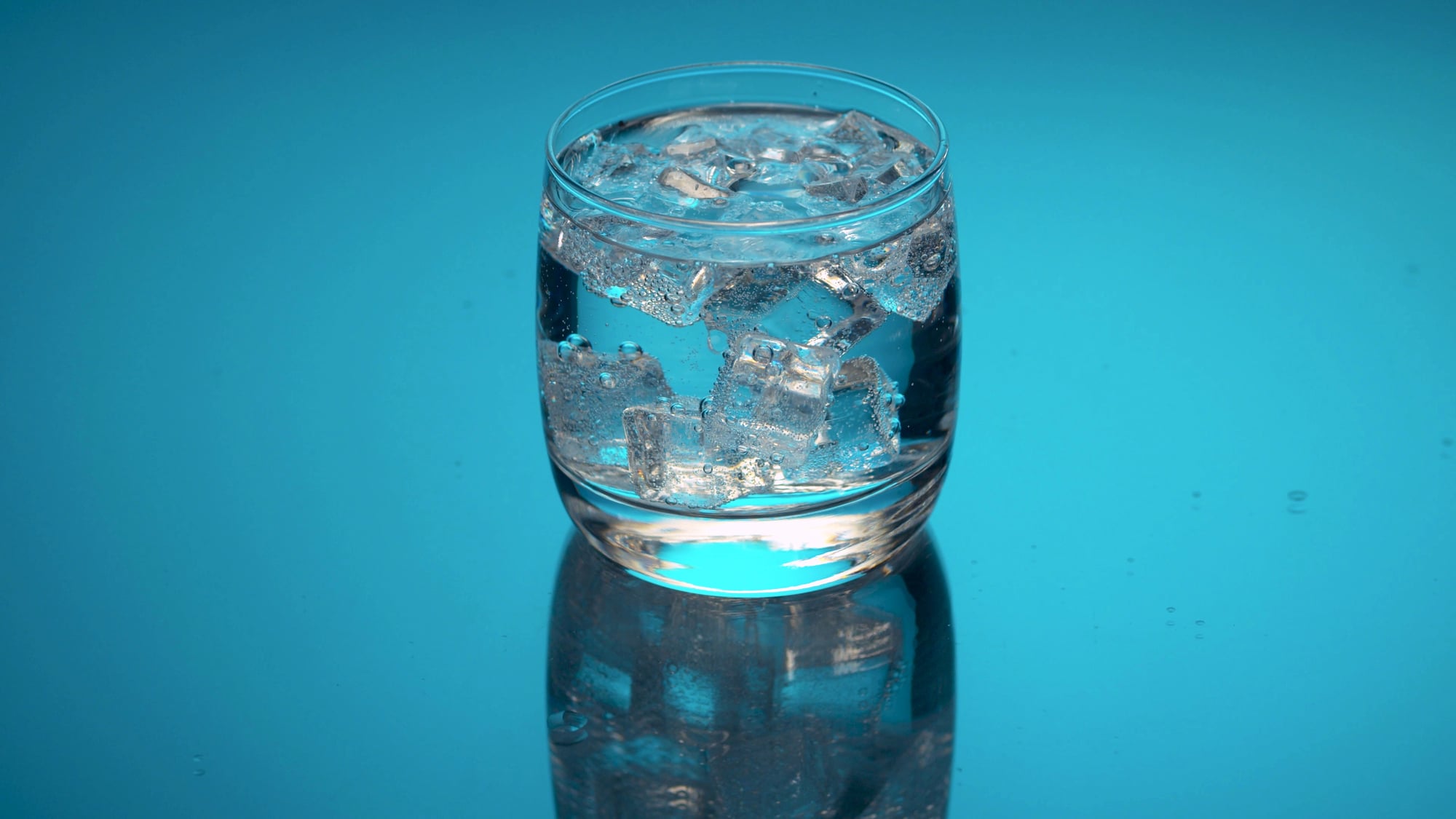
The star of any UV light demonstration has to be tonic water, which glows bright blue thanks to quinine. This bitter compound, originally used to prevent malaria, absorbs UV light and emits it back as a stunning blue glow.
You can easily test this at home with a blacklight and watch your drink turn into something that looks like it belongs in a sci-fi movie.
Bananas
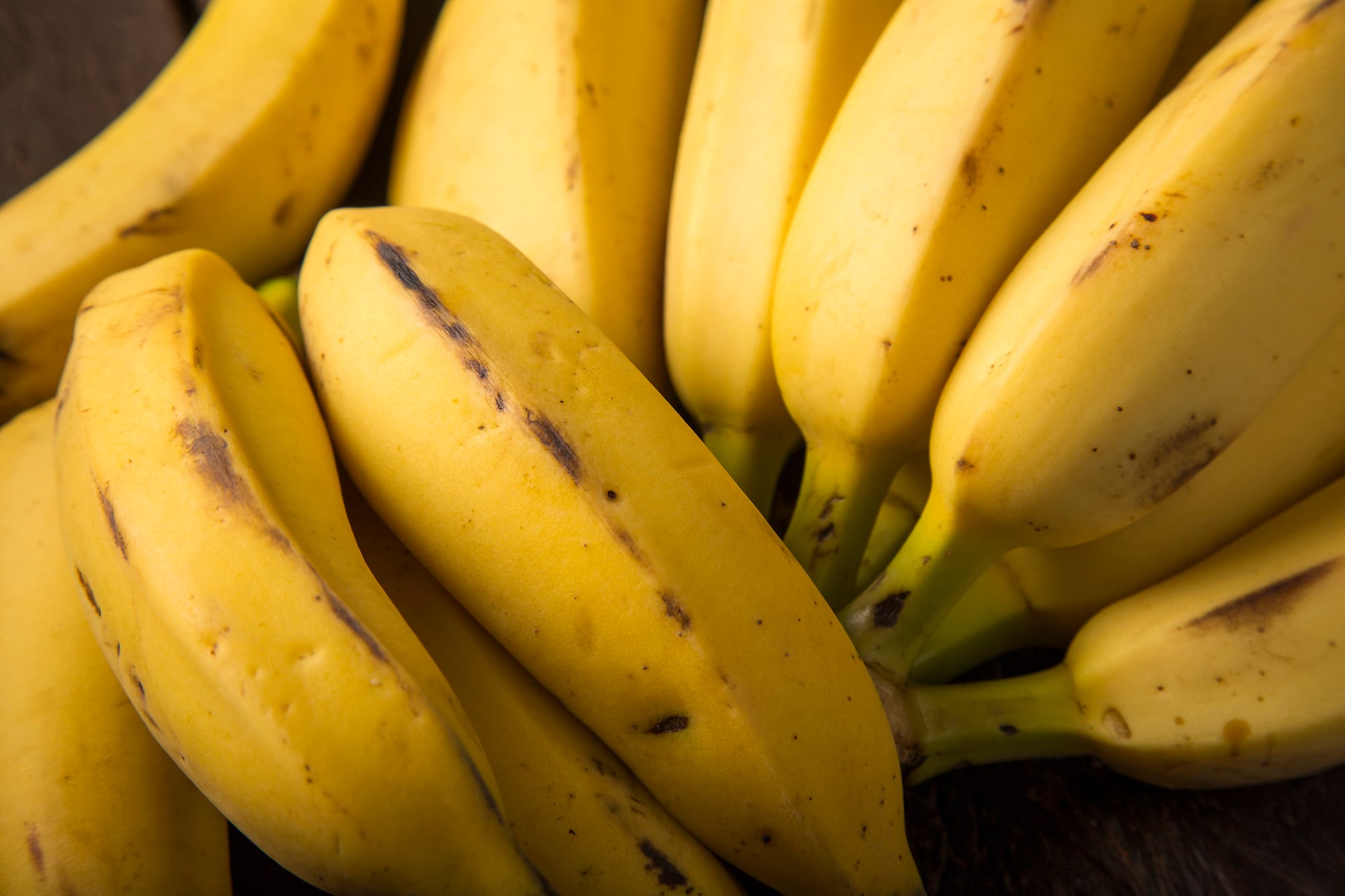
Ripe bananas develop fluorescent compounds in their peels that create a blue-green glow under UV light. The older and more spotted the banana, the brighter it tends to glow because these compounds increase as the fruit ripens.
It’s like nature’s way of advertising which bananas are ready to eat, though we can only see this signal with special lighting.
Olive Oil
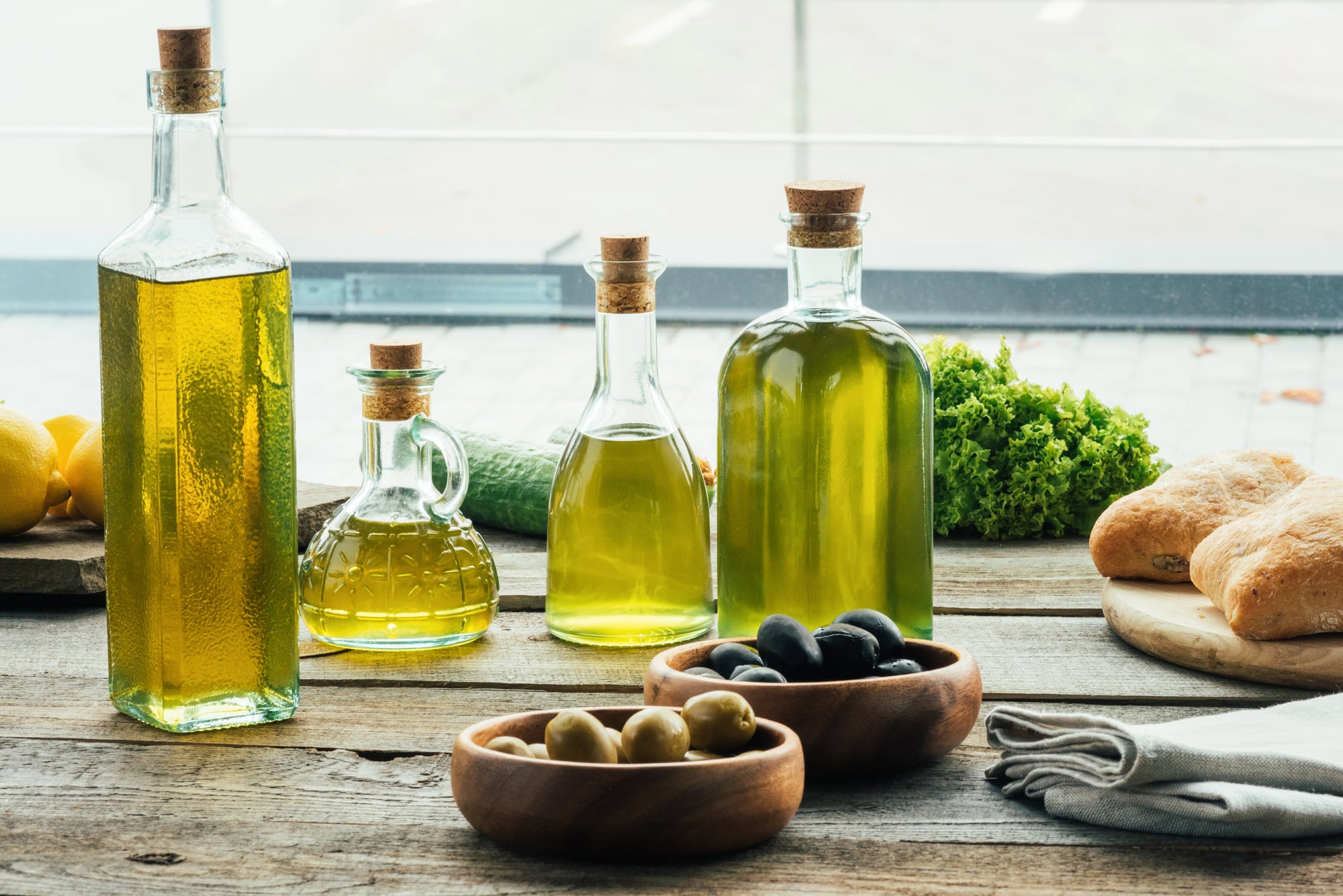
High-quality olive oil contains natural compounds that make it glow with a reddish hue under ultraviolet light. This fluorescence actually helps food inspectors detect authentic olive oil and spot cheaper substitutes.
The glow varies depending on the oil’s quality and processing methods, with extra virgin varieties typically showing the strongest fluorescence.
Honey
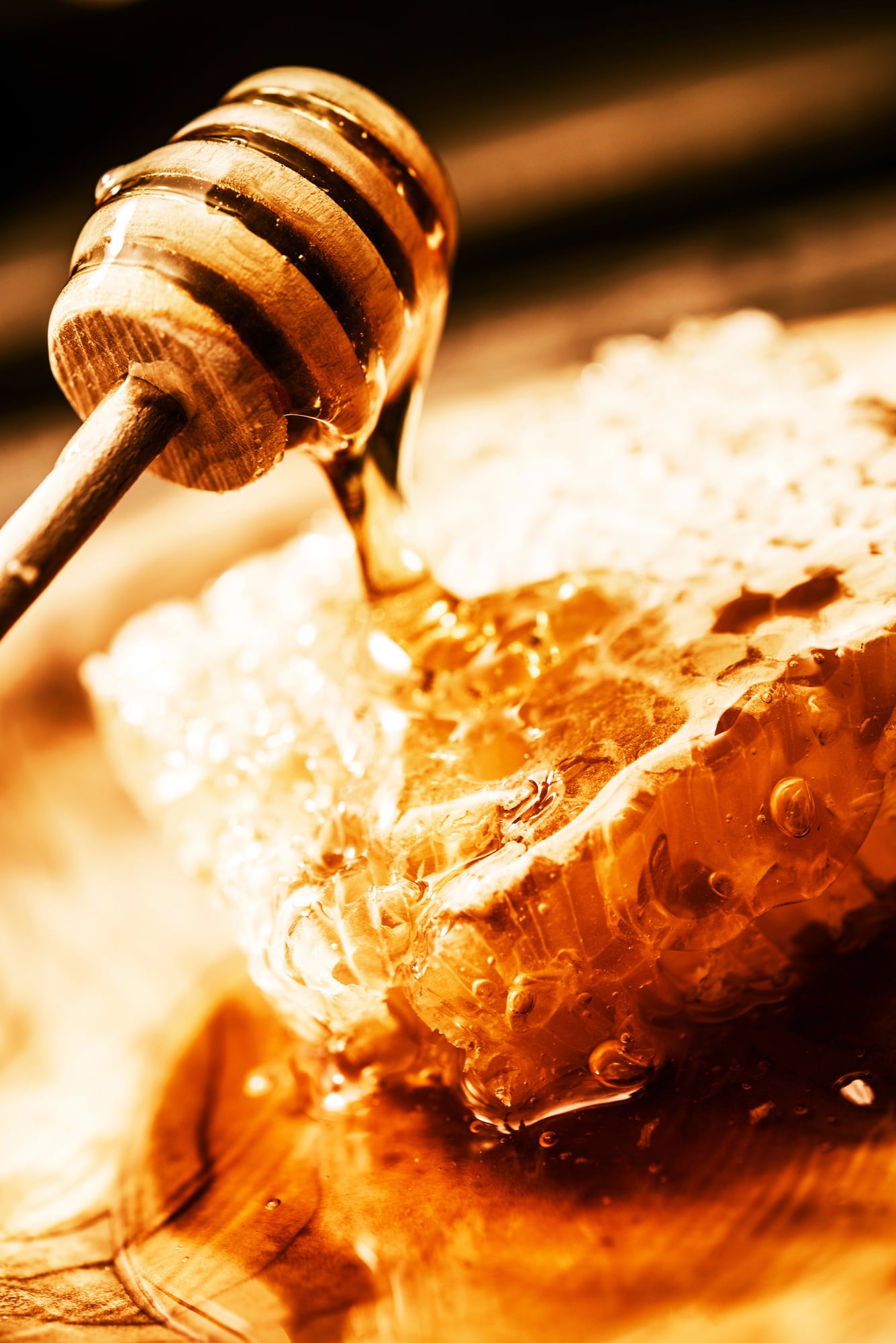
Pure honey glows with a golden-yellow light under UV rays, thanks to natural compounds from flower nectar and pollen. Different types of honey can produce slightly different colors, from pale yellow to deep amber glows.
This fluorescence is so reliable that beekeepers and honey producers sometimes use UV lights to check the purity and authenticity of their products.
Vanilla Extract

Real vanilla extract lights up with a bright blue glow because of vanillin and other aromatic compounds. This makes it easy to tell the difference between genuine vanilla extract and artificial versions, which typically don’t fluoresce as brightly.
The intensity of the glow often correlates with the quality and concentration of the vanilla.
B Vitamins

Foods rich in B vitamins, especially riboflavin, create a bright yellow-green glow under UV light. This includes fortified cereals, energy drinks, and vitamin supplements.
The fluorescence is so strong that you can actually see it in your urine after taking B-vitamin supplements, though that’s probably more information than most people want to know.
Chlorophyll-Rich Vegetables

Leafy greens like spinach, kale, and lettuce glow red under UV light because chlorophyll absorbs UV rays and emits them back in the red spectrum. Fresh herbs like parsley and cilantro show the same effect.
This red fluorescence is actually the reverse of what we see in normal light, where chlorophyll appears green.
Turmeric

This golden spice produces a bright yellow glow under ultraviolet light due to curcumin, its active compound. Ground turmeric powder shows this effect more dramatically than whole turmeric root.
The same compound that gives turmeric its distinctive color and health benefits also makes it a natural fluorescent material.
Lime Juice
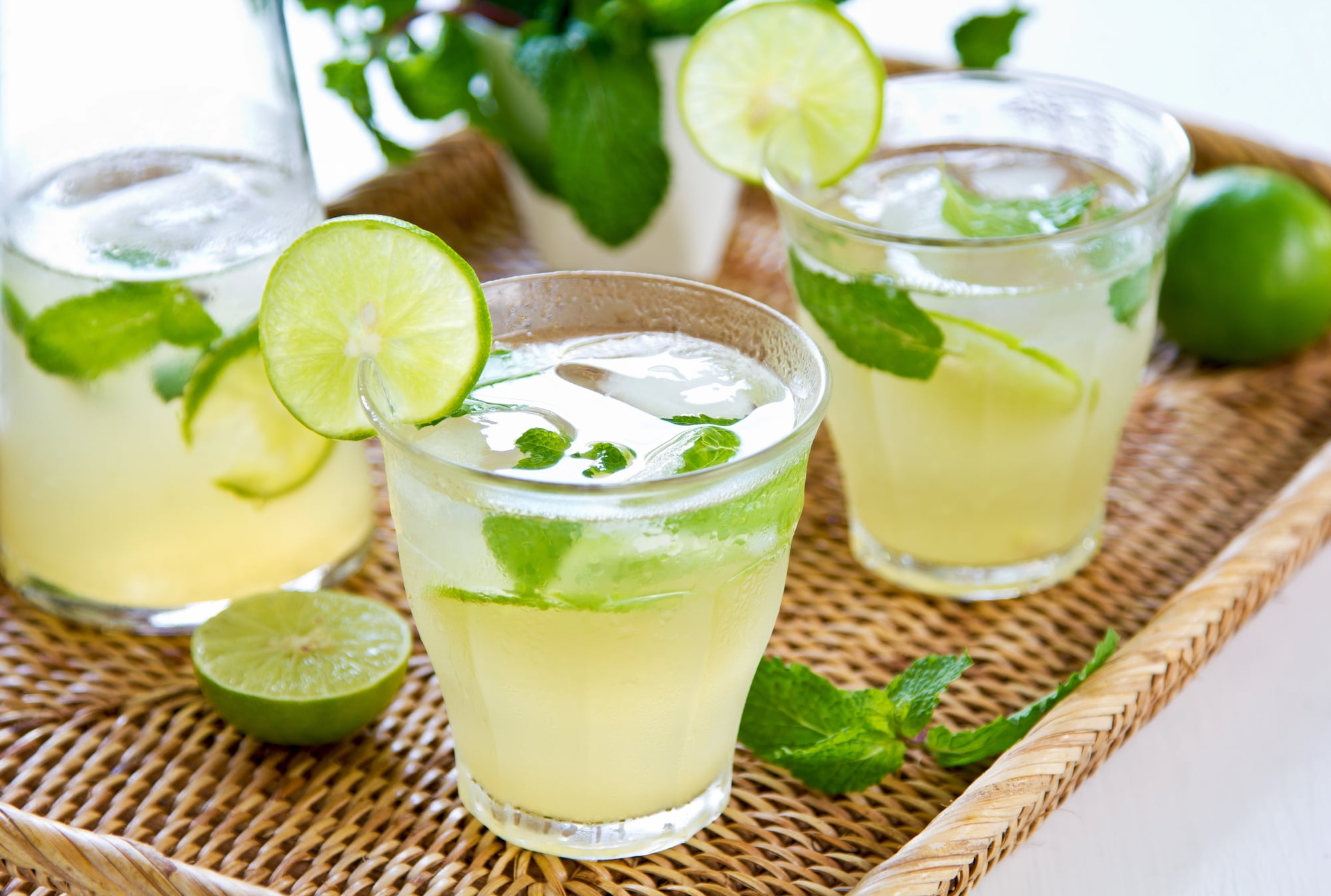
Fresh lime juice glows with a greenish-blue light under UV rays, thanks to natural citrus compounds. The effect is strongest with freshly squeezed juice and tends to fade over time as the compounds break down.
Lemon juice shows a similar but slightly different fluorescent pattern.
Energy Drinks

Many energy drinks light up bright yellow or green under UV light because they’re loaded with B vitamins, especially riboflavin. The artificial colors and other additives can also contribute to the fluorescent effect.
Some brands seem to glow brighter than others, depending on their specific vitamin formulations.
Milk

Fresh milk shows a faint blue-white glow under UV light due to riboflavin and other naturally occurring compounds. The effect is subtle compared to other foods on this list, but it’s definitely visible in a dark room.
Skim milk often shows more fluorescence than whole milk because the fat content can interfere with the light emission.
White Chocolate

White chocolate glows with a blue-white light under UV rays, thanks to the milk solids and vanilla used in its production. The cocoa butter itself doesn’t fluoresce much, but the other ingredients create the glowing effect.
Dark chocolate, interestingly, absorbs UV light rather than emitting it, so it appears dark under blacklight.
Ginger Root

Fresh ginger root produces a faint yellow glow under ultraviolet light due to natural compounds like gingerol. The effect is more noticeable with fresh ginger than dried or powdered versions.
Ground ginger can still fluoresce, but the intensity depends on how it was processed and how long it’s been stored.
Coconut Water
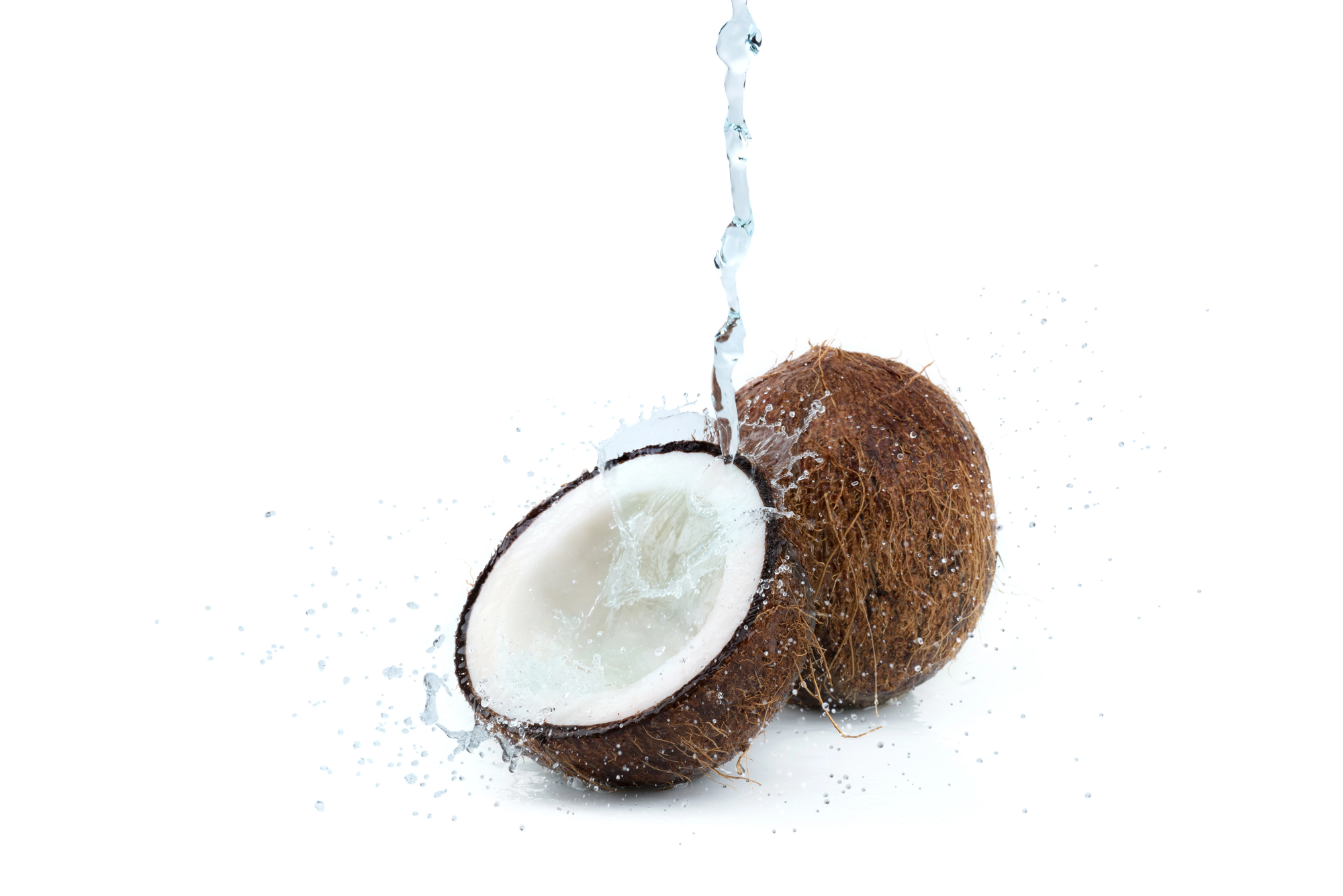
Natural coconut water glows with a pale blue light under UV rays because of its B-vitamin content and natural electrolytes. The fluorescence is subtle but definitely visible in complete darkness.
Processed coconut water products might show different fluorescent patterns depending on what’s been added during manufacturing.
Nature’s Hidden Light Show
These glowing foods remind us that there’s more to our everyday ingredients than meets the eye. The same compounds that give foods their flavors, colors, and nutritional benefits often have hidden properties that only show up under special conditions.
Next time you’re at a science museum or have access to a blacklight, try experimenting with some of these foods to see nature’s hidden light show for yourself. It’s a fun way to discover the fascinating chemistry that’s been hiding in your kitchen all along.
More from Go2Tutors!

- The Romanov Crown Jewels and Their Tragic Fate
- 13 Historical Mysteries That Science Still Can’t Solve
- Famous Hoaxes That Fooled the World for Years
- 15 Child Stars with Tragic Adult Lives
- 16 Famous Jewelry Pieces in History
Like Go2Tutors’s content? Follow us on MSN.



