Foods That Traveled Continents and Changed Cuisine
Think about the last meal you ate. Chances are, half the ingredients came from places thousands of miles away from where they’re now considered ‘traditional.’
That tomato in your Italian marinara originated in South America. The chili pepper making your Indian curry spicy started its journey in Mexico.
Food has always been one of humanity’s greatest travelers, hitching rides on ships, caravans, and trade routes to transform the way entire continents eat. The movement of food across the globe fundamentally reshaped human history.
Here is a list of foods that crossed oceans and borders, changing cuisines and cultures along the way.
Tomatoes

In the sixteenth century, tomatoes traveled from South America to Europe, but initially, Europeans weren’t overly excited. For almost 200 years, they grew the vivid red fruit only as a decorative plant because they believed it to be poisonous.
Everything changed when Italians took a chance and began using tomatoes in their cooking. These days, it’s hard to imagine Italian food without tomato sauce on top of pizza or pasta.
Potatoes
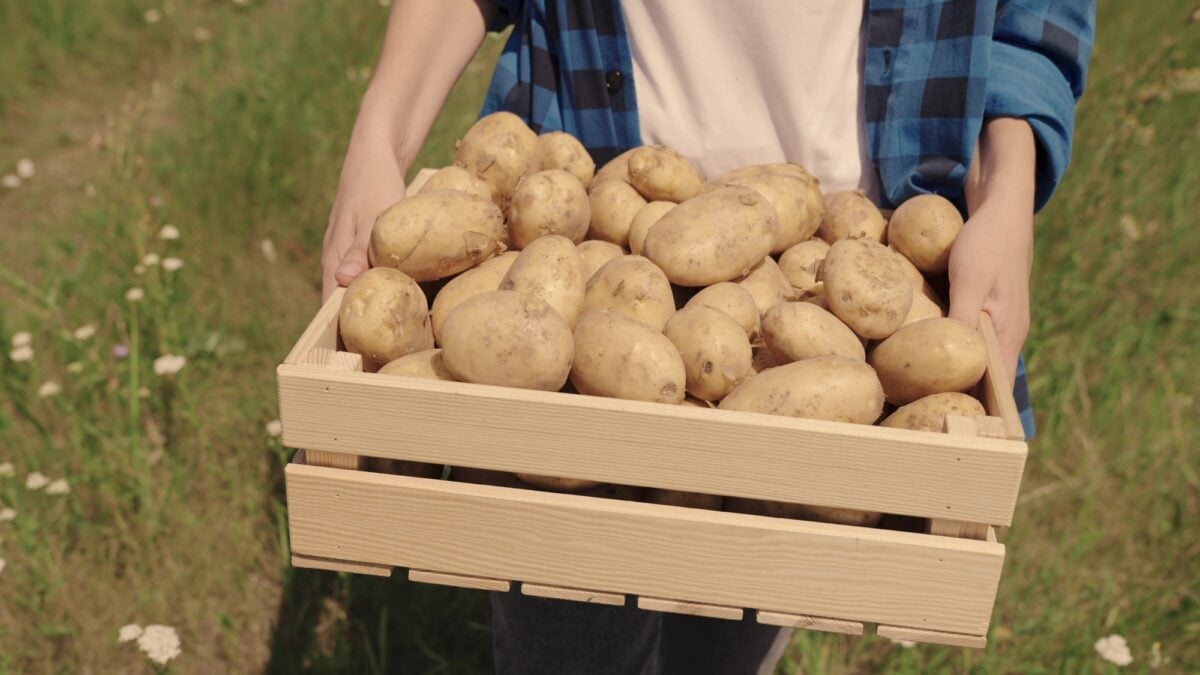
One of the most significant crops in human history, the humble potato made its way from the Andes mountains to Europe. When potato blight struck in the 1840s, Irish cuisine embraced it so thoroughly that over a million people perished in the ensuing famine.
oday, potatoes have contributed significantly to population growth between 1700 and 1900, providing remarkably efficient food for people from India to North America.
Chili Peppers

Since chili peppers were exclusive to the Americas prior to the 1500s, there was not a single spicy curry in India or kimchi in Korea. The culinary world erupted with heat when Portuguese traders brought these fiery pods from South America to Asia.
Hungary produced paprika, Korea produced its famous hot kimchi, and India turned chili peppers into vital curry ingredients.
Chocolate

Mesoamerican civilizations had been drinking bitter chocolate beverages for thousands of years before Spanish conquistadors brought cacao beans back to Europe. Europeans sweetened the deal by adding sugar, turning chocolate into the dessert phenomenon we know today.
The Aztecs and Maya would barely recognize the chocolate bars lining modern store shelves.
Coffee

Coffee beans originated in Ethiopia, but Arab traders turned coffee into a cultural phenomenon in the Middle East. By the 17th century, coffee had reached Europe through Venetian trade, and the first coffee shops appeared along Italian canals.
The beverage then traveled to French colonies in the Caribbean, where it flourished in the tropical climate and became a global commodity.
Tea

Chinese tea traveled westward along the Silk Road and by sea routes, reaching Russian merchants in 1559. The Dutch started growing it in their Asian colonies, and when tea arrived in England in 1657, the British turned afternoon tea into a national ritual.
Americans famously threw British tea into Boston Harbor, but that didn’t stop tea from becoming one of the world’s most consumed beverages.
Corn
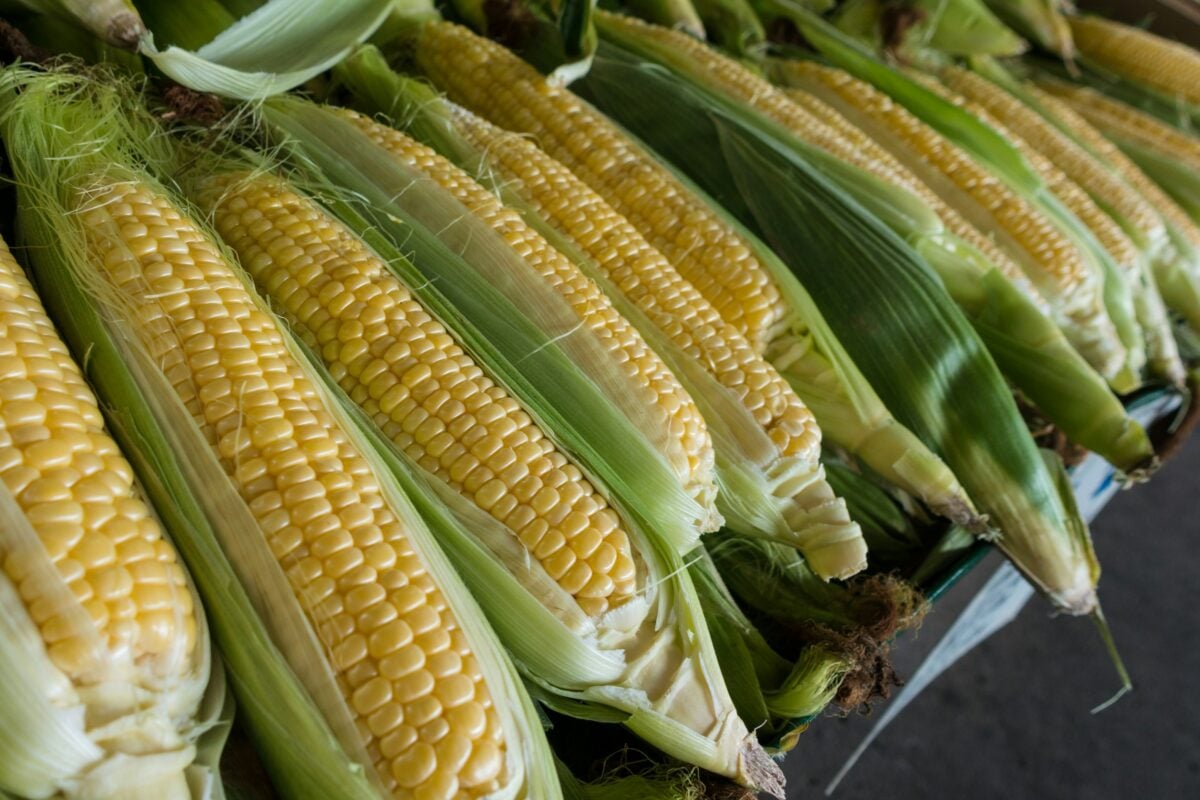
Corn traveled from Mexico and Central America to transform agriculture on every inhabited continent. African farmers adopted it as a staple crop, replacing traditional sorghum and millet in many regions.
The plant thrived in diverse climates from China to Italy, adapting itself to local growing conditions with remarkable flexibility. Today, corn production dwarfs most other crops globally.
Rice

While rice originated in Asia and fed billions there for millennia, it took a different route to the Americas. African slaves brought their knowledge of rice cultivation to the New World, making it possible to grow the water-demanding crop in new environments.
European colonizers recognized its value and established rice as a plantation crop, fundamentally changing agricultural practices across continents.
Sugar

Sugar cane made the journey from Southeast Asia to the Mediterranean, but it was the colonization of the Americas that turned sugar into a global obsession. European colonizers found the Caribbean climate perfect for growing cane, and sugar production exploded.
The crop became so valuable that it fueled the transatlantic slave trade, leaving a devastating legacy alongside sweetened tea and coffee.
Vanilla

Vanilla orchids only grew in Mexico for centuries because they required a specific bee species for pollination. When the plant reached other continents, it couldn’t produce vanilla beans until someone figured out hand-pollination.
Madagascar eventually became the world’s largest vanilla producer, and the flavoring traveled from Aztec chocolate drinks to become a baking staple worldwide.
Bananas
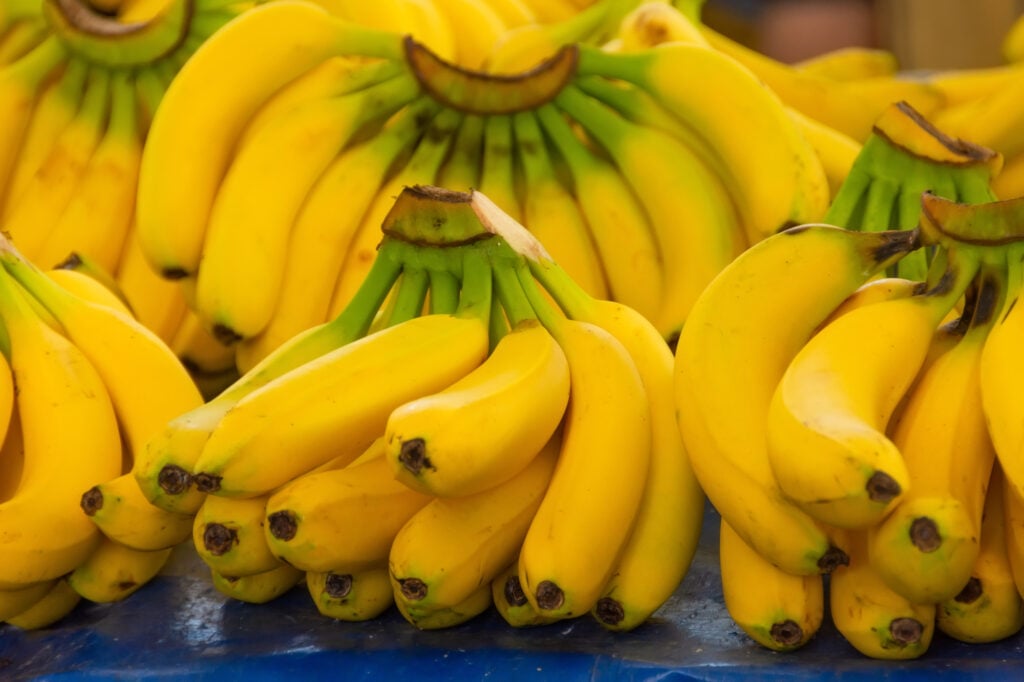
Bananas originated in Southeast Asia and Papua New Guinea before spreading to Africa through ancient trade routes. Portuguese sailors brought them to the Caribbean in the 16th century, but Americans didn’t embrace bananas until the 1880s when large plantations were established.
The fruit went from exotic curiosity to one of the most consumed fruits globally in just a few decades.
Wheat
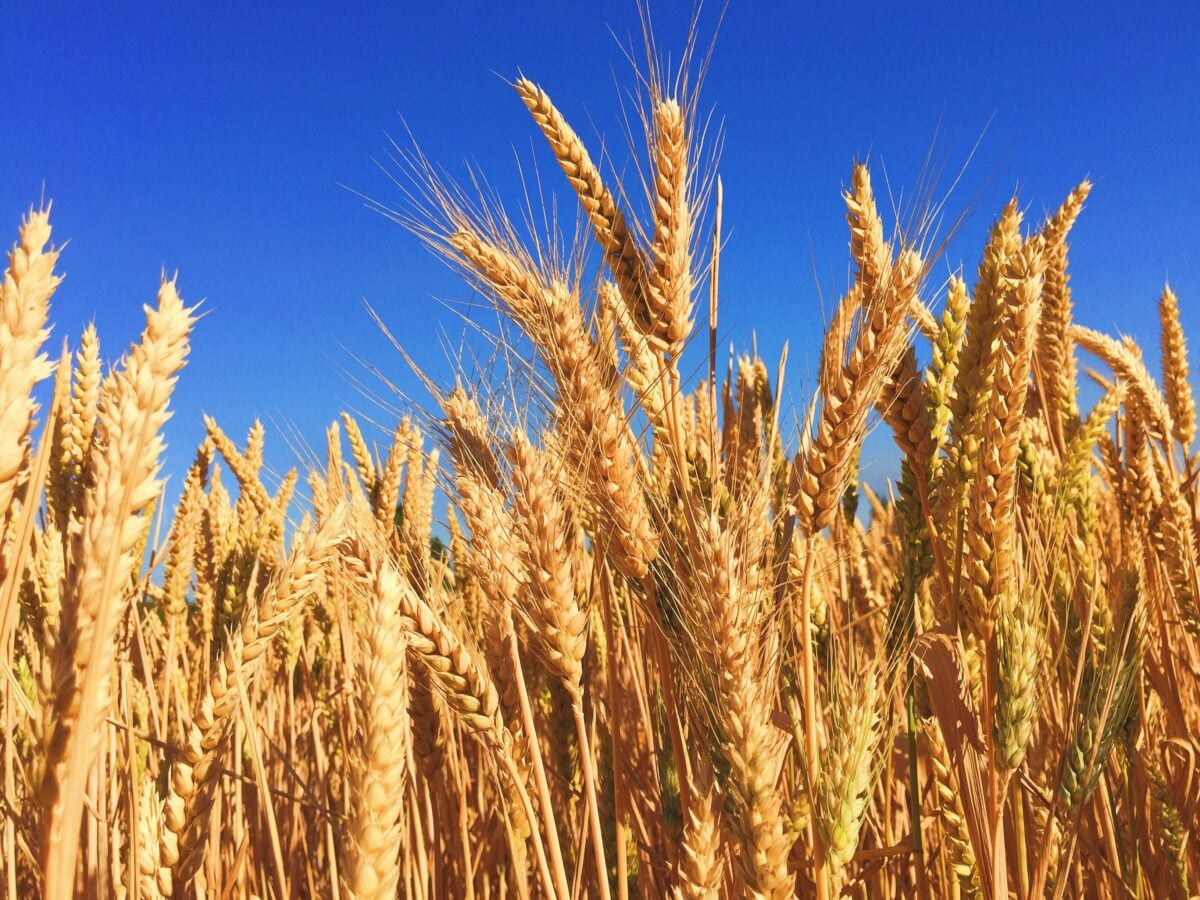
Wheat made the reverse journey from the Old World to the New, traveling with European colonizers to the Americas. The grain had been feeding civilizations in the Middle East and Mediterranean for thousands of years.
American prairies proved ideal for wheat cultivation, and the United States eventually became one of the world’s largest wheat exporters.
Pasta

The origin of pasta sparks heated debates between food historians, with some pointing to ancient China’s noodles and others to Roman flat dough sheets. Arabs likely brought dried pasta techniques to Sicily, and from there it spread throughout Italy.
The Marco Polo myth about bringing pasta from China has been thoroughly debunked, but the truth is more interesting: different cultures probably invented similar foods independently.
Citrus Fruits

Oranges, lemons, and limes traveled from Southeast Asia through Middle Eastern trade routes before reaching the Mediterranean. Spanish and Portuguese colonizers then brought citrus to the Americas, where it struggled initially in the unfamiliar climate.
By the late 19th century, Florida and California had become citrus powerhouses, shipping fruit across North America.
Cassava

After traveling from Brazil to Africa, this starchy root revolutionized food security in ways that few other crops could match. Even the leached soils of West and Central Africa, where other crops struggle, are suitable for cassava growth.
One of the most successful transplanted crops in history, cassava is now the main food source for about 200 million Africans.
Sweet Potatoes

In the 1560s, sweet potatoes made their way from South America to China, where they are now the third most important crop after wheat and rice. In areas of Asia affected by the monsoon, the tuber supplemented diets, offering dependable sustenance when other crops failed.
Sweet potatoes have been used so extensively in Korean and Japanese cuisines that many believe they originated in Asia.
Peanuts
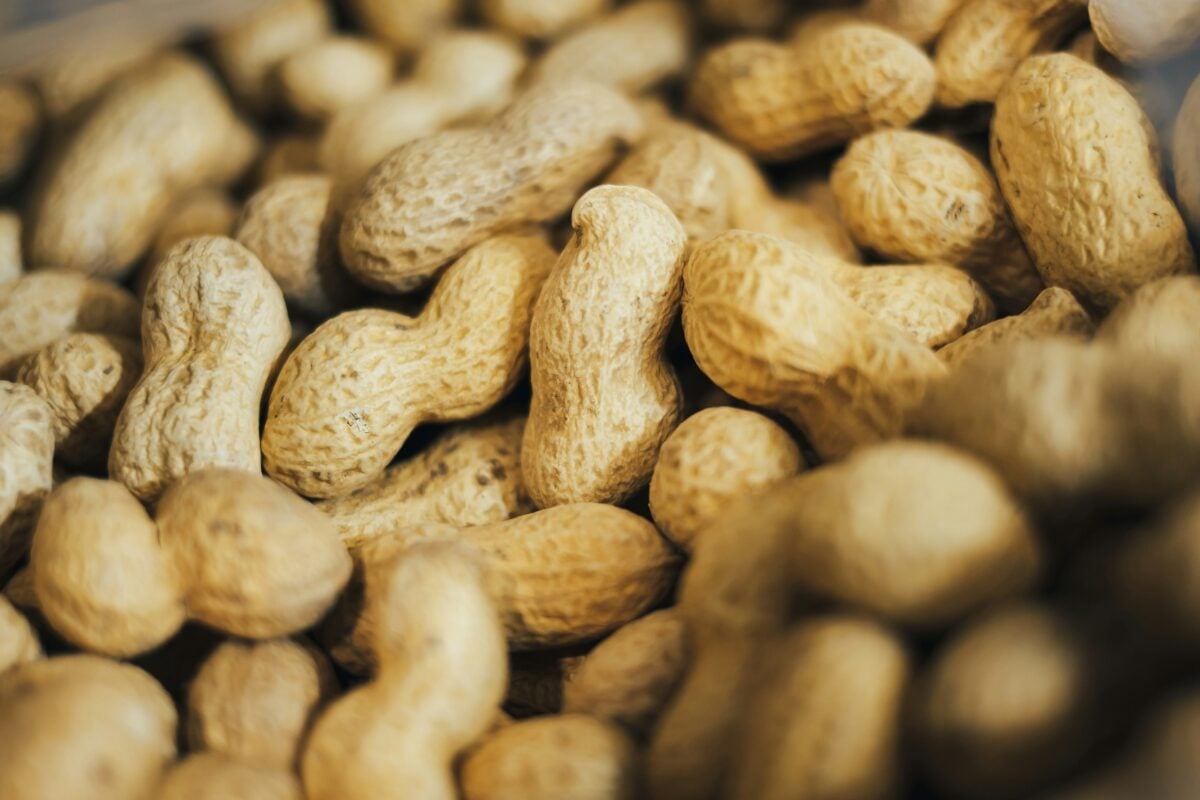
Originating in South America, peanuts were brought to Africa by Portuguese traders before being transported back to North America on slave ships. By the time they arrived on American soil, West Africans had been cultivating them for generations.
The Congolese word “nguba,” which serves as a linguistic reminder of the crop’s circumnavigation of three continents, is the source of the name “goober.”
The Plate in Front of You

Every meal tells a story of migration, trade, and cultural exchange stretching back centuries. The foods we consider quintessentially Italian, Indian, or Irish often originated thousands of miles away in places their modern fans have never visited.
These traveling ingredients didn’t just change what people ate but shaped population growth, sparked trade empires, and created entirely new culinary traditions. The next time you bite into a tomato or season your dish with chili peppers, remember that you’re tasting the legacy of explorers, traders, and everyday people who carried seeds and knowledge across oceans to feed a hungry world.
More from Go2Tutors!

- The Romanov Crown Jewels and Their Tragic Fate
- 13 Historical Mysteries That Science Still Can’t Solve
- Famous Hoaxes That Fooled the World for Years
- 15 Child Stars with Tragic Adult Lives
- 16 Famous Jewelry Pieces in History
Like Go2Tutors’s content? Follow us on M



