17 Hotels That Witnessed Major Historical Events
Hotels have always been more than just places to rest your head. They’re gathering spots where deals get made, secrets get whispered, and sometimes, history gets written.
From presidential meetings that changed the world to cultural moments that defined generations, these grand establishments have hosted some of the most pivotal events in human history. Think of hotels as time capsules with room service.
They’ve watched empires rise and fall, witnessed revolutions unfold, and provided the backdrop for decisions that shaped our modern world. Here is a list of 17 hotels that didn’t just house guests—they housed history itself.
The Willard InterContinental
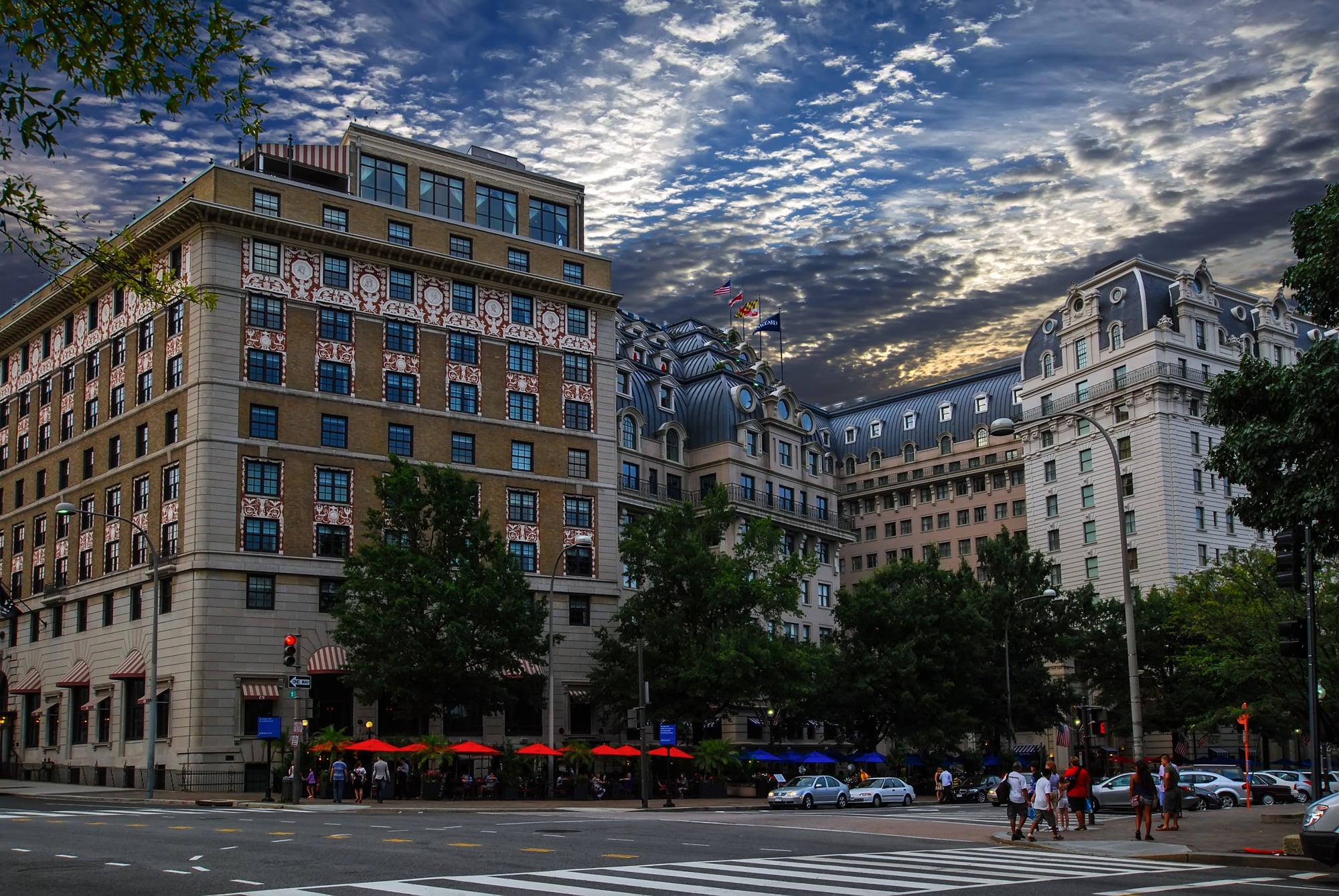
Abraham Lincoln stayed at this Washington D.C. landmark before his inauguration in 1861, essentially running his transition government from its elegant rooms. The hotel became known as the ‘residence of presidents’ because so many political deals happened in its lobby that the term ‘lobbying’ supposedly originated here.
Martin Luther King Jr. also put the finishing touches on his famous ‘I Have a Dream’ speech in room 1202 the night before the March on Washington.
Hotel del Coronado
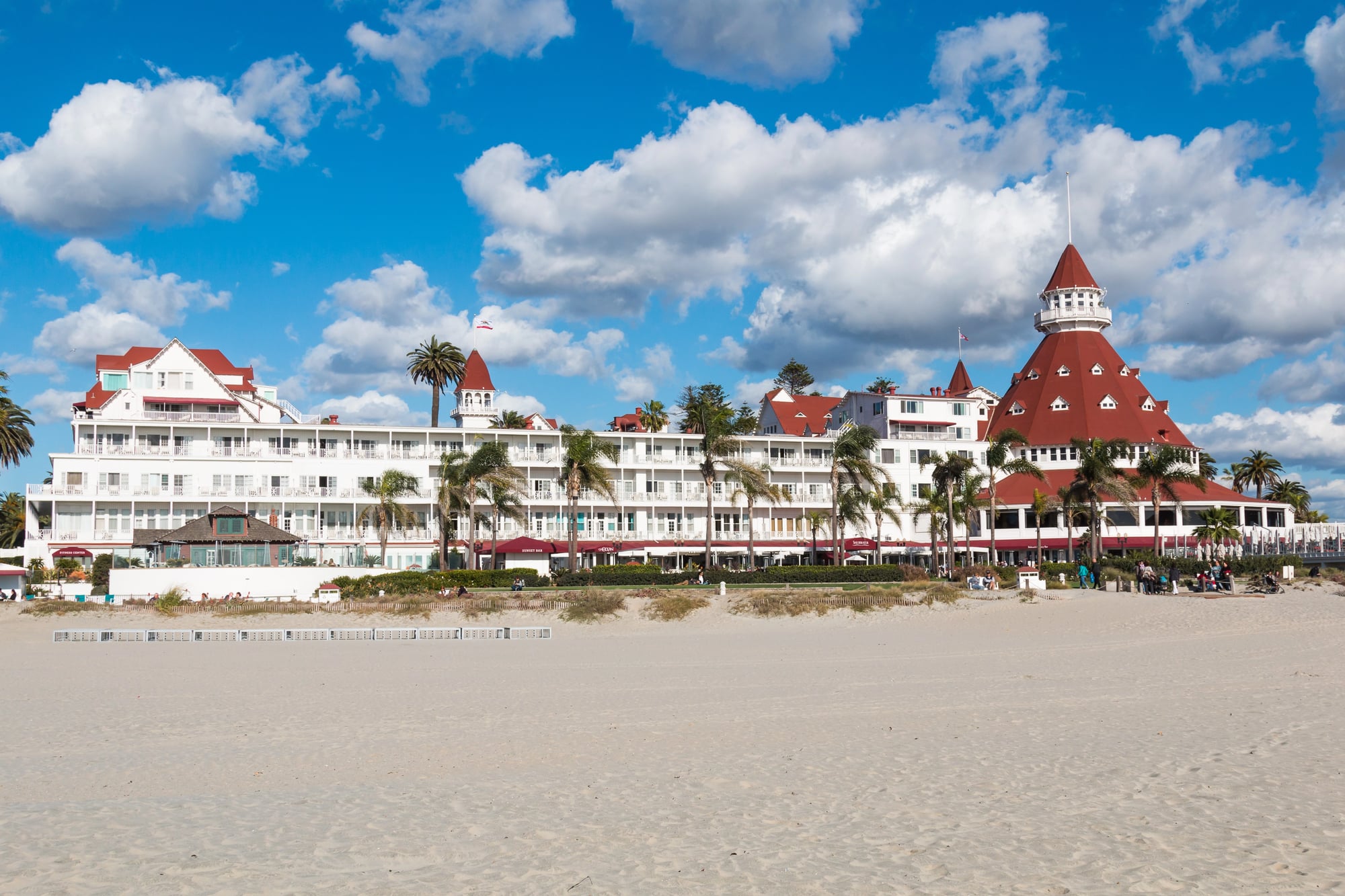
This Victorian masterpiece on San Diego’s Coronado Beach became the inspiration for the Hotel del Monte in Marilyn Monroe’s classic film ‘Some Like It Hot.’ The hotel’s red-roofed silhouette against the Pacific Ocean created one of cinema’s most recognizable backdrops.
Beyond Hollywood glamour, it hosted presidents and dignitaries who shaped California’s early political landscape.
Like Go2Tutors’s content? Follow us on MSN.
The Plaza Hotel
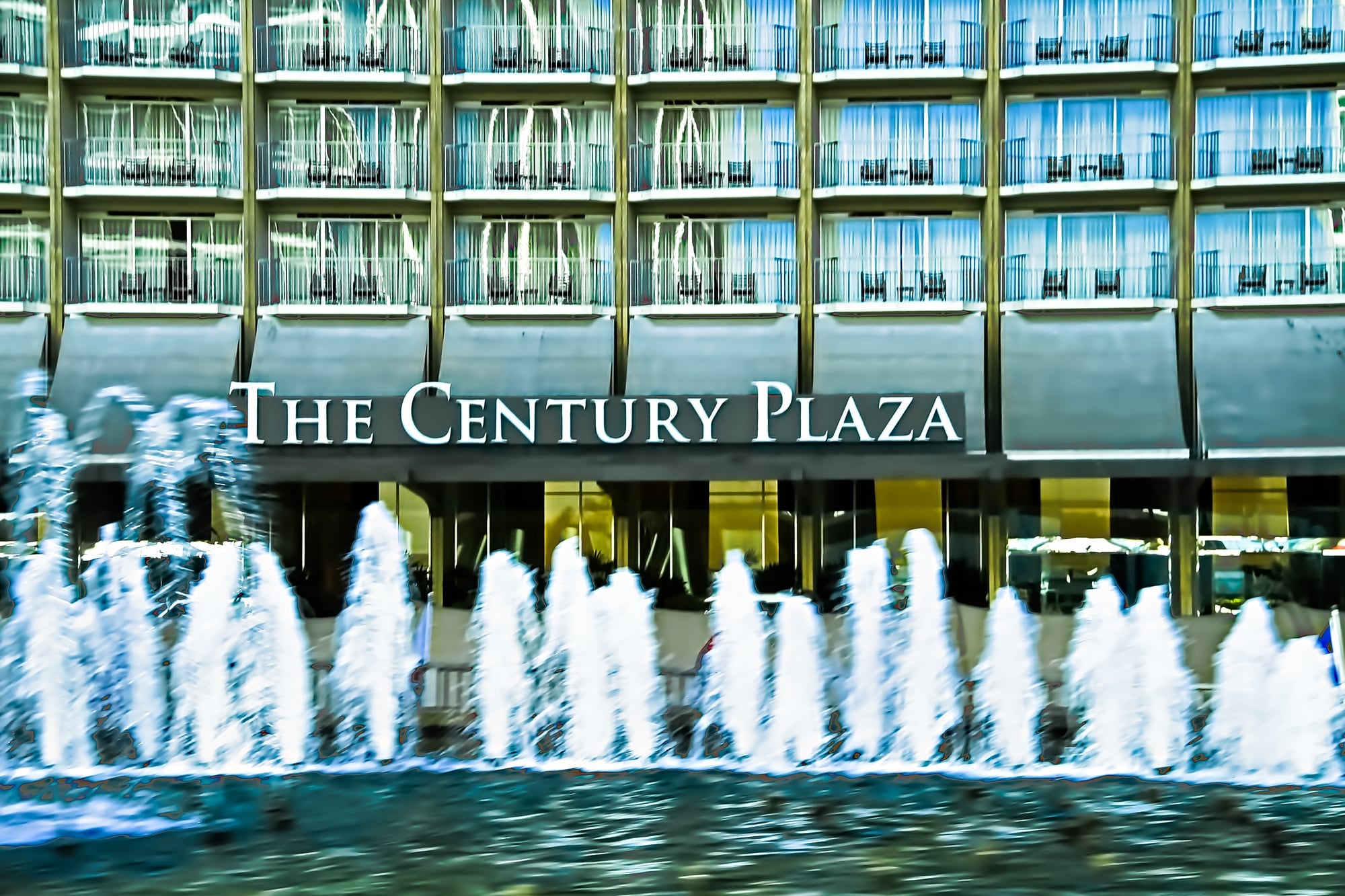
New York’s Plaza witnessed the Beatles’ first press conference in America in 1964, launching Beatlemania across the United States. The Fab Four’s arrival at this Fifth Avenue icon marked the beginning of the British Invasion that would forever change American music.
The hotel’s Oak Room also served as the setting for countless power lunches that shaped Wall Street’s golden age.
Raffles Hotel Singapore
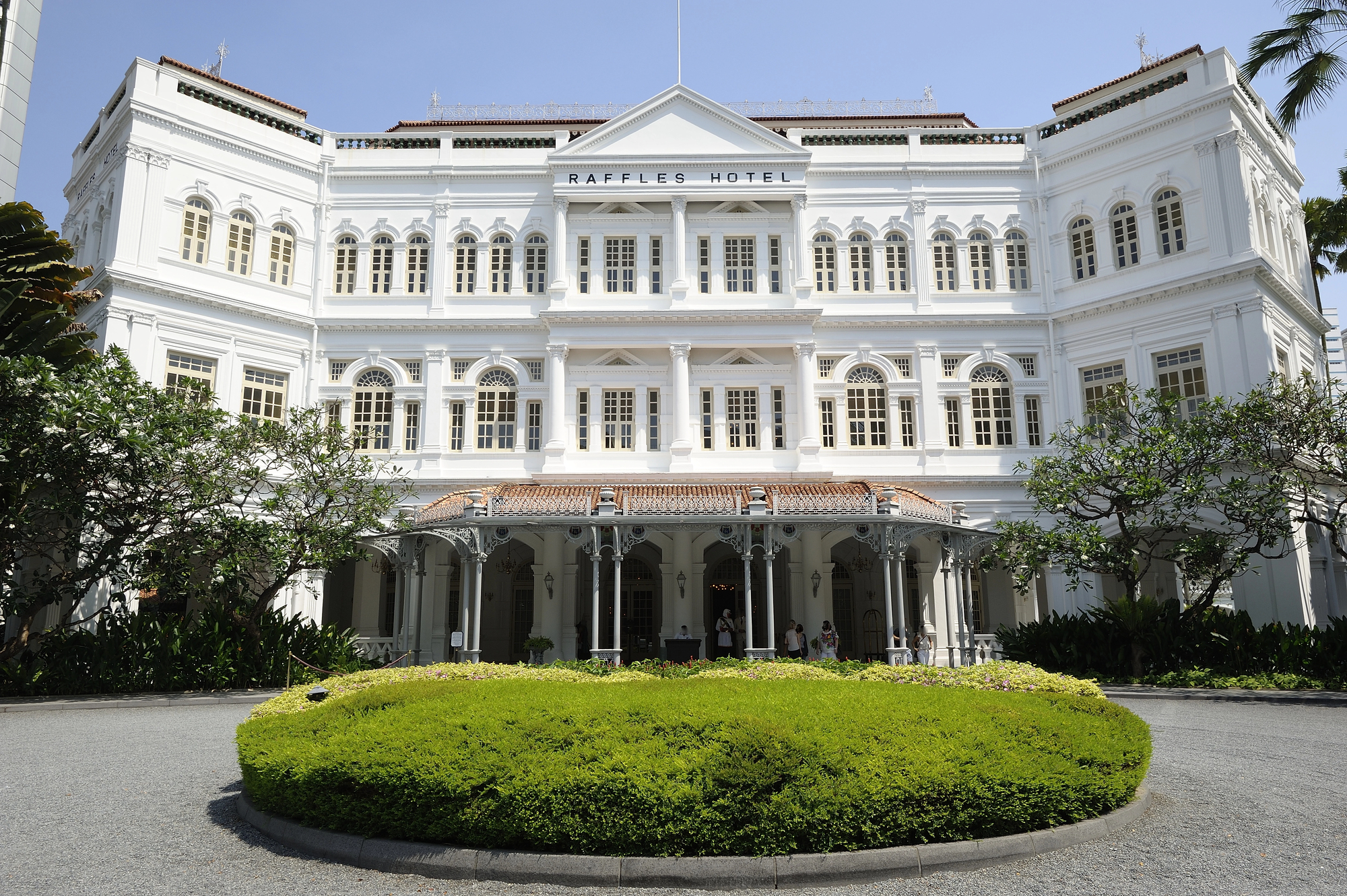
This colonial-era gem became the birthplace of the Singapore Sling cocktail in 1915, but its real historical significance lies in its role as a neutral meeting ground during World War II. Japanese officers and Allied prisoners of war often found themselves dining in the same establishment during the occupation.
The hotel’s Long Bar witnessed countless clandestine conversations that influenced the war’s outcome in Southeast Asia.
The Oriental Bangkok
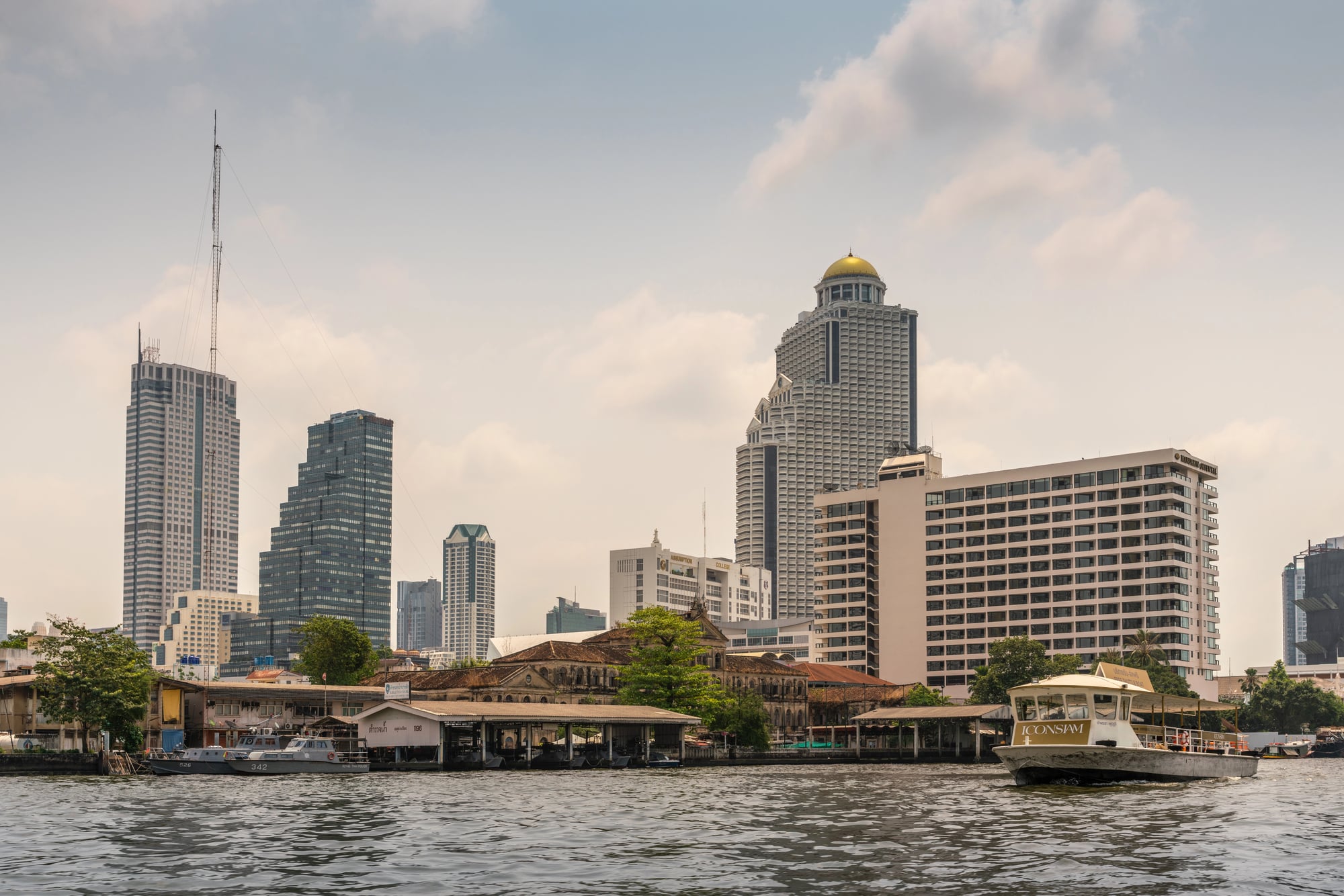
Thailand’s first luxury hotel opened in 1876 and quickly became the unofficial embassy for Western diplomats navigating Siam’s complex political landscape. Writers like Joseph Conrad and Somerset Maugham penned stories here that introduced Western readers to Southeast Asian culture.
The hotel’s riverside location made it a crucial hub for trade negotiations that opened Thailand to international commerce.
Like Go2Tutors’s content? Follow us on MSN.
Hotel Nacional de Cuba
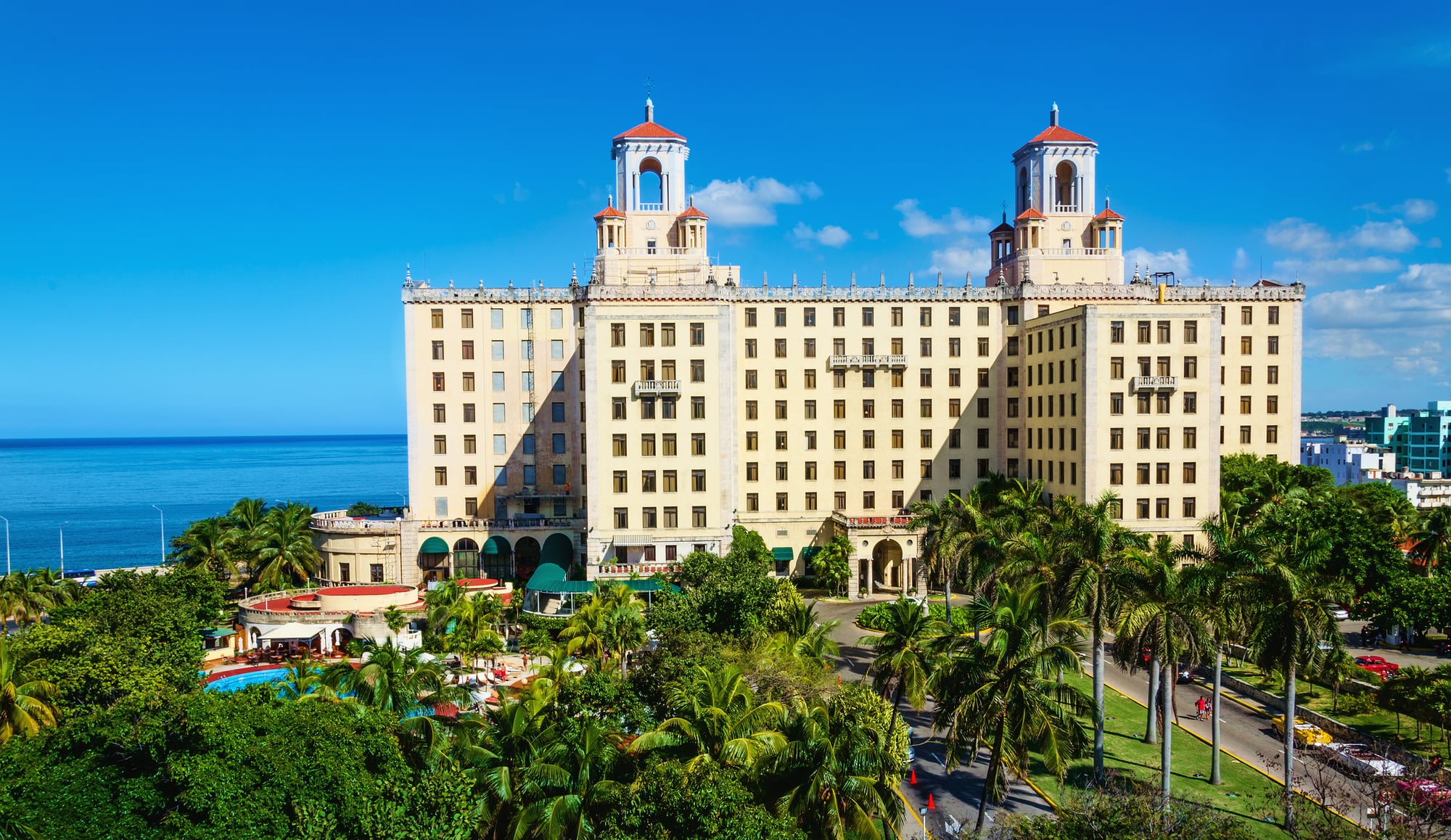
Havana’s art deco masterpiece hosted everyone from Frank Sinatra to Winston Churchill during Cuba’s pre-revolution golden age. The hotel’s Mob Summit of 1946 brought together America’s most notorious crime bosses to discuss their Cuban casino operations.
Later, it became a symbol of Cuba’s transformation when revolutionary leaders held press conferences in the same rooms where gangsters once planned their schemes.
The Savoy London
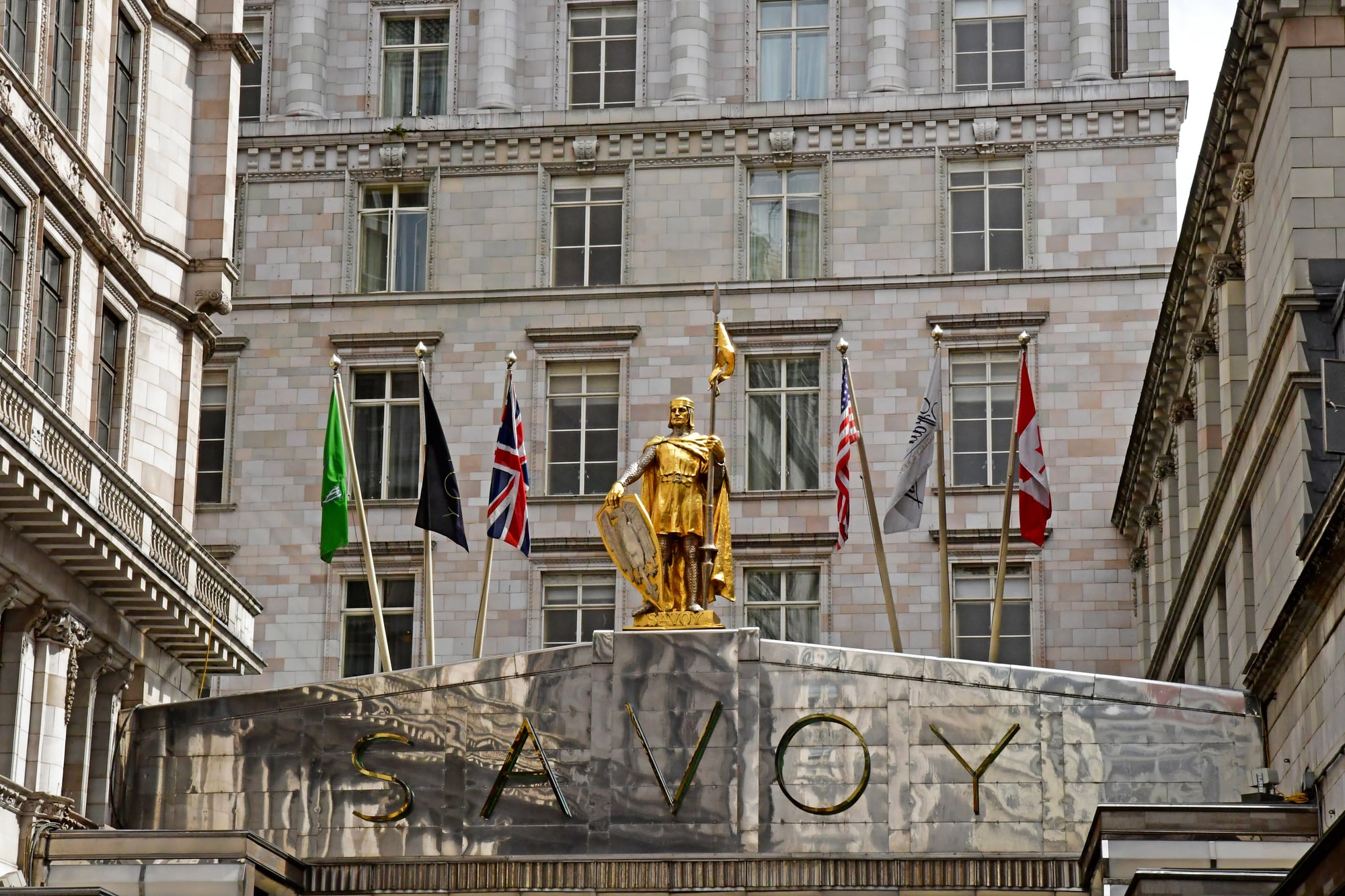
This Thames-side institution witnessed the first public demonstration of electric lighting in 1881, literally illuminating the path to the modern age. The hotel’s American Bar became the birthplace of countless classic cocktails that spread worldwide.
During World War II, it served as an informal headquarters for Allied intelligence operations, with spies meeting over afternoon tea.
Grand Hotel Europe
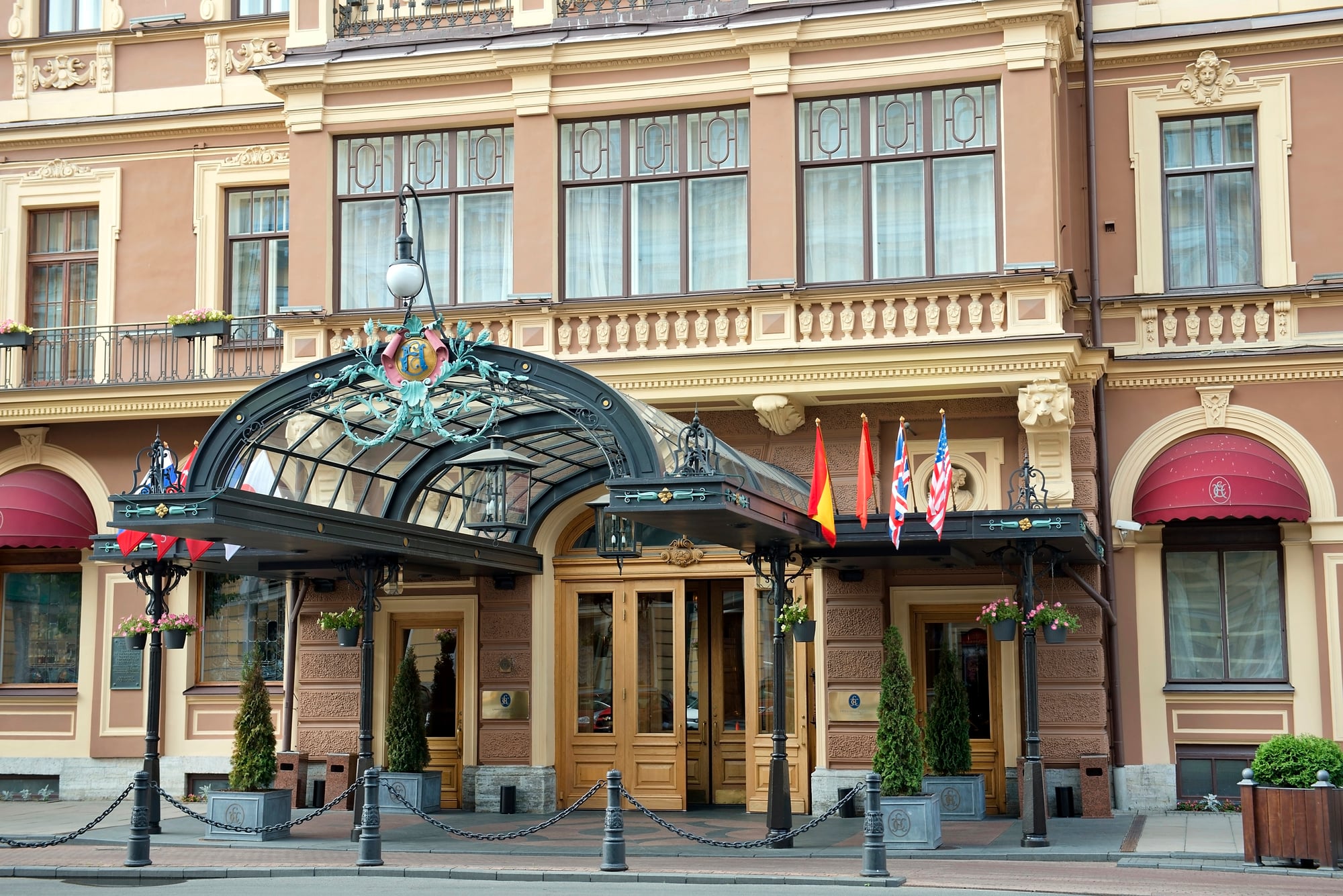
St. Petersburg’s grandest hotel watched the Russian Revolution unfold from its windows in 1917. Bolshevik leaders and White Russian aristocrats sometimes shared the same dining room during the chaotic transition period.
The hotel’s ballroom hosted the last great parties of Tsarist Russia before becoming a meeting place for the new Soviet leadership.
Like Go2Tutors’s content? Follow us on MSN.
The Algonquin Hotel
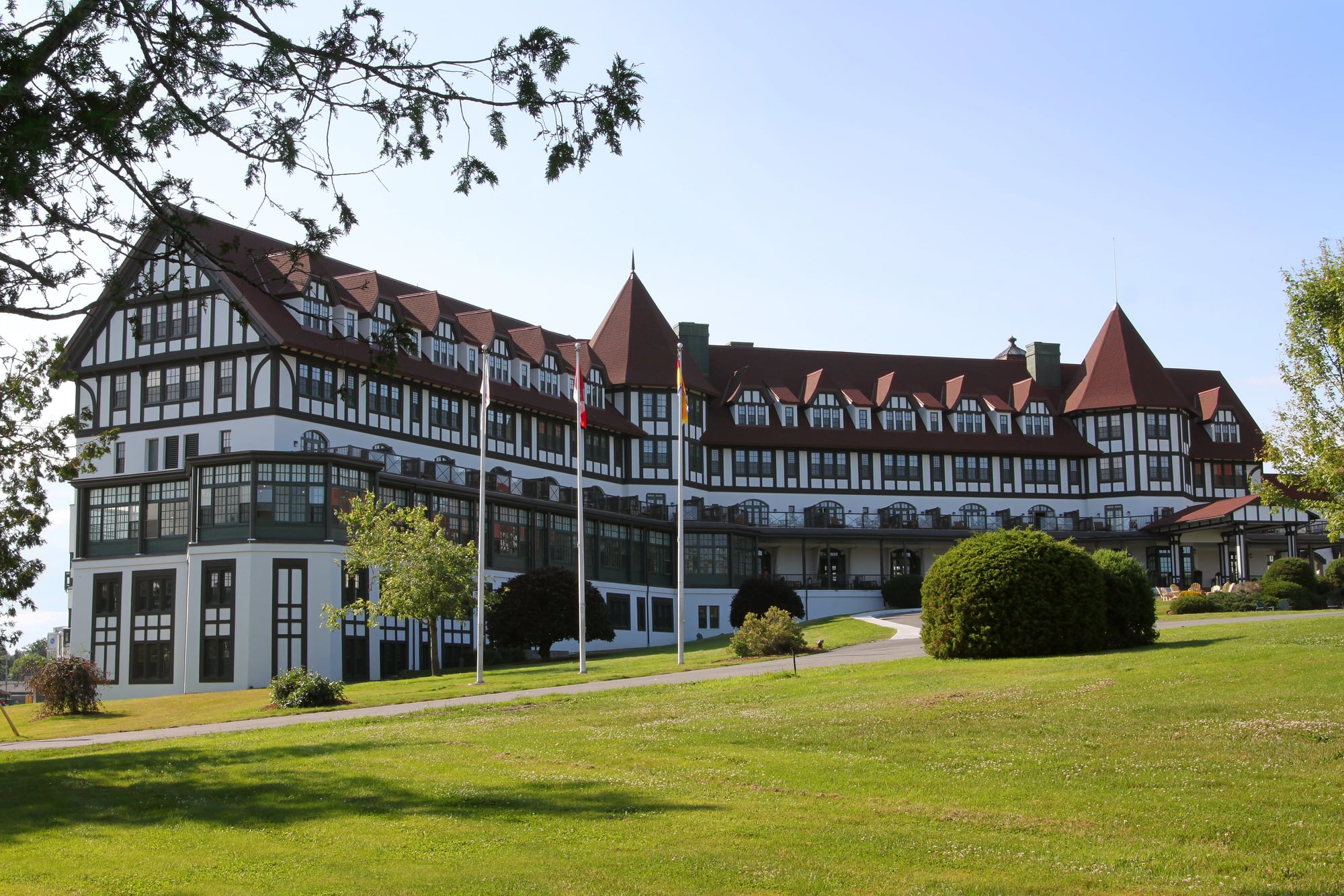
New York’s literary landmark became home to the famous Round Table, where Dorothy Parker, George Kaufman, and other writers gathered daily in the 1920s. Their witty conversations shaped American humor and literature for generations.
The hotel’s small lobby became one of the most influential cultural salons in American history, launching careers and creating literary movements.
Brown’s Hotel London
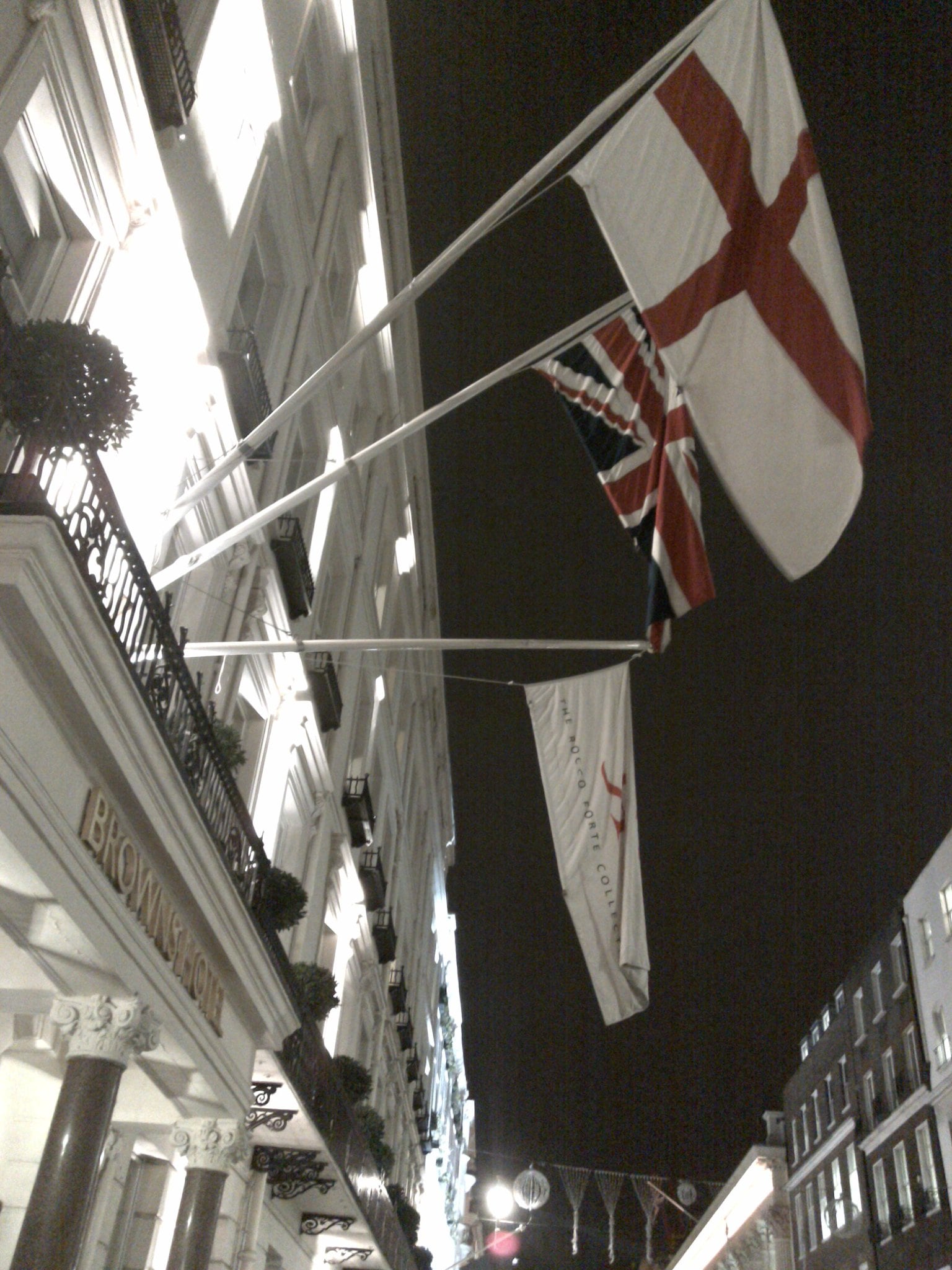
England’s first hotel welcomed Alexander Graham Bell, who made Europe’s first telephone call from its premises in 1876. The connection between London and Bristol lasted just three minutes but changed communication forever.
Theodore Roosevelt also honeymooned here in 1886, beginning a tradition of American presidents staying at this Mayfair institution.
The Greenbrier
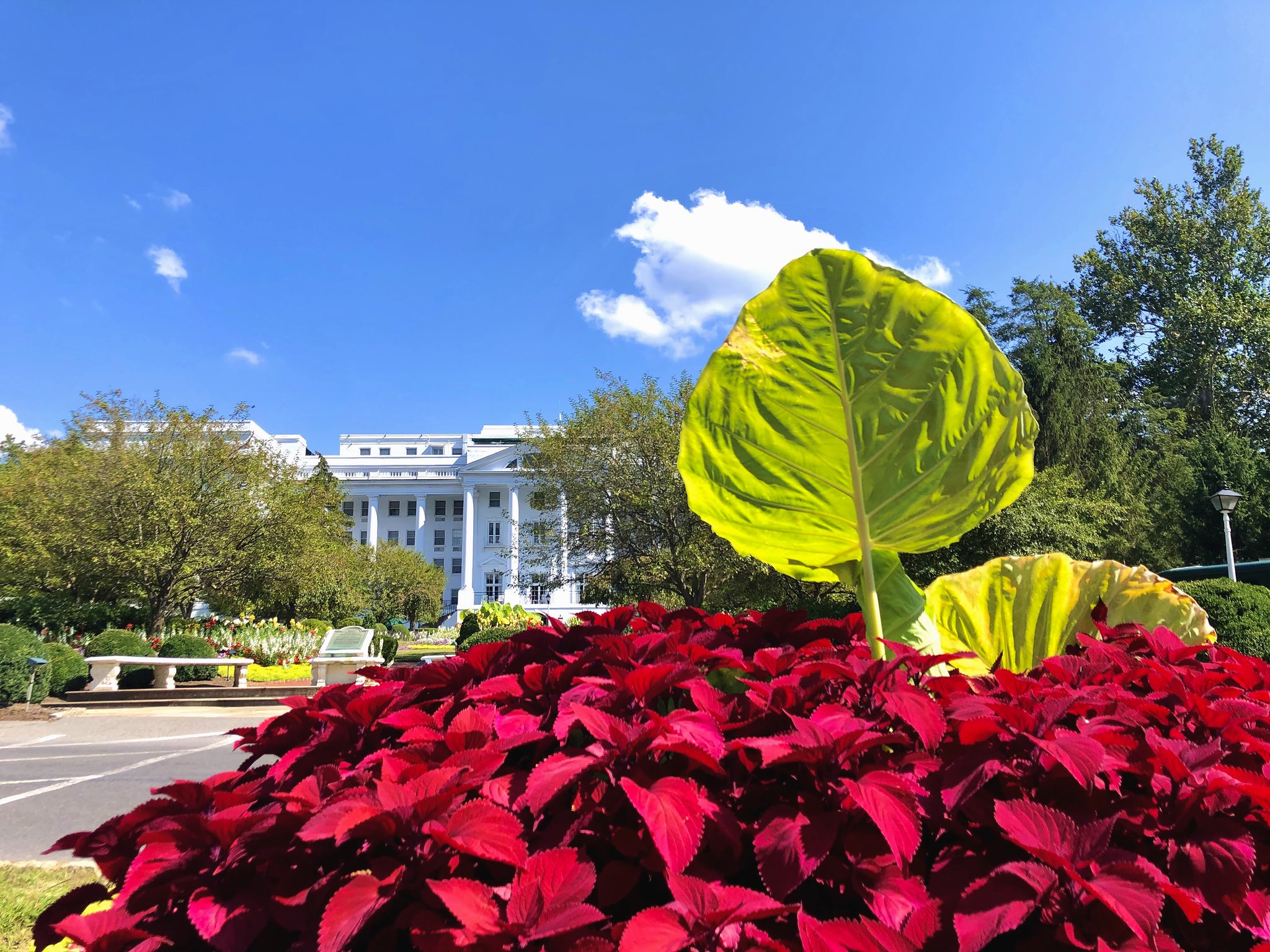
This West Virginia resort secretly housed a massive underground bunker designed to shelter Congress during nuclear war throughout the Cold War. For 30 years, government officials maintained the classified facility beneath the hotel’s elegant facade.
Guests played golf and attended galas directly above one of America’s most important national security installations without knowing it existed.
Like Go2Tutors’s content? Follow us on MSN.
Fairmont San Francisco
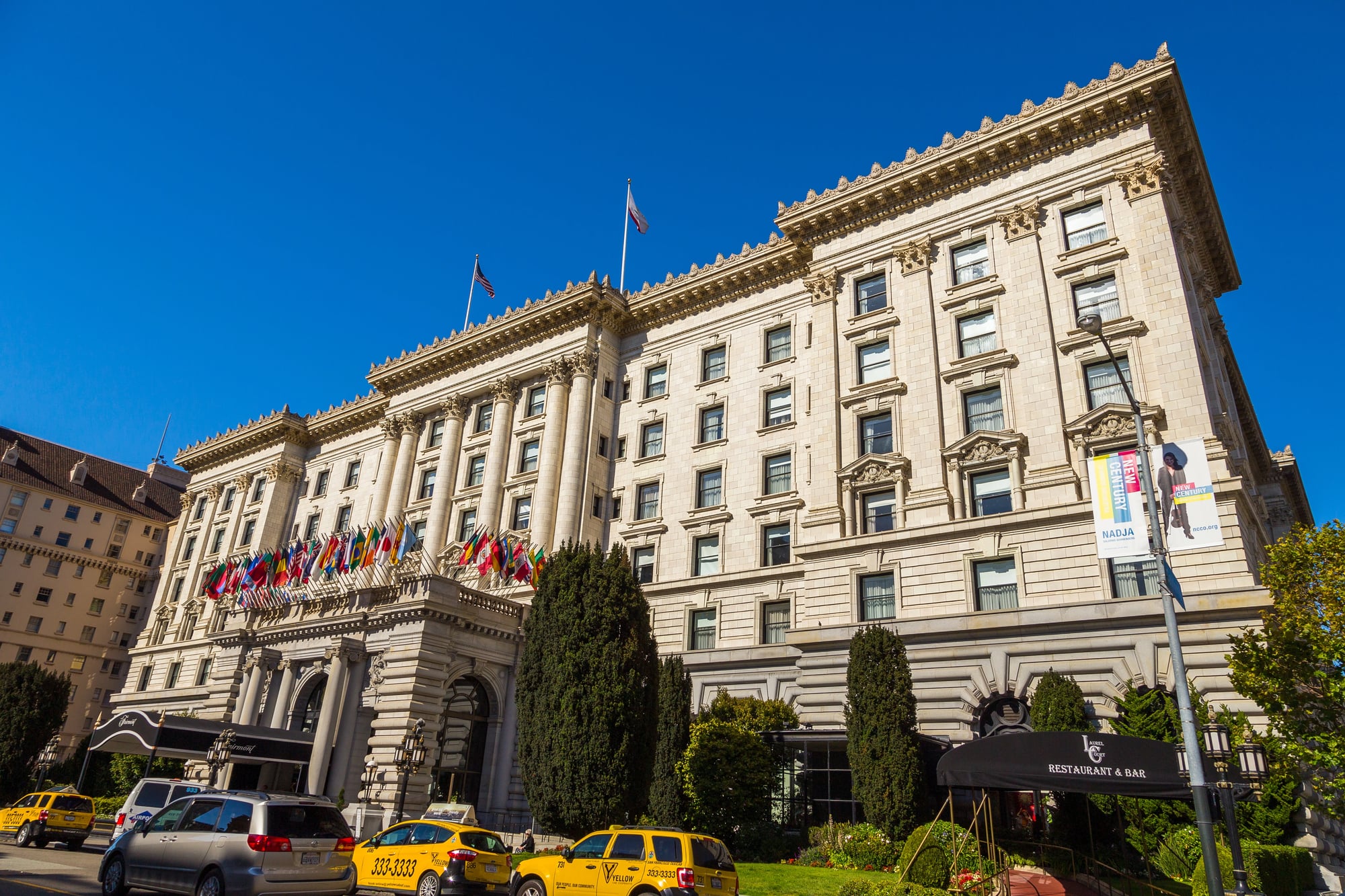
The earthquake of 1906 couldn’t destroy this Nob Hill landmark, which became a symbol of the city’s resilience and rebirth. The hotel’s Crown Room hosted the signing of the United Nations Charter in 1945, establishing the international organization that would govern world peace efforts.
President Truman’s decision to create the UN happened within these very walls.
The King David Hotel
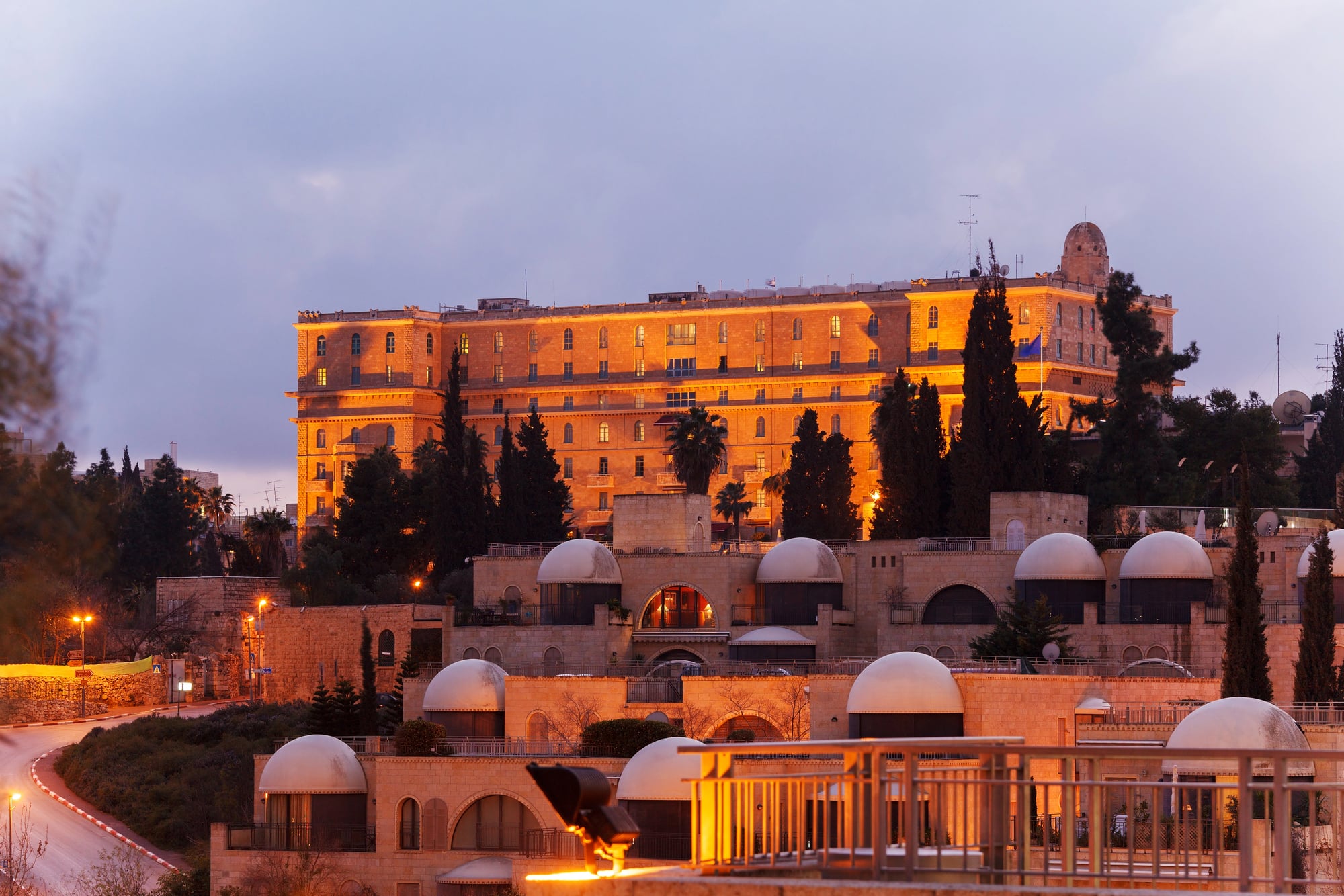
Jerusalem’s most famous hotel became the headquarters of British Mandatory Palestine’s government, making it a focal point of Middle Eastern politics. The 1946 bombing of the hotel’s south wing by Jewish resistance fighters marked a turning point in the struggle for Israeli independence.
Despite the tragedy, the hotel continued hosting peace negotiations and diplomatic meetings that shaped the modern Middle East.
Hotel Adlon Berlin
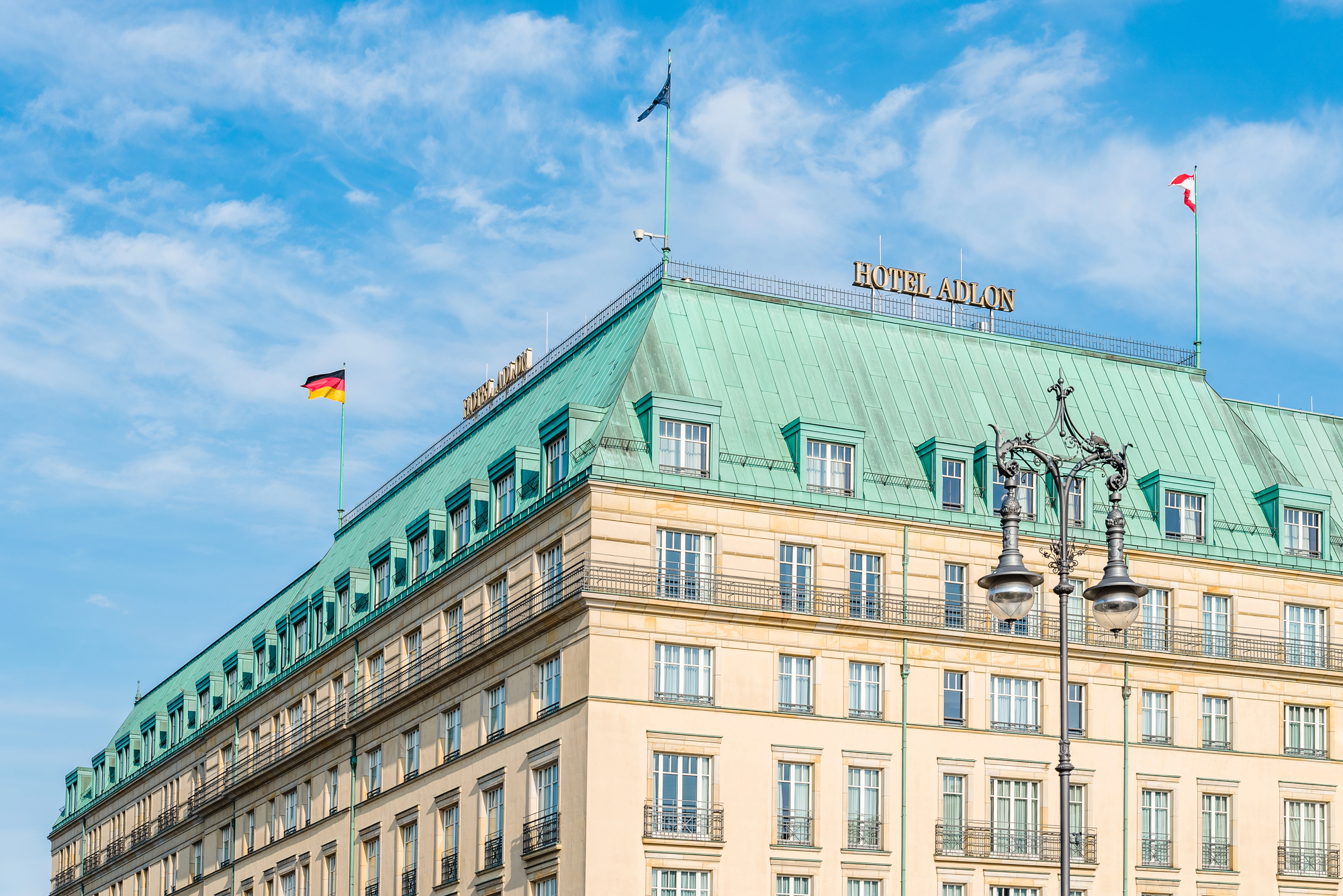
The original Adlon witnessed the rise and fall of Nazi Germany from its prime location near the Brandenburg Gate. International correspondents filed stories about Hitler’s regime from the hotel’s rooms while diplomats tried desperately to prevent World War II.
Though destroyed in 1945, its rebuilt version continues to host world leaders making decisions about Europe’s future.
Like Go2Tutors’s content? Follow us on MSN.
The Mount Washington Hotel
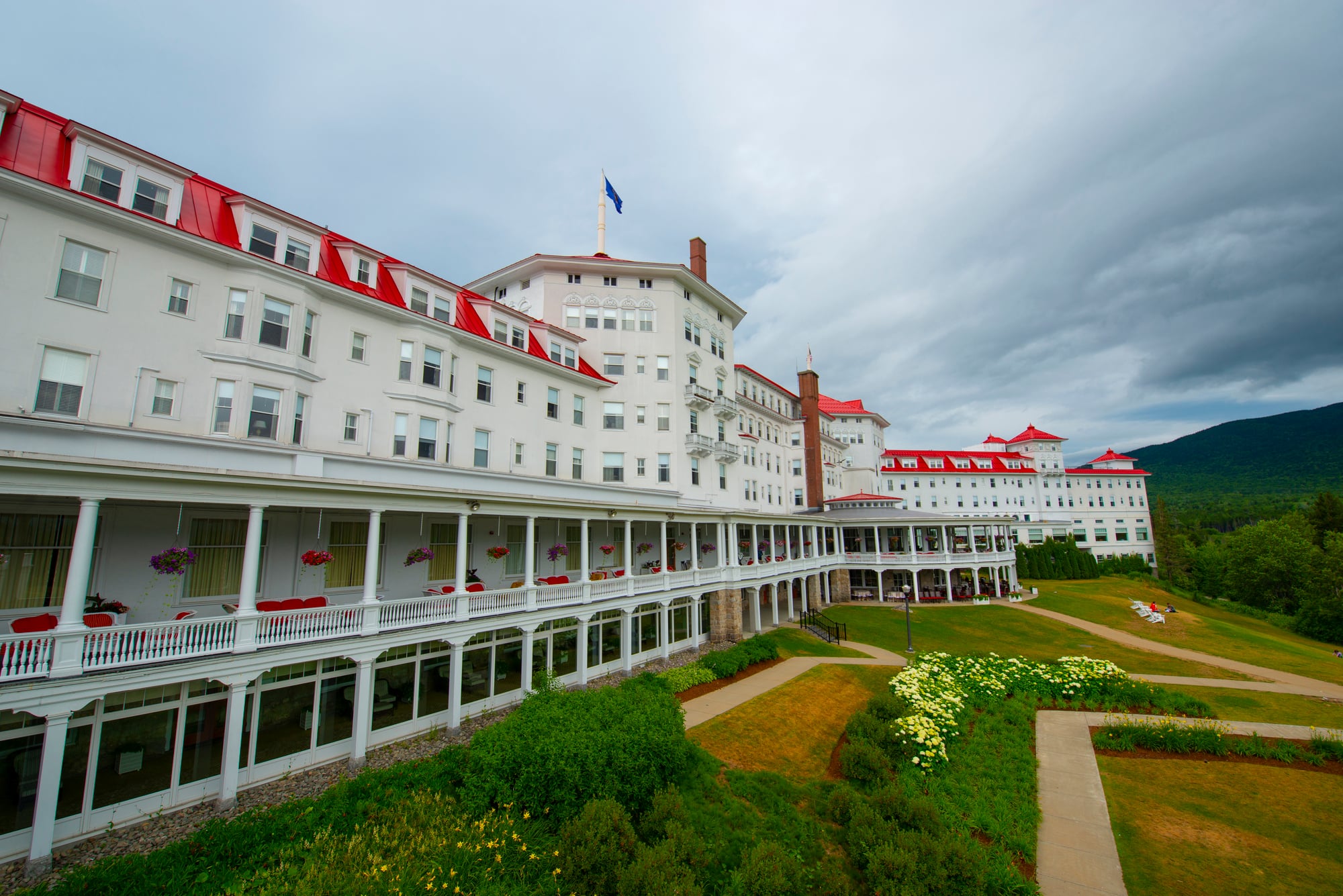
New Hampshire’s grand resort hosted the Bretton Woods Conference in 1944, where 44 Allied nations established the post-war international monetary system. The agreement created the World Bank and International Monetary Fund, institutions that still govern global finance today.
Delegates worked out the details of the modern economic world order while enjoying mountain views and afternoon tea.
Claridge’s London
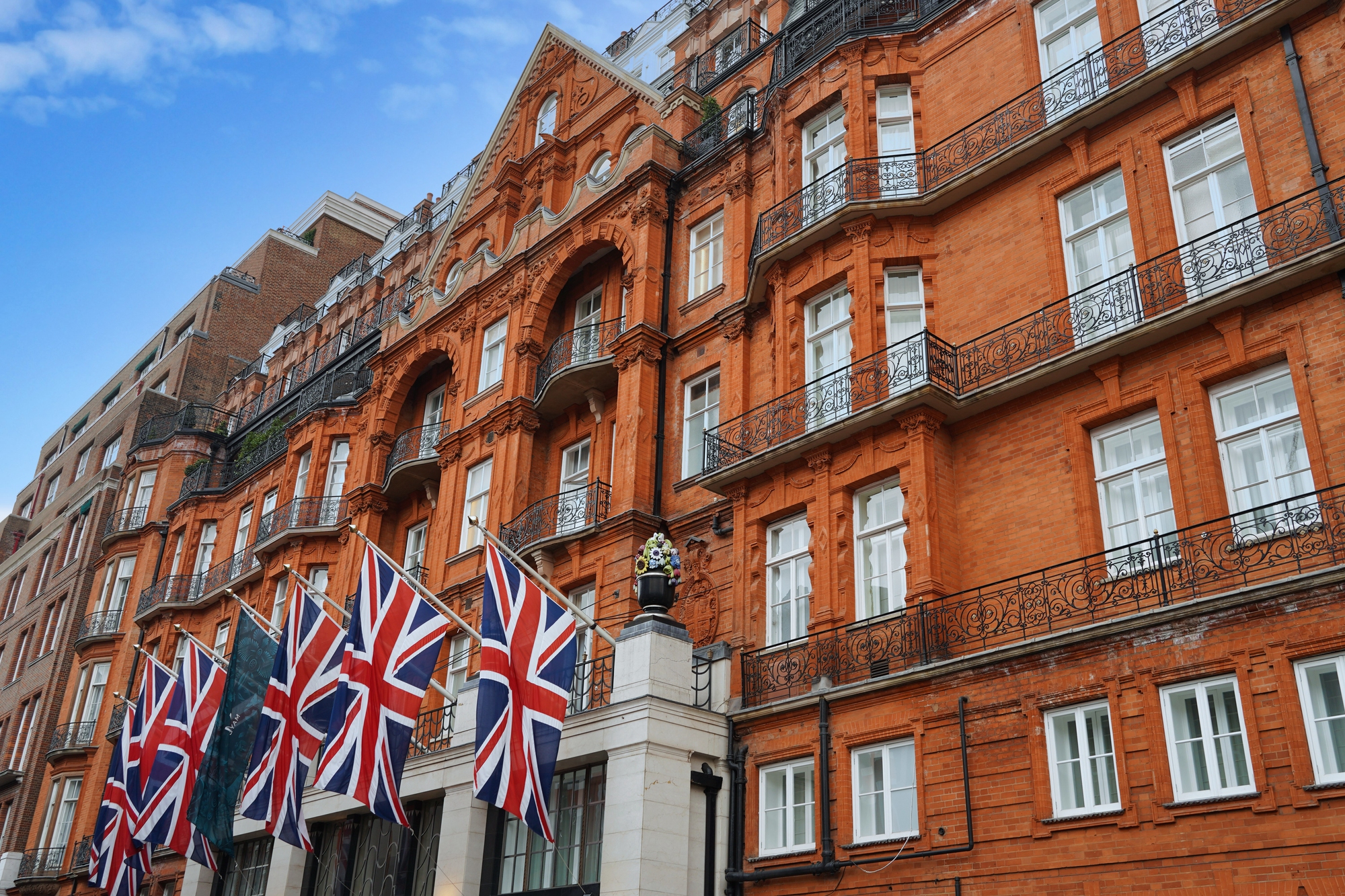
This Mayfair institution became an unofficial embassy for European royalty displaced during World War II. The hotel’s suites housed kings and queens whose countries fell under Nazi occupation, making it the temporary seat of several governments in exile.
Room 212 was even declared Yugoslav territory for one day in 1945 so Crown Prince Alexander could be born on Yugoslav soil.
The Parker Meridien
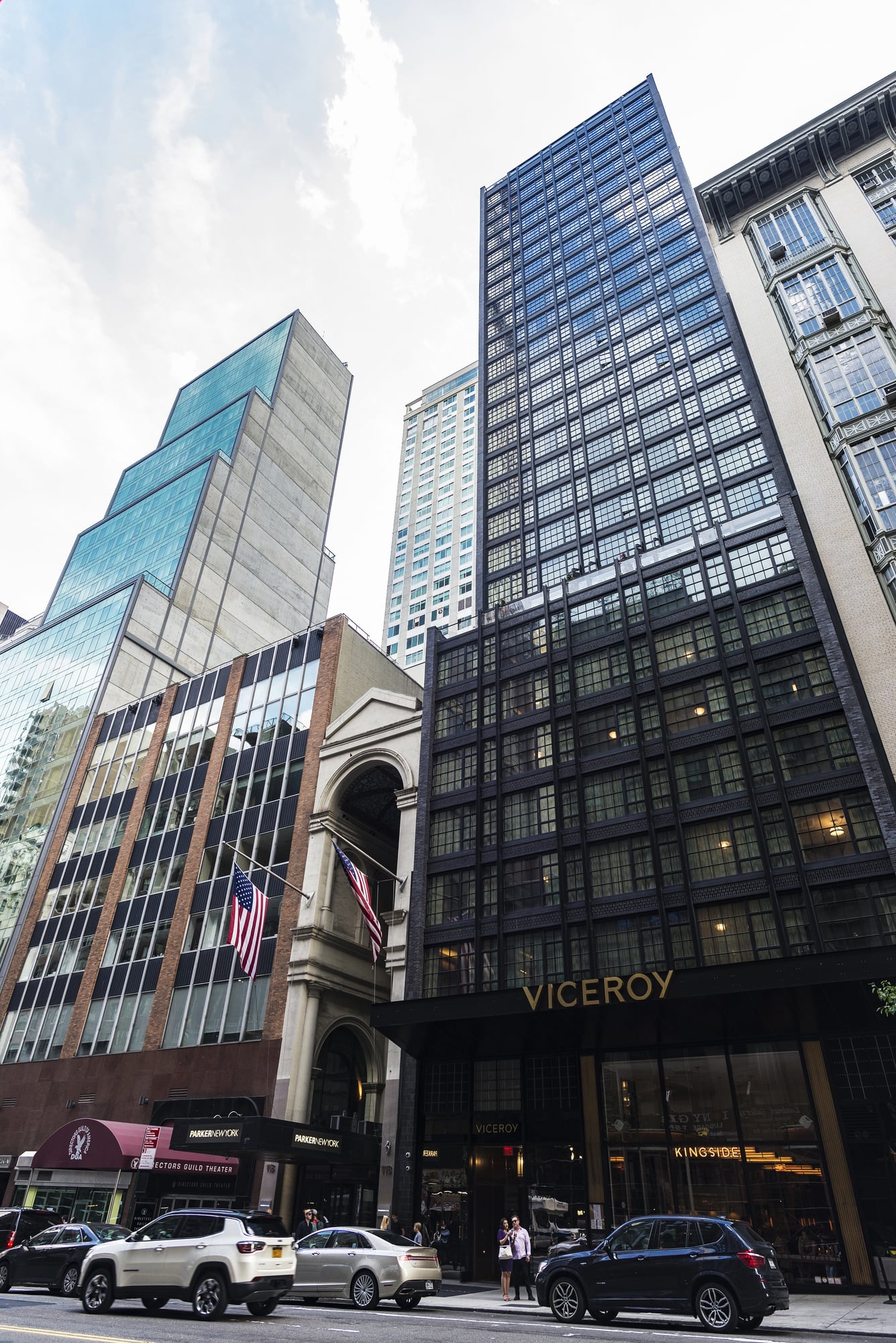
Though newer than most hotels on this list, this New York establishment witnessed the secret meetings that ended the Cold War in the 1980s. Soviet and American diplomats chose its anonymous Midtown location for negotiations that couldn’t happen at official embassies.
The hotel’s penthouse became the unlikely venue where two superpowers began planning a peaceful future.
Like Go2Tutors’s content? Follow us on MSN.
When History Checks In
These hotels prove that some of our most important moments happened not in government buildings or battlefields, but in places designed for comfort and conversation. The informal atmosphere of hotel lobbies and dining rooms often provided the perfect setting for the kind of honest discussions that formal venues couldn’t accommodate.
Today’s travelers walk through the same hallways where presidents made war-time decisions, writers created literary masterpieces, and diplomats negotiated treaties that still affect our daily lives.
More from Go2Tutors!

- 16 Restaurant Chains That Went Too Fast
- 12 Things Sold in the 80s That Are Now Illegal
- 15 Strange Things People Have Tried to Ban (And Failed)
- 16 Collectibles People Tossed Out Too Soon
- 17 Myths from Your Childhood That Were Actually Based on Real Things
Like Go2Tutors’s content? Follow us on MSN.