Forgotten Female Leaders Dominating Early Empires
History loves its kings and emperors, but the women who wielded real power often get reduced to footnotes or forgotten entirely. These weren’t figureheads or ceremonial queens — they were rulers who commanded armies, expanded territories, and shaped the ancient world in ways that lasted centuries.
Their stories deserve better than the margins of textbooks.
Hatshepsut
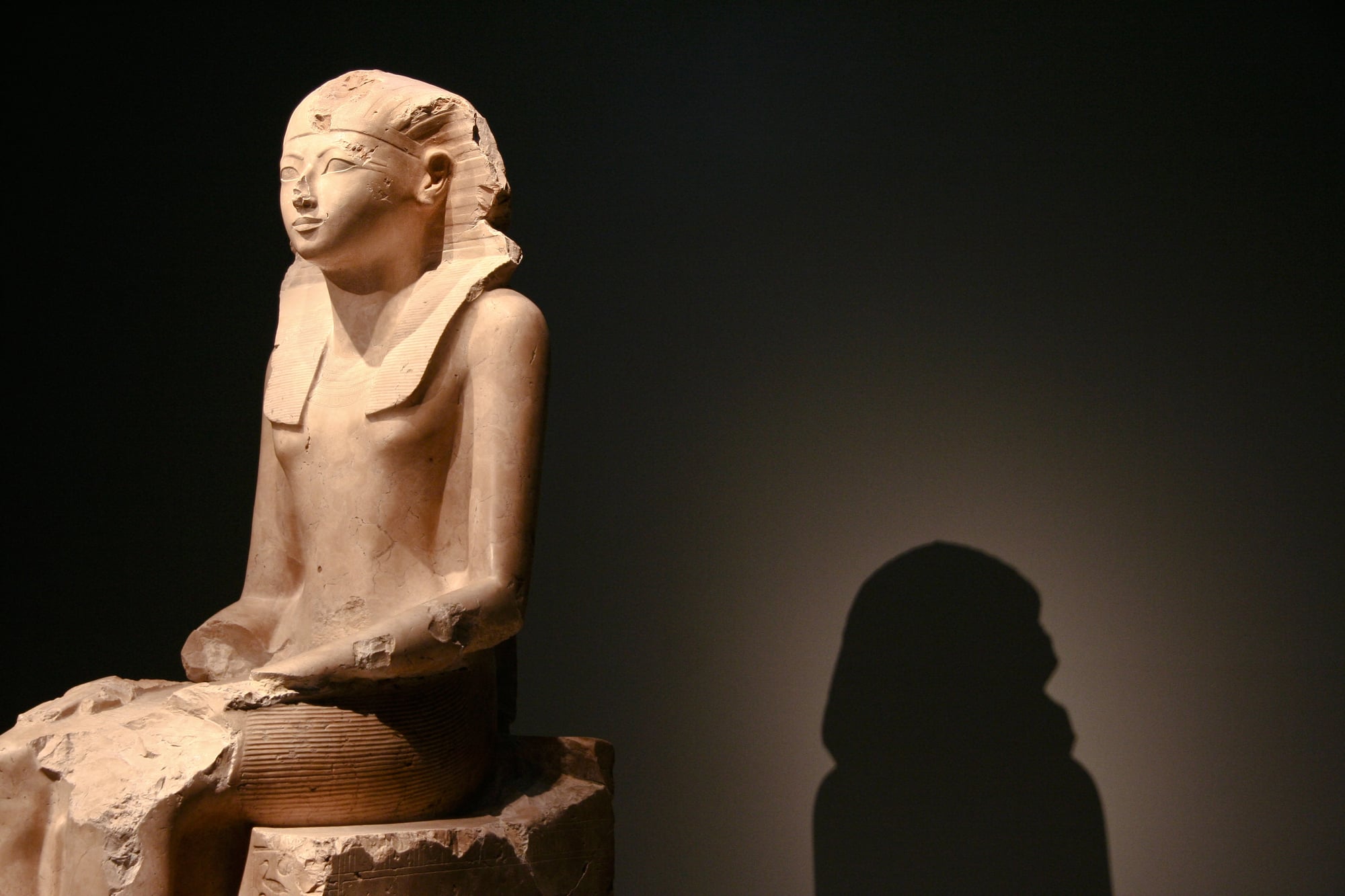
Hatshepsut didn’t just break the glass ceiling — she shattered it and ruled Egypt for over two decades. She declared herself pharaoh around 1479 BCE, complete with the traditional false beard and masculine regalia.
Her reign brought unprecedented prosperity to Egypt. Trade flourished under her leadership, and she commissioned some of the most stunning architectural projects in Egyptian history, including her magnificent mortuary temple at Deir el-Bahari.
The woman knew how to leave a mark.
Wu Zetian
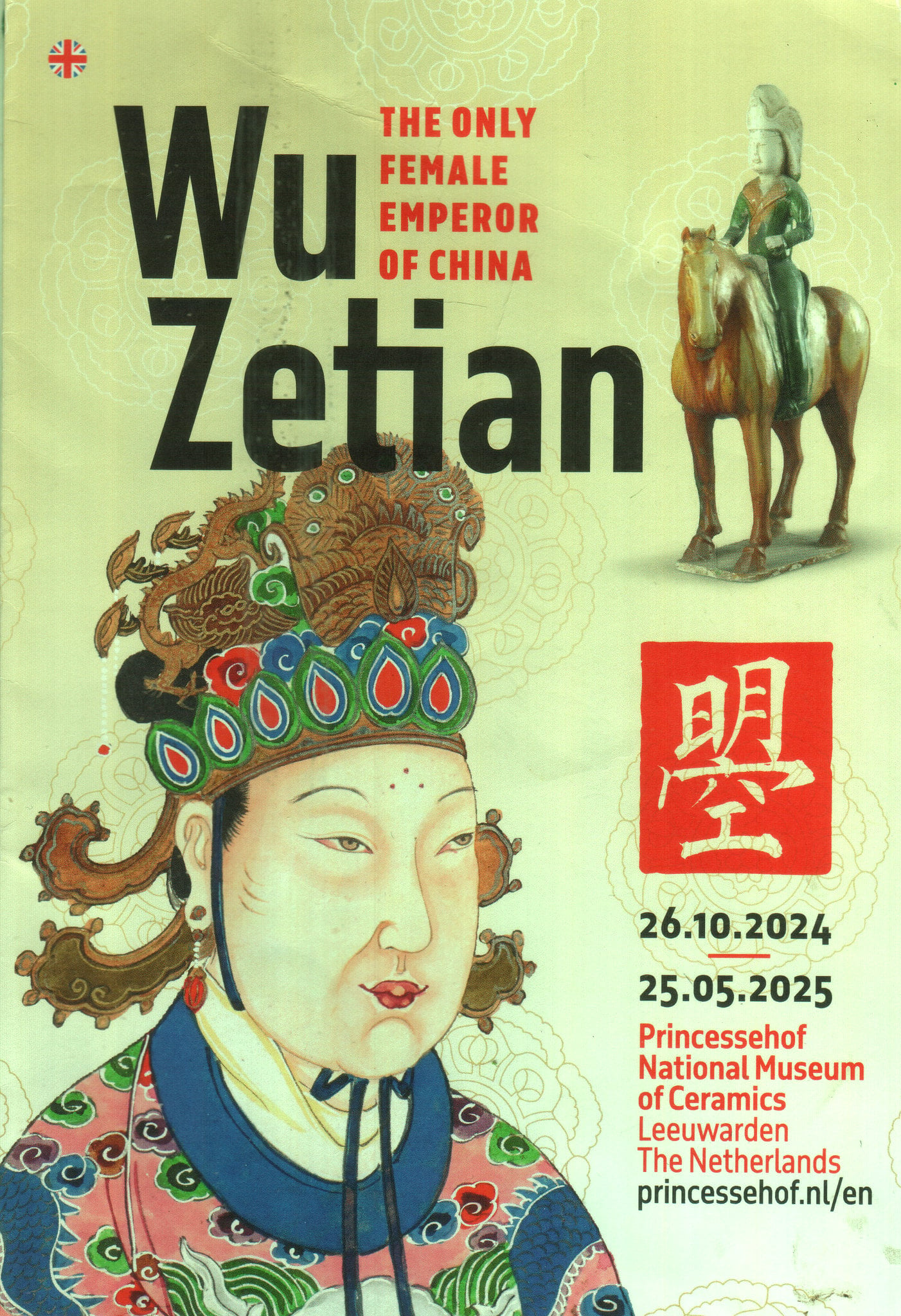
The only woman to hold the title of Emperor in Chinese history didn’t get there by playing nice. Wu Zetian clawed her way from concubine to the Dragon Throne through a combination of political brilliance and ruthless elimination of rivals.
But here’s what gets overlooked in the palace intrigue narratives: she was genuinely gifted at running an empire. During her reign from 690 to 705 CE, China expanded its borders significantly.
She promoted officials based on merit rather than birth, established a secret police network that would make modern intelligence agencies jealous, and managed to keep the massive Chinese bureaucracy functioning smoothly. The woman had to govern and survive simultaneously, which is considerably more challenging than standard emperor duties.
Nzinga Of Ndongo And Matamba
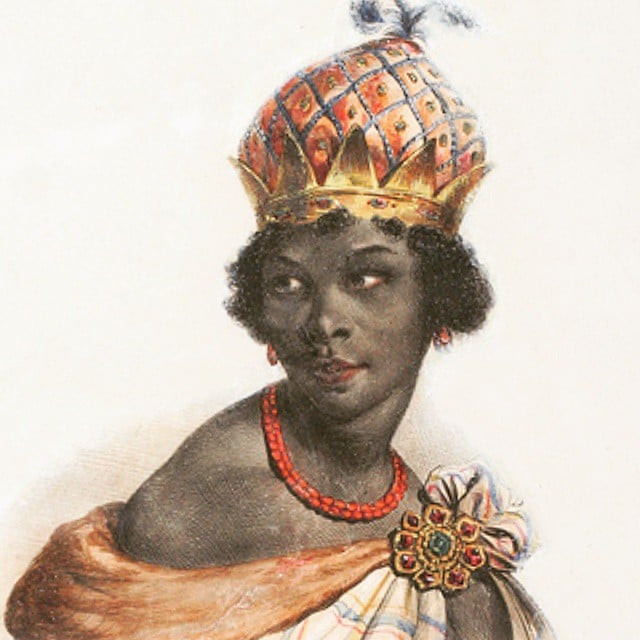
Picture this: a negotiation where one party refuses to provide a chair for the other, clearly signaling disrespect and attempting to establish dominance from the start. Most people would stand awkwardly or ask for seating.
Queen Nzinga had one of her servants get on hands and knees to become her throne. She conducted the entire meeting from that position, never acknowledging the slight, never breaking composure.
That story captures everything you need to know about how she approached the Portuguese colonizers who were trying to carve up her territory in 17th-century Angola. She didn’t just resist — she turned resistance into an art form.
For nearly four decades, she outmaneuvered European military forces, formed strategic alliances with other African kingdoms, and kept her people’s independence intact. Neighboring regions were falling under colonial control.
Cleopatra VII
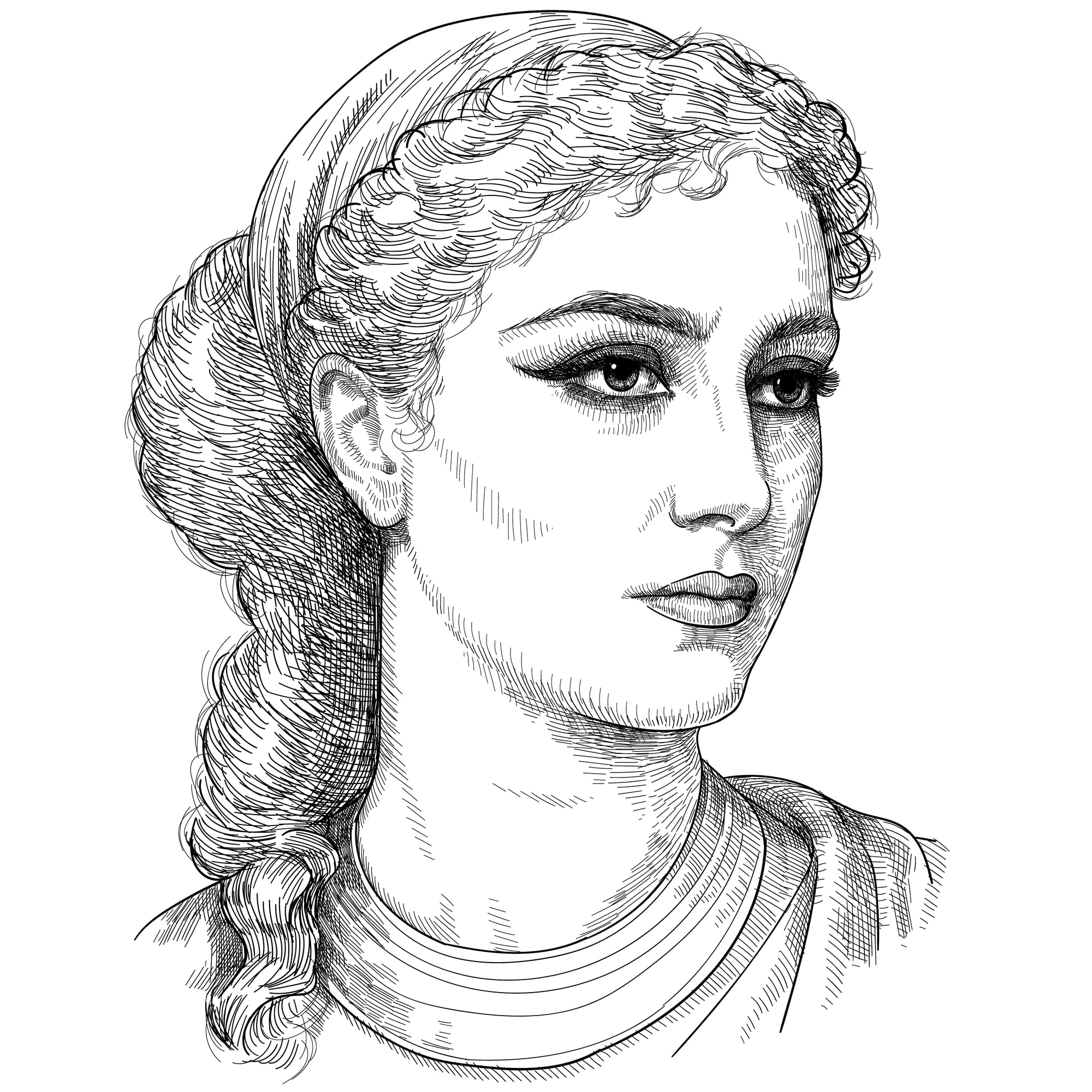
Cleopatra gets remembered for her relationships with Julius Caesar and Mark Antony, which misses the point entirely. The woman spoke nine languages, had been trained in mathematics, philosophy, and rhetoric, and was running Egypt before she turned 20.
She didn’t seduce her way to power — she was already there. The famous relationships were political alliances designed to keep Egypt independent in a world where Rome was swallowing up everything in sight.
For nearly two decades, she managed to keep one of the wealthiest kingdoms in the ancient world out of Roman hands through pure diplomatic skill. When that finally failed, she chose her own fate rather than be paraded through Rome as a trophy.
Boudica
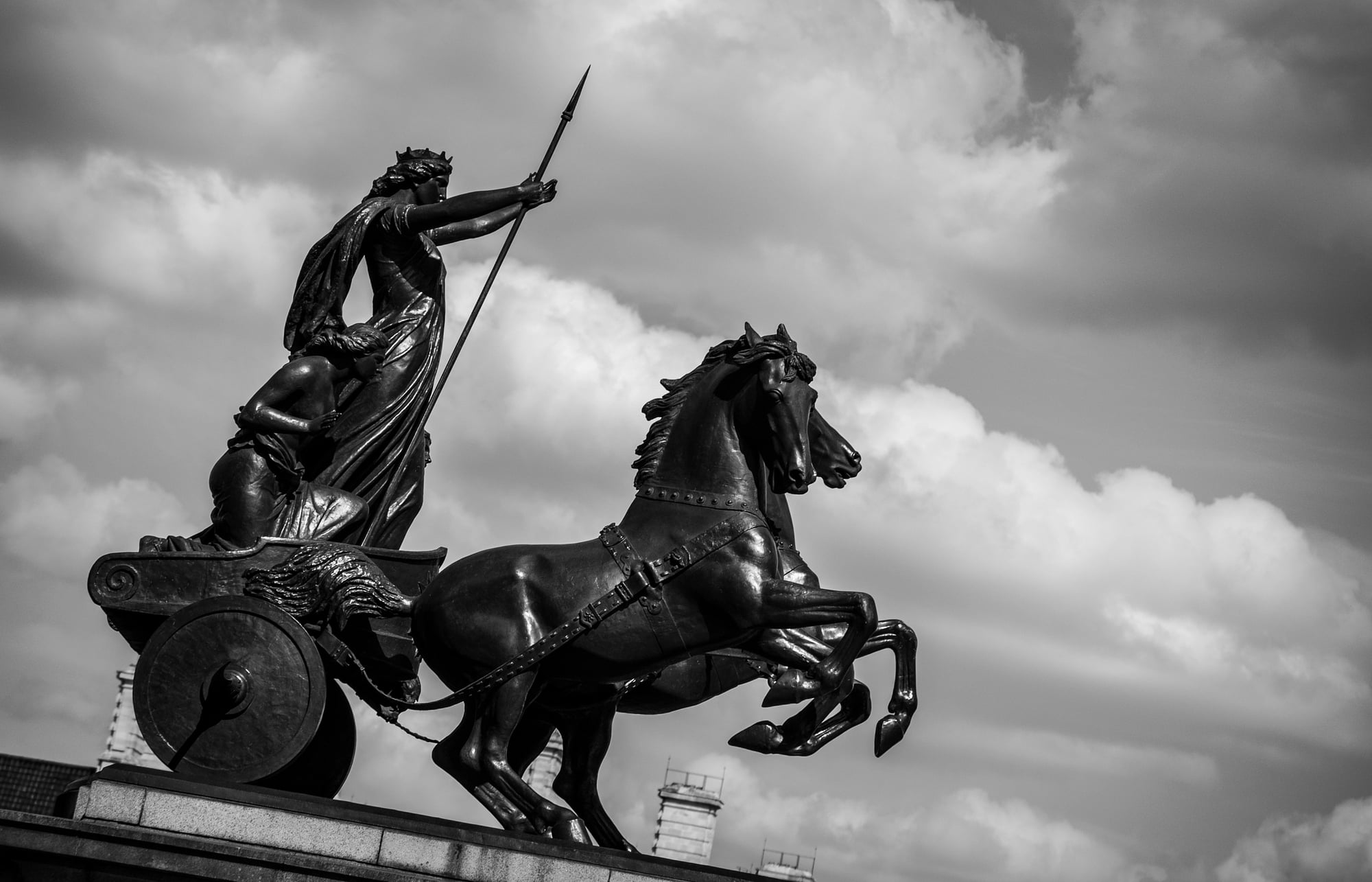
Roman historians wrote about Boudica with the kind of nervous respect usually reserved for natural disasters. She united Celtic tribes that had been fighting each other for generations, which should have been impossible given the political landscape of 1st-century Britain.
After the Romans publicly humiliated her and her daughters, Boudica raised an army of over 100,000 warriors and systematically destroyed three major Roman settlements. London, Colchester, and St. Albans were reduced to ash under her leadership.
The rebellion ultimately failed, but she came closer to driving Rome out of Britain than anyone else managed. Archaeological evidence still shows burn layers in these cities from her campaign — the woman left her mark in charcoal and stone.
Zenobia
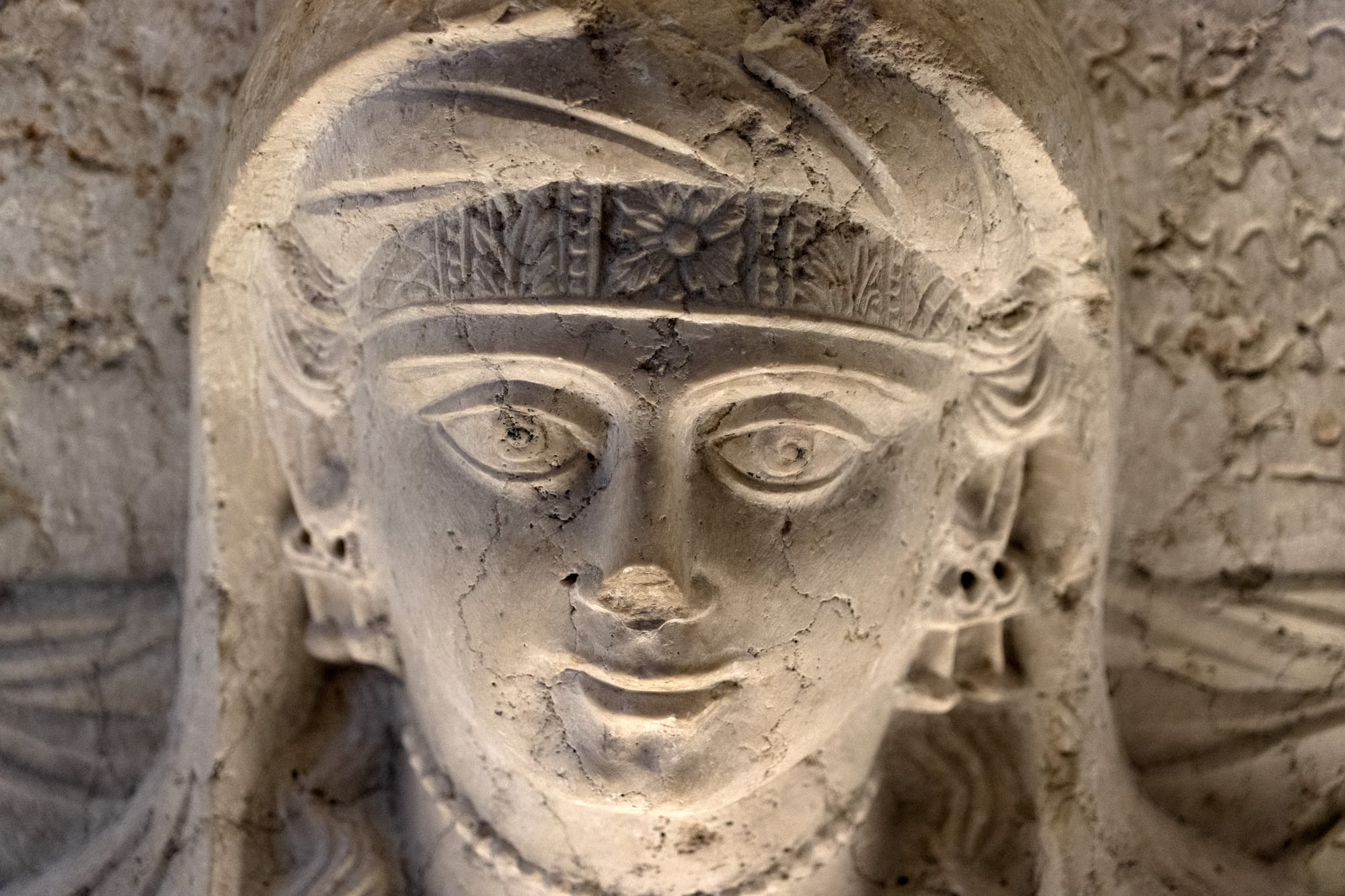
Zenobia transformed Palmyra from a regional trading post into an empire that controlled most of the eastern Mediterranean. The woman was essentially running her own version of Rome while the actual Romans were busy fighting themselves.
She declared her son emperor, minted her own coins, and governed territories stretching from Turkey to Egypt. For five years, she controlled some of the wealthiest trade routes in the ancient world.
Roman Emperor Aurelian had to personally lead multiple campaigns to retake the territories she’d claimed. Even then, it took a siege lasting months to finally capture Palmyra.
Dido
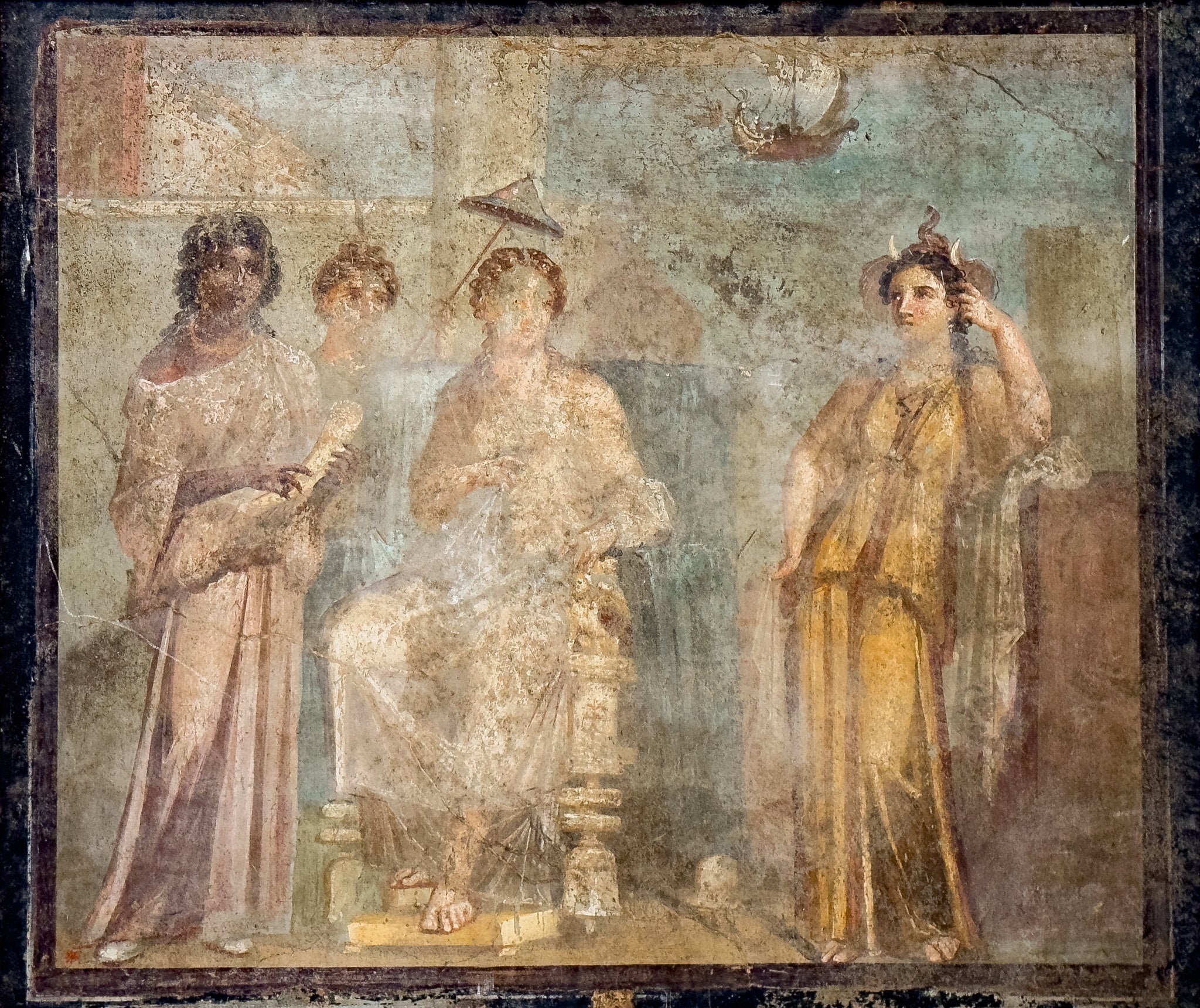
The story goes that Dido founded Carthage through a clever real estate negotiation — asking for only as much land as could be covered by an oxhide, then cutting the hide into strips thin enough to encircle a substantial territory. Whether that particular detail happened or not, the city she established became Rome’s greatest rival for centuries.
Carthage under her leadership grew into a maritime empire that dominated Mediterranean trade. The Punic Wars, which nearly brought Rome to its knees, were fought against the civilization she built.
Hannibal crossing the Alps with elephants? That was her legacy in action, generations later.
Rome eventually had to destroy Carthage completely because they couldn’t figure out any other way to stop its expansion.
Artemisia I
Most naval commanders in the ancient world stayed safely behind their fleets, directing battles from a distance. Artemisia personally captained her ships into combat during the Persian Wars.
She was close enough to the fighting to make split-second tactical decisions and close enough to face the same dangers as her crews. During the Battle of Salamis, she commanded a squadron of ships for the Persian fleet and was reportedly the only captain who gave Xerxes sound military advice.
The advice was ignored, leading to the defeat that ended Persian expansion into Greece. Even her enemies acknowledged her skill.
Herodotus, writing from the Greek perspective, described her as one of the most competent commanders in the entire Persian force.
Sammuramat
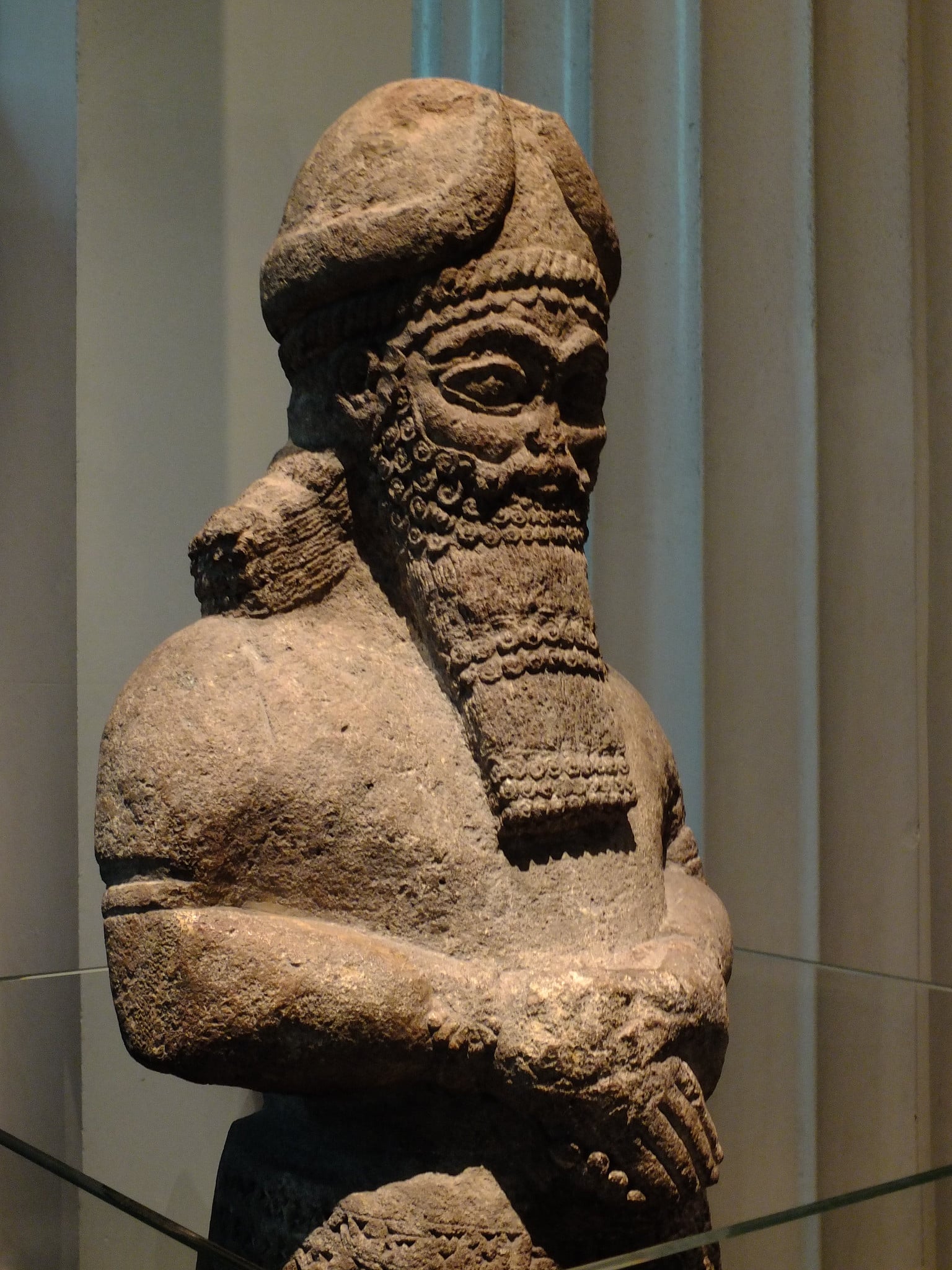
The historical Sammuramat ruled the Assyrian Empire as regent in the 9th century BCE, but her reputation grew so large that she became the legendary Semiramis in later stories. That transformation from historical figure to myth tells you something about the impression she left on people.
During her regency, Assyria expanded its territories and strengthened its military organization. She led campaigns personally and established administrative systems that kept the empire running smoothly for decades after her death.
The hanging gardens of Babylon were later attributed to her legendary counterpart, though they were probably built much later. The fact that people wanted to credit her with one of the wonders of the ancient world shows how her reputation endured.
Tin Hinan
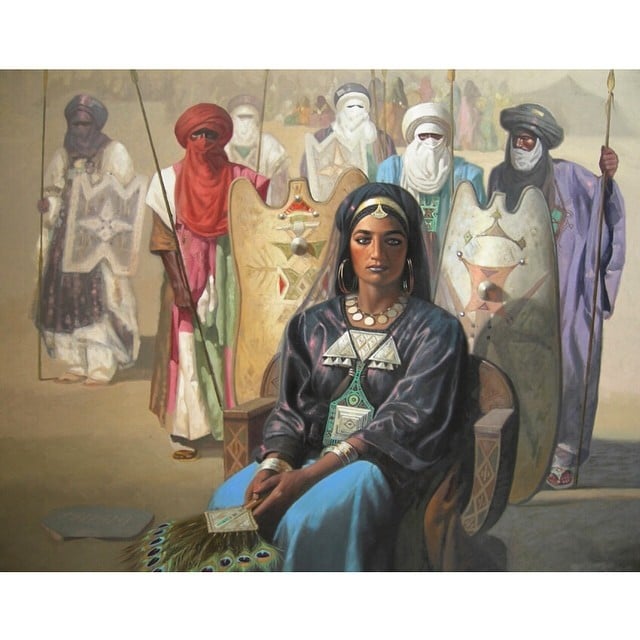
In the Sahara, where survival itself requires intimate knowledge of water sources, seasonal patterns, and tribal politics, Tin Hinan established herself as the foundational leader of the Tuareg people. Her tomb in Algeria, discovered in the 1920s, contained jewelry and artifacts that demonstrate she held significant wealth and status in the 4th or 5th century CE.
She’s remembered as the mother of the Tuareg confederation. She was the political architect who united nomadic groups across vast desert territories.
Managing tribal relationships across distances that could take weeks to cross, without any of the communication technology that later empires relied on, required a particular kind of leadership. It combined personal charisma with strategic thinking.
Amanirenas
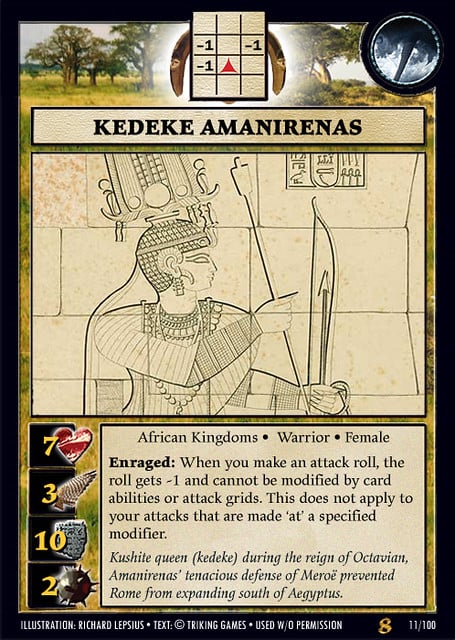
One-eyed Queen Amanirenas of Kush fought Rome to a standstill and forced them into a peace treaty that left her kingdom independent. This happened during Augustus’s reign, when Rome was at the height of its military power and wasn’t accustomed to negotiating with anyone as an equal.
She led her armies into Roman-controlled Egypt, captured several cities, and successfully resisted three separate Roman invasions of her territory. The peace treaty she eventually signed was so favorable to Kush that it eliminated the tribute payments Rome had been demanding.
For a kingdom located in what’s now Sudan to dictate terms to the Roman Empire tells you exactly how effective her military leadership was.
Lady Trieu
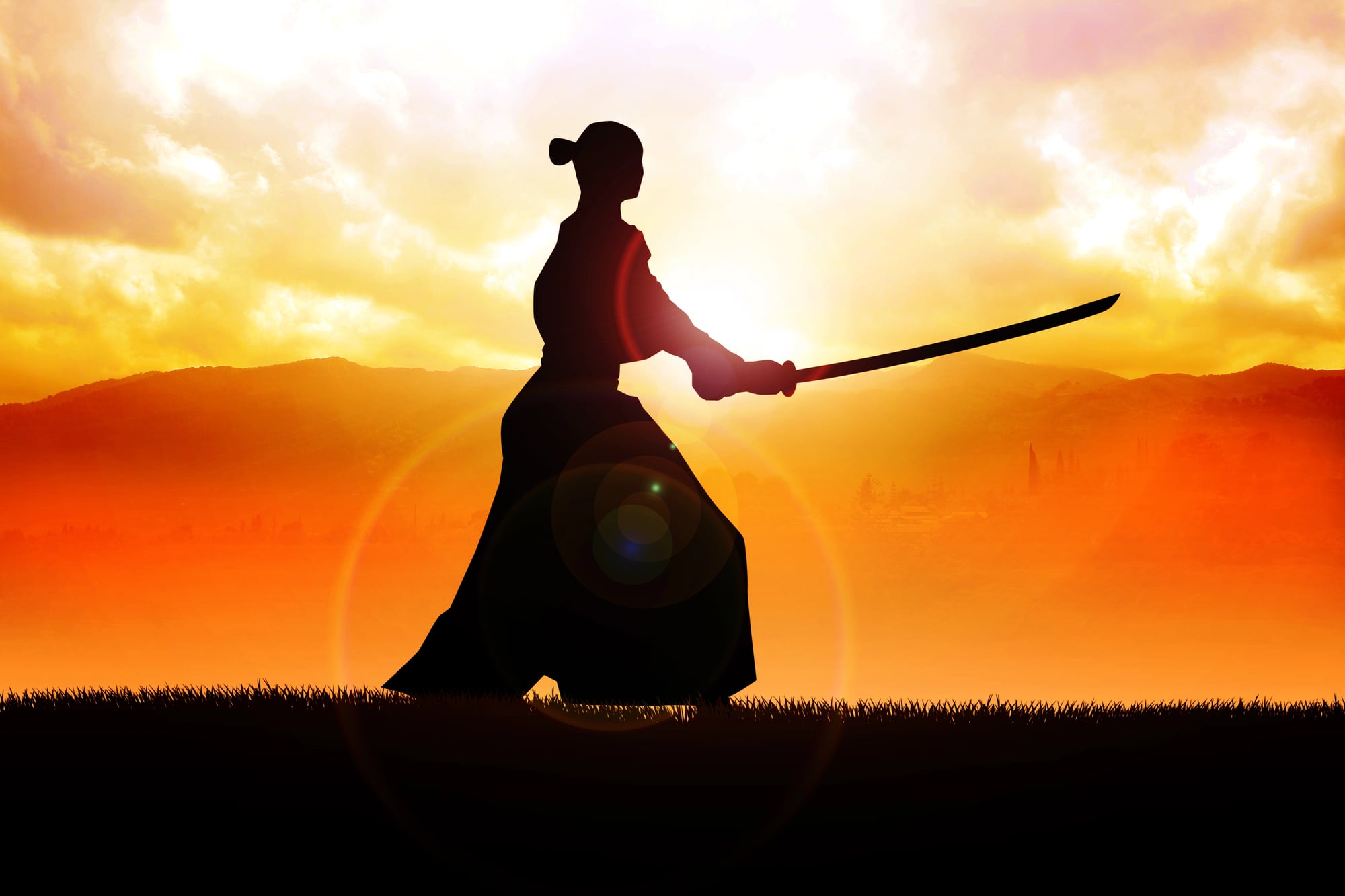
Lady Trieu rode into battle on an elephant. Elephants provided height for surveying battlefields, psychological intimidation for enemy forces, and mobile command platforms that could move quickly across difficult terrain.
In 248 CE, she led a rebellion against Chinese occupation of Vietnam that lasted for months and controlled significant territory. She was barely 20 years old when she started the campaign.
The rebellion ultimately failed, but it established a template for Vietnamese resistance that would be repeated successfully in later centuries. Her famous quote — that she wanted to ride the tempest and kill the whales in the sea — captures the scope of her ambitions perfectly.
Mavia
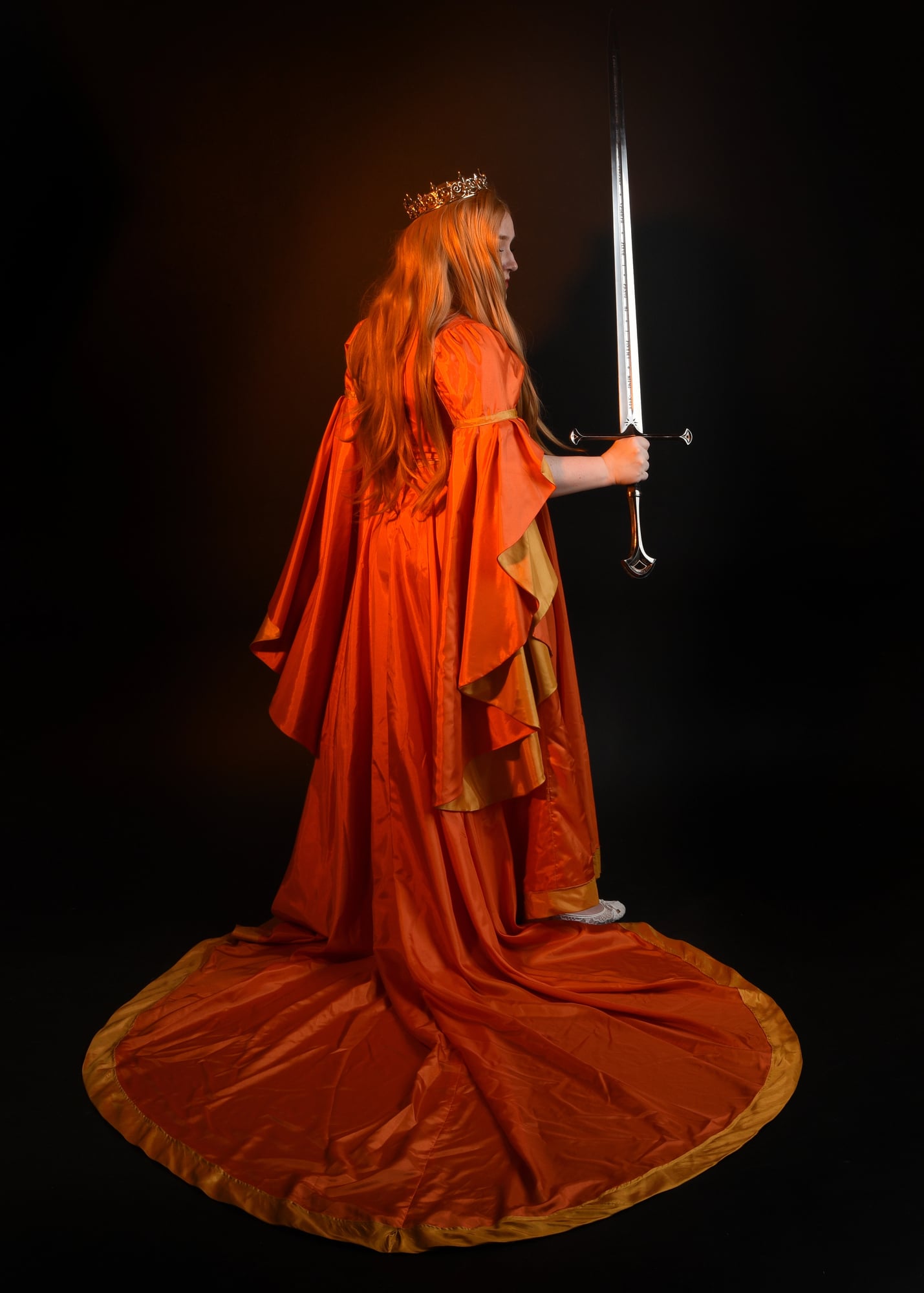
Queen Mavia controlled Arab territories along Rome’s eastern frontier in the 4th century CE, and she understood leverage better than most modern politicians. When Rome requested military assistance for their campaigns, she agreed to provide troops under her own commanders and after Rome accepted her conditions.
She negotiated with the Roman Empire as an equal partner rather than a subordinate client state. This was almost unheard of for rulers of smaller kingdoms during this period.
Her forces were considered elite troops, and Roman generals specifically requested them for difficult campaigns. She managed to maintain independence while staying allied with Rome, which required exceptional diplomatic skill.
The Persistence Of Memory

These women didn’t rule by accident or circumstance — they seized power in societies designed to exclude them and then proved better at wielding it than most of their male counterparts. Their stories got buried under centuries of historians who preferred simpler narratives about kings and conquests, but the archaeological evidence keeps surfacing.
Temples built under their orders, coins minted with their faces, treaties signed with their seals. History has a way of correcting itself, eventually.
The empires they built and the battles they won left marks too deep to erase completely.
More from Go2Tutors!

- The Romanov Crown Jewels and Their Tragic Fate
- 13 Historical Mysteries That Science Still Can’t Solve
- Famous Hoaxes That Fooled the World for Years
- 15 Child Stars with Tragic Adult Lives
- 16 Famous Jewelry Pieces in History
Like Go2Tutors’s content? Follow us on MSN.