Forgotten Pop Idols Of the Early 2000s
The early 2000s were a strange time for pop music. Between the glossy teen pop explosion and the reality TV takeover, dozens of artists shot to the top of the charts, dominated TRL for a few months, then vanished as quickly as they appeared.
These weren’t one-hit wonders exactly — they had albums, tours, magazine covers, the whole package. But somehow, they’ve been scrubbed from our collective memory of the era, overshadowed by the Britneys and Christinas who defined the decade.
Remember when your favorite song wasn’t on Spotify because the artist’s catalog existed in some legal limbo? That was probably one of these performers.
They were everywhere, then nowhere, leaving behind only a few YouTube videos and the faint echo of a melody you can’t quite place.
Dream

Dream hit the scene in 2000 with “He Loves U Not” and seemed destined for greatness. The four-piece girl group had the harmonies, the choreography, and the Bad Boy Records backing that should have guaranteed success.
Their debut album went platinum. The single reached number two on the Billboard Hot 100.
Yet by 2002, they were essentially done, casualties of label politics and the oversaturated girl group market that claimed so many promising acts.
B2K
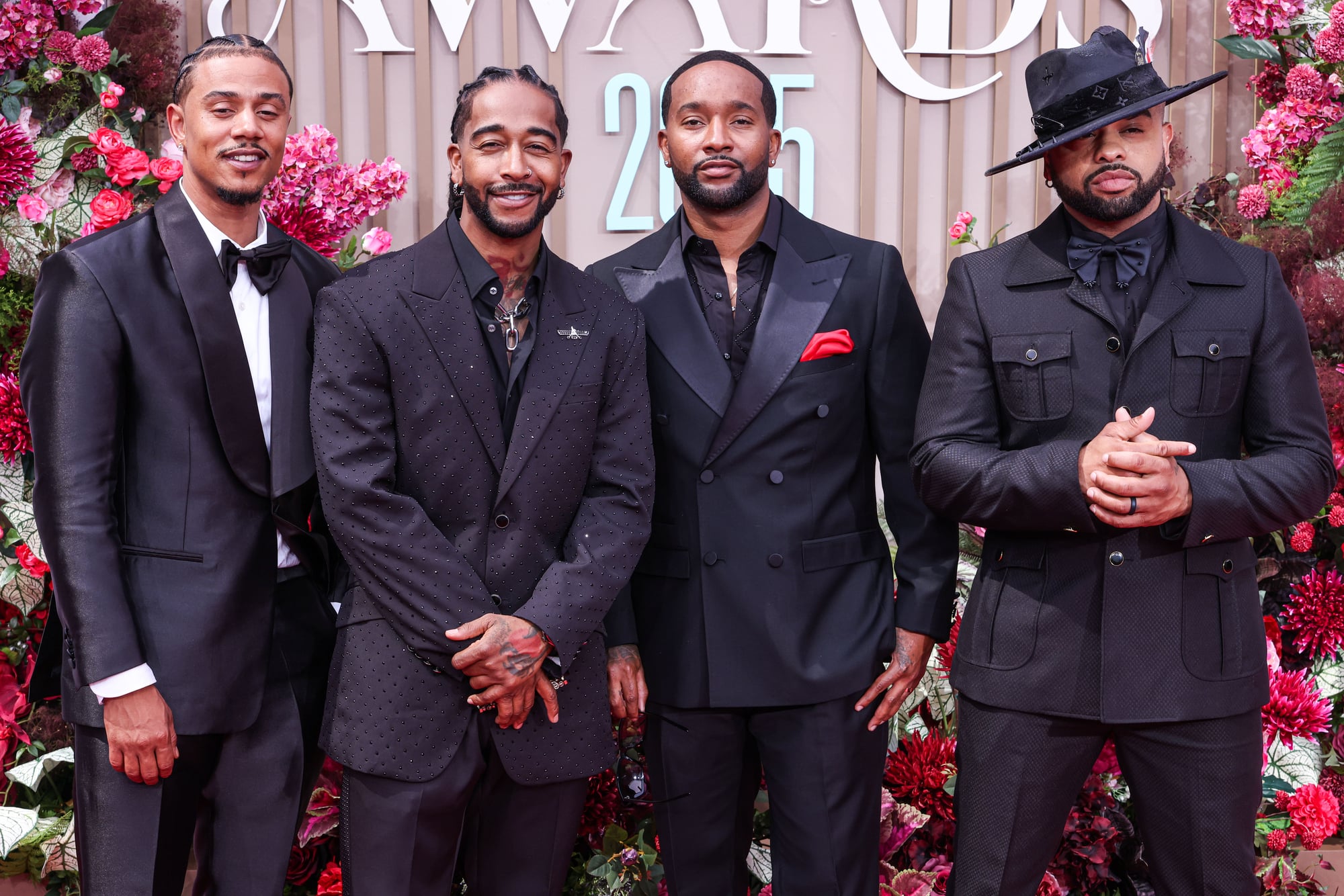
B2K owned the boy band lane that wasn’t quite *NSYNC and wasn’t quite 98 Degrees. They were younger, more urban, and had Omarion’s falsetto carrying tracks like “Bump, Bump, Bump” straight to the top of the charts.
But boy bands have expiration dates written into their DNA, and B2K’s came faster than most. Internal drama, solo career ambitions, and the shifting music landscape of 2004 ended their run after just three years.
Their fans moved on to other obsessions, as teenage fans do.
3LW
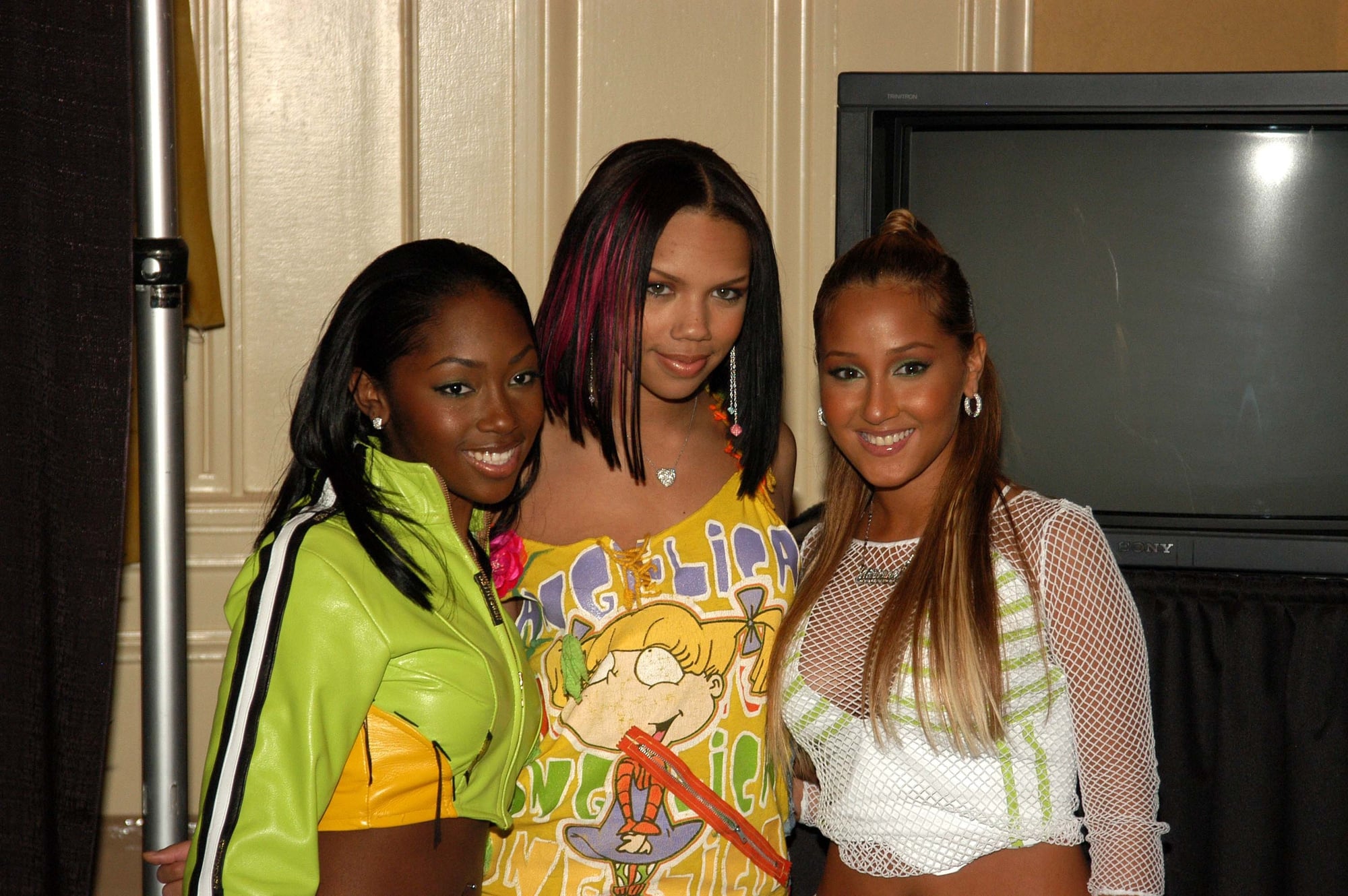
Here’s what’s maddening about 3LW’s story: they had everything figured out (the harmonies were flawless, the image was perfectly calibrated between edgy and accessible, and songs like “No More” proved they could handle both ballads and uptempo tracks with equal skill). And yet their career reads like a cautionary tale about how quickly things can unravel when personalities clash and business decisions go sideways — which happened almost immediately after their promising debut, leaving fans to wonder what might have been if the group dynamics hadn’t imploded so spectacularly.
So promising, so brief.
The music industry can be particularly unforgiving to girl groups, and 3LW learned this lesson the hard way when member changes and label disputes derailed what should have been a sustained run of success. But their early work still holds up, even if most people have forgotten it exists.
Sammie
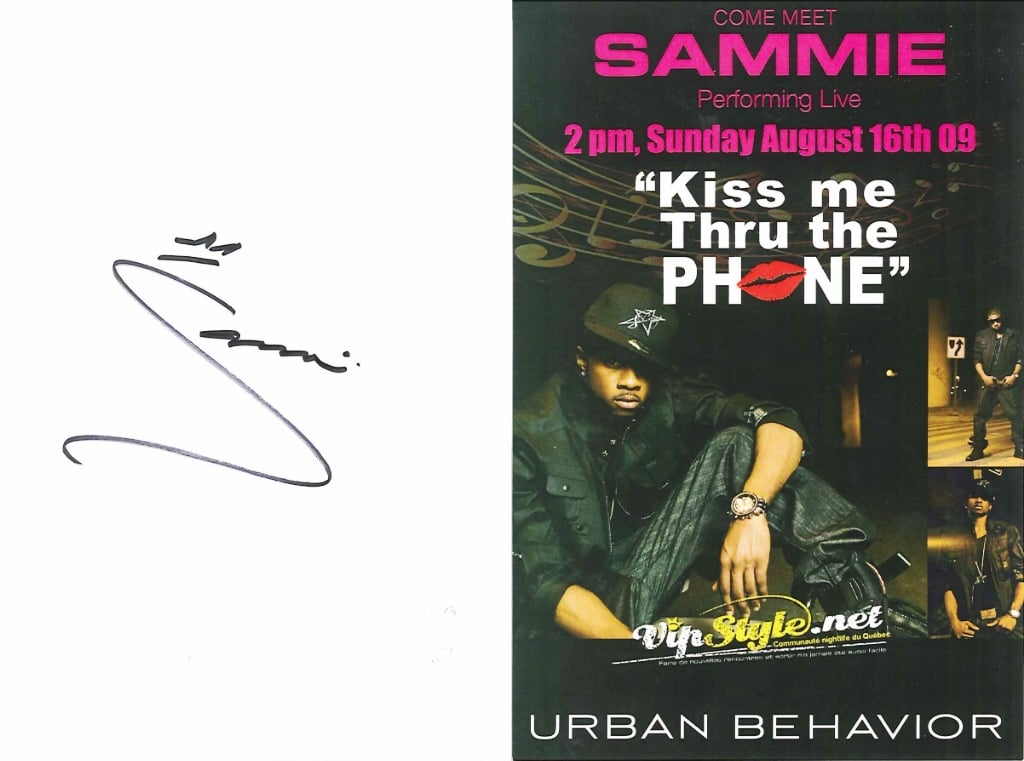
Child stars in music face a unique challenge: growing up in public while trying to maintain relevance. Sammie navigated this better than most, transitioning from his 1999 hit “I Like It” into more mature material as he aged.
The problem wasn’t talent or effort. Sammie could sing, dance, and had the kind of clean image that parents approved of.
But the landscape shifted toward edgier content, and his wholesome approach felt increasingly out of step with what audiences wanted from their R&B performers.
Brooke Valentine

There’s something particularly cruel about how the music industry treats artists who arrive just slightly off-trend. Brooke Valentine dropped “Girlfight” in 2005, right as hip-hop was dominating the charts, and the track felt perfectly calibrated for that moment.
Her voice had character — not technically perfect, but distinctive in ways that mattered more than range or power. The problem was timing and follow-through.
One strong single wasn’t enough to build a lasting career, and the industry moved on before she could establish herself as more than a momentary presence.
Pretty Ricky
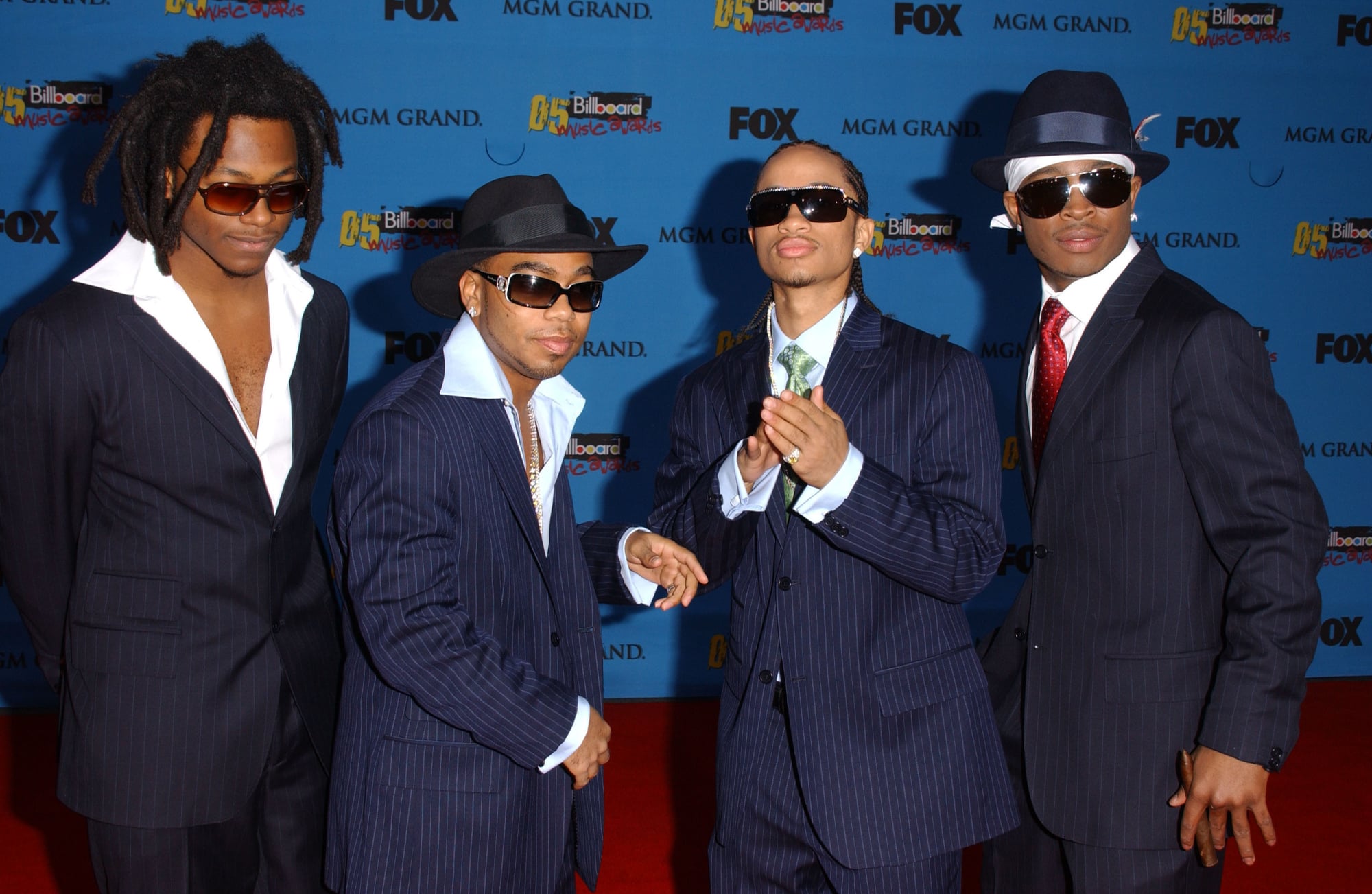
Pretty Ricky understood exactly what they were doing, which somehow makes their rapid decline more puzzling. They weren’t trying to be innovative or push boundaries — they were making straightforward party music with just enough edge to feel dangerous to suburban teenagers.
“Grind With Me” was everywhere in 2005. The group had a clear identity, a dedicated fanbase, and the kind of intriguing image that generates both controversy and sales.
But the formula that worked initially became repetitive, and audiences moved on to the next thing faster than anyone anticipated.
Aaron Carter
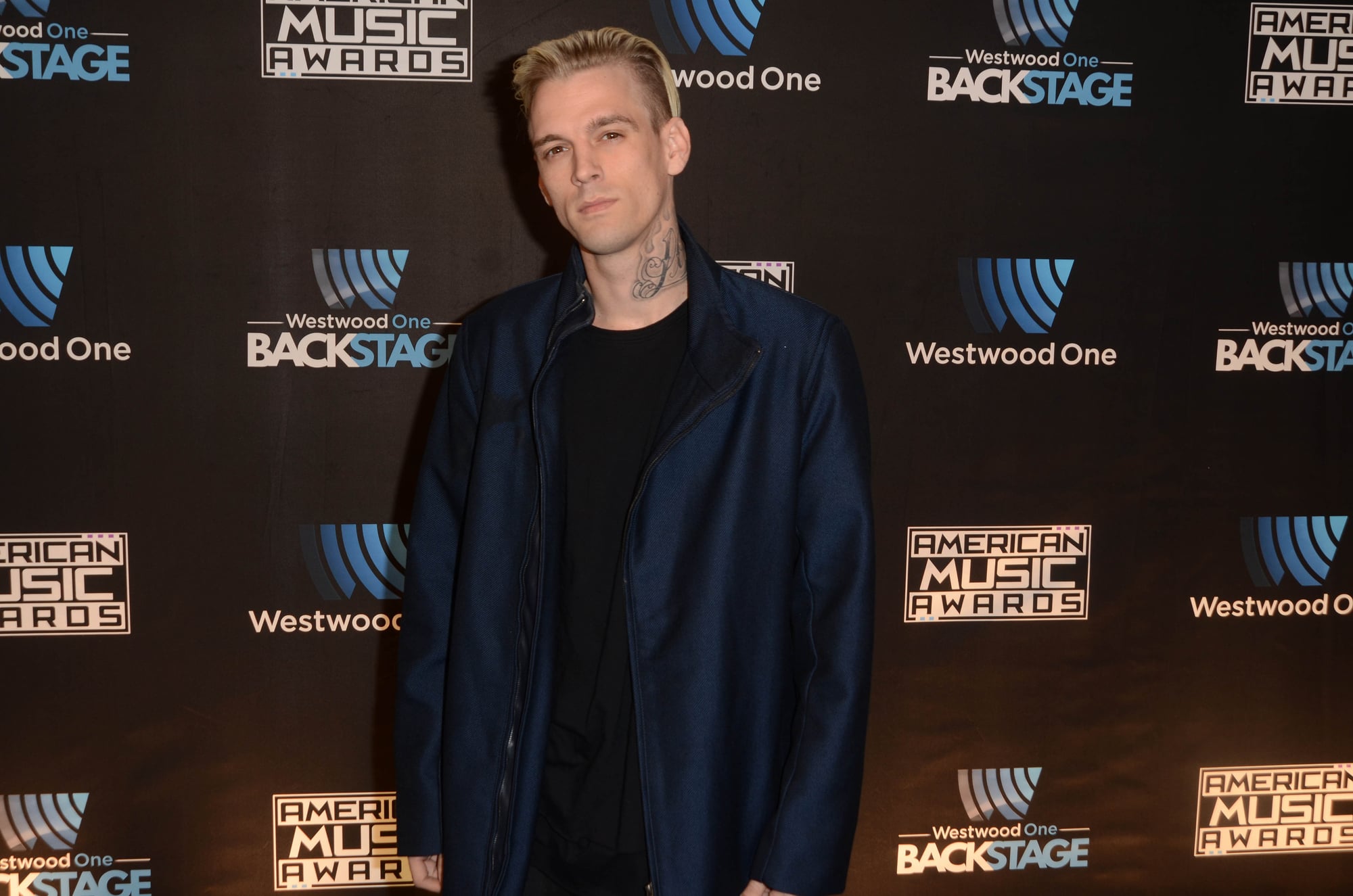
Aaron Carter’s trajectory tells the story of early 2000s pop culture in miniature: the child star who couldn’t quite make the transition to adult relevance, despite multiple attempts and genuine effort (though his personal struggles certainly complicated things, and the entertainment industry’s treatment of young performers during this era was often exploitative rather than protective). His hits like “I Want Candy” defined a specific moment in time, but that moment passed quickly.
What’s sad about Carter’s story isn’t just the career decline, but how completely he vanished from the cultural conversation, as if those years of arena shows and magazine covers never happened. The music industry can be remarkably efficient at erasing its own history.
But for a brief period, he was legitimately famous, and millions of kids knew every word to his songs.
Blu Cantrell
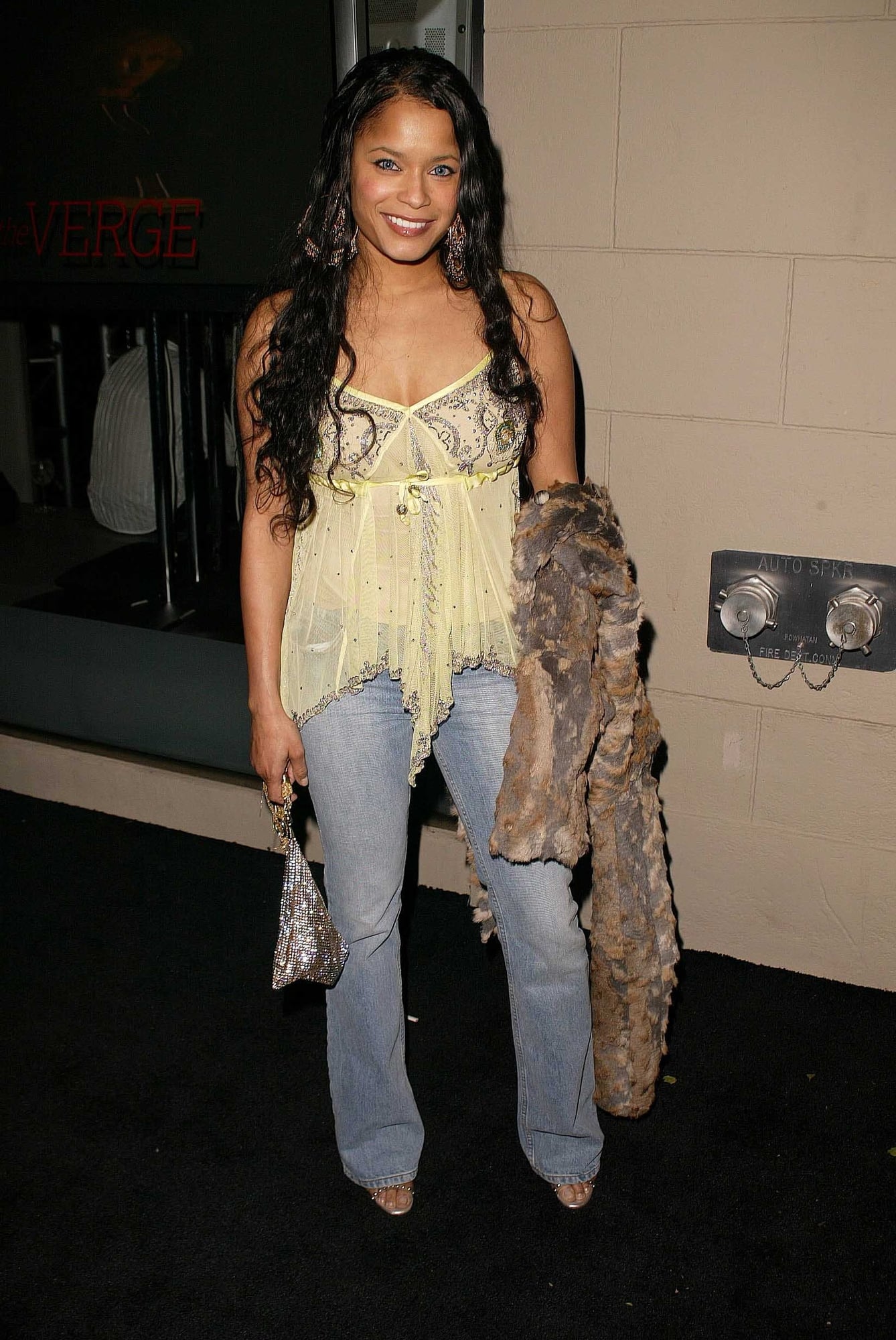
Blu Cantrell’s “Hit ‘Em Up Style” was the kind of song that defined a summer. Her voice carried real emotion, and the track felt both contemporary and timeless in ways that suggested a long career ahead.
The follow-up singles never quite captured the same lightning, and the industry’s attention shifted elsewhere.
But that first hit was undeniable — a perfect slice of early 2000s R&B that still sounds good today, even if most people have forgotten who sang it.
IMx
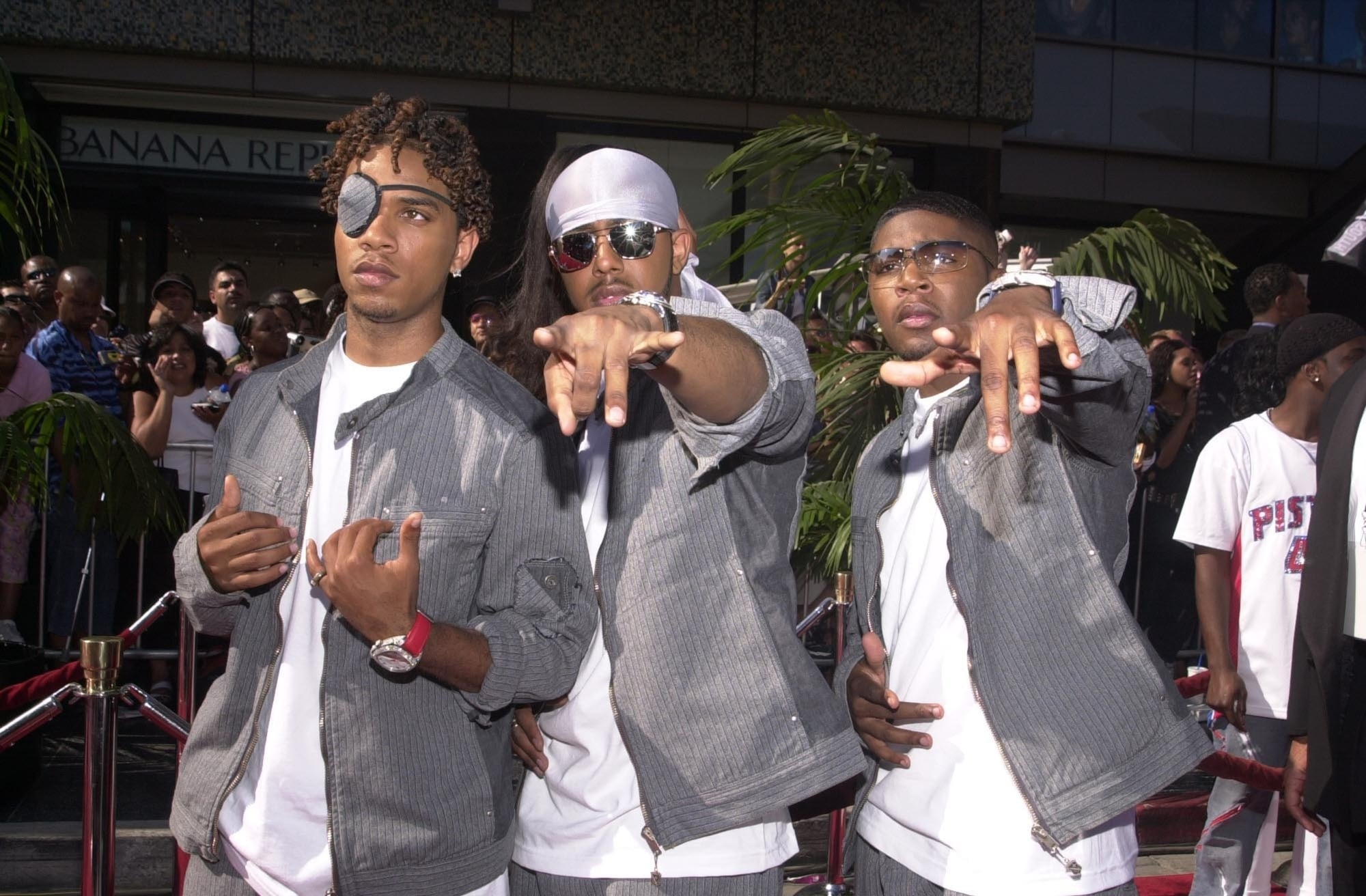
IMx had the misfortune of growing up alongside their audience, which sounds like it should be an advantage but often proves to be a liability. The group evolved from Immature into IMx, updating their sound and image for a more mature demographic.
The transition worked musically — their later material showed real growth and sophistication. But audiences tend to freeze artists at the moment they first discovered them, and IMx couldn’t fully escape the perception of being that young group from the mid-90s, even as their music improved.
O-Town
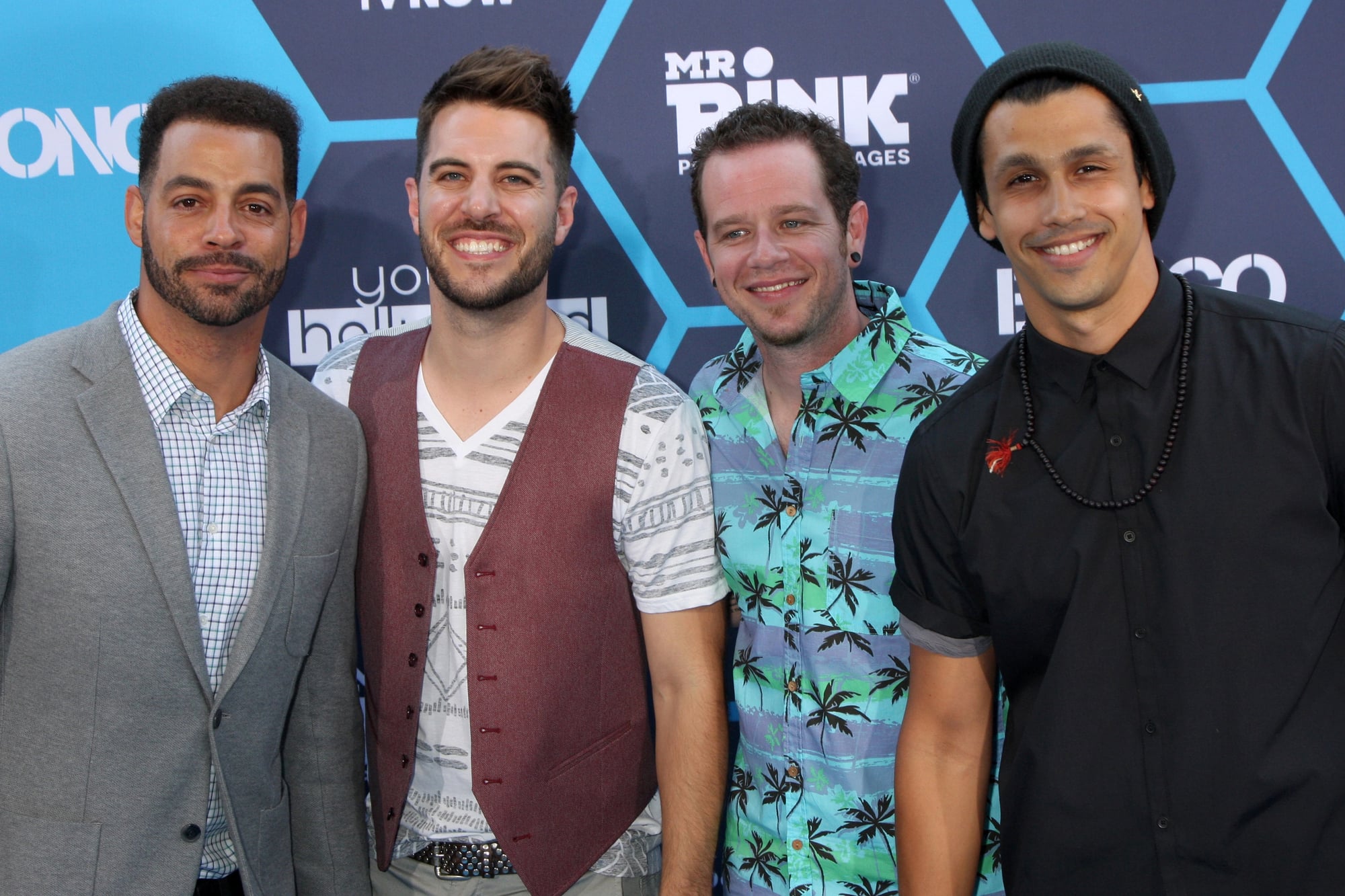
Reality TV created O-Town, and reality TV ultimately destroyed them, though not in ways anyone could have predicted when “Making the Band” first aired (the show gave them massive exposure and a built-in fanbase, but it also made them seem manufactured in ways that other boy bands, who were equally constructed, somehow avoided). Their music was actually quite good — “All or Nothing” remains a solid ballad — but the behind-the-scenes drama became more interesting to audiences than the songs themselves.
So the group became a footnote in reality TV history rather than a legitimate musical act, which seems unfair given the quality of their work. But fairness isn’t really how the entertainment industry operates.
And by 2003, the boy band moment had largely passed, leaving O-Town without a clear path forward.
Lil’ Bow Wow
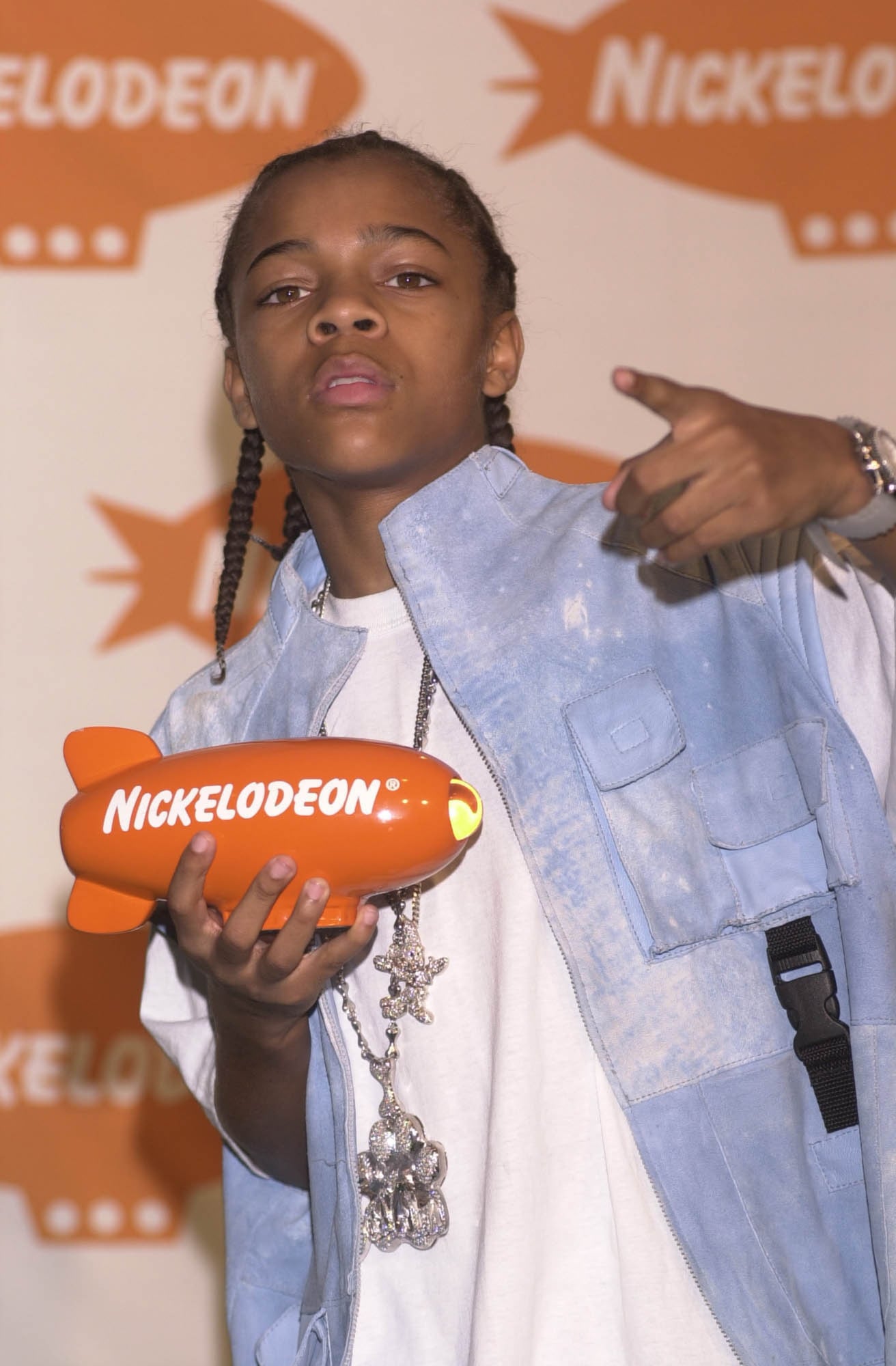
The challenge of being a child rapper is even more complex than being a child pop star. Bow Wow had genuine talent and charisma, but his career arc was always going to be complicated by the need to mature his image and content while maintaining the personality that made him famous initially.
His early hits like “Bounce with Me” were perfectly crafted for their moment. The problem was growing beyond that moment without alienating the audience that discovered him first.
It’s a nearly impossible balance, and most artists who attempt it fail to maintain their initial momentum.
City High
City High represents one of the more puzzling disappearances from early 2000s music. “What Would You Do?” was a substantial hit that showcased real songwriting ability and social consciousness — exactly the kind of track that should have launched a sustained career.
The group had the talent, the message, and the commercial appeal that record labels claim to want.
But they vanished after one album, leaving behind a single that still gets played on throwback radio while the artists themselves remain largely forgotten.
Natural
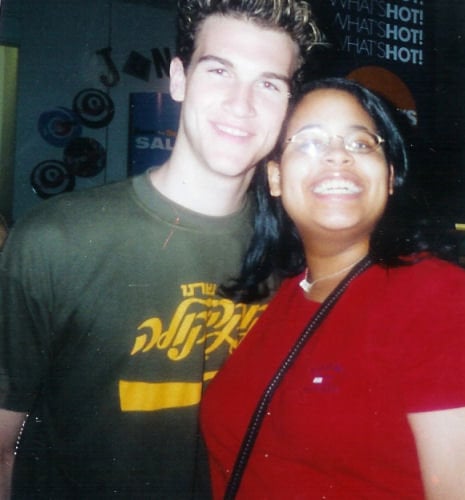
Boy bands were everywhere in the early 2000s, but Natural occupied an interesting middle ground between the teen pop explosion and more mature R&B-influenced groups. Their harmonies were sophisticated, their image was polished, and they had the kind of international appeal that suggested longevity.
But the market was oversaturated, and even competent, well-managed groups couldn’t guarantee success.
Natural made good music that simply got lost in the noise of a crowded field, proof that talent and effort aren’t always enough in an industry driven by timing and luck as much as ability.
When The Spotlight Moves On

These artists didn’t fail because they lacked talent or work ethic. Most of them were genuinely gifted performers who made music that connected with audiences, at least temporarily.
But the early 2000s music industry was particularly brutal about discarding acts that couldn’t sustain their initial momentum, and the rise of digital music made it easier for audiences to move on to the next thing without looking back.
What’s strange is how completely many of these names have vanished from our cultural memory. They weren’t niche artists or critical darlings — they were mainstream pop stars with hit songs and devoted fanbases.
Yet mention most of these names today, and you’ll get blank stares from people who probably sang along to their songs fifteen years ago.
More from Go2Tutors!

- The Romanov Crown Jewels and Their Tragic Fate
- 13 Historical Mysteries That Science Still Can’t Solve
- Famous Hoaxes That Fooled the World for Years
- 15 Child Stars with Tragic Adult Lives
- 16 Famous Jewelry Pieces in History
Like Go2Tutors’s content? Follow us on MSN.