Forgotten Rules For Driving a Manual Car
Manual transmissions are becoming rare these days, and with fewer people learning to drive stick shift, some important rules have faded from common knowledge. Even experienced manual drivers sometimes develop bad habits over time or never learned certain techniques properly in the first place.
These forgotten rules can make the difference between a clutch that lasts 100,000 miles and one that burns out at 50,000. Here is a list of forgotten rules for driving a manual car.
Press the Clutch All the Way Down
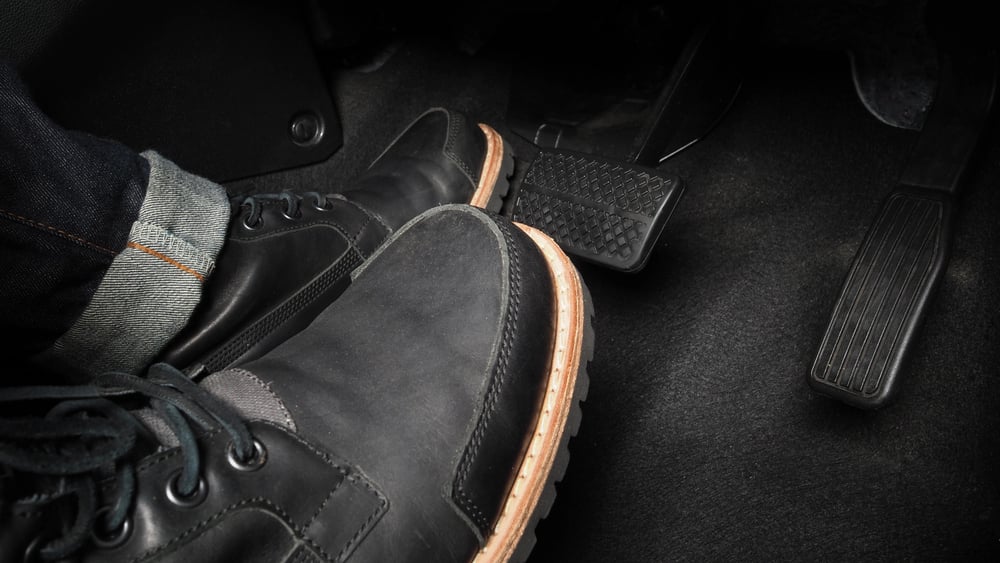
When changing gears, the clutch pedal needs to go all the way to the floorboard. Stopping even an inch short leaves the clutch discs partially engaged, meaning the engine is still transferring some power to the wheels.
This creates unnecessary friction and heat that wears out the clutch faster than it should. Think of it like a light switch that’s stuck halfway between on and off—it’s not doing its job properly and it’s creating problems in the process.
Shift to Neutral at Red Lights

Many drivers wait at traffic lights with the clutch down, first gear engaged, and their foot on the brake, thinking this helps them make a quick getaway when the light changes. Keeping the car in gear while stationary at a red light engages the clutch and causes damage to its springs and discs over time.
It only takes a second to shift back into first when the light turns green, and your leg will thank you too.
Keep Both Hands on the Wheel

Resting your hand on the gear shifter puts unnecessary pressure on the transmission system, which results in premature wear and tear. Long term, it damages the shifting mechanism and causes greater backlash.
The gear shifter isn’t an armrest, and keeping both hands at ten and two gives you better control anyway. Your transmission has delicate internal components that don’t appreciate constant pressure from above.
Don’t Ride the Clutch
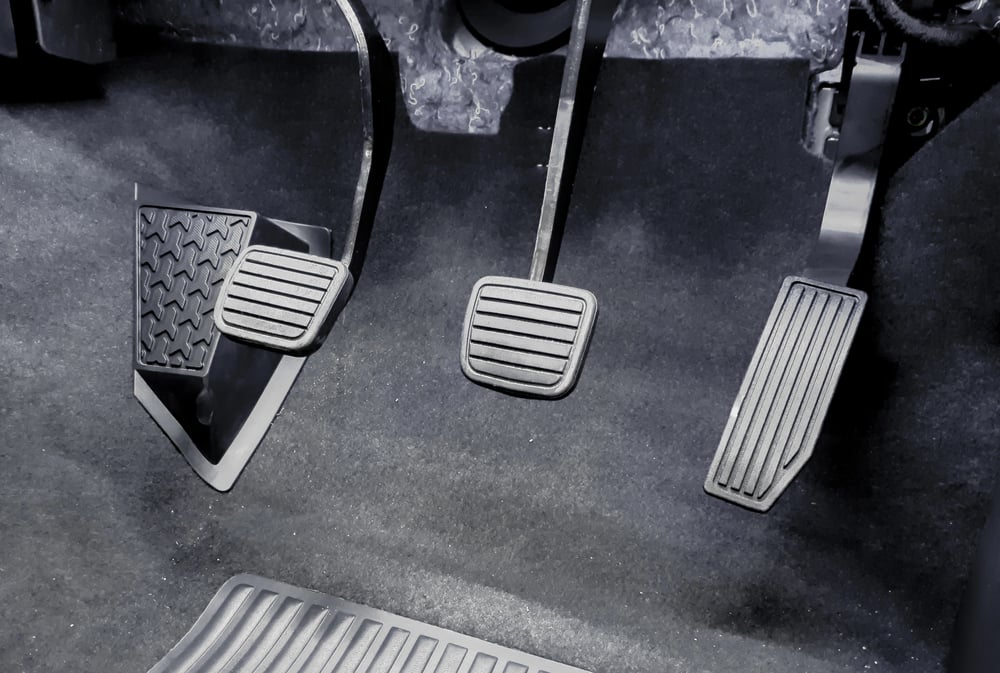
Keeping your foot resting on the clutch pedal causes the clutch friction discs to slip, creating heat and ultimately wearing out the clutch. Even a small pressure can cause increased slippage of the clutch, as a result of which the plates wear out faster.
Get in the habit of moving your left foot to the dead pedal or footrest area when you’re not actively shifting. If you smell something burning while driving, that’s probably your clutch telling you to knock it off.
Use the Parking Brake on Hills

Most drivers release the clutch slowly until the clutch bite point to hold the vehicle steady on an incline, but this puts unnecessary pressure on the clutch disc, causing them to wear and tear quickly. Holding onto the clutch biting point burns up the friction material on the clutch disc as the clutch will be spinning at one speed while the engine’s pressure plate is moving at another.
The parking brake exists for exactly this situation, so use it instead of making your clutch do work it wasn’t designed for.
Shift Around 2,500 to 3,000 RPM
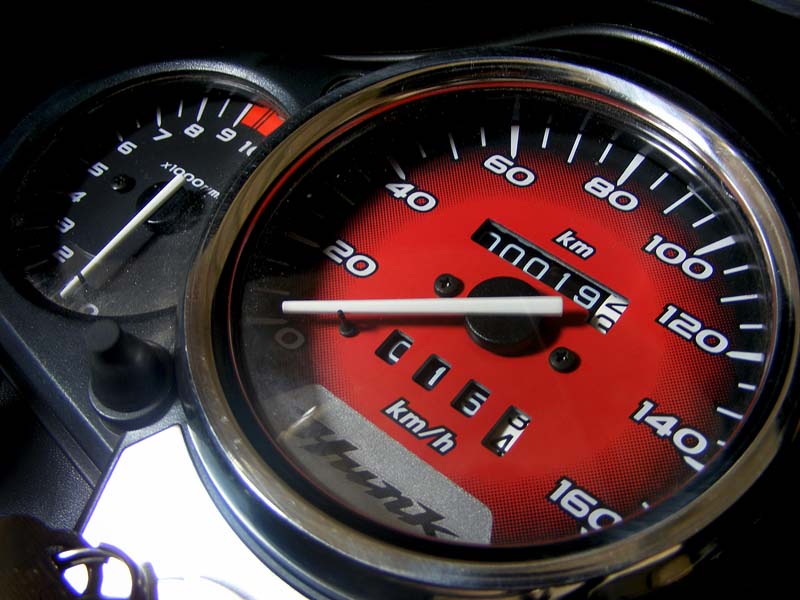
As you accelerate and shift up through the gears, it’s generally best to shift to the next higher gear when it’s available and not let the tachometer get close to the redline, with about 2,500 to 3,000 RPM being a good shifting range. Shifting too early makes the engine struggle and bog down, while waiting too long causes the engine to whine loudly and work harder than necessary.
Finding that sweet spot becomes second nature after a while, but it’s worth paying attention to the tachometer until you get a feel for it.
Don’t Floor It in High Gear

Flooring the gas pedal while at low RPM is bad for the car and unhealthy for the engine. If you’re cruising in fifth or sixth gear and need to accelerate quickly, downshift first rather than just stomping on the gas.
If you’re in a high gear, don’t slam the gas pedal to accelerate quickly as this can cause overheating—instead, shift to a lower gear and use your gas in combination to speed up. The engine needs to be spinning at a reasonable speed to generate power efficiently.
Park in Gear
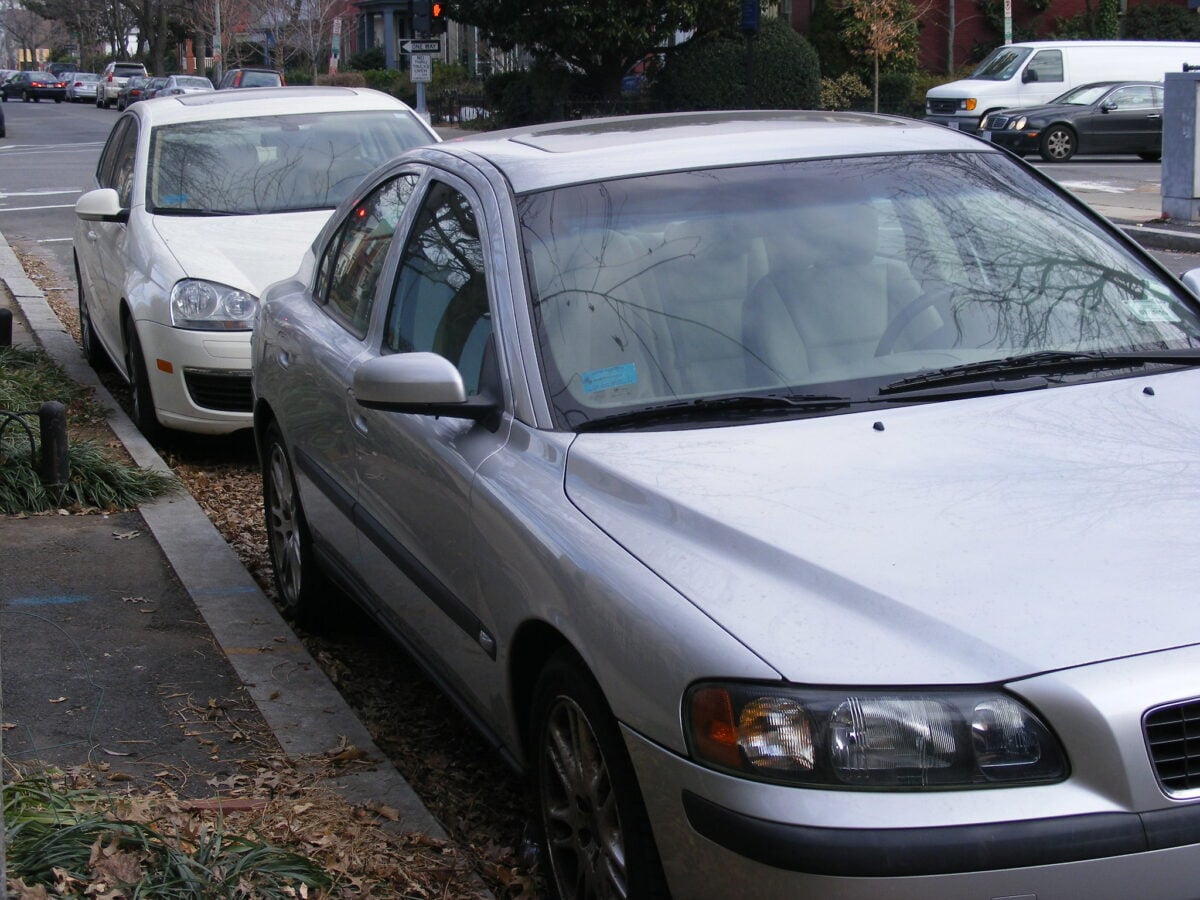
In a manual transmission car, putting it in first gear or reverse when the car is facing downhill is just like putting the car in park. While you should always use the emergency brake, it’s possible that it can fail at some point and your car will end up rolling.
Leaving the car in gear adds an extra layer of security that could save you from a runaway vehicle situation. It’s a simple habit that takes zero extra effort but provides real protection.
Don’t Coast in Neutral
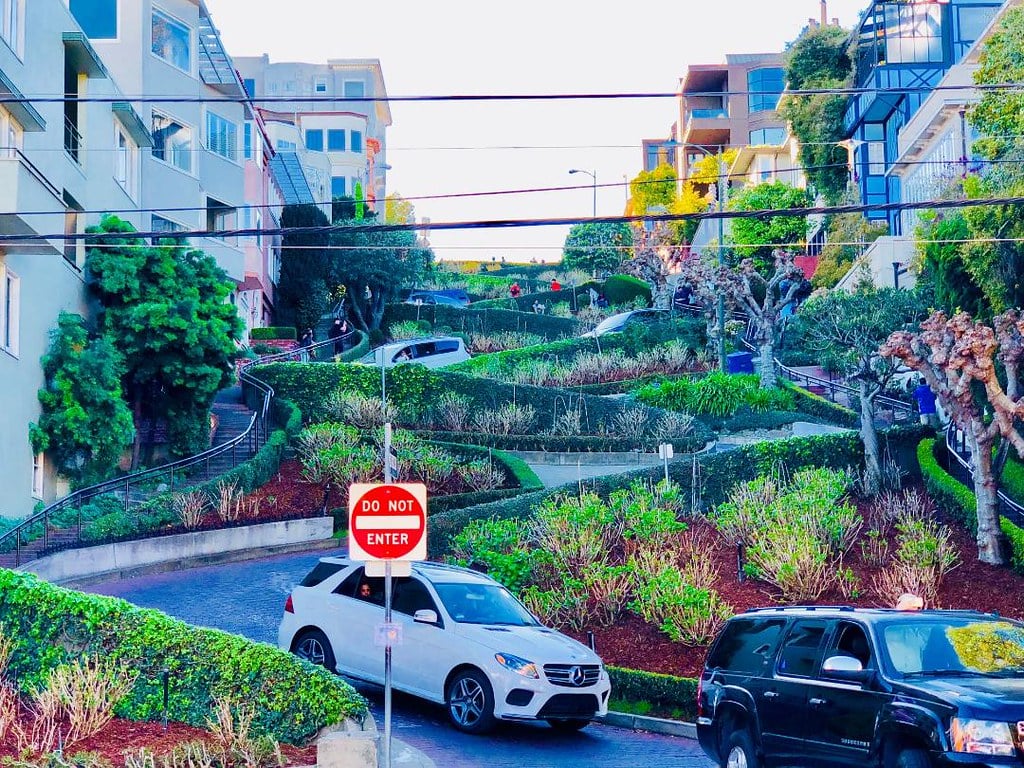
When the car is in neutral and you decide to coast downhill, you’re not in control of the car, so if a person, animal, or object suddenly appears in front of your car, you’ll have less time to respond. When you coast down a hill in neutral, you’ll have to press on the brake with a lot of pressure to stop, which could overheat the brake.
The small amount of gas you might save isn’t worth the safety risk or the potential brake damage. Modern fuel-injected engines use virtually no fuel when coasting in gear anyway.
Learn Your Gear Ranges

As a rough rule, shift to second gear at 10 to 15 mph, to third gear at 15 to 20, to fourth gear around 30, and to fifth gear about 40. These numbers vary between vehicles, but understanding the general speed ranges for each gear helps you shift smoothly without making the engine strain or race.
Every car is a bit different, so pay attention to how yours feels and sounds at different speeds in different gears.
Don’t Rock at Stoplights

Leaving the car in first gear and intermittently engaging the gear and then disengaging the clutch over and over makes the car rock, causing a lot more wear on the clutch. Some drivers do this out of boredom or impatience, but it’s basically burning money.
Just sit still with the car in neutral and your foot on the brake like a normal person. The light will change when it changes.
Match Your Revs When Downshifting

Rev matching is important, especially when you’re in neutral or a high gear and then you want to put it in second or third—finding the right RPM to blip the throttle to match will make your shift much smoother and better on the transmission. Rev matching helps you downshift smoothly by blipping the throttle to match the engine’s speed to the lower gear, which minimizes drivetrain shock and maintains control.
This technique takes practice, but once you get it down, your shifts become butter-smooth and your transmission lives longer.
Don’t Skip Gears When Accelerating
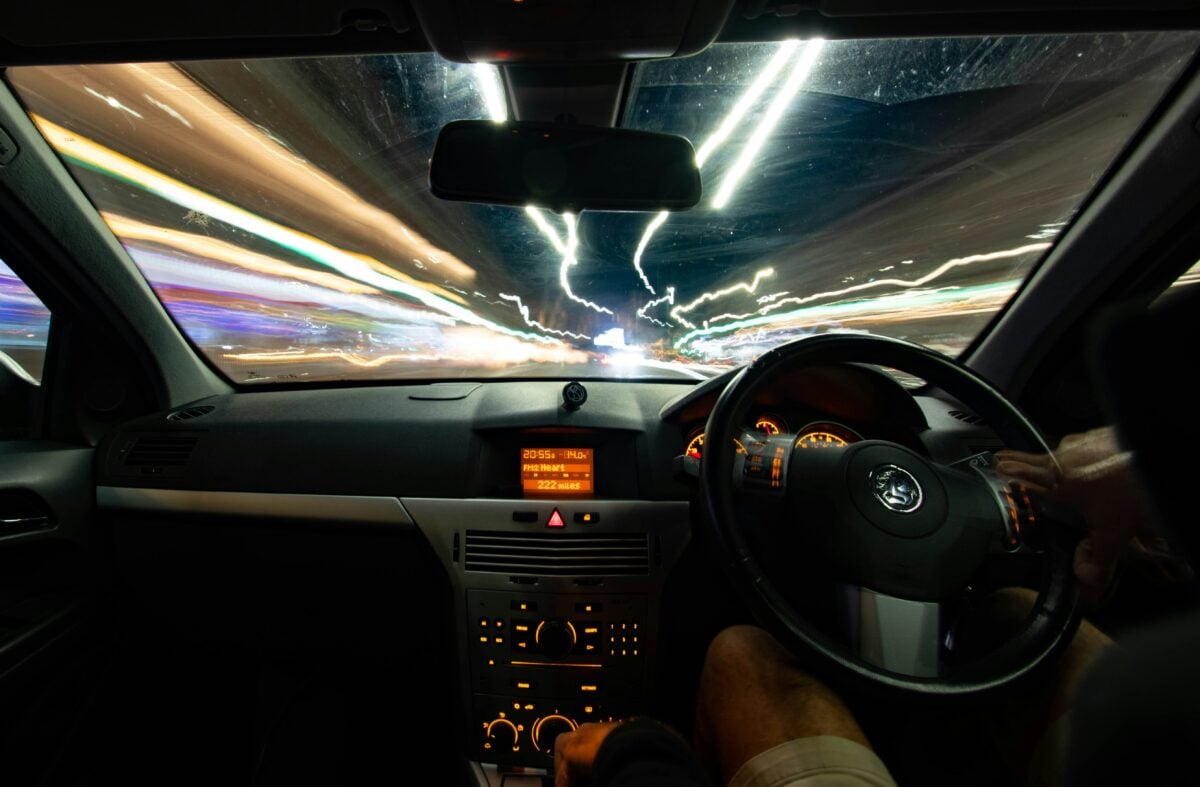
To gain speed, you would need to go through the gears progressively to prevent the engine from undue strain. Jumping from second to fifth might seem efficient, but it forces the engine to work much harder to accelerate the car.
Going through the gears in order keeps everything running smoothly and efficiently. Sequential shifting is how manual transmissions were designed to operate, and fighting against that design creates problems.
Stop Completely Before Reverse
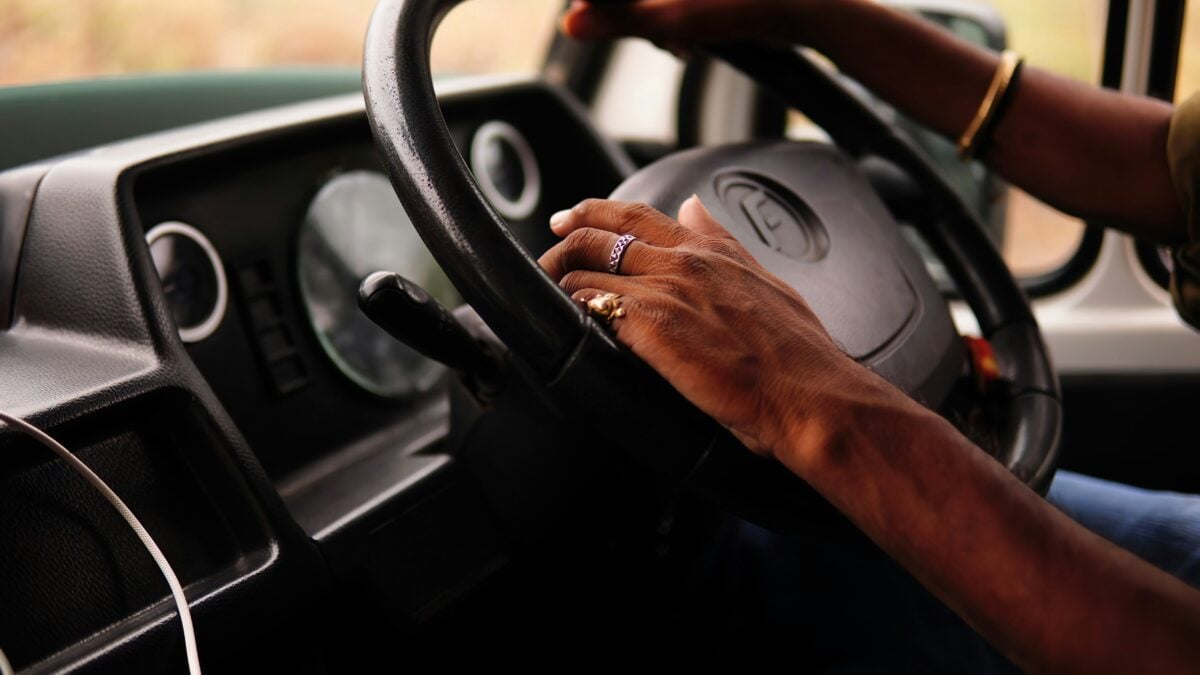
Always stop when shifting into reverse—if you try to shift into reverse while the car is still slowly moving forward, you will most likely hear a grinding noise that causes the teeth to grind and wear quickly. This one should be obvious, but plenty of people try to jam it into reverse while still rolling.
That horrible grinding sound is your transmission crying out in pain. Come to a complete stop, then shift.
Keep Your Focus on the Road
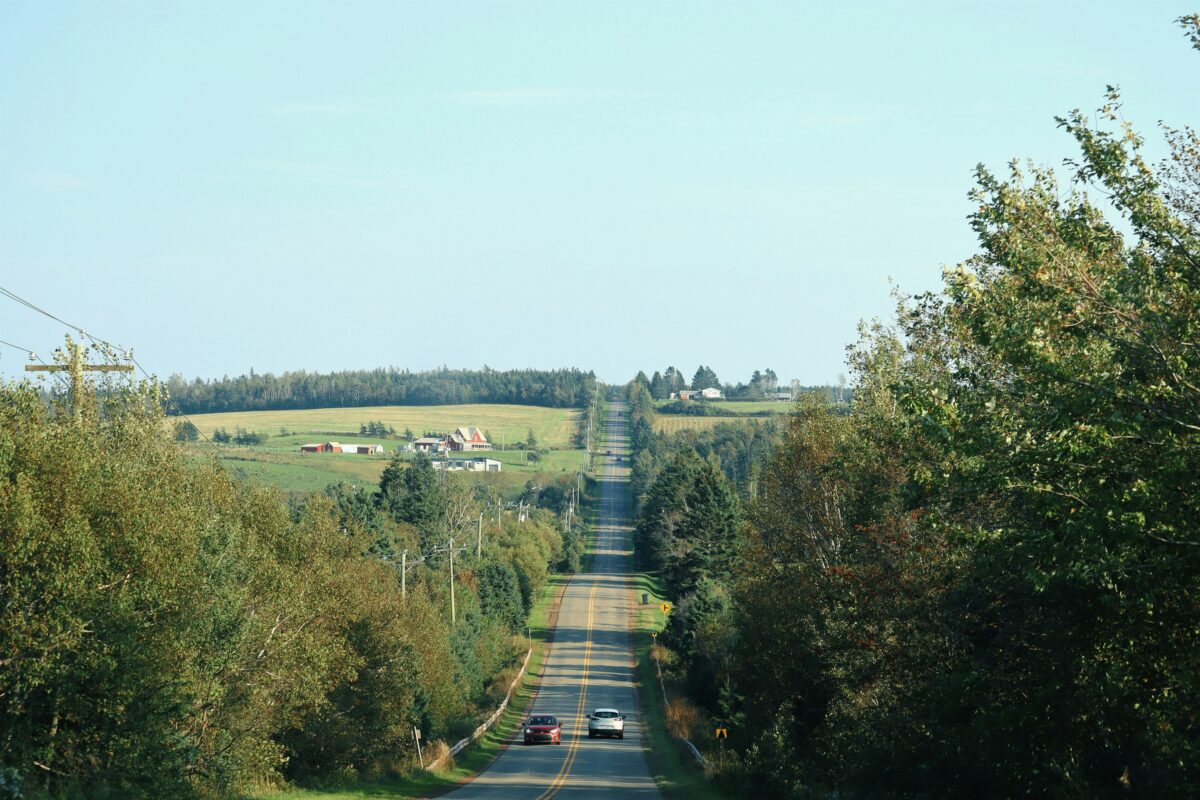
With the shifter, the clutch pedal, and even the tachometer, it’s easy to become engrossed on all that’s going on inside the manual transmission cabin, but your focus needs to be on the traffic and the road. Glancing down at the shifter or gauges is fine, but these should be quick checks rather than extended looks.
Driving a manual requires more attention inside the cabin than an automatic, but that doesn’t mean you can ignore what’s happening outside the windshield.
Don’t Engage the Clutch Halfway

Riding the clutch by pushing only halfway down on the pedal during a shift causes premature wear. Releasing the clutch too early will make your vehicle jerk while putting excessive pressure on the engine and transmission, which overheats the clutch and can do serious damage over time.
The clutch needs to be either fully engaged or fully disengaged—there’s no useful middle ground. Smooth and complete movements are what keep everything working properly.
From Forgotten to Second Nature
These rules might seem like a lot to remember, but most of them become automatic once you practice them consistently. The drivers who really mastered manual transmissions didn’t just learn how to make the car move—they learned how to work with the mechanical systems rather than against them.
Modern manual cars are surprisingly forgiving, but treating them right means they’ll reward you with decades of reliable service and the kind of driving engagement that automatic transmissions just can’t match.
More from Go2Tutors!

- The Romanov Crown Jewels and Their Tragic Fate
- 13 Historical Mysteries That Science Still Can’t Solve
- Famous Hoaxes That Fooled the World for Years
- 15 Child Stars with Tragic Adult Lives
- 16 Famous Jewelry Pieces in History
Like Go2Tutors’s content? Follow us on MSN.



