Forgotten Rules of Etiquette From the 1950s
The 1950s had a reputation for being proper, polite, and incredibly strict about manners. People followed social rules that would seem completely over the top today.
From how to answer the phone to what time guests should leave a dinner party, there was a right way and a wrong way to do just about everything. These rules weren’t just suggestions either.
Breaking them could damage someone’s reputation or make them the subject of neighborhood gossip for weeks. Here are some of the etiquette rules that people in the 1950s took seriously but have mostly disappeared from modern life.
Men always walked on the street side of the sidewalk

When a man and woman walked together, the man had to position himself closest to the street. This rule came from older times when streets were muddy and carriages would splash water and dirt on pedestrians.
By the 1950s, paved roads made this less necessary, but the tradition hung around as a sign of being a gentleman. Men who forgot this rule would get reminded by their dates or receive disapproving looks from older people passing by.
Women never called men on the telephone

A woman calling a man was seen as forward and desperate in the 1950s. She had to wait for him to call her, no matter how long it took or how much she wanted to talk.
If a woman really needed to reach a man, she might have a friend pass along a message or find some other roundabout way to communicate. This rule applied even to married couples in some circles, where wives were expected to wait for their husbands to phone home from work rather than calling the office themselves.
Guests brought hostess gifts to every gathering

Showing up to someone’s home empty-handed was considered incredibly rude. Guests always brought something for the hostess, usually flowers, candy, or a small decorative item for the house.
The gift didn’t need to be expensive, but it had to be thoughtful and wrapped nicely. Even dropping by for a casual afternoon visit required bringing a little something to show appreciation, which meant people kept a stash of backup gifts at home just in case.
Hats stayed on indoors for women but not men

The rules about hats were oddly specific and totally different for men and women. Men had to remove their hats the moment they stepped inside any building, and keeping a hat indoors marked someone as poorly raised.
Women, though, kept their hats on during social events, luncheons, and even church services. A woman only removed her hat in her own home or when staying overnight as a guest, which seems backward compared to what men had to do.
Thank you notes were mandatory within three days

After receiving a gift or attending a dinner party, people had exactly three days to write and mail a thank you note. Typed notes were considered impersonal and lazy, so every note had to be handwritten on proper stationery.
It needed to be specific about what the person was thankful for too. Failing to send a note within the time limit was seen as a serious social mistake that people would remember and might even hold against someone for years.
Children never spoke unless addressed by adults

Kids in the 1950s were expected to be seen and not heard when adults were present. They couldn’t interrupt conversations, offer their opinions, or even answer questions that weren’t directed specifically at them.
At dinner parties, children either ate in a separate room or sat silently at the table while grown-ups talked. Speaking out of turn could result in immediate punishment and a lengthy lecture about respect that would make the kid wish they’d just kept quiet.
Gloves were required for women in public
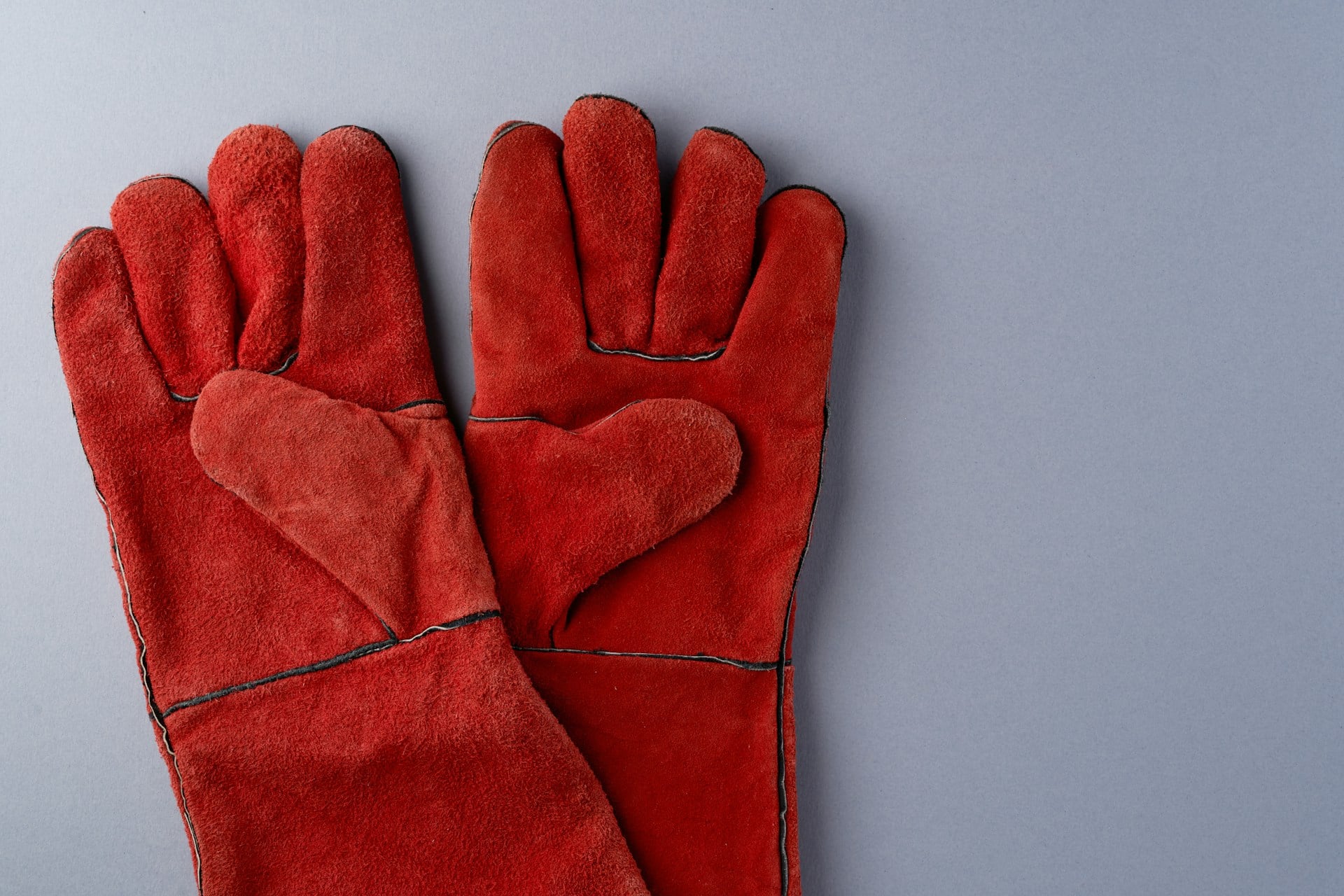
A properly dressed woman wore gloves whenever she left the house, regardless of the weather or where she was going. White gloves were for formal occasions, while colored or leather gloves worked for everyday errands like grocery shopping.
Women kept their gloves on while shopping, having lunch, and even while greeting people with handshakes, which must have felt strange. The only time gloves came off in public was during a meal, and even then, some etiquette guides couldn’t agree on the proper approach.
Introductions followed a strict hierarchy

The order in which people were introduced to each other followed complicated rules based on age, gender, and social status. Younger people were always introduced to older people, men were introduced to women, and less important people were introduced to more important ones.
Getting the order wrong was embarrassing and showed a lack of social awareness that could hurt someone’s standing in the community. People actually studied these rules like they were preparing for a test to avoid making mistakes at parties and business functions.
Elbows never touched the dinner table
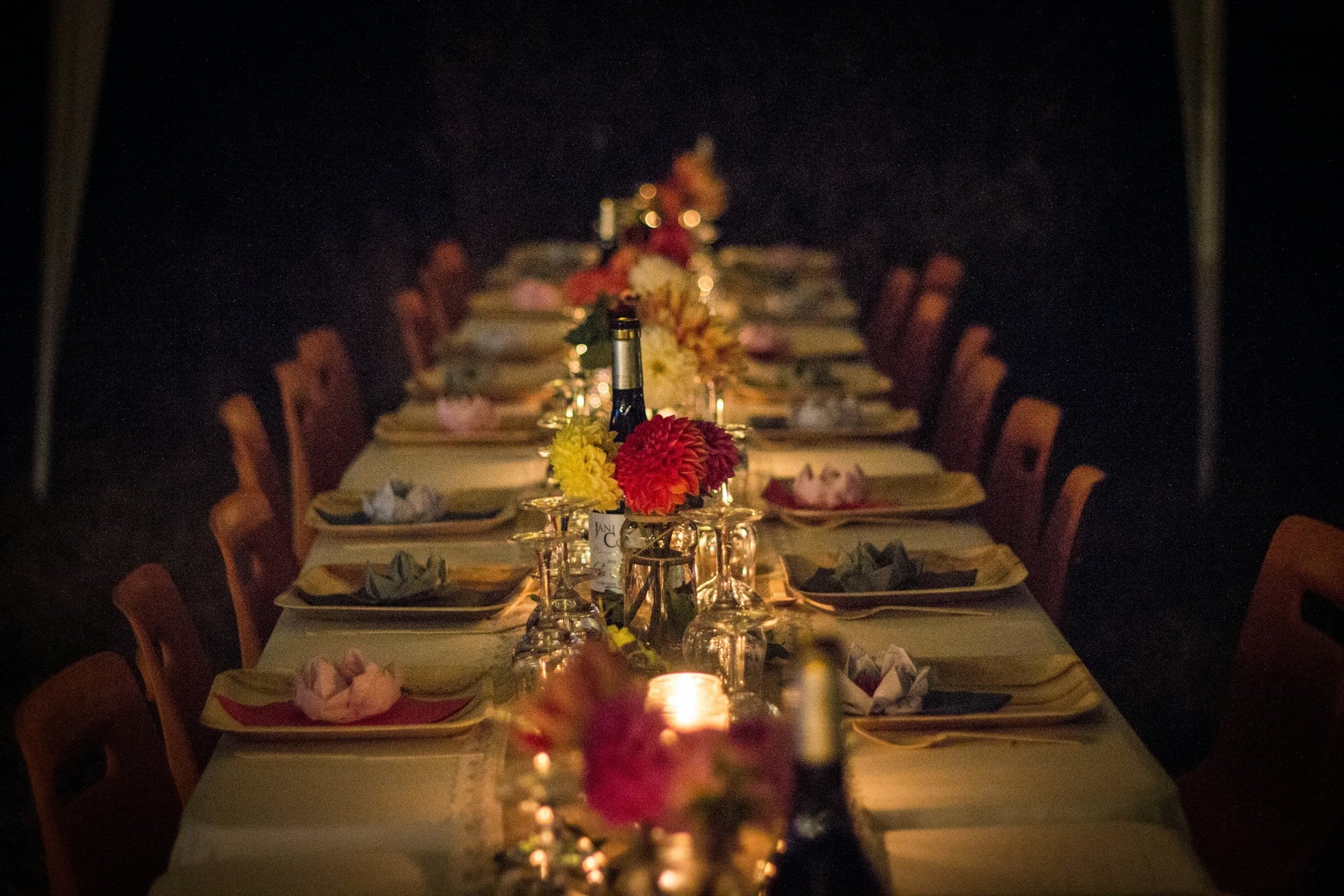
Keeping elbows off the table during meals was drilled into children from an early age with constant reminders. Resting elbows on the table while eating made someone look sloppy and uncultured.
The rule applied throughout the entire meal, not just while actively eating, which made long dinners pretty uncomfortable. Some families were so strict about this that they would tap a child’s elbows with a fork if they forgot, which sounds harsh but was considered acceptable discipline at the time.
Women stood when being introduced
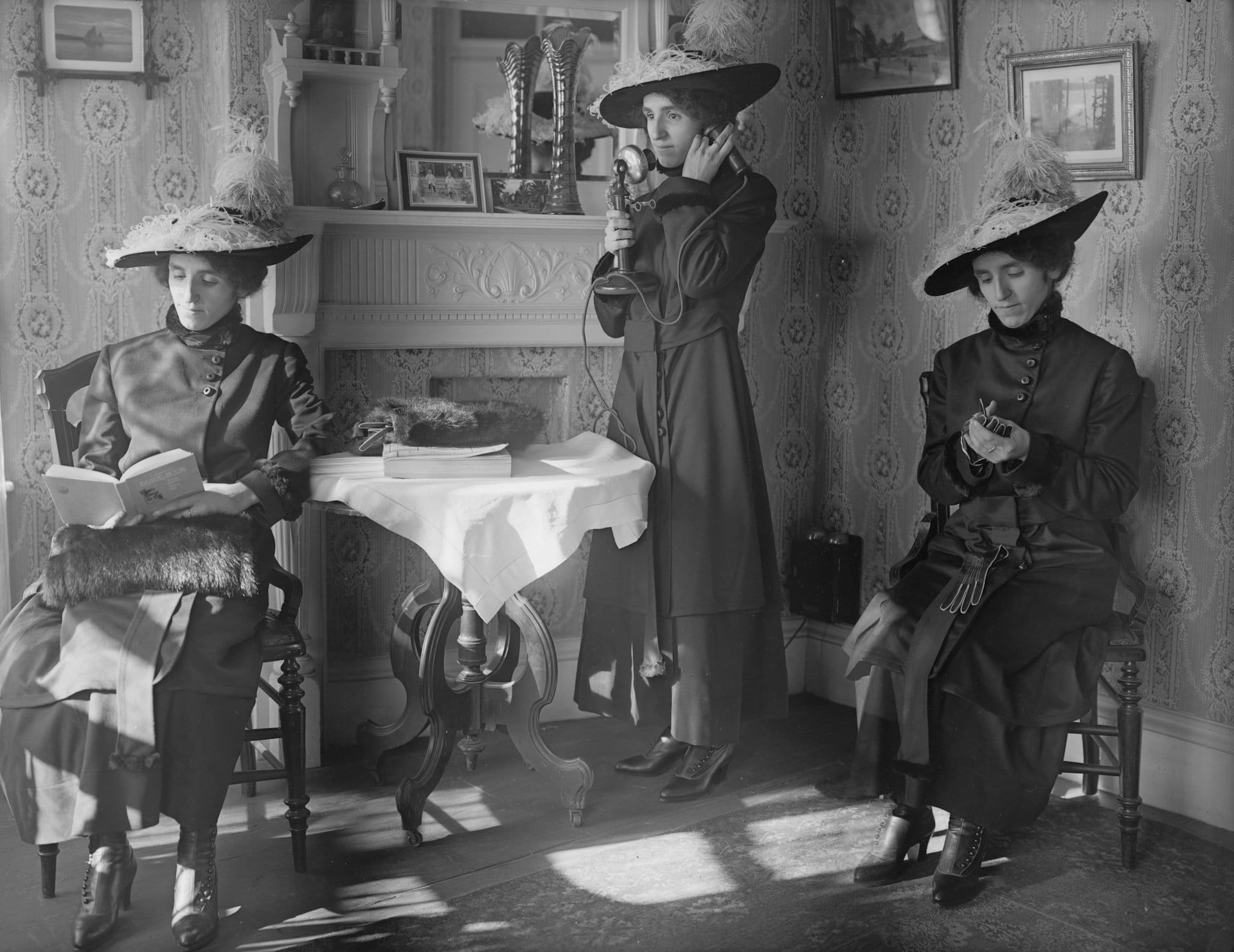
Whenever someone new entered a room and introductions were about to happen, women were supposed to stand up from their seats. This applied to both formal and informal situations, even if a woman was in the middle of doing something.
Staying seated while meeting someone for the first time came across as lazy or disrespectful. The only exceptions were elderly women or those who were obviously unwell, and even then, some sticklers for etiquette would disapprove and whisper about it later.
Married women used their husband’s full name
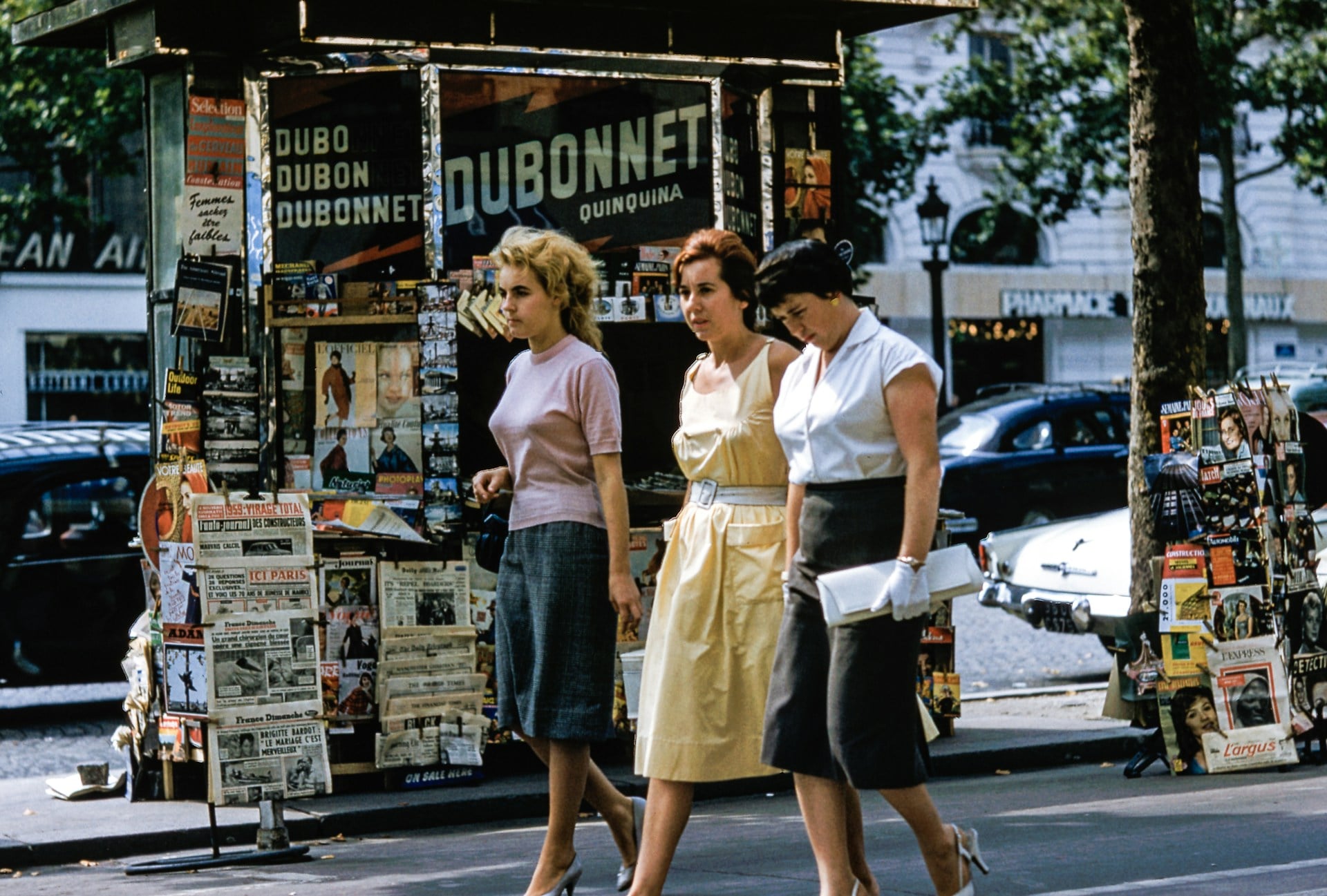
A married woman completely lost her first name in formal situations and correspondence, becoming Mrs. John Smith instead of Mrs. Mary Smith. Using her own first name was only acceptable in very casual settings among close friends who knew her well.
Invitations, place cards, and formal introductions all used the husband’s name, and women who insisted on keeping their own identities were seen as troublemakers or unfeminine. This practice showed just how much a woman’s individual identity disappeared after marriage.
Dinner guests left by ten o’clock

Parties had an unwritten but strictly followed end time, and guests who overstayed their welcome were not invited back to future gatherings. Most dinner parties wrapped up by 10 p.m., with guests making their excuses and thanking the hosts before heading out the door.
Lingering past this time put hosts in an awkward position because directly asking guests to leave was considered even ruder than staying too late. People learned to watch for subtle signals like hosts yawning or starting to clean up.
Men opened every door for women

Door opening wasn’t just polite, it was mandatory for any man who wanted to be taken seriously. Men rushed ahead to open doors for any woman nearby, whether they knew her or not.
Car doors, building entrances, and even doors between rooms required this treatment. A man who let a door close in front of a woman would receive harsh criticism from both men and women and might find himself uninvited from future social events.
Place settings had specific utensil rules

The array of forks, knives, and spoons at a formal dinner table confused plenty of people, but everyone had to know which utensil to use for each course. Starting from the outside and working inward was the basic rule, but there were exceptions and special utensils for specific foods that seemed designed to trip people up.
Women never wore pants to social events

Pants on women were strictly for very casual home wear or specific activities like gardening or maybe painting the garage. Wearing pants to church, restaurants, shopping, or any social gathering was completely unacceptable in most communities across the country.
Some fancy restaurants would actually refuse to seat women who showed up in pants, sending them away at the door.
Conversations avoided certain topics entirely

Polite conversation had clear boundaries that people didn’t cross in mixed company unless they wanted to create an awkward silence. Money, politics, religion, and health problems were all off-limits at social gatherings.
Handwritten correspondence followed strict formats

Letters had to follow specific layouts depending on who was writing to whom and for what purpose, which made writing even a simple note feel complicated. The greeting, body, and closing all had rules about word choice, spacing, and even where to position the date.
How manners changed with the times

These rigid rules from the 1950s reflected a society that cared way too much about appearances and keeping people in their proper place. Many of them existed to maintain clear divisions between different groups and to signal who belonged where in the social pecking order.
More from Go2Tutors!

- The Romanov Crown Jewels and Their Tragic Fate
- 17 Halloween Costumes Once Considered Taboo
- Famous Hoaxes That Fooled the World for Years
- 15 Child Stars with Tragic Adult Lives
- 16 Famous Jewelry Pieces in History
Like Go2Tutors’s content? Follow us on MSN.