Trees That Are Older Than Recorded History
Some things on Earth have witnessed more human history than any book ever could. Standing quietly in remote corners of the world, certain trees have been growing since before humans developed writing, before civilizations rose and fell, before entire languages came into existence and disappeared.
These ancient giants put our understanding of time into perspective.
The Bristlecone Pines of California
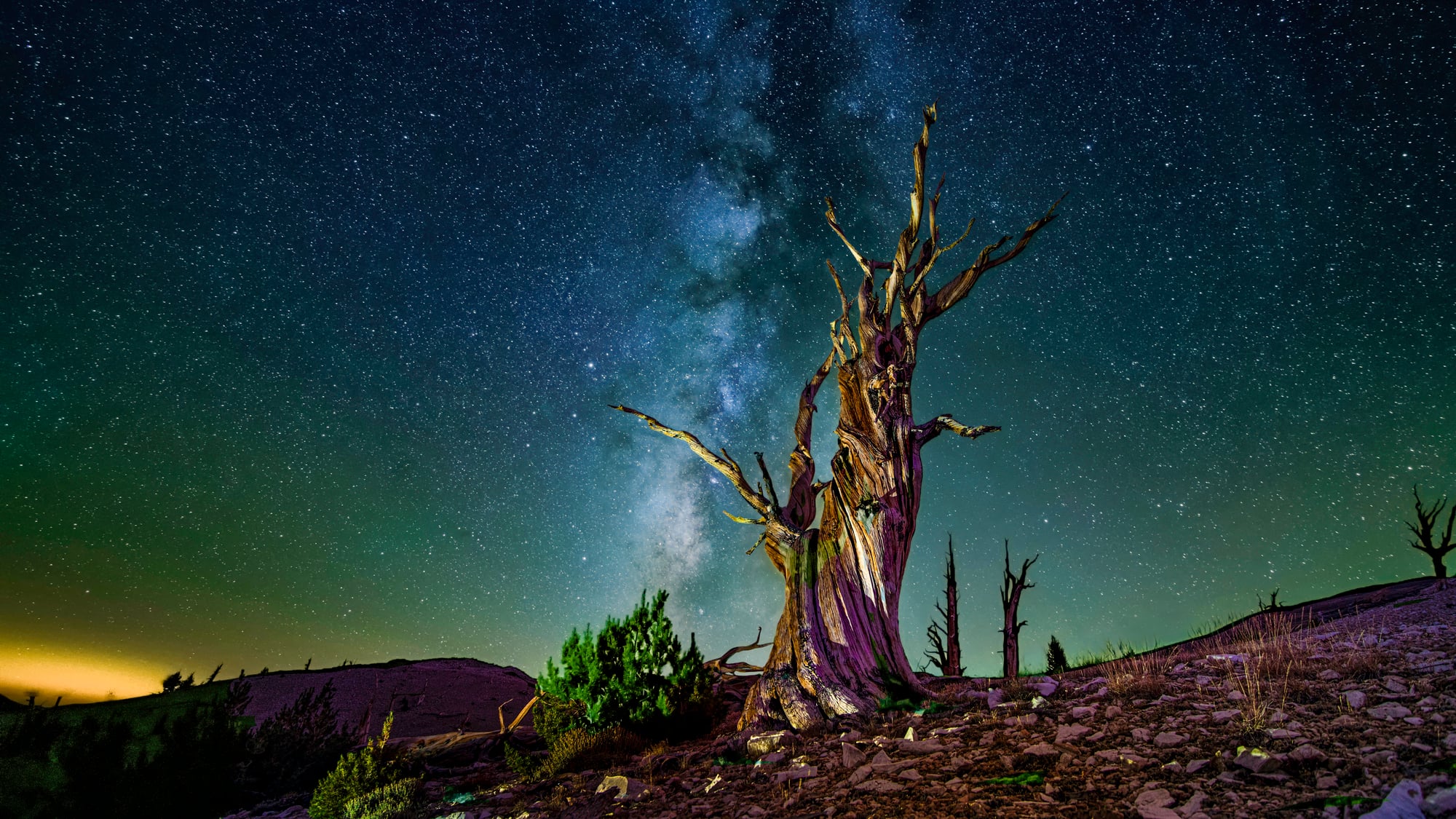
High in the White Mountains of California, bristlecone pines grow in conditions that would kill most other trees. The thin air, rocky soil, and harsh weather at 10,000 feet elevation create an environment where nothing grows quickly.
But that’s exactly what helps these trees survive for thousands of years. The oldest known living tree, named Methuselah, has been growing for over 4,850 years.
That means it sprouted around 2,800 BCE, when the Egyptian pyramids were still being built. The exact location stays secret to protect the tree from vandalism.
These pines grow so slowly that a trunk might add just an inch of width per century. The wood becomes incredibly dense, which helps resist rot, insects, and disease.
Their twisted, gnarled appearance comes from the brutal conditions—most of the tree dies over millennia, leaving only thin strips of living bark connecting roots to a few remaining branches.
Why Location Matters

You don’t find ancient trees just anywhere. They survive in places that seem hostile at first glance.
High mountains, remote islands, and steep ravines all provide something crucial—isolation from human activity. Throughout history, humans have cleared forests for agriculture, harvested timber for construction, and altered landscapes to suit their needs.
The trees that survived did so because they grew where humans couldn’t easily reach them or didn’t want to settle. Geography saved them.
The Olive Trees of the Mediterranean
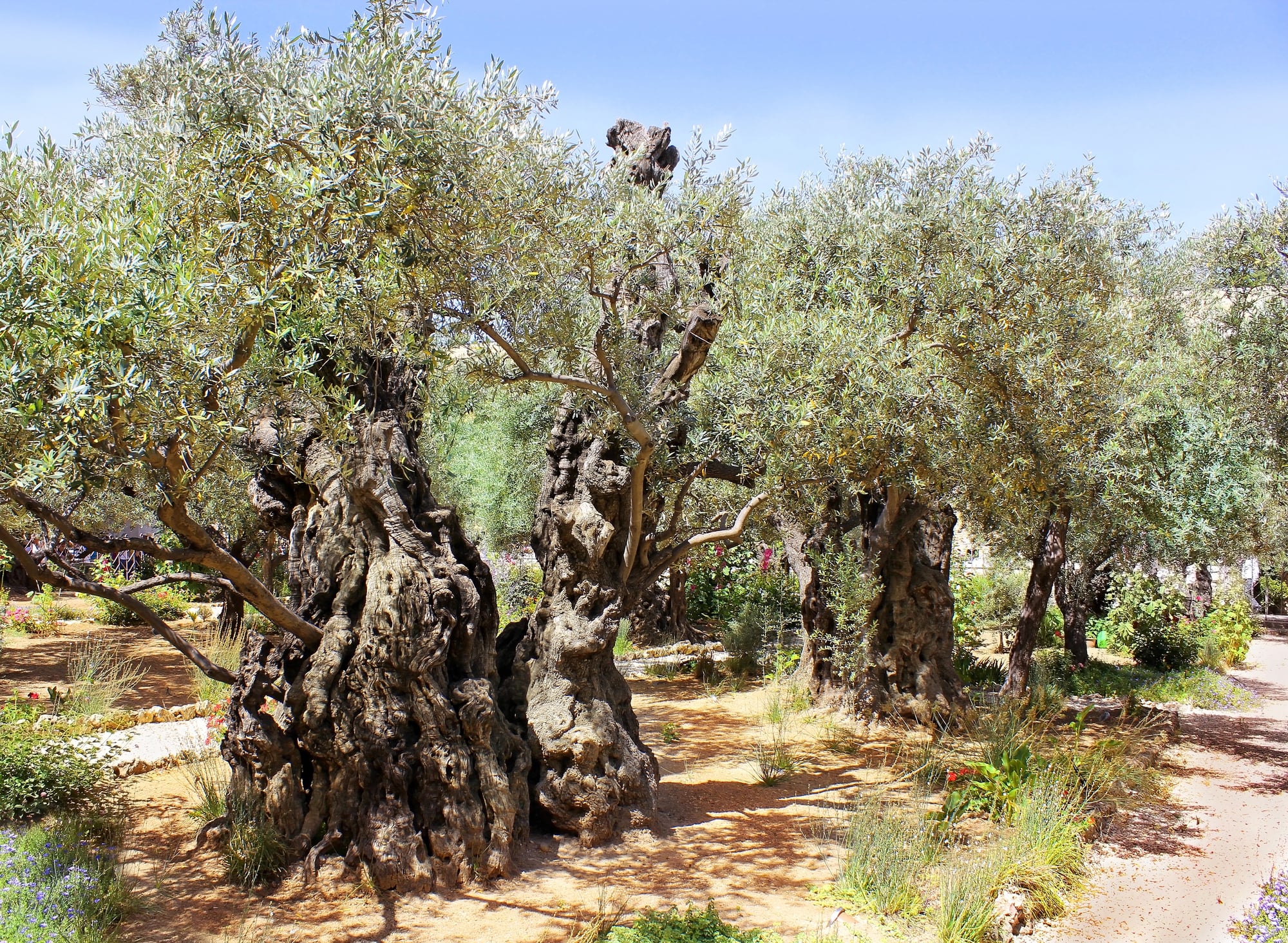
Scattered across Greece, Italy, and other Mediterranean regions, ancient olive trees have trunks so thick and hollow that people can walk inside them. Some of these trees date back 2,000 to 3,000 years.
What makes them remarkable isn’t just their age. Olive trees can regenerate from their roots even when the main trunk dies.
A tree that looks 500 years old on the outside might have roots that go back much further. Carbon dating the roots reveals their true age, which often surprises researchers.
These trees witnessed the rise and fall of the Roman Empire. They produced olives that fed ancient civilizations.
Today, many still produce fruit, cared for by families who have tended them for generations.
Clonal Colonies That Defy Time

Not all ancient organisms follow traditional rules. In Utah, a grove of quaking aspen called Pando looks like thousands of individual trees. But they’re actually one organism connected by a massive root system underground.
Scientists estimate Pando is around 80,000 years old, though some argue for even greater ages. The individual trunks live only 100 to 150 years, but the root system keeps producing new shoots.
One tree becomes a forest, all sharing the same DNA. This challenges how you think about what makes a tree “alive” and “individual.” Pando has been continuously growing since the last ice age ended, surviving by spreading underground rather than reaching for the sky.
Japan’s Jōmon Sugi

On Yakushima Island in Japan, a massive cedar named Jōmon Sugi grows in the mountainous interior. Estimates of its age range from 2,170 to 7,200 years old.
The uncertainty comes from the difficulty of dating such a large tree without damaging it. The tree stands about 82 feet tall with a trunk circumference of over 50 feet.
Rain falls on Yakushima more than 300 days per year, creating a misty, primeval atmosphere that feels frozen in time. The island’s remote location and spiritual significance to locals helped preserve its ancient forests.
Reaching Jōmon Sugi requires an eight-hour hike through difficult terrain. This remoteness acts as its guardian, keeping casual visitors away and limiting human impact.
How Scientists Determine Age

Counting tree rings works for recently cut or dead trees, but you can’t just slice into a living ancient tree to count its rings. Scientists use a tool called an increment borer, which removes a thin pencil-sized core of wood without seriously harming the tree.
They count the rings in this core sample and measure the spacing between them. Narrow rings indicate difficult growing years with little rainfall or extreme cold. Wide rings show favorable conditions.
By matching these patterns to other dated trees and historical climate records, scientists can determine the tree’s age with surprising accuracy. For very old or fragile trees, researchers sometimes avoid coring altogether.
They use photographs, measurements, and nearby dead wood to estimate age instead.
The Dragon Trees of Socotra

Socotra Island sits off the coast of Yemen, isolated in the Indian Ocean. The island’s bizarre landscapes include the dragon blood tree, which looks like an inside-out umbrella with its dense crown of spiky leaves.
These trees can live for hundreds of years, possibly over a thousand in some cases. Their unusual shape helps them survive in Socotra’s arid climate.
The dense crown catches moisture from fog and channels rainwater toward the trunk. The thick trunk stores water during dry periods.
When cut, the tree produces a deep red resin that ancient peoples used as medicine, dye, and varnish. This “dragon’s blood” gave the tree its name.
The resin’s value meant humans had a reason to keep the trees alive rather than cut them down.
Why Growth Slows With Age
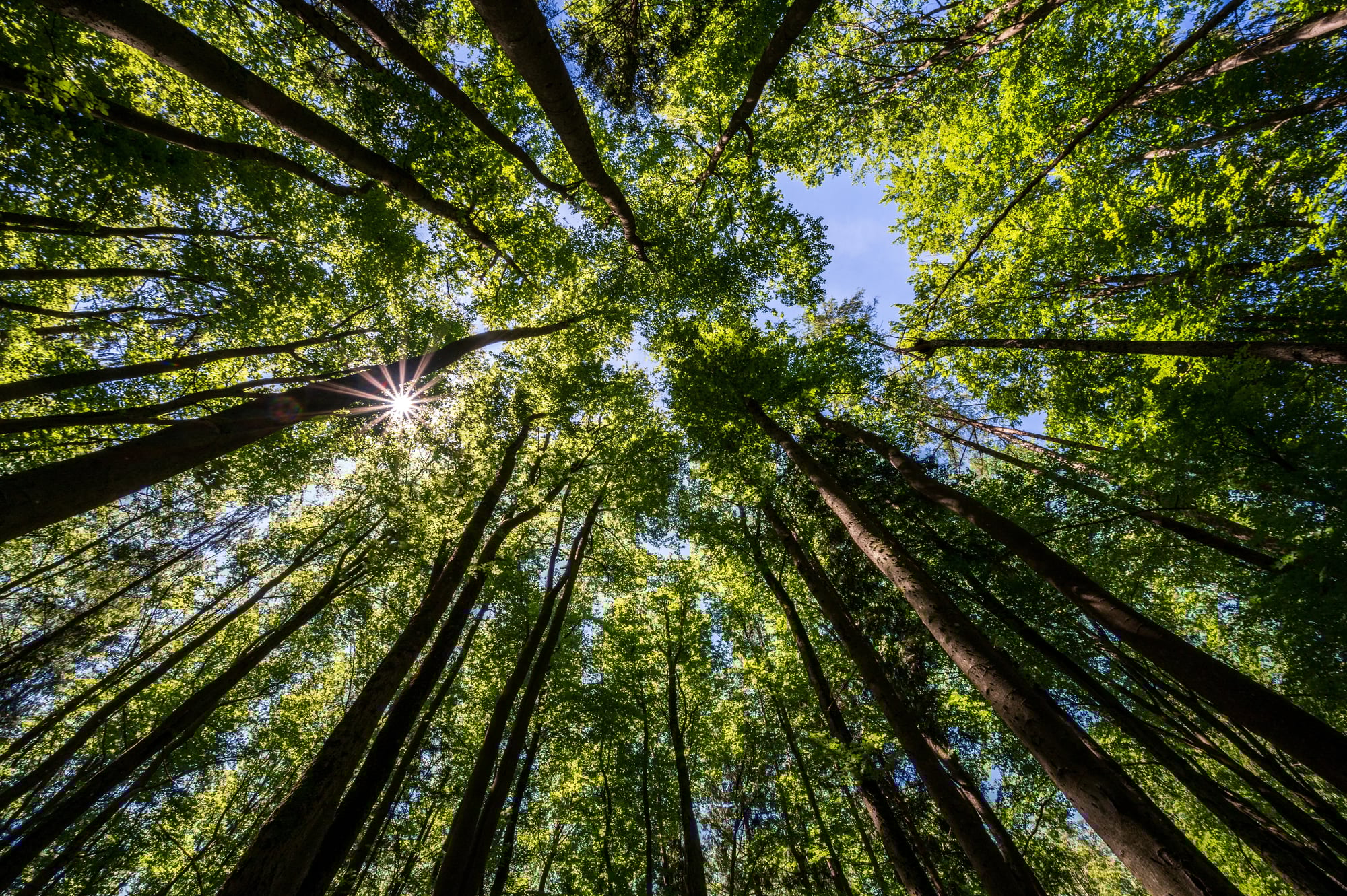
Young trees grow rapidly, adding height and width each year as they compete for sunlight and resources. But ancient trees have already won that competition. They’ve reached the canopy, established deep root systems, and secured their territory.
As trees age, growth slows dramatically. Resources go toward maintaining existing structure rather than adding new growth.
A 5,000-year-old bristlecone pine might add less wood in a century than a young pine adds in a single year. This slow metabolism also contributes to longevity.
Faster growth requires more energy and produces weaker wood that’s more vulnerable to disease. Ancient trees essentially slow down their internal processes to near-standstill, existing in a state that extends their lifespan far beyond what seems possible.
The Fortingall Yew in Scotland

In a small churchyard in Perthshire, Scotland, a yew tree grows that might be the oldest tree in Britain. Estimates range from 2,000 to 5,000 years old, with some enthusiasts claiming it could be even older.
The tree’s trunk has split into several separate stems over the millennia, making traditional aging methods difficult. Historical records from the 1700s describe a trunk so wide that funeral processions passed through a natural opening in its center.
Yew trees hold special significance in British culture. Pagans considered them sacred, and early Christians built churches near ancient yews, either to co-opt pagan sites or to preserve trees already considered holy.
The Fortingall Yew stands as a living link between modern Scotland and the ancient peoples who first settled there.
Climate Change and Ancient Trees

These ancient survivors now face threats they’ve never encountered before. Climate change alters temperature and precipitation patterns faster than at any point during their lifespans.
Droughts last longer. Fires burn hotter. Pests that couldn’t survive at high elevations move into previously protected habitats.
The same isolation that protected ancient trees for millennia now works against them. They can’t migrate to more favorable conditions.
They’re stuck where they’ve always been, forced to adapt or die. Researchers study these trees partly to understand how ecosystems respond to environmental stress.
The rings tell stories of past climate shifts, providing data about droughts, volcanic eruptions, and temperature swings going back thousands of years. This information helps predict how current changes might unfold.
Protection Efforts and Tourism

When word spreads about an ancient tree, people want to see it. Tourism brings money and attention, which can help fund conservation efforts.
But it also brings trampling feet, cameras, and sometimes vandals. Managers of ancient tree sites face difficult choices.
Do you reveal the exact location and risk damage, or keep it secret and miss opportunities for education and funding? Do you build walkways and fences that alter the natural environment, or leave the area pristine and watch roots get damaged by too many visitors?
Most sites compromise. They build infrastructure at a distance, create viewing platforms that keep people away from sensitive root zones, and limit visitor numbers during vulnerable times of year.
Some trees, like Methuselah, remain hidden entirely, their locations known only to researchers and land managers.
What Ancient Trees Teach Us

These trees survived by being resilient and adaptable within their constraints. They didn’t grow fast or compete aggressively.
They occupied niches others couldn’t fill and persisted through patience rather than dominance. You can apply this to human timescales too.
The things that last rarely do so through force or speed. They last through steady, consistent presence and the ability to weather storms rather than avoid them.
Ancient trees bend in the wind. They lose branches but don’t fall. They grow around obstacles rather than trying to break through them.
The Forests We’ll Never Know

For every ancient tree still standing, thousands disappeared without anyone noticing. Forests that covered continents fell to agriculture and development.
Trees that witnessed the birth of civilizations burned for cooking fires or became the beams of forgotten buildings. We only know about the survivors.
The trees that didn’t make it left no record, their stories lost when they fell. This means the ancient trees standing today aren’t just rare—they’re impossibly lucky.
They dodged every axe, every fire, every storm, every disease for thousands of years.
Time Made Visible

When walls fall apart, when engines freeze up—trees go on adding rings. Not by keeping notes or old things locked away. By being there, year after year, showing how roots outlast decisions made indoors.
Their bark holds time better than stone ever does. A single ring formed each year, quietly, as people learned to farm.
Long before temples rose, its roots held steady through droughts. Ideas flowed into carved symbols while bark peeled in summer heat.
Cities grew from dust near its shadowed trunk. Wars cracked the air above soil where sap still climbed. Paint dripped on cave walls the same season new rings widened without sound.
When monks copied texts by lamplight, resin hardened in deep grooves. Even after machines roared across continents, one more layer appeared—thin, uneven, unbothered.
Frozen in rock and dirt, these trees grow without noticing our past. Sunlight becomes bark, season after season, while they stand still through time.
Their silence toward what troubles us could explain how they survive centuries. A single lifetime of yours passes like a breath compared to their endless slow rhythm.
Standing in Their Presence

It hits differently once you stand near one. Pictures miss what it feels like. Curved bark, thick base, limbs stretching oddly—none of it registers until you’re face-to-face with a living thing older than words you speak.
Something clicks when you stand beneath it. Not sadness, just size put into sharp relief. A sense of where you fit inside something older than memory.
Its roots dug deep long before your first breath. Growth continues whether you watch or not. You carry that quiet truth back with you down the path.
Rooted in one place, these trees weathered every storm the planet could muster through quiet adaptation. Staying matters more than fighting, on certain days.
Just being there counts for more than moving fast, when time stretches long. Outlasting becomes the real victory—showing up across decades, then lifetimes, then hundreds of years—while the rest shifts like sand.
More from Go2Tutors!

- The Romanov Crown Jewels and Their Tragic Fate
- 13 Historical Mysteries That Science Still Can’t Solve
- Famous Hoaxes That Fooled the World for Years
- 15 Child Stars with Tragic Adult Lives
- 16 Famous Jewelry Pieces in History
Like Go2Tutors’s content? Follow us on MSN.