Forgotten World’s Fairs That Left Lasting Legacies
Once upon a time, World’s Fairs were the biggest events on the planet. They were places where people could walk through futuristic buildings, try new inventions, and see things they’d never seen before.
Many of these events happened over a hundred years ago, and most people don’t think about them today. But their impact? Still here—and often hiding in plain sight.
Chicago 1893 – The White City that shaped America
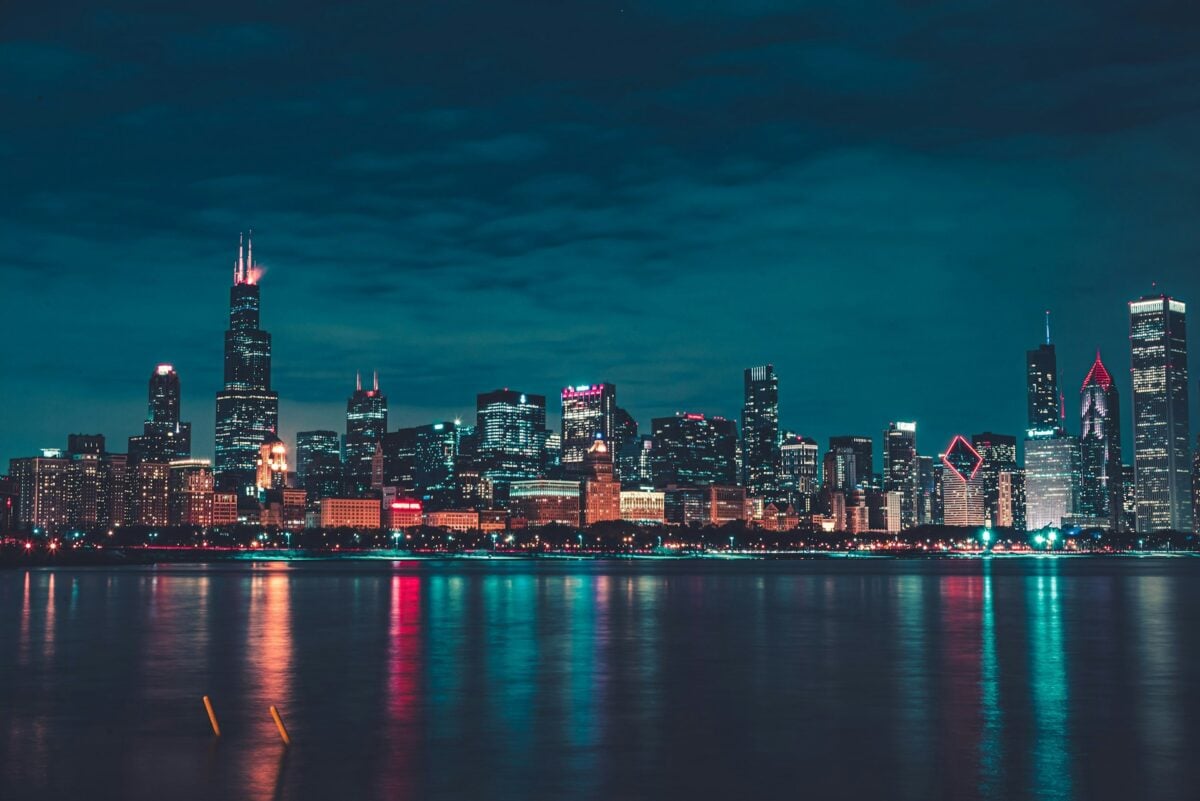
This fair introduced the Ferris wheel, which many called the answer to France’s Eiffel Tower. Its white buildings, lit by electric lights, stunned visitors who had never seen anything so bright.
It wasn’t just a show—it changed architecture across the country. The layout inspired how future cities were planned, with wide boulevards and organized park systems.
Even the term “midway” came from this event and stuck around for carnivals and fairs.
San Diego 1915 – Balboa Park’s big beginning
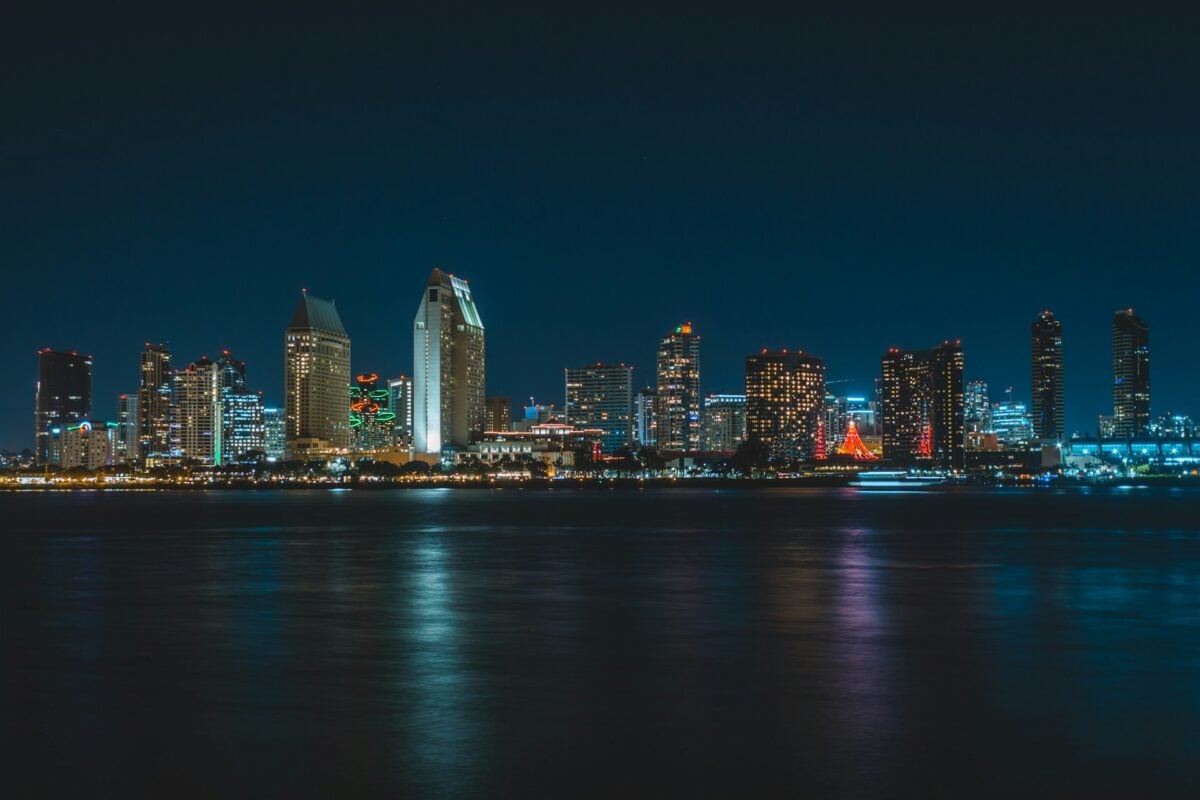
What started as a fair to celebrate the Panama Canal ended up giving San Diego its most beautiful public space. Balboa Park was supposed to be temporary, but people loved the Spanish-style buildings so much, they stayed.
Today it’s full of museums, gardens, and theaters. Without this fair, that land might have been used for factories or housing.
The event gave the city both beauty and identity.
Like Go2Tutors’s content? Follow us on MSN.
Seattle 1962 – A city that aimed for the stars
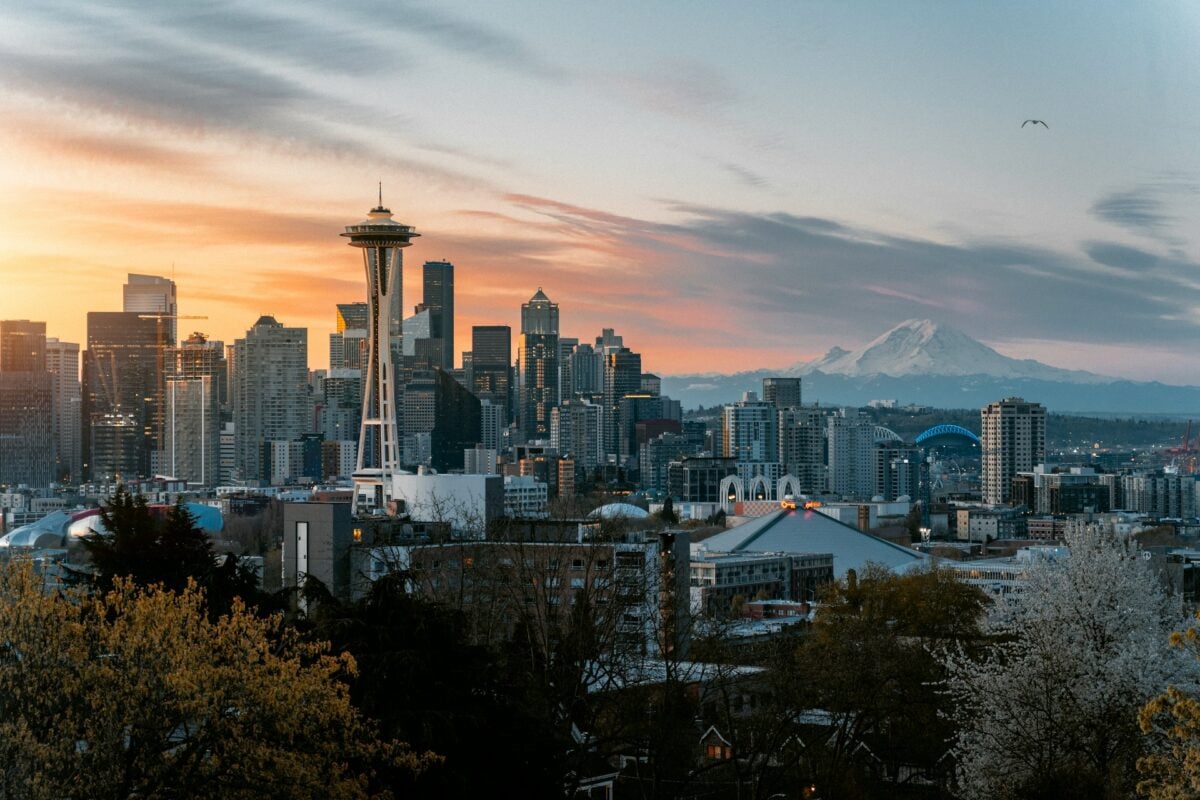
The Space Needle was built just for the fair and became a symbol of Seattle overnight. The theme was the “Century 21” future, focused on science and space travel.
Many of the buildings are still in use today, including the Pacific Science Center. The fair helped Seattle grow into a hub for technology and innovation.
It also gave the city global attention at a time when it needed it.
New York 1939 – The World of Tomorrow
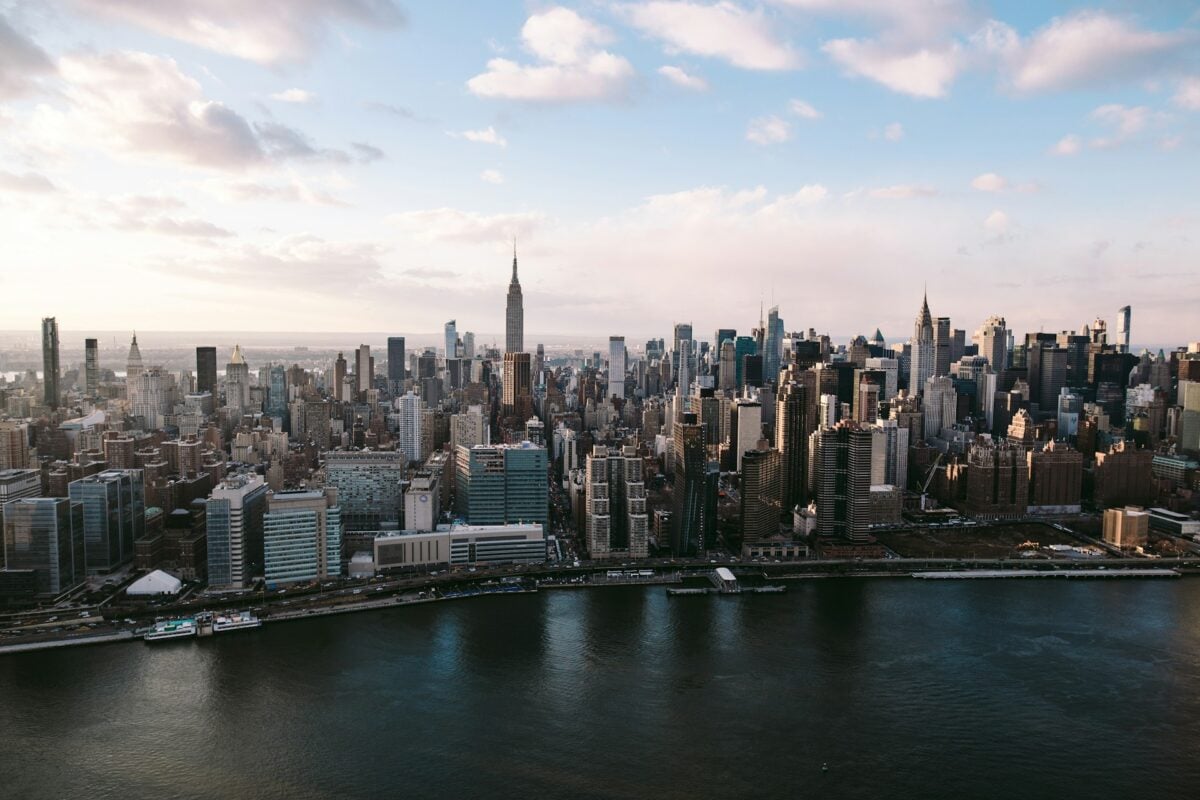
This fair came just before World War II, during a time when people were looking for hope. It showed off early versions of television, robots, and even talking highways.
The Trylon and Perisphere structures became icons, even though they were taken down after the fair. What stuck around was the belief in progress and big dreams.
It gave people something to believe in when the future looked shaky.
Knoxville 1982 – A fair about energy and light
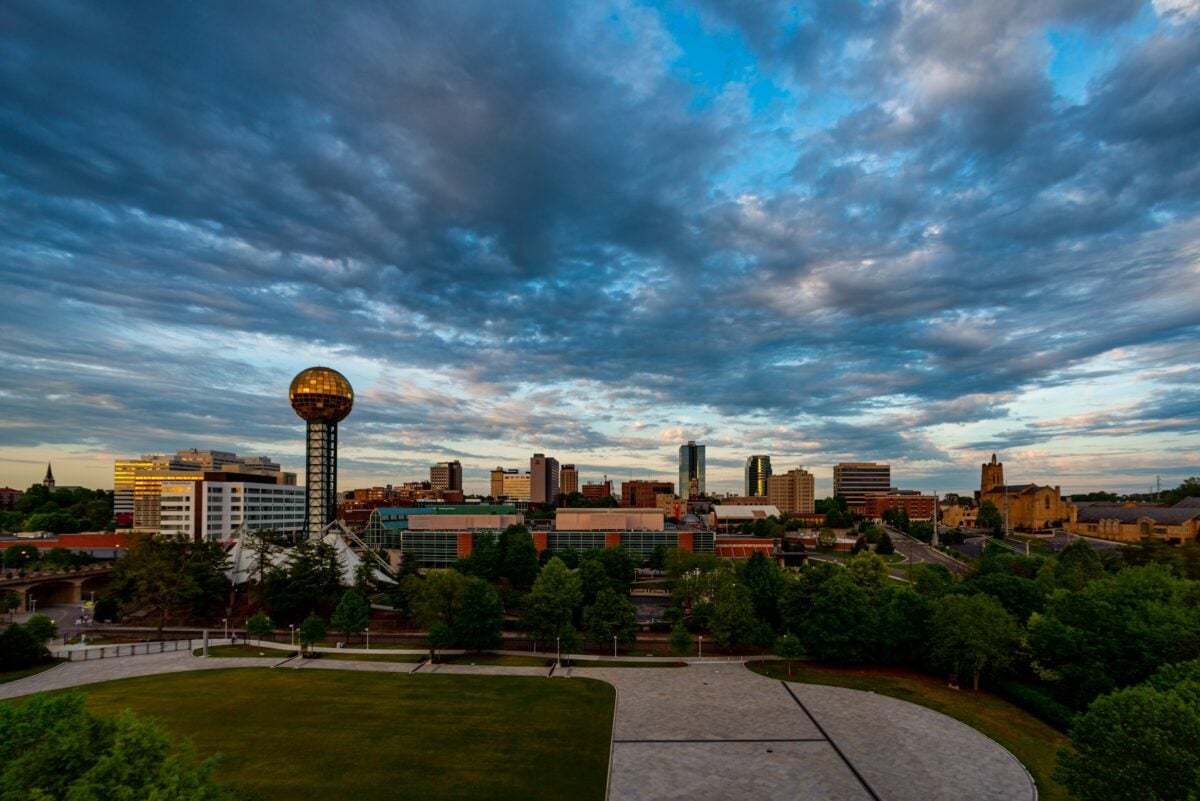
Not many people talk about this one, but it brought global attention to Knoxville, Tennessee. Its focus was energy and conservation, way before those topics became popular.
The Sunsphere, a shiny golden tower, still stands today. Locals used to laugh at it, but now it’s a big part of the city’s look.
The fair also led to new development in the downtown area that’s still growing.
Like Go2Tutors’s content? Follow us on MSN.
St. Louis 1904 – Ice cream cones and more
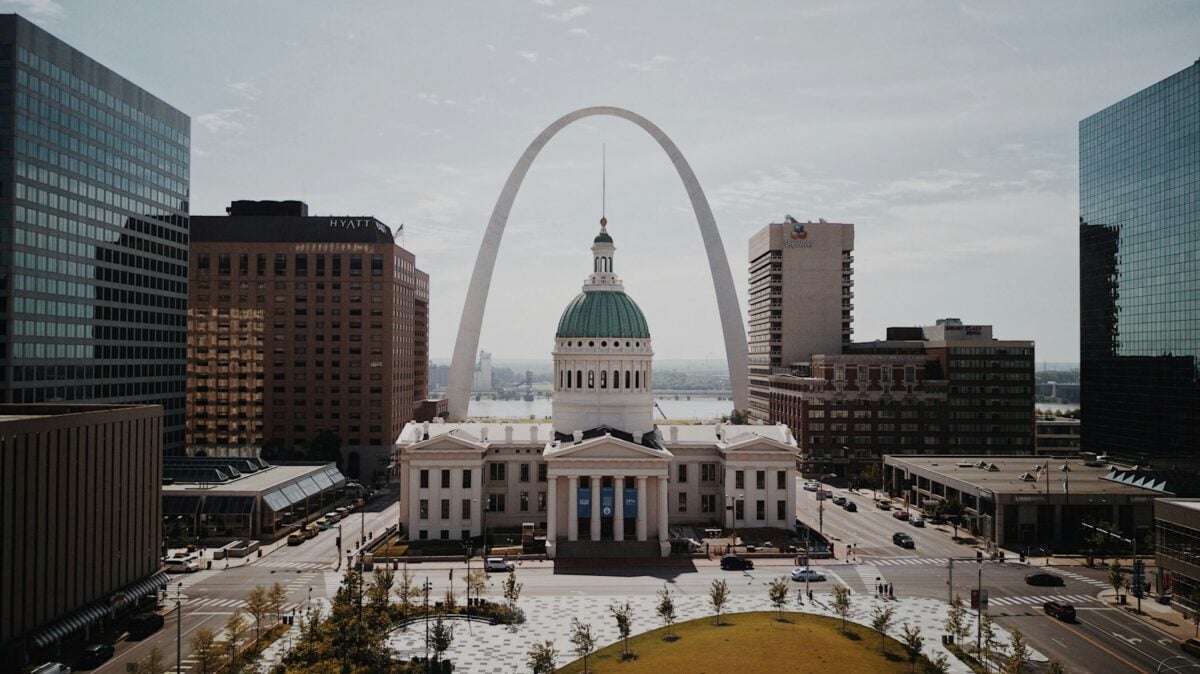
This fair is best known for introducing foods that are now staples, like ice cream cones and hot dogs. But it also helped create Forest Park, which remains one of the largest urban parks in the U.S.
The Saint Louis Art Museum is a leftover from the fair and still open to the public. It also marked the first time the Olympic Games were held in the United States.
A fair full of surprises, both fun and lasting.
New Orleans 1984 – A failure that fixed a city
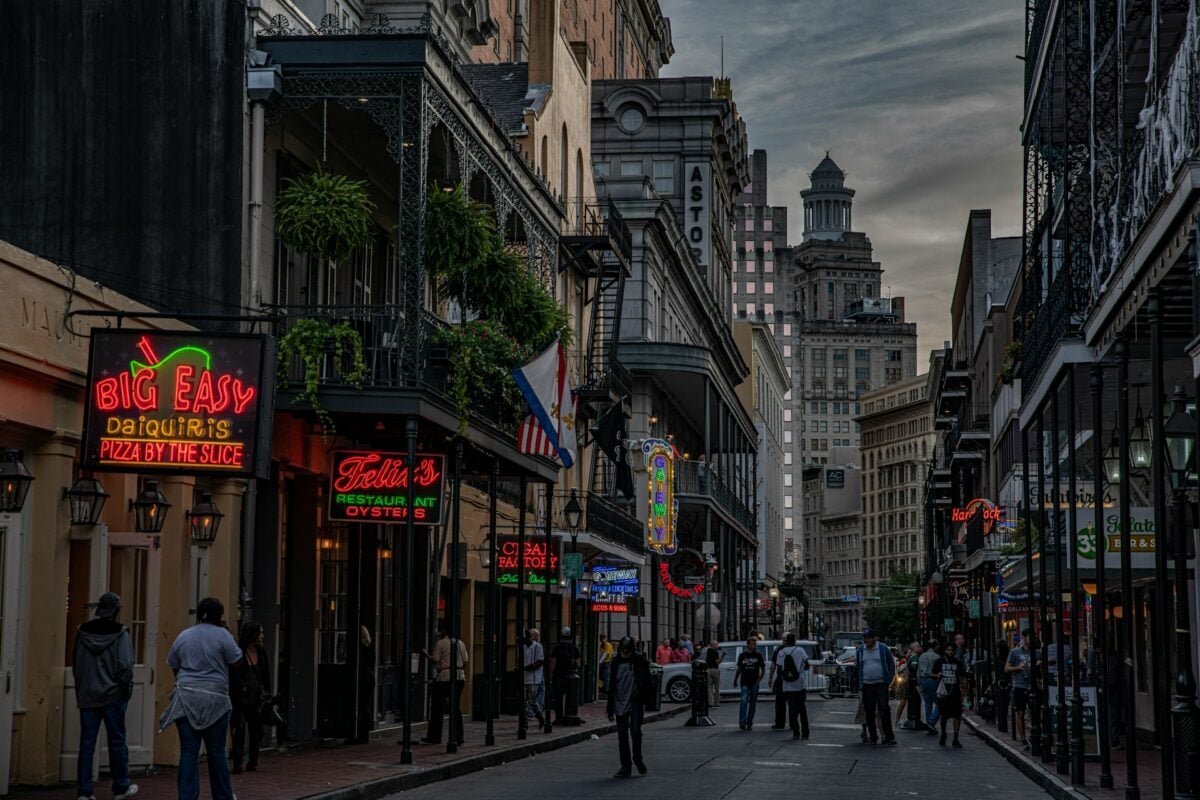
This one lost money and had low attendance, but it gave New Orleans something valuable. It helped clean up the Mississippi riverfront and brought attention to a forgotten area.
The fairgrounds became museums, parks, and parts of the convention center still in use today. The city’s arts and food scenes also got a boost.
Sometimes a flop still leaves something worth keeping.
Buffalo 1901 – Bright lights and a dark moment
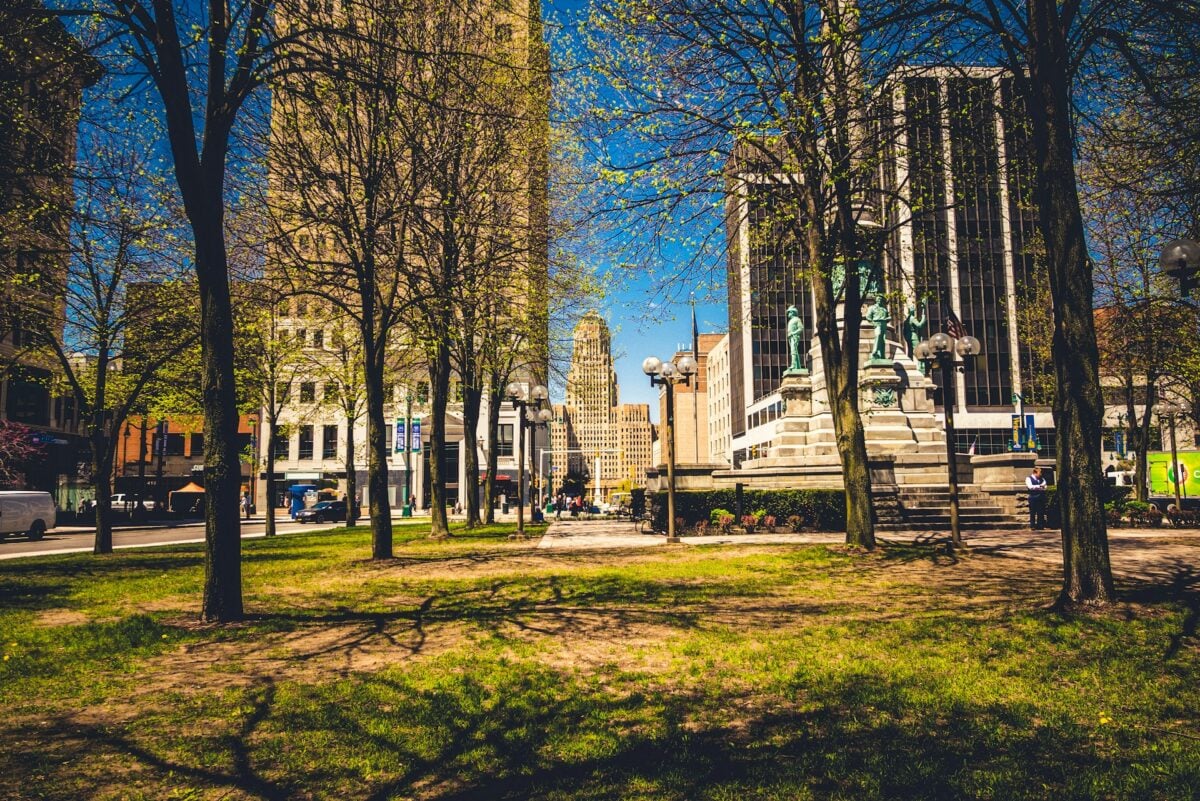
Buffalo showed off electricity in a big way, with thousands of lights turning night into day. Sadly, the fair is also remembered for the death of President William McKinley, who was shot while visiting.
Even with the tragedy, the fair helped push electric lighting into more public spaces. It showed what power could do—and how quickly the world was changing.
The Electric Tower stood as a symbol of that promise.
Like Go2Tutors’s content? Follow us on MSN.
Chicago 1933 – Progress in the middle of hard times
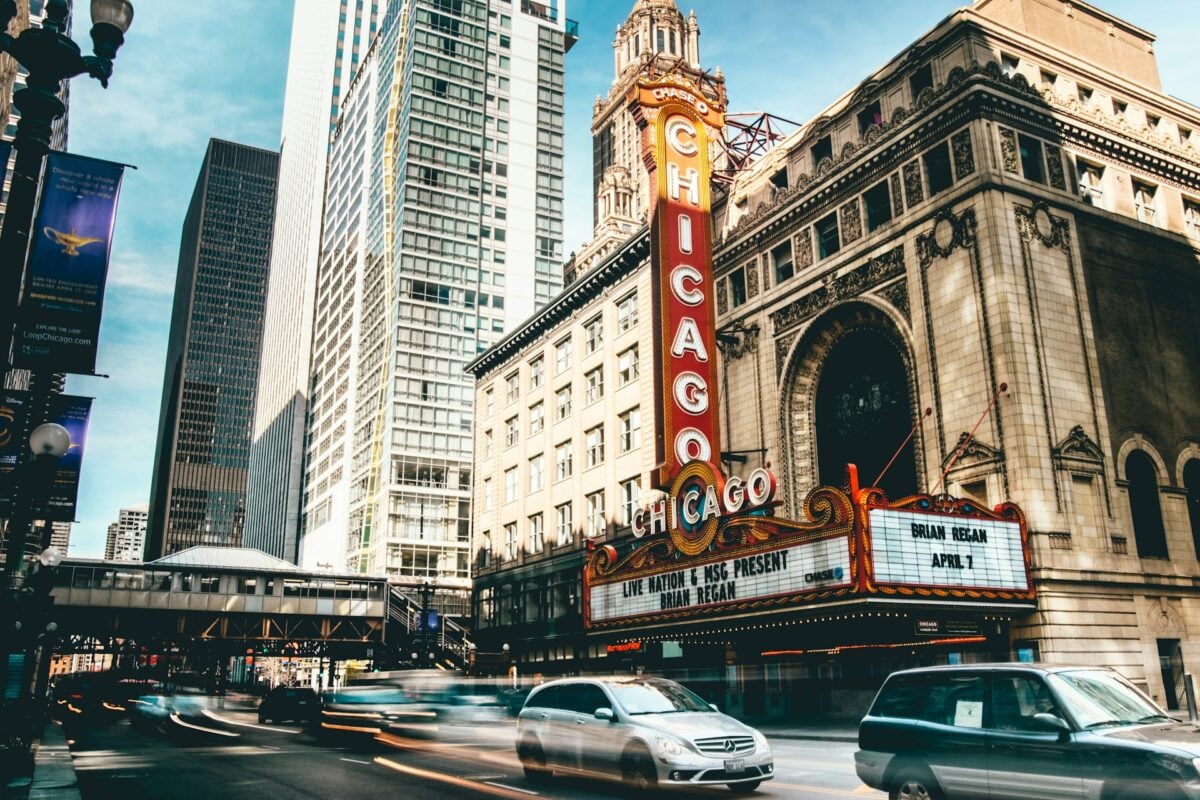
The country was deep in the Great Depression, but this fair focused on hope through technology. It introduced early versions of modern homes and everyday products, like dishwashers and air conditioning.
Some homes from the fair were moved across the lake and are still lived in today. The colors and lights gave people something cheerful to look at.
It reminded visitors that things could still get better.
Philadelphia 1876 – The nation’s first fair
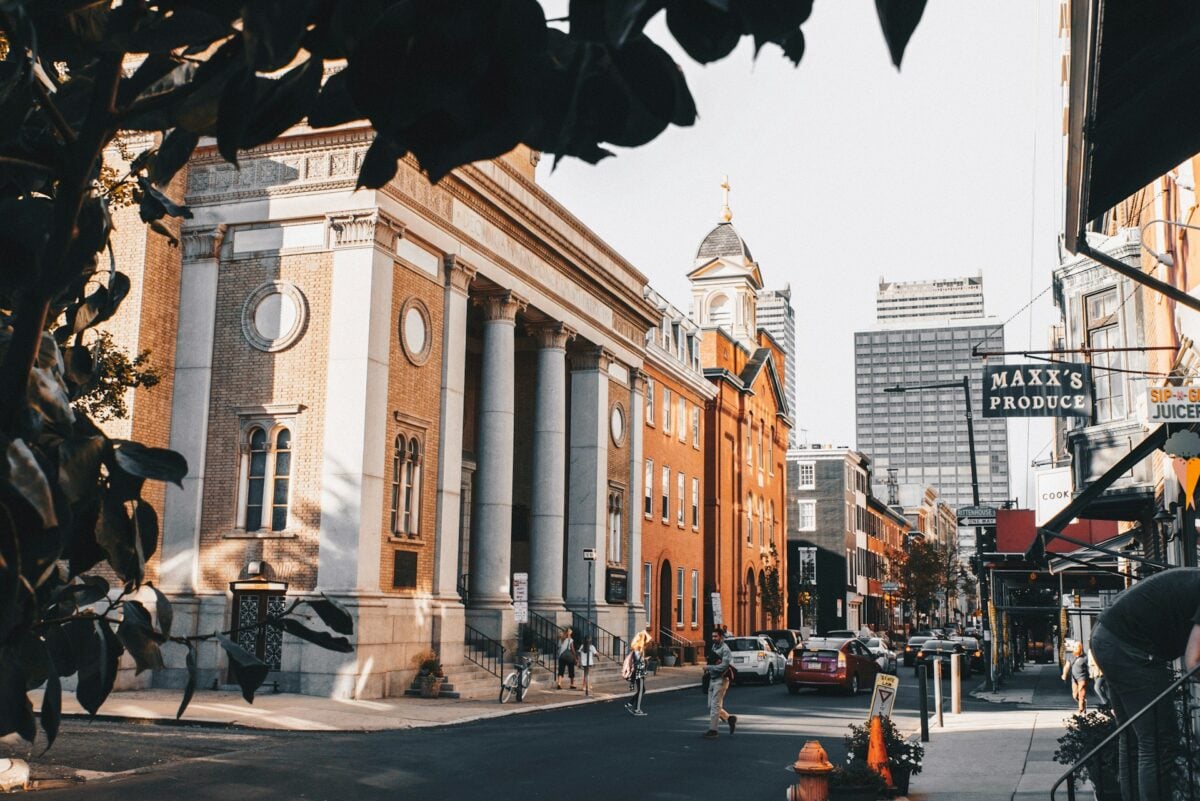
Held to celebrate America’s 100th birthday, this was the country’s first World’s Fair. It introduced the typewriter, the telephone, and even Heinz ketchup.
After the fair, the grounds became Fairmount Park, still one of the biggest urban parks in the U.S. The fair gave the U.S. a chance to show it could keep up with Europe.
It also helped shape Philadelphia into a more modern city.
San Antonio 1968 – Celebrating culture and change
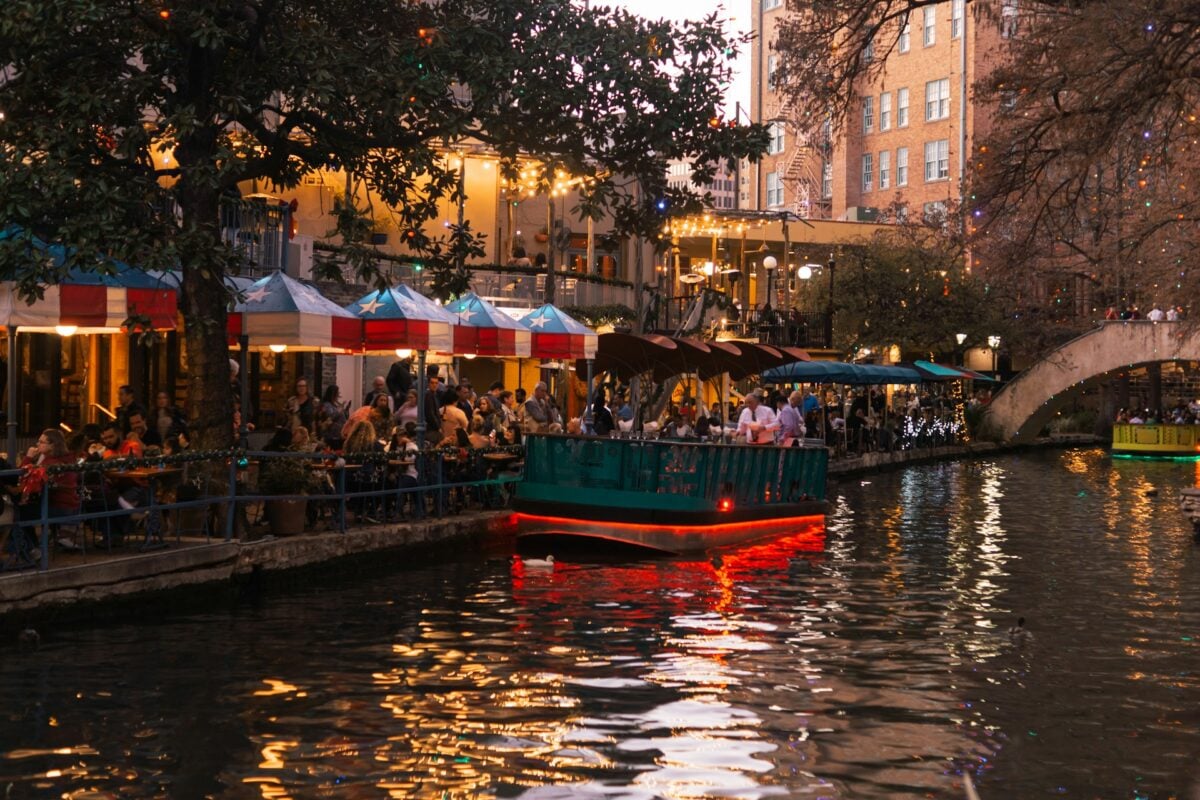
The HemisFair brought attention to Latin American countries and helped grow San Antonio’s downtown. The Tower of the Americas was built for it and is still the tallest structure in the city.
The fair also led to the expansion of the River Walk, now a major tourist attraction. It helped make the city more open to visitors.
And it showed that fairs could be about culture, not just science.
Like Go2Tutors’s content? Follow us on MSN.
Spokane 1974 – Nature as the main theme
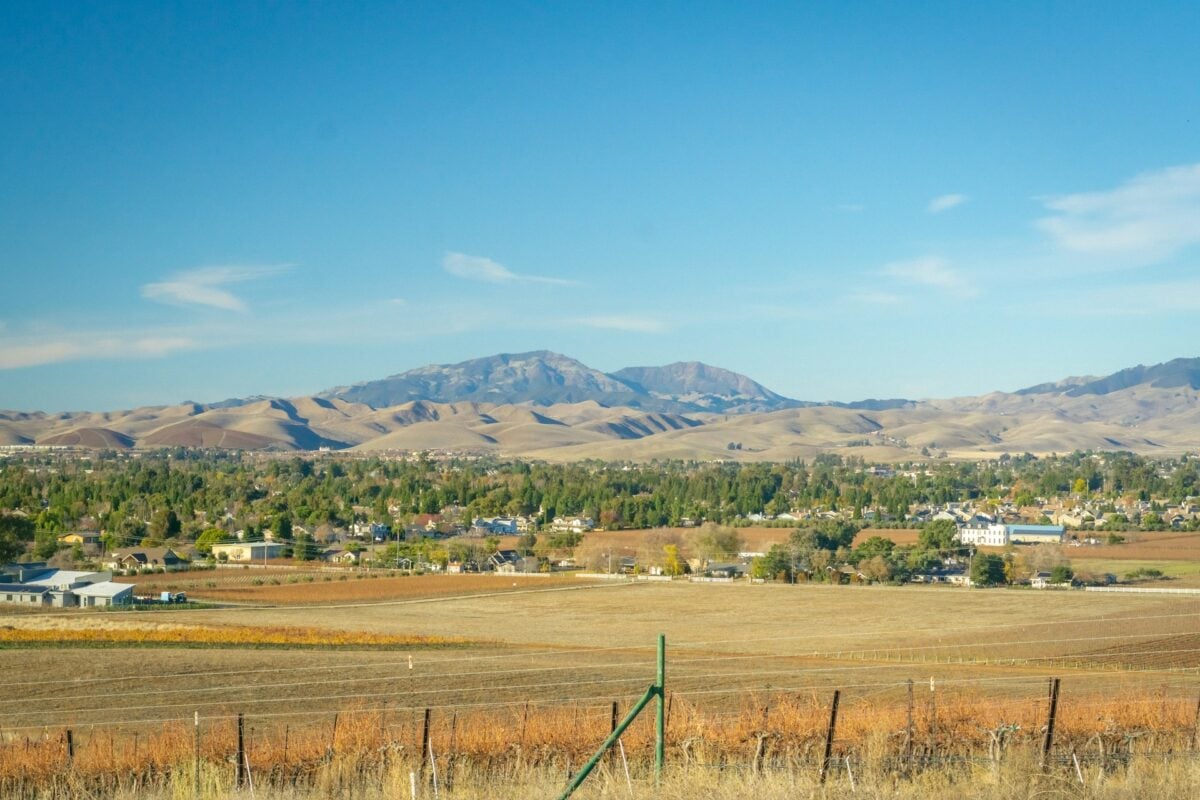
Spokane became the smallest city to host a World’s Fair. Its theme was the environment, which was unusual at the time.
The city used the fair to clean up the Spokane River and create Riverfront Park. The change helped boost local pride and attract more people.
The fair showed that even smaller places could dream big.
Atlanta 1895 – The Cotton States event
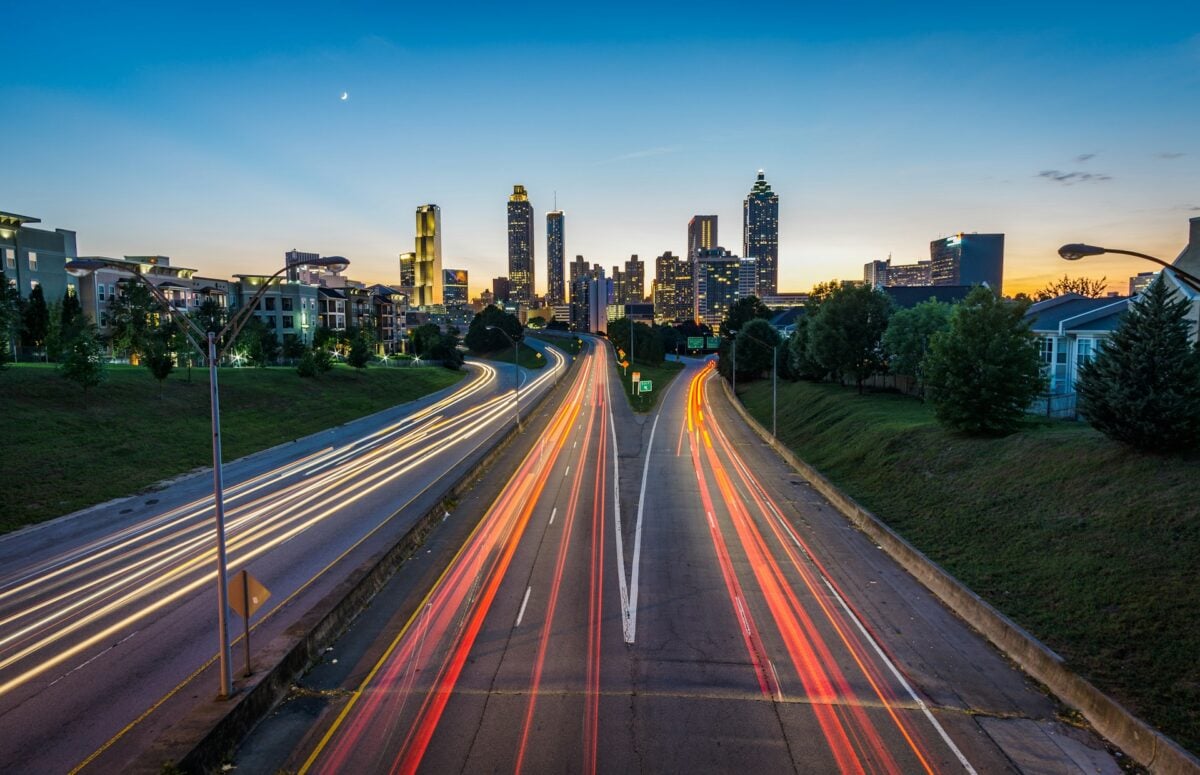
This fair aimed to promote business between the Southern U.S. and the world. It’s best remembered for Booker T. Washington’s famous speech about education and economic progress.
The fairgrounds later became Piedmont Park, one of Atlanta’s favorite public spaces. It helped move the city forward during a tricky time in its history.
And it gave a platform to voices that needed to be heard.
When the spotlight fades, the legacy doesn’t
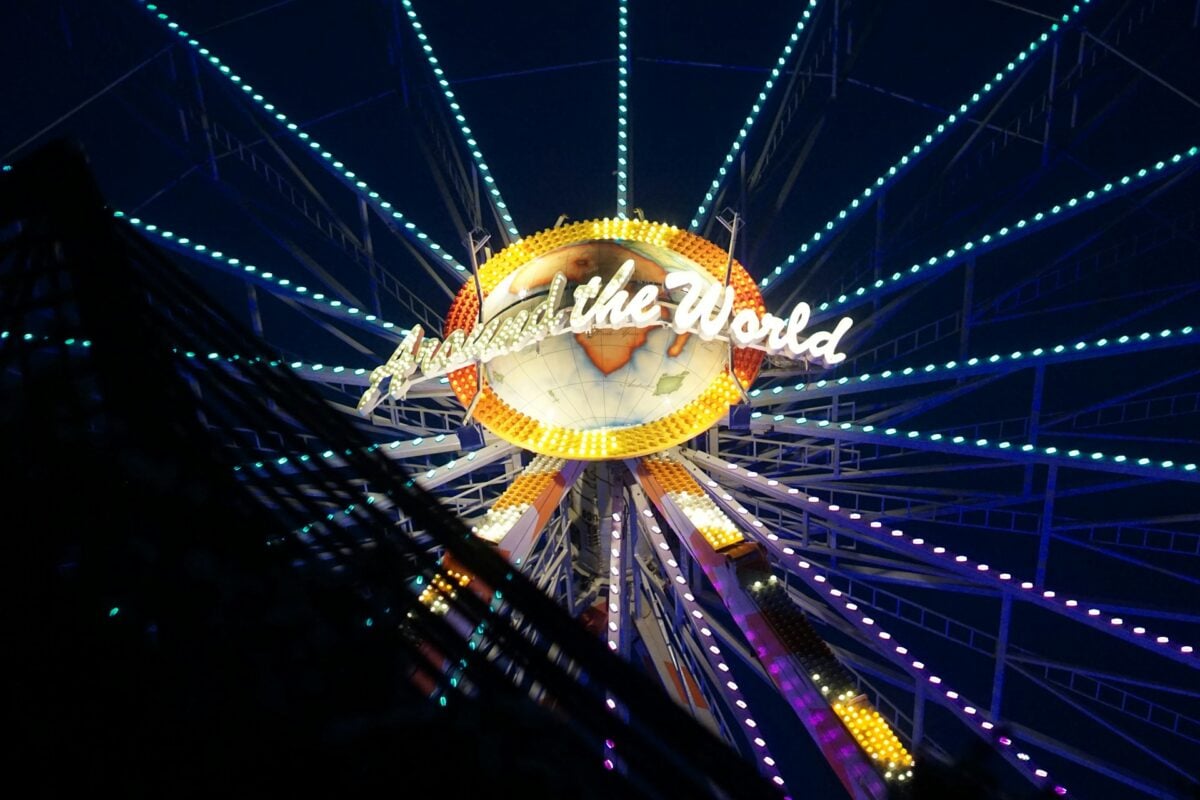
These fairs may no longer be in the news or even in people’s memories, but their effects are still felt. They shaped cities, created parks, and introduced ideas that are now part of everyday life.
Many of the things people take for granted today—like certain foods, buildings, or even the way cities are laid out—started at a World’s Fair.
More from Go2Tutors!

- 16 Historical Figures Who Were Nothing Like You Think
- 12 Things Sold in the 80s That Are Now Illegal
- 15 VHS Tapes That Could Be Worth Thousands
- 17 Historical “What Ifs” That Would Have Changed Everything
- 18 TV Shows That Vanished Without a Finale
Like Go2Tutors’s content? Follow us on MSN.