Historic Ships and Their Incredible Journeys
The world’s oceans have carried vessels that changed the course of history. These weren’t just boats made of wood and metal.
They were floating witnesses to human courage, discovery, and sometimes tragedy. Each ship had a story that shaped nations, connected continents, and pushed the limits of what people thought was possible.
Let’s dive into some of the most famous ships that ever sailed the seas and the amazing journeys they took.
HMS Endeavour

Captain James Cook sailed this ship on a journey that would map parts of the world Europeans had never seen before. The Endeavour left England in 1768 and spent three years exploring the Pacific Ocean.
Cook and his crew charted New Zealand’s coastline and became the first Europeans to reach Australia’s eastern coast. The ship wasn’t fancy or particularly fast.
It was actually a coal hauler before the Royal Navy bought it, but its sturdy build made it perfect for long voyages into unknown waters.
Santa Maria

Christopher Columbus commanded this ship when he crossed the Atlantic in 1492, changing two worlds forever. The Santa Maria was the largest of Columbus’s three ships, though it measured only about 62 feet long.
The vessel ran aground on Christmas Day near present-day Haiti, and Columbus had to abandon it. He used its timber to build a fort, leaving some crew members behind while he sailed back to Spain on the smaller Niña.
USS Constitution

This warship earned the nickname ‘Old Ironsides’ during the War of 1812 when British cannonballs seemed to bounce right off its thick oak sides. The Constitution won battle after battle, becoming a symbol of American naval strength.
Launched in 1797, the ship is still afloat today in Boston Harbor, making it the world’s oldest commissioned naval vessel still in service. Thousands of visitors walk its decks every year, touching the same wood that survived dozens of sea battles.
Mayflower

A group of English settlers packed themselves onto this merchant ship in 1620, seeking religious freedom in the New World. The journey across the Atlantic took 66 days, and the conditions were terrible.
More than 100 passengers and crew crammed into spaces below deck with no privacy and little fresh air. The ship landed at Plymouth Rock in Massachusetts, and about half the passengers didn’t survive the first winter.
Those who did established one of the first permanent European settlements in North America.
HMS Beagle

Charles Darwin sailed aboard this survey ship for five years, and the journey transformed how humans understand life on Earth. The Beagle left England in 1831 to map the coastlines of South America.
Darwin, who was only 22 years old, served as the ship’s naturalist. He collected thousands of specimens and made observations that would later form the basis of his theory of evolution.
The ship’s stop at the Galápagos Islands proved especially important for Darwin’s thinking about how species change over time.
Titanic
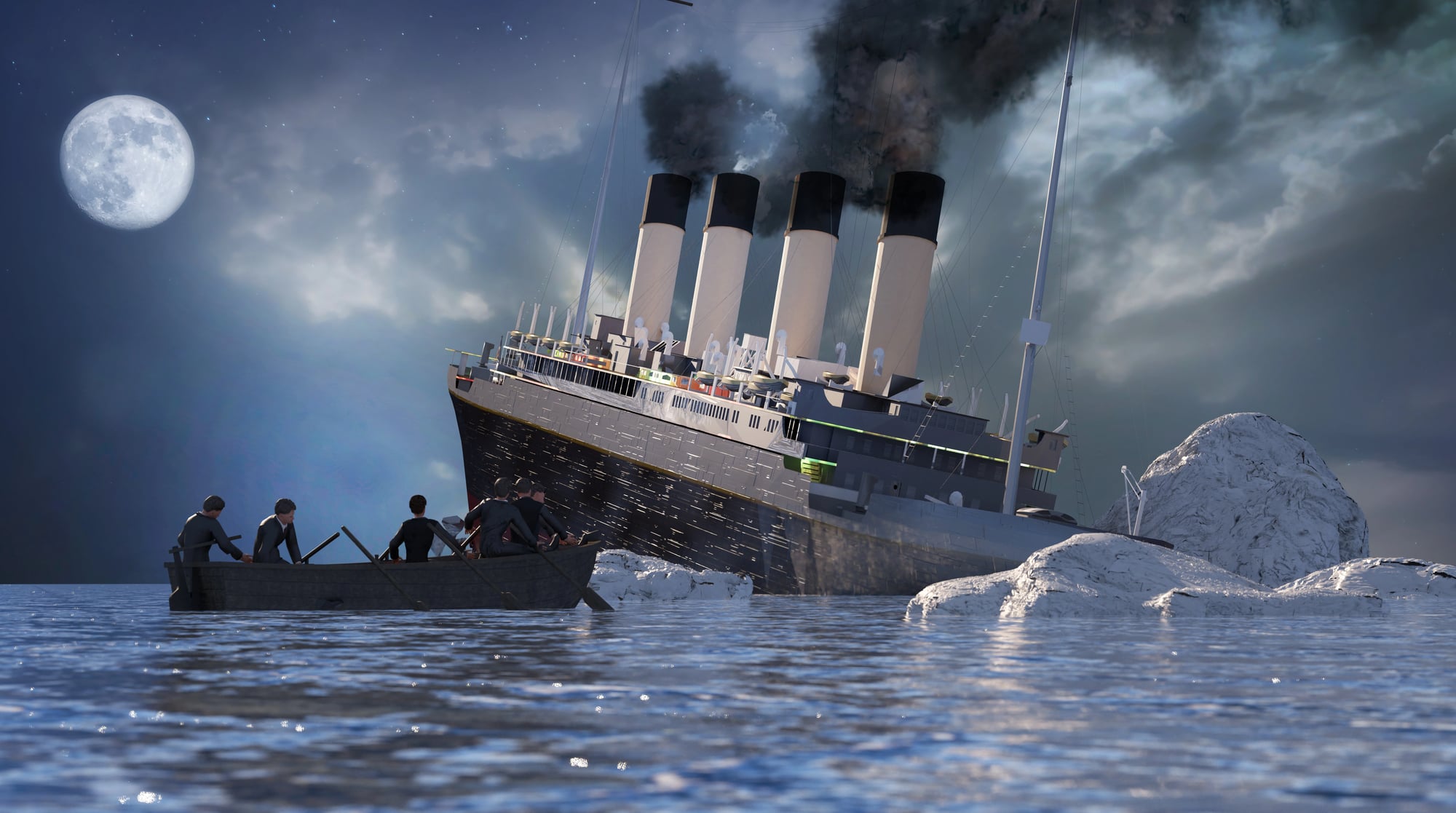
The so-called unsinkable ship hit an iceberg on its first voyage and sank in less than three hours. More than 1,500 people died when the Titanic went down in the North Atlantic on April 15, 1912.
The ship was the largest and most luxurious vessel of its time, with a swimming pool, a gym, and even a squash court. The disaster led to major changes in maritime safety, including requirements for enough lifeboats for everyone aboard and 24-hour radio watches.
HMS Bounty

A mutiny on this ship became one of the most famous rebellions in naval history. Captain William Bligh commanded the Bounty on a mission to collect breadfruit plants from Tahiti in 1789.
After months on the tropical island, some crew members refused to continue serving under Bligh’s harsh command. Led by Fletcher Christian, the mutineers seized the ship and set Bligh and 18 loyal sailors adrift in a small boat.
Bligh managed to navigate nearly 4,000 miles to safety, while the mutineers sailed to remote Pitcairn Island.
Victory

Admiral Horatio Nelson commanded this ship at the Battle of Trafalgar, where the British fleet defeated a combined French and Spanish force in 1805. Nelson’s tactics were bold and unconventional.
He split his fleet into two columns and sailed directly at the enemy line, breaking through their formation. The British won a decisive victory, but Nelson died from a sniper’s bullet during the battle.
The Victory still exists today as a museum ship in Portsmouth, England.
Queen Mary

This ocean liner carried soldiers, refugees, and celebrities across the Atlantic during some of the most important years of the 20th century. Built in 1936, the Queen Mary was one of the fastest and most elegant passenger ships ever made.
During World War II, it transported more than 800,000 troops, earning the nickname ‘The Grey Ghost’ because of its wartime paint and ability to outrun enemy submarines. After the war, it returned to luxury service before retiring to Long Beach, California, where it now serves as a hotel and museum.
Bismarck

Germany’s most powerful battleship terrified the British Navy during World War II before meeting a dramatic end. The Bismarck displaced more than 50,000 tons and carried eight massive 15-inch guns.
On its first mission in 1941, it sank the British battle cruiser HMS Hood in just eight minutes. The British hunted the Bismarck across the North Atlantic with dozens of ships and aircraft.
After sustaining heavy damage, the German crew scuttled their ship, and it sank with most of its crew still aboard.
Cutty Sark
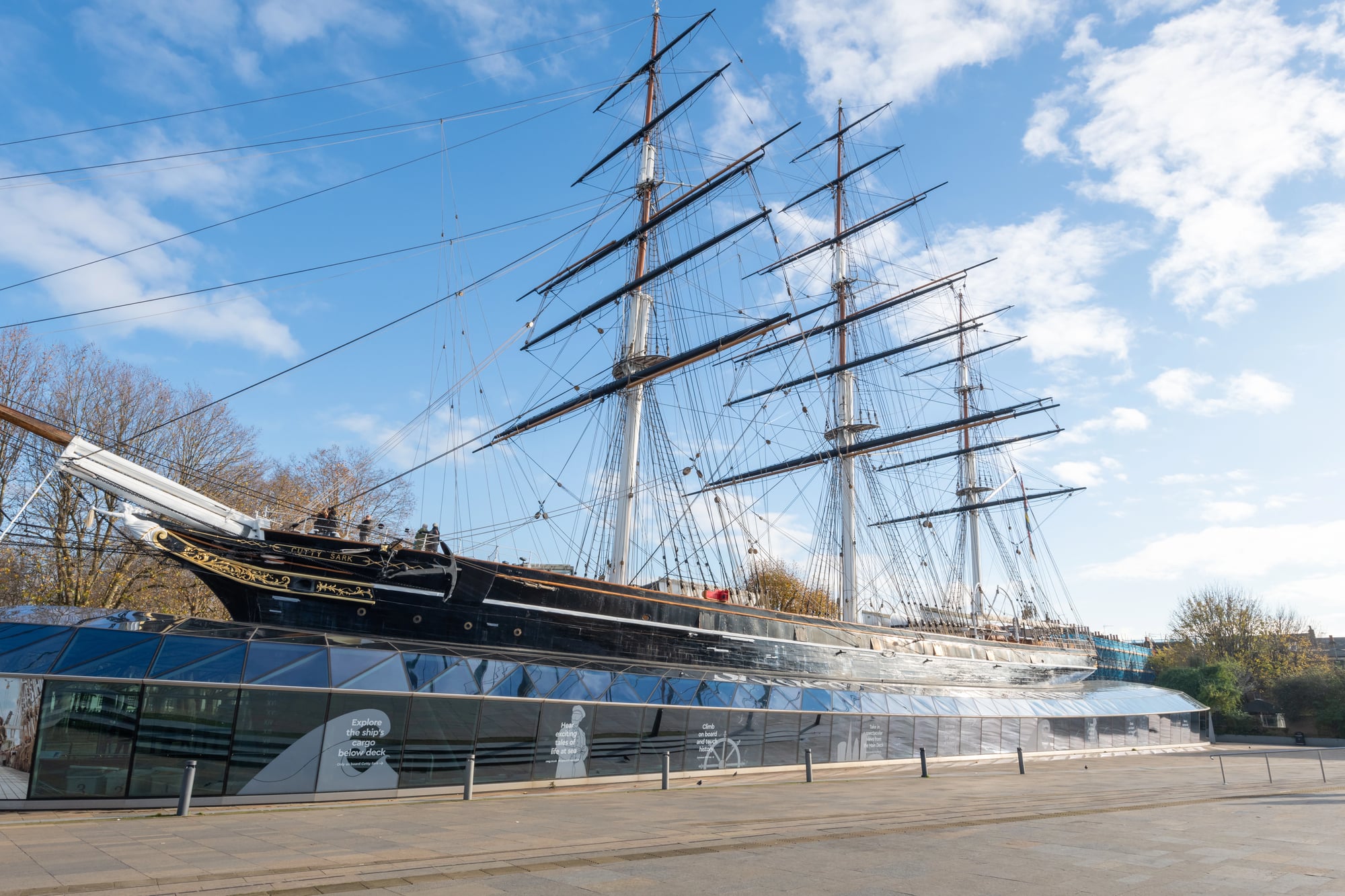
This clipper ship raced across the oceans carrying tea from China and wool from Australia during the age of sail. The Cutty Sark could reach speeds of 17 knots, making it one of the fastest ships of its era.
Built in 1869, it competed in what sailors called ‘tea races’ where ships rushed to bring the first tea harvest back to England. The ship survived when most other clippers were scrapped, and today it sits in dry dock in Greenwich, London, as one of the last intact tea clippers in the world.
USS Missouri

Japan signed the documents ending World War II on the deck of this battleship in Tokyo Bay on September 2, 1945. The Missouri, nicknamed ‘Mighty Mo,’ served in several conflicts during its long career.
It fired its massive 16-inch guns in combat during the Korean War and again during Operation Desert Storm in 1991. The ship was built in Brooklyn and launched in 1944.
After decades of service, it now rests as a memorial in Pearl Harbor, just a few hundred feet from where the USS Arizona still lies at the bottom of the harbor.
Mary Rose

King Henry VIII watched from shore as his favorite warship suddenly rolled over and sank in 1545 during a battle with French forces. Nearly all of the estimated 400 crew members drowned.
The Mary Rose sat on the seafloor for more than 400 years before salvage teams raised its remains in 1982. The recovery brought up thousands of artifacts that gave historians an incredible look at life in Tudor England.
Everything from medical instruments to musical instruments survived in the mud, creating a time capsule of 16th-century naval life.
Golden Hinde
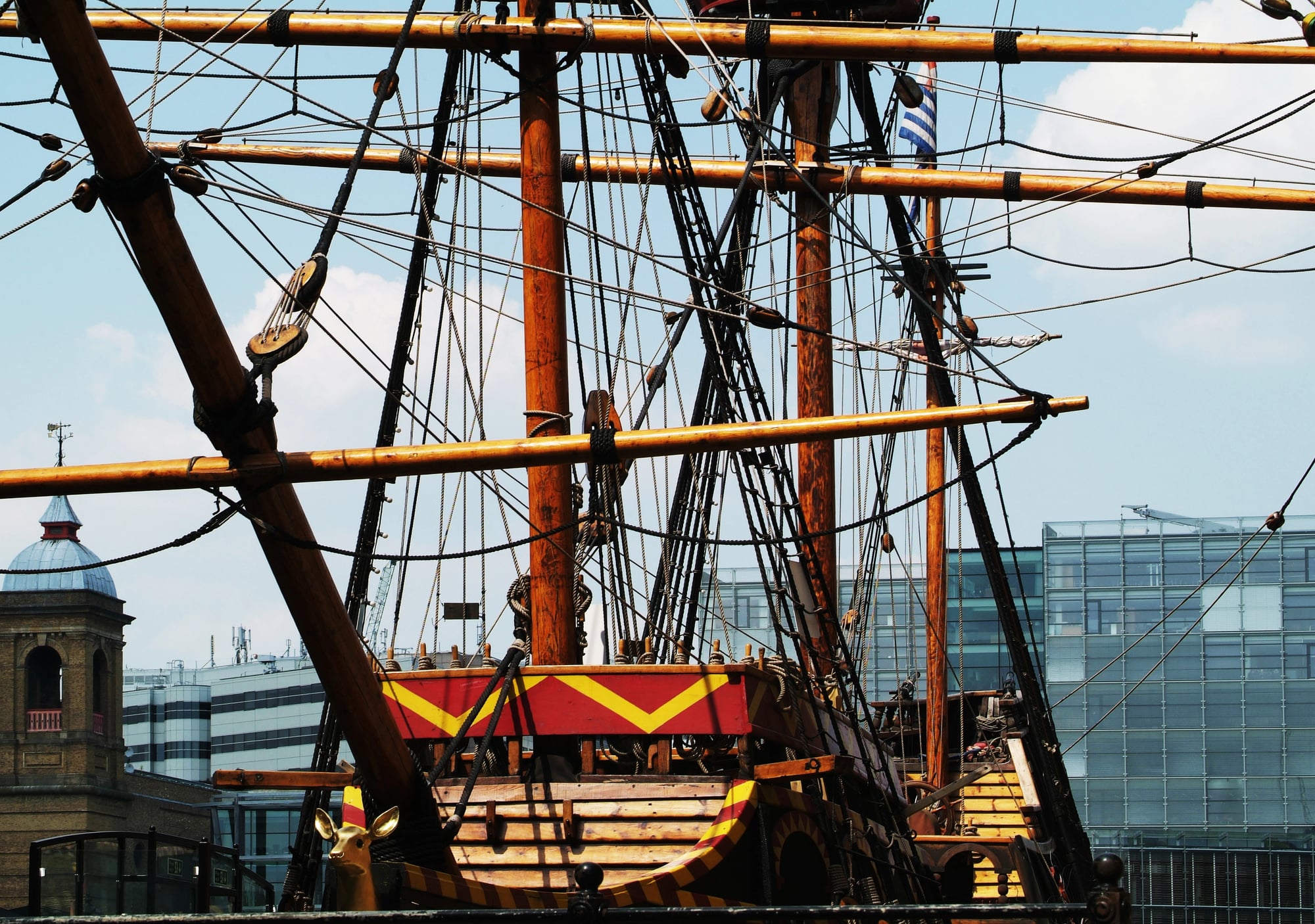
Sir Francis Drake sailed this small ship around the entire world between 1577 and 1580, becoming the first English captain to complete such a journey. The Golden Hinde was originally called the Pelican, but Drake renamed it during the voyage.
The ship measured only about 70 feet long and carried a crew of around 80 men. Drake raided Spanish ports and ships along the way, bringing back so much treasure that Queen Elizabeth I knighted him aboard the ship when he returned.
A full-size replica now sits on the Thames River in London.
Arizona

This battleship became a tomb for more than 1,000 sailors when Japanese planes bombed Pearl Harbor on December 7, 1941. The Arizona took multiple hits, including a bomb that penetrated its deck and exploded in the ammunition magazine.
The resulting blast tore the ship apart and it sank in less than nine minutes. The wreck still sits where it went down, and oil continues to leak slowly from its fuel tanks.
A memorial built over the sunken hull receives nearly two million visitors each year.
Vasa

Sweden’s most powerful warship sailed less than a mile before rolling over and sinking in Stockholm harbor in 1628. The Vasa was top-heavy and unstable because King Gustavus Adolphus demanded it carry an extra deck of cannons.
A gust of wind was all it took to capsize the ship on its maiden voyage. The cold, brackish water of the Baltic Sea preserved the wooden hull remarkably well.
Salvage crews raised the ship in 1961, and after decades of conservation work, it now sits in its own museum, the most complete 17th-century ship ever recovered.
Nautilus
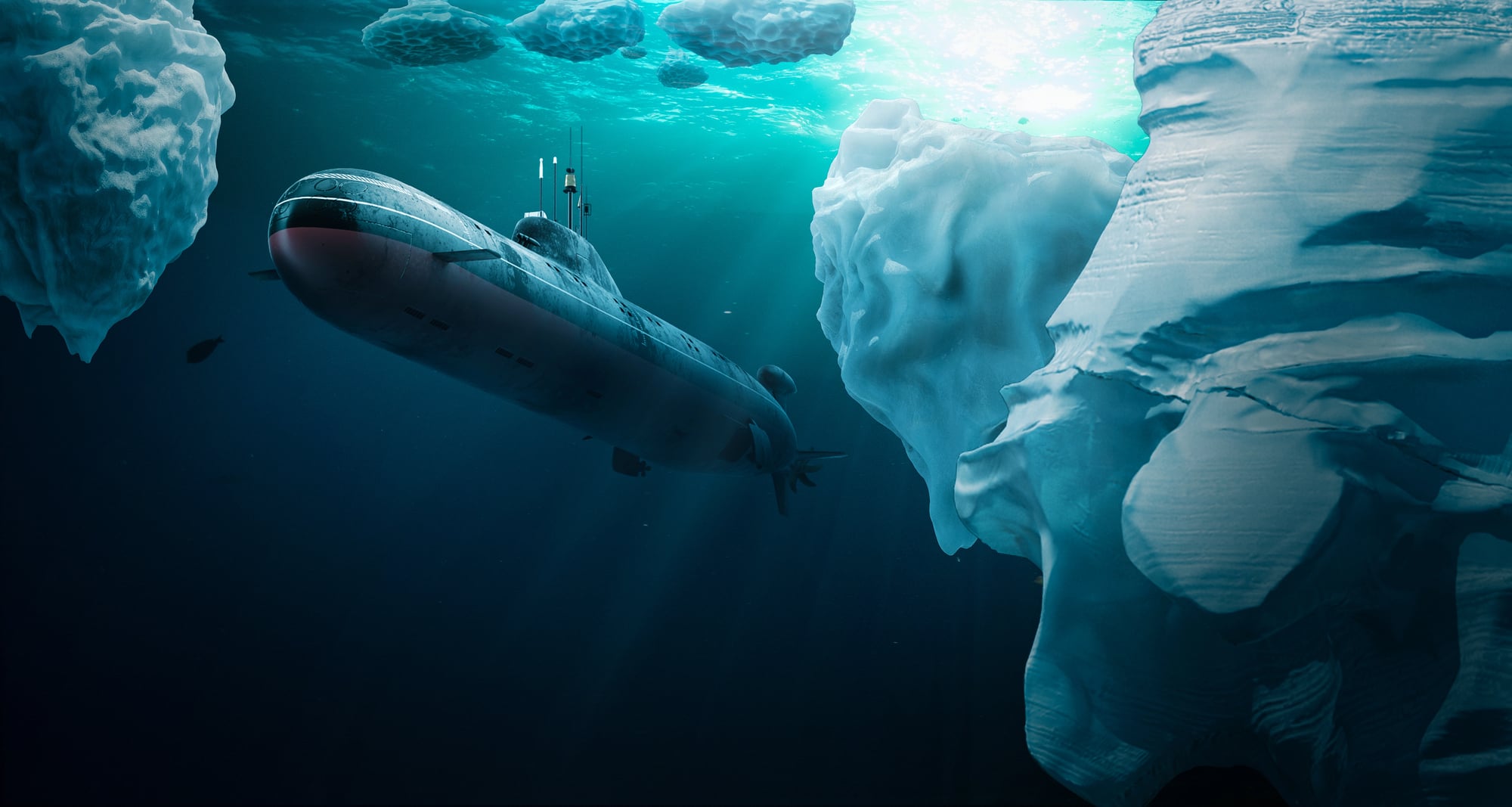
The world’s first nuclear-powered submarine changed naval warfare forever when it launched in 1954. The USS Nautilus could stay underwater for months at a time without surfacing, unlike diesel submarines that needed to come up frequently for air.
In 1958, it became the first vessel to reach the North Pole by traveling under the Arctic ice cap. The submarine covered more than 91,000 miles underwater during its service.
After retiring, it became a museum ship in Groton, Connecticut.
The lasting wake

These ships did more than transport people and cargo across the water. They opened new trade routes, sparked wars, ended conflicts, and helped scientists understand the natural world.
Some went down in tragedy while others lasted for centuries. Their journeys connected distant lands and changed how people lived, fought, and explored.
The stories of these vessels remind us that human history has always been tied to the sea, and the courage to sail into the unknown has shaped the world we know today.
More from Go2Tutors!

- The Romanov Crown Jewels and Their Tragic Fate
- 13 Historical Mysteries That Science Still Can’t Solve
- Famous Hoaxes That Fooled the World for Years
- 15 Child Stars with Tragic Adult Lives
- 16 Famous Jewelry Pieces in History
Like Go2Tutors’s content? Follow us on MSN.



