Grandmother’s Brooch Drawer: How to Tell Which Pieces Are Actually Valuable
The jewelry box sits there like a small treasure chest, inherited along with the china and the photo albums nobody quite knows what to do with. Inside, nestled in faded velvet compartments, are decades of accumulated brooches, pins, and costume pieces that meant something to someone once.
Some might be worth a fortune. Others barely qualify as garage sale material.
The difference often comes down to details most people never think to examine.
Look for Hallmarks and Maker’s Marks
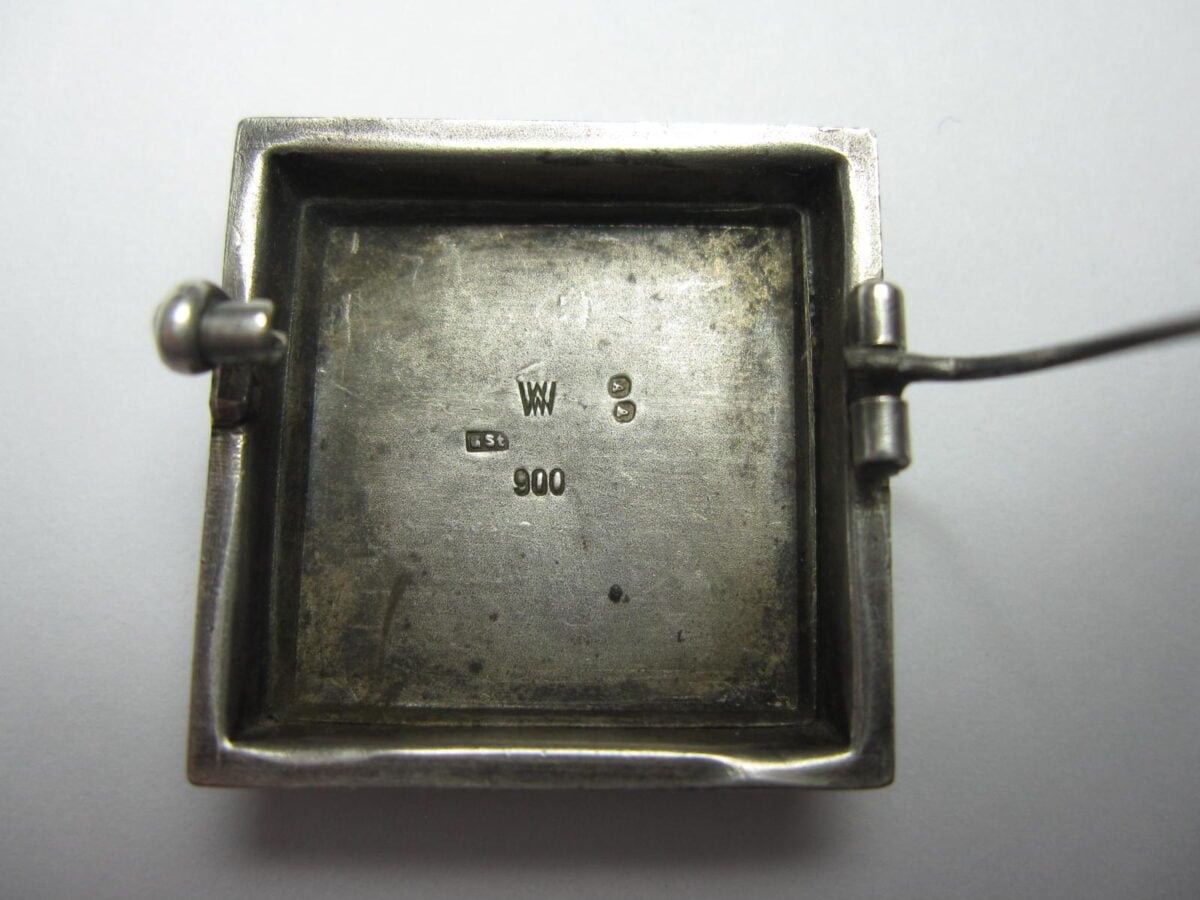
Check the back of every piece for tiny stamped letters or symbols. Real gold will show karat marks like “14K” or “18K”, while silver displays “925” or “Sterling.”
Designer pieces carry maker’s marks that can multiply value instantly. Costume jewelry sometimes bears maker’s marks too.
Miriam Haskell, Trifari, and Coro pieces from the mid-20th century command serious money among collectors. The marks are usually small and easy to miss.
Weight Tells the Truth
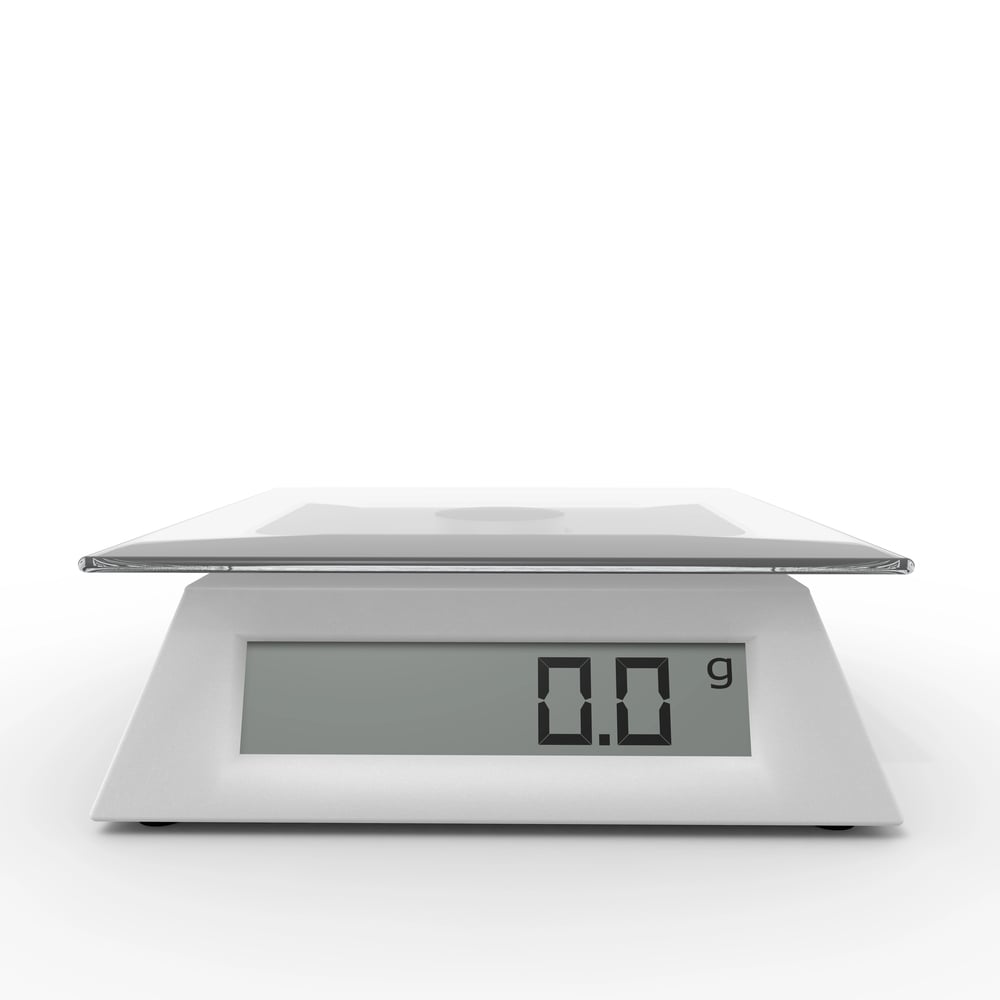
Precious metals have heft. A brooch that feels substantial in your hand suggests real gold or silver underneath any plating or patina that might have developed over time.
Costume pieces made from pot metal or plastic feel noticeably lighter. This quick test eliminates obvious fakes before you spend time on closer examination.
Examine the Construction Quality
Here’s where things get interesting (and where most people make their first mistake): they assume anything old must be valuable, or conversely, that anything that looks like costume jewelry can’t possibly be worth much. But the truth moves in both directions at once — some of the most valuable pieces in that drawer might look unremarkable at first glance, while the flashiest brooch with the biggest “gems” could be worth less than the box it’s stored in.
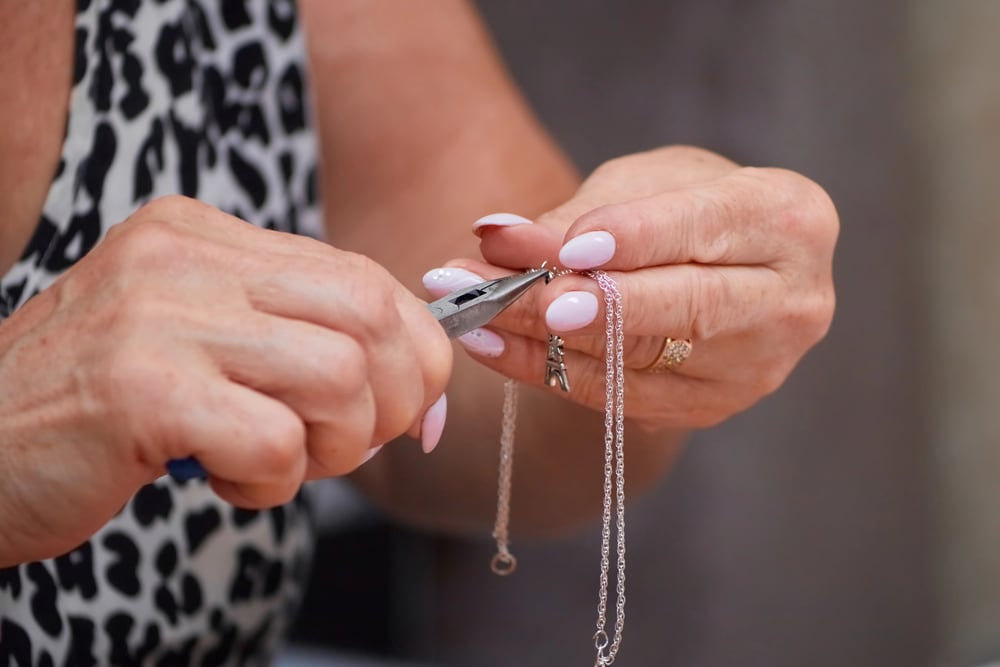
And yet the construction quality reveals itself in small details that grandmother’s generation paid attention to: the way prongs hold stones securely rather than just crimping metal around them, how pin backs close with a satisfying click instead of feeling loose and uncertain. So you find yourself holding each piece differently once you know what to look for.
The metalwork shows craftsmanship or exposes shortcuts. Hand-finished pieces have slight irregularities that machine-made items lack.
Soldered joints appear clean and strong rather than obvious or messy.
Study the Stones and Materials
Real gemstones show internal flaws and color variations when examined closely. Glass stones appear too perfect and uniform.
Diamonds scratch glass easily, while cubic zirconia won’t leave a mark. Pearls have a gritty texture when rubbed gently against your teeth.
Plastic imitations feel smooth. Natural materials like amber sometimes contain tiny insects or plant matter frozen inside.
Research the Style Period

Art Deco pieces from the 1920s and 1930s command premium prices. Look for geometric patterns, bold lines, and the use of contrasting materials like black onyx with diamonds or white gold.
Victorian mourning jewelry often appears dark and somber but represents a significant collecting category. Pieces incorporating hair or featuring memento mori themes have dedicated followings.
Check for Damage and Repairs
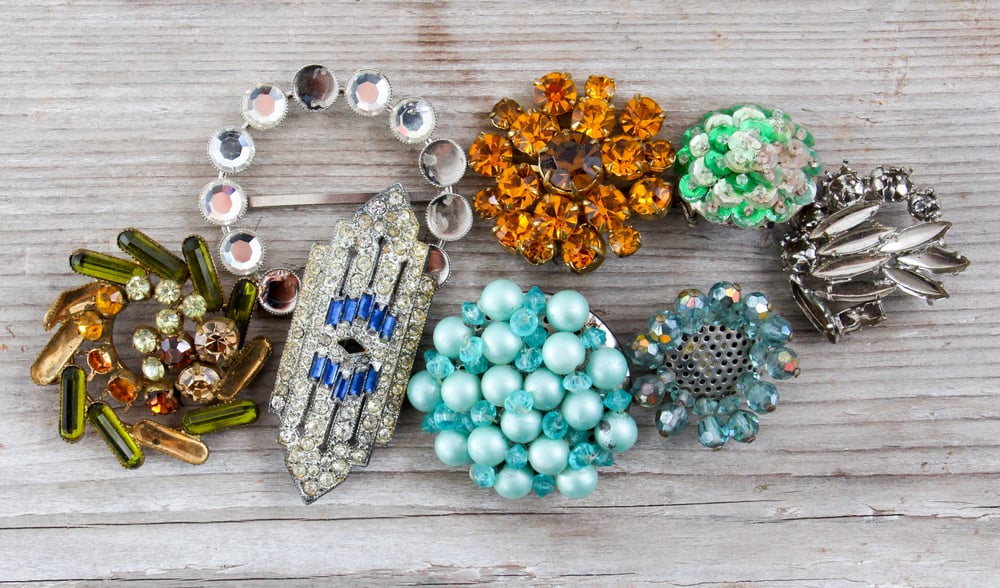
Missing stones hurt value significantly. Empty prong settings or obvious glue residue indicate previous gem loss that affects worth.
Previous repairs sometimes show different metal colors or clumsy soldering work. Professional restoration might be worthwhile for valuable pieces, but amateur fixes usually diminish value permanently.
Patent Numbers and Date Codes

Some vintage costume jewelry carries patent numbers that help establish manufacturing dates and origin. These numbers can be researched online to determine specific makers and production periods.
Coro pieces sometimes include date codes that collectors use for authentication. Learning these systems helps separate genuine vintage pieces from modern reproductions.
Size and Proportion Matter
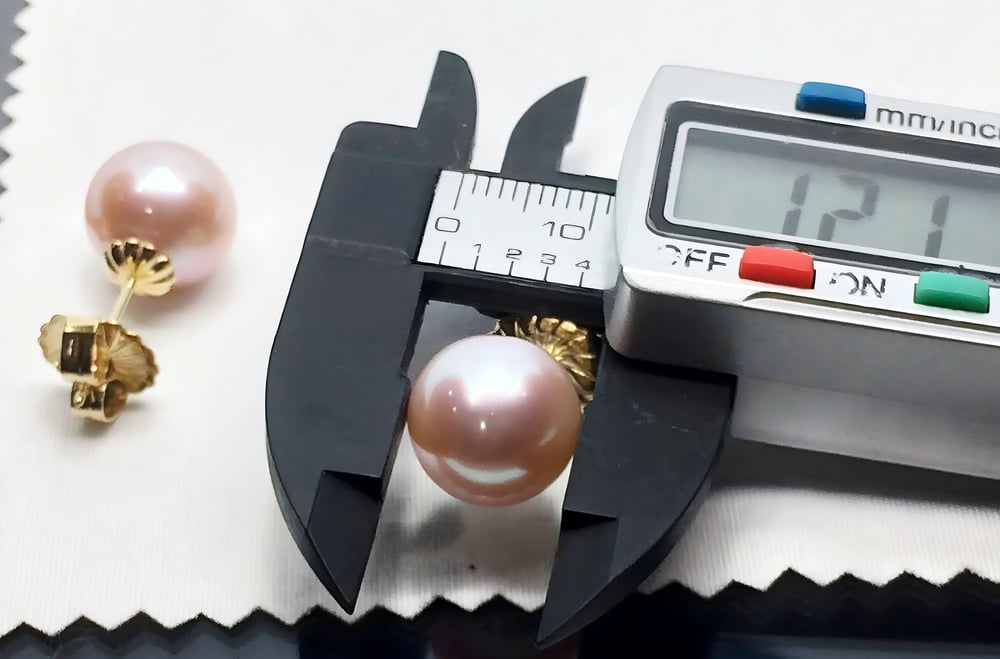
Statement pieces from certain eras bring higher prices than smaller, more modest designs. The 1940s favored large, bold brooches that modern collectors prize for their dramatic impact.
Tiny delicate pins might seem more valuable due to perceived craftsmanship, but market demand often favors pieces with visual presence that photograph well for online sales.
Material Combinations
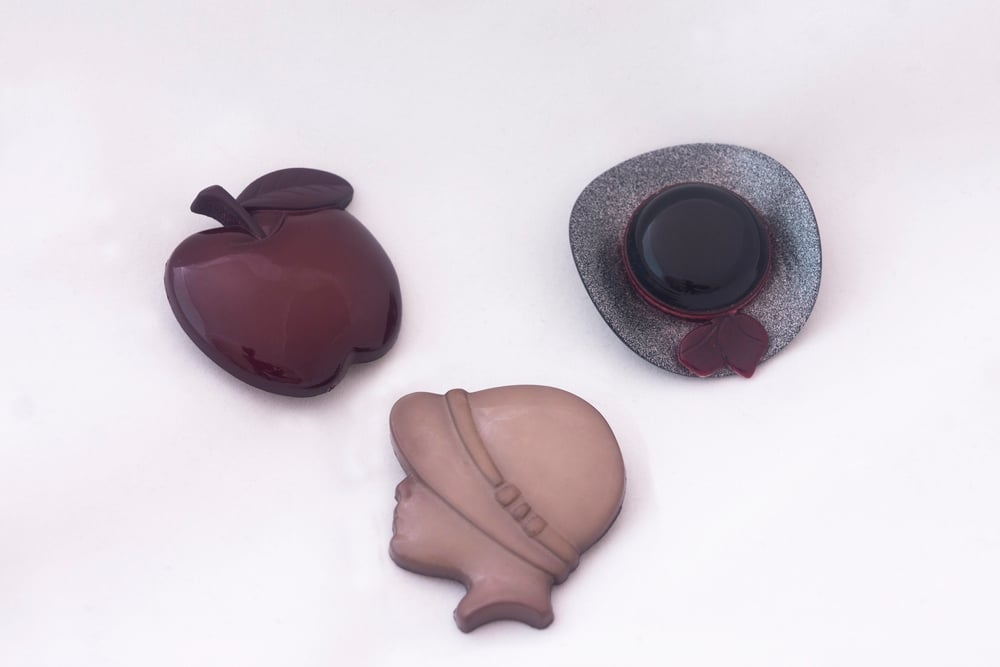
Mixed-metal pieces combining gold and silver became fashionable during specific periods and often indicate higher-end manufacture rather than budget costume jewelry production.
The use of unusual materials like Bakelite, lucite, or specific types of enamelwork can signal collectible status among specialists who focus on particular substances or techniques.
Clasp and Pin Mechanisms
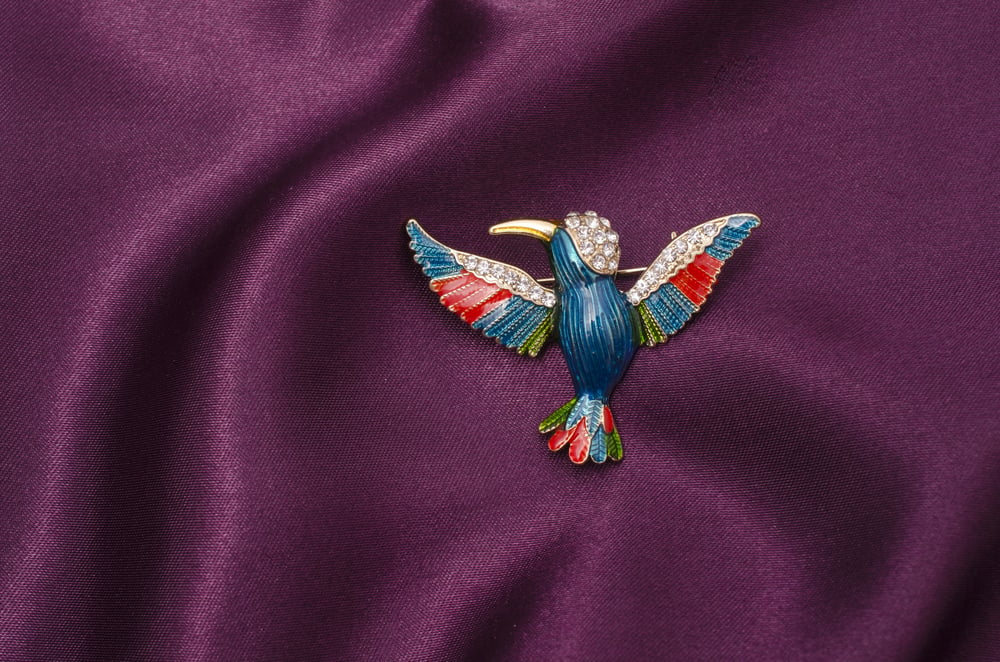
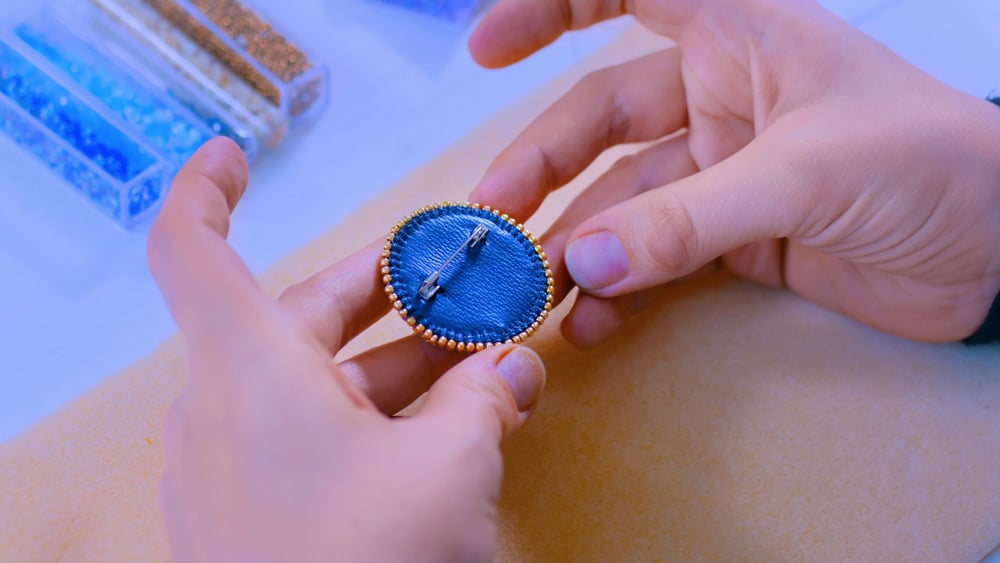
The hardware reveals manufacturing quality and age. Hand-forged pin stems and catches suggest older, potentially more valuable pieces compared to machine-stamped modern mechanisms.
Safety catches on pins didn’t become standard until certain periods, helping establish approximate ages for unmarked pieces.
Designer Signatures and Attribution
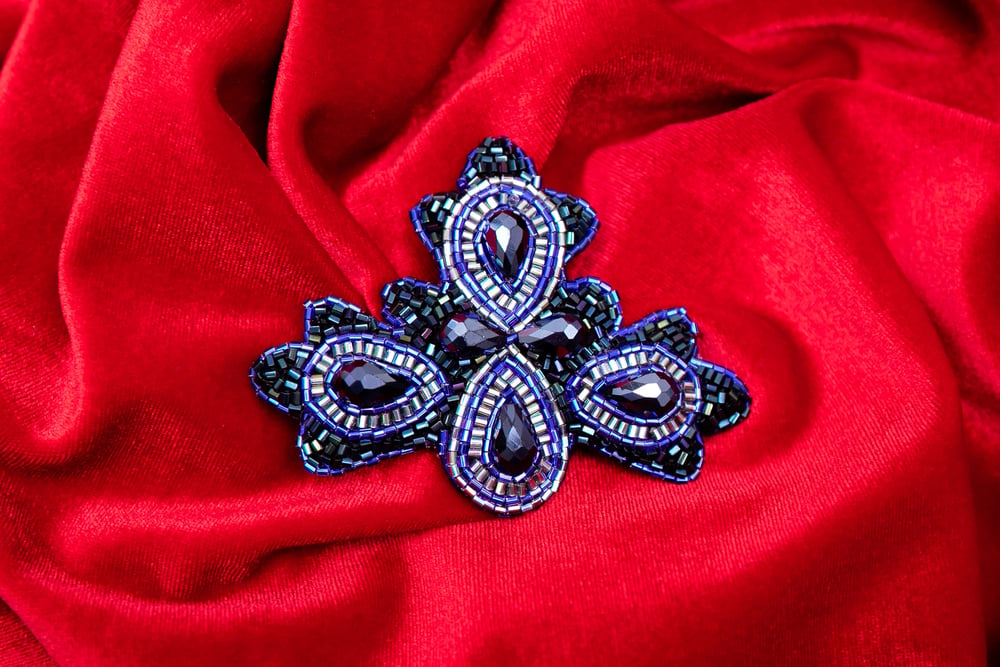
Beyond obvious maker’s marks, some pieces can be attributed to famous designers through style analysis even without signatures. This requires expertise but can uncover significant finds.
Unsigned pieces in the style of Eisenberg, Schiaparelli, or other notable names still carry value among collectors who recognize the aesthetic signatures.
Condition of Plating and Finish
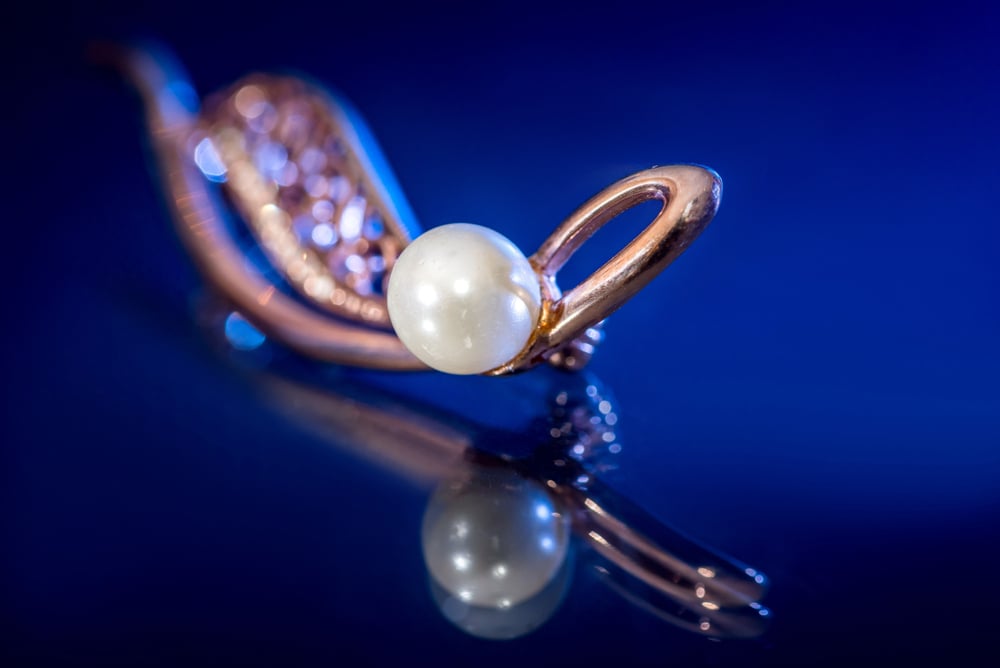
Gold-filled pieces show wear differently than gold-plated items. The thicker gold layer in filled jewelry wears more evenly and maintains value better than thin plating that flakes or wears through to base metal.
Original patina on silver pieces sometimes adds value rather than detracting from it, particularly on Arts and Crafts movement jewelry where oxidation was intentional.
Rarity and Production Numbers
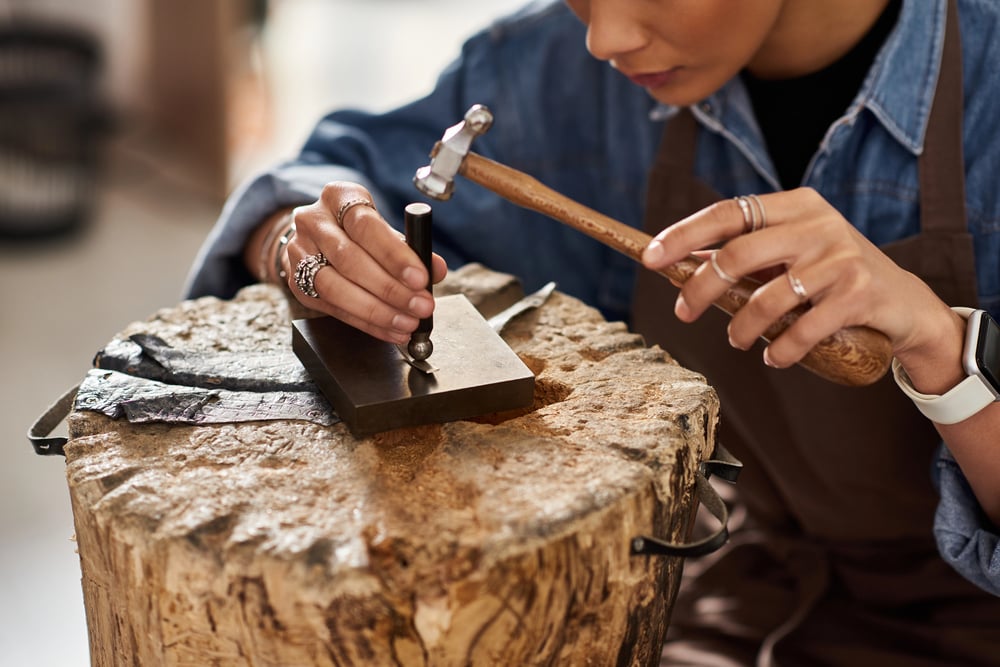
Some costume jewelry lines had limited production runs that make surviving pieces valuable despite using non-precious materials. Research helps identify these sleeper hits among more common designs.
Prototype pieces or samples from jewelry companies occasionally surface in estates and represent unique finds worth significant money to the right collectors.
Documentation and Provenance
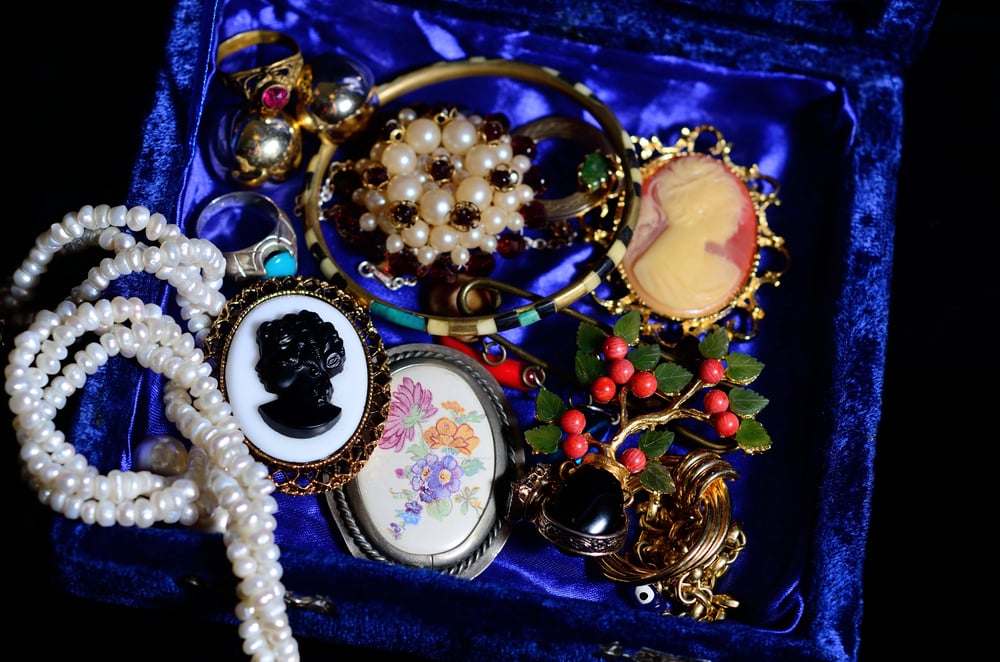
Original boxes, tags, or paperwork multiply value considerably. Even a simple jewelry store box from a prestigious retailer can add authenticity and worth to otherwise unmarked pieces.
Family stories about acquisition can provide valuable context, particularly if pieces were purchased from notable jewelers or received as gifts from prominent individuals.
Market Demand and Trends
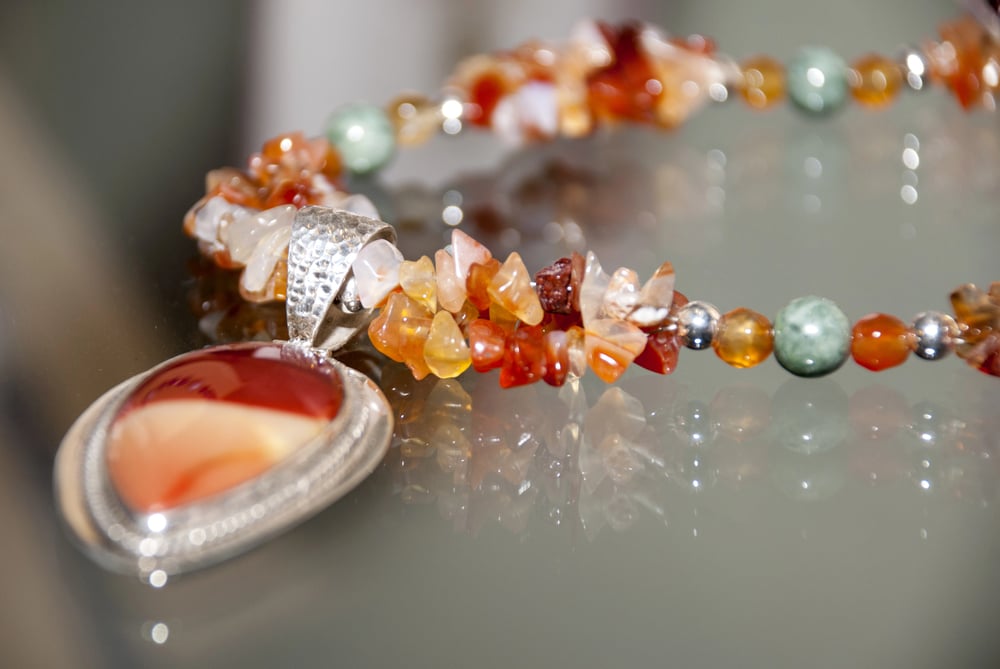
Collecting trends shift over time. Art glass jewelry enjoys periods of high demand followed by market cooling.
Understanding current collector interests helps identify pieces worth professional appraisal. Online auction results provide pricing guidance for similar pieces, though condition and authenticity verification remain crucial for accurate valuation.
Professional Resources
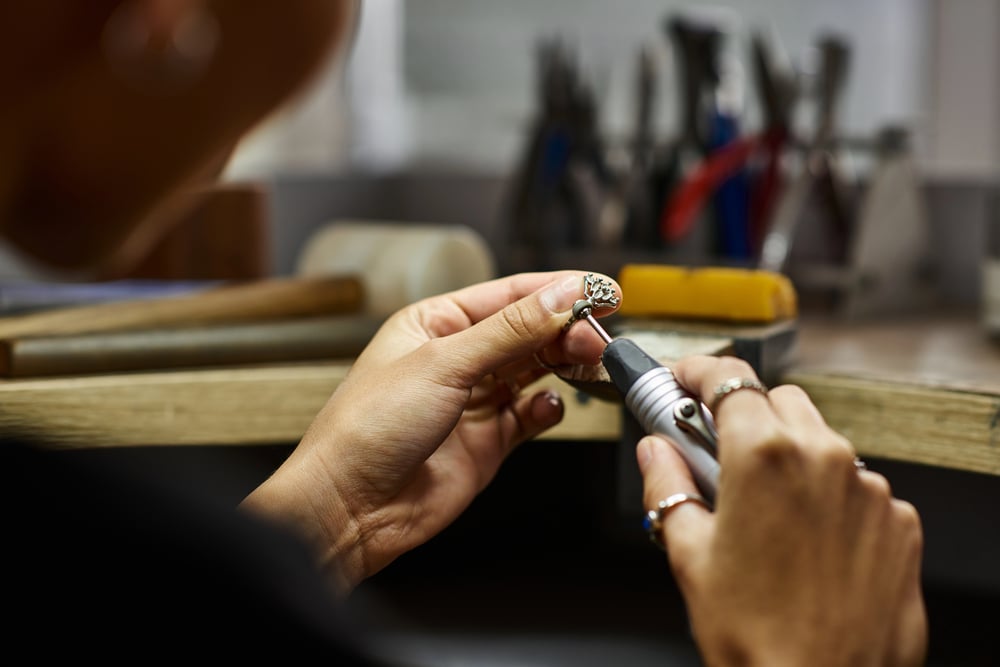
Certified appraisers specialize in different jewelry categories. Someone expert in Victorian pieces might miss the significance of 1960s mod jewelry, so choosing the right professional matters for accurate assessment.
Auction houses often provide free consultation days where experts examine pieces and offer preliminary opinions about potential value and marketability.
Red Flags and Common Mistakes
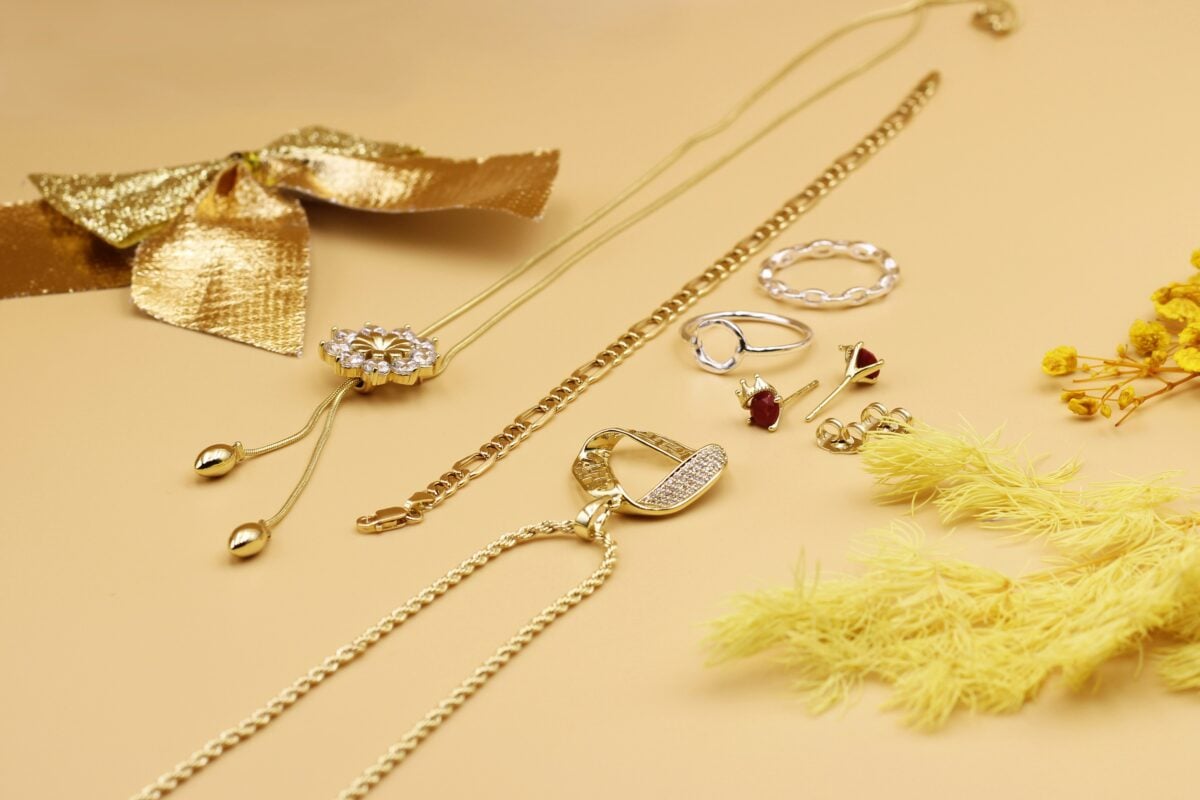
Reproductions of famous designs flood the market. Learning to spot telltale signs of modern manufacture helps avoid disappointment when pieces seem too good to be true.
Emotional attachment can cloud judgment about actual worth. The sentimental value rarely translates to market value, though both types of worth have their place.
Testing Methods and Tools
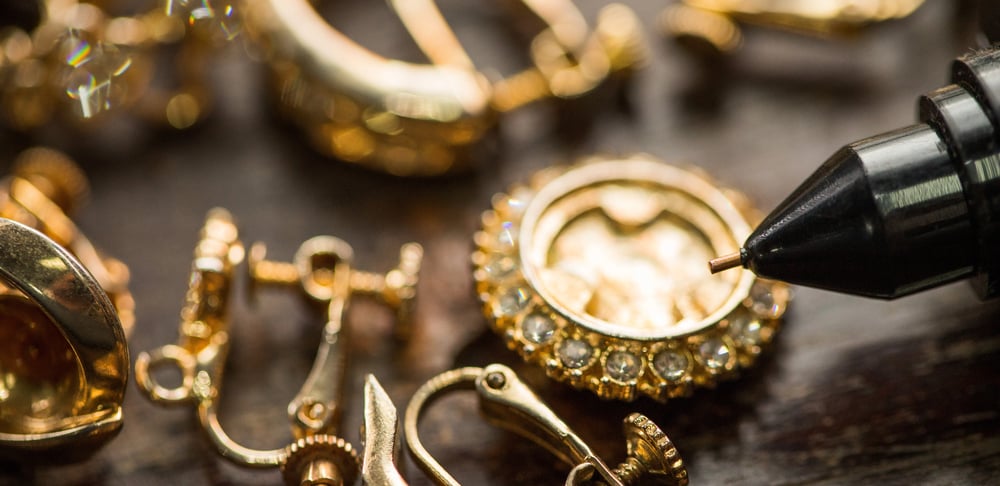
Simple testing kits can verify gold content and identify silver pieces without professional equipment. These tools provide preliminary screening before investing in formal appraisals.
Magnifying glasses reveal construction details, hallmarks, and condition issues that naked-eye examination might miss. Good lighting makes all testing more accurate.
Insurance and Documentation

Valuable pieces need proper insurance coverage and documentation. Photographs and written descriptions create records for insurance claims and future sales reference.
Safe storage protects both monetary and sentimental value. Proper jewelry boxes prevent tangling, scratching, and chemical damage from contact with other metals.
When Professional Help Makes Sense
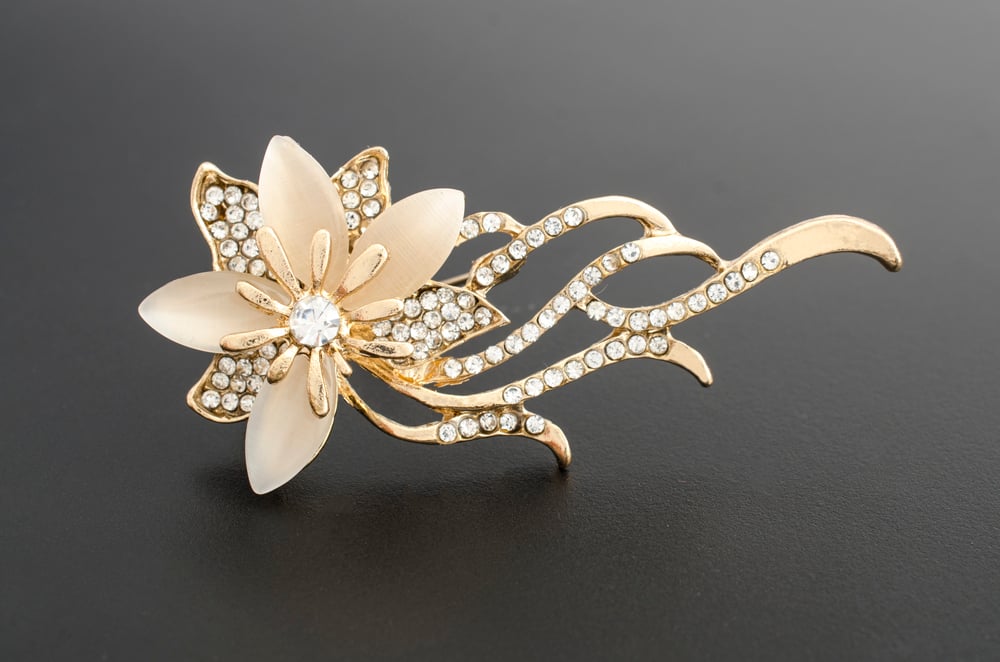
Complex pieces with multiple materials, unsigned designer jewelry, or items with unusual characteristics benefit from expert evaluation beyond basic home assessment methods. The cost of professional appraisal becomes worthwhile when piece values might exceed several hundred dollars or when insurance documentation is needed.
Building Your Knowledge Base
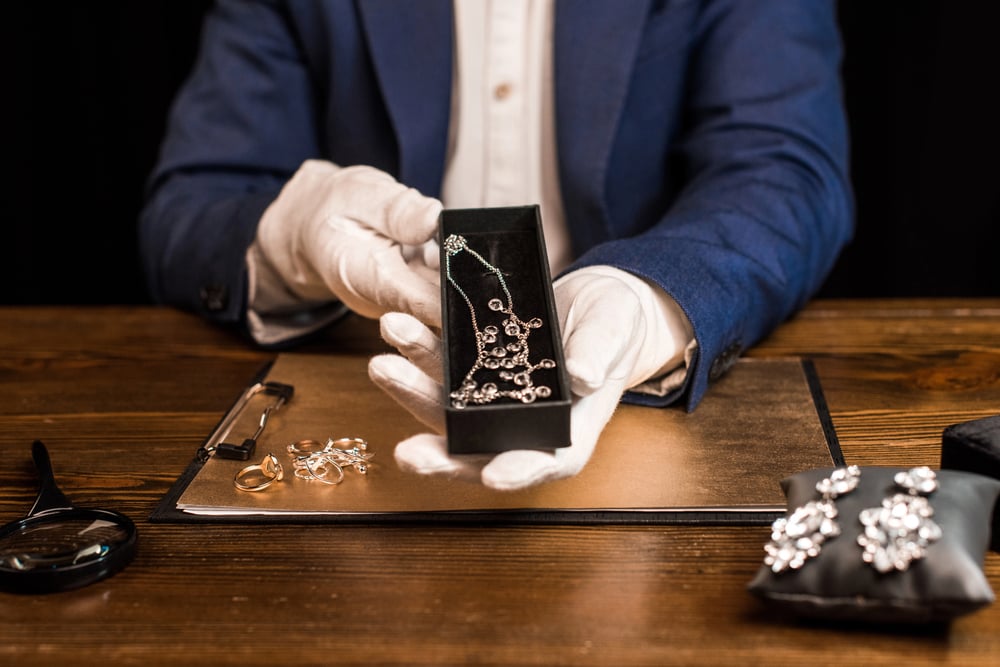
Learning to evaluate jewelry takes time and practice. Starting with obvious differences between real and fake pieces builds confidence for more subtle distinctions later.
Reference books, collector guides, and reputable online resources provide education about specific makers, periods, and identification techniques that improve assessment skills over time.
The Stories Behind the Sparkle
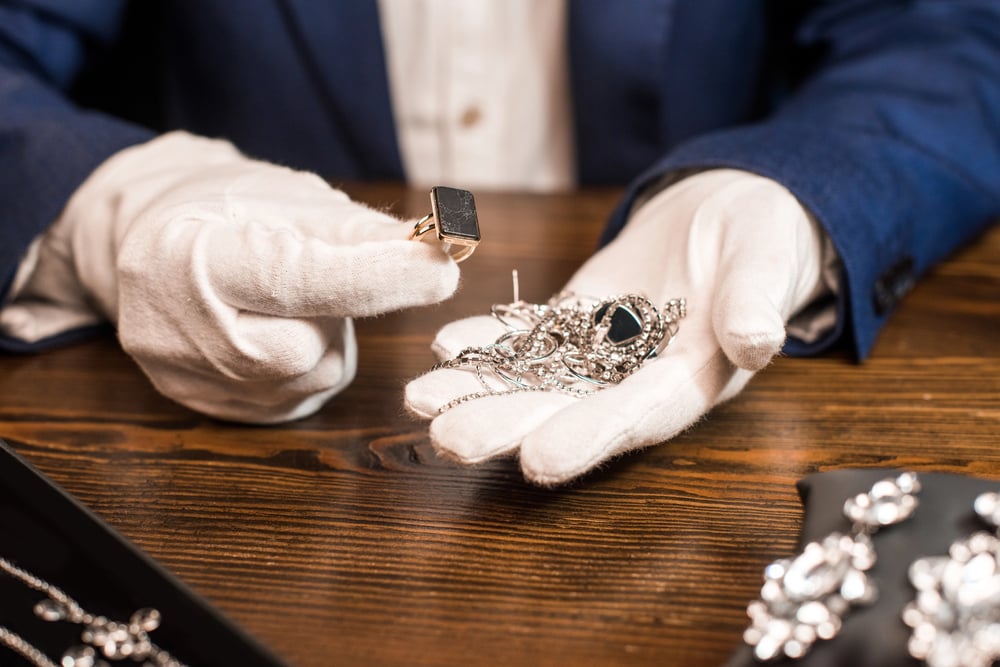
Every piece in that drawer once caught someone’s eye enough to purchase, gift, or treasure. The brooches that adorned Sunday dresses and the pins that marked special occasions carry stories that transcend their material worth.
Some will surprise with their value, others will disappoint, but all represent moments when beauty mattered enough to someone to bring them home. The real treasure might not always be the most expensive piece, but rather the connection to the person who chose each one with care and wore them with pride.
More from Go2Tutors!

- The Romanov Crown Jewels and Their Tragic Fate
- 13 Historical Mysteries That Science Still Can’t Solve
- Famous Hoaxes That Fooled the World for Years
- 15 Child Stars with Tragic Adult Lives
- 16 Famous Jewelry Pieces in History
Like Go2Tutors’s content? Follow us on MSN.