Greatest Movie Trilogies Ranked
When filmmakers manage to craft not just one exceptional movie but three films that work together as a cohesive masterpiece, something special happens. The trilogy format allows stories to breathe, characters to evolve, and themes to deepen in ways a single film simply can’t achieve.
From epic fantasy adventures to gritty crime sagas, the best trilogies have shaped cinema and left lasting impacts on audiences worldwide. Here is a list of greatest movie trilogies that have earned their place in film history.
Captain America

The Marvel Cinematic Universe has produced countless films, but the Captain America trilogy stands out as one of the most consistently excellent series within the franchise. Starting with The First Avenger in 2011, the trilogy follows Steve Rogers from a scrawny Brooklyn kid transformed into a super soldier during World War II to a modern hero grappling with contemporary moral complexities.
What makes these films remarkable is how each installment feels distinct while maintaining thematic coherence about doing what’s right even when it’s difficult. The Winter Soldier shifted into political thriller territory with its commentary on surveillance and freedom, while Civil War explored the personal costs of heroism when ideologies clash.
Before Trilogy
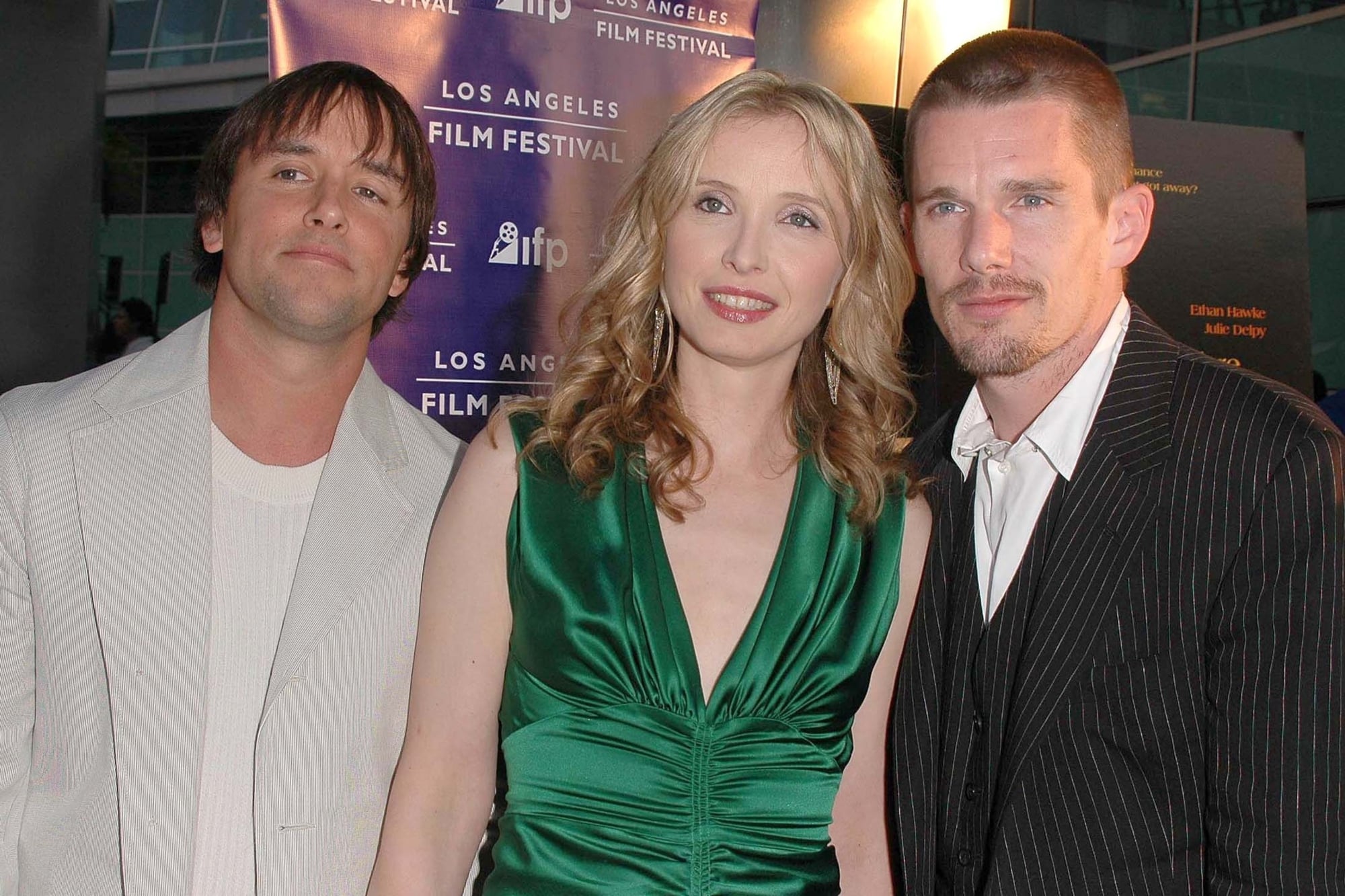
Richard Linklater’s Before trilogy proves that great cinema doesn’t need explosions or special effects to captivate audiences. These three films simply follow two people talking as they walk through European cities, yet they’re utterly absorbing.
The genius lies in the authenticity of the dialogue and performances, partly because stars Ethan Hawke and Julie Delpy contributed significantly to writing their own conversations. Each film catches up with Jesse and Celine at different life stages, exploring how relationships evolve over time with remarkable honesty and insight.
Planet of the Apes (Caesar Trilogy)
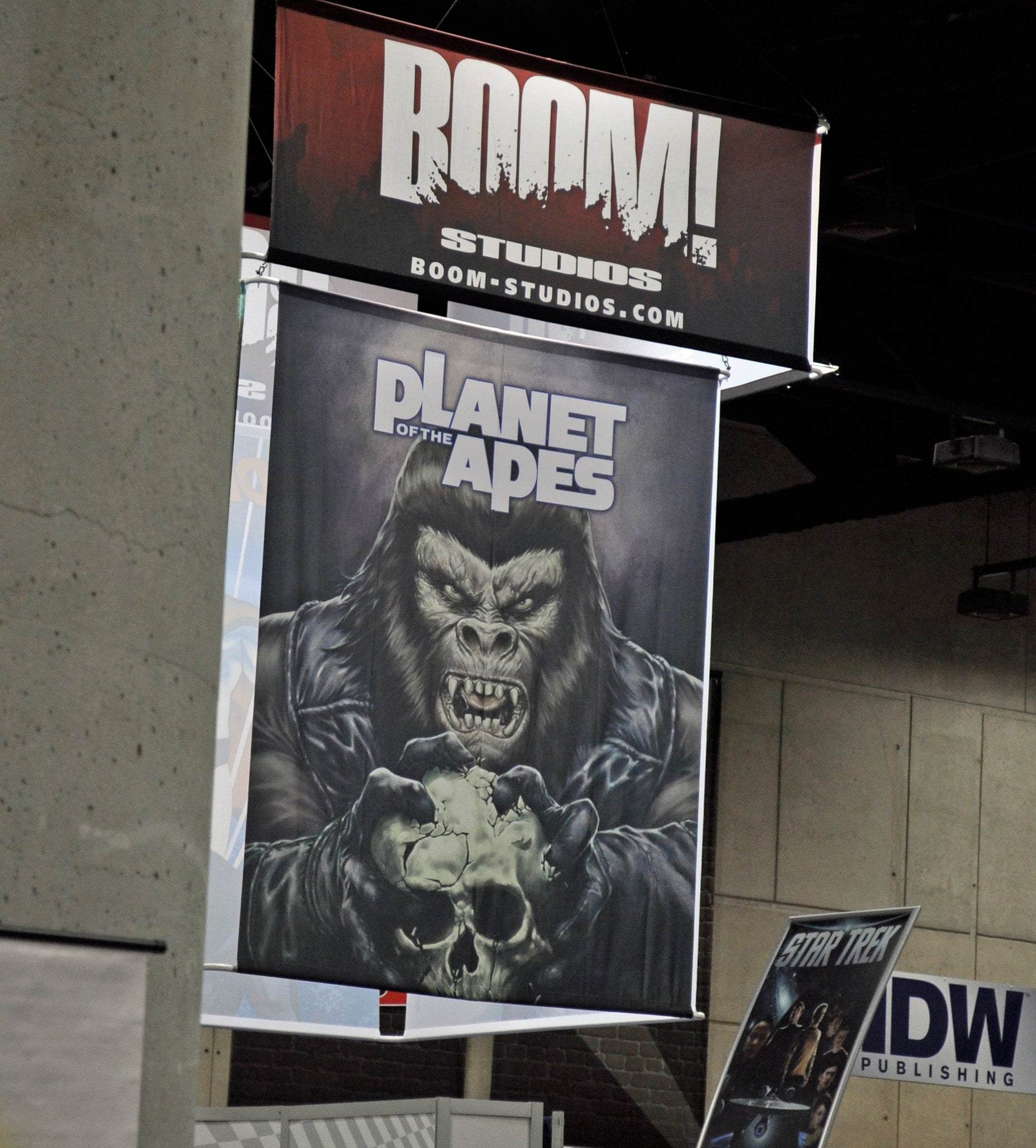
When Rise of the Planet of the Apes arrived in 2011, few expected it would launch one of the most critically acclaimed trilogies of the modern era. The three films tell a grand story about Caesar, an intelligent ape who becomes the leader of a revolution, with each installment building impressively on the last.
The motion-capture performance technology brought unprecedented emotional depth to the ape characters, particularly Andy Serkis’s portrayal of Caesar. These films work as both thrilling blockbusters and thoughtful examinations of civilization, power, and what separates humans from other species.
Mad Max
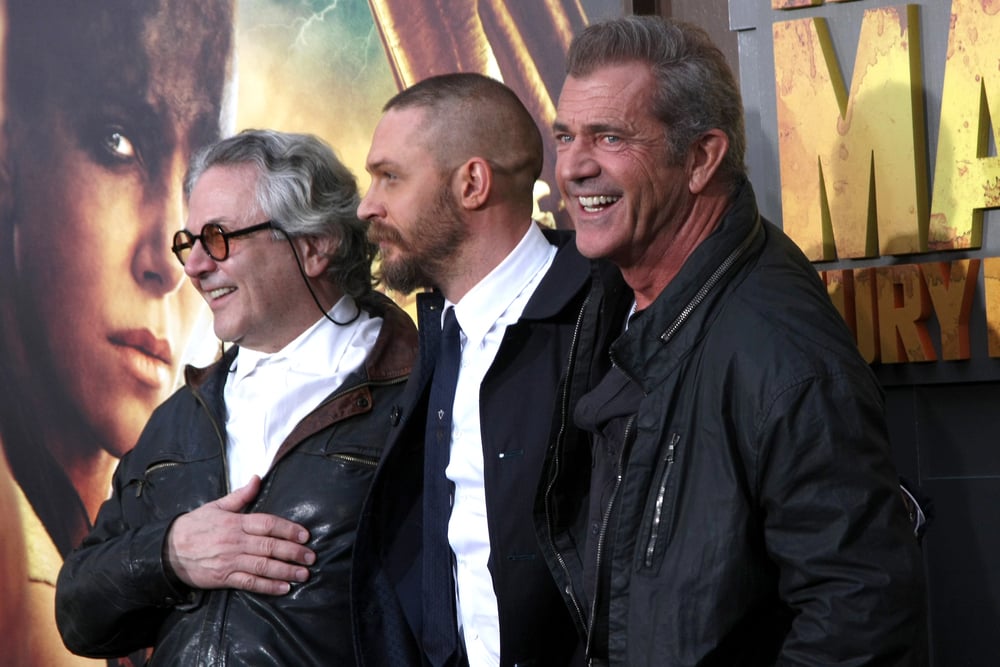
George Miller’s original Mad Max trilogy introduced audiences to a post-apocalyptic wasteland where gasoline is currency and survival demands ruthlessness. Mel Gibson’s portrayal of Max Rockatansky, an ex-cop wandering the Australian wasteland, became iconic for its stoic intensity.
The Road Warrior elevated the action to legendary status with its vehicular mayhem, while Beyond Thunderdome expanded the world-building despite taking a slightly different tonal direction. These films essentially created the template for post-apocalyptic cinema that countless movies have followed since.
Spider-Man (Raimi Trilogy)
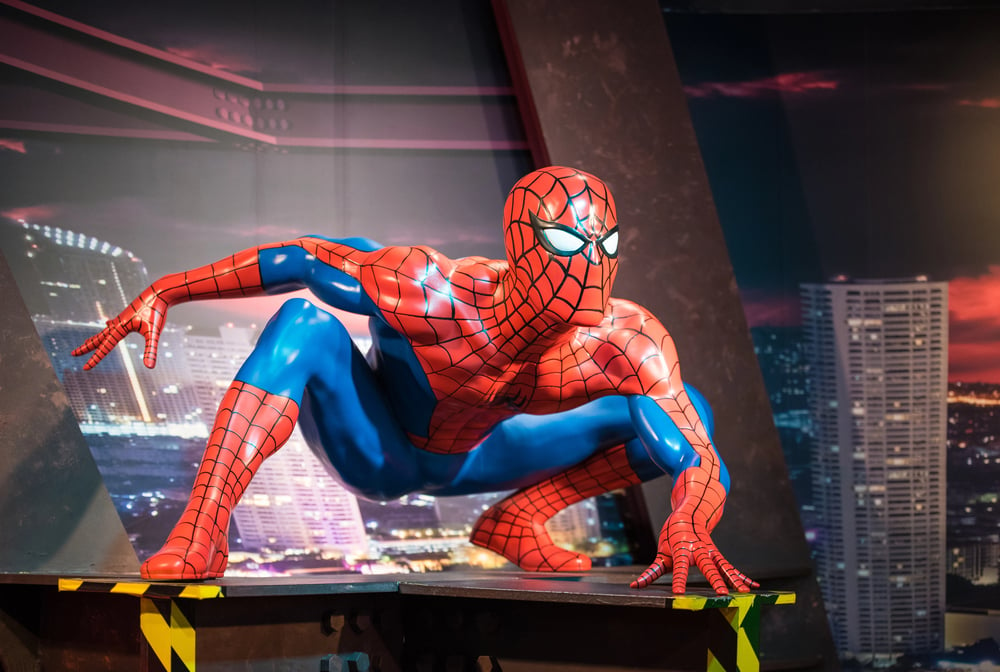
Sam Raimi’s Spider-Man trilogy helped usher in the modern superhero movie era and proved that comic book characters could command massive mainstream audiences. Released between 2002 and 2007, these films starred Tobey Maguire as Peter Parker and balanced the spectacular web-slinging action with genuine emotional depth.
The first film was the fastest movie to gross over 100 million dollars in its opening weekend, a testament to how hungry audiences were for a well-crafted superhero story. While the third film gets criticized for being overstuffed, the trilogy as a whole captured the essence of Spider-Man’s character better than many subsequent attempts.
Three Colours
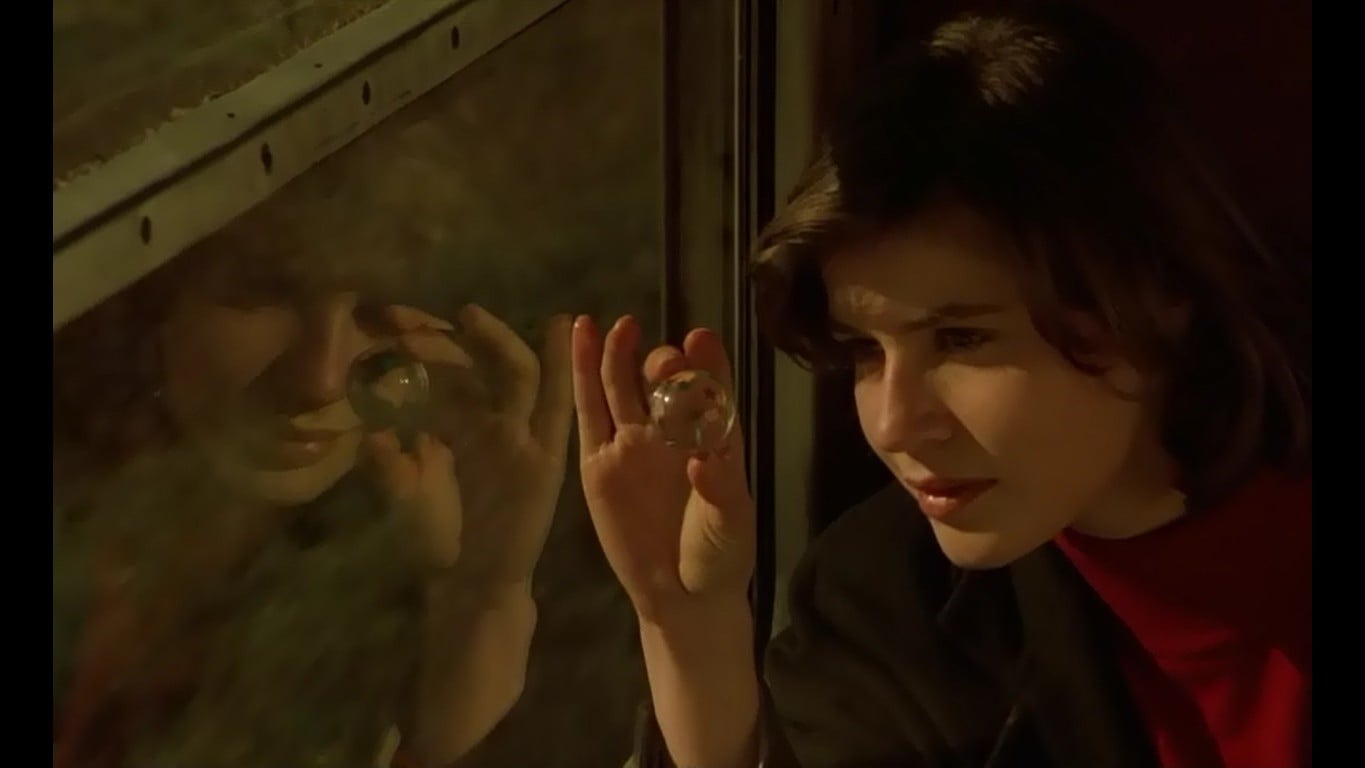
Polish director Krzysztof Kieślowski’s Three Colours trilogy stands as one of cinema’s most ambitious artistic achievements. Each film explores one of the ideals from the French flag: Blue examines liberty through a woman grieving her family, White tackles equality via a Polish immigrant’s struggles, and Red explores fraternity through an unlikely friendship.
The characters exist in the same universe with subtle connections between films, but each story stands independently while contributing to a larger meditation on human connection. This trilogy demands more from viewers than most, but rewards that attention with profound insights into the human condition.
Evil Dead
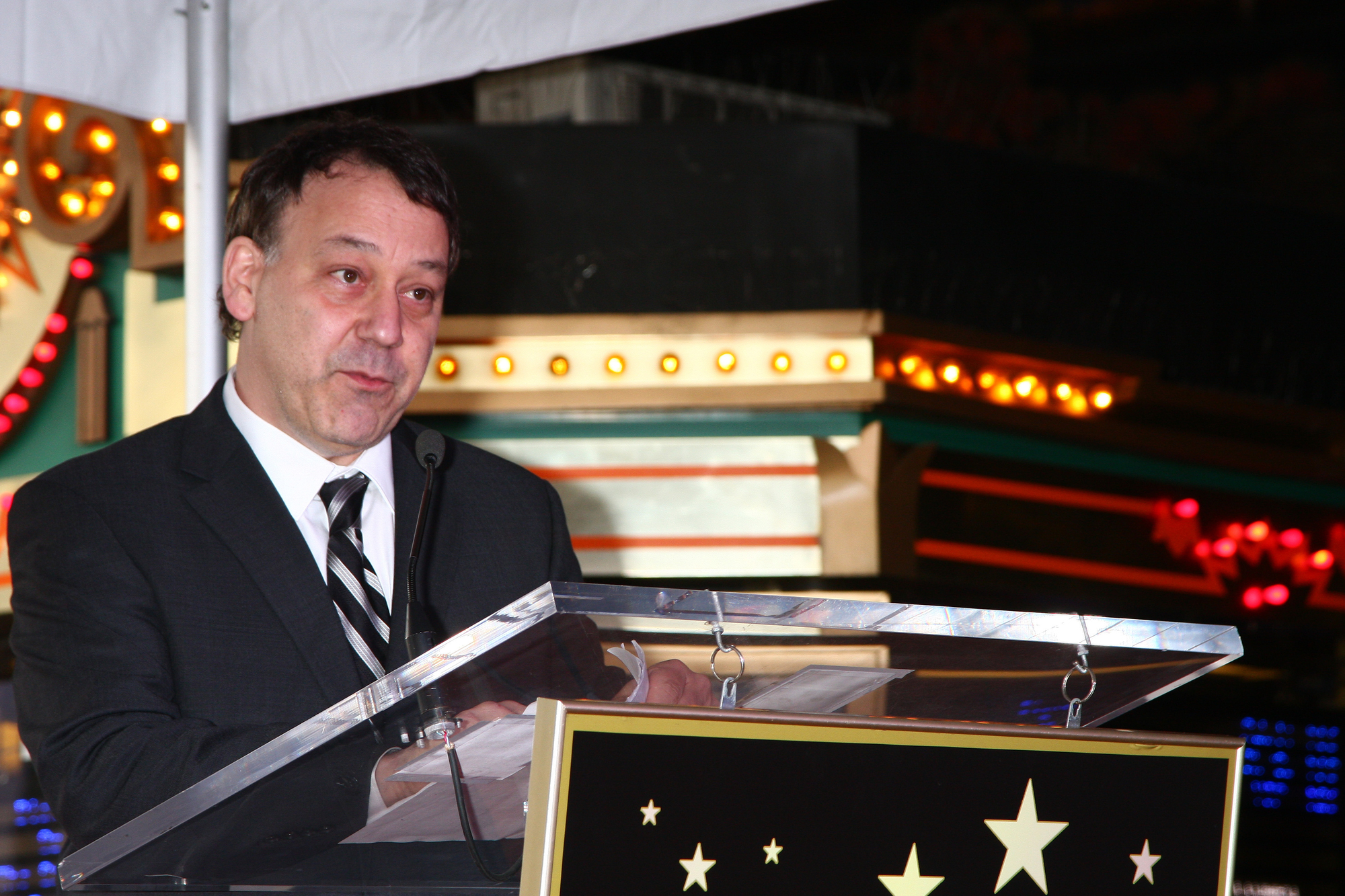
Sam Raimi’s Evil Dead trilogy showcases how a series can successfully reinvent itself while maintaining a coherent through-line. The 1981 original was a straight-up low-budget horror film that became legendary for its innovative camera work and gore effects.
Evil Dead II essentially remade the first film but injected dark comedy alongside the scares, creating a unique horror-comedy hybrid. Army of Darkness then abandoned horror almost entirely in favor of medieval fantasy and slapstick comedy, yet somehow it all works as a complete story about Ash Williams battling demonic forces across time.
The Bourne Trilogy
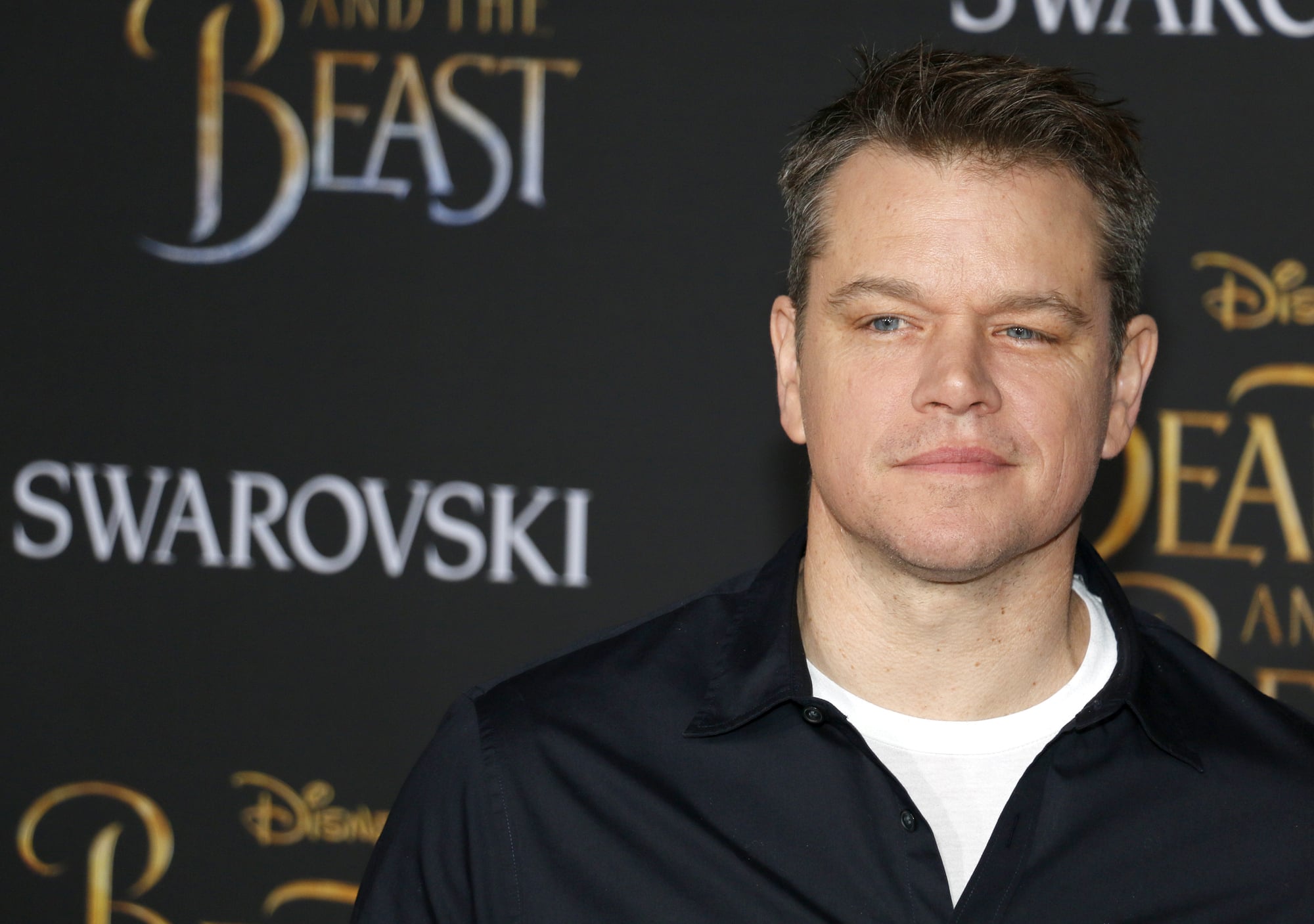
Matt Damon’s Jason Bourne redefined the spy thriller genre for a post-9/11 world, stripping away the gadgets and glamour for something grittier and more grounded. The trilogy follows an amnesiac assassin trying to uncover his identity while evading the intelligence agencies that created him.
Director Paul Greengrass brought a documentary-style realism to the action sequences that influenced action filmmaking for years afterward, with handheld cameras and brutal fight choreography that felt visceral and immediate. These films proved that audiences craved espionage stories with moral complexity rather than just escapist fantasy.
Indiana Jones
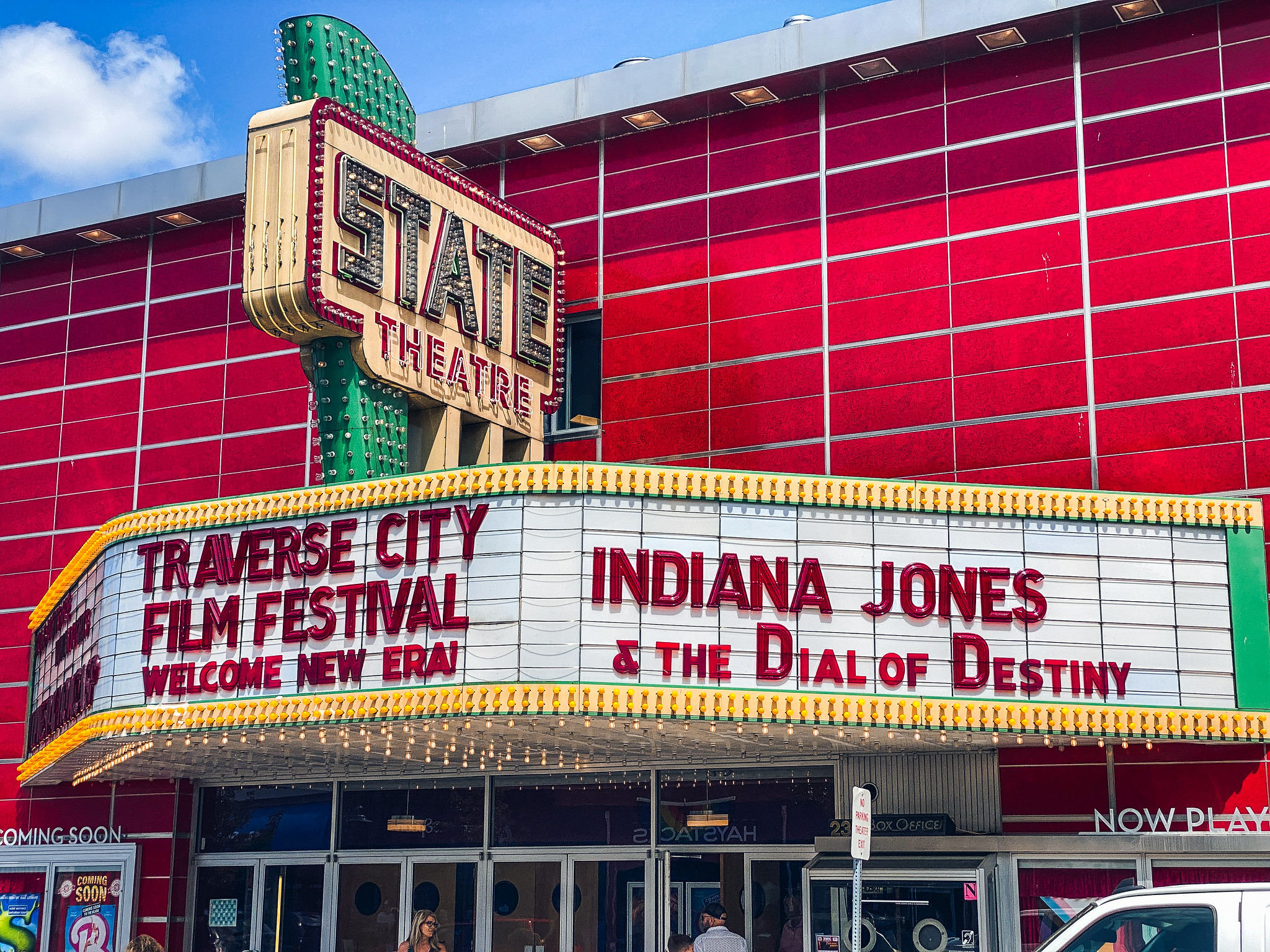
Steven Spielberg’s original Indiana Jones trilogy delivered pure adventure entertainment that harkened back to old-fashioned serials while employing cutting-edge filmmaking techniques. Harrison Ford’s portrayal of the archaeology professor who moonlights as a treasure-hunting adventurer became instantly iconic, blending humor, charm, and physical toughness.
Raiders of the Lost Ark remains one of the most perfectly constructed action-adventure films ever made, while The Last Crusade added emotional depth by introducing Indy’s relationship with his father. Temple of Doom, though darker and more divisive, still delivers memorable set pieces and expands the world beyond Nazi antagonists.
The Dollars Trilogy
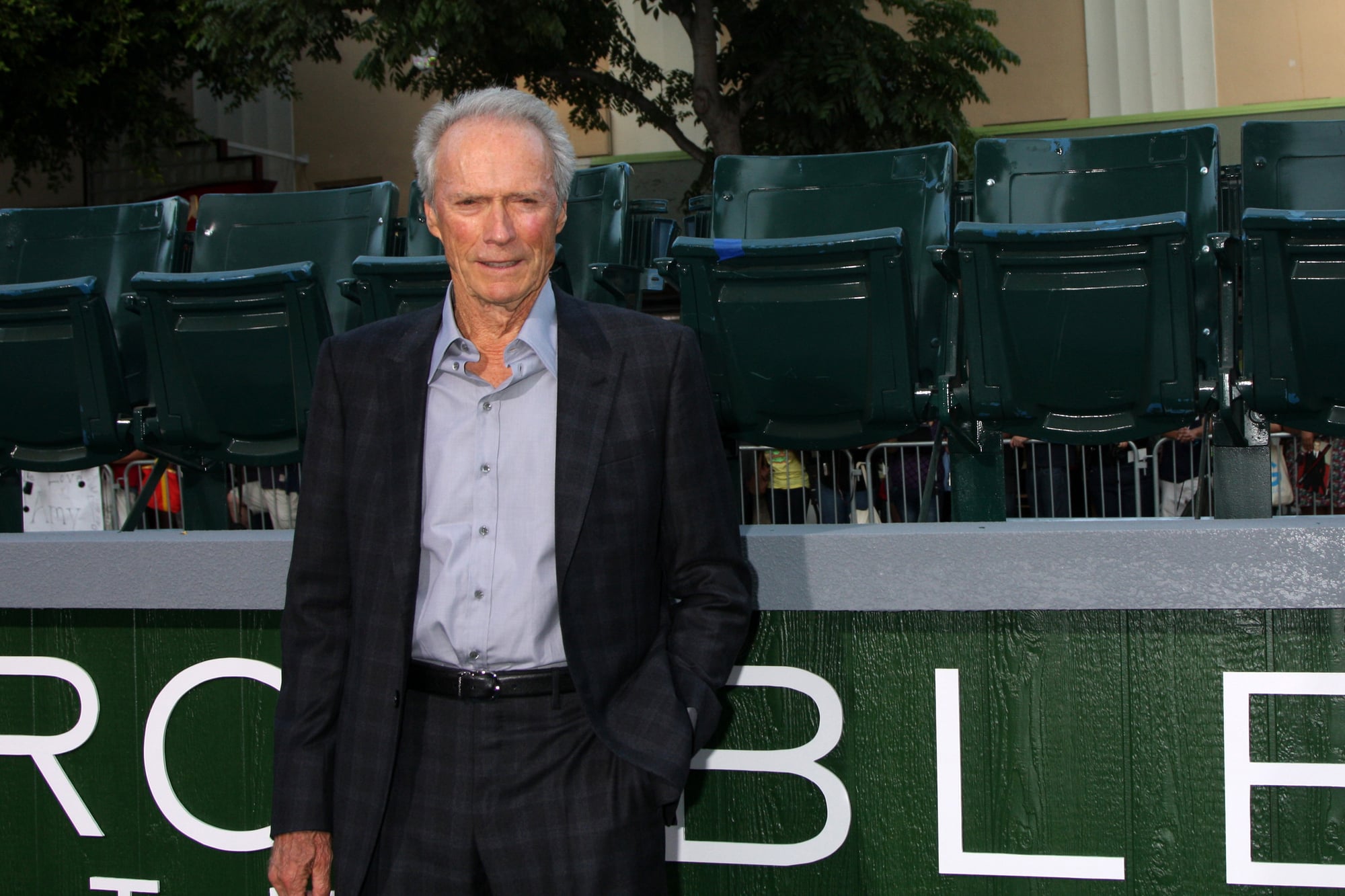
Sergio Leone’s westerns starring Clint Eastwood as the Man with No Name revolutionized the genre and created the Spaghetti Western style. These films brought a European sensibility to American western mythology, emphasizing style, atmosphere, and moral ambiguity over traditional heroics.
The Good, the Bad and the Ugly stands as one of the greatest films ever made, period, with its iconic score, stunning cinematography, and masterful tension-building. Leone showed that westerns could be operatic, philosophical, and visually stunning while still delivering the gunfights and showdowns audiences expected.
Toy Story
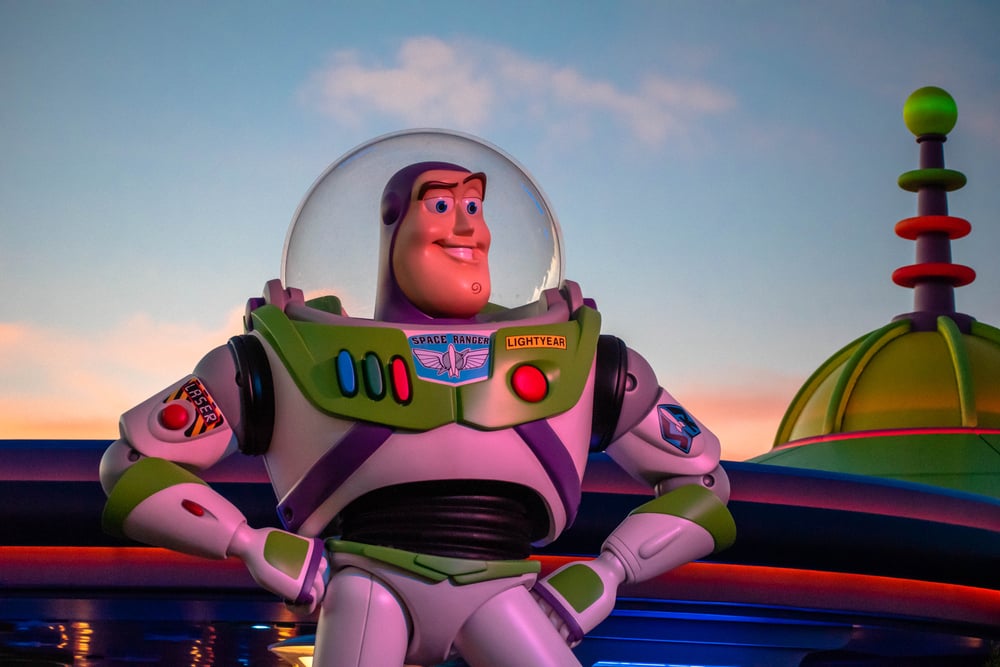
Pixar’s Toy Story trilogy might be the most emotionally devastating set of children’s films ever created. The first film revolutionized animation as the first full-length computer-generated movie and introduced characters that became cultural touchstones.
What makes this trilogy special is how it grew up alongside the audience that first fell in love with Woody and Buzz in 1995. By the time Toy Story 3 arrived in 2010, those children were young adults facing their own transitions, making Andy’s farewell to his toys an almost unbearably poignant reflection of leaving childhood behind.
Back to the Future
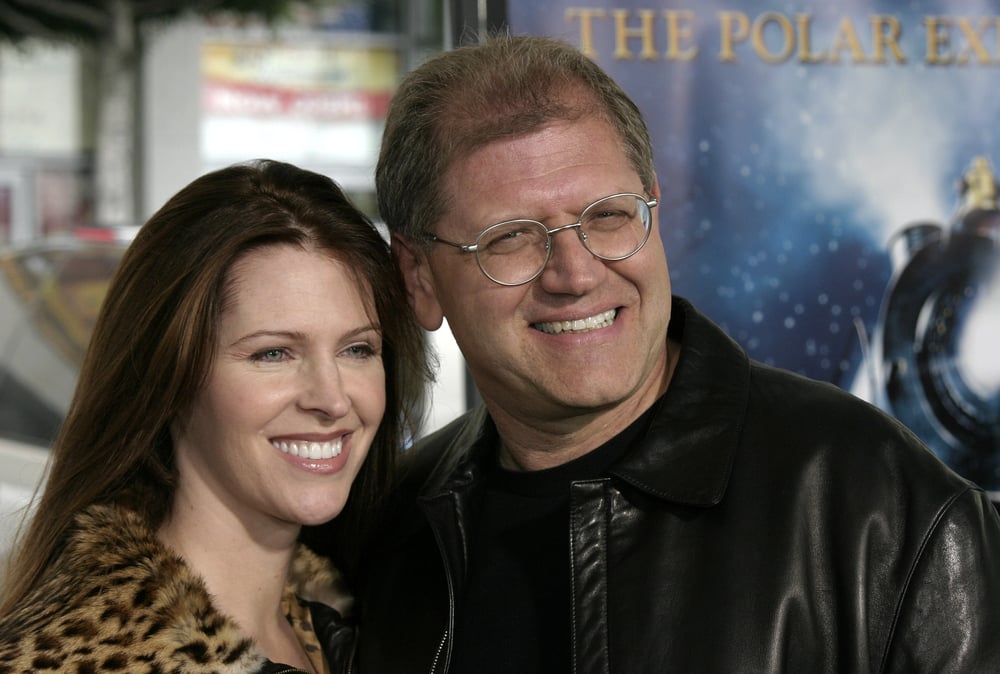
Robert Zemeckis crafted one of the most entertaining sci-fi trilogies ever with these time-traveling adventures featuring Marty McFly and Doc Brown. The first film is essentially perfect in its construction, using time travel to explore identity, family, and destiny with humor and heart.
While the sequels don’t quite reach those heights, they expand the concept creatively, with Part II exploring alternate timelines and Part III taking the action to the Old West. Michael J. Fox and Christopher Lloyd’s chemistry anchors the entire trilogy, making even the most absurd plot developments feel emotionally grounded.
The Dark Knight
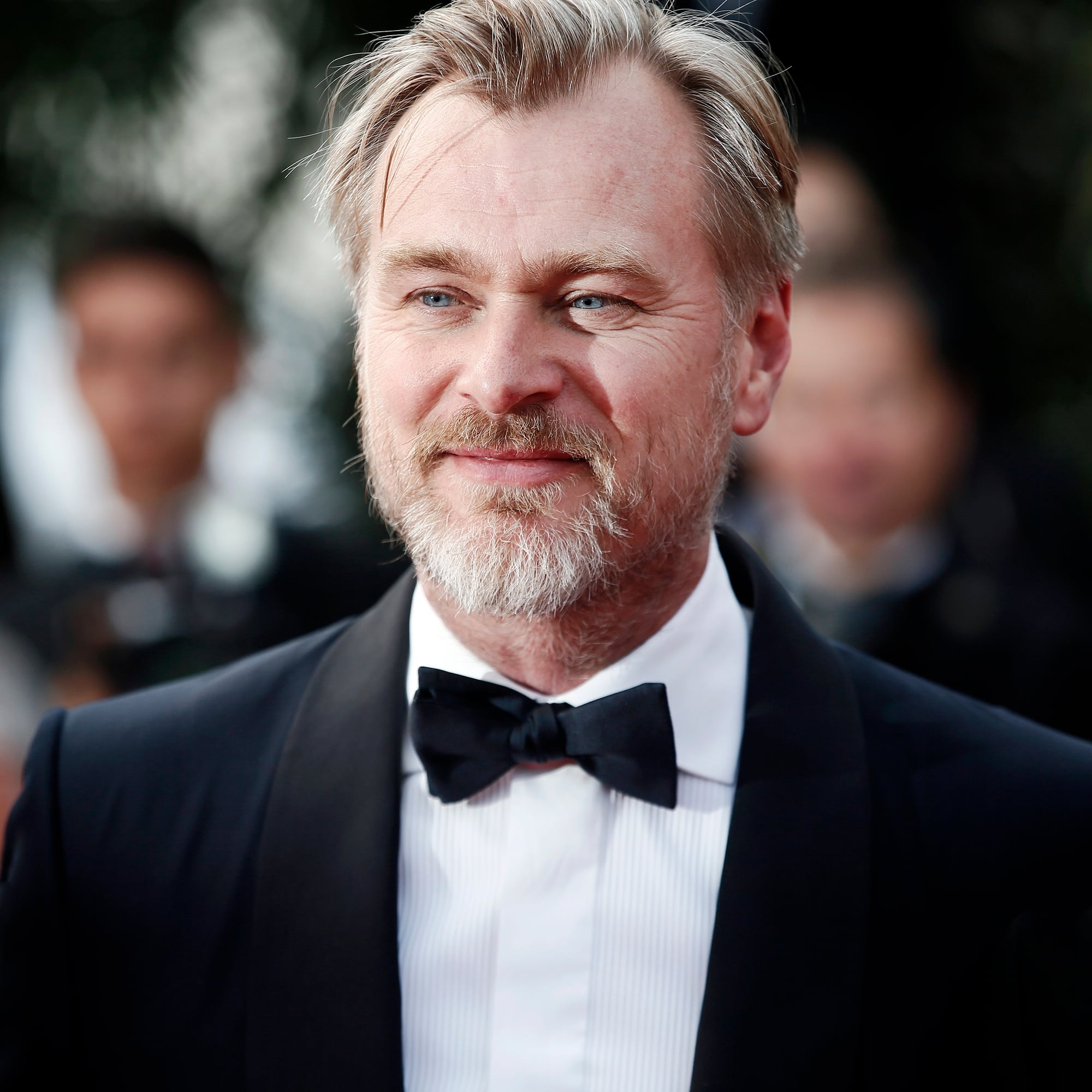
Christopher Nolan’s Batman trilogy elevated superhero cinema to new heights of ambition and seriousness, proving these stories could tackle complex themes without losing their entertainment value. Batman Begins presented Bruce Wayne’s origin with psychological depth rarely seen in comic book adaptations.
The Dark Knight stands as one of the greatest crime films ever made, transcending its genre with Heath Ledger’s Oscar-winning performance as the Joker and its exploration of chaos versus order. The Dark Knight Rises concluded the saga with an epic scope that brought Bruce Wayne’s journey full circle, even if it couldn’t quite match its predecessor’s brilliance.
Star Wars (Original Trilogy)
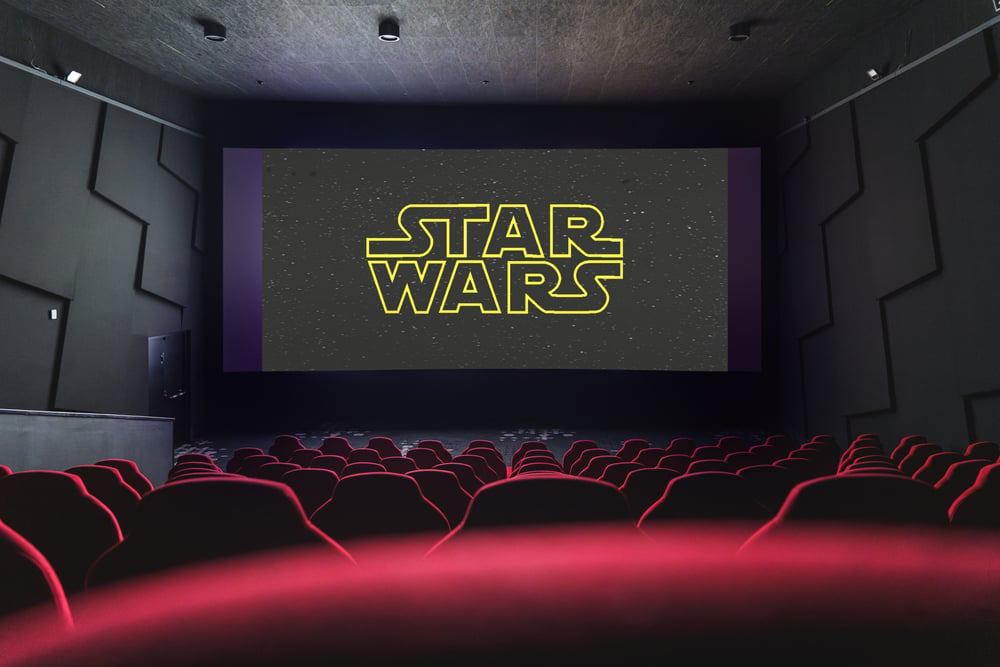
George Lucas’s original Star Wars trilogy changed cinema forever and created a pop culture phenomenon that endures nearly 50 years later. A New Hope introduced audiences to a galaxy far, far away with archetypal characters, groundbreaking special effects, and a hero’s journey that felt both timeless and fresh.
The Empire Strikes Back deepened the mythology with shocking revelations and a darker tone that many consider the trilogy’s high point. Return of the Jedi brought the saga to a satisfying conclusion despite some tonal inconsistencies, cementing Star Wars as a multigenerational cultural touchstone.
The Godfather
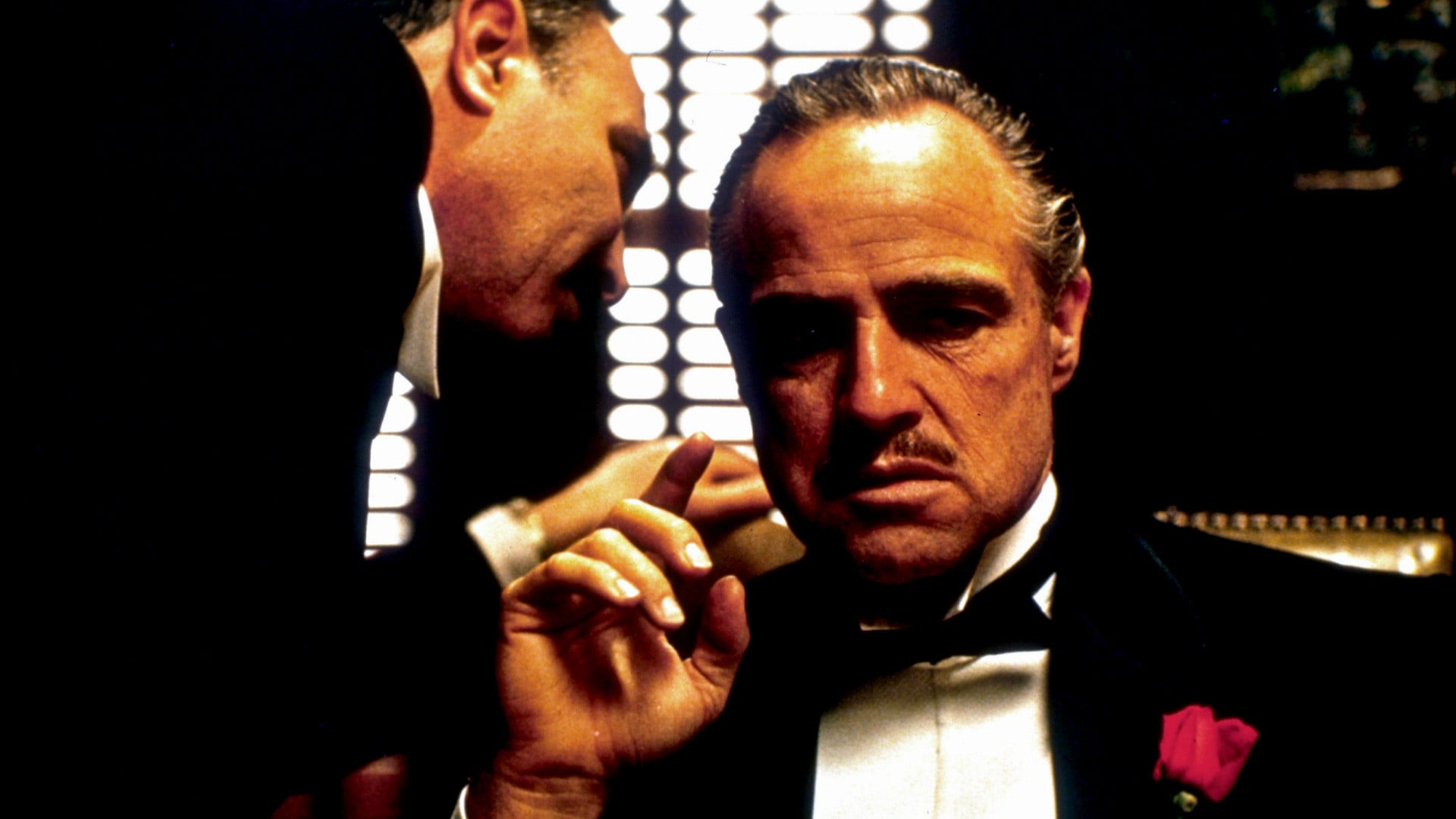
Francis Ford Coppola’s Godfather trilogy stands as one of cinema’s greatest achievements, even if the third installment doesn’t quite match its predecessors. The first two films are frequently cited among the best movies ever made, telling the multigenerational story of the Corleone crime family with operatic grandeur and intimate character detail.
Marlon Brando and Al Pacino delivered career-defining performances as Vito and Michael Corleone, embodying the American Dream’s dark underside. Part III, arriving 16 years after Part II, serves as a thoughtful coda exploring Michael’s attempts at redemption, even if it couldn’t recapture the first two films’ magic.
Lord of the Rings
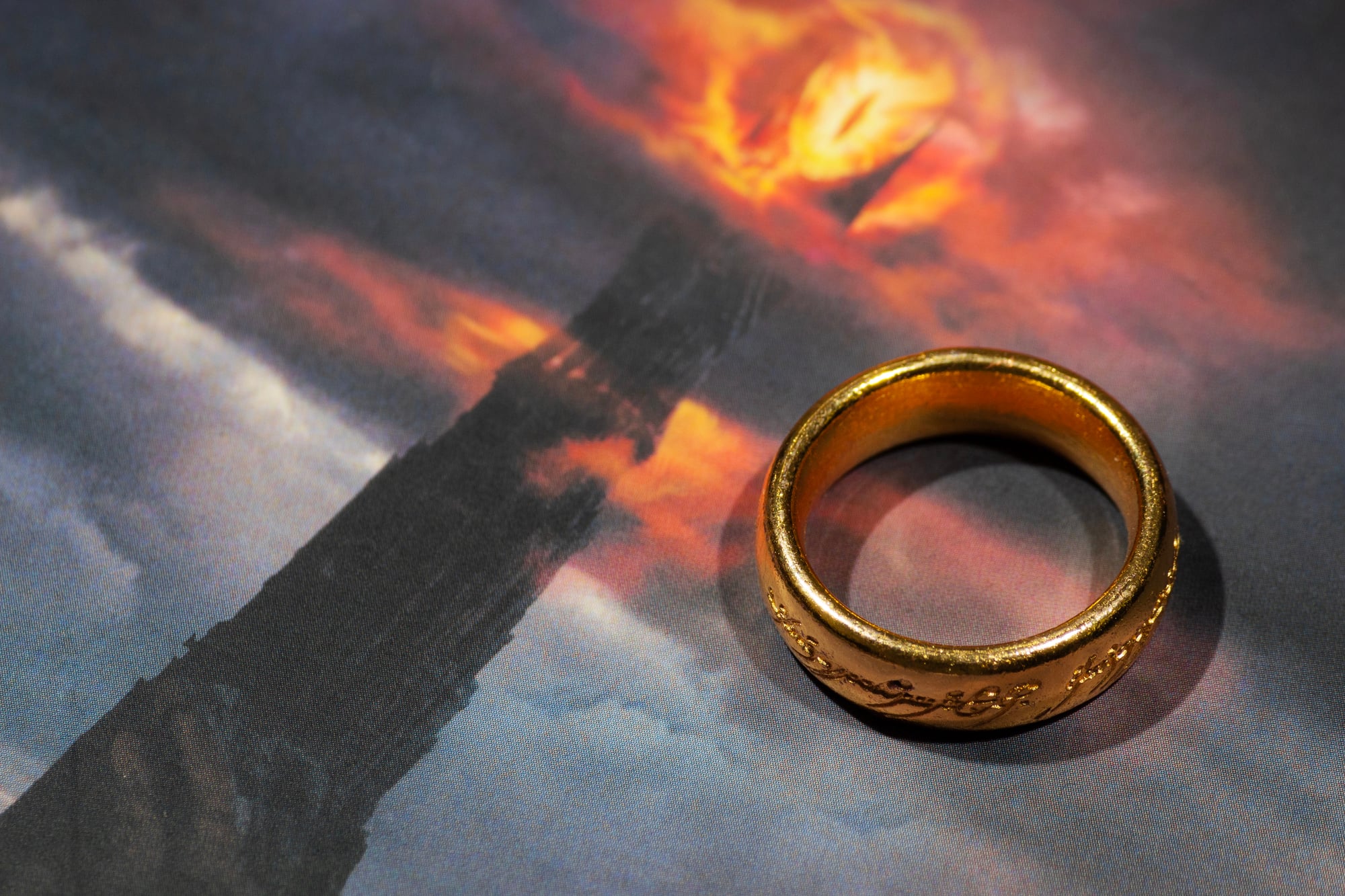
Peter Jackson’s adaptation of J.R.R. Tolkien’s fantasy epic represents a landmark achievement in filmmaking ambition and execution. Filming all three movies simultaneously was an unprecedented gamble that paid off spectacularly, creating a cohesive vision across nearly 10 hours of storytelling.
These films set a new standard for fantasy cinema with their combination of practical effects, groundbreaking CGI, authentic production design, and Howard Shore’s magnificent score. The ensemble cast brought Middle-earth to life with performances that balanced the epic stakes with genuine emotional resonance, making these films work as both spectacular blockbusters and deeply human stories about friendship, sacrifice, and corrupting power.
The Full Circle

Movie trilogies represent filmmaking at its most ambitious, requiring sustained creative vision across years of production and the ability to maintain quality while expanding scope. The greatest trilogies on this list share common traits: strong thematic coherence, compelling character arcs that justify multiple films, and the ability to balance individual film quality with overall trilogy satisfaction.
Whether through groundbreaking technical innovation, genre-defining storytelling, or pure emotional resonance, these 16 trilogies have earned their place in cinema history. They remind us that sometimes the best stories need room to breathe across three films, allowing characters to grow and themes to develop in ways that leave lasting impacts long after the credits roll.
More from Go2Tutors!

- The Romanov Crown Jewels and Their Tragic Fate
- 17 Halloween Costumes Once Considered Taboo
- Famous Hoaxes That Fooled the World for Years
- 15 Child Stars with Tragic Adult Lives
- 16 Famous Jewelry Pieces in History
Like Go2Tutors’s content? Follow us on MSN.



