Haute Couture Gowns Worth More Than Houses
The median home price in the United States sits around $410,000 these days.
That’s a substantial sum for most people.
It represents decades of savings and careful financial planning.
Now imagine a single dress costing seventy times that amount.
Not a typo.
Not a fantasy.
These gowns exist.
They’ve been worn, displayed, and coveted by people who view fashion as something beyond mere clothing.
When a gown costs more than a mansion in Malibu, it stops being about keeping warm or looking presentable.
It becomes art.
Investment.
A cultural statement all stitched into one impossibly expensive package.
The Nightingale of Kuala Lumpur
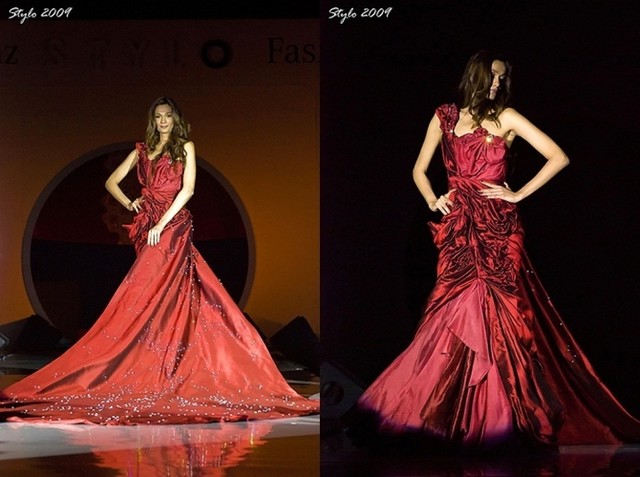
Malaysian designer Faisal Abdullah created what remains the world’s most expensive dress, valued at $30 million.
The crimson silk and satin gown contains over 750 diamonds totaling more than 1,000 carats.
Its centerpiece is a 70-carat pear-cut Belgian diamond.
Released in 2009 and crafted by jeweler Mouawad, this isn’t a dress you wear to make a statement.
It is the statement.
Inspired by a poem titled ‘The Rose and the Nightingale’ by the Persian poet Hafiz, the gown was unveiled at the STYLO Fashion Grand Prix in Kuala Lumpur.
The train alone sparkles with enough diamonds to fund a comfortable retirement.
Diamond Wedding Gown
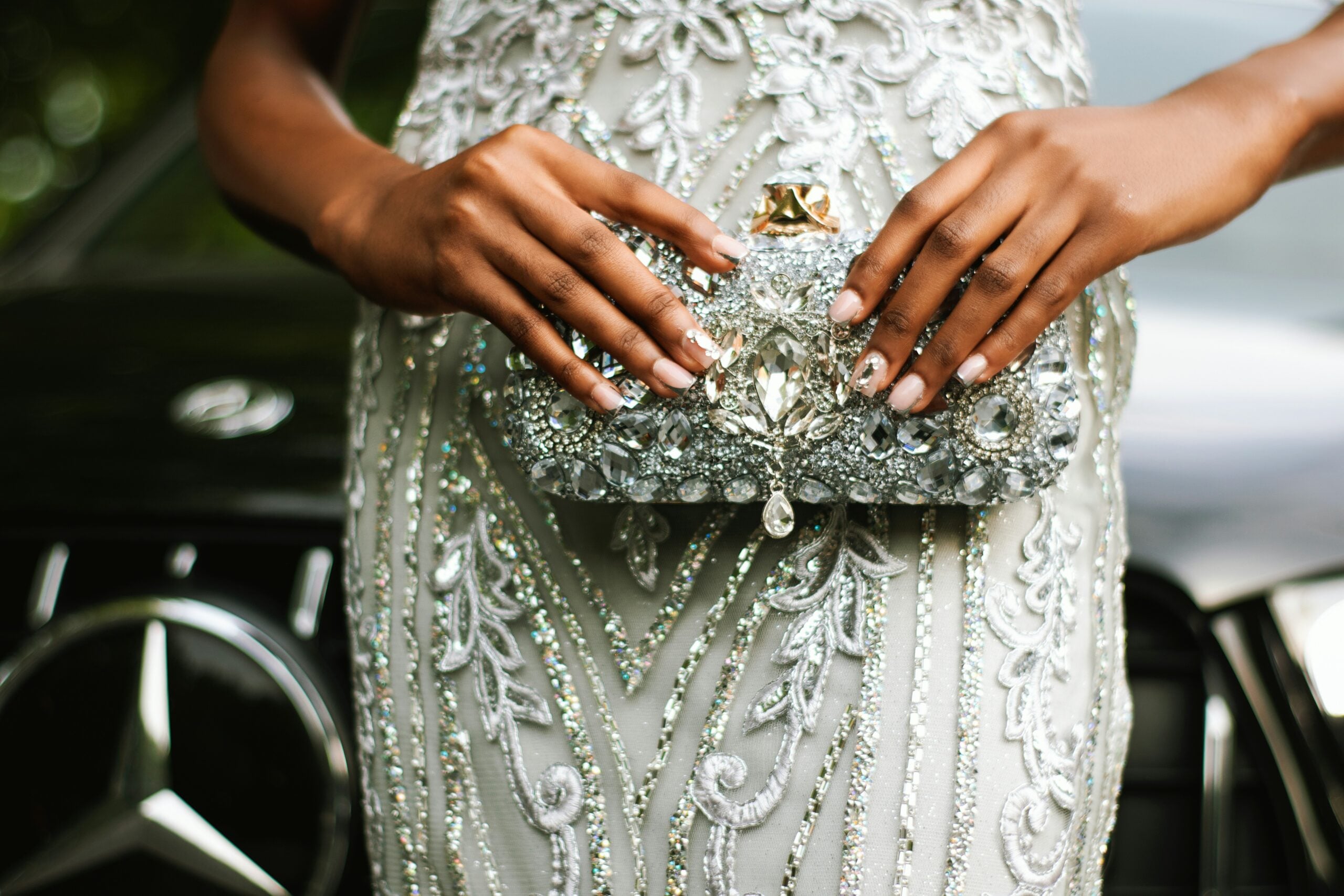
Designer Renee Strauss and master jeweler Martin Katz joined forces in 2006 to create a bridal gown featuring 150 carats of diamonds.
It had a price tag of $16.2 million.
The dress was presented at the Ritz-Carlton in California to onlookers who were no doubt astounded.
When two legends in their respective fields collaborate, the result is usually memorable.
When those fields are haute couture and fine jewelry, the result is something that requires armed security.
Red Diamond Abaya
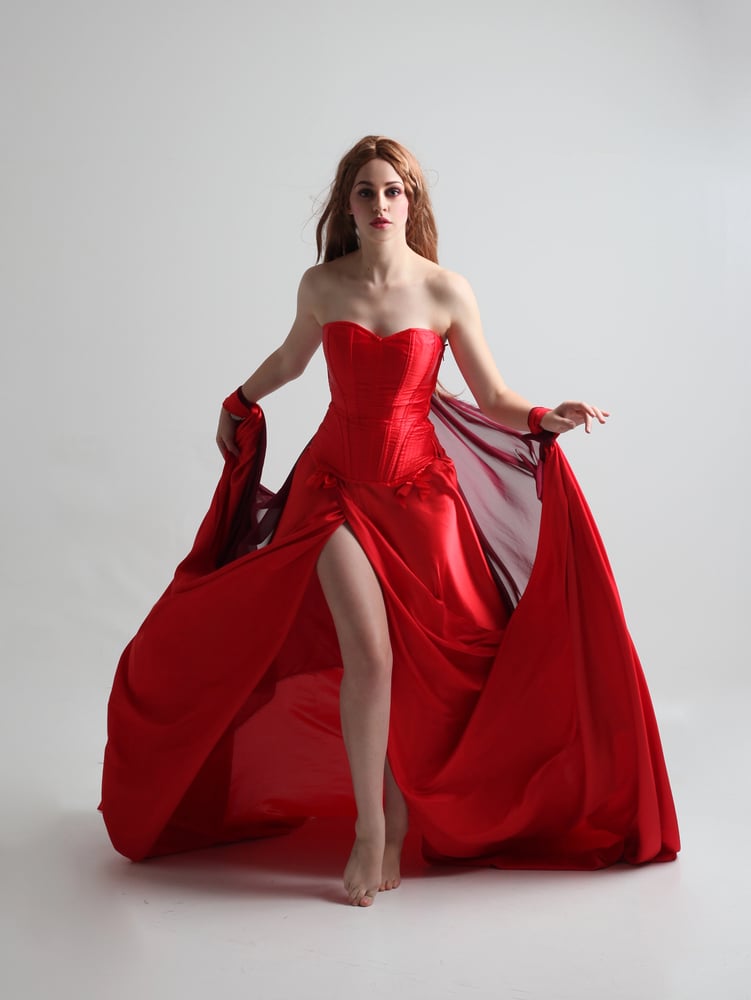
British designer Debbie Wingham created an abaya valued at $16 million.
It was adorned with 2,000 stones including a rare $7.4 million red diamond at its center.
The piece features 50 two-carat white diamonds, 50 two-carat black diamonds, and 1,899 pointer diamonds.
All were set in platinum with nearly 200,000 hand-stitches using 14-carat white gold thread.
Unveiled at the Raffles Hotel in Dubai in 2013, this masterpiece transcends traditional abayas.
Red diamonds are among the rarest gemstones on Earth.
Finding one of significant size is so uncommon that most jewelers go their entire careers without handling one.
Wingham’s decision to center an entire garment around such a stone was audacious.
Hany El Behairy’s Wedding Masterpiece
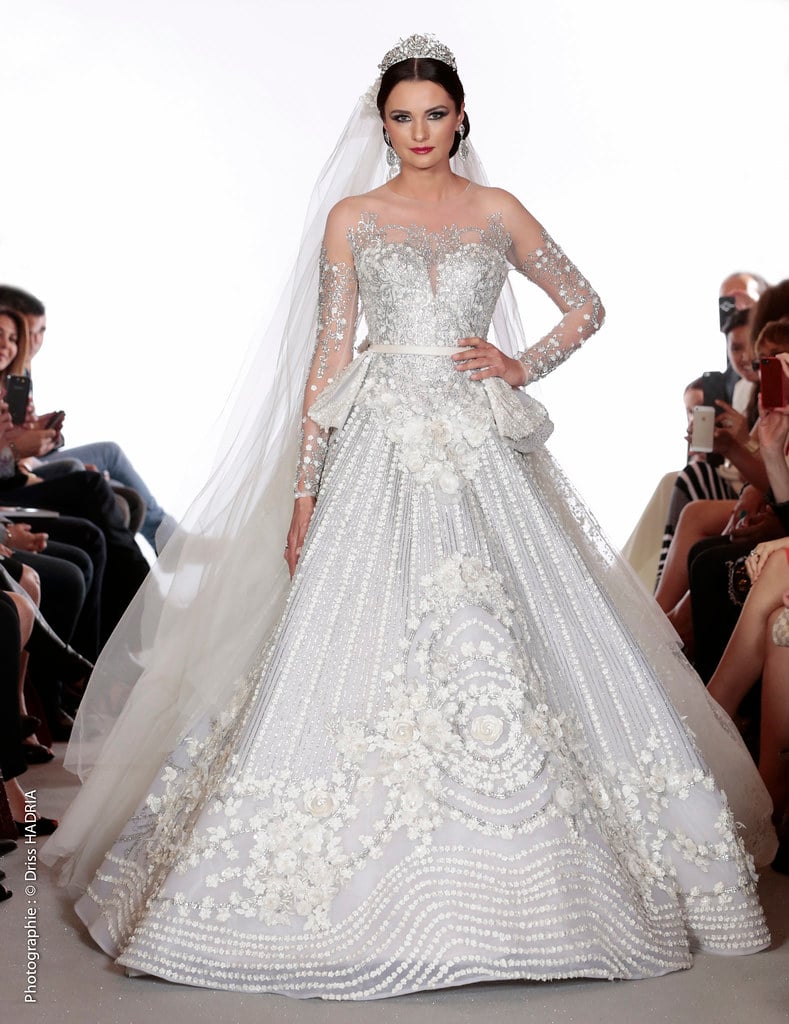
Egyptian designer Hany El Behairy debuted a $15 million wedding dress at Paris Haute Couture Week 2020.
It closed his 100th fashion show.
The gown featured a star-patterned veil and intricate detailing with over 120 carats of diamonds from Sarana Diamond Jewelry.
More than 800 hours were required to complete it.
A hundred runway shows is an achievement worth celebrating.
Doing it with a fifteen-million-dollar dress is the fashion equivalent of dropping the mic.
The star-patterned veil wasn’t just decorative.
It was an engineering challenge, requiring diamonds to be placed in precise patterns while maintaining a delicate drape.
Eight hundred hours translates to roughly one hundred forty-eight days if someone worked around the clock without sleep.
Queen Letizia’s Royal Elegance
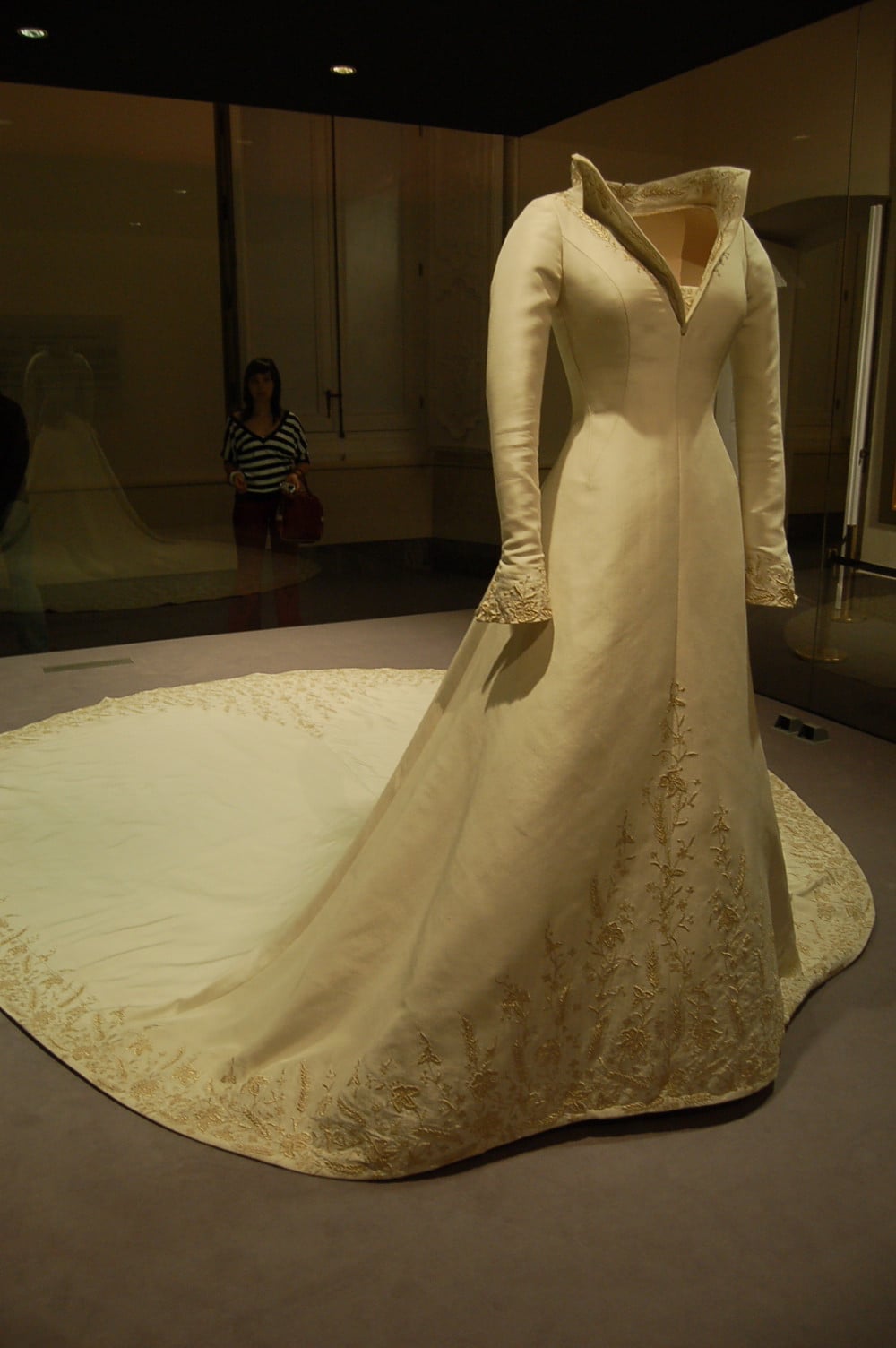
The dress worn by Queen Letizia of Spain when she married King Felipe VI in 2004 represented elegance and royal tradition.
It was valued at $10.7 million.
Designed by Manuel Pertegaz using ivory silk material and embroidered with hand-sewn gold embellishments, it combined heritage and royalty with flawless Spanish tailoring.
Royal weddings have always been spectacles, but this took things to another level entirely.
The use of hand-sewn gold embroidery is a technique that dates back centuries.
It requires a steady hand, perfect eyesight, and the kind of patience most people reserve for things like defusing explosives.
Each stitch had to be perfect because this wasn’t just any wedding dress.
It was a dress that would be photographed, analyzed, and remembered for generations.
The silk was selected for how it caught light, how it moved, and how it would age over decades of careful preservation.
At ten million dollars, this dress could purchase twenty-six homes at the median U.S. price.
Yumi Katsura’s White Gold Creation
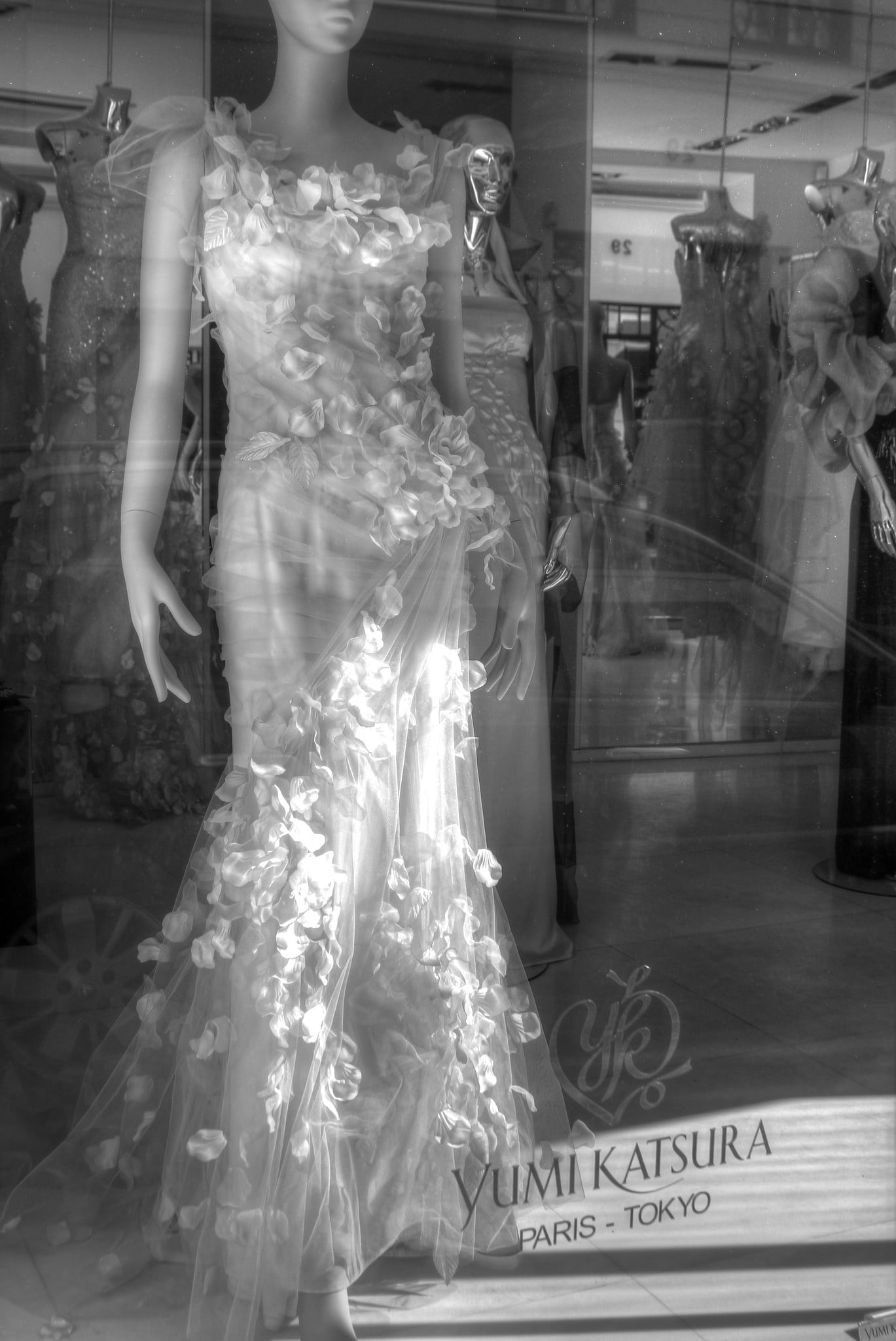
Japanese designer Yumi Katsura created a white gold dress worth $8.5 million.
It featured 1,000 pearls and a precious 5-carat white gold diamond, along with an extremely rare 8.8-carat green diamond.
Crafted from opulent silk and satin adorned with intricate rose designs, this one-of-a-kind gown’s exorbitant price was attributed to the finest materials.
It also included premium pearls intricately sewn into the fabric.
Green diamonds are exceptionally rare.
They get their color from radiation exposure over millions of years.
Finding one of nearly nine carats is practically miraculous.
Katsura’s design featured delicate floral motifs with elegantly done embroidery and lacework, creating an essence of timelessness.
The thousand pearls weren’t identical.
Each one was selected individually for size, luster, and how it would complement its neighbors.
This level of attention to detail separates haute couture from merely expensive clothing.
At $8.5 million, this gown equals roughly twenty-one median-priced American homes.
The Peacock Feather Spectacle
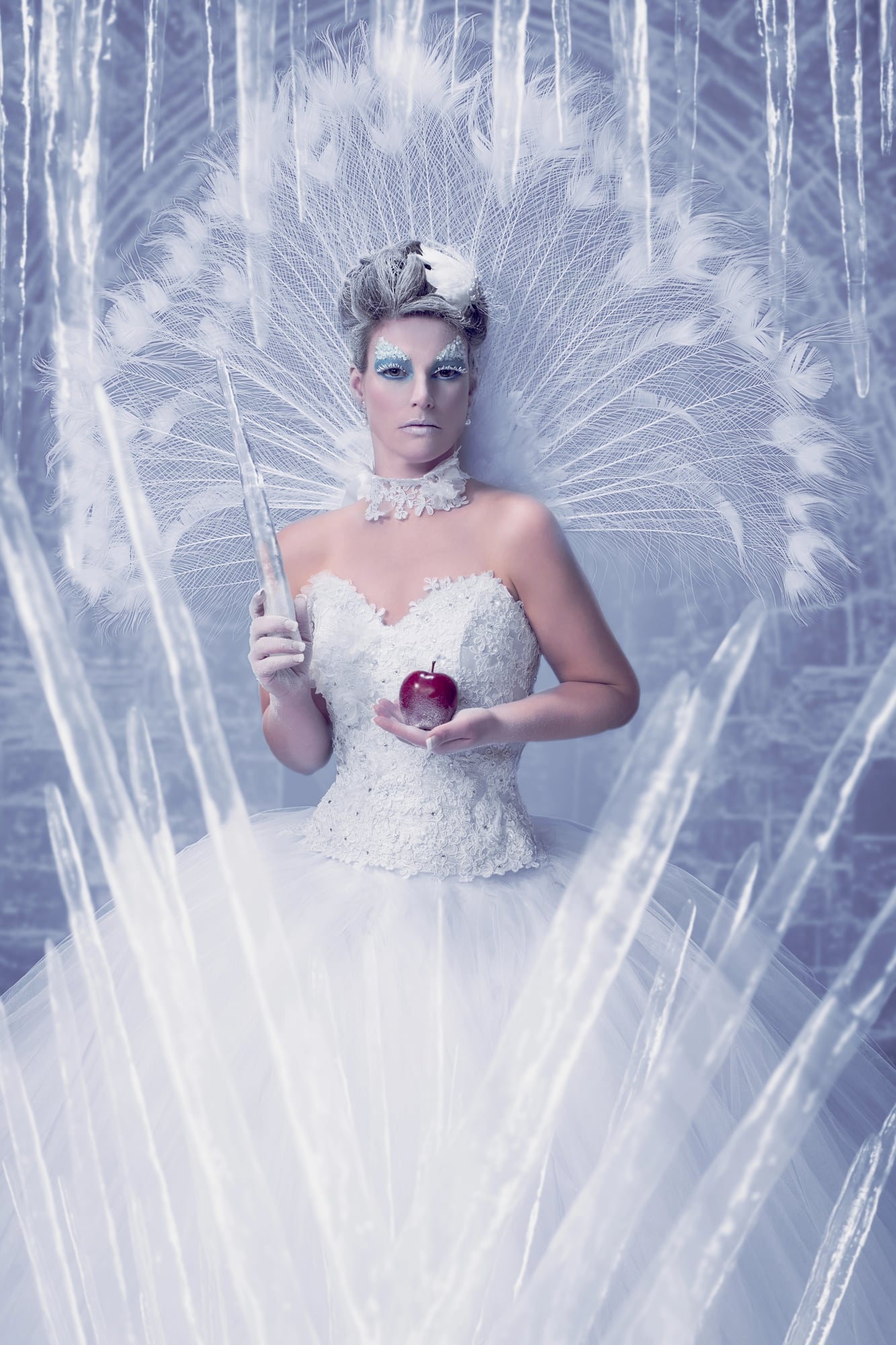
Unveiled at Nanjing’s wedding expo, an extraordinary gown valued at $2 million featured 2,009 peacock feathers, 18-carat gold, and large diamonds.
Crafted in just two months, the dress showcased the meticulous work of eight artisans who intricately sewed on the feathers, jewels, and embellishments.
Two months might sound like a long time until you realize eight people worked full-time on a single dress.
Peacock feathers are notoriously difficult to work with.
They’re delicate, each one slightly different, and they need to be arranged in a way that looks natural rather than forced.
The addition of gold and diamonds meant the dress had significant weight, which affected how the feathers hung and moved.
This masterpiece not only shattered the confines of traditional bridal wear but also claimed its place among the world’s most expensive dresses.
At two million dollars, it costs roughly five times the median American home price.
Why These Prices Make Sense
The sticker shock is understandable.
Most people will never see this kind of wealth concentrated in a single garment.
These dresses aren’t meant for most people.
They’re commissioned by individuals for whom money operates on a completely different scale.
Someone who can afford a thirty-million-dollar dress isn’t choosing between this and a nice house.
They’re choosing between this and a slightly less extraordinary dress.
Or perhaps a yacht.
Or maybe just adding it to their collection because they can.
The materials alone justify a significant portion of these prices.
A 70-carat diamond is worth millions regardless of whether it’s set in a ring or a dress.
The hundreds of hours of specialized labor add more.
These aren’t garments that can be mass-produced or delegated to inexperienced hands.
Every person who touches these dresses during creation is at the top of their profession.
That expertise comes at a premium.
There’s also the matter of exclusivity.
While replicas exist, the original masterpieces remain unparalleled and sought after by affluent brides worldwide.
Owning one of these gowns means owning something that simply cannot be duplicated, no matter how much money someone else might spend.
The original Nightingale of Kuala Lumpur will always be the original, worn at that specific moment, carrying that specific history.
More Than Fabric and Thread
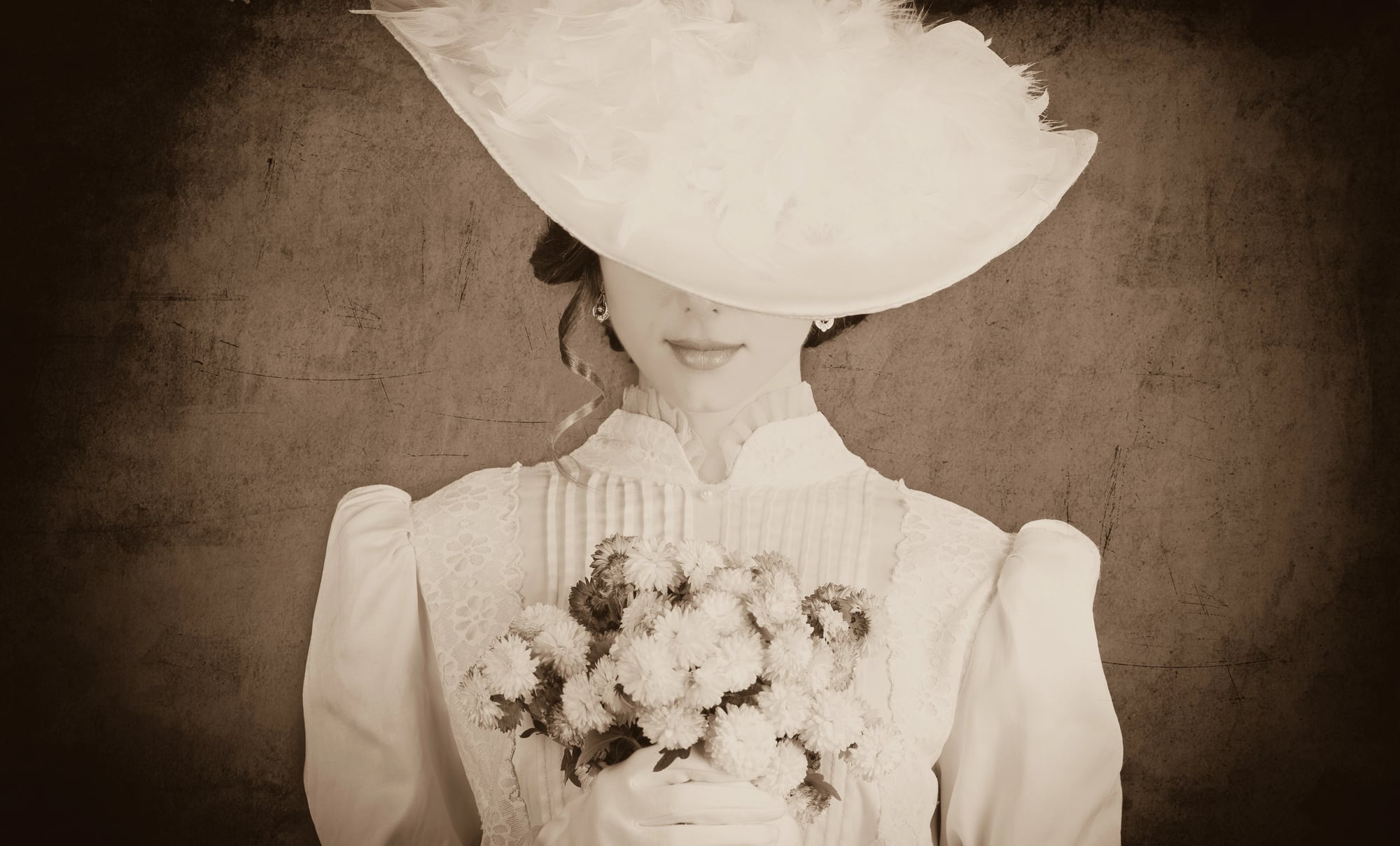
These dresses represent something beyond their component parts.
They’re statements about what human skill can achieve when freed from budget constraints.
They’re proof that some people still value craftsmanship so highly that they’ll pay extraordinary sums for it.
What truly elevates these dresses beyond their surface value is their stories and impact on fashion history.
Rare materials contribute to high price tags.
The inspiration behind each design and their lasting influence make them invaluable masterpieces of couture.
Jennifer Lawrence’s $4 million Christian Dior gown at the 2013 Oscars gained extra attention when she tripped while ascending the stage.
That moment highlighted both the gown’s grandeur and Lawrence’s grace.
That stumble became part of fashion history, forever linking that dress to that specific Oscar moment.
You can’t buy that kind of cultural resonance.
It just happens.
When it does, it adds another layer of meaning to an already extraordinary garment.
The prices also reflect investment potential.
High-end fashion has increasingly become an asset class.
Marilyn Monroe’s ivory pleated dress from ‘The Seven Year Itch’ was auctioned for $4.8 million in 2016.
Audrey Hepburn’s Givenchy dress from ‘Breakfast at Tiffany’s’ sold for almost $1 million at Christie’s New York.
These weren’t even the most expensive dresses when they were created.
They became valuable because of who wore them and when.
Today’s multi-million-dollar couture gowns are tomorrow’s museum pieces.
Where Fashion Meets Fortune
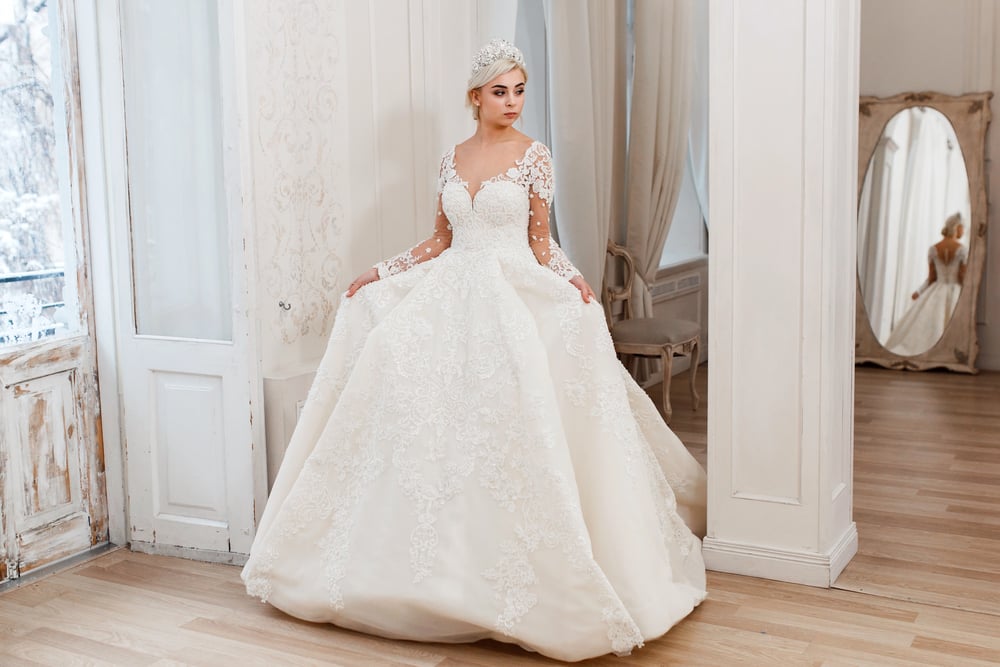
The gap between everyday fashion and haute couture has never been wider.
The median home sales price in the United States is $410,800 as of the second quarter of 2025.
The average home sales price is $512,800.
A $30 million dress costs more than fifty-eight median-priced homes.
It costs more than entire apartment buildings in some U.S. cities.
It costs more than what most people will earn in their entire lifetimes.
West Virginia has the cheapest houses in the country, with an average price of $146,578.
The Nightingale of Kuala Lumpur costs more than two hundred West Virginia homes.
Hawaii has the highest average house price in the United States at $840,256.
That same dress costs more than thirty-five Hawaiian homes.
No matter how you slice it, these are prices that seem to exist in their own reality.
Yet they keep selling.
Designers keep creating them.
Wealthy clients keep commissioning them.
The market for ultra-luxury fashion isn’t shrinking.
It’s expanding as wealth becomes increasingly concentrated at the very top.
For every person who gasps at a sixteen-million-dollar wedding dress, there’s someone else thinking about how it would look in their closet.
What Lasts Beyond the Price Tag
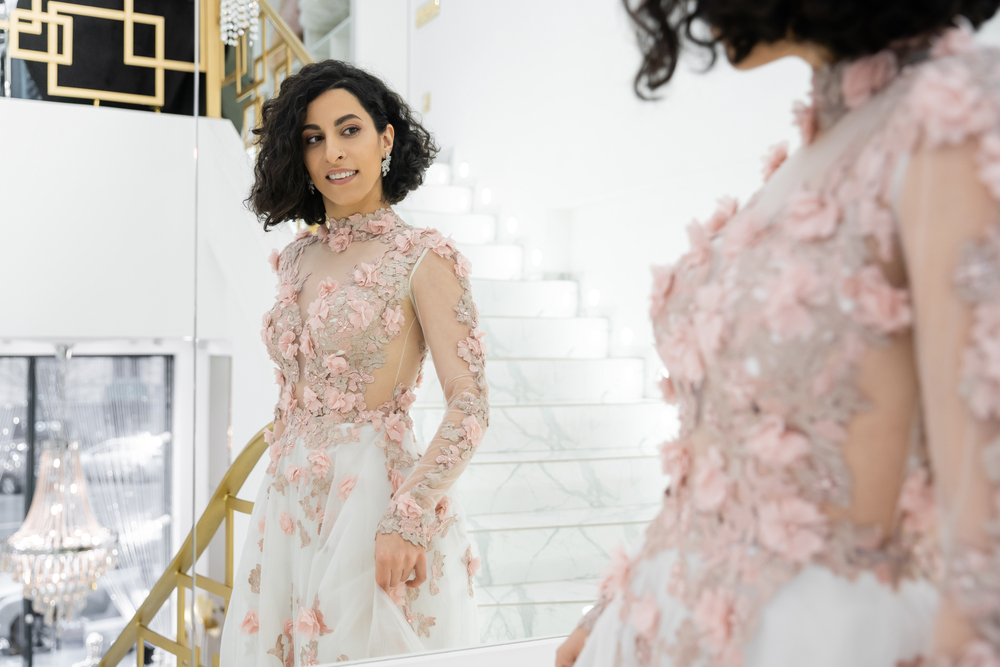
These gowns will outlive their owners.
They’ll end up in museums, private collections, or auction houses where future generations will marvel at them.
The diamonds will retain their value.
The craftsmanship will be studied by design students.
The stories will be retold.
In that sense, the prices become almost irrelevant.
What matters is what these dresses represent about human creativity and the lengths we’ll go to create beauty.
Fashion has always been about more than necessity.
These haute couture masterpieces take that principle to its logical extreme.
They prove that when artistry, rare materials, and unlimited budgets collide, the results are garments that transcend their original purpose.
They stop being clothes and become artifacts.
Not of a lost civilization, but of our current moment.
Some people have so much wealth that spending millions on a single dress seems not just reasonable, but almost obligatory.
Years from now, people will look at these creations and wonder what kind of world produced them.
The answer is this one.
A world where a dress can genuinely cost more than a house.
Somehow, that makes perfect sense.
More from Go2Tutors!

- The Romanov Crown Jewels and Their Tragic Fate
- 13 Historical Mysteries That Science Still Can’t Solve
- Famous Hoaxes That Fooled the World for Years
- 15 Child Stars with Tragic Adult Lives
- 16 Famous Jewelry Pieces in History
Like Go2Tutors’s content? Follow us on MSN.