Heaviest Objects Moved By Humans
Moving heavy things has always fascinated people. There’s something about the sheer audacity of it—taking something that weighs thousands or even millions of pounds and making it go from one place to another.
Throughout history, humans have pulled off some truly staggering feats of engineering and determination. Some of these moves happened thousands of years ago with nothing but ropes and human muscle.
Others used the most advanced technology available today.
The Great Pyramid Blocks
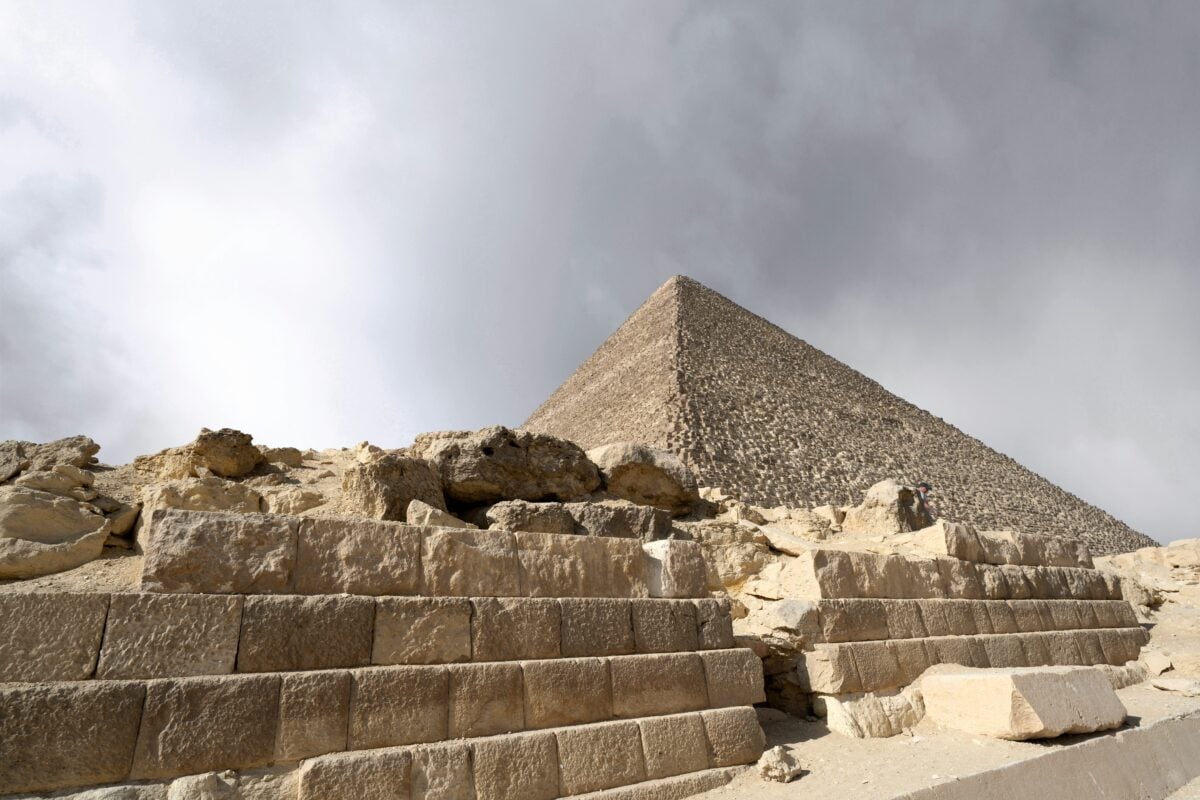
The ancient Egyptians moved limestone blocks weighing up to 80 tons each to build the Great Pyramid of Giza. They didn’t have cranes or trucks.
Instead, they used sledges, ramps, and massive teams of workers. The total weight of the pyramid is around 6 million tons, all moved piece by piece.
Recent experiments show that wetting the sand in front of the sledges reduced friction dramatically. This simple trick made an impossible task merely backbreaking.
The blocks came from quarries miles away, floated down the Nile on barges during flood season, then dragged up ramps to their final positions.
Moai Statues on Easter Island

Easter Island’s giant stone heads weigh between 10 and 80 tons. The islanders carved them from volcanic rock, then somehow transported them across the island to their coastal positions.
The heaviest one that was successfully moved weighs about 82 tons. For decades, people debated how this happened.
The statues stood miles from the quarry where they were carved. Recent theories suggest the islanders “walked” them upright using ropes, rocking them side to side.
It sounds crazy, but experiments proved it works. You just need coordination and a lot of people pulling ropes.
The Thunderstone

This massive granite boulder became the pedestal for the Bronze Horseman statue in Saint Petersburg. It weighed over 1,500 tons when workers found it in a Finnish forest in 1768.
Moving it to the city became one of the greatest engineering challenges of the 18th century. Workers built a special platform with metal spheres that acted like primitive orb bearings.
They then dragged the stone nine miles to the coast, taking months. After loading it onto a barge, they floated it to Saint Petersburg.
The whole operation took two years and required hundreds of workers.
Troll A Platform
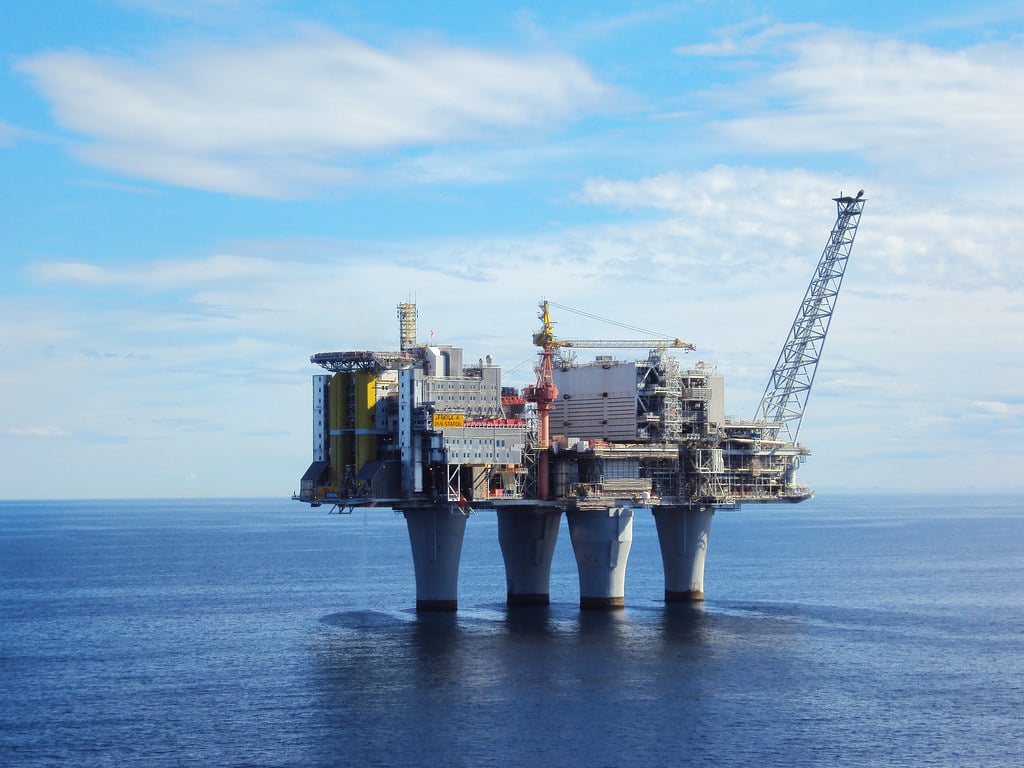
The Troll A natural gas platform off the coast of Norway holds the record for the heaviest object humans have ever moved. It weighs 1.2 million tons. The concrete structure stands taller than the Empire State Building when you include its underwater portions.
Engineers built it in a fjord, then towed it 200 miles to its offshore location in 1995. The journey took about seven days.
Getting something that heavy to float requires precise engineering. The platform sits on the ocean floor now, held down by its own weight.
Space Shuttle on the Crawler-Transporter
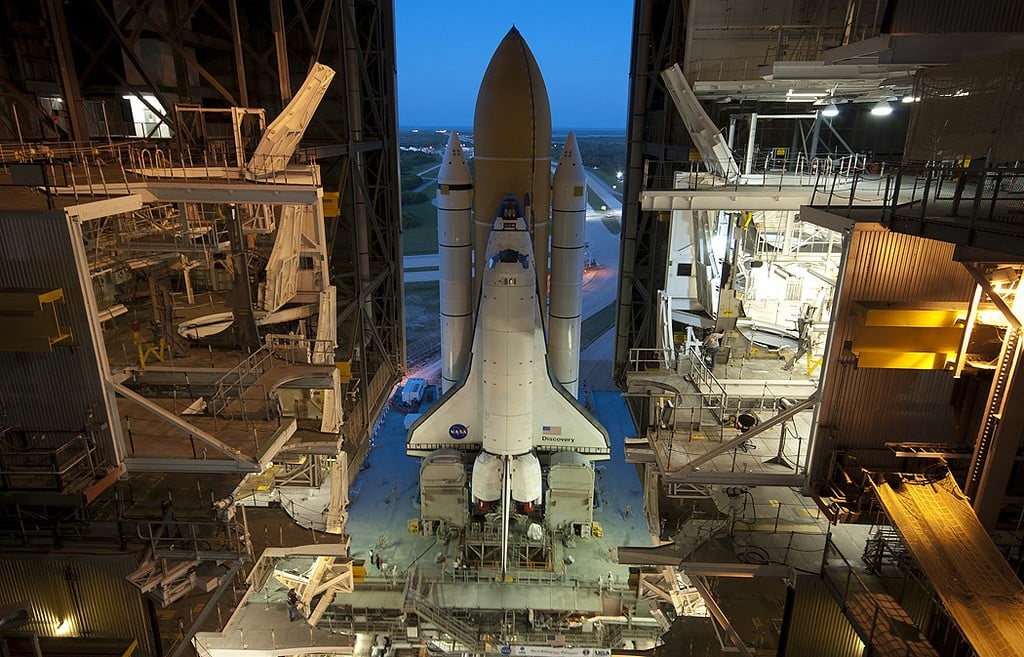
NASA’s crawler-transporter vehicles moved the Space Shuttle from the Vehicle Assembly Building to the launch pad. The entire mobile launch platform, shuttle, and crawler together weighed about 18 million pounds—around 9,000 tons.
The crawler moved at a top speed of one mile per hour when loaded. It took about six hours to cover the 3.4 miles to the launch pad. The machine itself weighs 6 million pounds empty and uses tank treads as big as a house.
Building Moves in San Francisco

In 1974, engineers moved an entire Victorian house in San Francisco weighing 5,200 tons. They jacked it up, put it on steel beams with wheels, and rolled it down the street to a new location.
The move took just seven hours. This wasn’t even the first time something like this happened in the city.
San Francisco has a long history of moving buildings rather than demolishing them. Some structures have been moved multiple times, rolling through the streets like parade floats.
The Statue of Liberty

The Statue of Liberty’s copper exterior weighs 225,000 pounds. The steel framework inside adds another 250,000 pounds.
Moving it from France to New York in 1885 required disassembling it into 350 pieces, packing them in 214 crates, and shipping them across the Atlantic.
Once in New York, workers had to reassemble every piece on Belliberty Island. The process took four months.
The torch alone weighs 450,000 pounds when you include its supporting framework. Every piece had to be lifted and fitted precisely to Gustave Eiffel’s original design.
Ancient Roman Columns

The Romans moved massive granite columns from Egypt to Rome for temples and monuments. Some of these columns weigh over 100 tons each.
They quarried them in Egypt, loaded them onto ships, sailed them across the Mediterranean, then transported them through Rome to building sites. The columns for the Pantheon are each 39 feet tall and weigh about 60 tons.
Getting them from the quarry to the building required multiple transfers between land and sea transport. The Romans developed specialized ships just for hauling these massive stone pieces.
The Bell of Good Luck
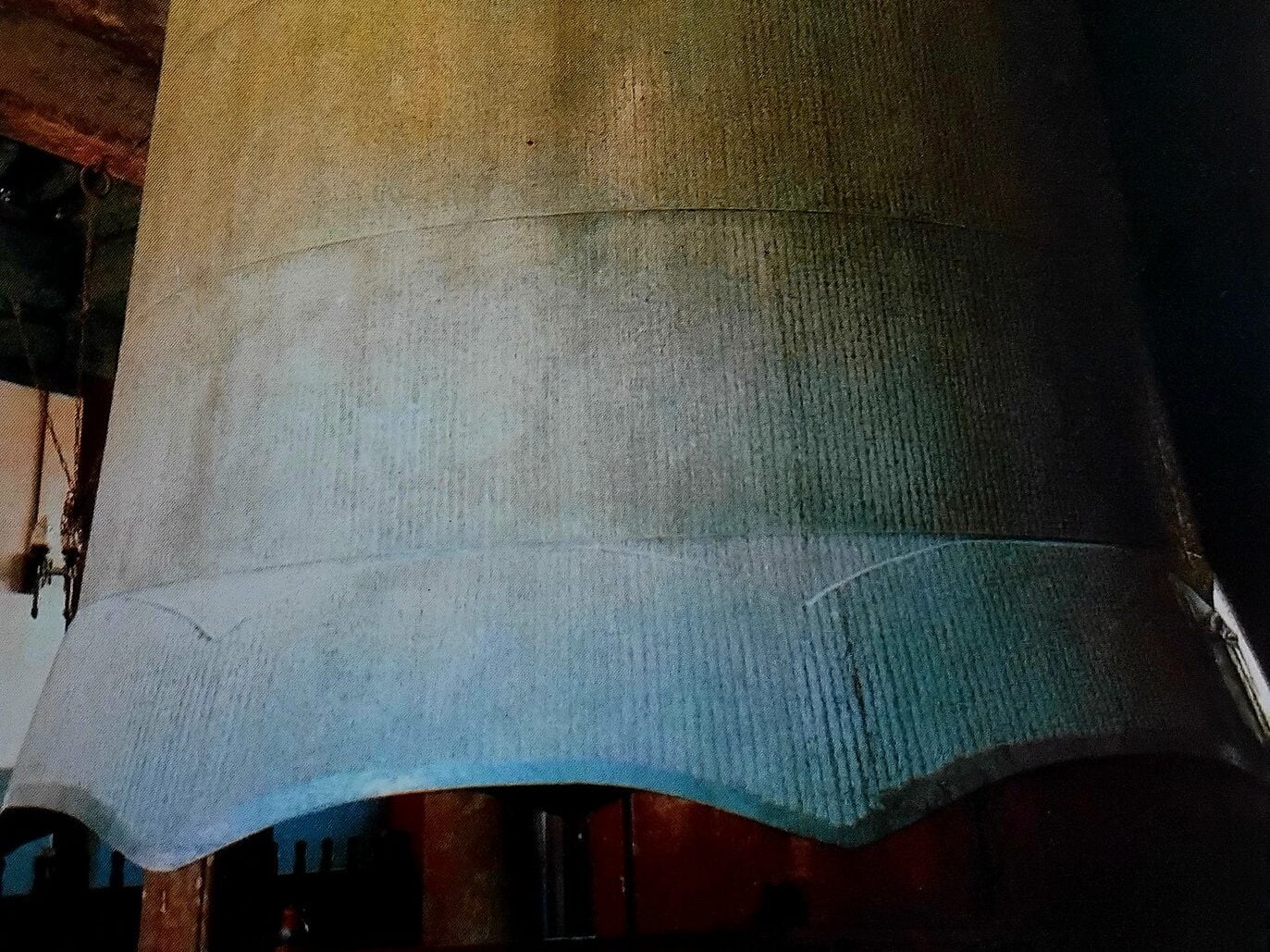
China’s Yongle Bell weighs 46.5 tons and was cast in 1420. Workers created it in a pit, then had to figure out how to move it to the bell tower.
They waited for winter, created an ice path, and slid it the entire distance. The bell is so heavy that the tower had to be specially reinforced to hold it.
The sound can travel over 30 miles on a clear night. Moving it required careful planning because one mistake would have destroyed months of work and wasted tons of bronze.
Large Ship Components
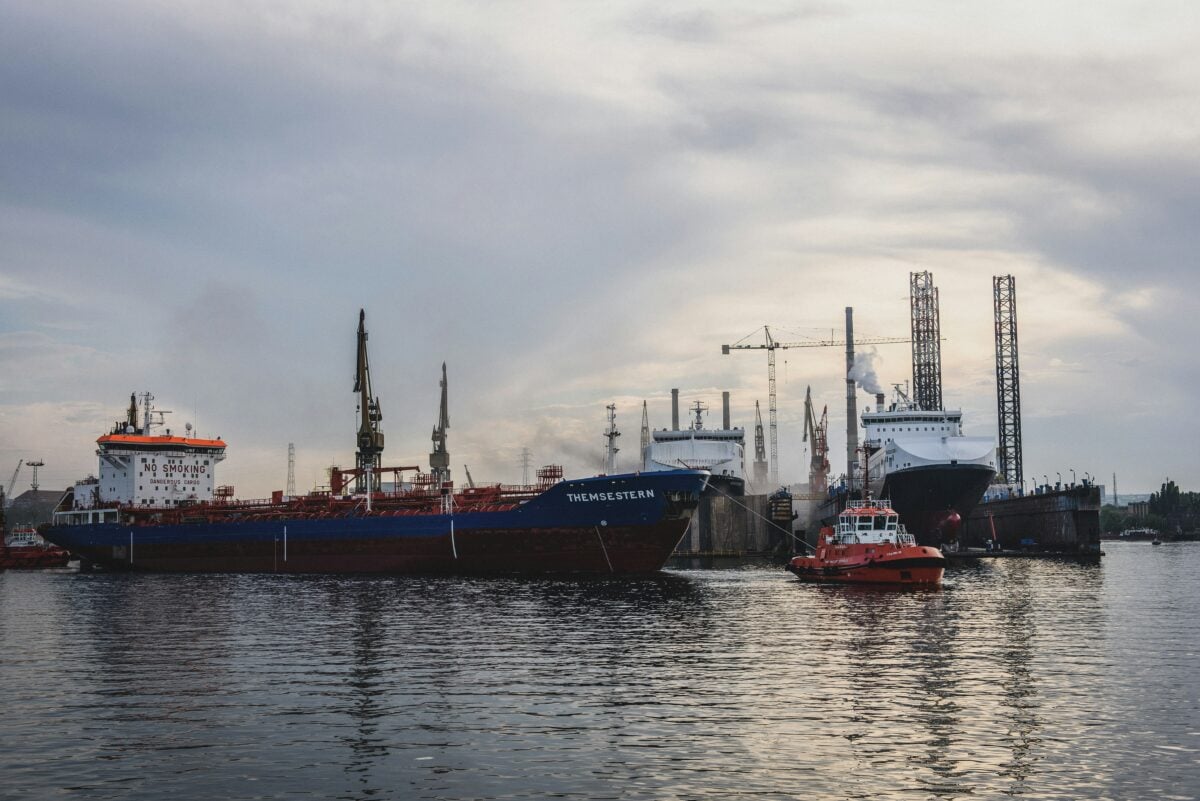
Modern shipbuilding involves moving hull sections that weigh thousands of tons. The largest pieces can exceed 10,000 tons.
Shipyards use specialized transporters that spread the weight across hundreds of wheels. These transporters look like massive flatbed trucks but move at walking speed.
They can rotate sections, lift them, and position them with incredible precision. Building a modern aircraft carrier or cruise ship means orchestrating dozens of these moves, fitting pieces together like a massive puzzle.
The Baalbek Stones

In Lebanon, the ancient ruins of Baalbek contain stones that weigh up to 800 tons each. Three of these stones form part of a temple foundation.
Nobody knows exactly how ancient builders moved them from the quarry to the temple site. The stones sit so perfectly fitted together that you can’t slide a piece of paper between them.
The quarry is about half a mile away, and the route includes uphill sections. Modern engineers still debate whether we could replicate this feat with ancient tools.
Modern Wind Turbine Blades
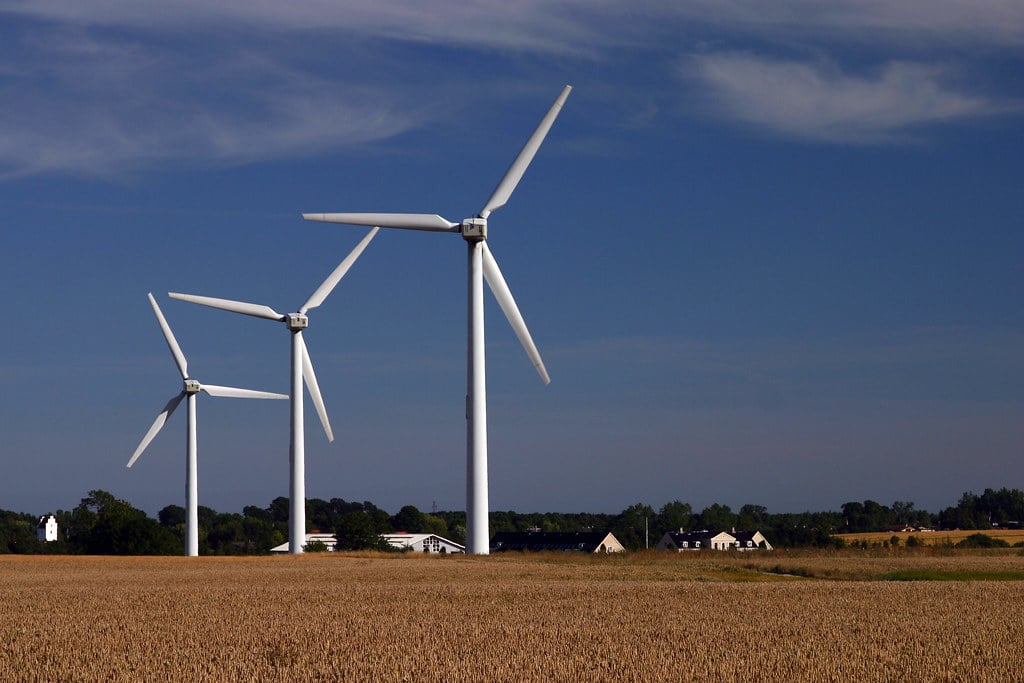
A single wind turbine blade for large offshore turbines can weigh over 35 tons and stretch 350 feet long. Moving them from manufacturing facilities to installation sites requires custom trailers that can navigate tight corners.
The blades are so long that transport trucks need police escorts and route planning months in advance. Installing them offshore means using specialized ships with cranes that can lift them hundreds of feet in the air.
Getting three of these onto a single turbine tower in offshore conditions is like threading a needle during an earthquake.
The International Space Station Modules
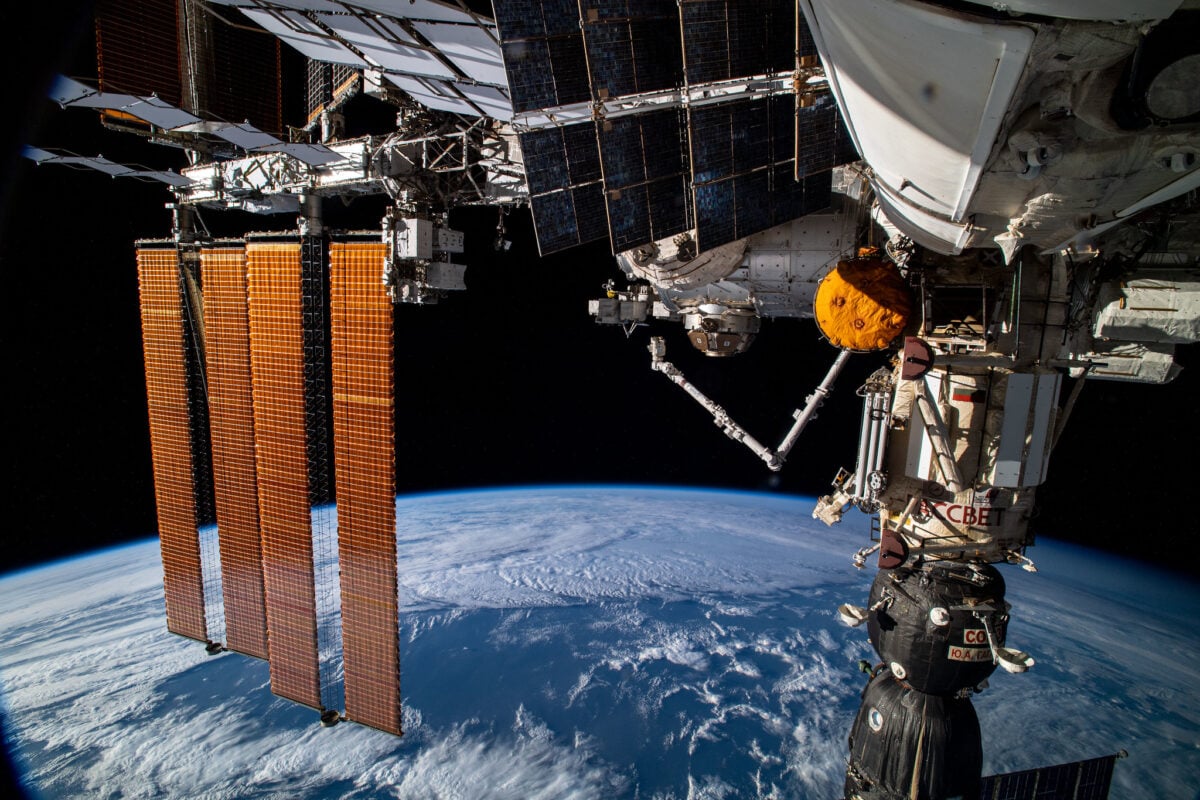
Each module of the International Space Station weighs between 15 and 20 tons on Earth. Moving them to space required the Space Shuttle or Russian rockets.
Once in orbit, robotic arms weighing several tons themselves positioned each module. The robotic arm moves slowly and carefully because in space, mass still matters even without weight.
Something that weighs 15 tons on Earth still has 15 tons of inertia in orbit. Stopping it once it starts moving requires just as much force as getting it moving in the first place.
Aircraft Carriers Under Construction
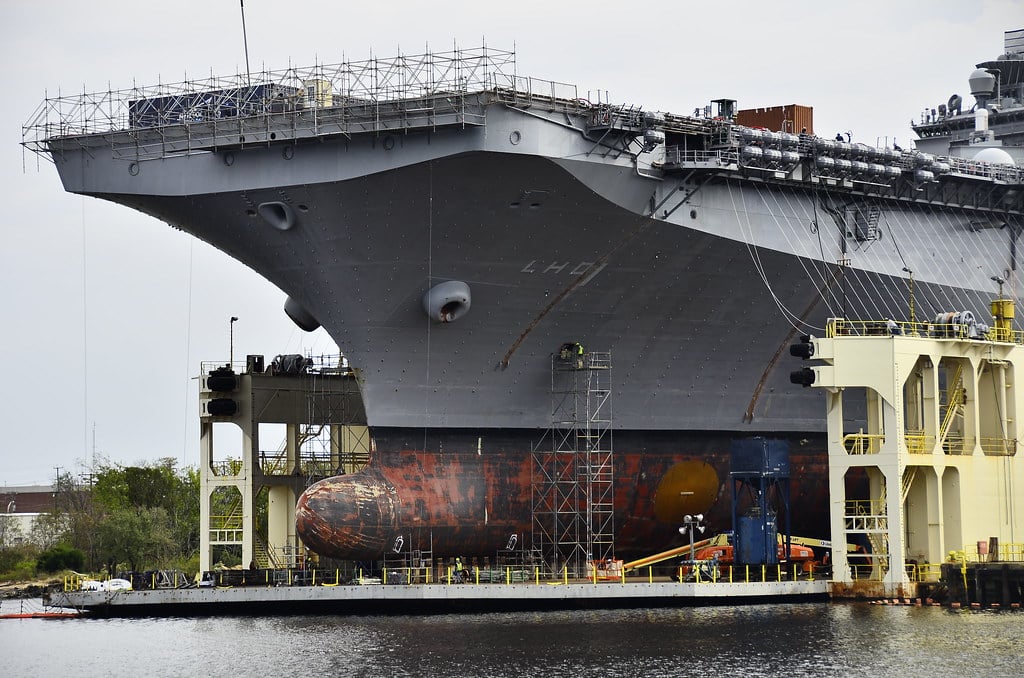
When fully built, today’s biggest aircraft carriers tip the scales past 100,000 tons. While assembling them, builders shift massive pieces – each often exceeding 1,000 tons – with heavy-duty cranes and flatbed movers.
Take the USS Gerald R. Ford: some of its segments reached weights near 1,100 tons before being hoisted into position. While everything else keeps moving, these operations take place.
Delays mean losing millions daily, so getting the timing right is crucial. Some of the biggest cranes on Earth handle the heavy lifts.
Every single one involves engineers watching closely from multiple angles.
When Weight Meets Will
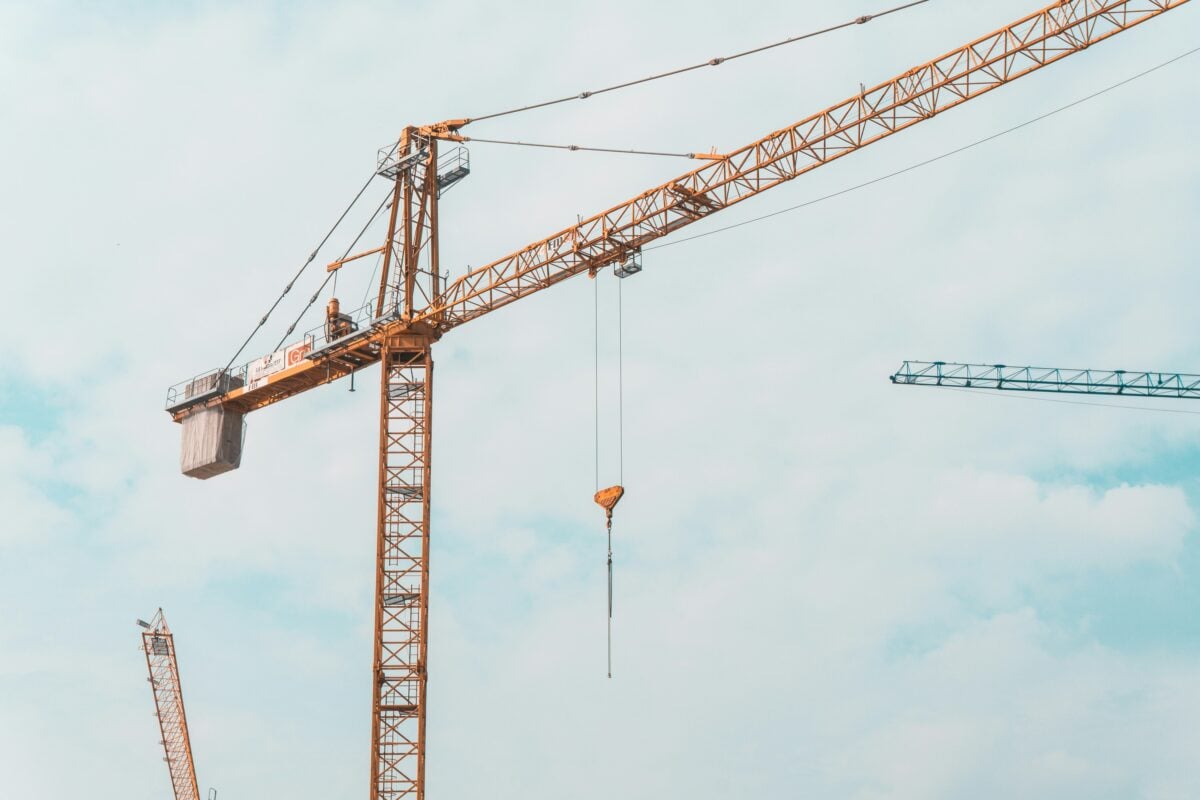
A single glance at a towering task often kicks things off. Tools shift over time, yet the core struggle does not – clever plans and steady effort battle physics itself.
Years-long efforts sometimes ended in tragedy. Quick shifts now occur while machines guide each tiny step.
Dragging massive stones through desert sands, the old builders showed what stubborn effort could do. Heavy loads never stayed still when people pushed harder.
Today’s teams shift giant parts into orbit using clever machines instead of ropes. Size changes, yet one thing holds true – someone will try to lift more than before.
Big numbers on a scale mean little to those who dream past limits.
More from Go2Tutors!

- The Romanov Crown Jewels and Their Tragic Fate
- 13 Historical Mysteries That Science Still Can’t Solve
- Famous Hoaxes That Fooled the World for Years
- 15 Child Stars with Tragic Adult Lives
- 16 Famous Jewelry Pieces in History
Like Go2Tutors’s content? Follow us on MSN.



