Hidden Rooms Inside Famous Landmarks
Most people walk through famous landmarks and see exactly what they’re supposed to see. The carefully curated tours, the roped-off sections, the plaques explaining what happened where.
But behind the walls and above the ceilings, whole other spaces exist that most visitors never glimpse. These hidden rooms tell different stories—practical ones, secret ones, sometimes bizarre ones.
They remind you that even the most photographed buildings on Earth still hold mysteries.
The Statue of Liberty’s Torch

You can climb up inside Lady Liberty’s crown and look out through those narrow windows. But you can’t go any higher. The torch has been closed to visitors since 1916, after German saboteurs blew up a nearby munitions depot and damaged the arm.
The explosion was so massive it broke windows in Times Square. Before that, people could climb a ladder up through the arm and stand inside the torch’s flame.
Photos from that era show visitors crammed into a space barely big enough for a dozen people. The views were spectacular, but the whole setup was dangerous.
After the repairs, officials decided nobody would ever climb that ladder again. The torch still sits there, empty, accessed only by maintenance workers who need to change the lights.
It’s one of the most recognizable symbols in the world, and almost nobody alive today has stood inside it.
Gustave Eiffel’s Apartment

At the very top of the Eiffel Tower, Gustave Eiffel built himself a small apartment. Not for show, not for tourists—just for himself.
He used it as a private space where he could entertain distinguished guests and conduct experiments in meteorology and aerodynamics. The apartment had wooden furniture, wallpaper, and a piano.
Thomas Edison visited once. They talked about science while Paris spread out below them.
Other prominent Parisians begged for invitations, but Eiffel was selective about his guests. Today the apartment is open for viewing, preserved with wax figures of Eiffel and Edison.
But for decades it remained Eiffel’s personal sanctuary, hidden at the top of the monument he built. Most people who looked up at the tower never suspected someone might be looking back down.
The U.S. Capitol’s Crypt

Directly beneath the Capitol Rotunda sits a circular room with 40 Doric columns. Builders originally designed it as the burial chamber for George Washington.
They even put an opening in the floor, ready for a view down to his tomb below. Washington’s family refused.
They wanted him to stay at Mount Vernon, and that’s where he remains. So the Capitol crypt became a space without a body, a memorial without remains.
The room has served various purposes over the years. Storage.
Exhibits. A place where tour groups pause before moving on.
The opening in the floor got sealed. But the name stuck—people still call it the crypt, even though nobody’s crypted there.
Cinderella Castle’s Suite

Inside Cinderella Castle at Disney World, there’s a suite decorated like a royal bedchamber. Stained glass windows.
A fireplace with a medieval-style mantle. A bathroom with a copper tub and fixtures shaped like bird beaks.
Disney didn’t build it for guests to book. You can’t reserve it, no matter how much you offer to pay.
The company uses it for contest winners and special promotions. Celebrities stay there sometimes.
Make-A-Wish families. The suite remained empty for years after the park opened because Disney hadn’t planned it originally.
The space was just storage. Later, imagineers transformed it into the most exclusive hotel room in the kingdom.
Fewer people have slept there than have climbed Mount Everest.
The Waldorf Astoria’s Track 61
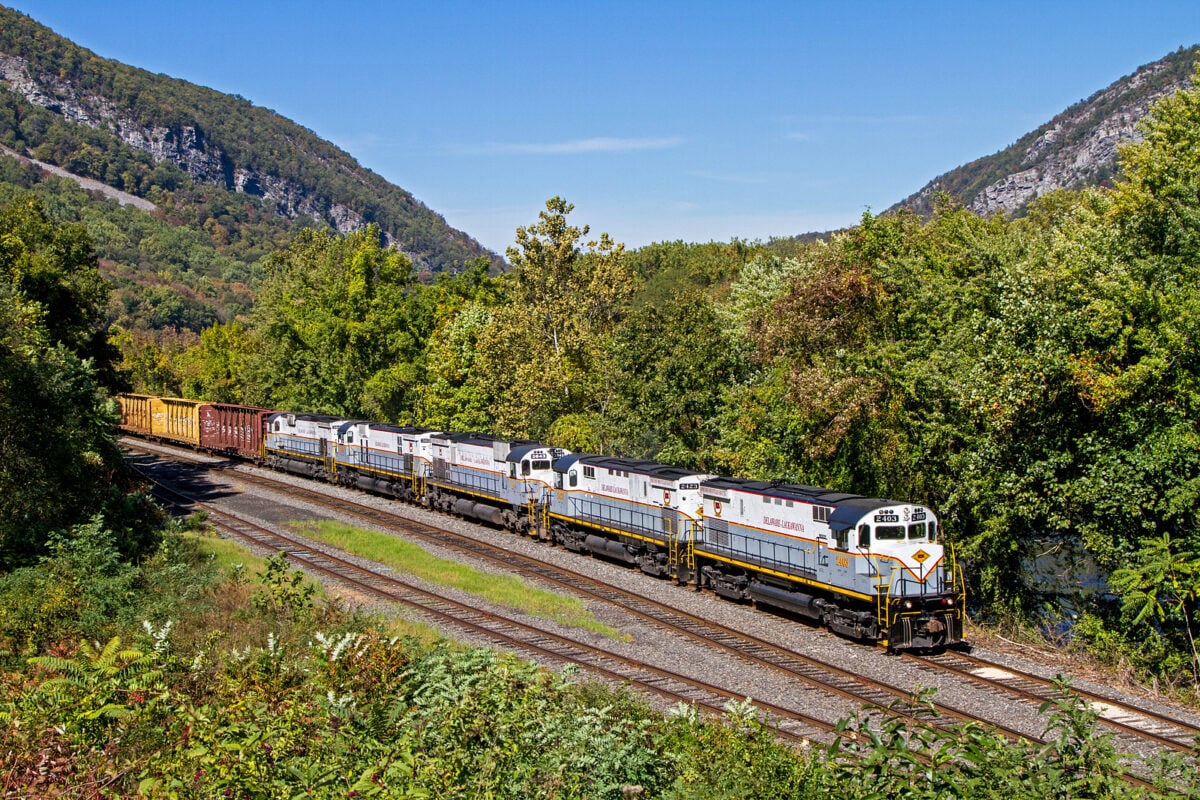
Beneath the Waldorf Astoria Hotel in New York runs a private railway platform. Track 61 connected directly to an elevator that could lift an entire train car up into the hotel.
Presidents used it. Foreign dignitaries. Anyone who needed to arrive without being seen.
Franklin D. Roosevelt used it most famously. His bulletproof Pierce-Arrow car would drive right onto the train car.
The train would pull into Track 61. The elevator would lift the car up into the hotel’s garage.
He could enter the building without anyone seeing that he used a wheelchair. The platform still exists, deep below Park Avenue. Occasionally film crews get permission to shoot there.
But mostly it sits empty, a reminder that some arrivals were meant to go unnoticed.
Big Ben’s Prison Cell

Inside the clock tower that houses Big Ben, there’s a tiny room that served as a prison. Not for common criminals—for members of Parliament who misbehaved badly enough to warrant punishment.
The last person imprisoned there was Charles Bradlaugh, an atheist member of Parliament who refused to swear an oath on the Bible. In 1880, they locked him up in the tower.
The cell didn’t have much—just space to sit and think about what you’d done. The practice ended over a century ago, but the cell remains.
Most people taking selfies with the clock face have no idea there’s a prison cell inside the tower. It’s too small to visit, too awkward to explain on tours.
The United Nations’ Meditation Room
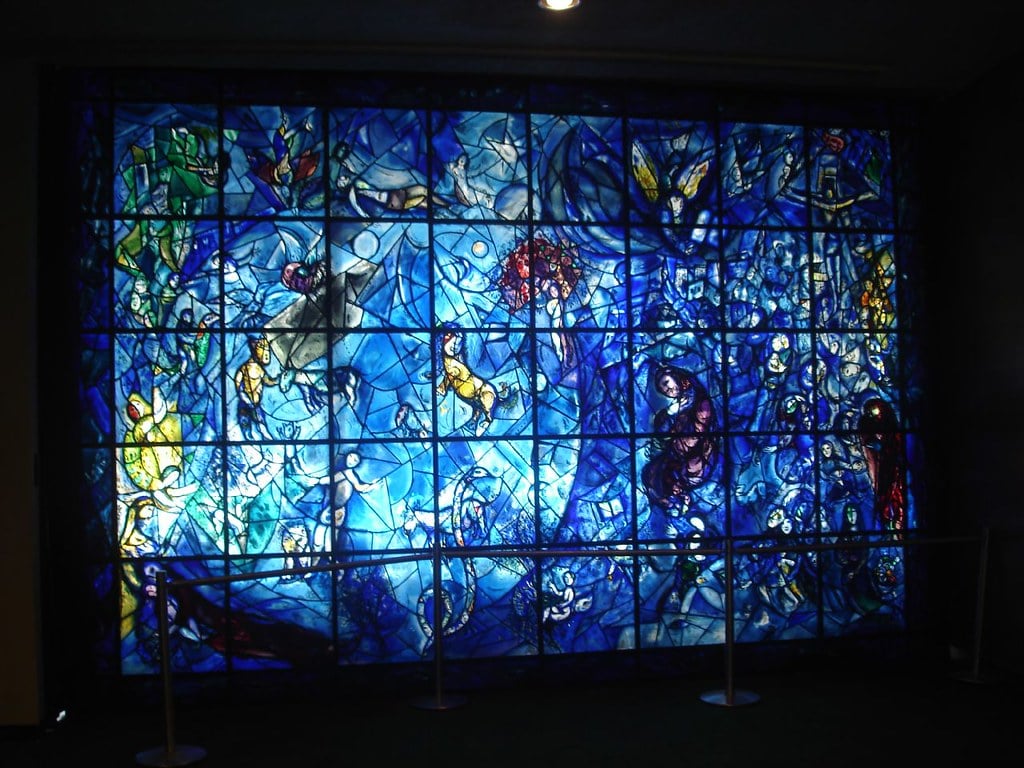
Tucked away on the ground floor of the UN headquarters, a small room sits in near-total darkness. No religious symbols.
No decorations. Just a shaft of light illuminating a block of iron ore in the center.
Dag Hammarskjöld, the UN’s second Secretary-General, designed it as a space where delegates could escape the noise of international politics. Where people of any faith or no faith could sit in silence.
The only furniture is a few benches against the walls. The room is open to visitors, but most people miss it entirely. They’re too busy with the guided tours of the General Assembly.
This space requires you to seek it out, to know it exists in the first place.
The Panthéon’s Pendulum Pit

In 1851, physicist Léon Foucault hung a massive pendulum from the dome of the Panthéon in Paris. As it swung, it traced a pattern that proved the Earth rotates.
For the first time, people could see direct evidence that we’re spinning through space. Beneath where the pendulum hangs, there’s a pit.
Maintenance workers access it through a small door. The pit allows the pendulum to swing without hitting the floor.
It’s deep enough that falling in would be a serious problem. Most visitors watch the pendulum swing.
They take photos. They marvel at the scientific demonstration.
But they don’t see the void beneath it, the empty space that makes the whole demonstration possible.
Windsor Castle’s Prison

Windsor Castle has secret passages, hidden staircases, and rooms that don’t appear on any tour map. One of them served as a prison during World War II.
The royal family stayed at Windsor during the Blitz, and they needed somewhere secure to hold prisoners. The exact location remains classified.
British authorities don’t publicize which rooms served which purposes during the war years. The castle is still a working royal residence, and some secrets stay secret.
Guards who work there know more than they can say. Historians have pieced together parts of the story from documents and memoirs.
But walking through the castle today, you can’t tell which corridor leads to the hidden prison.
The White House’s Situation Room
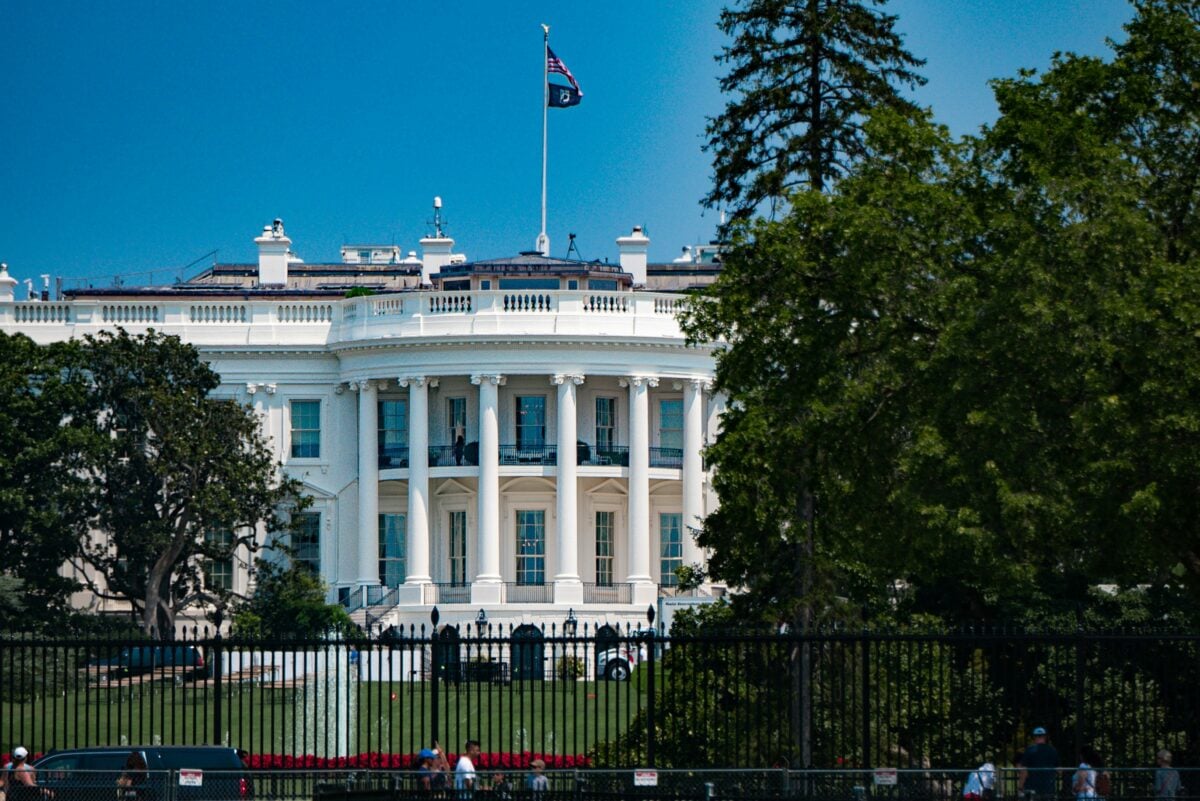
Everyone knows the Situation Room exists, but almost nobody has been inside. The actual complex is 5,000 square feet of secure conference rooms, communication equipment, and staff workspaces.
It sits in the basement of the West Wing, protected by systems that prevent electronic eavesdropping.
Presidents make critical decisions there during crises. The room became famous from photos of Obama and his team watching the Bin Laden raid.
Before that, Kennedy used it during the Cuban Missile Crisis. The room got a major renovation recently, upgrading technology while keeping it hidden from public view.
You won’t see it on White House tours. The closest most people get is seeing it in movies, which usually get the details wrong.
The Tower of London’s Royal Menagerie

For 600 years, the Tower of London housed exotic animals. Lions.
Elephants. Polar bears.
Kings kept them as symbols of power and curiosities for entertainment. The animals lived in spaces built into the fortress walls.
Those spaces still exist, though the menagerie moved to the London Zoo in 1835. Some of the old dens became storage.
Others remain empty. You can see a few on special tours, but most stay closed.
They’re part of the tower’s history that doesn’t fit the narrative about crowns and executions. The Yeoman Warders who live in the tower know where all the animal spaces are.
Sometimes they mention them on tours. But the rooms themselves stay locked, too small and awkward to fill with visitors.
The Vatican’s Secret Archives
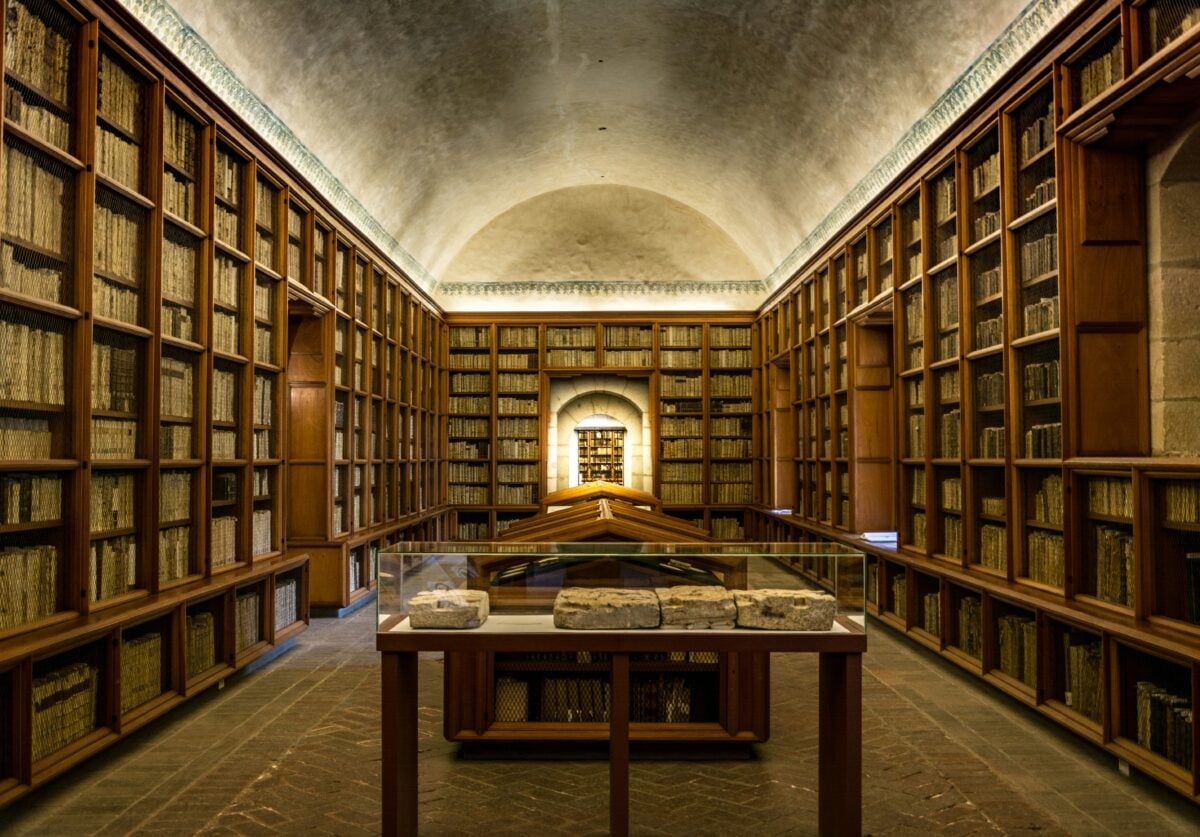
The name is misleading—they’re not really secret, just private. The Vatican Archives contain millions of documents going back over a thousand years.
Letters from Michelangelo. The transcript from Galileo’s trial. Henry VIII’s request for annulment.
Researchers can access the archives, but the process is complicated. You need credentials.
You have to know exactly what you’re looking for. The staff retrieves specific documents for you—you can’t just browse.
Most of the documents have nothing to do with conspiracies or hidden history. They’re administrative records, property deeds, and boring correspondence.
But their inaccessibility makes them mysterious. People assume secrets lurk in those miles of shelving.
Grand Central Terminal’s Tennis Courts

Two stories above the main concourse of Grand Central Terminal, there’s a private club with tennis courts. Real courts, not miniature ones.
The Vanderbilt Tennis Club opened in 1965, using space that had been empty since the terminal was built. Members pay fees to play tennis in midtown Manhattan, right above thousands of commuters rushing to catch trains.
The courts don’t get natural light—they’re inside the building. But they’re regulation size, with proper surfaces and nets. Most people passing through Grand Central don’t know the courts exist.
The entrance is unmarked, accessible only to members. You could commute through that station for years and never suspect people are playing tennis above your head.
Where Secrets Stay

Those secret spots show us that structures often hide their true nature. Each famous site began as a basic solution before turning legendary.
Storage was needed here or there. Leaders wanted discreet ways in.
Workers required paths to equipment. The rooms that stayed out of view didn’t vanish by plan every time.
Some were simply awkward to talk about, risky to access, or too plain for the tales visitors love hearing. Yet they remain, buried within the structures shaping our towns and past.
Realizing they’re around shifts your take on well-known landmarks. You begin guessing what else could be stashed nearby, just beyond reach.
More from Go2Tutors!

- The Romanov Crown Jewels and Their Tragic Fate
- 13 Historical Mysteries That Science Still Can’t Solve
- Famous Hoaxes That Fooled the World for Years
- 15 Child Stars with Tragic Adult Lives
- 16 Famous Jewelry Pieces in History
Like Go2Tutors’s content? Follow us on MSN.



