Rare Plants With the Most Fragrant Flowers
Smell lingers where looks fade, making it quietly dominant among plant traits. Though color grabs attention first, fragrance sticks around in memory longer.
A bloom might wait until dusk to share its smell, another spills perfume by midday. Rareness twists interest – suddenly you’re not just seeing but sensing something unique.
That trace of odor can outlive petals by years in someone’s mind. Peeking into the world of uncommon blooms reveals a few whose perfumed blossoms stand out – every one carrying an aroma impossible to forget.
Though seldom seen, these flowers pack scents that linger in your mind long after you’ve passed by. Their fragrance isn’t just strong; it shifts something deep inside without warning.
Each bloom tells its own olfactory story, shaped by quiet evolution under forest canopies or arid cliffs. You won’t find them on street corners, yet those who stumble upon them often pause mid-step.
Something about the way they smell feels ancient, like a whisper from before words existed.
Kadupul Flower

The Kadupul flower, native to Sri Lanka, is often described as one of the rarest blooms in the world. It flowers at night and wilts before dawn, making it almost impossible to experience unless timed perfectly.
This fleeting cycle has given it an almost legendary status among plant enthusiasts. Its fragrance is soft and delicate, often compared to a blend of jasmine and fresh linen.
The scent doesn’t overpower but instead feels gentle and fleeting, much like the flower itself, making the experience feel almost dreamlike.
Chocolate Cosmos

Chocolate Cosmos, originally from Mexico, is prized for its rich, cocoa-like scent. The deep burgundy petals only enhance the illusion, making it feel as though the fragrance and appearance were designed together.
It’s one of those plants that surprises people on first encounter. Although it has been extinct in the wild for years, it survives through careful cultivation.
Its rarity, combined with its unmistakable scent, makes it especially appealing to collectors who value both novelty and history.
Ghost Orchid
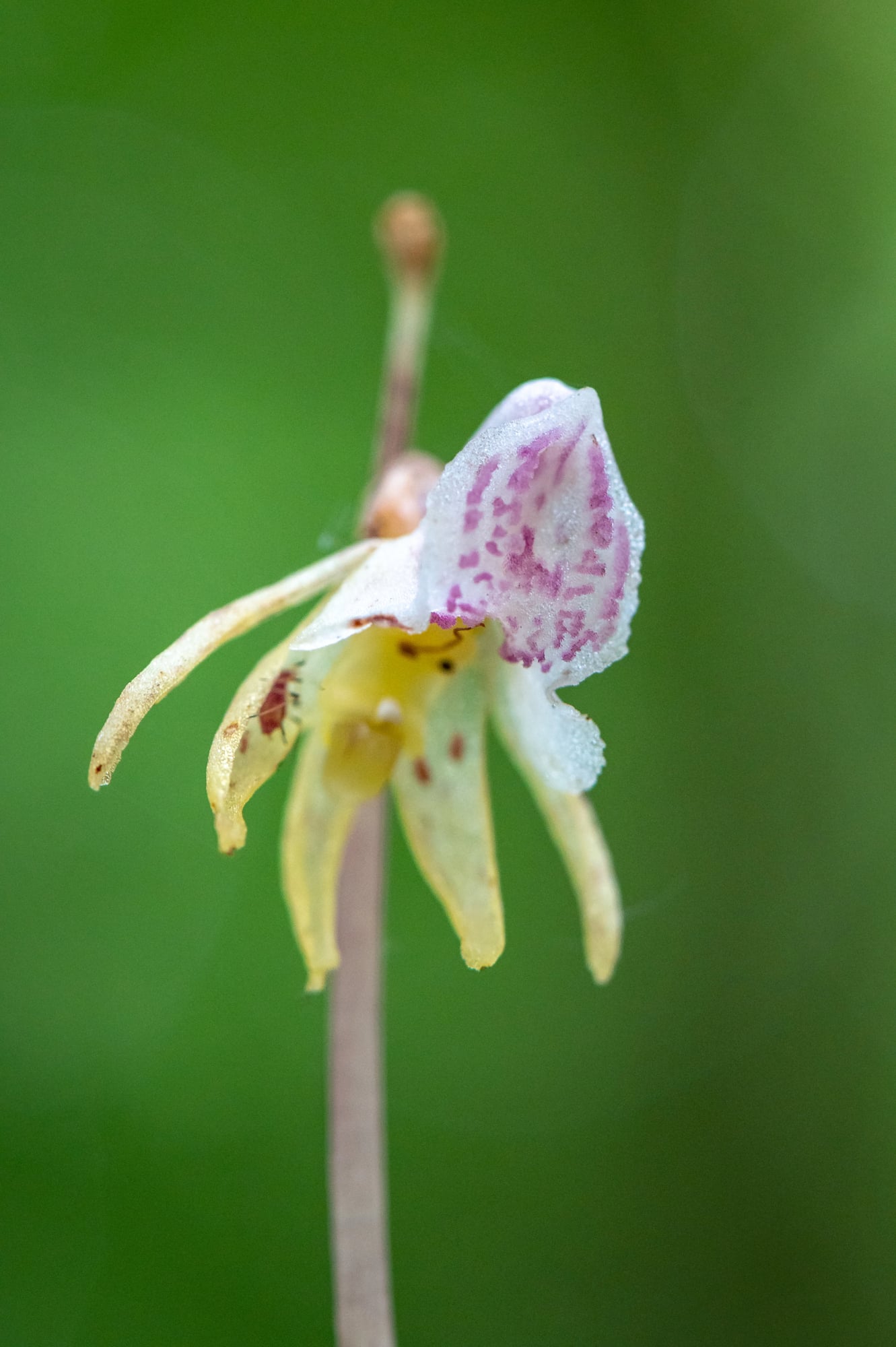
The Ghost Orchid is both rare and elusive, found in limited regions of Florida and Cuba. It grows without soil, clinging to trees and blending into its surroundings, which makes spotting it in the wild particularly difficult.
Its fragrance is subtle yet complex, often described as sweet with hints of fruit. The scent is most noticeable at night, adding to the plant’s mysterious reputation and making each encounter feel significant.
Middlemist’s Red

Middlemist’s Red is considered one of the rarest flowering plants, with only a few known specimens remaining. Despite its name, it leans more toward a deep pink shade, giving it a slightly unexpected appearance.
Its fragrance is light and refined, never overpowering. The rarity of the plant means that even its scent feels exclusive, something experienced by very few people.
Night-Blooming Jasmine

Night-blooming jasmine is known for releasing its scent after sunset. While the plant itself is not extremely rare, certain heirloom varieties are less common and highly valued for their stronger fragrance.
The aroma is intense and far-reaching, often filling entire outdoor spaces. It creates a noticeable shift in atmosphere as evening sets in, transforming familiar surroundings into something more immersive.
Corpse Flower (Titan Arum)
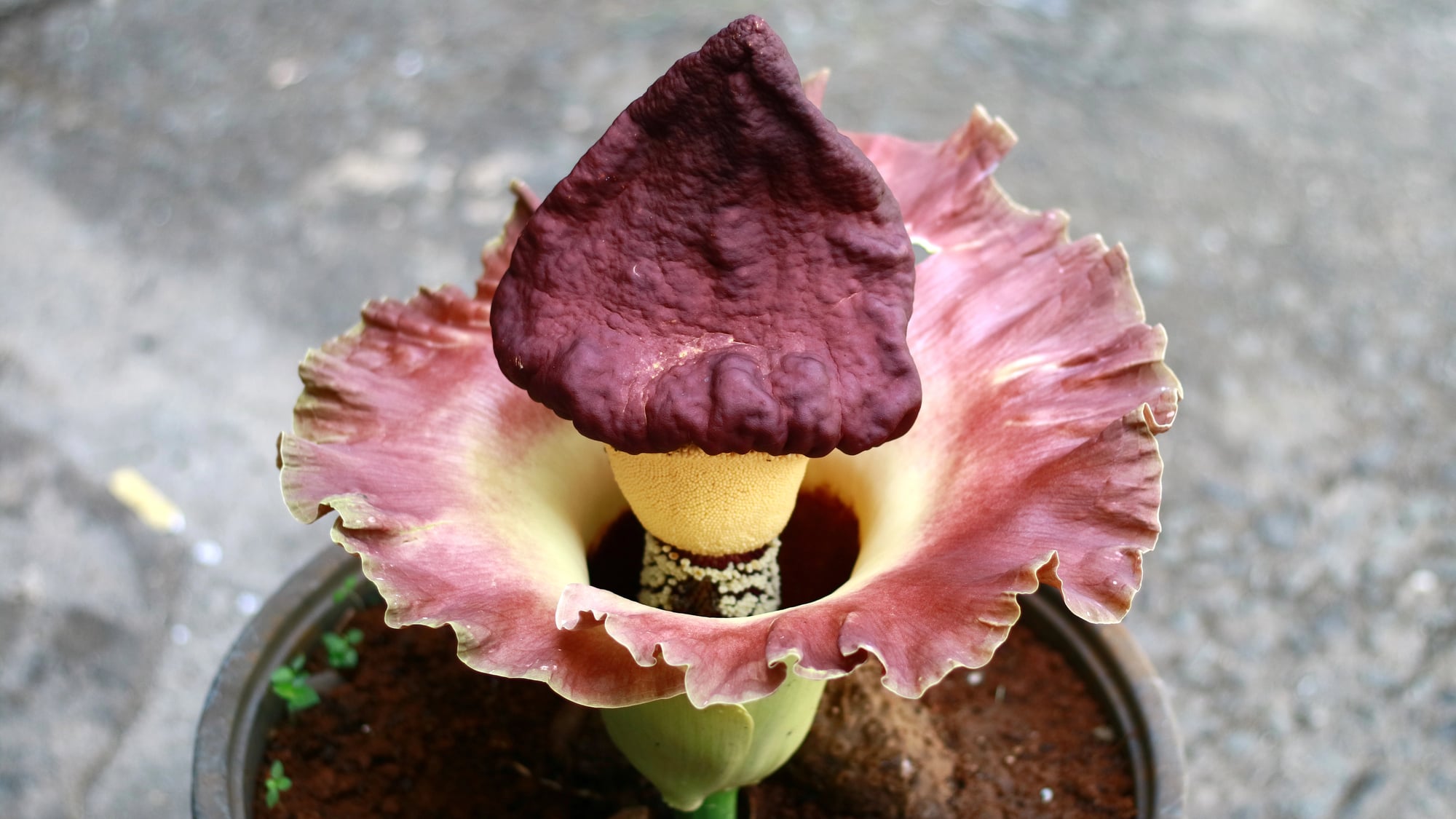
The Corpse Flower is famous for its unusual scent, which resembles decaying organic matter. While not traditionally pleasant, it is incredibly powerful and draws large crowds whenever it blooms.
The plant is rare and blooms infrequently, sometimes taking years between cycles. Its scent serves a biological purpose, attracting specific pollinators, showing how fragrance can function beyond human preference.
Blue Lotus

The Blue Lotus has a long history in ancient Egyptian culture, where it was associated with symbolism and ritual. True varieties are relatively rare outside their native regions.
Its fragrance is sweet with slightly earthy undertones, creating a calming effect. The scent has contributed to its lasting cultural significance, extending beyond its visual appeal.
Angel’s Trumpet

Angel’s Trumpet produces large, hanging flowers that release a strong fragrance, particularly in the evening. Certain varieties are less common and highly sought after by collectors.
The scent is rich and slightly citrusy, often becoming more pronounced as night progresses. Its intensity makes it one of those plants that can define the atmosphere of an entire space.
Gardenia Taitensis

Also known as the Tahitian gardenia, this plant is native to specific Pacific islands and is not widely grown elsewhere. Its flowers are often used in traditional adornments and ceremonies.
The fragrance is creamy and soft, with a lingering quality that feels almost luxurious. It’s a scent that stays present without becoming overwhelming, making it particularly appealing.
Ylang-Ylang

Ylang-ylang is valued both as a plant and as a key ingredient in perfumery. While not extremely rare in its native regions, high-quality varieties are less commonly found.
Its fragrance is sweet, exotic, and slightly fruity, with layers that seem to unfold over time. This evolving quality makes it especially interesting compared to more straightforward floral scents.
Black Bat Flower

The Black Bat Flower stands out for its unusual appearance, with dark, wing-like petals and long whisker-like filaments. It is not commonly found outside specialized collections or botanical gardens.
Its fragrance is mild but distinctive, often described as slightly musky. While not as strong as others on this list, the overall experience is memorable due to its visual and aromatic combination.
Hoya Carnosa ‘Compacta’

This plant produces clusters of small, star-shaped flowers that release a sweet fragrance, especially in the evening. Certain cultivated forms are less widely available, adding to its appeal.
The scent is often compared to honey or caramel, giving it a warm, inviting quality. It contrasts with the plant’s waxy appearance, creating an interesting sensory balance.
Arabian Jasmine

Arabian jasmine, particularly rarer cultivated forms, is known for its rich and intoxicating scent. While widely recognized, certain varieties are harder to find and more intensely fragrant.
Its aroma is deep and slightly sweet, often used in teas and perfumes. The scent feels both familiar and elevated, making it a staple in many cultures.
Tuberose

Tuberose is prized for its strong, creamy fragrance that becomes more pronounced at night. While not entirely rare, heirloom and less commercial varieties are more difficult to source.
The scent is layered and intense, often described as both floral and slightly spicy. It has a presence that lingers in the air, making it a favorite in perfumery.
Why These Plants Leave a Lasting Impression

The real pull of these plants lies less in how rare they are, yet more in how smell and scarcity weave together. Not simply because they’re fragrant, instead because that fragrance lingers in memory when paired with something nearly out of reach.
Often, waiting for the flower to open slowly builds a quiet intensity, matching what comes after. What arrives in full bloom feels earned, shaped by time spent expecting.
Scent can stick around like a quiet echo. These green things show how loveliness isn’t always seen.
It drifts by on a breeze – soft, not loud – yet somehow stays in your mind. A single breath becomes part of memory later.
What you smell might vanish fast but leaves weight behind.
More from Go2Tutors!

- The Romanov Crown Jewels and Their Tragic Fate
- 13 Historical Mysteries That Science Still Can’t Solve
- Famous Hoaxes That Fooled the World for Years
- 15 Child Stars with Tragic Adult Lives
- 16 Famous Jewelry Pieces in History
Like Go2Tutors’s content? Follow us on MSN.