Historic Shelters That Shaped Communities
Some homes show how folks used to live. Yet certain places went beyond shelter. Because they shaped the way people organized their lives.
As a result, local relationships changed over time. Even so, these spots carved out what belonging looked like for years.
The design of houses affected how families interacted, along with broader financial structures. Not simply matters of building style. But real calls on daily living.
The Longhouse and Communal Living

Native American longhouses stretched up to 200 feet in length and housed entire extended families under one roof. Multiple families shared the same space, with each nuclear family occupying a section along the length of the building.
A central corridor ran down the middle where fires burned for cooking and warmth. This design forced cooperation. You couldn’t exist in isolation when your neighbors lived just feet away.
Resources got shared out of necessity. Food, childcare, and labor all became collective responsibilities. The Haudenosaunee Confederacy, which governed through consensus among six nations, developed partly because the longhouse taught people how to negotiate shared space.
The Great Law of Peace even called their political union a “longhouse” extending across their territory.
English Medieval Halls

The great hall dominated medieval English manor houses and served as the center of community life for centuries. Lords, servants, and workers all gathered in the same space.
They ate together, conducted business together, and slept in the same room. These halls had one large open space with a fire pit in the center.
Smoke rose to the rafters and escaped through openings in the roof. The lord’s family sat at a raised table on a dais at one end.
Everyone else arranged themselves throughout the hall according to their status. This layout made hierarchy visible every single day.
You knew exactly where you stood based on where you sat. But it also created a system where the powerful lived alongside the powerless.
A lord saw his workers daily. That proximity shaped obligations and expectations between social classes.
Japanese Machiya and Urban Life
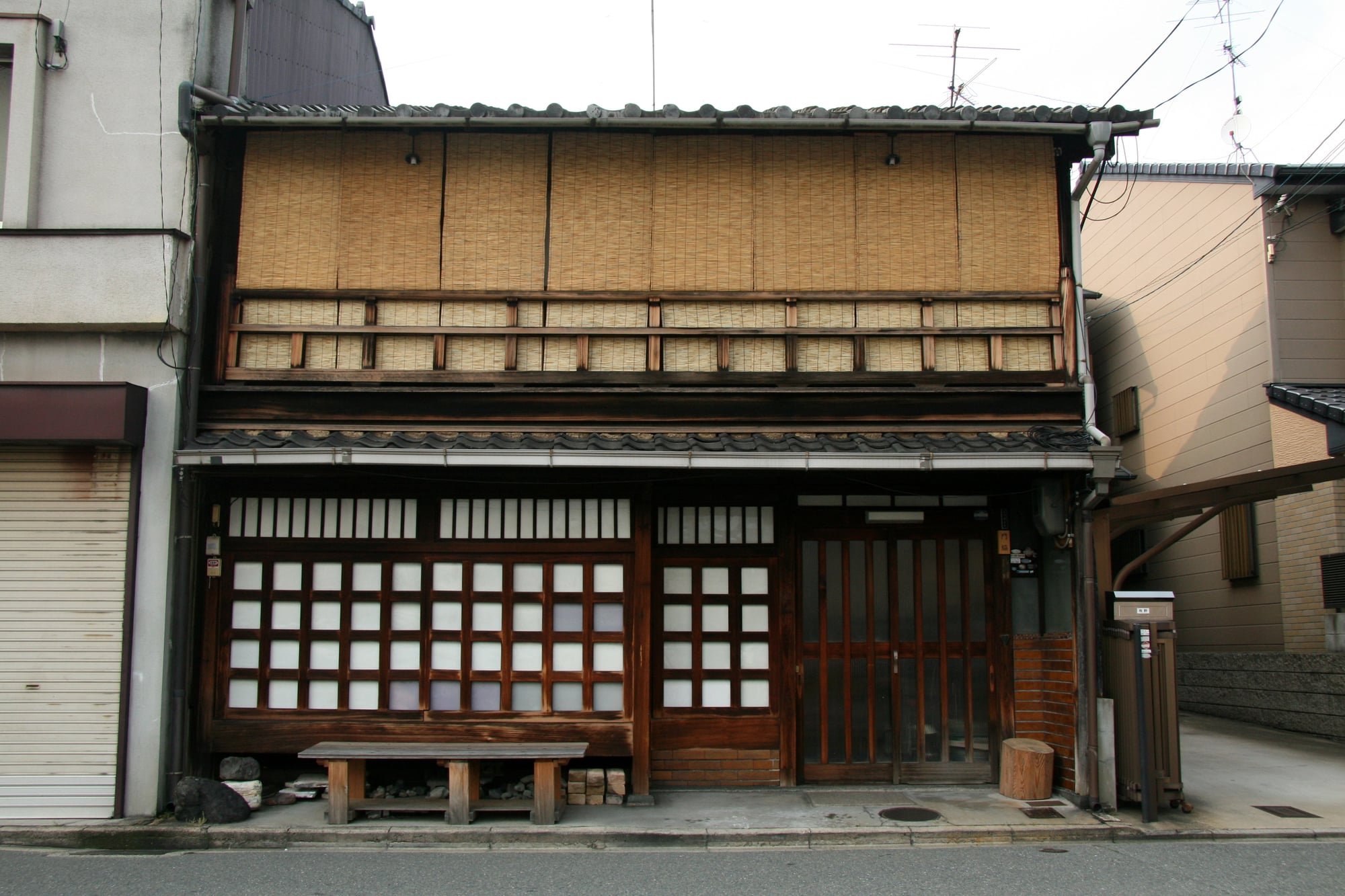
Machiya townhouses defined Japanese urban living for centuries. These narrow wooden buildings, typically only 4 to 6 meters wide, stretched deep into city blocks.
The front opened directly onto the street, often with a shop or workspace facing outward. Families lived in the back and upper floors.
The design placed commercial life and domestic life in immediate proximity. Work happened where you lived. Customers entered your home to conduct business.
This arrangement shaped Japanese concepts of public and private space. The front of the house remained semi-public, open to customers and neighbors.
Privacy existed only in the innermost rooms. Cities full of machiya created tight-knit neighborhoods where everyone knew their neighbors’ business, literally and figuratively.
Pueblo Architecture
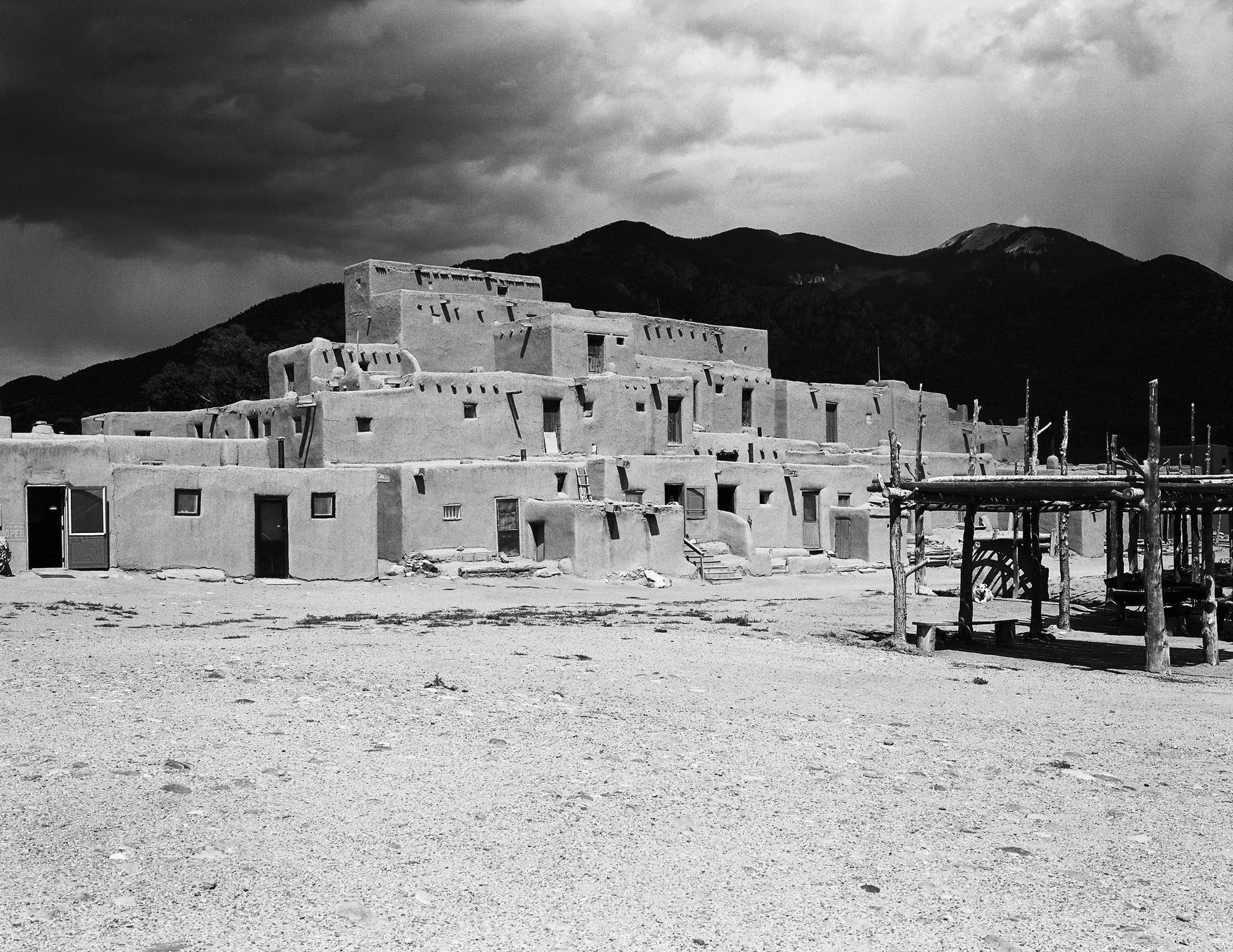
Pueblo peoples in the American Southwest built multi-story adobe structures that housed entire communities. These buildings rose four or five stories high, with each level set back from the one below, creating terraces.
Families accessed upper levels by ladder, pulling the ladders up at night for security. Rooms connected through interior doorways, creating a maze of interconnected living spaces.
Some buildings housed over 1,000 people. Shared walls, shared roofs, and shared defense needs meant constant interaction.
This architecture created communities where individualism took a back seat to collective survival. Water storage, food preservation, and defense all required cooperation.
The buildings themselves enforced social cohesion. You couldn’t opt out of community life when you lived literally on top of your neighbors.
Scottish Highland Blackhouses

Blackhouses got their name from the soot that covered their interiors. These traditional Scottish Highland homes had no chimneys. Smoke from the peat fire simply filled the building and eventually escaped through the thatch roof.
The design seems harsh by modern standards. But it served multiple purposes. The smoke cured food hanging from the rafters.
It helped preserve the thatch roof by preventing rot. And it kept insects away. People shared these small, dark spaces with their livestock during winter months.
Animals lived at one end, humans at the other. The arrangement provided warmth and protected valuable animals from theft and weather.
This intimate relationship with livestock shaped Highland culture and economy for centuries.
Amsterdam Canal Houses

Amsterdam’s famous narrow canal houses developed because the city taxed property based on street frontage. As the city expanded during its Golden Age in the 1600s, competition for canal access intensified.
Owners built tall, narrow buildings to minimize taxes, with properties typically just 5 to 7 meters wide but rising five or six stories high. The narrow stairs and doorways made moving furniture nearly impossible.
That’s why canal houses have those distinctive hoisting beams projecting from the front gables. Owners hauled furniture up the outside of the building and through windows.
Many houses intentionally lean forward slightly to make this hoisting process easier and prevent furniture from hitting the facade. This tax policy accidentally created Amsterdam’s architectural identity.
It also influenced social patterns. Wealthy merchants lived on canals in houses that showed prosperity through height rather than width.
The streetscape became a display of economic status, with everyone competing vertically within narrow constraints.
Mongolian Yurts
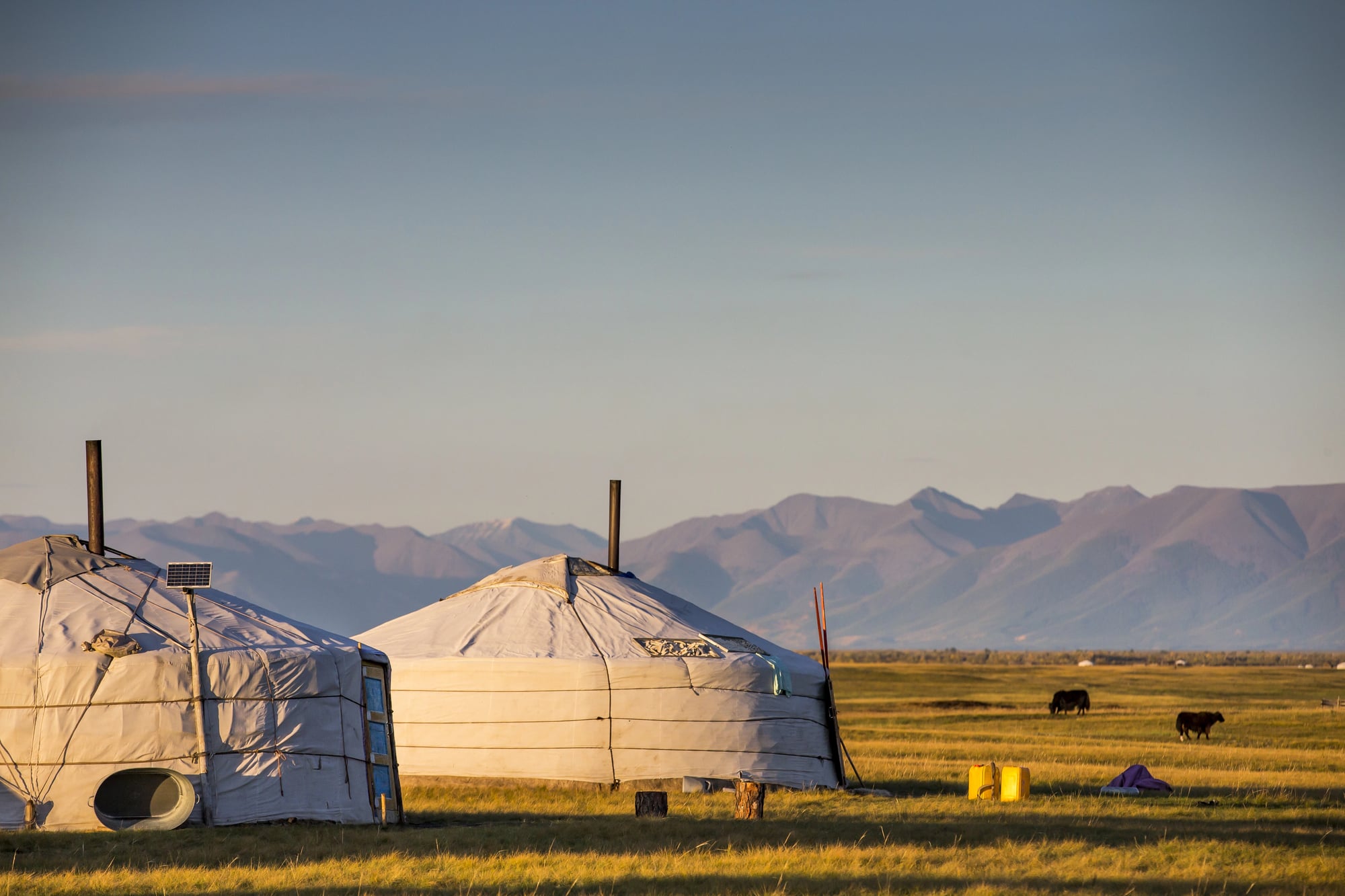
Yurts allowed Mongolian nomads to create portable communities. These circular felt tents could be assembled or dismantled in just a few hours.
The lattice wall framework folded flat for transport. Felt panels rolled up easily. A yurt’s interior followed strict organizational rules.
The door always faced south. The hearth occupied the center. Men’s belongings stayed on the west side, women’s on the east.
Honored guests sat in the northern section, furthest from the door. This standardization meant every Mongolian knew exactly how to behave in any yurt they entered.
Social rules remained constant even as communities moved across vast distances. The portable architecture preserved cultural continuity despite constant migration.
New England Saltbox Houses

The distinctive saltbox shape appeared in colonial New England for practical reasons. Adding a lean-to shed on the back of a house created more space without requiring a complete rebuild.
The long sloping rear roof shed snow efficiently and braced against north winds. These additions typically became kitchens or workspaces.
The design placed the newest, coldest part of the house at the back where it wouldn’t interfere with the main living area near the hearth. Saltbox houses represented colonial adaptation to harsh winters.
They also showed how communities evolved their building styles through experimentation rather than formal planning. Neighbors copied what worked, and the distinctive shape spread throughout New England, creating a regional architectural identity.
Middle Eastern Courtyard Houses

Traditional Middle Eastern homes turned inward around central courtyards. Exterior walls presented blank faces to the street, with few windows.
All the windows opened onto the internal courtyard instead. This design provided privacy, security, and climate control.
The courtyard created an outdoor living space protected from public view. In hot climates, the enclosed space trapped cooler air and provided shade.
Fountains or pools in the courtyard further cooled the surrounding rooms through evaporation. The architecture reinforced social separation between public and private life.
Family life remained completely hidden from the street. Women could move freely within the courtyard without being seen by outsiders.
This design choice shaped gender relations and social interactions for centuries.
Sod Houses on American Prairies

Prairie settlers built homes from the land itself. The thick prairie sod, held together by dense grass roots, could be cut into bricks.
Settlers stacked these sod bricks to create walls, then covered the structure with more sod for a roof. These houses provided excellent insulation.
They stayed cool in summer and warm in winter. But they also leaked, sprouted grass, and sometimes collapsed after heavy rain.
Snakes, mice, and insects found easy entry through the earthen walls. Despite their drawbacks, sod houses made settlement possible where no timber existed.
They represented adaptation to scarcity. The architecture defined the prairie homesteading experience and shaped the character of early Great Plains communities.
Settlers who endured sod houses developed reputations for toughness and perseverance.
Vietnamese Tube Houses

Vietnamese tube houses pack narrow buildings deep into urban lots. Like Amsterdam’s canal houses, these structures developed in response to taxation based on street frontage.
Hanoi’s tube houses typically measure 10 to 15 feet wide but extend 200 feet or more into the block. Light and ventilation come from small internal courtyards scattered throughout the building.
The front serves as a shop, with living quarters in the middle and back. Multiple generations of the same family often occupy different floors.
This architecture created Vietnamese urban culture. The narrow street frontages encouraged shopkeepers to spill their wares onto sidewalks.
The deep interiors preserved private family space even in dense cities. The design balanced commercial openness with domestic privacy in a way that continues to define Vietnamese city life.
Alpine Chalets
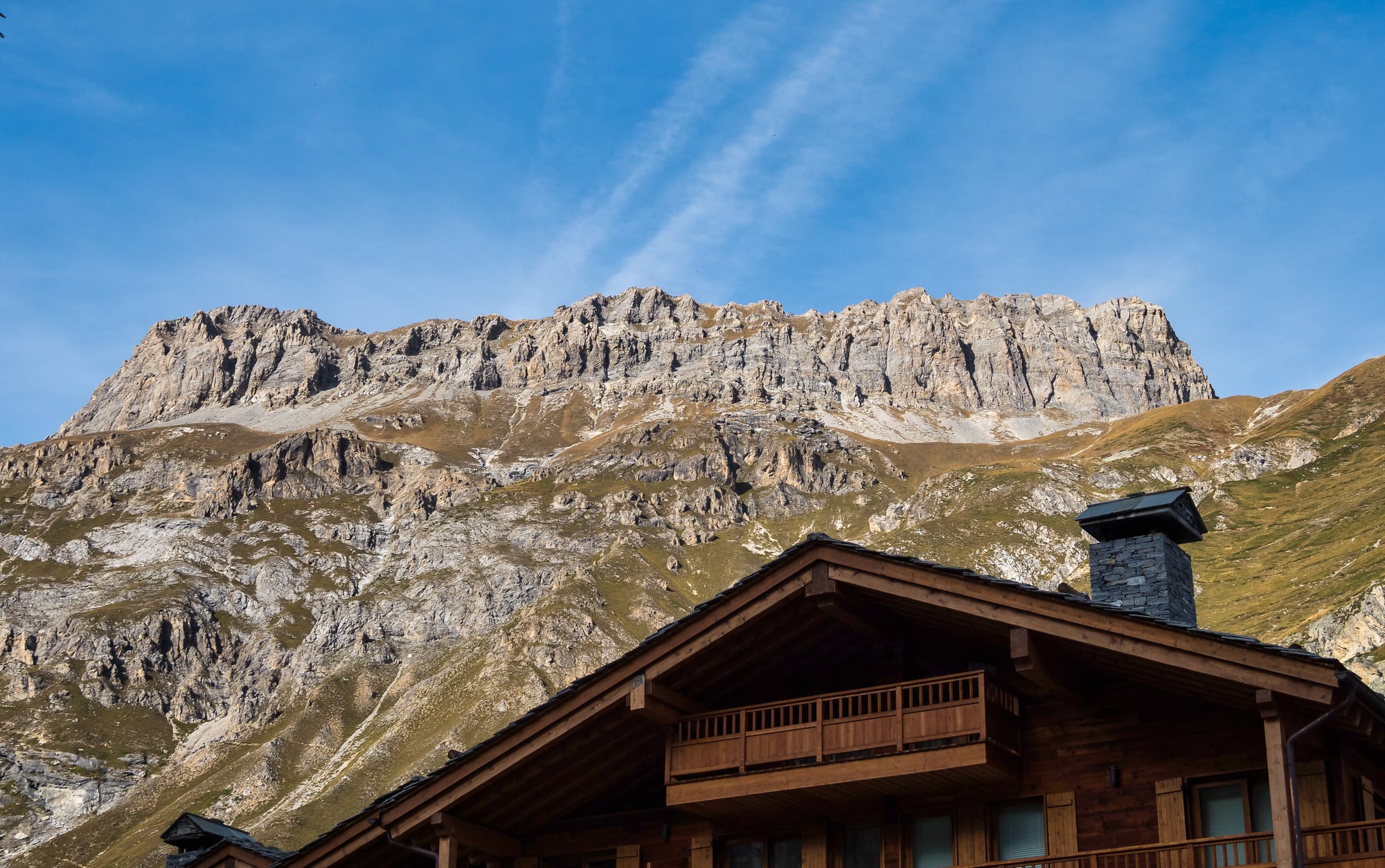
Swiss and Austrian chalets evolved to handle heavy snow loads. The wide, overhanging roofs protected the walls and created covered areas around the building’s perimeter.
Large stones held the wooden shingle roofs in place. The characteristic carved balconies served practical purposes—drying food, storing firewood, and accessing upper floors without walking through animal quarters on the ground level.
These buildings were built to last generations. Families passed them down through inheritance, with each generation making careful additions or repairs.
The substantial construction required community effort. Barn raisings and building projects brought neighbors together.
The architecture reflected Alpine values of durability, craftsmanship, and intergenerational continuity. A family’s chalet represented accumulated work and resources spanning decades.
This created strong ties between families and their land.
West African Compounds

Traditional West African compounds grouped multiple buildings around a central courtyard. Each wife in a polygamous family had her own building.
Children lived with their mothers. The family head had a separate structure. Shared spaces for cooking, storage, and gathering occupied additional buildings.
This arrangement managed complex family relationships through architecture. Physical separation reduced conflicts between co-wives.
The courtyard provided a common area where the extended family gathered but individual buildings offered privacy. The compound design shaped West African social structures.
It accommodated large, complex families while maintaining order. The architecture made polygamous households functional by giving each unit autonomy within a larger whole.
Where Walls Defined Us

Shelter molds how people live, even centuries later. Inside the longhouse, shared rooms pushed folks toward agreement.
Back then, big halls with no walls made clear who was on top. Yurts stayed mostly alike over time, keeping mobile life alive.
Buildings don’t simply react to weather or what’s on hand. Instead, they reflect decisions shaping how folks share life.
Each doorway, each barrier, each common area opens some doors while closing others for connection. The shelters talked about here are either gone or barely recognizable now.
Yet they set ways of life that stuck around. The groups formed through them passed down thoughts on personal space, social levels, working together – also who people thought they were – and those ideas lasted longer than the actual structures.
More from Go2Tutors!

- The Romanov Crown Jewels and Their Tragic Fate
- 13 Historical Mysteries That Science Still Can’t Solve
- Famous Hoaxes That Fooled the World for Years
- 15 Child Stars with Tragic Adult Lives
- 16 Famous Jewelry Pieces in History
Like Go2Tutors’s content? Follow us on MSN.