Historical Decisions That Changed Fashion
Fashion doesn’t just happen. Every significant change in our wardrobe can typically be linked to a single, sometimes daring, sometimes unintentional choice that completely altered our style.
These weren’t just about fashion; they were about adapting to new technology, societal shifts, or just someone who dared to break the rules that everyone else was following.Here are 14 choices that fundamentally changed how we dress and continue to influence fashion today.
Coco Chanel Introduces Jersey Fabric

When Coco Chanel started using jersey fabric for women’s clothes in 1916, it wasn’t because she wanted to make a bold fashion statement. World War I had made luxury materials scarce, and the jersey was cheap, stretchy, and easy to get — even though it was mostly used for men’s underwear.
Chanel saw potential where no one else did. Her choice made comfort fashionable and broke women free from stiff, corseted outfits. What began as a necessity turned into the foundation for modern casual style.
Christian Dior Launches the New Look

In 1947, Christian Dior did something radical. After years of wartime rations, he sent out a collection full of extravagance — tiny waists, huge skirts, and as much fabric as he could possibly use. The press called it “The New Look,” and it was.
Dior’s decision to go all-in on femininity when the world was still recovering from austerity reshaped women’s fashion for years to come. It was a celebration of excess after a time of sacrifice.
Like Go2Tutors’s content? Follow us on MSN.
Levi Strauss Patents Riveted Denim Pants
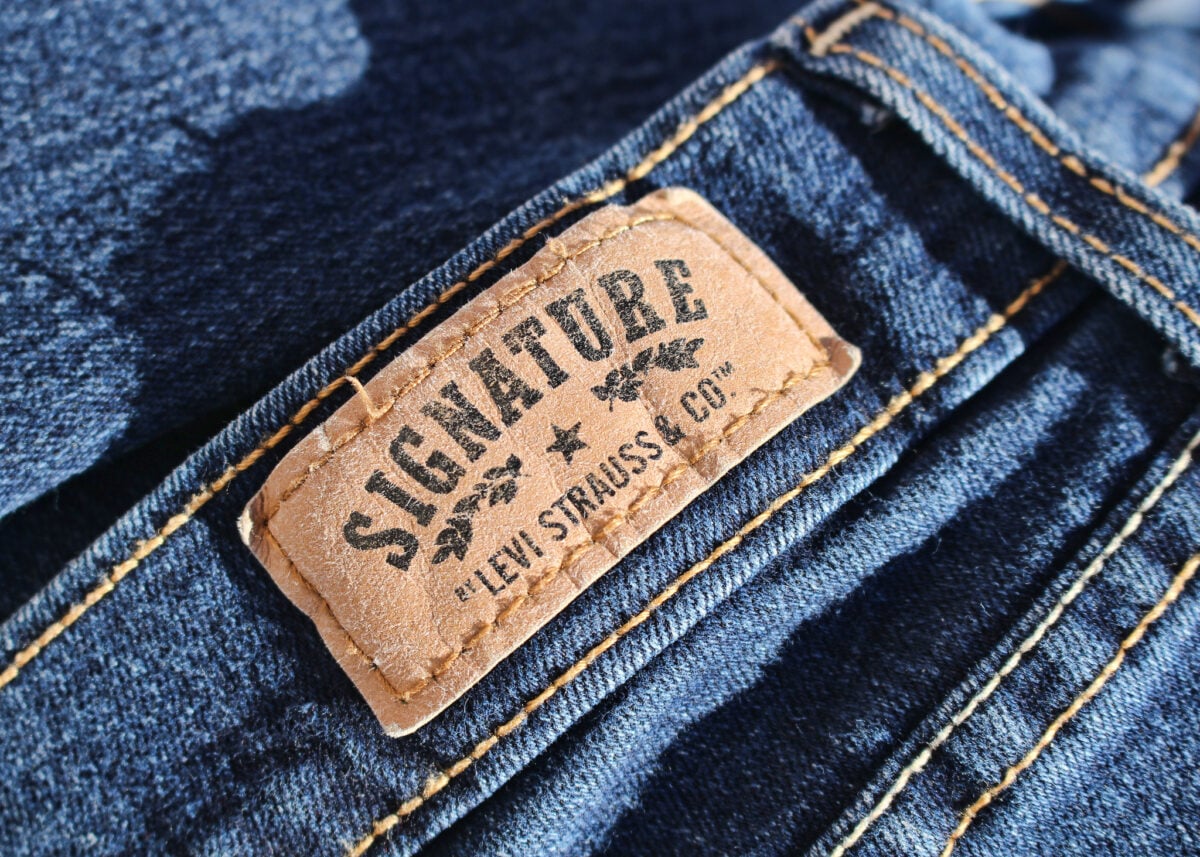
Back in 1873, Levi Strauss and tailor Jacob Davis came up with a simple but genius fix: use copper rivets to reinforce the weak spots on work pants. They weren’t thinking about fashion — just durability for miners and laborers.
But that decision gave birth to jeans, a garment that would go on to become a global symbol of freedom and rebellion. It’s funny how practicality can spark a fashion revolution.
Mary Quant Raises Hemlines
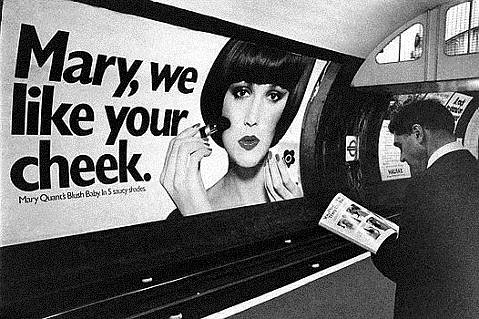
Mary Quant didn’t invent the miniskirt, but she’s the reason it caught on. In the early 1960s, she started selling shorter skirts in her London boutique because her young customers wanted more freedom to move — and to dance.
Soon, the miniskirt became a symbol of rebellion and liberation. One playful decision about a hemline ended up defining an entire era of youth culture.
King Louis XIV Mandates High Heels at Court

In the 1670s, France’s King Louis XIV made it law that anyone attending his court had to wear heels. He wore them too — often red-soled and extravagantly high — to give himself more stature and to show status.
What started as a royal vanity project turned heels into a political statement. Ever since, high heels have carried that mix of power, class, and spectacle.
Like Go2Tutors’s content? Follow us on MSN.
Amelia Bloomer Advocates for Rational Dress
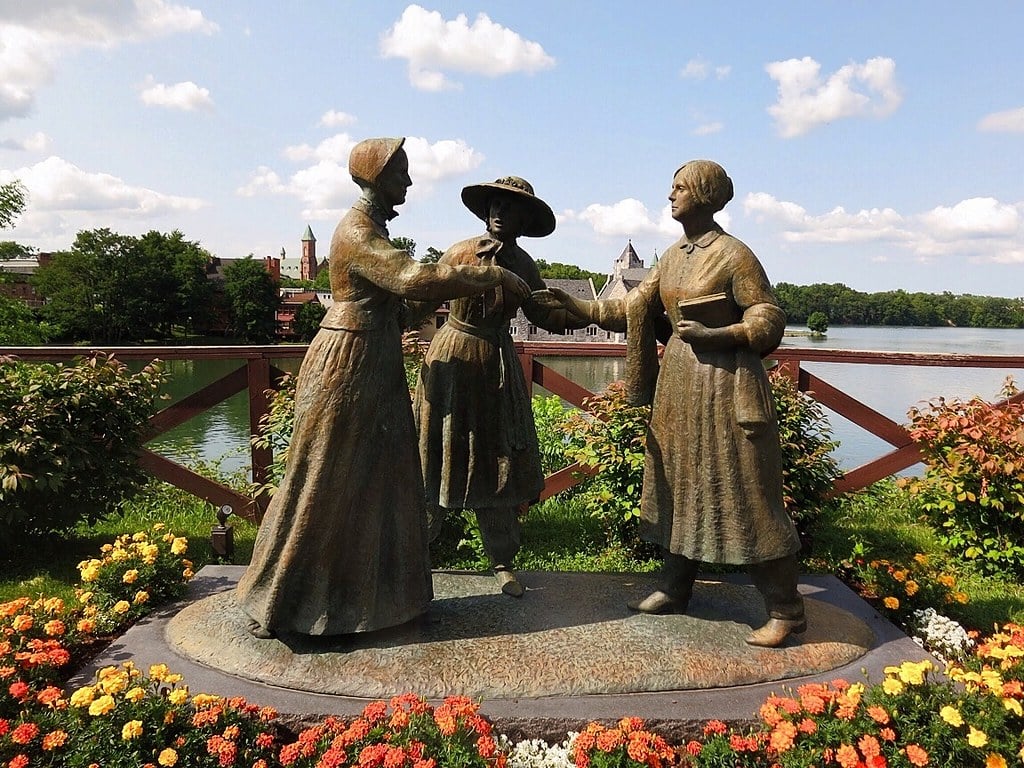
Amelia Bloomer didn’t design the pants named after her, but she certainly made them famous. In the 1850s, she used her newspaper to promote loose-fitting “bloomers” as an alternative to the heavy skirts women wore daily.
She was mocked relentlessly, but her stand for practicality planted the seed for modern women’s trousers and sportswear. Sometimes the world laughs at an idea before realizing it makes perfect sense.
DuPont Introduces Nylon to the Market
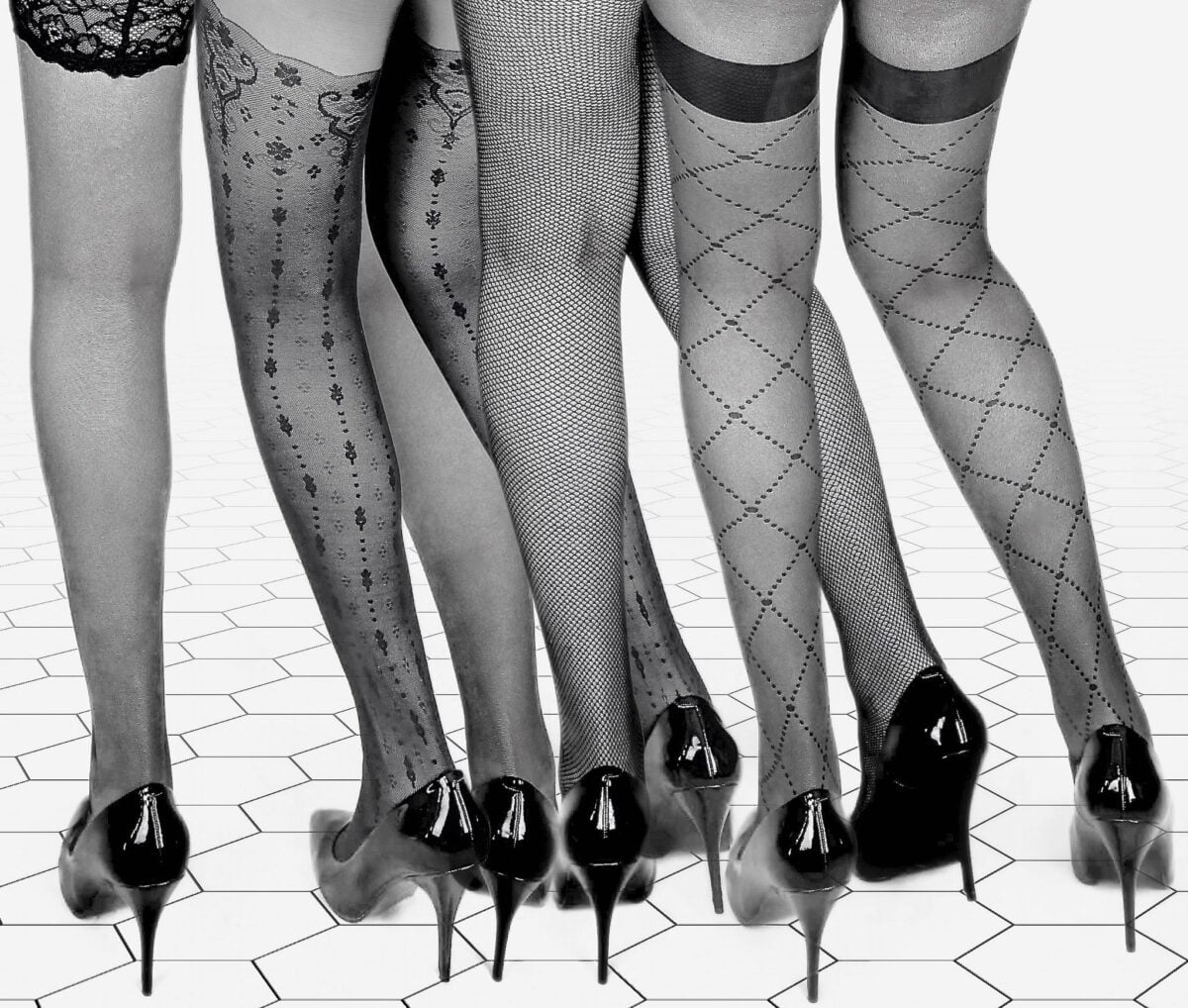
When DuPont introduced nylon stockings at the 1939 World’s Fair, it was chaos — in the best way. Millions of pairs sold in a single day.
Nylon was durable, affordable, and completely synthetic, changing the fabric industry forever. DuPont’s decision to commercialize nylon opened the floodgates for new textiles, paving the way for polyester, spandex, and the tech-driven fashion world we know today.
Coco Chanel Popularizes the Little Black Dress

In 1926, Chanel did it again. She took black — once reserved for mourning — and turned it into the ultimate color of chic.
Her little black dress was simple, elegant, and accessible. Vogue compared it to the Ford Model T, calling it “Chanel’s Ford” for its universal appeal.
From funerals to galas, black became timeless, all thanks to one dress.
Like Go2Tutors’s content? Follow us on MSN.
Vivienne Westwood Brings Punk to the Runway

Vivienne Westwood looked at London’s punk scene in the 1970s and thought, “Why not put that on a runway?” Torn shirts, safety pins, bondage trousers — it was chaos, but deliberate chaos. Her decision to elevate street rebellion to high fashion shocked the industry but eventually changed it.
Within a few years, punk’s DIY spirit showed up everywhere from couture houses to department stores. Westwood turned defiance into design.
Ralph Lauren Creates the Polo Shirt

In 1972, Ralph Lauren stitched a tiny polo player on a simple sports shirt and redefined brand identity. He wasn’t selling just clothes — he was selling a lifestyle.
That small logo carried an air of wealth, sport, and aspiration. His decision gave birth to “lifestyle branding,” where what you wear says more about your world than your wardrobe.
Rei Kawakubo Deconstructs Fashion at Comme des Garçons
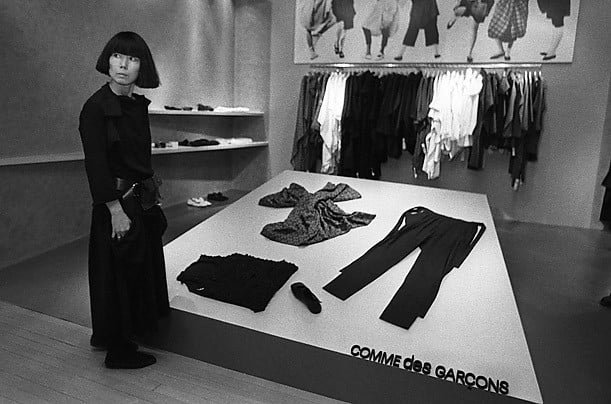
When Rei Kawakubo debuted her 1981 collection in Paris, critics didn’t know what to make of it. Her asymmetrical, ripped, black garments challenged everything people thought fashion should be.
Some called it “Hiroshima chic.” Kawakubo’s decision to embrace imperfection and reject beauty norms helped spark the deconstructionist movement.
She proved that clothes could express emotion, not just decoration.
Diane von Furstenberg Launches the Wrap Dress
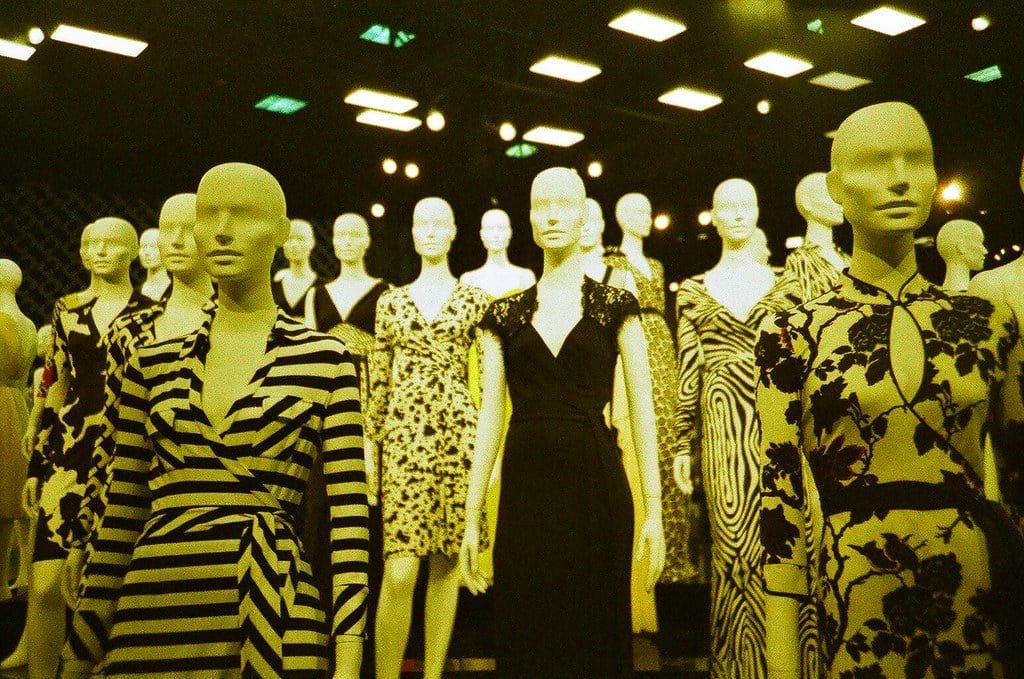
In 1974, Diane von Furstenberg designed something revolutionary in its simplicity — a dress that wrapped around the body, tied at the waist, and needed no zippers or fuss. Made from jersey fabric, it was perfect for women balancing work and life.
It was practical, flattering, and liberating. By the mid-’70s, millions of women had one. Her decision made fashion work for women, not against them.
Giorgio Armani Softens Men’s Tailoring
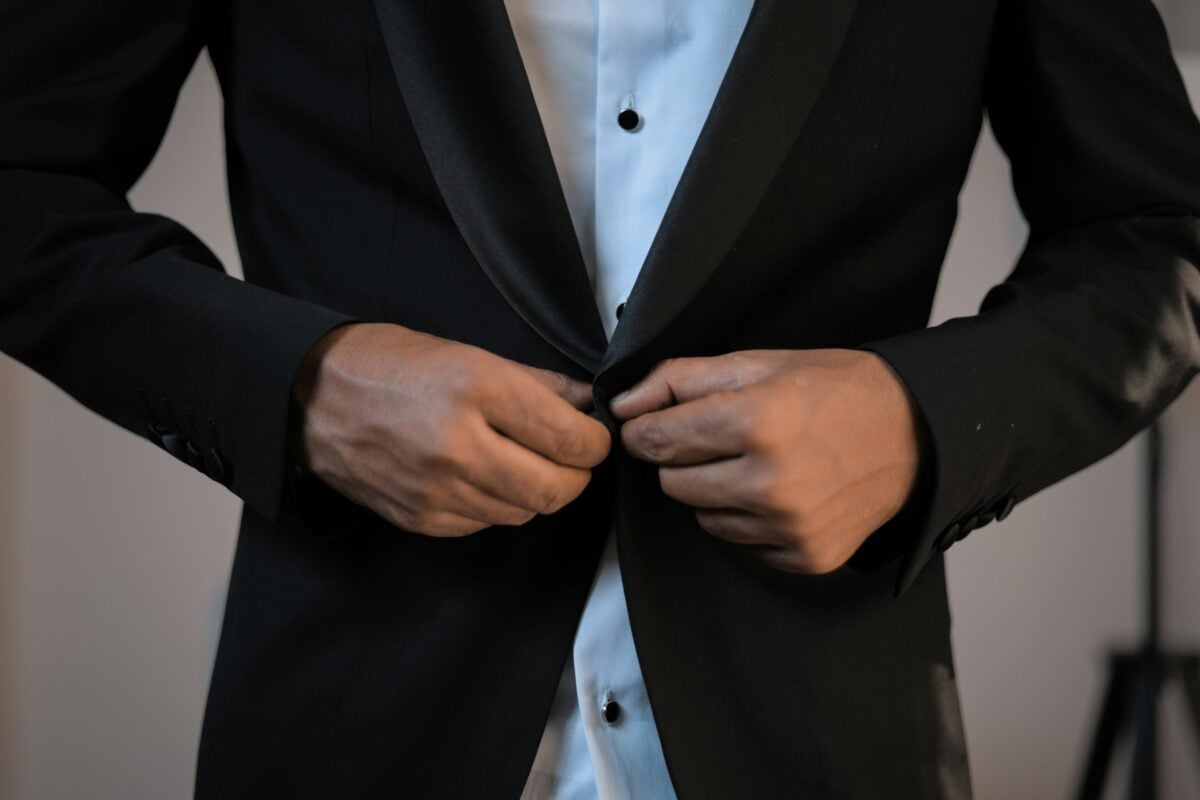
By the late 1970s, Giorgio Armani looked at men’s rigid, boxy suits and thought — what if they could breathe? He removed padding, softened the structure, and used lighter fabrics, creating a more relaxed yet refined look. His decision changed the idea of power dressing — it didn’t need to be stiff to be strong.
The modern suit owes its effortless drape to Armani.
Elizabeth Hawes Advocates for Ready-to-Wear

In the 1930s, designer Elizabeth Hawes made a bold choice: focus on ready-to-wear instead of custom couture. Many saw it as a downgrade, but she believed good design should be for everyone, not just the rich.
Her decision paved the way for mass fashion as we know it — accessible, stylish, and democratic. Couture may have had prestige, but ready-to-wear had the people.
The Thread That Connects
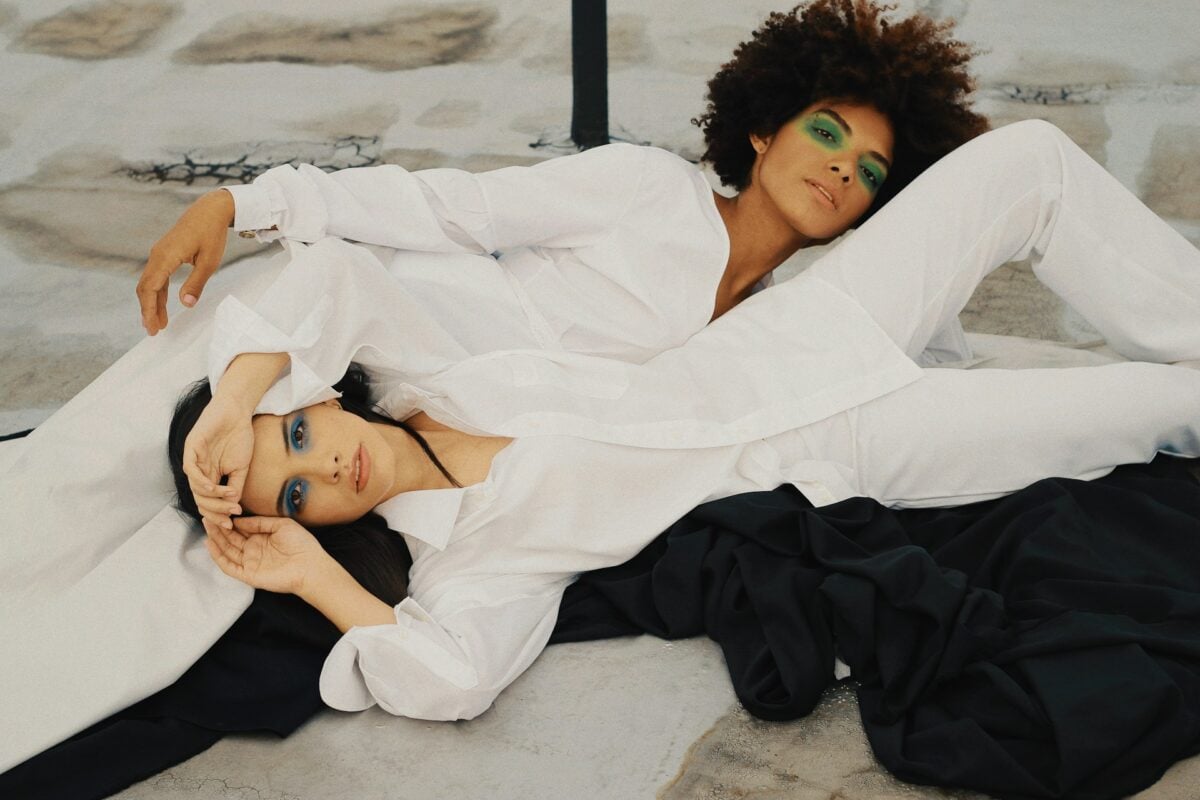
One thing unites all of these pivotal moments: someone recognized that the status quo was insufficient. Each of them made a decision that had an impact on history, whether they were adopting technology, responding to social change, or going with their gut.
Fundamentally, fashion is about having the guts to consider why we wear what we do. One person making the decision to do things differently is frequently the first step toward the biggest changes.
More from Go2Tutors!

- 16 Historical Figures Who Were Nothing Like You Think
- 12 Things Sold in the 80s That Are Now Illegal
- 15 VHS Tapes That Could Be Worth Thousands
- 17 Historical “What Ifs” That Would Have Changed Everything
- 18 TV Shows That Vanished Without a Finale
Like Go2Tutors’s content? Follow us on MSN.