Foods the British Royal Family Avoids
Being part of the royal family means following hundreds of traditions and rules. Some govern how you wave, when you curtsy, and what color hat you wear.
Others dictate what ends up on your plate. The British royals face dining restrictions that most people never consider, and these rules exist for reasons that range from practical to peculiar.
Shellfish stays off the table
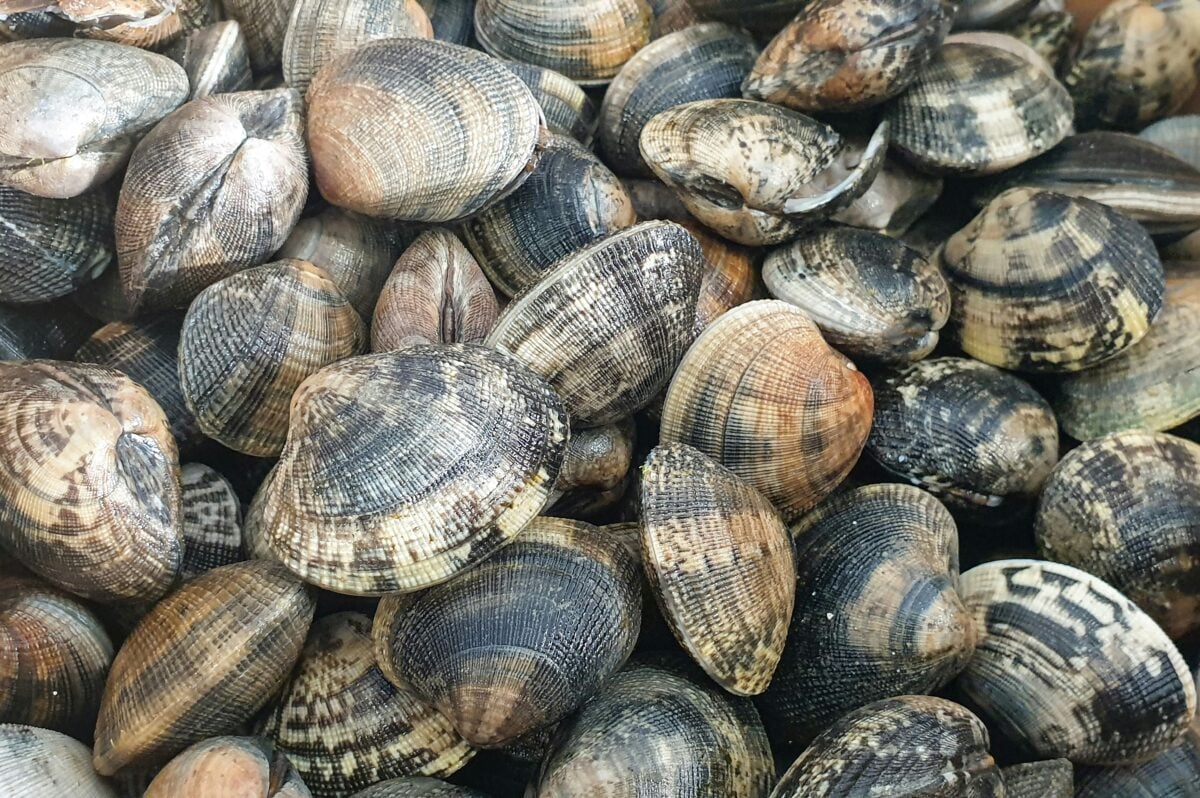
Working royals skip shellfish during official engagements and overseas tours. Oysters, shrimp, lobster, and crab carry higher contamination risks than most foods.
Former royal butler Grant Harrold explained that no one wants a member of the royal family falling ill during a state visit. The Queen and Prince Philip reportedly disliked oysters anyway, so this health precaution aligned with personal taste.
Garlic gets banned from the kitchen

Buckingham Palace chefs know better than to cook with garlic. Queen Camilla confirmed this on MasterChef Australia, explaining that royals need fresh breath when greeting dignitaries and the public.
Former chef Darren McGrady said the palace enforced strict limits on garlic and onions. King Charles III maintains this tradition, having never developed a taste for the ingredient in the first place.
Onions face similar restrictions
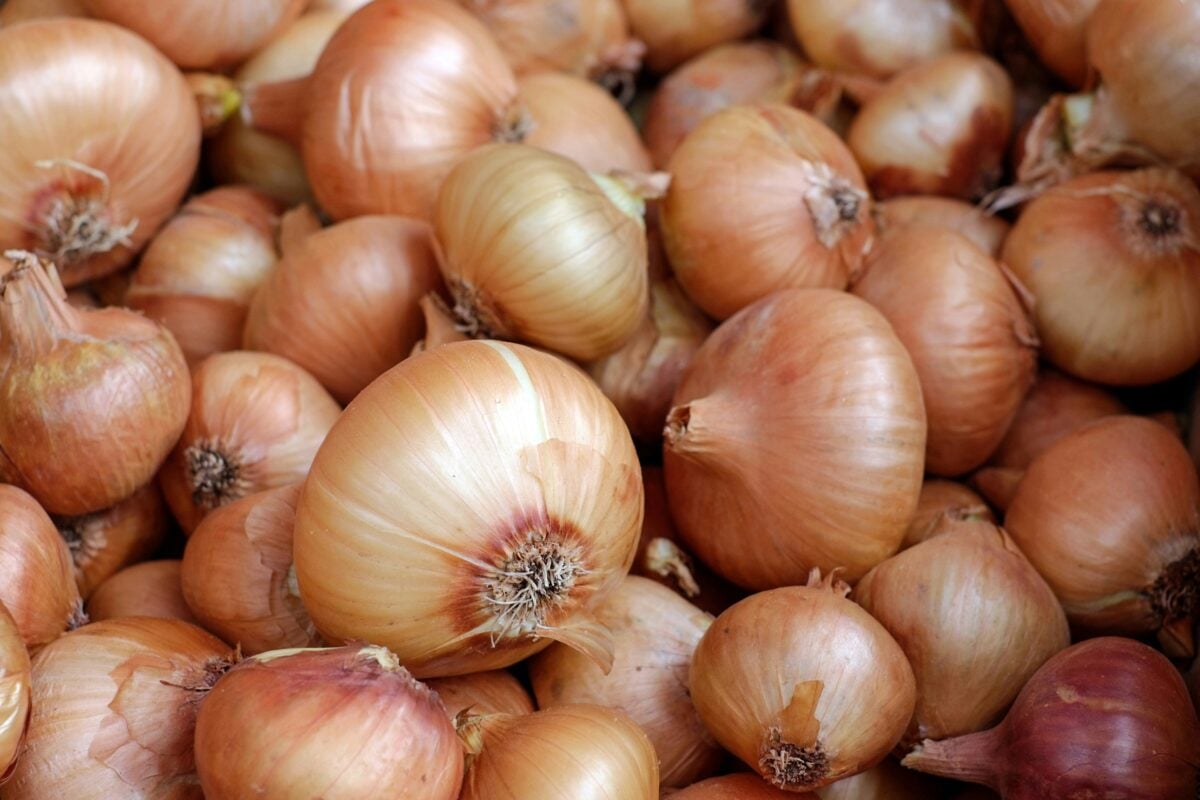
Onions join garlic on the restricted list. Both ingredients can linger on your breath for hours. When you spend most of your day shaking hands and making conversation, strong-smelling foods become a liability.
The palace chefs learned to create flavor without relying on these kitchen staples.
Pasta disappears at dinner

Queen Elizabeth II kept starchy carbohydrates away from evening meals. McGrady told journalists that pasta, potatoes, and rice were forbidden at dinner under her rule. She preferred grilled meats and vegetables instead.
The Queen made exceptions during state banquets but stayed disciplined when dining privately. Kate Middleton takes a different approach, letting her children enjoy pasta at home.
Potatoes get the same treatment
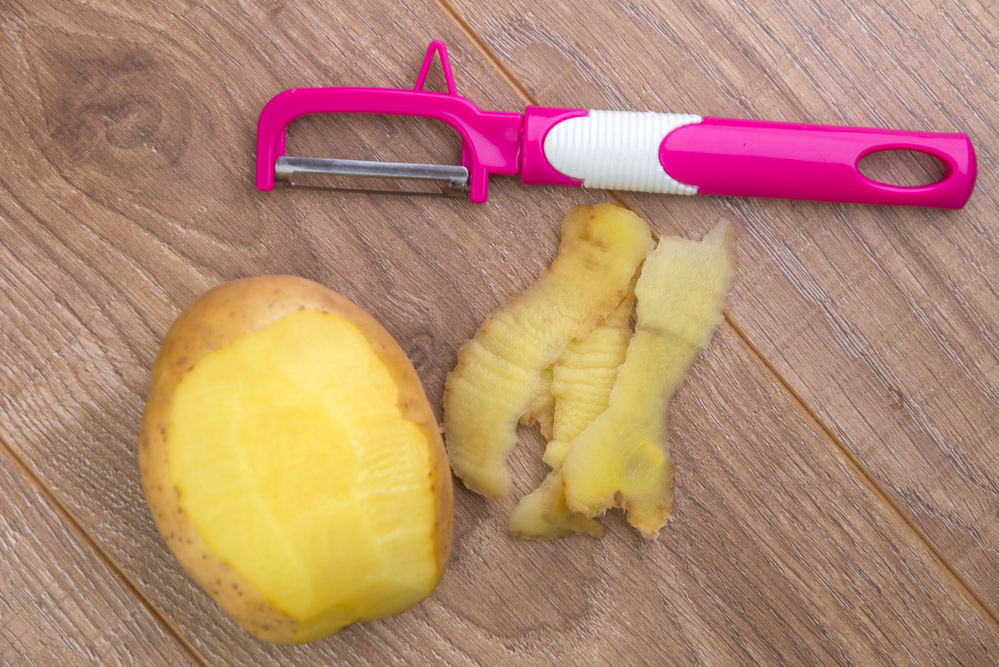
Potatoes followed the same dinner ban as pasta. The late Queen wanted to stay fit and avoided these starches during her regular evening meals.
She stuck to this rule consistently, though she relaxed it for formal state occasions when protocol required more elaborate menus.
Rice rounds out the starch trio
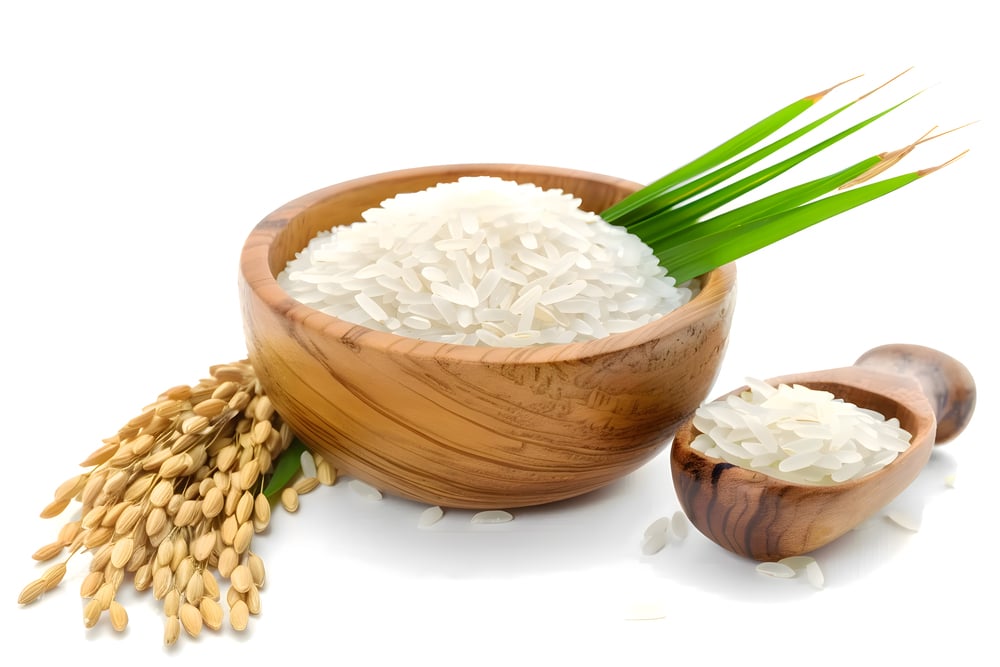
Rice completed the trifecta of banned dinner starches. Royal chefs prepared grilled fish or meat with salads and vegetables instead.
This restriction applied mainly to family dinners rather than public events. The rule emphasized health over indulgence, reflecting the Queen’s disciplined approach to eating.
Rare meat never makes an appearance
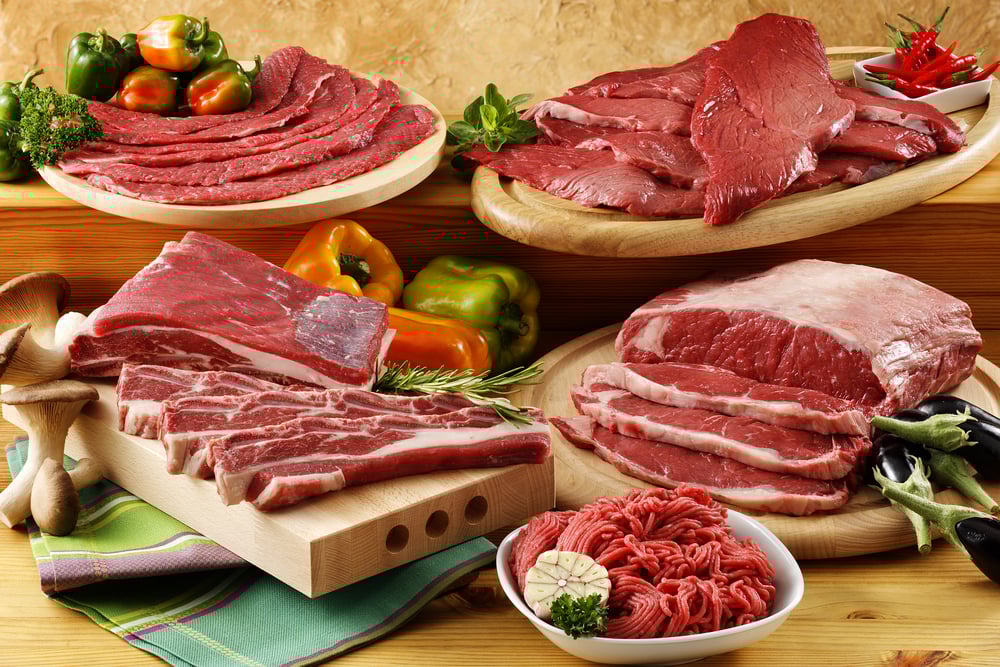
Royal kitchens cook all meat thoroughly. McGrady revealed that the Queen insisted on well-done beef, never rare or medium-rare. This practice reduces the risk of bacterial contamination.
Raw meat dishes like steak tartare stay off menus at official functions, where food safety takes priority over culinary trends.
Foie gras faces an ethical ban

King Charles III banned foie gras from royal residences in 2008. The French delicacy involves force-feeding ducks and geese through tubes inserted down their throats.
The process raised animal welfare concerns that aligned with Charles’s broader environmental commitments. His Deputy Master of the Household confirmed that palace chefs received instructions not to purchase this ingredient.
Tomato sauces create problems

The royals avoid messy tomato-based sauces at formal events. Spillages on expensive clothing during televised banquets would look embarrassing.
Palace officials informed Italian chefs about this preference before Queen Elizabeth’s 2000 visit to Rome and Milan. The restriction frustrated some European hosts but kept royal wardrobes stain-free.
Spicy foods pose risks
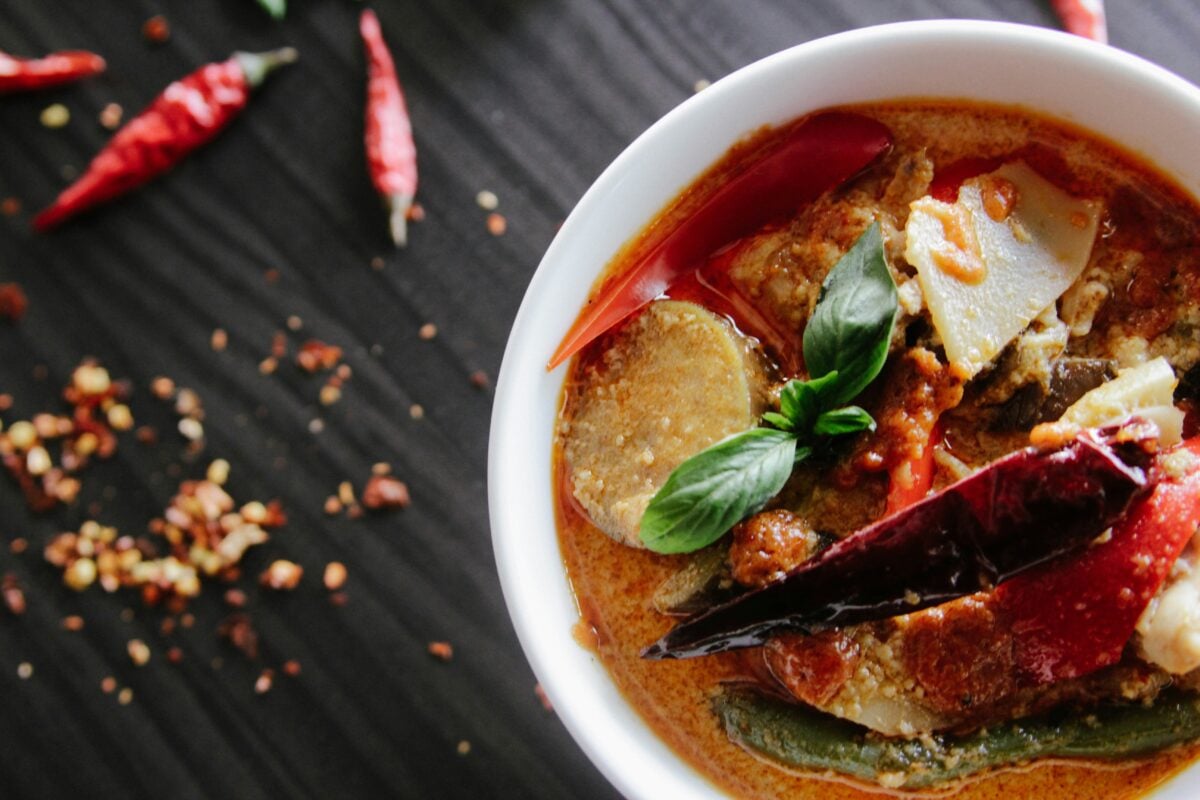
Heavily spiced dishes rarely appear on royal menus. Strong spices can cause stomach upset, particularly for people unaccustomed to them.
No royal wants to deal with digestive issues while representing the crown at a formal event. The Queen did eat sea cucumber during a 1986 China visit, proving she could handle adventurous food when necessary.
Tap water abroad gets rejected

Royal family members avoid drinking tap water during international travel. Former palace staff explained this as a precaution against potential contaminants.
The rule applies even in countries with safe drinking water, eliminating any chance of illness from unfamiliar water sources. Better safe than sorry when your schedule involves back-to-back public appearances.
Unseasonal fruits get discouraged
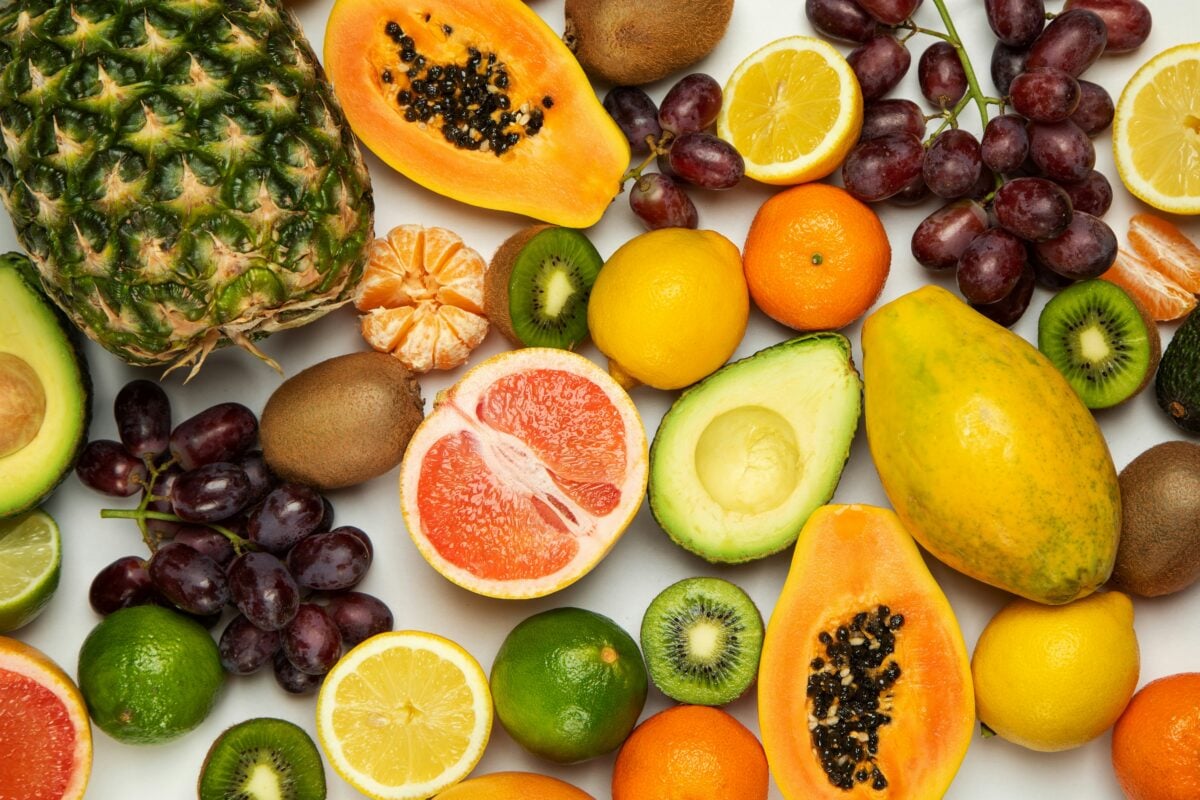
Out of sync with old farming rhythms, greenhouse fruits and shipped-in foods rarely land on royal plates. What grows naturally when it should – that’s what ends up served.
Taste matters, sure, but so does leaving less mark on the planet. Backing seasonality ties right into how King Charles has pushed eco-awareness for ages.
Refined sugars face limits
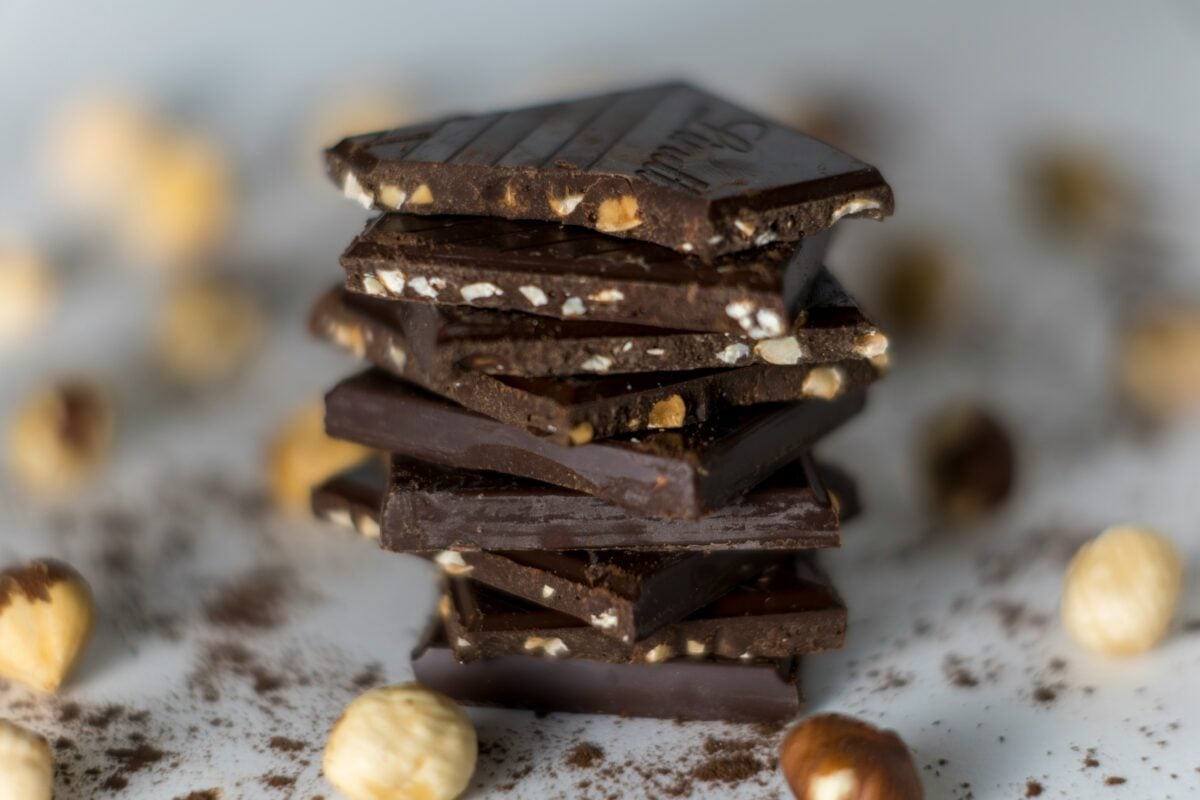
Royal eating habits include artificial sweeteners only once in a while. Honey shows up more often – King Charles likes his tea that way.
Chocolate made occasional appearances, especially for Queen Elizabeth, though never too much at once. Small treats stay part of the routine, just carefully chosen.
Whole foods take center stage, quietly shaping each meal. Refined sugar rarely gets a seat at the table.
Oversized portions break protocol
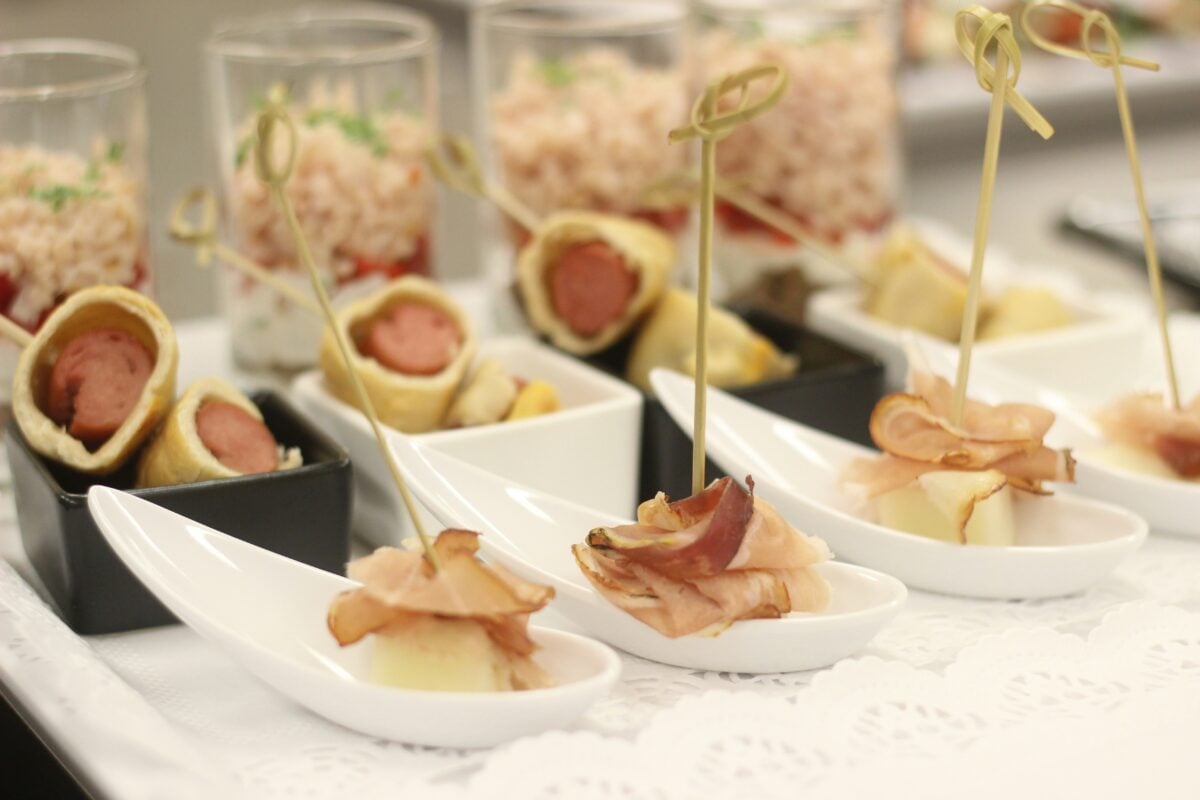
Tiny bites are standard when dining in royal circles. One-inch cuts of meat appear across plates, shaped by palace cooks for a tidy look.
Dinner swaps happened now and then – Prince Philip once passed his meal to servants just to receive bigger helpings. While others stick to modest sizes, keeping manners sharp during official gatherings.
When tradition meets the table
Out there among silver trays and quiet hallways, meals get shaped by more than appetite. Health matters, yes – yet so does looking composed under bright lights.
Breath needs to stay neutral when greeting crowds. Certain foods vanish from plates not by chance, but design. Illness risks? Avoided.
Public perception? Managed. A sense of duty runs through each choice like thread.
To an observer, it may feel extreme. Still, every restriction acts as armor against misstep. In a back room where ovens hum low, someone adjusts seasoning once again, leaving out what history says belongs outside the menu.
More from Go2Tutors!

- The Romanov Crown Jewels and Their Tragic Fate
- 13 Historical Mysteries That Science Still Can’t Solve
- Famous Hoaxes That Fooled the World for Years
- 15 Child Stars with Tragic Adult Lives
- 16 Famous Jewelry Pieces in History
Like Go2Tutors’s content? Follow us on MSN.