Origins of Holidays Celebrated Across the Globe
People enjoy a good celebration. Every culture has set aside particular days to commemorate significant events, uphold customs, or just take a vacation from daily life.
However, these holidays weren’t suddenly introduced. Over the course of centuries, they changed shape as they traversed continents and absorbed influences from various sources.
Holiday origins are fascinating because they frequently take us by surprise. The boisterous Roman festivals are a major influence on that joyous Christmas celebration.
Ancient Celtic beliefs about wandering spirits are the origin of Halloween’s eerie costumes. Even what appear to be contemporary holidays have ancient origins.
Knowing the origins of these festivities helps us understand how religions changed, cultures merged, and people’s needs for meaning and community remained constant over time. These 13 holidays from around the world are listed along with their unexpected origins.
Christmas and Ancient Winter Festivals

December 25th wasn’t picked because anyone knew Jesus’s actual birthday. Early Christians may have chosen this date to align with existing pagan winter celebrations, including the Roman festival of Saturnalia that ran from December 17-23 with feasting and gift-giving, and Dies Natalis Solis Invicti on December 25th honoring the ‘Unconquered Sun,’ though scholars debate how directly these influenced Christmas.
Norse cultures celebrated Yule with twelve days of bonfires and evergreen decorations, traditions that gradually merged with Christian celebrations as the religion spread through Europe.
Halloween from Samhain

The Celts who lived 2,000 years ago in Ireland, Scotland, and parts of France celebrated Samhain on November 1st, marking the end of harvest and the beginning of winter. They believed the boundary between the living and dead became thin on the night of October 31st, allowing spirits to walk among humans, so people wore costumes and masks to confuse harmful spirits.
Pope Gregory III or IV moved All Saints Day to November 1st in the 8th or 9th century, and the night before became All Hallows Eve, eventually shortened to Halloween.
Like Go2Tutors’s content? Follow us on MSN.
Easter and Spring Renewal
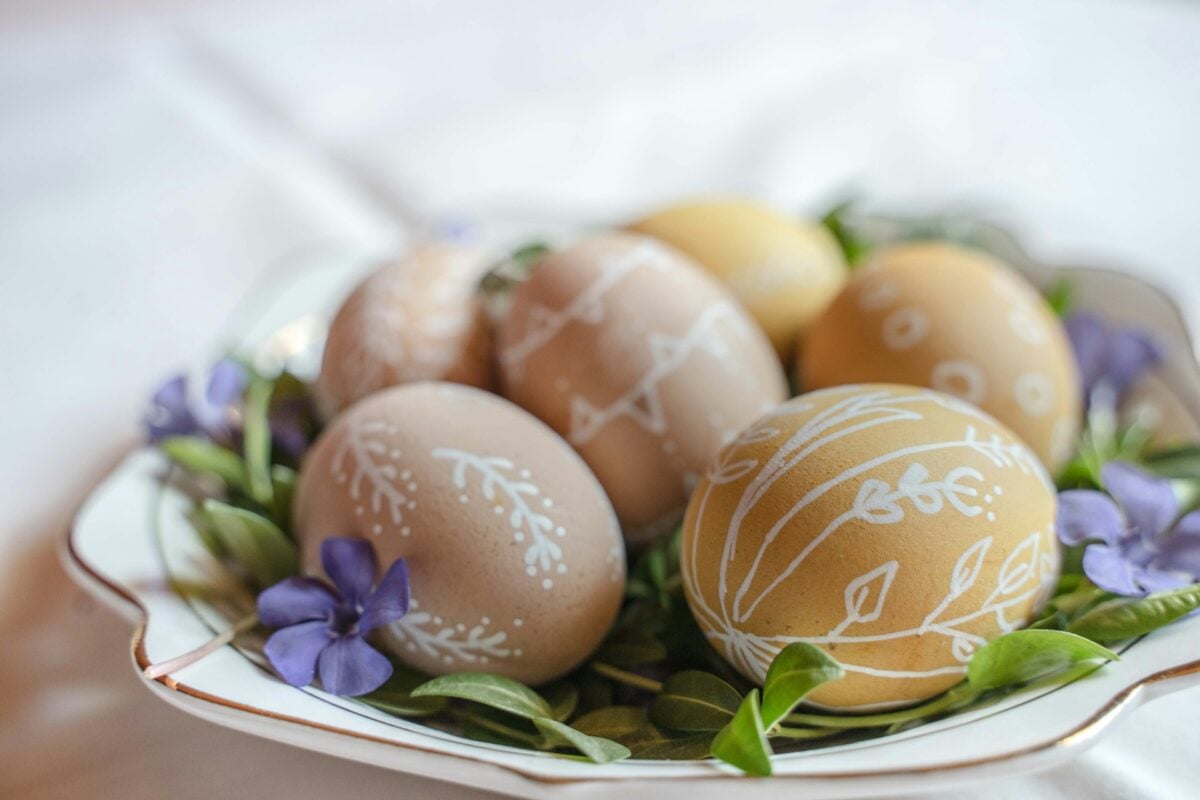
Easter commemorates the resurrection of Jesus Christ, with its date following a lunar calendar that falls on the first Sunday after the first full moon following the spring equinox. The Easter egg symbolizes new life and appears in various spring celebrations, becoming incorporated into Christian tradition.
Easter rabbits emerged later as European folk additions representing the season’s fertility and abundance, gradually becoming associated with the holiday.
Lunar New Year’s Ancient Roots

Chinese New Year celebrations have roots in early Chinese agrarian festivals marking the end of winter and beginning of spring planting season, later mythologized with legends like the monster Nian who terrorized villages until scared away by loud noises and the color red. The lunar calendar determines the holiday’s date, falling between January 21 and February 20, with each year corresponding to one of twelve animals in the Chinese zodiac.
Traditions spread throughout East and Southeast Asia, with Korea, Vietnam, and other countries adapting the celebrations to their own cultures.
Diwali’s Festival of Lights

Diwali dates back over 2,500 years in India, though different regions tell different origin stories about various gods defeating demons. Northern India celebrates King Rama’s return from exile, with people lighting lamps to guide him home, while southern India focuses on Lord Krishna’s victory over the demon Narakasura.
The festival lasts five days in October or November, coinciding with the new moon and marking a new year in some Hindu calendars, though timing and significance vary by region.
Like Go2Tutors’s content? Follow us on MSN.
Hanukkah and the Maccabean Revolt
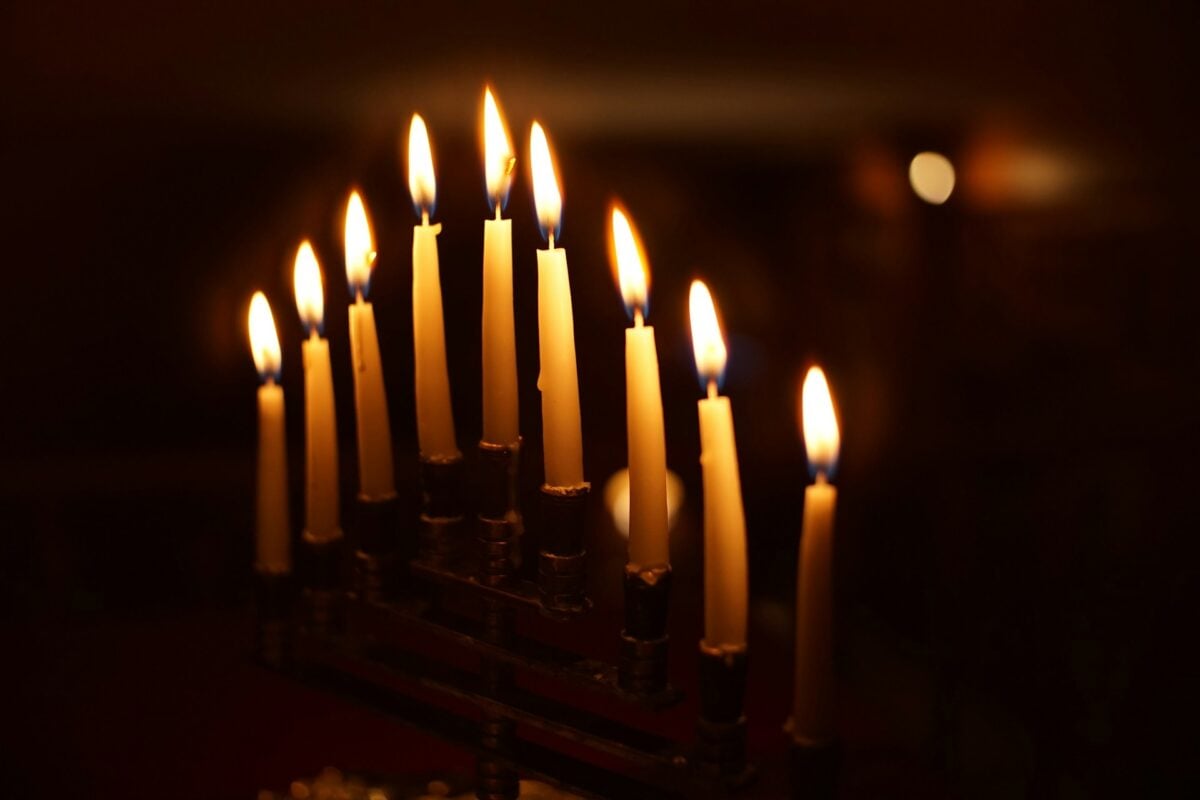
In 167 BCE, the Seleucid Empire attempted to suppress Jewish religious practices, sparking the Maccabean Revolt that reclaimed Jerusalem and the Second Temple. According to tradition, they found only enough consecrated oil to keep the Temple’s menorah lit for one day, but miraculously it burned for eight days.
This miracle gave Hanukkah its eight-day celebration and the tradition of lighting one additional candle each night on a special nine-branched menorah.
Ramadan’s Sacred Month
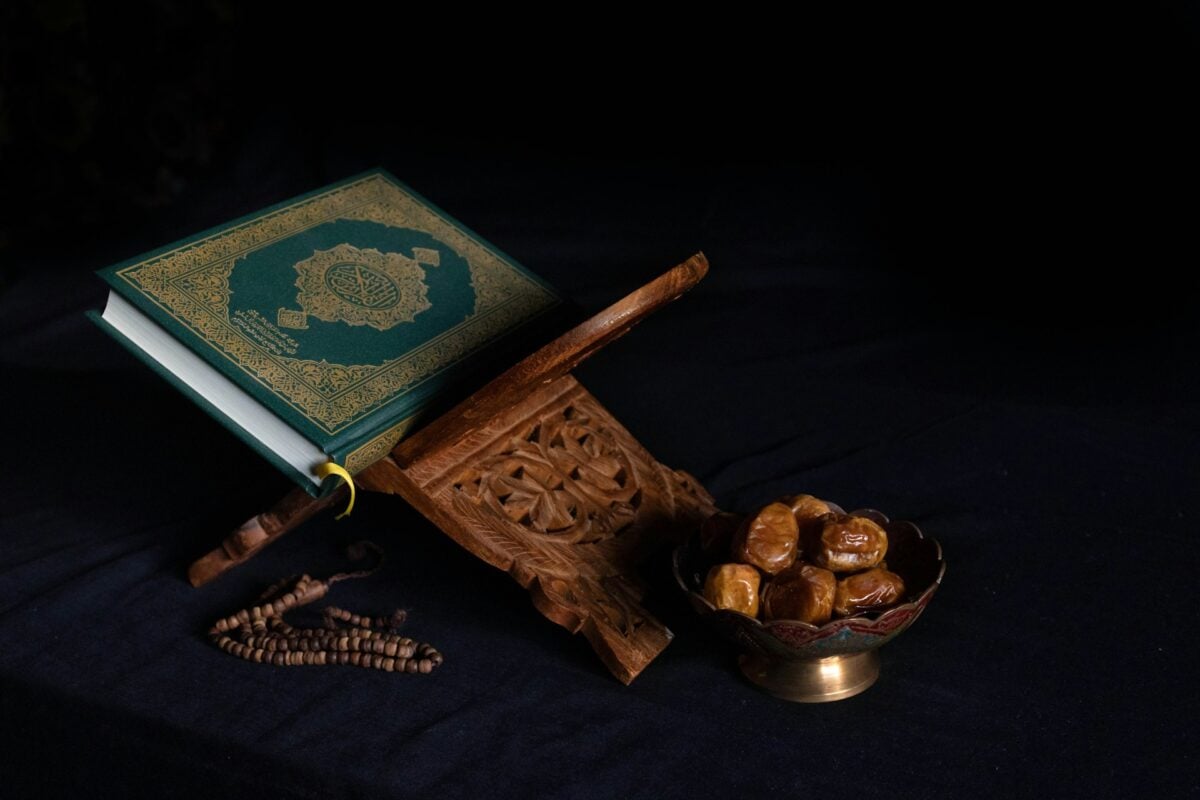
Ramadan commemorates when the Prophet Muhammad received the first revelations of the Quran from the angel Gabriel in the early 7th century CE. The Islamic lunar calendar places Ramadan as the ninth month, shifting approximately eleven days earlier each year on the Gregorian calendar.
Muslims fast from dawn to sunset to honor the revelation, breaking their fast each evening with dates and water before sharing a larger meal called iftar.
Thanksgiving’s Harvest Festival Blend

Harvest festivals existed in countless cultures long before the 1621 feast between Pilgrims and Wampanoag people that Americans commemorate. Ancient Greeks, Romans, and European cultures all held autumn harvest celebrations featuring communal meals after crops were gathered.
President Abraham Lincoln established the last Thursday in November as Thanksgiving Day in 1863, and President Franklin D. Roosevelt later fixed it to the fourth Thursday in 1941.
Like Go2Tutors’s content? Follow us on MSN.
Valentine’s Day from Lupercalia

Ancient Romans celebrated Lupercalia on February 15th, a fertility festival involving animal sacrifices and rituals to ward off evil spirits and promote health and fertility. The Christian church may have attempted to replace this pagan celebration by establishing St. Valentine’s Day on February 14th to honor a martyred priest, though multiple St. Valentines existed and the direct connection is debated.
The romantic associations developed much later in the Middle Ages when Geoffrey Chaucer and other poets linked the day with courtly love.
Day of the Dead’s Ancient Roots

Mexico’s Day of the Dead has pre-Columbian roots in indigenous festivals honoring Mictecacihuatl, the Aztec goddess of the underworld who watched over the bones of the dead. When Spanish conquistadors arrived, they tried to move these indigenous celebrations to coincide with the Catholic holidays of All Saints Day and All Souls Day on November 1-2.
The modern celebration blends indigenous beliefs that death is part of life’s continuum with Catholic traditions, featuring colorful altars, sugar skulls, and marigold flowers.
Passover and the Exodus
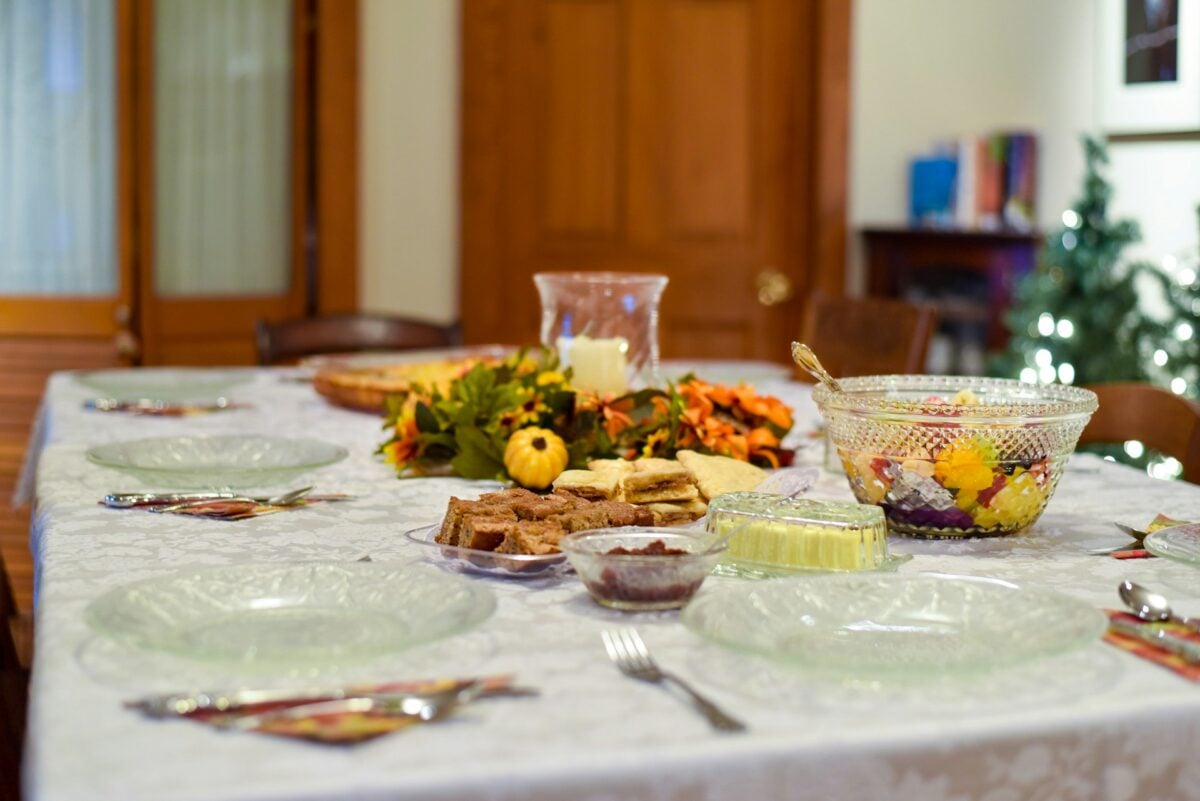
Passover commemorates the story from the Book of Exodus of the ancient Israelites’ escape from slavery in Egypt, preserved in Jewish religious tradition. The holiday’s name refers to God ‘passing over’ Hebrew homes marked with lamb’s blood during the tenth plague that struck Egyptian firstborns, as told in the biblical narrative.
The week-long celebration in March or April features a ritual meal called a Seder where families retell the exodus story and eat symbolic foods including matzah, unleavened bread representing the hasty departure.
Like Go2Tutors’s content? Follow us on MSN.
St. Patrick’s Day and Irish Heritage

St. Patrick’s Day honors the patron saint of Ireland who strengthened Christianity on the island in the 5th century, though Christian communities existed there before his arrival. The holiday began as a religious feast day in Ireland marking March 17th, the traditional date of his death.
The association with the color green, shamrocks, and parades developed much later, particularly in the United States during the 19th century when Irish immigrants celebrated their heritage.
Oktoberfest’s Royal Wedding
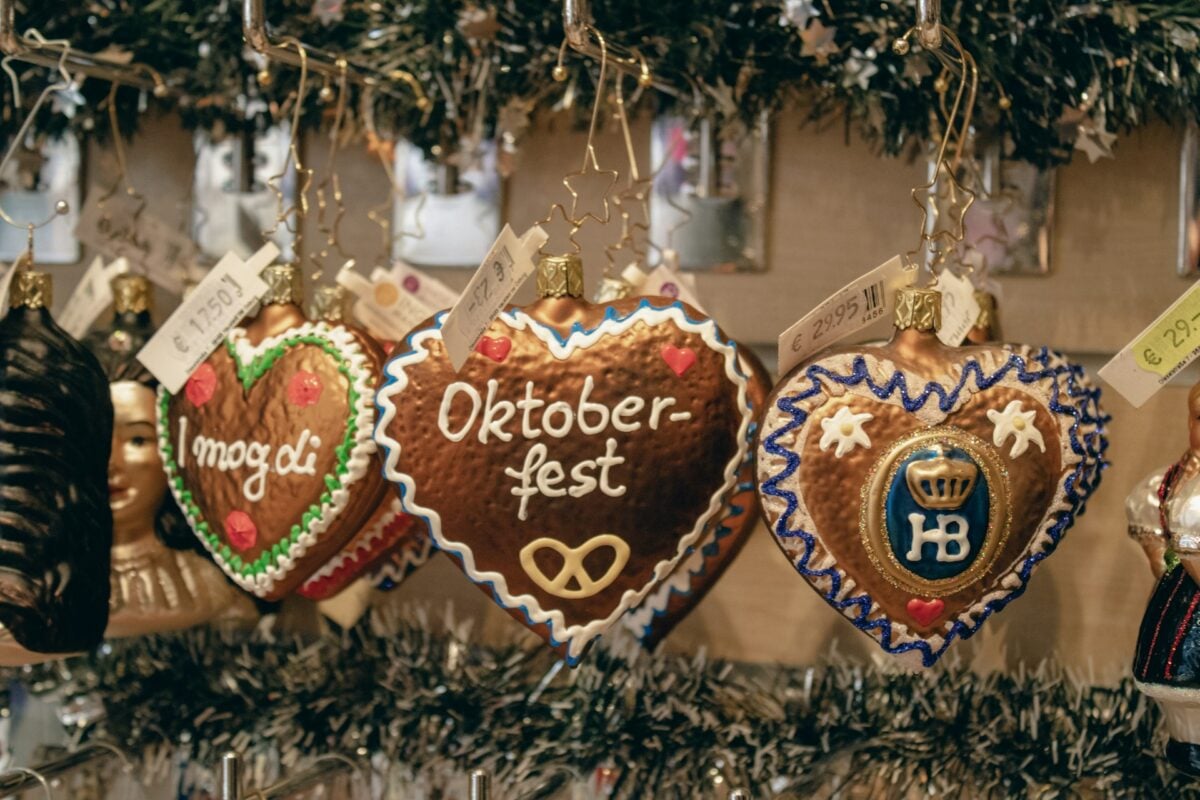
Oktoberfest started as a five-day celebration in October 1810 when Crown Prince Ludwig of Bavaria married Princess Therese, and Munich’s citizens were invited to celebrate with horse races and festivities. The celebration was so successful that locals decided to repeat it annually, gradually adding beer tents and extending the festival’s duration.
Today’s event begins in September for better weather and runs for 16 days, showcasing Bavarian culture, traditional music, and massive amounts of beer served in special tents.
Celebrations Connect Us All
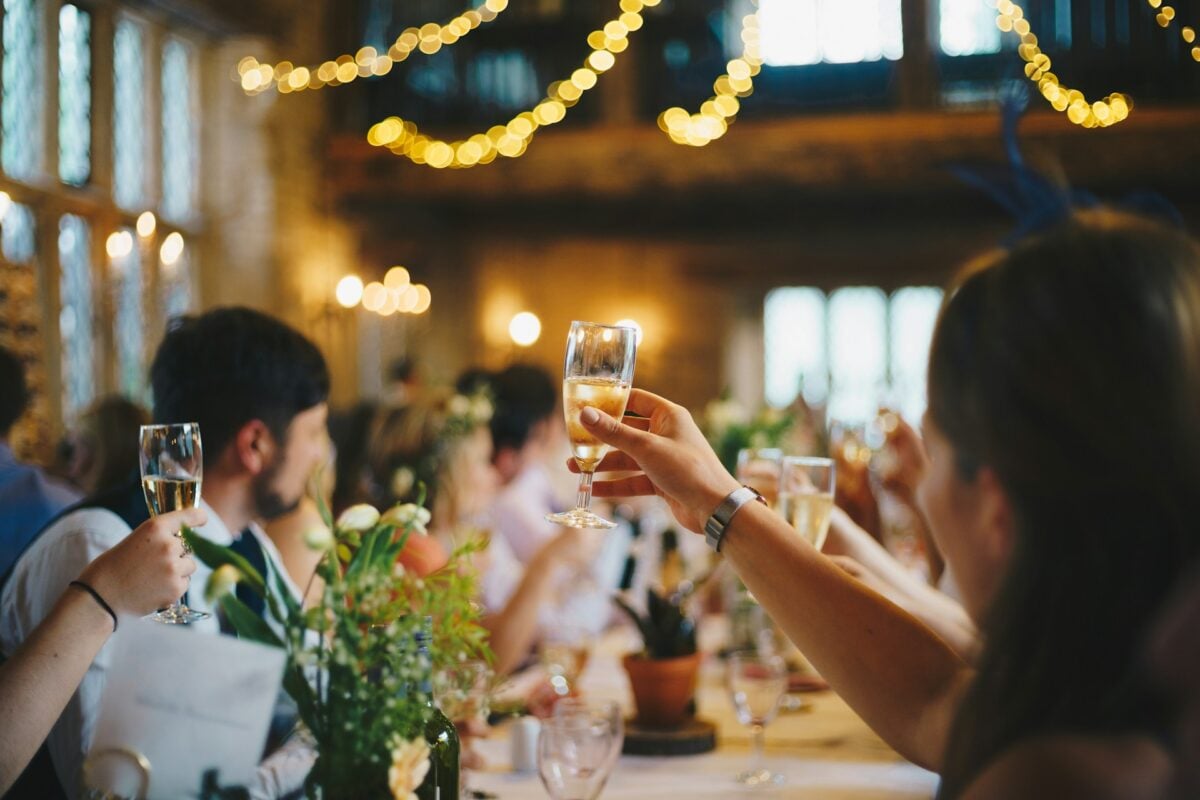
These celebrations demonstrate how human cultures have a shared need to mark time, respect the sacred, and foster community. As religions expanded and cultures converged, ancient festivals took on new significance, resulting in the diverse range of customs we still cherish today.
These festivities, whether it be candle lighting, meal sharing, or street dancing, link us to forebears who yearned for the same sense of awe and acceptance.
More from Go2Tutors!

- 16 Historical Figures Who Were Nothing Like You Think
- 12 Things Sold in the 80s That Are Now Illegal
- 15 VHS Tapes That Could Be Worth Thousands
- 17 Historical “What Ifs” That Would Have Changed Everything
- 18 TV Shows That Vanished Without a Finale
Like Go2Tutors’s content? Follow us on MSN.