Home Designs That Define Ultra-wealth
Walk into a billionaire’s home and you’ll notice something immediately: it appears effortless but engineered to perfection.
The real markers of extreme wealth in residential design have shifted away from obvious displays of gold fixtures and marble everything.
This reflects the ‘quiet architecture’ trend that gained momentum after 2020, with minimalism becoming the preferred language of the ultra-wealthy.
Today’s luxury homes whisper their value through details most people wouldn’t even notice at first glance—the kind of features that cost more than entire houses yet blend seamlessly into daily life.
The ultra-wealthy aren’t just buying bigger homes anymore.
They’re commissioning architectural statements that function like private resorts, complete with amenities that would make five-star hotels jealous.
Here’s a closer look at the design elements that separate a merely expensive house from a true statement of wealth.
Smart home technology that thinks ahead

The homes of the ultra-rich run on invisible tech that makes life feel effortless.
We’re talking about AI-driven systems that learn your preferences and adjust everything before you even realize you want it changed.
Bill Gates’ Xanadu 2.0 pioneered this approach decades ago with its sensor-equipped rooms that adjust lighting and temperature based on who enters, while newer developments like Saudi Arabia’s NEOM villas feature predictive climate zones that anticipate comfort needs throughout the day.
Walk into a room and the lighting shifts to your preferred setting, the temperature adjusts, and your favorite music starts playing at just the right volume.
Voice commands are almost quaint at this point—biometric access using fingerprint and iris scanners controls doors, elevators, and security zones throughout the home.
Some systems integrate biometric data for personalized climate control, though full biometric climate zoning remains largely conceptual.
The technology isn’t showy or complicated; it just works, and that seamlessness costs a fortune.
Walls that disappear
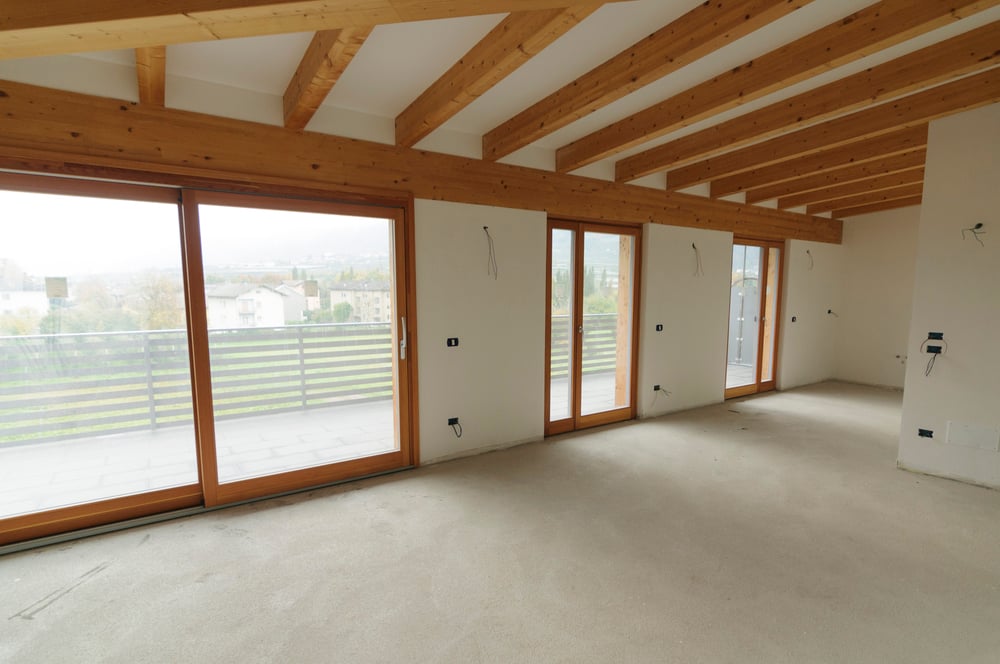
Floor-to-ceiling glass walls have become the calling card of modern luxury architecture.
These aren’t your standard sliding doors—they’re massive panels from manufacturers like Sky-Frame, Vitrocsa, or NanaWall that retract completely, blurring interior-exterior transitions in ways that fundamentally change how spaces feel.
The effect floods interiors with natural light and frames views like living artwork, whether that’s an ocean vista, mountain range, or manicured gardens.
Installing these systems requires serious engineering, especially the kind that can withstand various weather conditions while maintaining perfect insulation.
High-end installations use electrochromic or low-E triple glazing that provides both insulation and tint control, adjusting opacity based on sun exposure or privacy needs.
The result feels less like living in a house and more like inhabiting a carefully curated piece of landscape.
Private wellness sanctuaries

Forget the basic home gym with a treadmill and some weights.
Ultra-luxury homes now feature full wellness complexes that rival professional spas, with complete wellness suites often exceeding 3,000 square feet and costing millions to construct.
Think dedicated yoga studios, meditation chambers with soundproofing, saunas paired with cold plunge pools, and massage rooms with hydrotherapy features.
High-end bathrooms have evolved into spa-like retreats with heated marble floors, steam showers, aromatherapy systems, and soaking tubs positioned to capture panoramic views.
Some properties include salt-therapy or halotherapy rooms for respiratory benefits.
The trend reflects the ‘longevity luxury’ movement, where biohacking meets high design—think cryotherapy chambers, red-light therapy rooms, and infrared saunas calibrated for optimal health outcomes.
This shift shows how the wealthy think about luxury now: it’s not just about impressing guests anymore, but creating spaces that support daily well-being in ways that feel genuinely restorative rather than showy.
Entertainment spaces that outdo commercial venues

Home theaters in billionaire mansions make regular cinemas look basic.
These aren’t just big screens with comfortable seating—they’re fully equipped screening rooms with 4K-8K HDR laser projection, Dolby Atmos surround sound, and stadium seating with velvet lounges.
Integrated outdoor projection systems allow for movie nights under the stars, though the mechanics are far more sophisticated than simple screens.
Beyond theaters, the ultra-rich are installing private bowling alleys with custom pins, full-sized basketball courts, indoor golf simulators, and game rooms that function as adult playgrounds.
Properties like The One in Bel Air and Palazzo di Amore include full bowling alleys and nightclub-quality lounges complete with professional DJ booths.
These spaces aren’t afterthoughts tucked into basements; they’re architecturally integrated entertainment hubs designed by specialists who understand acoustics, lighting, and the psychology of leisure.
The goal is creating experiences that make leaving home feel unnecessary.
Underground car galleries

The ultra-wealthy don’t park cars—they display them.
Underground garages have transformed into climate-controlled showrooms with rotating platforms, LED lighting systems, and museum-quality displays, with excavation and engineering typically costing upward of a million dollars before a single vehicle rolls in.
Car elevators by manufacturers like Cardok or IdealPark lift vehicles from street level to these subterranean galleries, where collections often housing 10-20 supercars sit like art installations.
These spaces include dedicated detailing areas and lounges where owners can admire their collections.
The engineering required to build these underground complexes involves excavating below existing mansions while maintaining structural integrity, which adds significantly to construction costs.
Still, for collectors who view automobiles as investments and status symbols, these garages serve as both functional storage and conversation pieces when entertaining fellow enthusiasts.
Outdoor living that rivals interior spaces

Luxury outdoor areas have evolved far beyond pools and patios.
Today’s high-end homes feature complete outdoor kitchens with professional-grade appliances, pizza ovens, and multiple cooking stations.
Infinity pools blend seamlessly with ocean or mountain views, often accompanied by hot tubs, swim-up bars, and poolside cabanas with full entertainment systems.
Fire pit lounges, outdoor dining pavilions, and even amphitheaters for private concerts complete these exterior spaces, typically designed by resort-grade landscaping firms like EDSA or SWA.
In climates like Los Angeles or Dubai, retractable roofs and misting systems allow year-round use regardless of weather.
The trend toward indoor-outdoor living reflects changing priorities among younger ultra-wealthy buyers, who value connection to nature and spaces designed for social gathering.
Weather-resistant furniture and advanced coverings ensure these areas function across seasons.
The investment in outdoor spaces can rival the cost of entire interior renovations, with returns measured in lifestyle quality rather than traditional resale value.
Bespoke everything

Mass production doesn’t exist in ultra-luxury homes.
Custom craftsmanship defines every surface and detail, from hand-carved wood accents to one-of-a-kind lighting fixtures designed specifically for each space.
Furniture is commissioned from artisan makers and brands like Promemoria or Minotti’s bespoke divisions, often incorporating rare materials sourced globally—think marble from the same Carrara quarries that supplied Renaissance palaces, or wood from centuries-old trees.
Kitchens feature statement islands with exotic stone finishes, appliances hidden behind custom cabinetry, and layouts designed around how the household actually cooks and entertains.
Even small touches like door handles, faucets, and cabinet hardware receive the bespoke treatment.
Full bespoke interiors can take 18-36 months from concept to completion.
This level of customization doesn’t just add personality; it ensures the home can’t be replicated, which matters greatly to buyers seeking true exclusivity.
The process involves collaborating with designers and craftspeople for extended periods, making the home itself a creative project rather than a purchase.
Private art galleries and museums

When you own museum-worthy art, you need museum-quality spaces to display it.
Ultra-luxury homes increasingly dedicate entire wings to private galleries, complete with climate control systems maintaining museum standards of roughly 20 degrees Celsius and 50 percent humidity, specialized lighting, and security that rivals major institutions.
These aren’t just rooms with art on the walls—they’re curated spaces where collections can be properly preserved and appreciated.
Some properties include sculpture gardens, rotating exhibition spaces, and even small theaters for screenings of art films.
Many owners hire professional curators or partner with institutions for rotating exhibits, treating their collections with the seriousness of public museums.
The architectural challenge involves creating display areas that feel intimate rather than institutional, with sightlines and flow carefully considered.
For many ultra-wealthy collectors, these galleries serve dual purposes: protecting valuable investments and creating private cultural spaces within their residences.
When guests tour these areas, they’re experiencing something that blurs the line between home and museum.
Sustainable luxury

Today’s ultra-wealthy homeowners increasingly demand green credentials alongside their gilded amenities.
LEED Platinum certification, geothermal loops, greywater recycling systems, solar panels, and energy-efficient appliances are becoming standard in high-end builds.
Properties like Larry Ellison’s developments on Lanai and various Google co-founders’ sustainable Lake Tahoe estates demonstrate how environmental consciousness has become part of the luxury conversation.
The innovation lies in integrating these sustainable features without compromising aesthetics or performance.
Passive design techniques maximize natural light and airflow, reducing reliance on artificial systems.
Battery storage allows homes to bank excess solar energy, with modern systems now supporting full off-grid redundancy for true energy independence.
Advanced insulation and smart energy management systems optimize consumption without requiring lifestyle compromises.
This shift reflects generational change—younger billionaires view sustainability not as sacrifice but as sophisticated forward thinking.
The technology costs considerably more upfront, but for buyers at this level, the expense barely registers compared to the satisfaction of knowing their palatial estates tread somewhat lighter on the planet.
Where wealth whispers loudest

The markers of ultra-wealth in home design have fundamentally changed over the past decade.
Quiet luxury now defines architectural opulence.
What once screamed ‘expensive’ through obvious displays now whispers exclusivity through thoughtful integration of technology, craftsmanship, and personalization.
These homes function as complete ecosystems designed around individual lifestyles rather than standard luxury checklists.
The evolution reflects broader shifts in how the ultra-wealthy view their residences—not just as status symbols or investment vehicles, but as carefully curated environments that enhance daily life in tangible ways.
As technology advances and younger generations inherit wealth, expect these homes to become even more focused on experience over excess, with features that prioritize well-being, sustainability, and genuine personal expression over traditional markers of opulence.
In the world’s wealthiest homes, restraint has become the ultimate indulgence.
More from Go2Tutors!

- The Romanov Crown Jewels and Their Tragic Fate
- 13 Historical Mysteries That Science Still Can’t Solve
- Famous Hoaxes That Fooled the World for Years
- 15 Child Stars with Tragic Adult Lives
- 16 Famous Jewelry Pieces in History
Like Go2Tutors’s content? Follow us on MSN.