Horror Movie Villains Who Survived Every Sequel
Monsters stick around because fear keeps finding new shapes. Even when stories wrap up tight, something always lingers beneath.
Time passes, films return, rules shift – yet certain threats just won’t stay buried. Through countless comebacks and fresh starts, a few names keep showing up, unshaken by time or effort meant to erase them.
Survival isn’t rare, yet some keep returning because the story demands it. Not merely lasting longer, they shape how the series unfolds.
Fans don’t wonder whether they’ll reappear – only what form comes next. Take a moment to examine those relentless presences in horror films, each escaping death across every chapter tied to their name.
Michael Myers
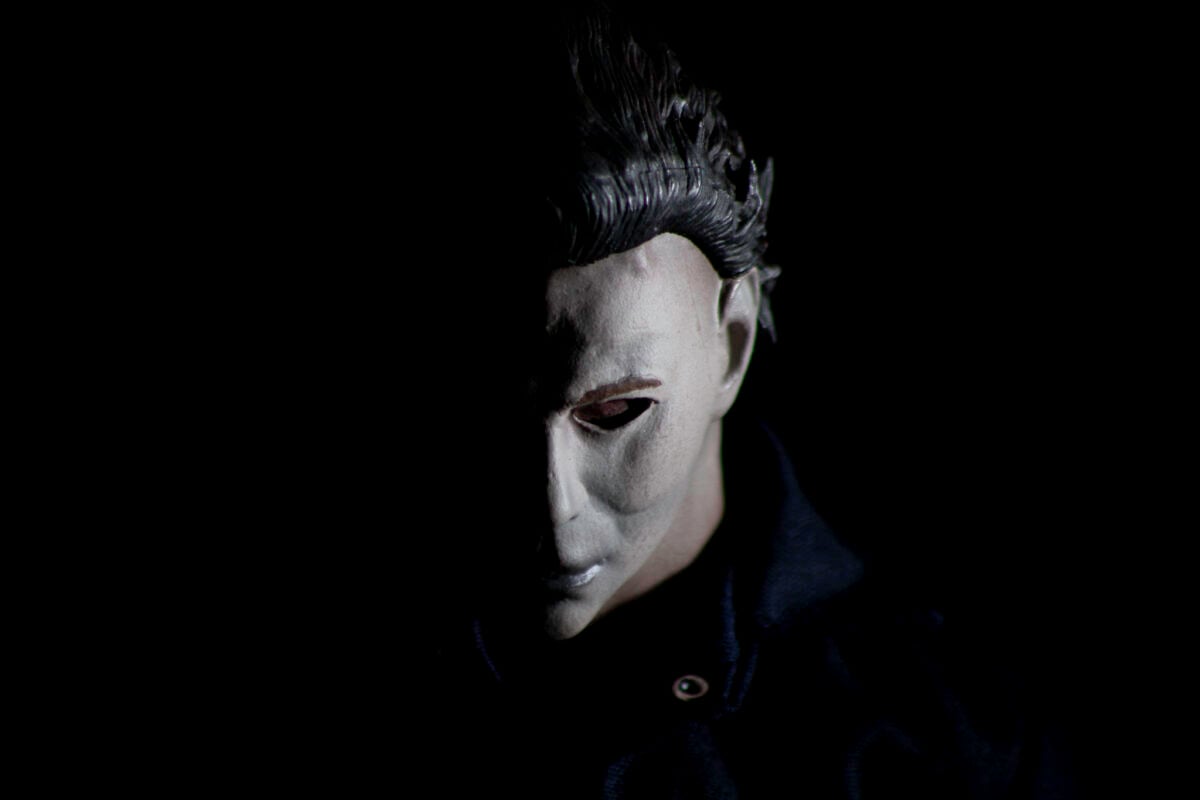
Michael Myers is the blueprint for sequel survival. Across decades of films, timelines, and reinterpretations, he has remained the constant.
Even when entries attempt to provide closure, later sequels undo or sidestep those endings to preserve his presence. Michael’s endurance is tied to abstraction.
He is rarely treated as a fully explained human threat. Instead, he exists as an idea, a force that absorbs damage without explanation.
This narrative vagueness allows each sequel to justify his return without fully resolving his nature, making survival less a plot twist and more a rule.
Jason Voorhees
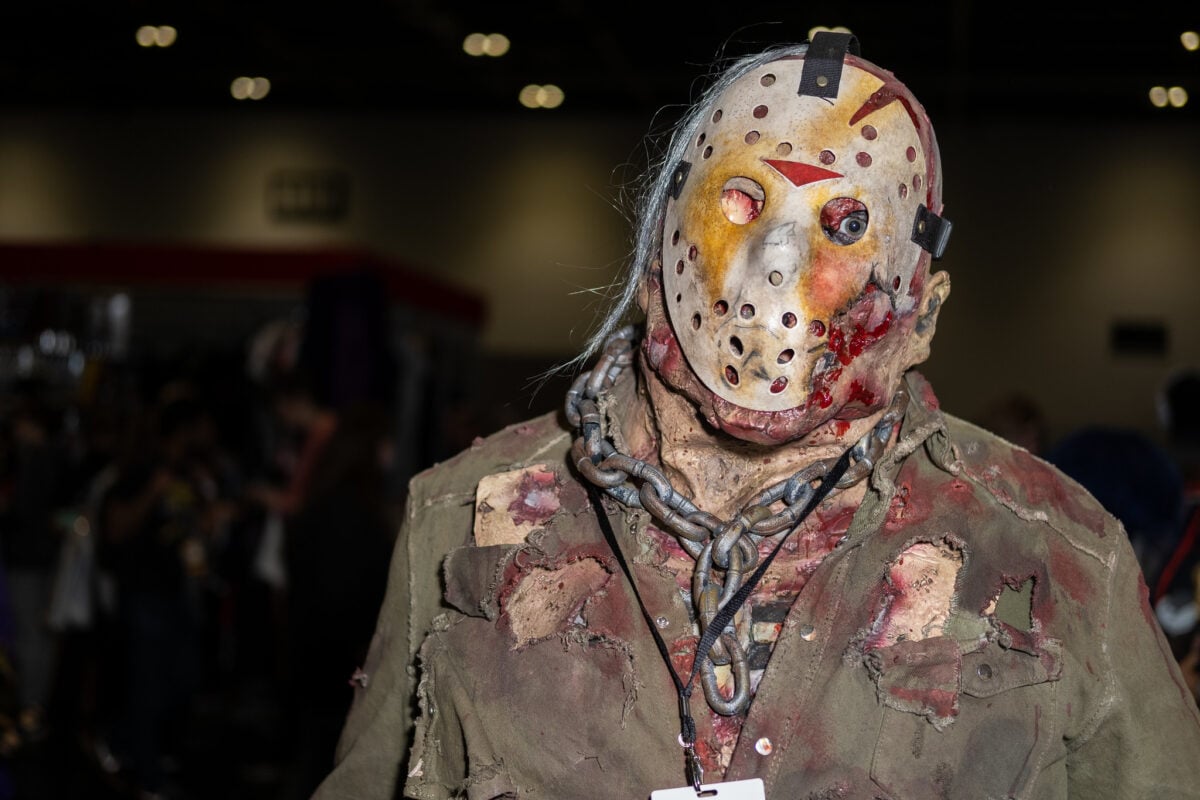
Jason Voorhees is perhaps the most literal example of sequel survival. Over the course of his franchise, he transitions from human avenger to something closer to myth.
His apparent defeats are frequent, but permanent consequences never stick. What sustains Jason is repetition.
Each sequel reinforces the idea that he cannot be fully stopped, only delayed. The setting may change and the victims may vary, but Jason’s presence remains fixed.
His survival becomes a ritual, reassuring audiences that the core threat will always return.
Freddy Krueger
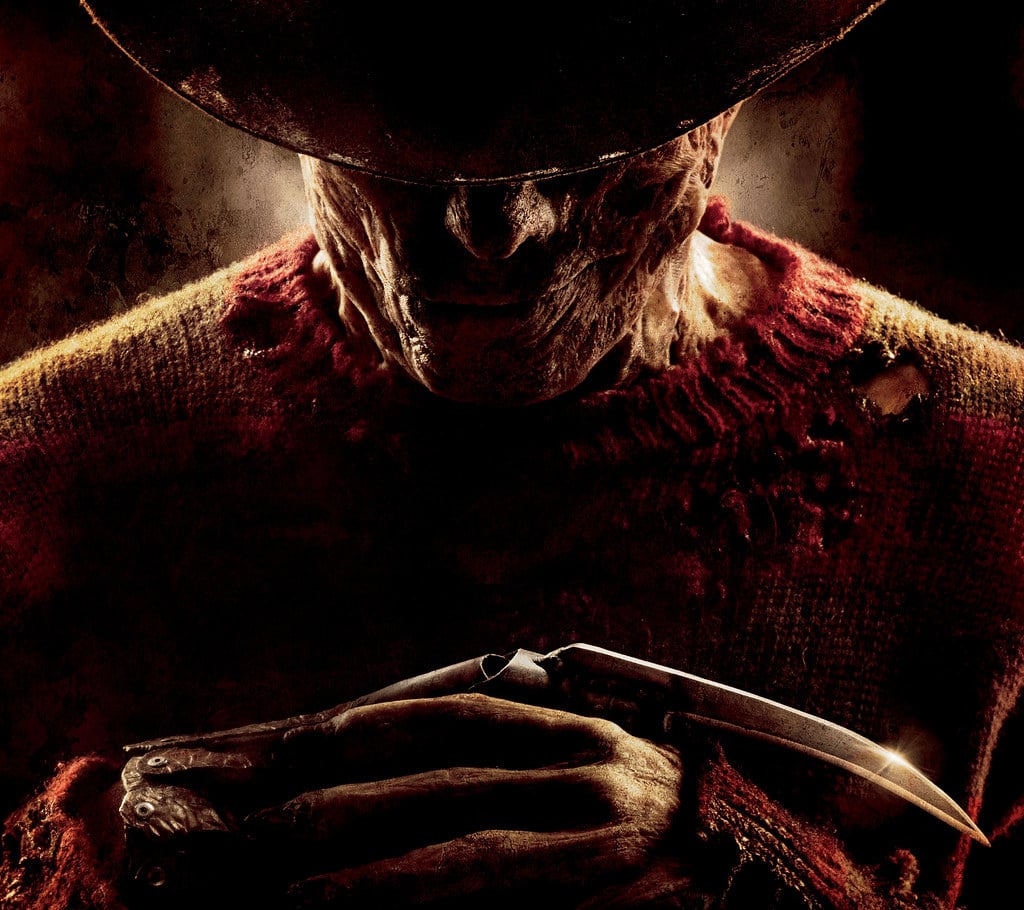
Freddy Krueger survives every sequel because he exists outside conventional reality. As a character who operates within dreams, his defeats are rarely final.
As long as someone remembers him, fears him, or dreams of him, he persists. This logic gives the franchise endless flexibility.
Freddy’s survival is not physical but psychological. Sequels routinely reframe his return as a consequence of belief, memory, or suppressed trauma.
That framework ensures his longevity without needing strict continuity explanations.
Chucky

Chucky’s survival is rooted in reinvention. Across multiple films, he is destroyed, dismembered, or seemingly erased, only to re-emerge through new bodies or altered circumstances.
The franchise leans into this elasticity rather than resisting it. What makes Chucky unique is his awareness.
He comments on his own persistence, turning survival into part of the joke. This self-awareness allows the series to reset itself without losing credibility, ensuring Chucky remains present regardless of narrative shifts.
Pinhead

Pinhead survives not because he escapes death, but because death does not apply to him in traditional terms. As a being tied to another realm with its own rules, his appearances and disappearances follow a different logic entirely.
Sequels often remove him temporarily, but never conclusively. He is summoned, dismissed, or sidelined, only to return when the story requires him.
His survival reinforces the idea that some forces exist beyond resolution, making permanence incompatible with their nature.
Ghostface
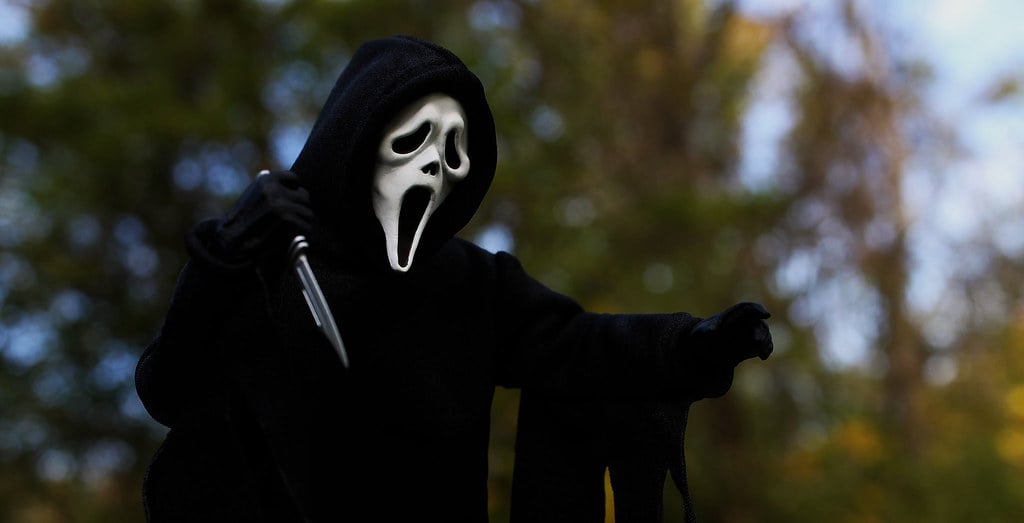
Ghostface presents a different kind of survival. Rather than a single individual, the identity persists across sequels through imitation.
Each installment introduces a new wearer of the mask, allowing the villain to survive conceptually rather than physically. This approach turns survival into legacy.
Even when individual killers are removed, the Ghostface persona remains intact. The franchise’s commentary on obsession and repetition depends on this continuity, ensuring Ghostface always returns in some form.
Leatherface

Leatherface’s survival is tied to the environment. His franchise often treats location and family as inseparable from the villain himself.
Even when timelines shift or continuity resets, Leatherface remains anchored to the same brutal setting. Rather than explaining survival through resilience alone, the films imply inevitability.
As long as the environment exists, so does Leatherface. Sequels reinforce this cycle, positioning him as a product of place rather than an isolated threat.
Candyman
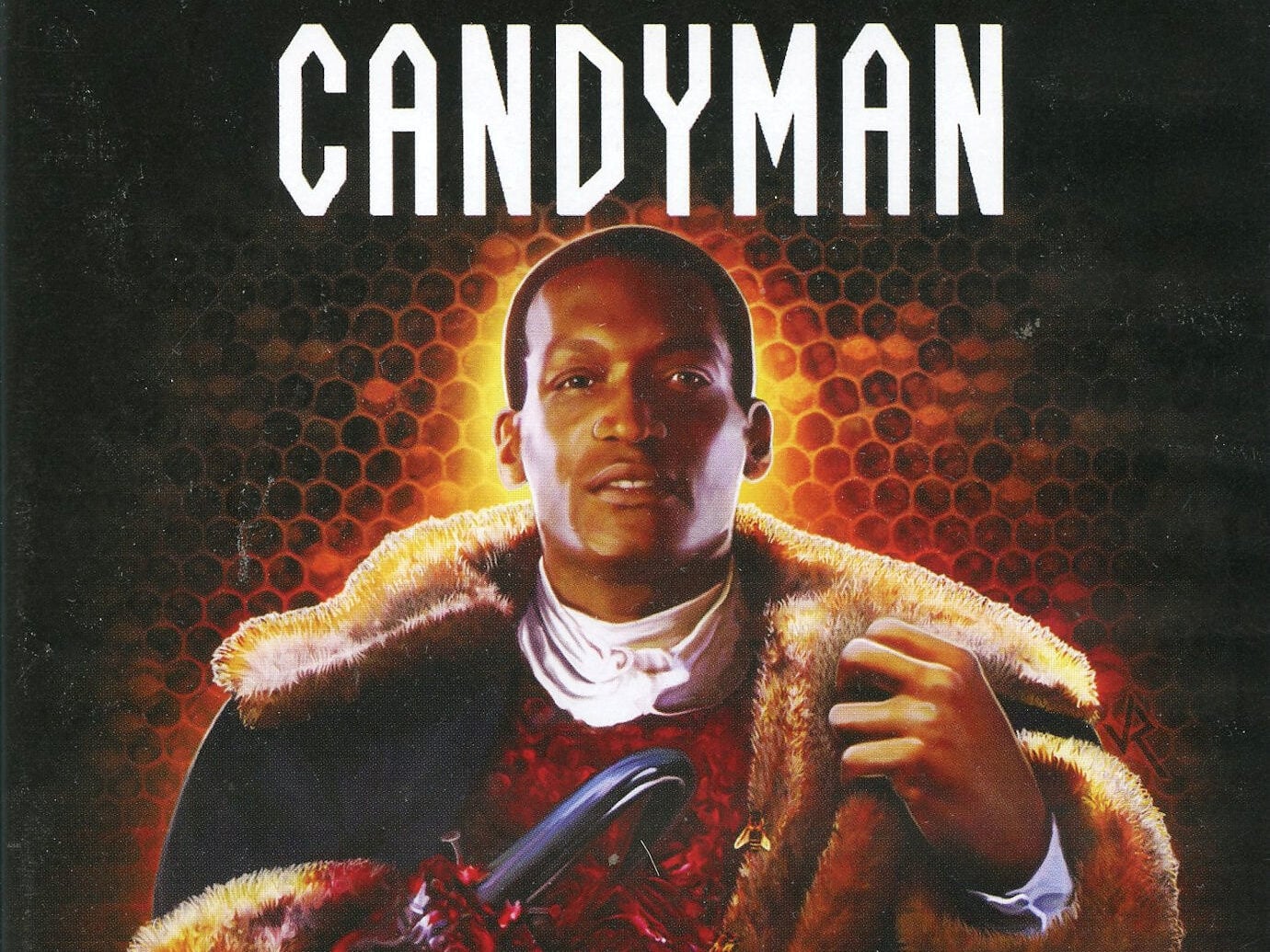
Candyman survives through belief. His franchise hinges on the idea that saying his name sustains him.
Each sequel reinforces that his existence depends on collective memory rather than physical survival. This mechanism allows the villain to persist without contradiction.
Attempts to erase or suppress his story only strengthen it. His survival becomes a commentary on how myths endure, particularly those rooted in shared fear and storytelling.
Sam
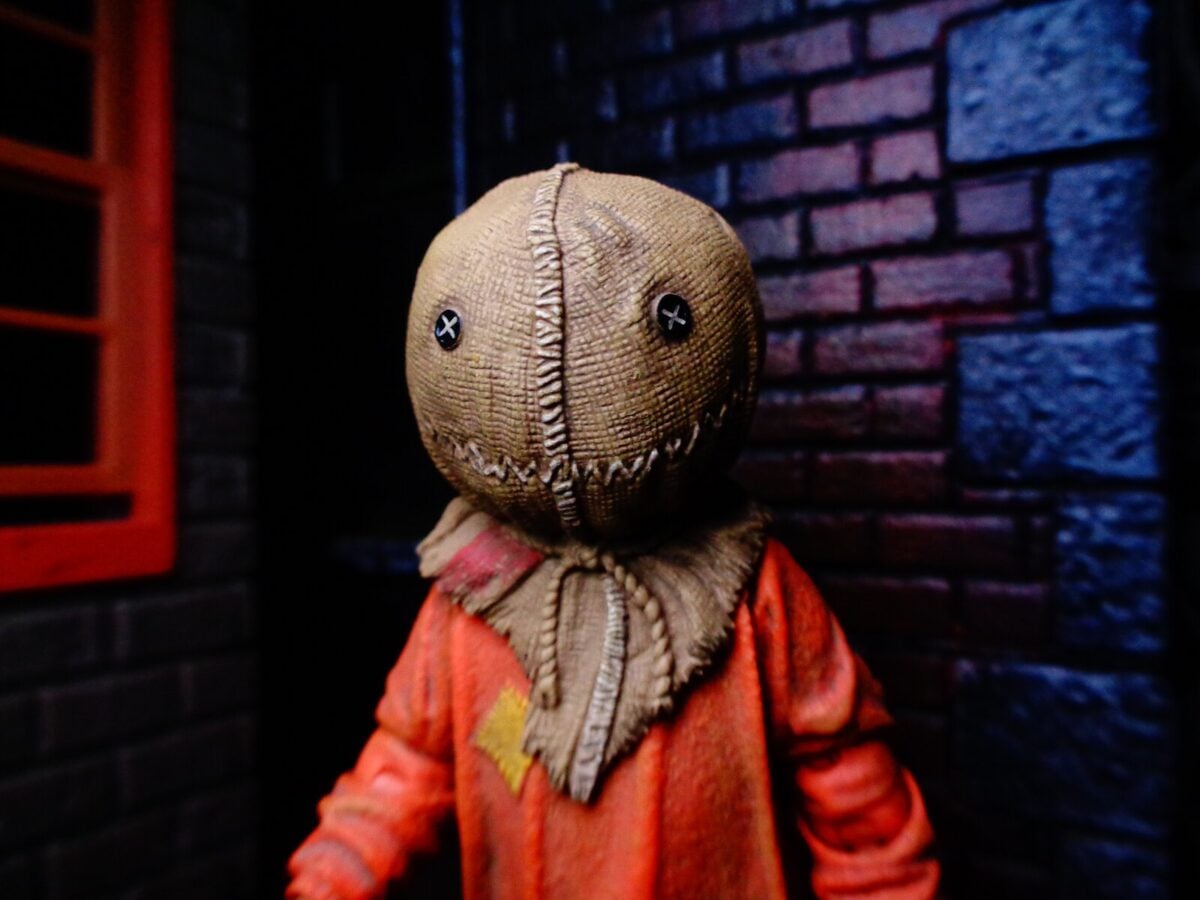
Sam’s survival is quiet but absolute. Across appearances, he functions as an enforcer of rules rather than a traditional villain.
Because he represents principle rather than personality, removing him would undermine the world’s internal logic. Sequels and related stories preserve Sam by design.
He is less a character to defeat and more a constant presence that ensures balance. His survival reinforces the idea that some figures exist to uphold structure, not to be eliminated.
Art the Clown
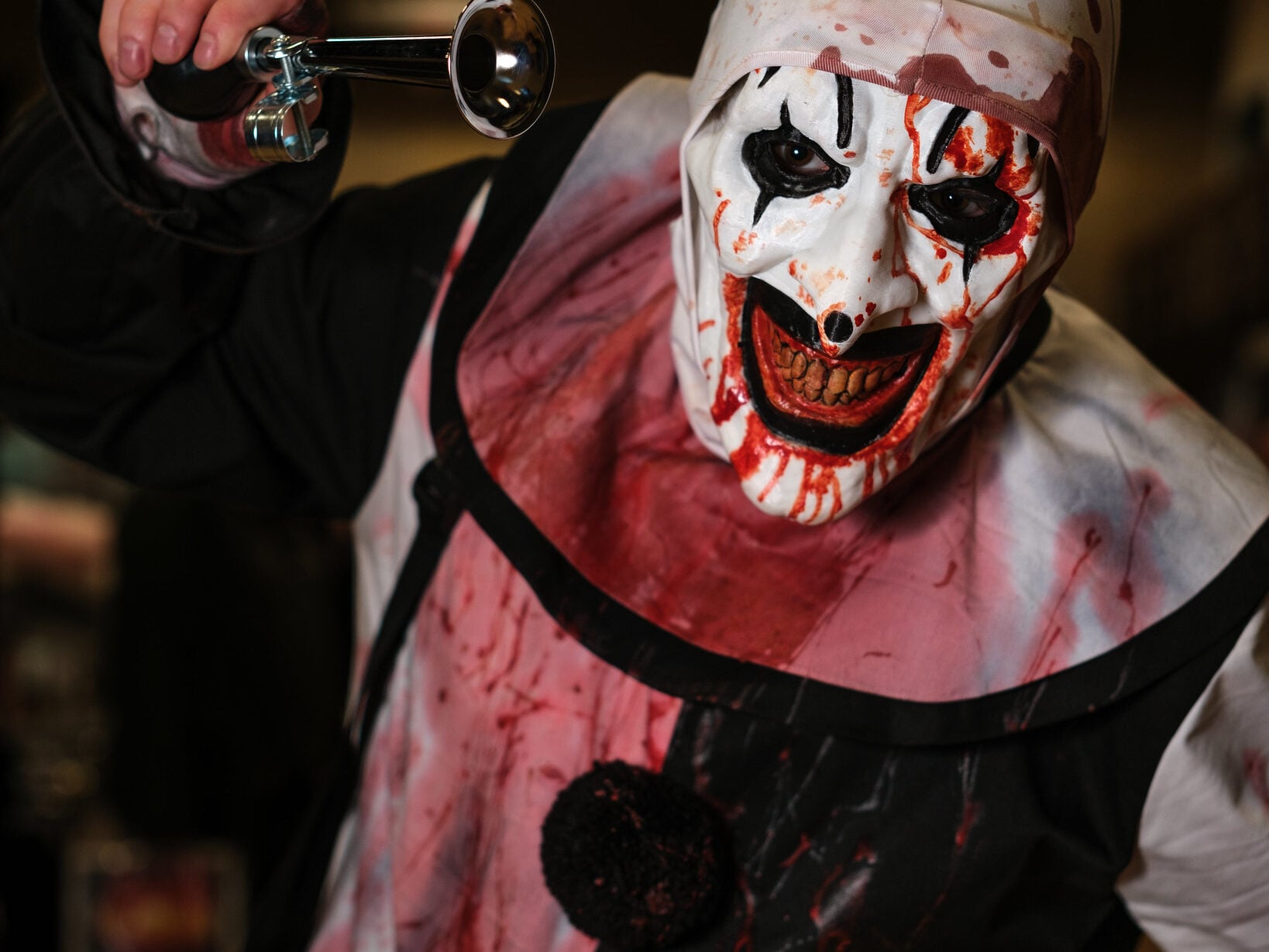
Art the Clown’s endurance is deliberately exaggerated. His survival pushes past plausibility into grotesque persistence, aligning with the franchise’s extreme tone.
Each sequel escalates his durability to underline the point that stopping him is not the goal. Art’s survival reflects a modern shift in horror toward spectacle and endurance.
The films position him as an unstoppable force designed to test viewer tolerance rather than narrative logic. His return is expected, even demanded, by the structure of the series.
Norman Bates

Norman Bates survives through psychological fragmentation. While his body remains intact across sequels, his mind evolves in ways that allow the franchise to continue without erasing previous conclusions.
Rather than relying on supernatural explanations, the films explore internal conflict and deterioration. Norman’s survival is less about physical endurance and more about unresolved identity, allowing each sequel to revisit him without negating what came before.
Why Survival Became the Rule, Not the Exception

Early horror films often treated survival as a shock. Over time, audiences learned the pattern.
Villains became brands, and permanence became incompatible with franchise longevity. Sequels required familiar threats, and survival became the simplest solution.
What’s notable is how each franchise justifies that survival differently. Some rely on myth, others on psychology, and others on abstraction.
Together, they form a shared understanding between filmmakers and audiences that horror villains do not end, they pause.
The Business of Indestructibility

Beyond storytelling, survival serves a practical purpose. These villains are instantly recognizable, commercially viable, and culturally embedded.
Removing them permanently would mean rebuilding identity from scratch, something long-running franchises rarely risk. As a result, sequels are structured around preservation rather than resolution.
Endings may appear conclusive, but they are carefully designed to leave room for return. Survival is not a loophole. It is the foundation.
Why Audiences Accept It

Folks come back to horror series not because they want closure. Instead, it’s the known rhythms, the steady pressure, the repeated steps that pull them in.
When the killer walks away again, it quietly confirms what these stories vow – dread doesn’t end, it circles. The pattern holds.
This time around, fear plays by its own playbook, nothing like the rest. Staying alive? That keeps tension sharp instead of killing it. Every next chapter twists the same danger into fresh shapes, never wiping the slate clean.
The Legacy of Endless Survival

Fear sticks around when it wears a mask that never fades. These killers outlive their stories because they are more than characters – they become shadows we keep seeing.
Not stopping them isn’t a mistake – it’s the point. Obsession feeds on return, not resolution. Inevitability walks slowly, always arriving again.
Even when franchises shift, these villains hold things together. What keeps viewers coming back? A quiet truth – finales never stick, darkness waits without rushing.
Getting away isn’t rare. That’s exactly what the story needs.
More from Go2Tutors!

- The Romanov Crown Jewels and Their Tragic Fate
- 13 Historical Mysteries That Science Still Can’t Solve
- Famous Hoaxes That Fooled the World for Years
- 15 Child Stars with Tragic Adult Lives
- 16 Famous Jewelry Pieces in History
Like Go2Tutors’s content? Follow us on MSN.