Traditions That Somehow Still Survive
The world changes fast. Technology advances, cultures blend, and new ideas replace old ones constantly.
Yet some traditions refuse to fade away, holding on through generations despite everything working against them. Here are the customs and practices that have survived longer than anyone expected.
Throwing coins into fountains for wishes

People still toss coins into fountains hoping their wishes come true. The Trevi Fountain in Rome collects over a million dollars each year from tourists who believe this ancient practice brings luck.
Romans started this tradition thousands of years ago as offerings to water gods. Today, even people who don’t believe in gods still throw pennies into fountains.
The money collected often goes to charity, so at least the wishes help someone.
Blowing out birthday candles to make wishes

Ancient Greeks placed candles on cakes to honor Artemis, goddess of the moon. The glow represented moonlight, and smoke carried prayers to the heavens.
Now, birthday candles appear at nearly every celebration worldwide. Kids and adults alike close their eyes, make silent wishes, and blow out flames on their special day.
Scientists have shown this spreads germs across the entire cake, but nobody seems to care enough to stop.
Like Go2Tutors’s content? Follow us on MSN.
Knocking on wood to avoid bad luck

This superstition dates back to ancient pagan beliefs that spirits lived in trees. People knocked on wood to wake friendly spirits or keep evil ones away.
Churches later adopted the practice, claiming it honored the wooden cross. Today, people tap tables, doors, and furniture whenever they mention good fortune.
Even skeptics find themselves doing it automatically after saying something hopeful.
Wearing white wedding dresses in Western cultures
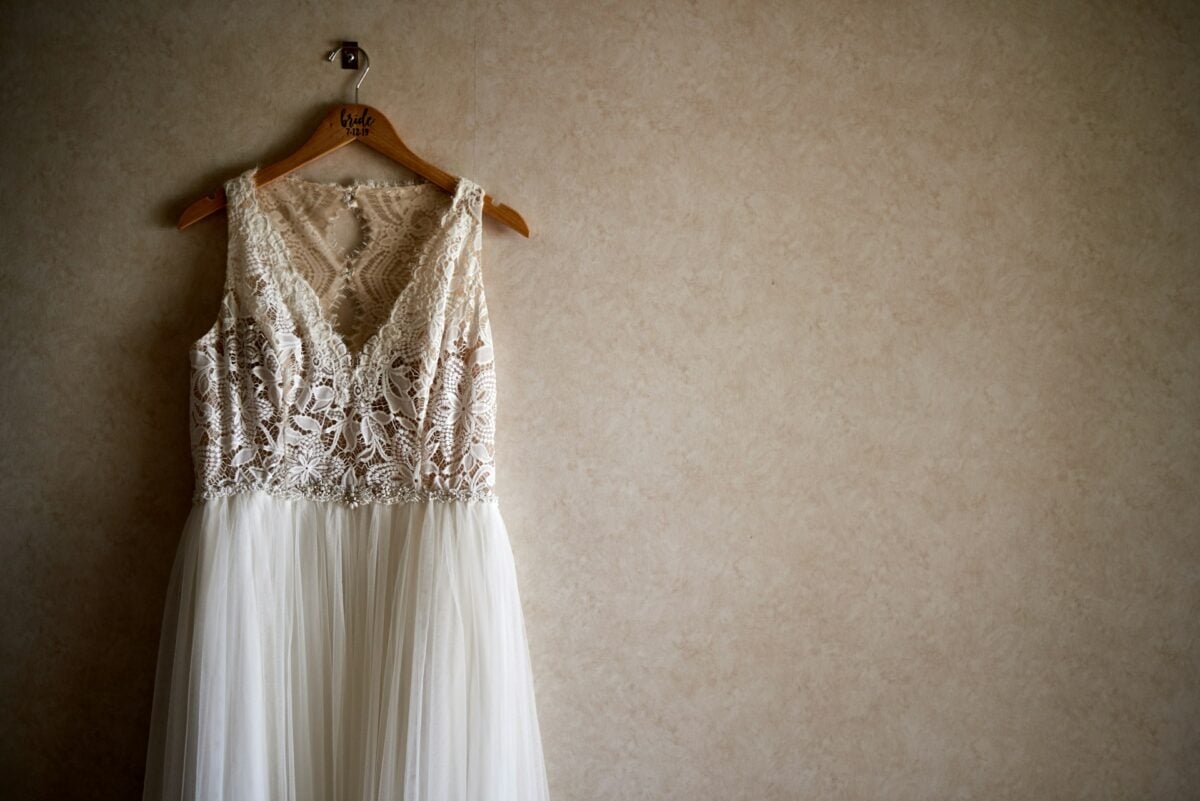
Queen Victoria wore white when she married Prince Albert in 1840. Before that, brides just wore their best dress in any color.
Her choice became famous through photographs and changed wedding fashion forever. White was supposed to show wealth because the dress could only be worn once and was hard to keep clean.
Now, most Western brides still choose white, spending thousands on dresses they’ll wear for just a few hours.
Covering mouths when yawning

Ancient cultures believed yawning opened the body to evil spirits that could enter through the mouth. Some thought the soul might escape during a yawn.
People covered their mouths to protect themselves from these dangers. Modern manners kept the tradition alive, though now it’s about politeness instead of demons.
Everyone still does it without thinking about the original supernatural fears.
Like Go2Tutors’s content? Follow us on MSN.
Saying “bless you” after someone sneezes

During the bubonic plague, sneezing was an early symptom of the disease that killed millions. Pope Gregory I ordered people to pray for anyone who sneezed, hoping divine intervention would save them.
The phrase stuck around long after the plague ended. Different cultures have their own versions, but the basic response to sneezing remains constant worldwide.
People say it reflexively even to strangers in public places.
Hanging stockings by the fireplace at Christmas

Legend says Saint Nicholas dropped gold coins down a chimney to help a poor family. The coins fell into stockings hung by the fire to dry.
Dutch immigrants brought this story to America, where it merged with other Christmas traditions. Families who don’t even have fireplaces still hang stockings somewhere in their homes.
The practice continues despite central heating making chimney use mostly obsolete.
Breaking a wishbone for luck

Ancient Romans believed chickens and other birds could predict the future. They dried the bird’s furcula bone and kept it for good fortune.
Two people would pull the bone until it broke, and whoever got the larger piece received the wish. Americans made this a Thanksgiving tradition.
Families fight over the turkey wishbone every November, continuing a practice that’s over two thousand years old.
Like Go2Tutors’s content? Follow us on MSN.
Carrying brides over thresholds

Ancient Romans worried that brides might trip entering their new homes, which would bring terrible luck to the marriage. Grooms carried brides to avoid this problem.
Some cultures believed evil spirits hid near doorways waiting to curse newlyweds. Others thought brides might seem too eager to enter, which would be improper.
Modern couples still do this, though few remember why it started or believe in the supposed dangers.
Reading tea leaves to tell fortunes

Chinese tea culture spread to Europe, where people noticed leaves formed patterns at the bottom of cups. Fortune tellers claimed these patterns revealed the future.
Different shapes supposedly meant different things: birds for good news, snakes for enemies, rings for marriage. Tea bags have mostly replaced loose leaf tea, but some people still practice tasseography.
Special tea rooms offer readings to curious customers who want glimpses of what’s coming.
Tossing rice at newlyweds for fertility

Ancient Romans threw wheat at married couples hoping they would have many children. Rice replaced wheat in Asia because it was more available and held similar meaning.
Guests still throw rice, birdseed, or flower petals at weddings despite churches banning rice because birds supposedly can’t digest it. The fertility blessing continues even though most modern couples plan their families through other means entirely.
Like Go2Tutors’s content? Follow us on MSN.
Wearing graduation caps and gowns

Medieval European scholars wore long robes because most universities were run by churches, and clergy dressed formally. The square caps called mortarboards came from Catholic clergy’s birettas.
Universities standardized these outfits in the 12th century. Students today graduate in the same basic outfit despite it being completely impractical.
The tradition survives purely because changing it would feel wrong to schools that value their history.
Lighting candles during power outages
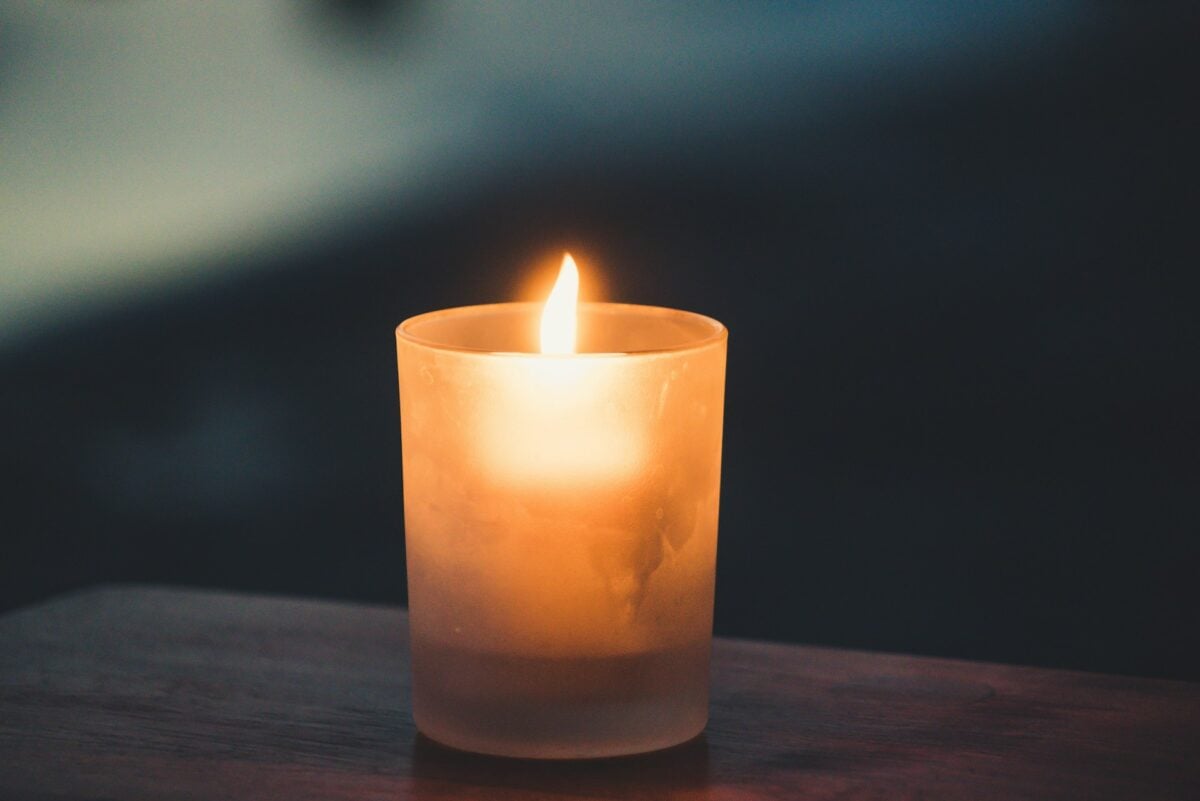
Humans have used fire for light for hundreds of thousands of years. Electric lights only became common about 140 years ago.
Yet when electricity fails, people immediately reach for candles instead of flashlights or phone lights. Something about candle flames feels right during darkness.
Hardware stores stock them even though better lighting options exist. The ancient comfort of fire persists in modern emergencies.
Gifting flowers to show affection or sympathy
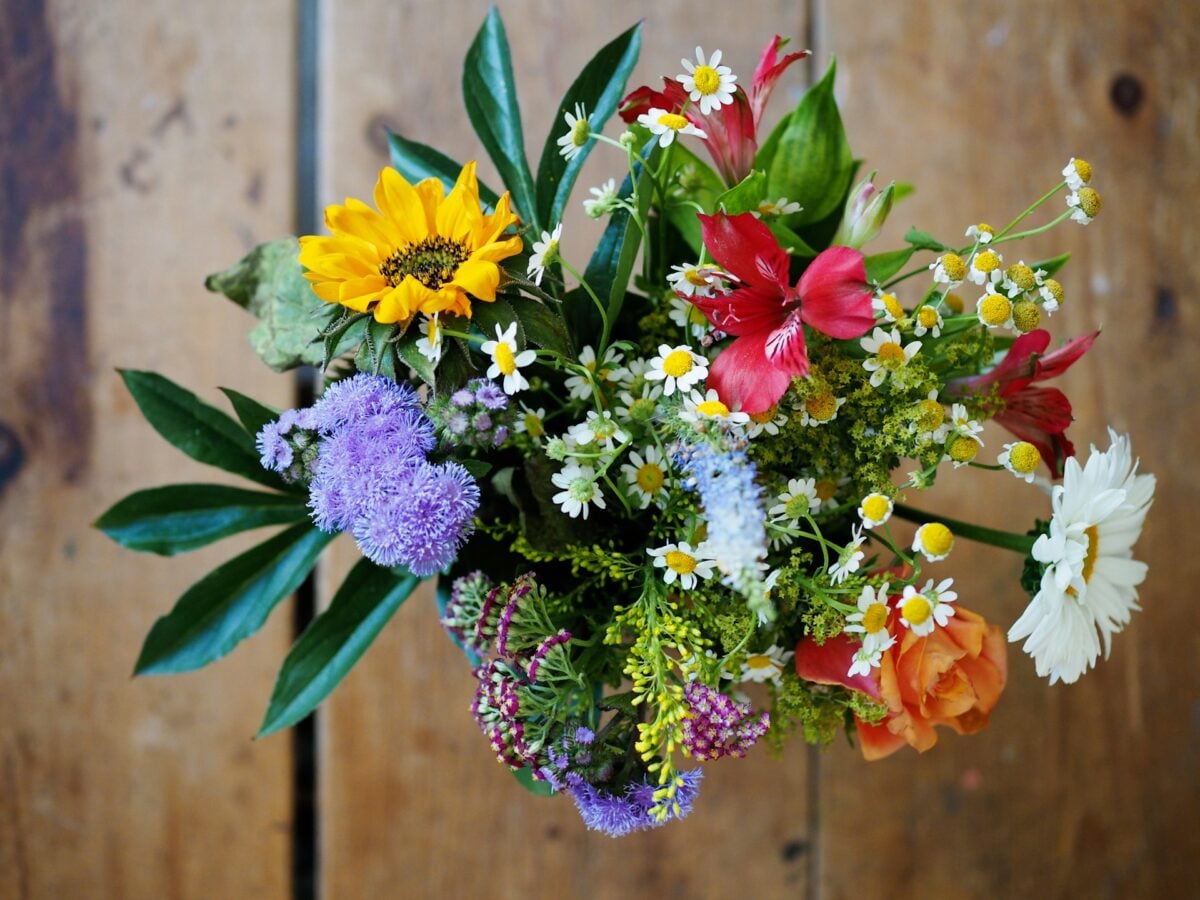
Victorians created an entire language around flowers, where each type meant something specific. Red roses meant love, lilies meant death, and yellow flowers meant friendship.
People sent bouquets as coded messages. Most people today don’t know the detailed meanings anymore.
Still, flowers remain the default gift for romance, apologies, hospital visits, and funerals across almost every culture worldwide.
Like Go2Tutors’s content? Follow us on MSN.
Shaking hands as a greeting

Ancient Greeks and Romans clasped forearms to show they weren’t carrying weapons. The gesture proved peaceful intentions.
It evolved into the modern handshake somewhere in medieval Europe. Business deals, meetings, and introductions still include handshakes.
Even the pandemic couldn’t kill this tradition permanently. People have tried fist bumps and elbow taps, but handshakes keep coming back because they feel official and trustworthy.
Wearing masks during festivals and celebrations
Ancient cultures used masks in religious ceremonies to transform wearers into gods or spirits. Greek theater, African rituals, and Native American dances all featured elaborate masks.
Today, masquerade, Halloween parties, Carnival in Venice, and Mardi Gras continue the tradition.
Ringing bells at churches and temples

Bells called people to worship before clocks and phones existed. Their sound could travel miles across towns and countryside.
Religious buildings rang bells to mark important times, celebrate events, and warn of danger.
Like Go2Tutors’s content? Follow us on MSN.
Setting off fireworks for celebrations

Chinese inventors created fireworks over a thousand years ago believing loud noises scared away evil spirits. The bright lights and explosions became part of festivals and important occasions.
America’s Independence Day, New Year’s Eve worldwide, and countless other celebrations feature fireworks displays.
When the old meets the new

These traditions survive because they connect people to something larger than themselves. Technology changes how everyone lives, but humans still crave rituals that feel meaningful.
Some practices adapt while keeping their core purpose intact, like birthday candles on store-bought cupcakes instead of homemade cakes.
More from Go2Tutors!

- 16 Historical Figures Who Were Nothing Like You Think
- 12 Things Sold in the 80s That Are Now Illegal
- 15 VHS Tapes That Could Be Worth Thousands
- 17 Historical “What Ifs” That Would Have Changed Everything
- 18 TV Shows That Vanished Without a Finale
Like Go2Tutors’s content? Follow us on MSN.