Most Humane and Unusual Prisons Around the World
Prisons usually bring to mind cold scenes – concrete, cages, rules shaped by penalty above all. But elsewhere, far from that mold, certain jails follow another path entirely.
Not stuck on loss alone, these places emphasize growth, respect, human worth. Life inside isn’t about shutting down hope – it’s quietly building skills, mindset, readiness for what comes after release.
What keeps these places running isn’t blind rule-following. Instead, they shape responsibility in ways few expect.
Take a moment to examine eight correctional facilities unlike any others – places where kindness guides daily life.
Halden Prison

Halden Prison in Norway is frequently cited as one of the most humane correctional facilities ever built. Opened in 2010, it was designed around the principle that the loss of freedom is the punishment — the environment itself does not need to be harsh.
Inmates live in private rooms that resemble modest college dormitories, complete with en-suite bathrooms, desks, televisions, and large windows that allow in natural light. The architecture avoids long, claustrophobic corridors.
Instead, buildings are spread out across wooded grounds to reduce stress and tension. Correctional officers are trained to interact with inmates in a relational way, often sharing meals or participating in activities alongside them.
The philosophy is grounded in rehabilitation, with education, vocational programs, and counseling integrated into daily routines. Norway’s comparatively low recidivism rates are often discussed in connection with this model, reinforcing the idea that humane treatment and public safety are not mutually exclusive.
Bastøy Prison
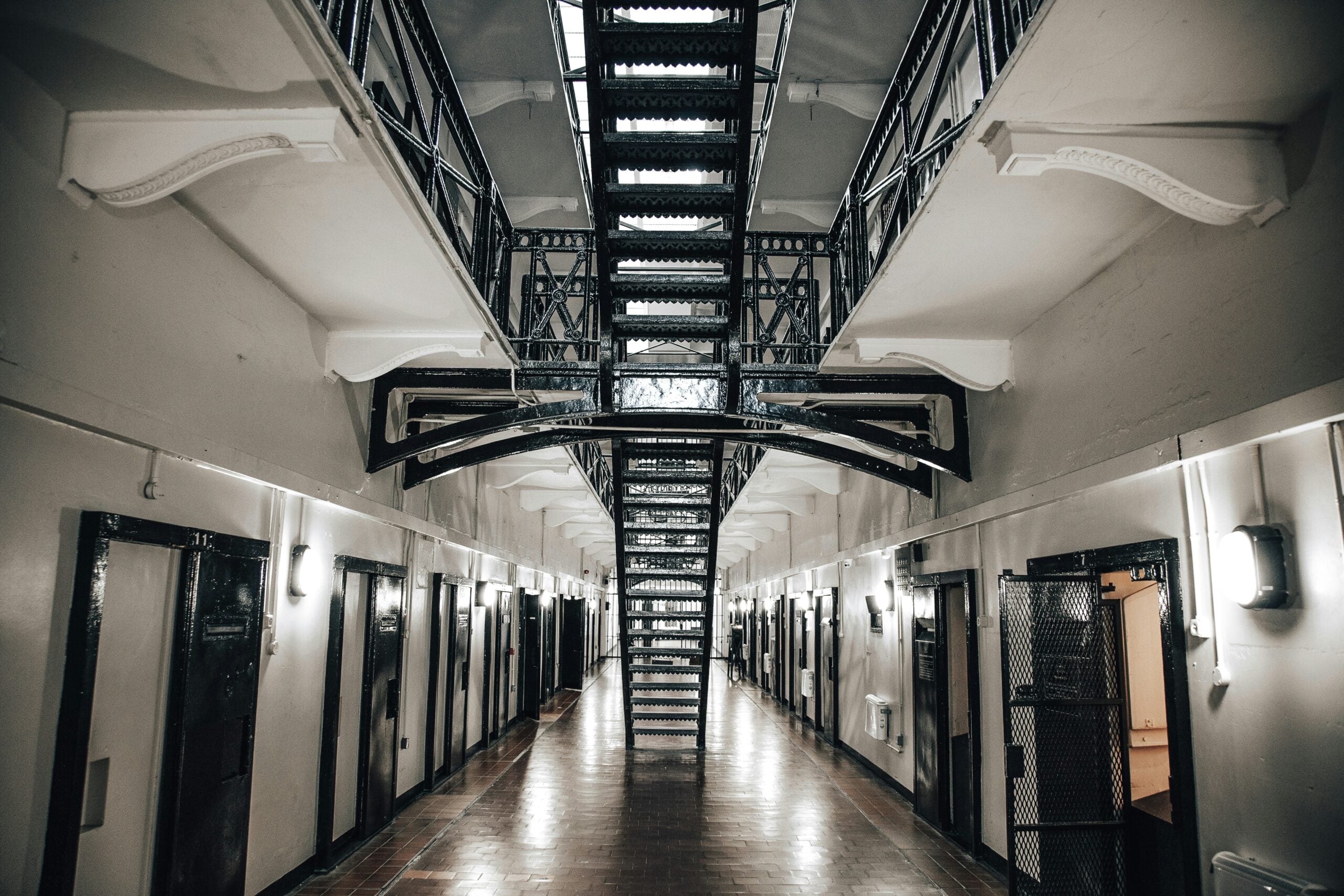
Located on an island about 45 miles south of Oslo, Bastøy Prison operates as an open facility with minimal visible barriers. Inmates live in wooden cottages rather than traditional cell blocks and move around the island freely within established rules.
There are no towering fences or watchtowers dominating the landscape. Life at Bastøy revolves around responsibility.
Residents work on farms, care for animals, manage forestry projects, and participate in maintenance tasks. They cook their own meals and receive small wages for their labor.
The environment feels more like a rural village than a fortified compound. Even so, strict guidelines remain in place, and violations can result in transfer to more restrictive facilities.
The emphasis lies in building trust and personal accountability rather than relying solely on physical confinement.
Justice Center Leoben

Austria’s Justice Center Leoben challenges expectations the moment one sees it. Completed in 2004, the structure features glass facades, open courtyards, and modern design elements that resemble a corporate campus more than a prison.
The architectural transparency reflects a philosophy that incarceration should not rely on intimidation through design. Each inmate has a private room equipped with a bathroom and kitchenette.
There are fitness areas, classrooms, and communal spaces intended to support structured activity. Austrian law emphasizes that prisoners retain their fundamental human rights except for the restriction of liberty itself.
The facility embodies that principle, attempting to reduce the psychological strain often associated with long-term confinement.
Aranjuez Prison
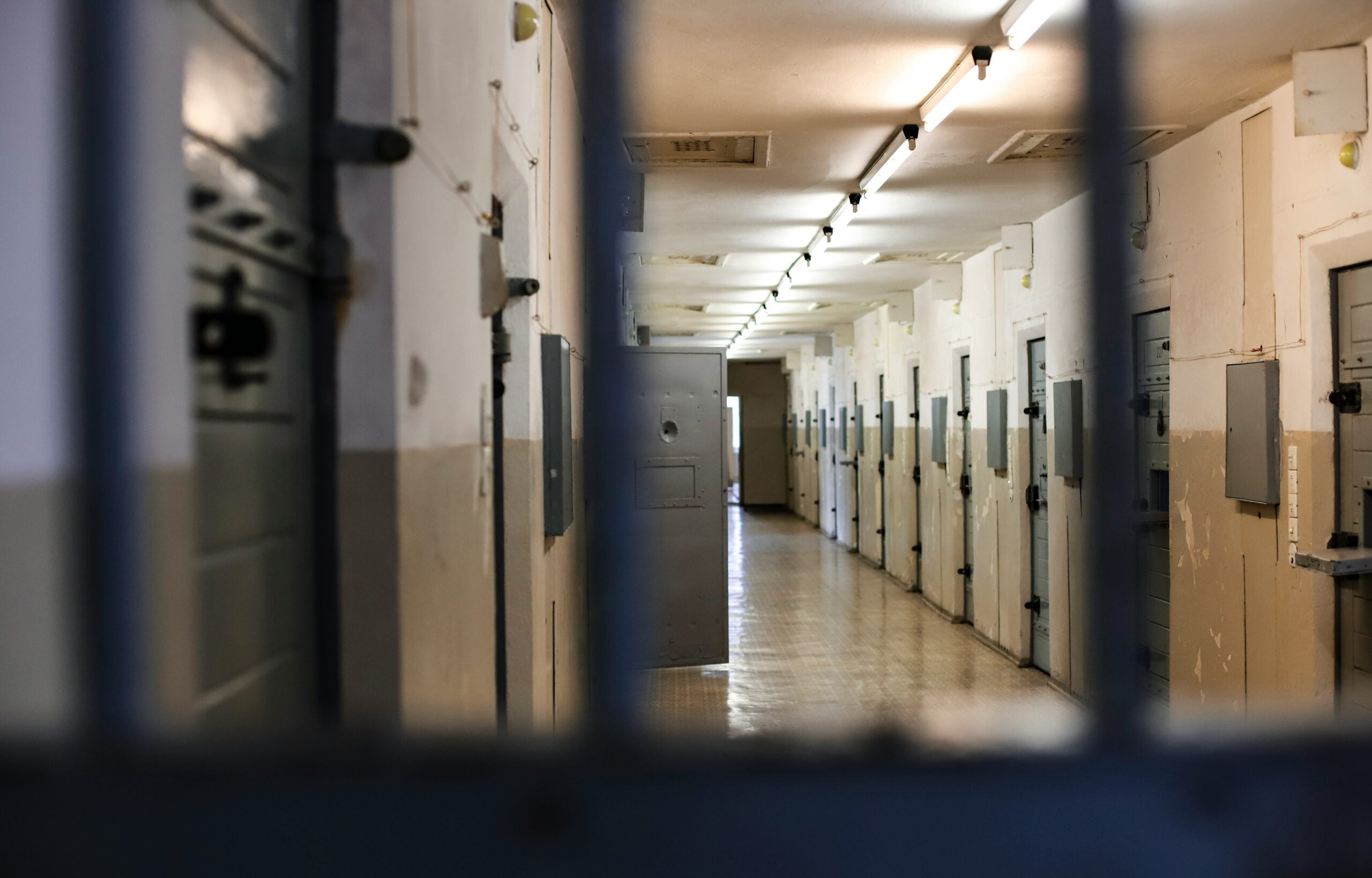
Aranjuez Prison in Spain stands out for its family-centered approach. Within the facility are specialized units where incarcerated parents can live with their young children during the first years of life.
The living spaces are adapted to include cribs, bright walls, toys, and child-friendly furnishings. The aim is to preserve early bonding between parent and child, reducing the long-term emotional harm that separation can cause.
Structured parenting classes and support programs accompany the arrangement. While children eventually transition out of the facility, the model acknowledges that incarceration has ripple effects far beyond the individual serving a sentence.
By integrating family considerations into prison design, Aranjuez reframes how correctional systems view responsibility and care.
San Pedro Prison

San Pedro Prison in Bolivia operates under a highly unusual internal structure. Rather than being fully managed through constant guard oversight, much of the day-to-day organization is handled by inmates themselves.
Prisoners purchase or rent their living spaces, leading to significant variation in accommodation quality. Families are allowed to reside within the prison walls, and informal businesses operate throughout the compound.
Shops, restaurants, and services function in a self-contained internal economy. While this system has drawn criticism for inequality and uneven conditions, it remains one of the most unconventional correctional environments in the world.
San Pedro illustrates how incarceration can evolve into a complex social ecosystem rather than a strictly controlled institution.
Cebu Provincial Detention and Rehabilitation Center
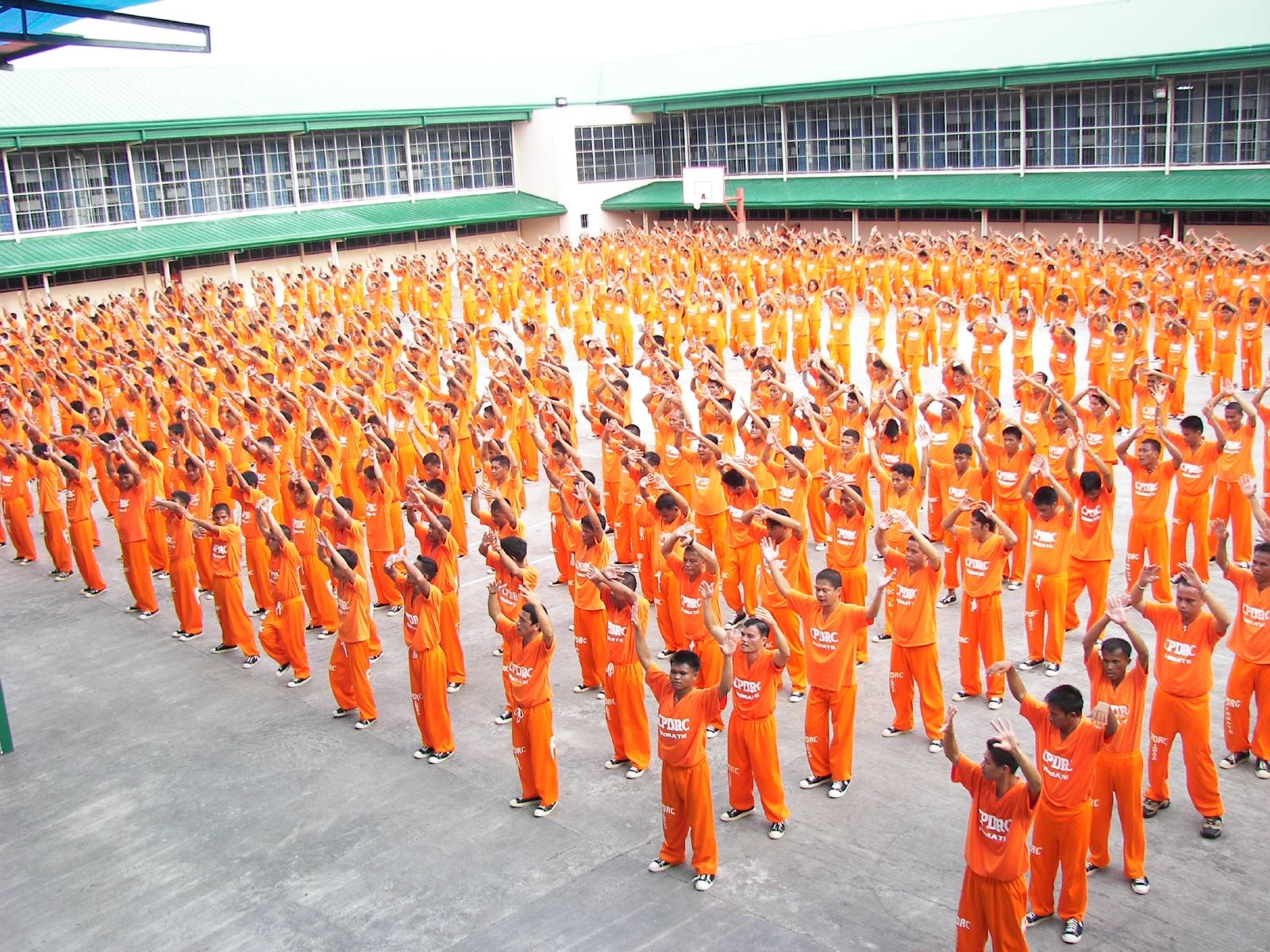
The Cebu Provincial Detention and Rehabilitation Center in the Philippines gained international attention in the mid-2000s for its large-scale choreographed dance performances by inmates. Videos of synchronized routines circulated globally, reshaping public perception of the facility almost overnight.
Behind the spectacle was a structured program aimed at discipline, exercise, and morale building. The performances required coordination, rehearsal, and teamwork, reinforcing a sense of shared responsibility.
While the approach sparked debate about spectacle versus rehabilitation, it demonstrated how creative programming can foster structure and engagement within a correctional setting. The facility became an example of how cultural initiatives can influence both inmate dynamics and public dialogue.
Otago Corrections Facility

Otago Corrections Facility in New Zealand focuses heavily on skill development and employment readiness. Often described as a working prison, it offers training in carpentry, horticulture, dairy farming, and hospitality.
The goal is pragmatic: equip inmates with tangible skills that increase their chances of stable employment upon release. Workshops, agricultural areas, and classrooms form a central part of the facility’s layout.
Rather than long hours of inactivity, the daily schedule emphasizes productivity and routine. Research consistently shows that employment is a key factor in reducing reoffending.
Otago’s model aligns incarceration with economic reintegration, framing prison time as an opportunity for structured growth rather than prolonged idleness.
Pondok Bambu Prison

Pondok Bambu Prison in Indonesia has been noted for incorporating cultural and artistic programming into its framework. Inmates have participated in music ensembles, craft workshops, and other creative activities that reflect Indonesian traditions.
These programs provide structured outlets for expression within a controlled environment. While the broader Indonesian penal system remains complex and varied, Pondok Bambu illustrates how cultural engagement can coexist with discipline.
Artistic initiatives offer emotional regulation and skill development while preserving a connection to heritage. In settings where confinement can erode identity, such programs serve as reminders that rehabilitation often involves rebuilding a sense of self.
What These Prisons Reveal About Justice Today

What happens inside prison walls isn’t just about punishment. From Norway to New Zealand, outcomes shift when spaces feel human.
Not only strict rules but light-filled rooms influence behavior. Less shouting, more routine – this balance often lowers tension.
Some places let inmates cook meals while others offer college courses. Family visits happen in homes-like units instead of behind glass.
Instead of silence, workshops echo with tools, voices, learning. Growth shows up quietly – in gardens, classrooms, daily choices.
Buildings shaped like villages replace fortress layouts slowly. Time served does not always mean time wasted anymore.
Talk about changing the justice system goes on across nations, driven by worries over packed jails, repeat offenses, people returning after release, plus unfair conditions. Places such as Haldon and Bastøy prove different methods work – not ideas stuck in labs but real working systems.
These places push deeper thoughts – what do communities really seek when locking someone up? Just pain handed out, or space for change?
Prisons speak volumes without words. How a nation holds its locked-up members tells you exactly where it stands on fairness, on being human.
More from Go2Tutors!

- The Romanov Crown Jewels and Their Tragic Fate
- 13 Historical Mysteries That Science Still Can’t Solve
- Famous Hoaxes That Fooled the World for Years
- 15 Child Stars with Tragic Adult Lives
- 16 Famous Jewelry Pieces in History
Like Go2Tutors’s content? Follow us on MSN.



