How Factory Culture in the ’60s Blurred the Line Between Art and Celebrity
Andy Warhol’s Silver Factory, located in a converted hat factory on East 47th Street in Manhattan, became the epicenter of an unprecedented cultural experiment in the 1960s. Within its foil-covered walls, Warhol systematized the collision of art and celebrity, high culture and underground scene, commerce and authenticity.
The Factory culture didn’t just influence how art was made—it completely rewrote the relationship between artists, their subjects, and the consuming public.
The Factory as Artwork
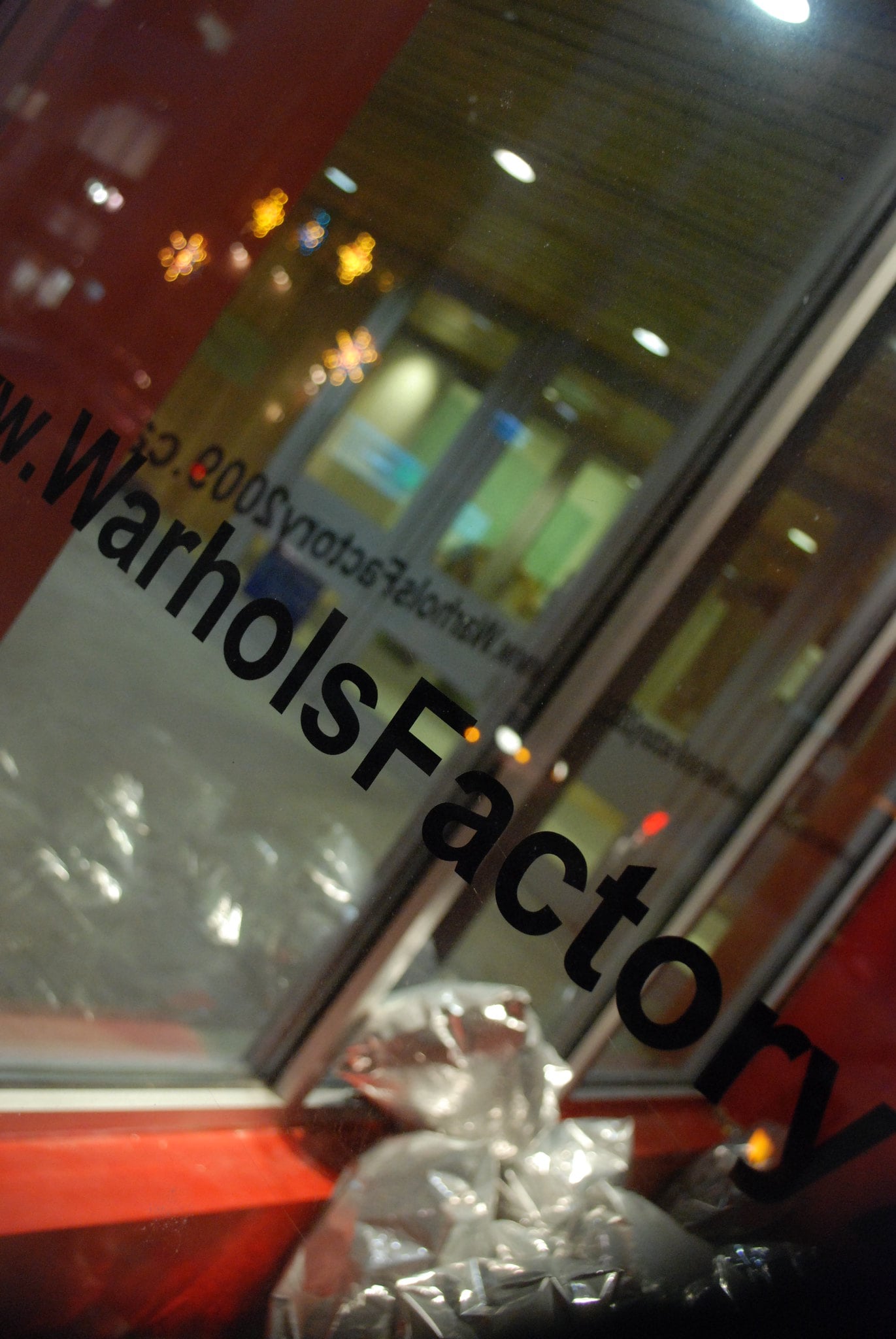
The Factory itself became Warhol’s masterpiece, a silver-painted environment where every surface reflected and distorted. The studio wasn’t merely a place to make art; it was a continuous performance piece.
Visitors, collaborators, and hangers-on functioned as both audience and material. This dissolution of boundaries between workspace and exhibition space meant that the Factory’s existence itself was art, a radical departure from the solitary studio tradition.
The Invention of Superstars
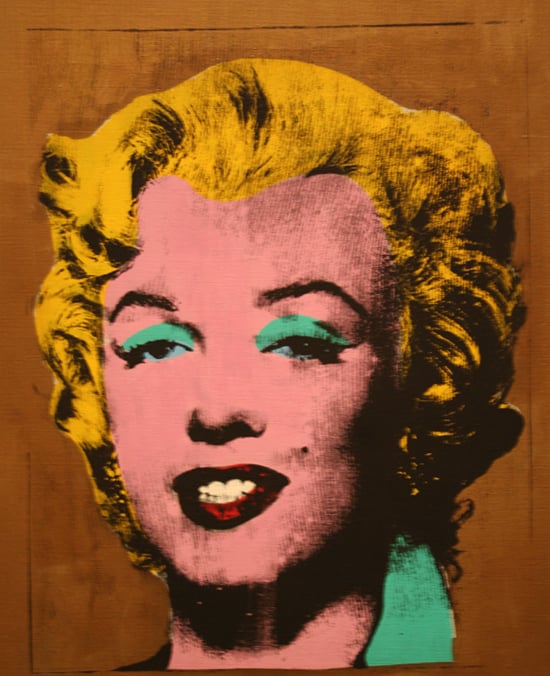
Warhol identified and elevated ordinary people to the status of “superstars”—a term previously reserved for established celebrities. Baby Jane Holzer, the first superstar, was transformed from a socialite into a film personality through her appearances in Warhol’s experimental cinema.
She became an artwork in motion, her presence and persona as much the subject as any physical object Warhol created.
Edie Sedgwick as Muse and Subject
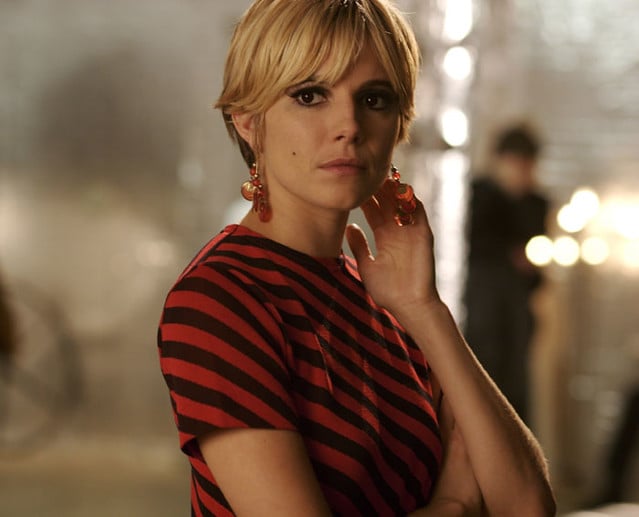
Edie Sedgwick epitomized the Factory superstar phenomenon. Born into privilege but struggling with family trauma and mental illness, she found refuge and reinvention at the Factory from 1965 to early 1966.
Warhol filmed her extensively, creating a visual record of her face, gestures, and presence. Sedgwick was simultaneously collaborator, subject, muse, and art itself—her styled appearance, with dyed silver hair and striking makeup, became as much a work as the films she appeared in.
Film as a Democratic Medium
Warhol’s films rejected narrative, editing, and traditional cinematic technique. His works featuring the superstars had minimal scripts, sometimes no scripts at all.
These experimental films democratized movie-making, suggesting that unpolished reality, captured without artistic mediation, could be as valid as professional cinema. The superstars didn’t need training—their ordinariness was their qualification.
The Cult of Personality Over Credential
Factory culture established that personality, presence, and visual distinction could substitute for traditional artistic training or commercial achievement. Warhol didn’t recruit superstars based on their artistic accomplishments; he chose them for their aura, their willingness to be watched, and their embodiment of a particular moment’s cultural energy.
This inverted traditional art world hierarchies.
Performance as Continuous
Life at the Factory was perpetually documented and displayed. There was no backstage, no private moment away from observation and potential artistic appropriation.
This collapsing of private and public life anticipated the surveillance and self-documentation obsessions of reality television and social media by decades. The superstars’ mere existence became their performance.
Celebrity as a Commodity
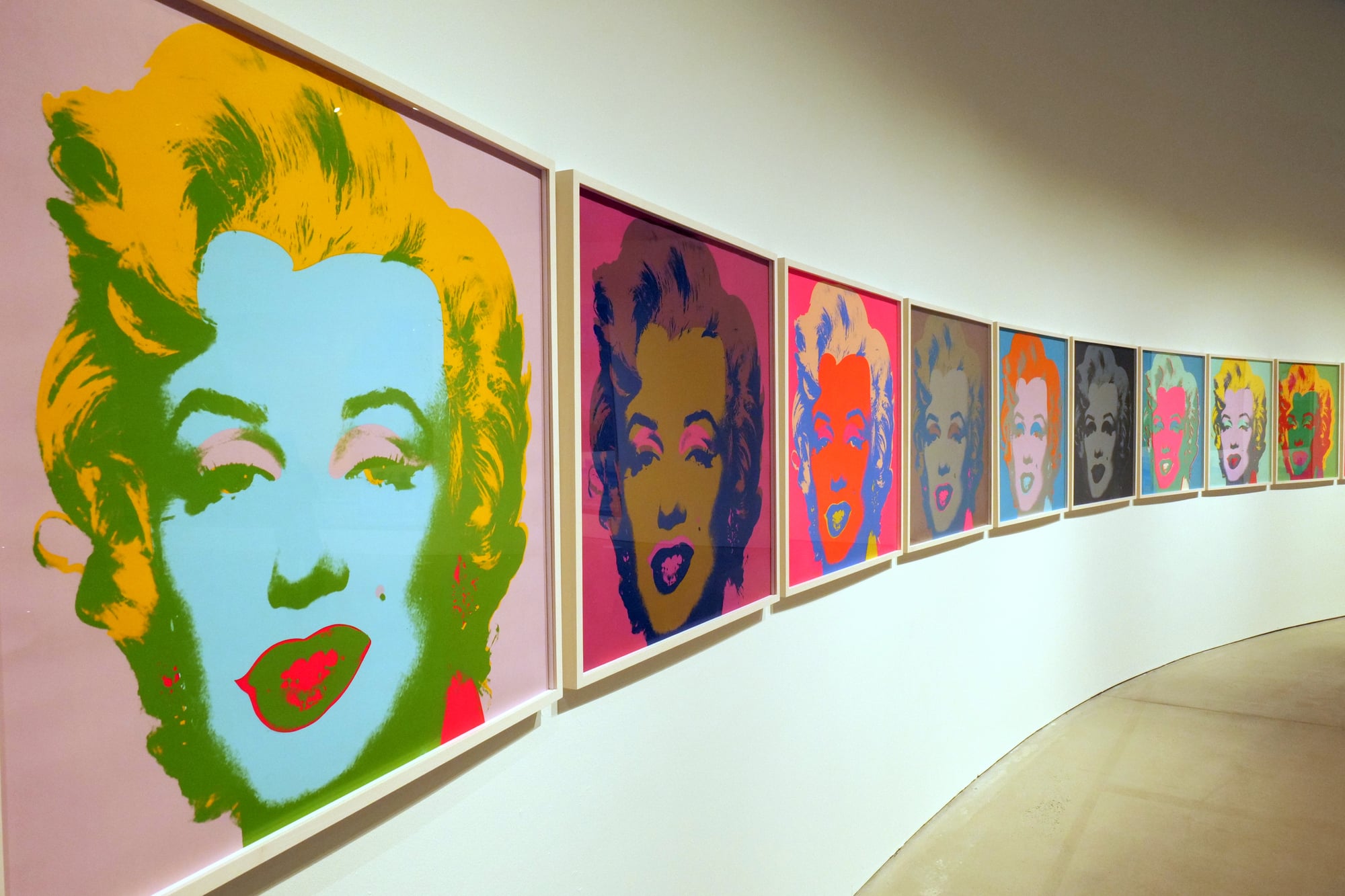
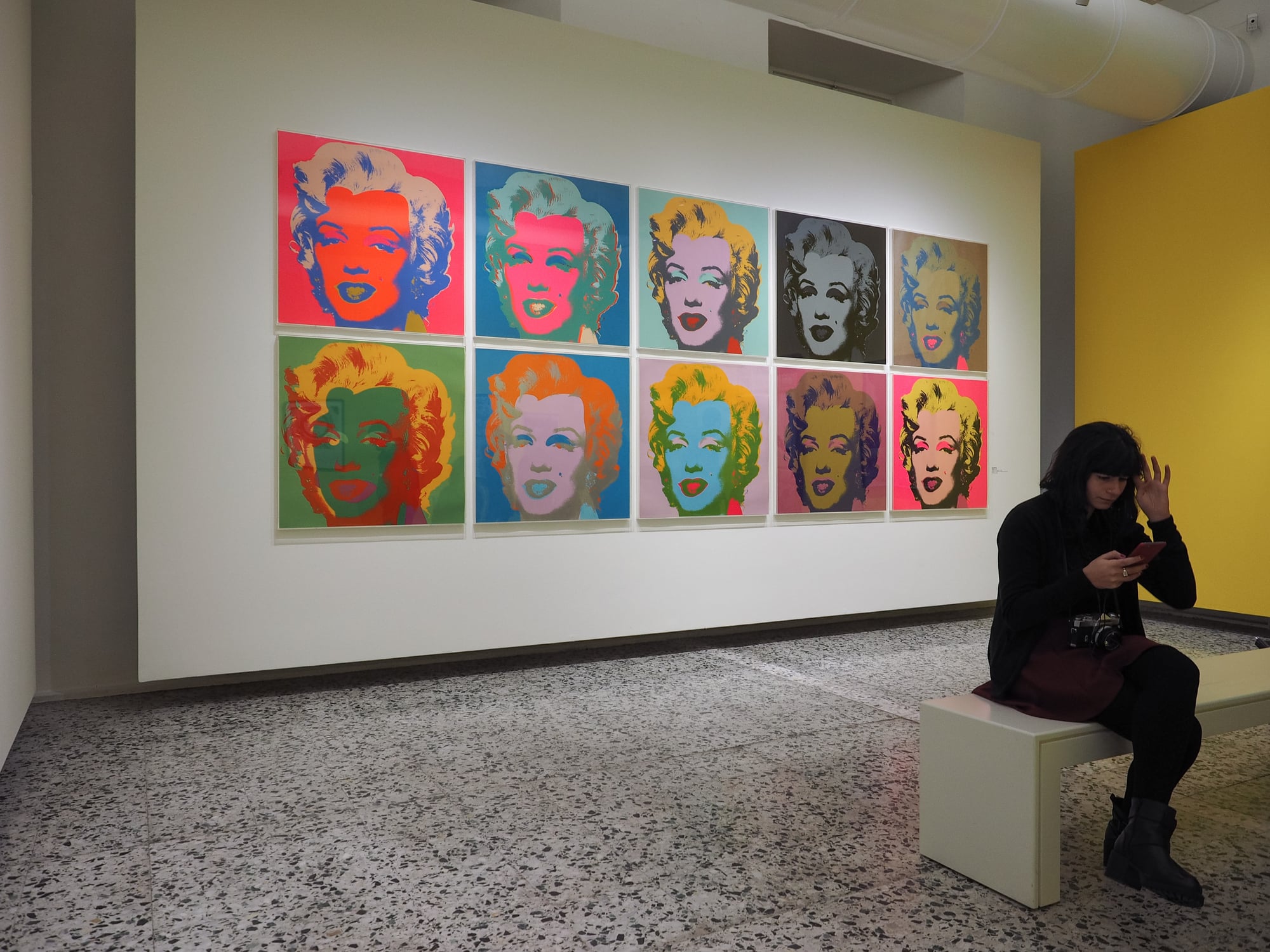
Warhol’s fascination with celebrity culture—with movie stars, business magnates, socialites—transformed celebrity itself into his primary subject matter. By elevating unknown people to superstar status and then painting famous people, Warhol conflated the two categories.
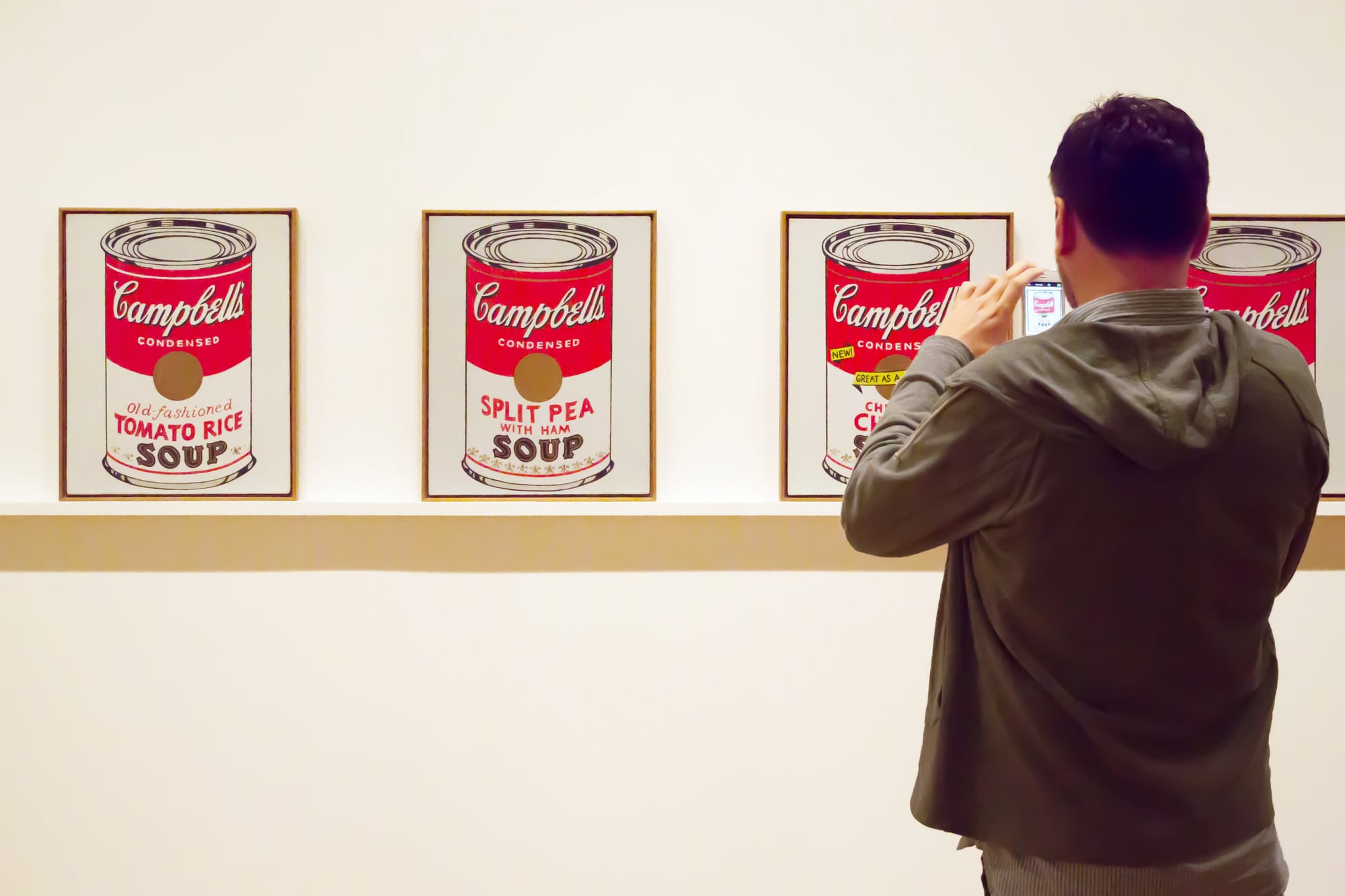
He suggested that fame was a form of mass-produced art, that celebrity was as manufactured and reproducible as a Campbell’s soup can.
The Factory as Social Laboratory
The Factory functioned as a deliberate social experiment in nonconformity. Homosexuality, drug use, and liberation were displayed openly at a time when such visibility was transgressive and dangerous.
Warhol’s superstars became symbols of the revolution, embodying freedoms that mainstream culture was only beginning to acknowledge. The Factory was a safe space that simultaneously documented and celebrated radical alternatives to conventional living.
Blurring Commercial and Artistic Intent
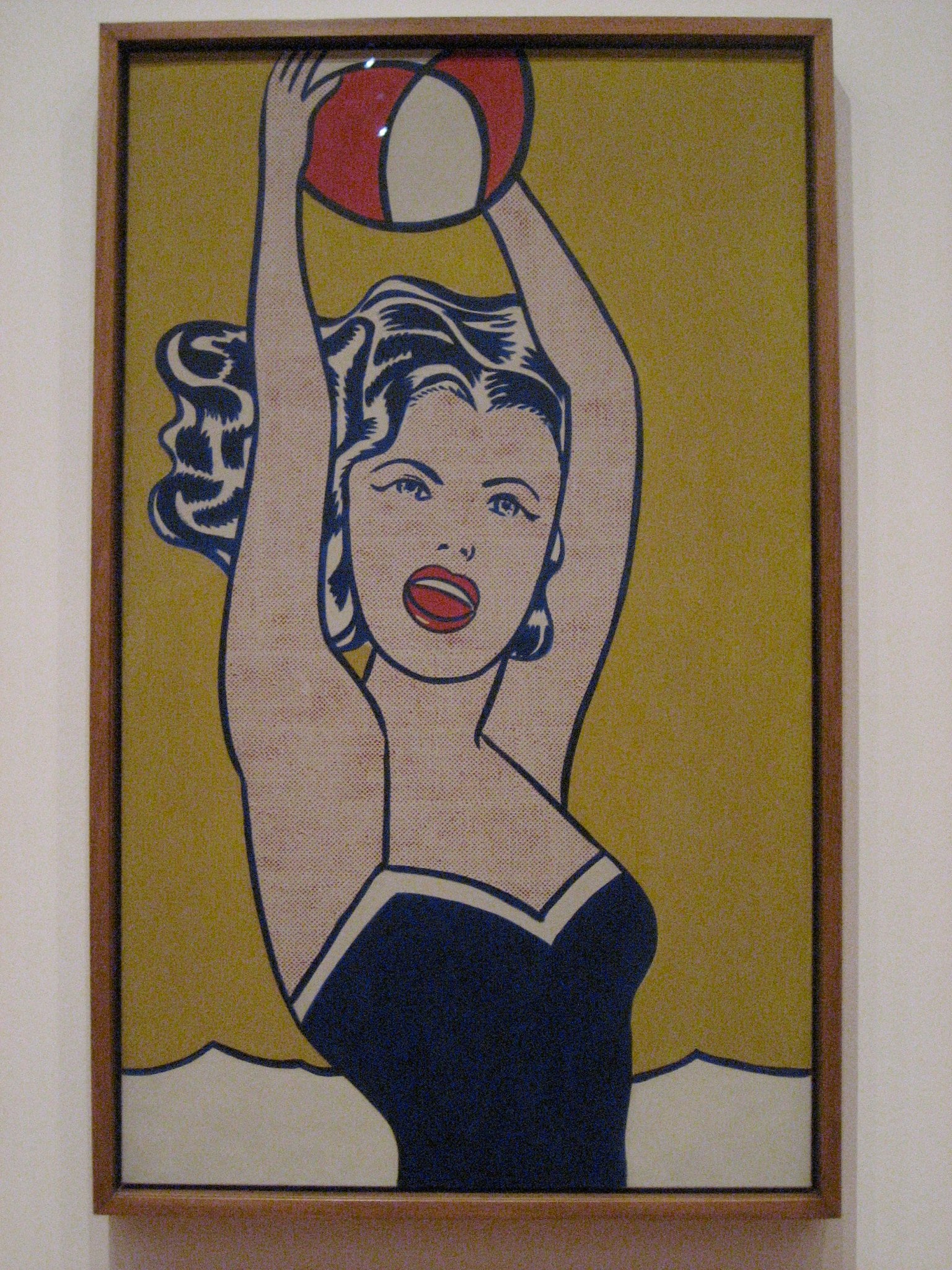
Warhol made no distinction between commercial promotion and artistic creation. Films about superstars were simultaneously documentaries, advertisements for the individuals themselves, and conceptual artworks questioning the nature of fame.
This refusal to distinguish between art and commerce became characteristic of postmodern practice and anticipated contemporary artistic approaches.
The Factory Archive as Historical Record
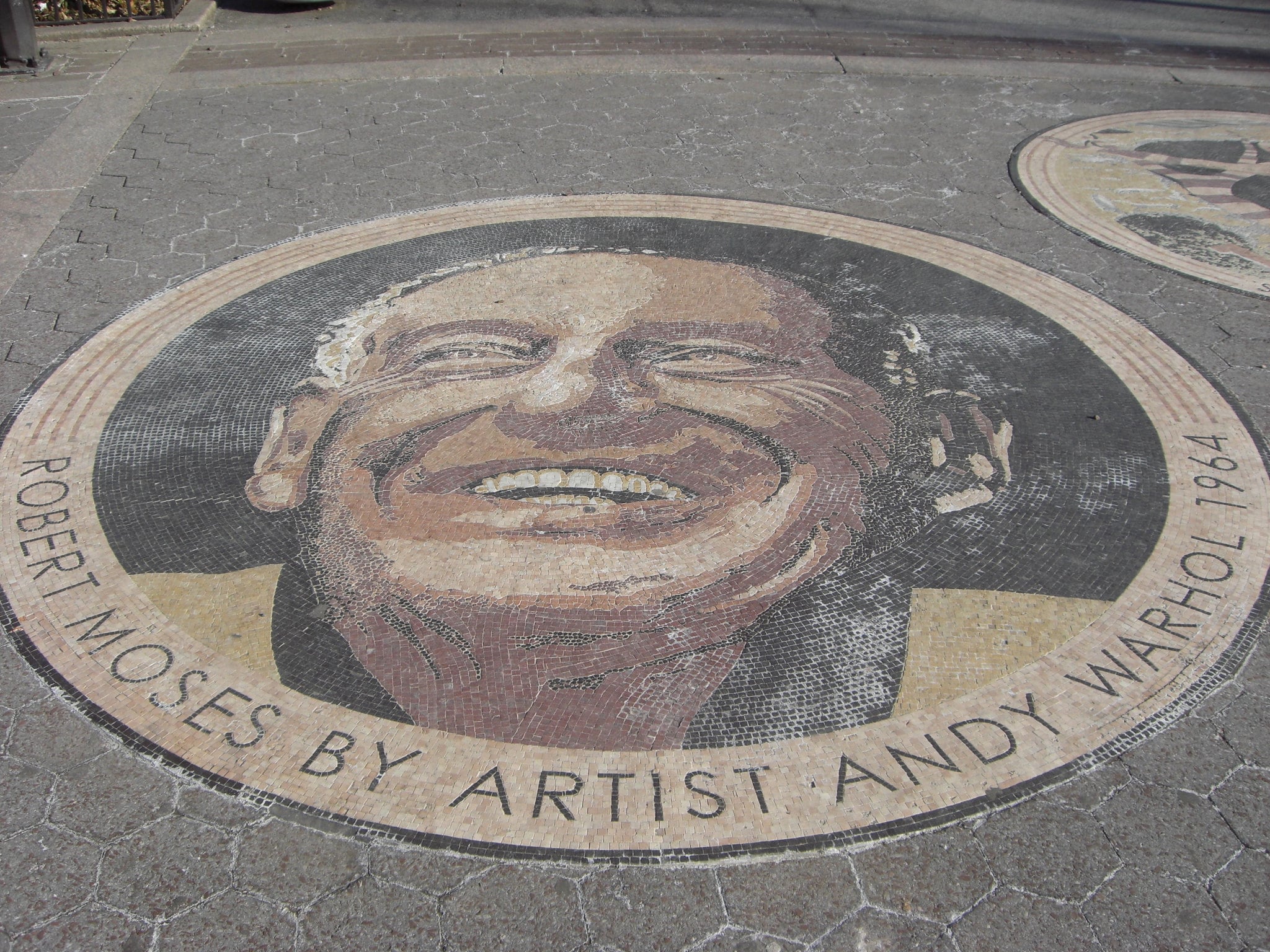
Photographer Nat Finkelstein spent two years documenting Factory life, creating an unprecedented archive of artistic and social activity. These photographs function simultaneously as historical record, portraiture, documentation, and fine art.
The Factory’s chronicling of itself meant that the people, spaces, and activities became both lived experience and aesthetic objects.
The Vernacular Language of Superstars
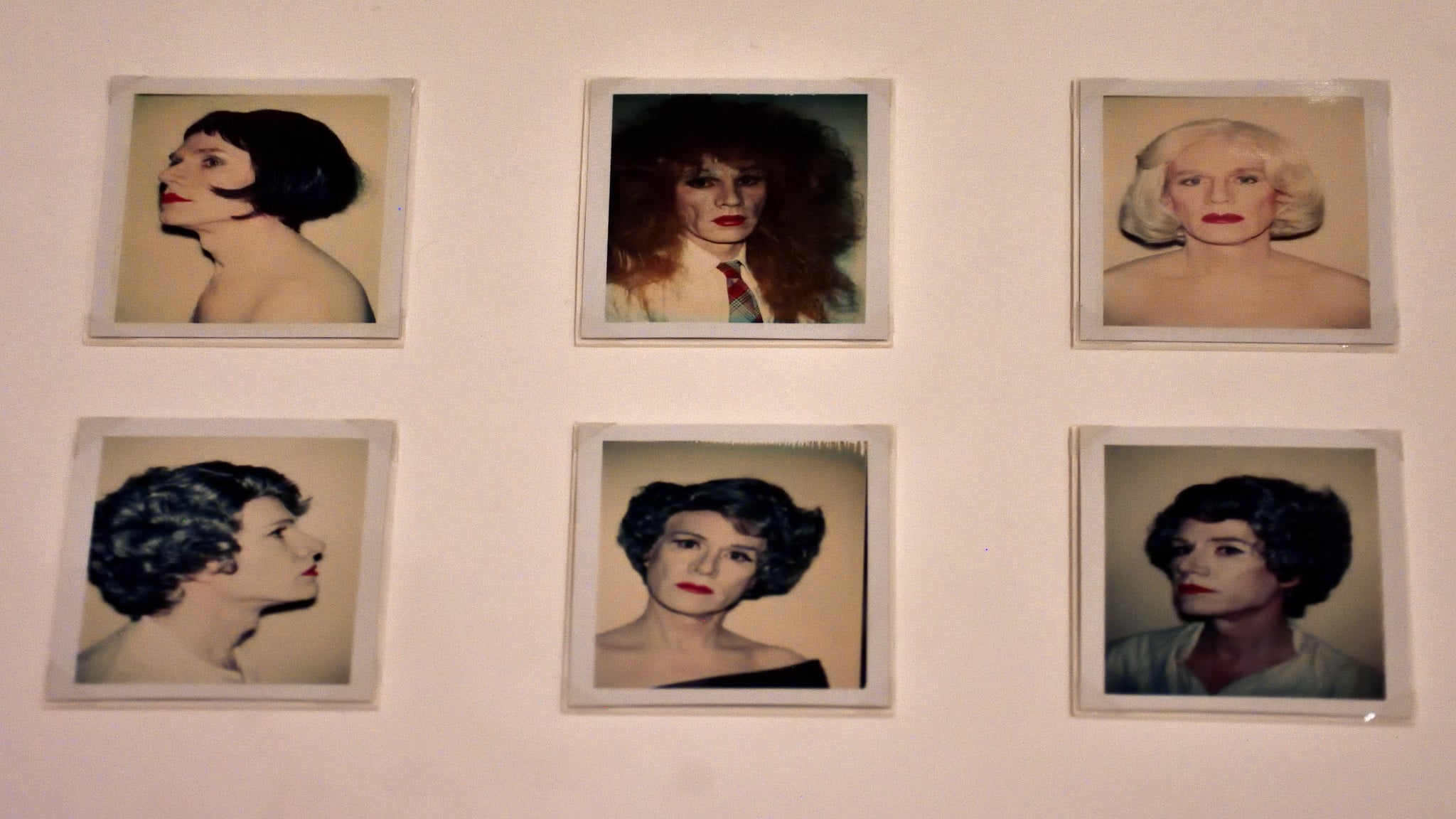
The superstars developed their own manner of speaking, a distinctive verbal style captured in Warhol’s films. Their unscripted dialogue had an authenticity and peculiarity that professional actors couldn’t reproduce.
Language itself became another medium through which the superstars expressed personality and created meaning, democratizing forms of artistic expression beyond traditional visual media.
Death and Transcendence
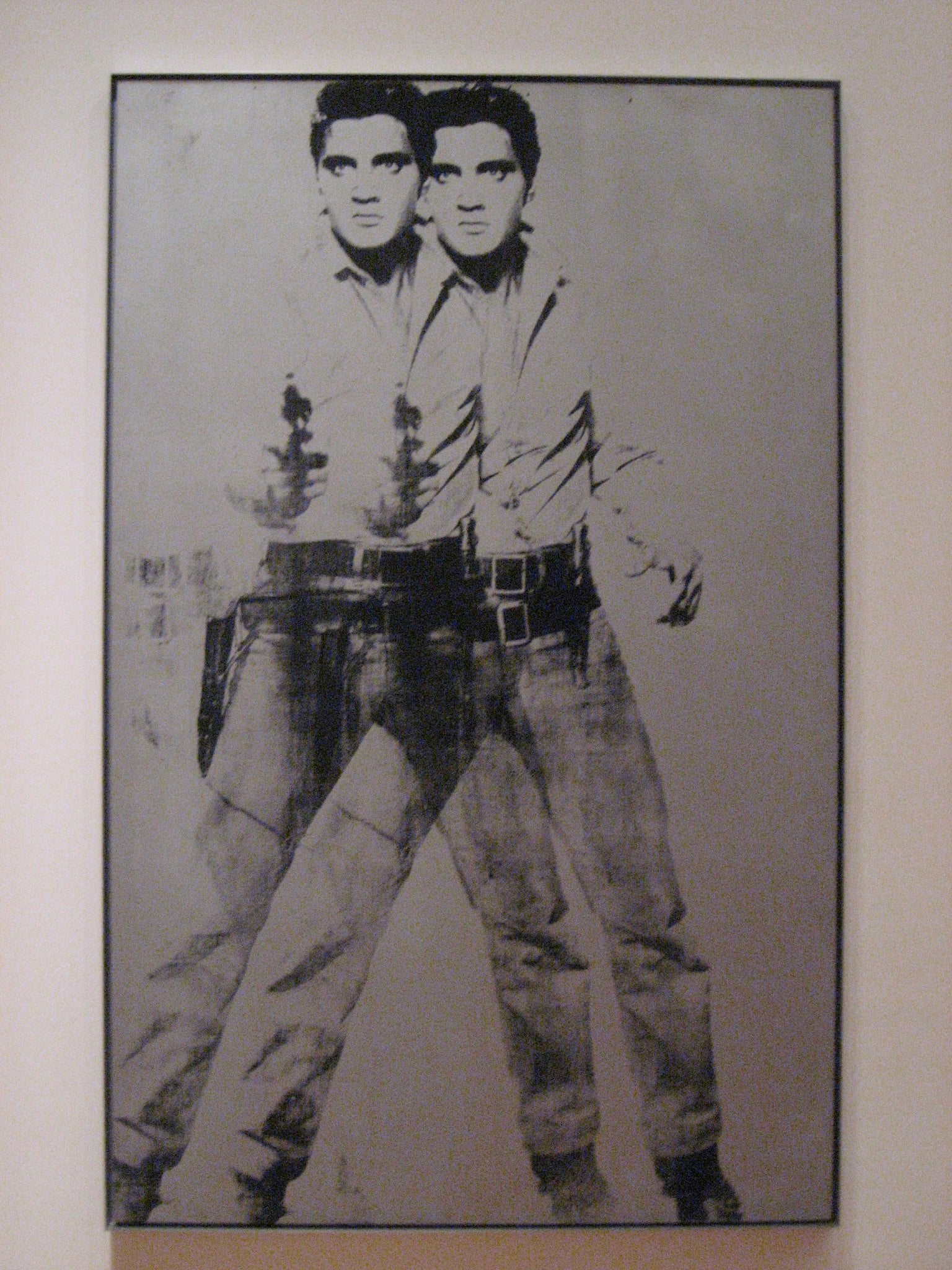
Edie Sedgwick’s tragic death in 1971 transformed her from living superstar into historical icon. Her life, captured in Warhol’s films, became immortal in a way that contradicted her own mortal decline.
The Factory’s documentation meant that the superstars could transcend their physical existence, their images and presence preserved and repeatable. This made them permanent in a way ordinary celebrities, lacking such thorough documentation, could never be.
The Destruction of the Singular Artist
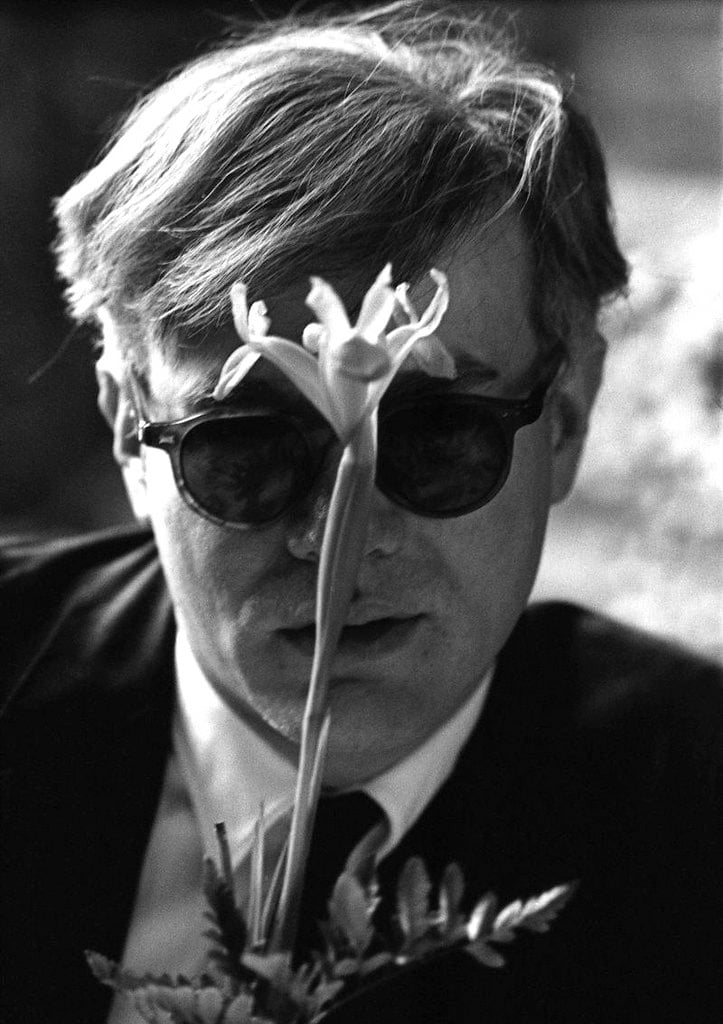
The Factory culture dismantled the myth of the solitary genius creating alone in a studio. Warhol’s superstars weren’t assistants in a traditional sense; they were collaborators, subjects, and co-creators of meaning.
Their presence, their participation in Factory life, and their willingness to be filmed generated the material that became art. The traditional boundaries of artistic authorship collapsed entirely.
Anticipating Reality Television and Influencer Culture
The Factory prefigured reality television’s obsession with documenting ordinary people’s lives and transforming them into entertainment. The superstars were “influencers” before that term existed—their visibility and distinctive identities inspired fashion, behavior, and cultural attitudes.
Warhol had discovered that personality itself could be a product, that continuous documentation and distribution of one’s existence could constitute a career and a form of art.
The Democratization of Fame
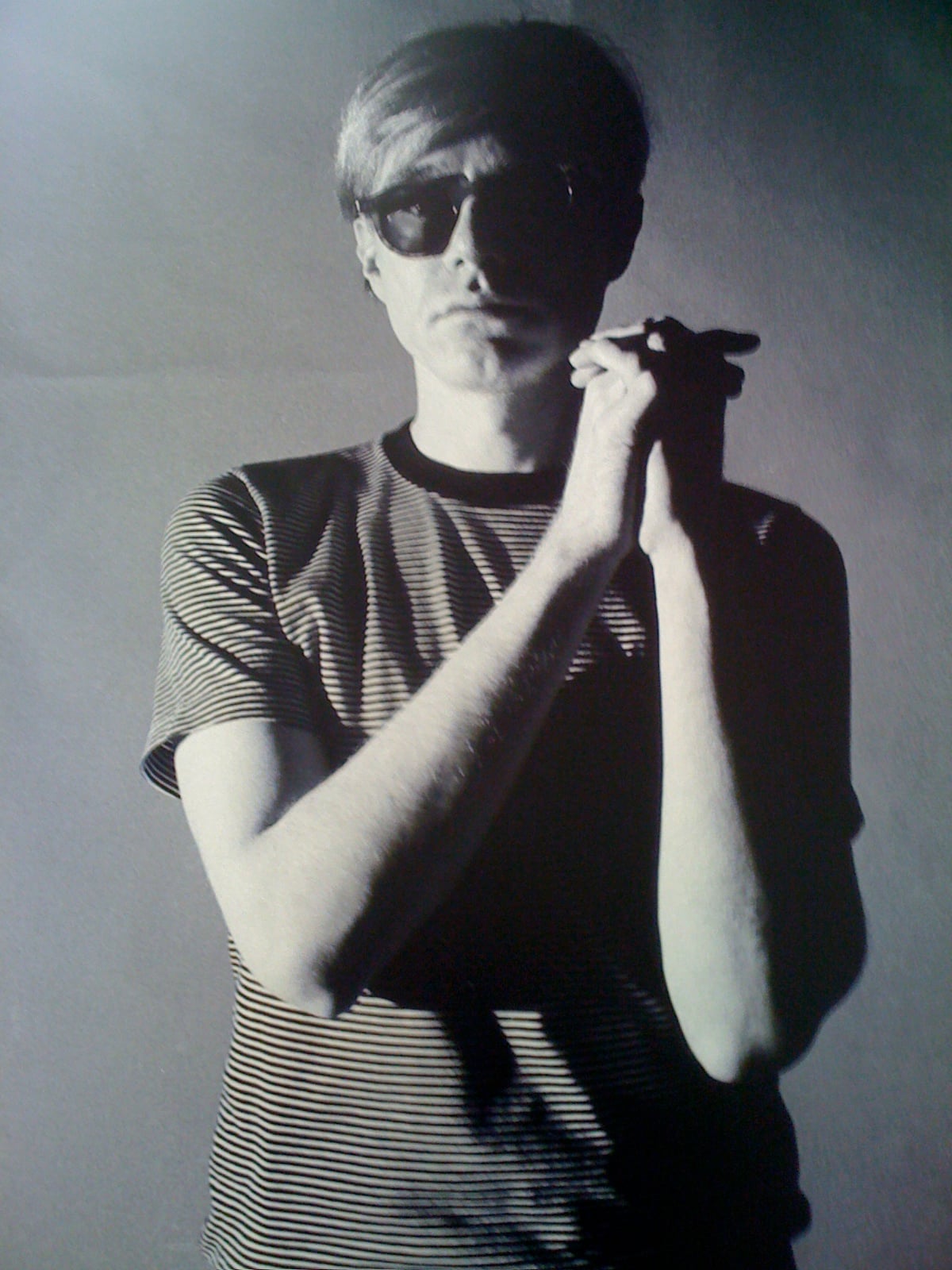
Most radically, Factory culture suggested that fame wasn’t something one inherited or earned through traditional achievement. Warhol could manufacture superstars simply by filming them, giving them visibility, and incorporating them into his artistic vision.
This posed an anarchic challenge to established hierarchies and suggested that the art world, and the world of celebrity, were constructed systems that could be deliberately destabilized and reimagined.
The Art of Presence
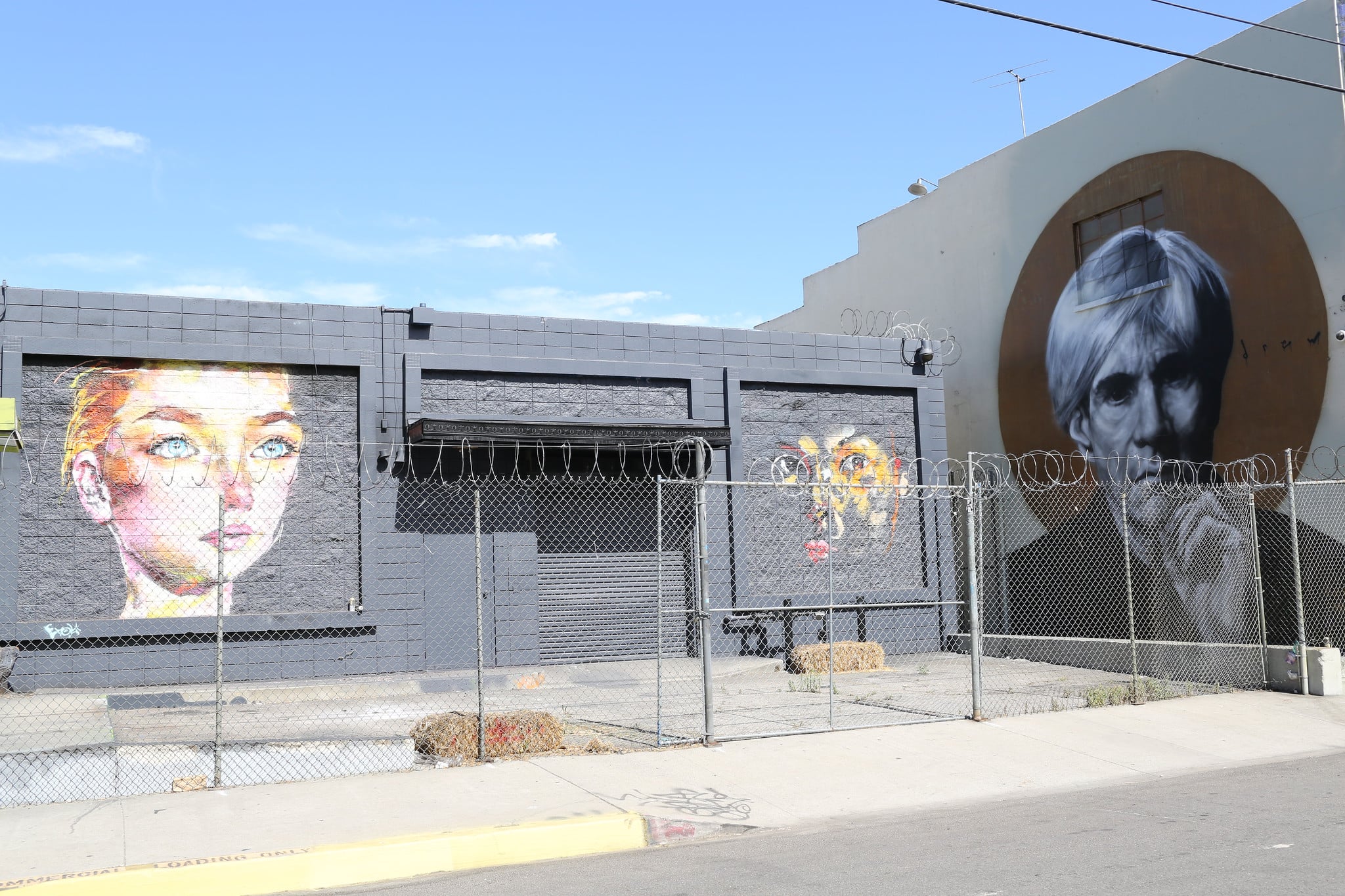
Factory superstars taught that presence—simply being photographed, filmed, and witnessed—could constitute artistic achievement. In an age increasingly dominated by the mechanical reproduction of images, the superstars embodied the paradox of seeking authenticity in an environment of continuous documentation.
They suggested that identity itself was performative, constructed through repeated self-presentation.
The Factory’s most lasting legacy was its demonstration that art and celebrity, high and low culture, production and documentation, were not discrete categories but fluid states. By refusing to distinguish between these realms, Warhol created a template for contemporary culture in which everyone might aspire to be a superstar and in which the documentation of existence has become inseparable from the existence itself.
More from Go2Tutors!

- The Romanov Crown Jewels and Their Tragic Fate
- 13 Historical Mysteries That Science Still Can’t Solve
- Famous Hoaxes That Fooled the World for Years
- 15 Child Stars with Tragic Adult Lives
- 16 Famous Jewelry Pieces in History
Like Go2Tutors’s content? Follow us on MS