How Old-School Athletes Trained Without Tech
Before heart rate monitors, GPS watches, and AI-powered workout apps dominated the fitness world, athletes relied on raw determination and simple methods to build extraordinary strength and endurance. The approach was straightforward—use what’s available, push your limits, and let your body adapt.
These time-tested techniques produced Olympic champions, legendary strongmen, and warriors who could outlast modern gym-goers without ever stepping foot in a high-tech facility. Here is a list of 17 ways old-school athletes trained without tech.
Running on Natural Terrain

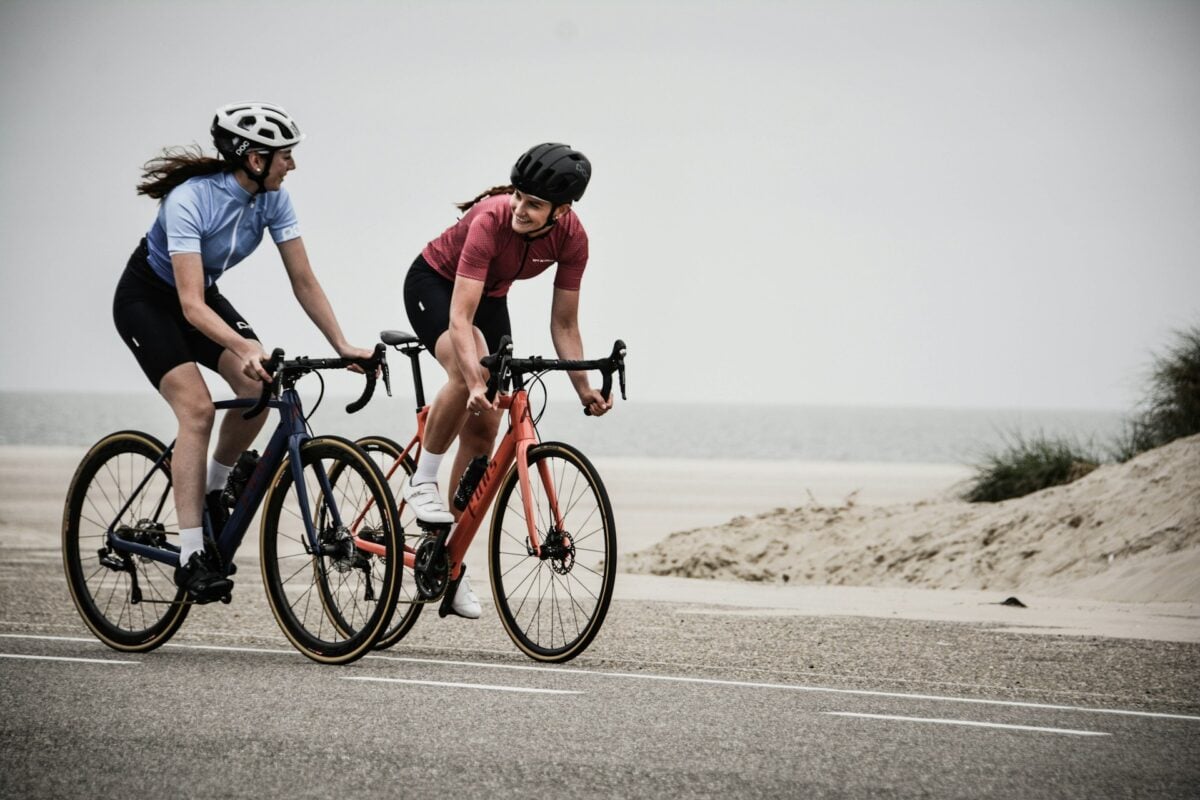
Ancient Greek athletes used running as a foundational training method, often on varied outdoor terrain rather than flat tracks. They’d sprint up hillsides, jog through forests, and race along beaches where the shifting sand added resistance with every step.
The uneven ground strengthened ankles and built the kind of functional fitness that translated directly to combat and competition. Without full-time coaching, many athletes simply ran for conditioning work or performed exercises at home to supplement their training.
This wasn’t about tracking split times or monitoring pace—it was about covering distance and feeling your body get stronger with each outing.
Lifting Heavy Stones

Ancient Greek athletes used stones of various weights for strength training, with one inscription mentioning athlete Bybon who lifted a 315-pound sandstone rock over his head with one hand. These weren’t perfectly shaped dumbbells with comfortable grips.
They were irregular chunks of rock that forced athletes to engage their entire body just to maintain control. Competitors would hoist stones overhead, carry them for distance, or see who could throw them the furthest.
In the sixth century, competitions existed specifically for athletes lifting heavy stones. The irregular shape meant every repetition required different muscle activation, building real-world strength that fancy machines could never replicate.
The Tetrad Training Cycle
Ancient Greek physicians used a four-day training cycle called the Tetrad, with each day serving a specific purpose in athlete development. Day one featured short, explosive movements similar to modern high-intensity interval training.
Day two pushed athletes to their absolute limits with maximum effort. Day three allowed for active recovery with moderate activity and breathwork.
Day four focused on medium-hard workouts where athletes practiced technique and worked on weaknesses. This systematic approach to periodization emerged thousands of years before sports science validated the concept.
Athletes didn’t need spreadsheets or apps—they just followed a pattern that balanced intensity with recovery.
Bodyweight Exercises and Acrobatics

Greek athletes spent considerable time training the body through bodyweight exercises and acrobatics at the palaestra, or wrestling school. Push-ups, pull-ups, handstands, and gymnastic movements built strength without a single piece of equipment.
Ancient sources document exercises like rope climbing using hands and feet, hanging from ropes, and holding positions for extended periods. Wrestlers would practice takedowns and holds repeatedly until the movements became second nature.
The combination of strength, flexibility, and body control created athletes who could move with power and precision in any situation.
Wrestling with Training Partners
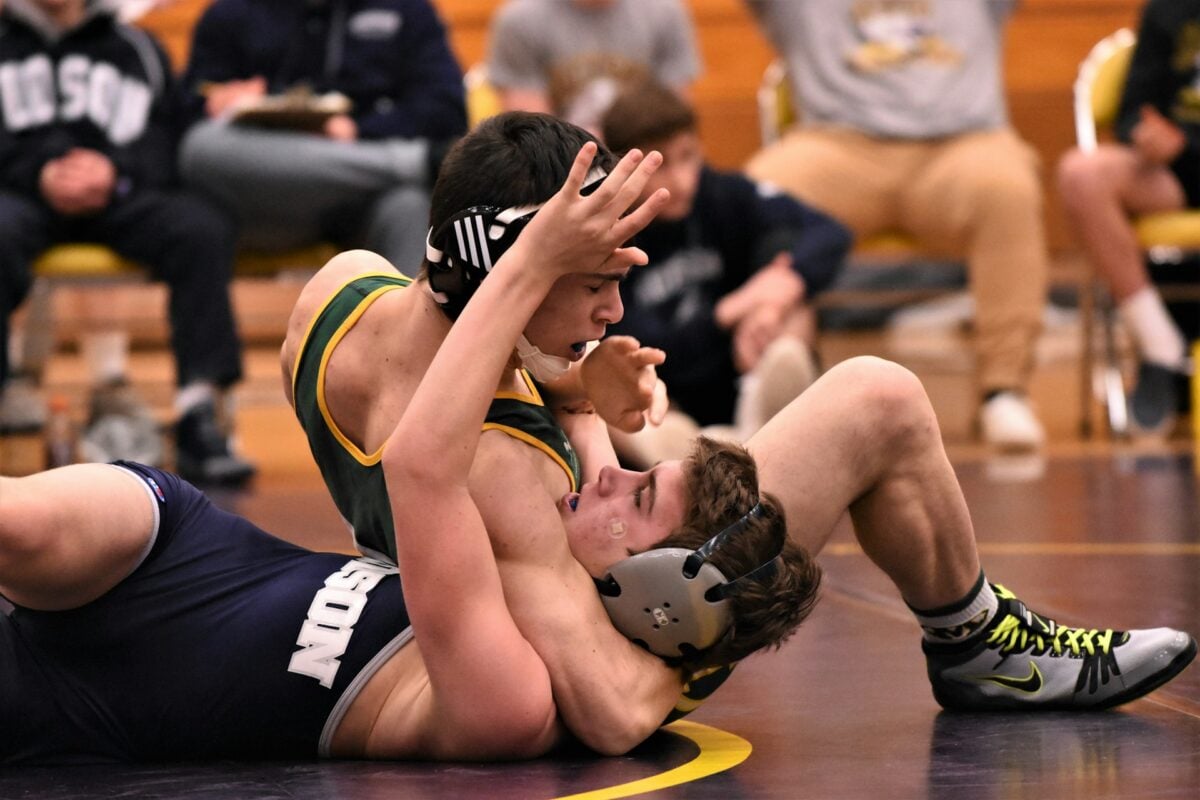
In boxing and wrestling, which featured no weight classes, athletes spent much of their training time sparring and grappling with partners. This hands-on approach built functional strength that transferred directly to competition.
Fighters learned to feel their opponent’s movements, anticipate attacks, and develop the kind of endurance that came from repeated rounds of intense physical contact. In pankration, where only biting and eye gouging were prohibited, athletes sparred in a more gentle manner during training to avoid injury.
The constant adaptation required when facing a live opponent created a type of conditioning that stationary equipment could never match.
Using Halteres (Ancient Dumbbells)

Greek trainers and athletes created the earliest dumbbells around 800 to 700 BC, called halteres, which were made of stone in various sizes to provide different levels of resistance. Athletes used them for lunges, plyometric jumps, running with added weight, and general resistance training.
One example belonging to Spartan athlete Akmatidas, who won the pentathlon at the Olympics, demonstrates how these simple tools were prized possessions. Unlike modern dumbbells with their perfectly balanced design, halteres required constant grip strength and stabilization.
Jumpers would swing them forward during long jump attempts to generate extra momentum, combining strength training with sport-specific technique work.
Progressive Overload with Living Weight

Milo of Crotone, born around 558 BC, became famous for shouldering and carrying a growing heifer the full length of the stadium at Olympia, continuing until the calf was four years old. This legendary approach to progressive resistance training didn’t require calculating percentages or logging workouts.
As the animal grew heavier each day, Milo’s body adapted to handle the increasing load. The concept was brilliantly simple—add weight gradually and consistently, and strength will follow.
Modern athletes rediscovered this principle centuries later and gave it a scientific name, but Milo understood it instinctively through practical application.
Manual Labor as Training

The grueling amounts of physical labor required over the course of the day outstripped many conditioning programs in use today. Athletes worked as farmers, soldiers, and laborers when they weren’t training, which meant their bodies never fully rested.
Ancient exercises included digging, picking up heavy objects, carrying loads, and walking uphill—all movements that came from daily work. Chopping wood, hauling water, tending fields, and building structures created a foundation of work capacity that complemented their athletic pursuits.
The physical demands of everyday survival meant athletes were constantly conditioning their bodies without ever thinking of it as a workout.
Speed Work and Intervals
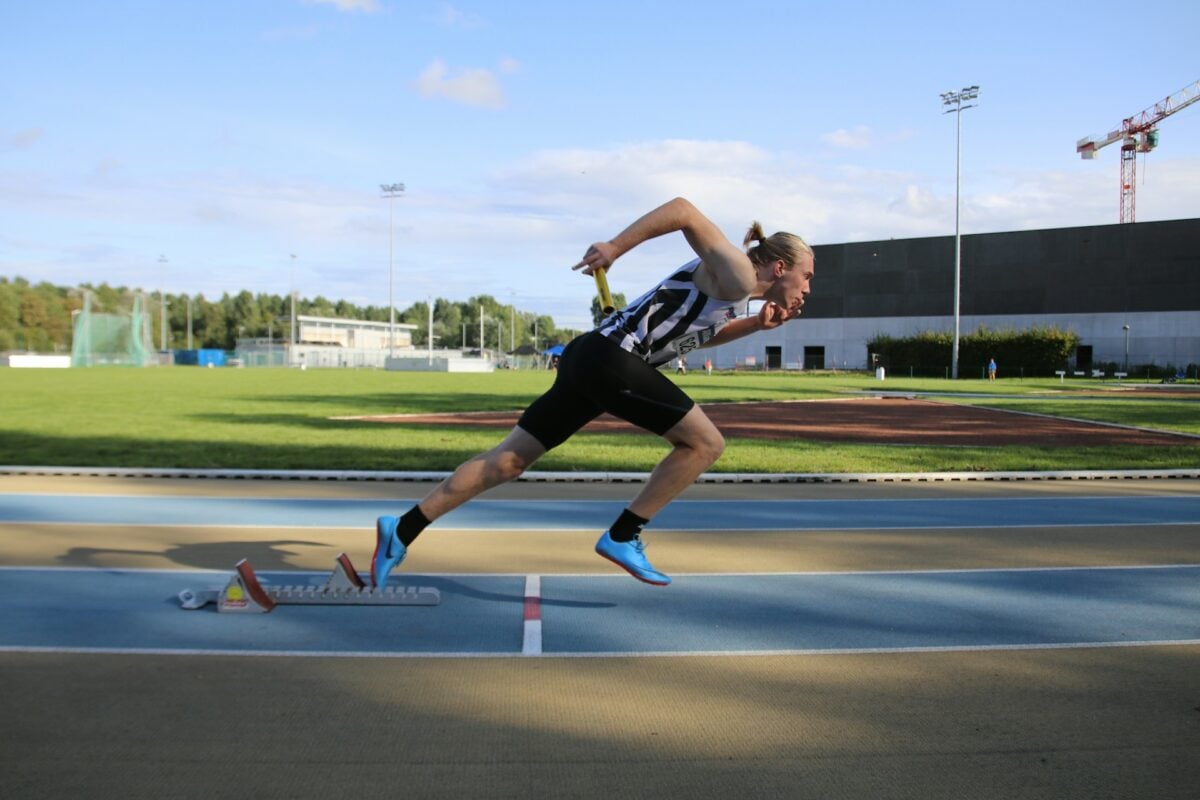
Ancient writer Lucian described both distance and speed work in runners, showing that athletes understood the need for varied training intensities. Sprinters would practice explosive starts and short bursts of maximum effort.
Distance runners covered longer routes at sustainable paces. Athletes mixed these approaches based on their event requirements, alternating between short, intense efforts and longer, steady sessions.
Hippocrates believed that athletes who walked after exercising would have a stronger and more rested body, which led to low-intensity cool-downs after each workout. This intuitive understanding of energy systems and recovery strategies emerged from observation and experience rather than laboratory testing.
Training with Punch Bags

Boxers used small punching bags to develop quickness, while pankration athletes used heavier bags to practice falls, submissions, and holds. These weren’t the sophisticated heavy bags found in modern gyms with perfect stitching and optimal density.
They were leather sacks filled with sand, grain, or fig seeds that fighters would strike repeatedly to build power and conditioning. Shadow boxing complemented bag work, allowing athletes to practice combinations and footwork without any equipment at all.
The repetitive impact toughened hands and wrists while building the specific endurance needed to throw punches for extended periods during competition.
High-Volume Strength Training

In the 1970s, legends like Arnold Schwarzenegger and Sergio Oliva trained six days per week using high-volume protocols evolved from full-body workouts. These bodybuilders might hit the same muscle groups multiple times weekly, performing countless sets with moderate to heavy weights.
There were no computerized machines with pre-set movement patterns—just barbells, dumbbells, and the occasional cable pulley. Athletes would finish workouts with sleds, carries, and strongman-style medleys to build size, strength, and stamina.
The approach was brutally simple: lift heavy things repeatedly, eat enough food to recover, and repeat the process until your body transforms.
Training to Complete Exhaustion

Coaches ran athletes extremely hard to improve conditioning and build mental toughness, with some days pushing athletes to their absolute limits with little concern for overtraining. The philosophy was that if athletes survived the brutal workouts, they proved themselves as warriors.
This all-or-nothing approach created incredible resilience, though it also led to injuries that modern training science has learned to prevent. Athletes didn’t monitor heart rate zones or recovery metrics—they simply pushed until they couldn’t continue, then pushed a little further.
While current methods recognize the importance of managing intensity, the mental toughness developed through these extreme sessions gave old-school athletes an unshakeable competitive edge.
Practicing Sport-Specific Skills

The vast majority of training consisted of practicing the skills of their sport at gymnasiums called xystos, where athletes were frequently coached by former champions. Throwers threw.
Jumpers jumped. Runners ran. The concept seems obvious, yet it represented a fundamental truth that sometimes gets lost in modern training—you get better at what you actually practice.
While athletes may not have been as specialized as today’s competitors, with much training for multiple events, they still focused heavily on technical proficiency. Hours of repetition ingrained proper mechanics until movements became automatic under the pressure of competition.
Mind and Character Development

The palaestra featured rooms for education where youths were taught Greek ideals as part of an all-around education, with the concept of ‘mind, body and spirit’ being a true way of life rather than just a slogan. Olympic athletes were expected to demonstrate not just physical prowess but also virtue, loyalty, valor, and moral responsibility—a combination referred to as arete, or excellence.
Coaches worked to instill this sense of responsibility as part of the training process. The approach recognized that athletic performance emerged from more than just physical conditioning.
Mental discipline, ethical behavior, and philosophical understanding all contributed to creating complete competitors who could handle the pressures of high-stakes competition.
Training Without Specialized Equipment

For decades, the only way to get stronger was to use simple weights and lift them up in various ways, with no fancy machines required. Research has shown that old-school lifting with free weights is better and prevents more injuries than machine training.
Athletes performed squats without the safety of a Smith machine. They pressed overhead without the guided path of fixed equipment. Every repetition required full-body stabilization and coordination.
Platforms for lifting were common in gyms before being replaced by machines, with Olympic lifts teaching athletes how to generate explosive power. The absence of modern conveniences forced athletes to develop genuine strength and body control that transferred directly to their sports.
Cross-Training with Different Activities

Ancient physician Philostratos suggested cross-training by combining endurance running, weight training, and even wrestling with animals to build well-rounded athleticism. Physician Galen recommended various exercises to train both vision and the body simultaneously.
Athletes understood instinctively that single-sport specialization had limitations. A wrestler might run for cardiovascular conditioning. A runner might lift stones for power development.
The pentathlon—combining discus, javelin, jumping, running, and wrestling—reflected the belief that one’s body should be strong as a whole rather than just in one area. This varied approach prevented overuse injuries while building the diverse physical capacities needed for overall athletic excellence.
Active Recovery and Rest Days

Aristotle observed that athletes who have a rest day should not rest completely but should do a mild, low-intensity workout instead, a practice still in use today. The third day of the tetrad cycle featured relaxation with moderate energy expenditure rather than complete inactivity.
Athletes might take long walks, perform light calisthenics, or practice breathing exercises. Hippocrates believed that walking after exercise helped athletes develop stronger and more rested bodies.
This understanding of recovery preceded modern sports science by millennia. Old-school athletes learned through experience that the body grows stronger during rest periods, not just during training sessions, and they structured their preparation accordingly.
Training’s Evolution, Not Revolution

The methods that built ancient Olympians and old-school champions haven’t disappeared—they’ve just been repackaged with fancier names and scientific explanations. Modern athletes still benefit most from consistent effort, progressive challenge, and recovery.
While technology offers valuable data and convenience, the fundamental principles discovered by athletes thousands of years ago remain unchanged. Strength comes from lifting progressively heavier loads.
Endurance develops through sustained effort over time. Skill improves through deliberate practice.
The athletes who trained without tech understood these truths intuitively, proving that human potential doesn’t require the latest gadget—just dedication, smart training, and the willingness to push beyond comfort.
More from Go2Tutors!

- The Romanov Crown Jewels and Their Tragic Fate
- 13 Historical Mysteries That Science Still Can’t Solve
- Famous Hoaxes That Fooled the World for Years
- 15 Child Stars with Tragic Adult Lives
- 16 Famous Jewelry Pieces in History
Like Go2Tutors’s content? Follow us on MSN.