How Radio Shaped Culture Before the Television Era
Before screens took over living rooms, families gathered around a different kind of box. Radio brought the world into homes when most people had never traveled beyond their own towns.
It changed how people spent their evenings, what they talked about, and even how they saw themselves as part of a larger community. Here’s how radio created the blueprint for modern entertainment and connected an entire generation.
Families planned their schedules around favorite programs

Evening routines revolved around specific radio shows in the 1930s and 1940s. Dinner might get pushed earlier or later depending on when a particular program aired.
Nobody wanted to miss their favorite comedy or drama, so households adjusted. Kids finished homework faster. Adults hurried home from work. The radio schedule basically ran family life because missing an episode meant you couldn’t join the conversation everyone would be having at work or school the next day.
Soap operas got their name from their sponsors

Daytime radio dramas targeted housewives, and soap companies like Procter & Gamble paid for most of them. These shows featured ongoing storylines about everyday people dealing with relationship troubles, family drama, and small-town gossip.
They aired during morning and afternoon hours when women were home doing chores. Listeners got hooked on the characters and their problems.
The format worked so well that when television came along, the same type of show moved to the new medium and kept the nickname that still sticks today.
Like Go2Tutors’s content? Follow us on MSN.
News bulletins made everyone feel connected to major events

Radio brought breaking news into homes instantly for the first time ever. The Hindenburg disaster, Pearl Harbor, and D-Day all reached Americans through their radio sets.
People heard about events as they happened instead of reading about them the next day in newspapers. This immediacy created a shared national experience that newspapers could never quite match.
Everyone heard the same announcer’s voice at the same time, which changed how communities processed big moments together.
Comedians became household names without being seen
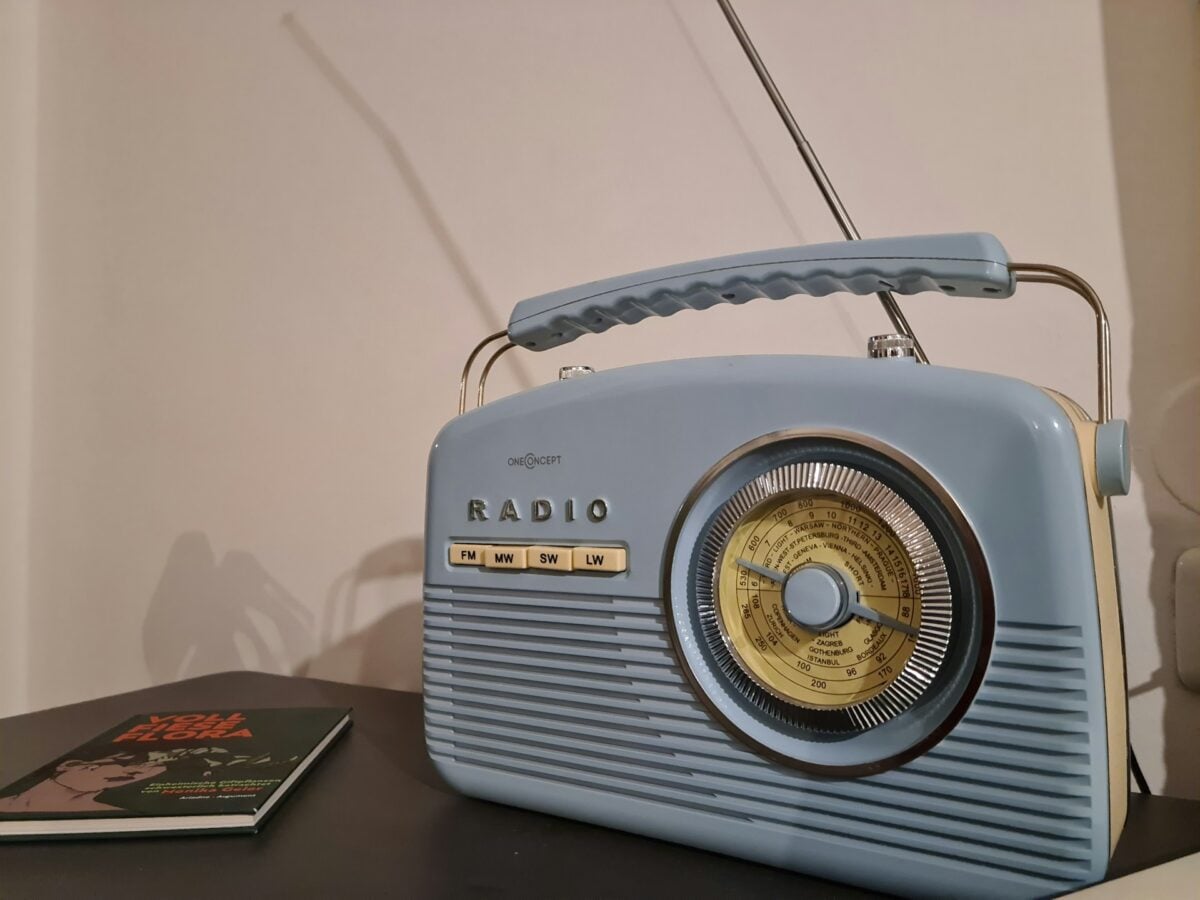
Jack Benny, George Burns, and Gracie Allen made millions laugh every week through voices alone. Their timing, delivery, and chemistry came through so clearly that audiences didn’t need to see their faces.
People quoted their jokes at work and mimicked their catchphrases around the dinner table. Some comedians actually worried when television arrived because their whole appeal was based on what listeners imagined, not what they looked like.
Radio comedy required sharper writing since you couldn’t just fall down for a laugh.
Mystery and horror shows thrived on imagination
Programs like “The Shadow” and “Inner Sanctum Mysteries” scared listeners more effectively than most movies could. Sound effects, music, and voice acting created pictures in people’s minds that were often more frightening than anything shown on screen.
A creaky door or footsteps in an empty house became absolutely terrifying when listeners filled in the visual details themselves. Kids hid under blankets listening to these shows, their own imaginations working overtime to create monsters from the sounds coming through the speaker.
Like Go2Tutors’s content? Follow us on MSN.
War of the Worlds proved radio’s incredible power
Orson Welles broadcast a fake news report about a Martian invasion on October 30, 1938. Thousands of listeners tuned in late and missed the beginning disclaimer, so they thought the invasion was actually happening.
Some people packed their cars and fled their homes. Others flooded police stations and newspapers with panicked calls.
The whole thing showed just how much people trusted radio as their source of truth. The incident sparked debates about media responsibility that we’re still having today with social media and fake news.
Music programs introduced Americans to new sounds
Before radio, most people only heard music at church, local performances, or on expensive phonograph records that few could afford. Radio brought jazz, blues, country, and classical music into homes everywhere for free.
A farmer in Kansas could hear the same jazz band as someone in a fancy New York City apartment. This exposure broke down regional barriers and helped create national music trends. Record sales jumped when songs got radio play, launching the connection between broadcasting and the music industry that drives everything today.
Advertising techniques were invented for radio
Companies had to figure out how to sell products without showing them, which was totally new. They created jingles that got stuck in people’s heads for days.
Announcers developed enthusiastic styles that made even boring products sound exciting. The 30-second and 60-second commercial formats we deal with today started on radio.
Advertisers learned to tell quick stories that connected products to happiness, success, or family values. These techniques later moved to television and then the internet, but radio invented the whole playbook.
Like Go2Tutors’s content? Follow us on MSN.
President Roosevelt’s fireside chats changed politics
Franklin D. Roosevelt spoke directly to Americans through radio during the Great Depression and World War II. His warm, conversational tone made people feel like he was sitting right there in their living room.
These broadcasts helped build public support for difficult policies and kept morale up during really tough times. Previous presidents had seemed distant and stiff.
Radio let leaders speak to millions while sounding like they were talking to just one person, which completely changed how politics worked.
Regional accents started disappearing
Radio announcers developed a standardized way of speaking that smoothed out regional accents. Networks wanted broadcasts understood clearly everywhere, so they trained announcers in what they called “General American” speech.
As people heard this neutral accent every single day, local dialects began fading, especially among younger generations who copied what they heard. The effect didn’t happen overnight, but radio started a process that television and national media kept pushing for decades afterward.
Sports broadcasts created fans who never attended games

Announcers painted such vivid pictures of baseball, boxing, and football that listeners felt like they were sitting in the stadium. Someone could follow their favorite team all season without seeing a single game in person.
Radio created the concept of the armchair fan who knew every player, every statistic, and had opinions about the coach’s decisions. This expanded sports way beyond local communities and helped build national followings for teams and athletes.
The massive sports broadcasting industry that generates billions today started with guys describing plays into microphones for people who couldn’t be there.
Like Go2Tutors’s content? Follow us on MSN.
Quiz and game shows turned knowledge into entertainment

Programs like “Information Please” and “Quiz Kids” made learning fun by rewarding people with good general knowledge. Families listened together and shouted out answers before the contestants could respond.
These shows elevated ordinary people who knew interesting facts and made being smart seem genuinely cool. The format proved so popular that it became a television staple that never went away.
Radio figured out that people enjoyed testing themselves and competing against others, even from the comfort of their own couches.
Radio created the concept of appointment listening

Before radio, entertainment happened when people went somewhere or made it themselves at home. Radio flipped that completely by saying entertainment happens at specific times whether you’re ready or not.
This trained people to schedule their lives around media, which continued with television and now streaming services trying to bring back the concept with weekly episode releases. The idea that everyone experiences the same content at the same moment started with radio networks controlling exactly when programs aired.
Late-night broadcasts connected insomniacs and shift workers

When most people slept soundly in their beds, the radio kept broadcasting for those who couldn’t or wouldn’t. Night-shift workers, new parents walking colicky babies, and people with sleep troubles found real companionship in late-night programs.
Some shows developed cult followings among these dedicated listeners who felt like they were part of a secret club. DJs and talk show hosts created intimate atmospheres that felt like personal conversations with a friend.
This 24-hour presence made radio feel essential to daily life rather than just entertaining, which helped cement its place in American homes.
Like Go2Tutors’s content? Follow us on MSN.
The voices that built everything that came after
Radio created something pretty remarkable during those few decades when it ruled entertainment completely. Those years shaped how people thought about news, community, storytelling, and technology’s place in everyday life.
The lessons learned then carried forward into every medium that followed, from television to podcasts to whatever comes next. Anyone who gathers around a device to share a story or laugh at a joke together is continuing what radio started back when it first brought the world into people’s homes and made everyone feel like part of something bigger.
More from Go2Tutors!

- 16 Historical Figures Who Were Nothing Like You Think
- 12 Things Sold in the 80s That Are Now Illegal
- 15 VHS Tapes That Could Be Worth Thousands
- 17 Historical “What Ifs” That Would Have Changed Everything
- 18 TV Shows That Vanished Without a Finale
Like Go2Tutors’s content? Follow us on MSN.