How to Spot a Genuinely Valuable Book at a Library Sale
Library sales are one of the last genuinely honest places left in the book world. No algorithmically curated recommendations, no influencer-driven hype — just folding tables, cardboard boxes, and a few hundred books that belonged to someone else before they belonged to no one.
Most of what you’ll find is perfectly forgettable. But tucked between the Reader’s Digest condensed editions and the water-damaged self-help paperbacks, there are real finds.
The kind that makes your hands move faster and your breathing go slightly quieter. Learning to spot them takes a specific kind of attention — part knowledge, part instinct, part willingness to look like you’re loitering over a box of cookbooks for an unusually long time.
Check the Copyright Page First
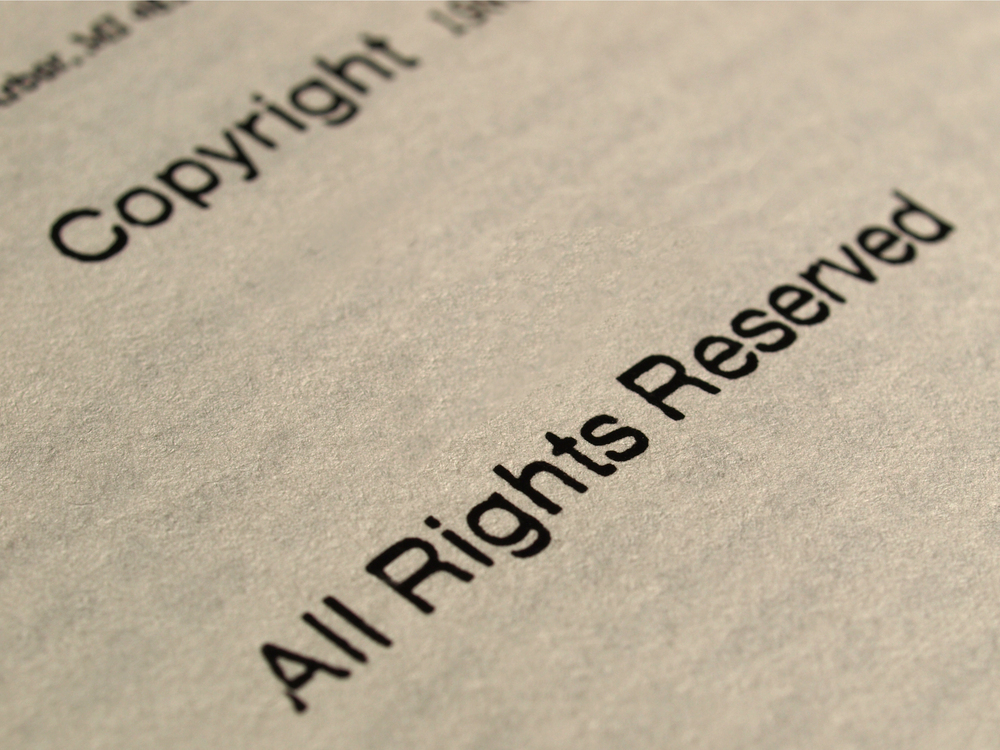
The copyright page doesn’t lie. Look for “First Edition” or “First Printing” stated explicitly — and then look for the number line at the bottom, which typically runs something like “10 9 8 7 6 5 4 3 2 1.”
The lowest number present tells you which printing it is: if the line ends in “1,” you’re holding a true first printing.
Learn Which Publishers Used Number Lines

Not every publisher has always used number lines, and knowing the exceptions saves you from misreading a book’s edition. Random House standardized the number line in the mid-twentieth century, but some houses — particularly smaller literary presses from the 1940s through the 1960s — stated “First Edition” without one, and a few British imports won’t use the convention at all.
So a book that says “First Edition” without a number line isn’t automatically a fraud; it’s just a different tradition.
Understand What “First Edition” Actually Means

“First edition” is one of the most misused phrases in the used book trade, and it costs unprepared buyers money. Technically, it means the first time a text appeared in book form — but a first edition can have dozens of printings, and only the first printing carries real collector value in most cases.
To be fair, there are exceptions: if an author made significant textual revisions between printings, later printings with those revisions can carry their own distinct worth.
Look for Points of Issue

Points of issue are the specific errors, typos, or textual quirks that appeared in a first printing and were corrected in subsequent ones — and identifying them correctly is what separates serious collectors from enthusiastic amateurs. A famous example: the first printing of Hemingway’s “A Farewell to Arms” contains a particular misprint on page 196, and its presence or absence is one of the key identifiers used to date a copy.
Identifying points requires reference guides — “Collected Books: The Guide to Values” by Allen and Patricia Ahearn is considered one of the most reliable starting points.
Assess the Condition Honestly
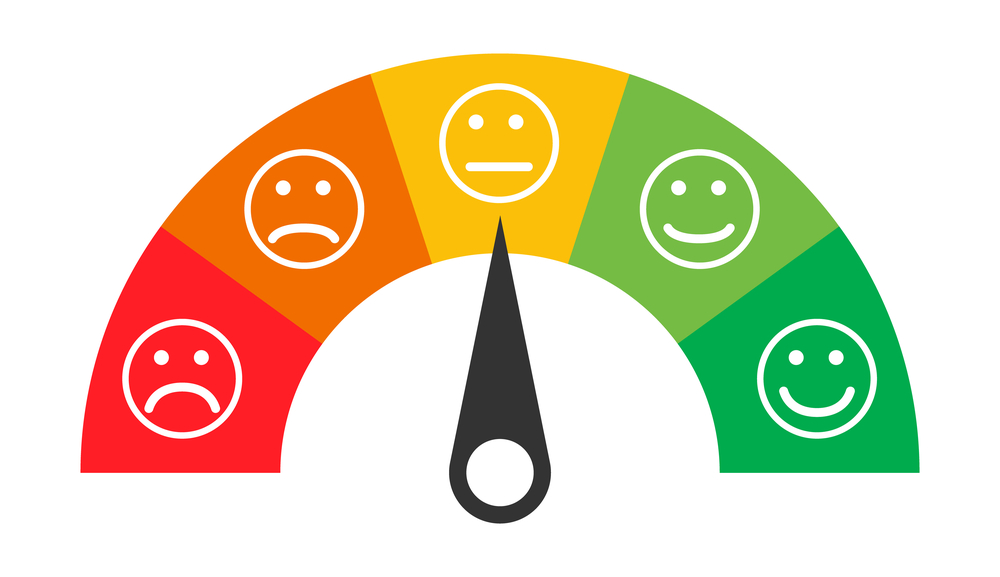
Condition is everything, and wishful thinking is your worst enemy at a library sale. Collectors use a standardized grading scale running from “Poor” to “Fine” — a book described as “Fine” shows no defects whatsoever, while “Very Good” allows for minor wear.
The difference between a “Very Good” copy and a “Fine” copy of a sought-after book can be hundreds of dollars, so calling it correctly before you carry it to the checkout table matters more than almost anything else.
Examine the Dust Jacket Separately
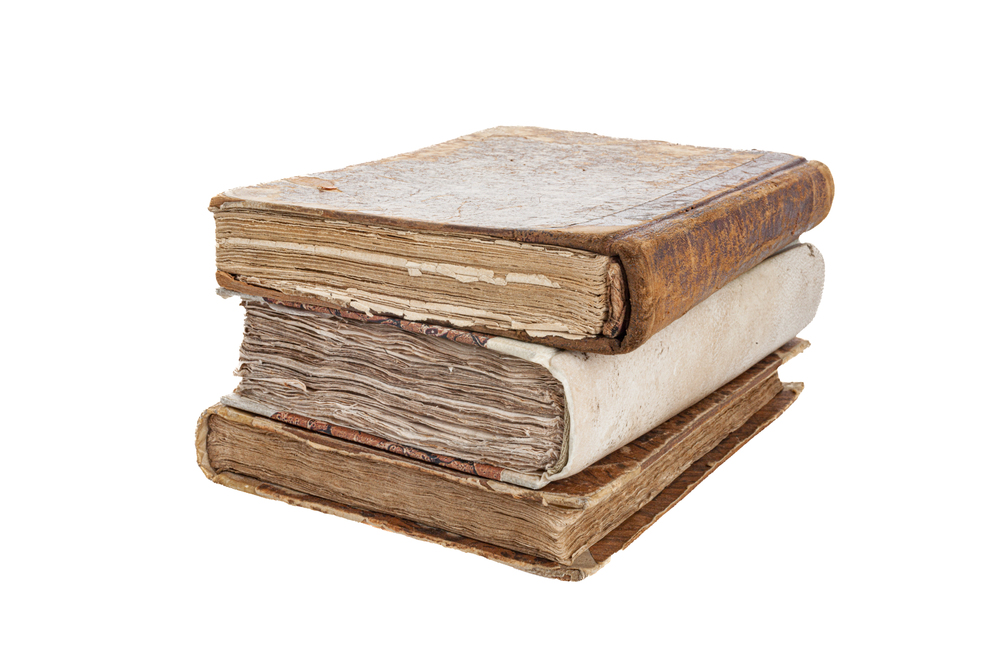
The dust jacket of a first edition is often worth more than the book itself — which sounds absurd until you realize that most people threw jackets away, treating them as disposable packaging. A first edition of F. Scott Fitzgerald’s “The Great Gatsby” with its original dust jacket is one of the rarest and most valuable books in American literature; without the jacket, the value drops dramatically.
Jacket condition is graded by the same scale as the book, and even small chips or tears at the top edges, called “spine crown wear,” meaningfully affect price.
Know the Names That Actually Move at Auction

Not every author’s first edition matters. The names that reliably produce serious auction results — Hemingway, Faulkner, Steinbeck, Flannery O’Connor, Cormac McCarthy, Toni Morrison, Raymond Carver — appear in collector guides for a reason.
McCarthy’s “Blood Meridian” in a first printing, first issue, is currently one of the most actively traded modern first editions in the American market. A signed copy by a living author you’ve never heard of is almost certainly not going to appreciate the way enthusiastic sellers suggest it will.
Check for Signatures Carefully
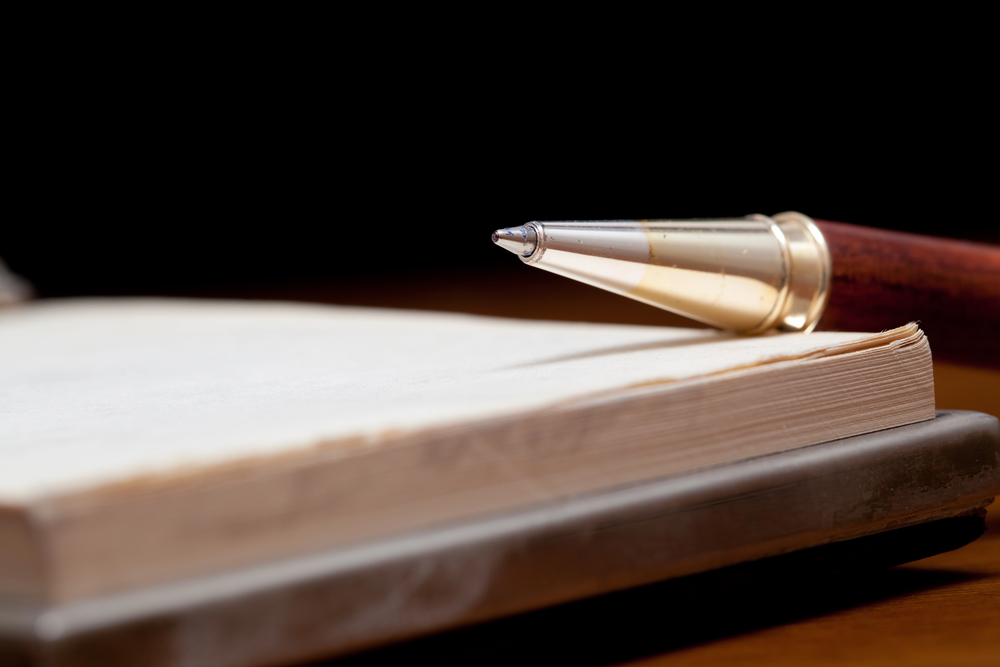
A signature in a library sale book is either a quiet windfall or a complete fabrication — and the two are sometimes indistinguishable without research. Authentic signatures by major authors in first editions can multiply the value of a book by a factor of three to ten times, but the market for forged literary signatures is active enough that authentication through a reputable service like PSA or JSA is worth pursuing before you celebrate.
The signature that looks too clean, too centered, and too conveniently placed on the title page is worth treating with mild suspicion.
Recognize Modern Firsts Worth Pursuing
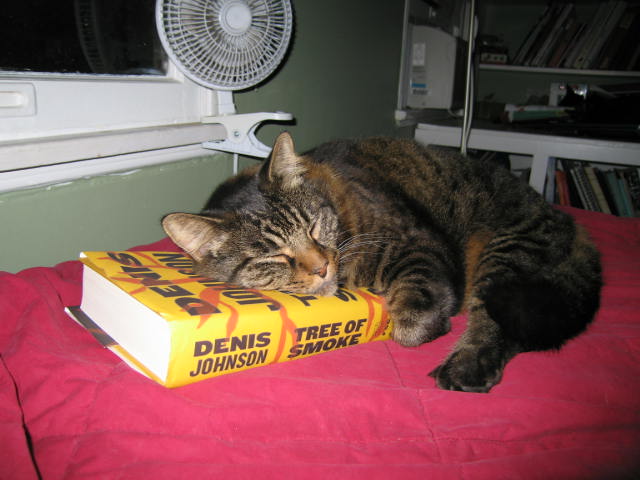
Modern first editions — broadly, books published after 1900 — are the most accessible category for collectors working with limited budgets, and some of the best finds happen in this range. First printings of books by authors like Denis Johnson, Larry McMurtry, or Don DeLillo in strong condition appear occasionally in library sales, particularly in university towns where estate donations skew literary.
The trick is recognizing them before someone else does, which means going in with a list rather than hoping instinct alone will be enough.
Use Your Phone Without Shame

There is no honor in refusing to look something up. Pull out your phone, open AbeBooks or BookFinder, type in the title and “first edition,” and let the current market tell you what the book is worth before you pay two dollars for it.
The collectors who claim they never research on the floor are either lying or independently wealthy enough that it genuinely doesn’t matter. Knowledge compounds over time, but there’s no reason to start a hunt without the best available tools.
Notice Unusual Bindings and Limited Editions

Some of the most valuable books at library sales aren’t first trade editions at all — they’re limited editions, which publishers sometimes issue alongside the regular print run in specially bound formats with numbered copies. A book bound in cloth or leather with a colophon page noting “Number 47 of 250 copies, signed by the author” is a fundamentally different object from the standard trade edition sitting next to it, even if the text inside is identical.
These turn up more often than most people expect, often because whoever donated them had no idea what they held.
Watch for Inscriptions That Add Context
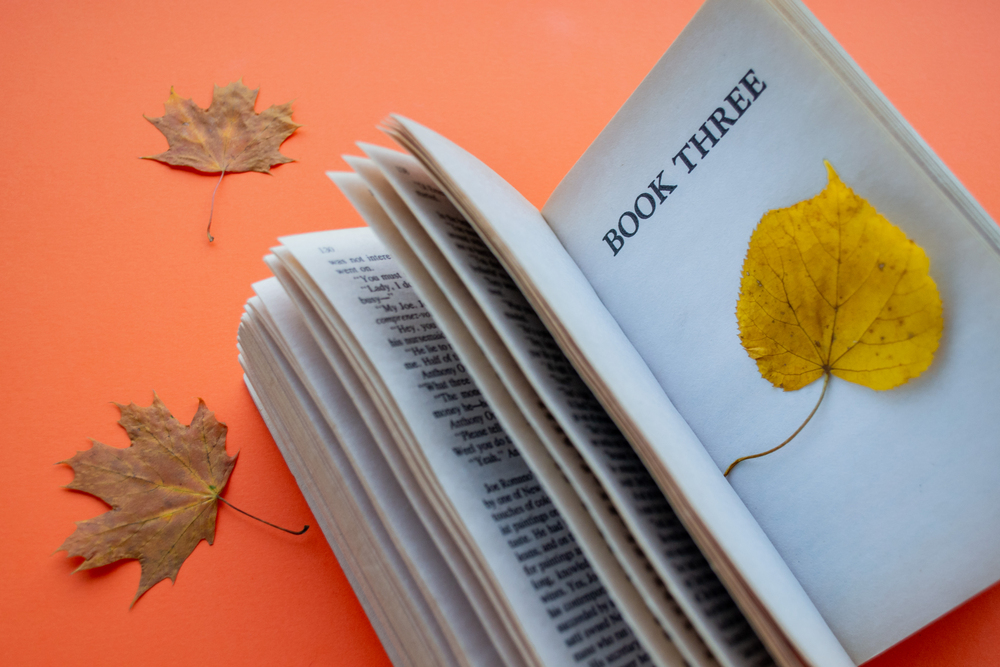
An inscription — a note written by the author to a specific person — is distinct from a signature, and its value depends entirely on context. An inscription from a major author to another significant literary figure, a close friend, or a family member carries historical weight that a generic “Best wishes” scrawl does not.
The inscription that reads “For Edmund, who made this possible — with gratitude, October 1952” is a document of a relationship, not just a mark in a book.
Read the Boards and Spine for Clues
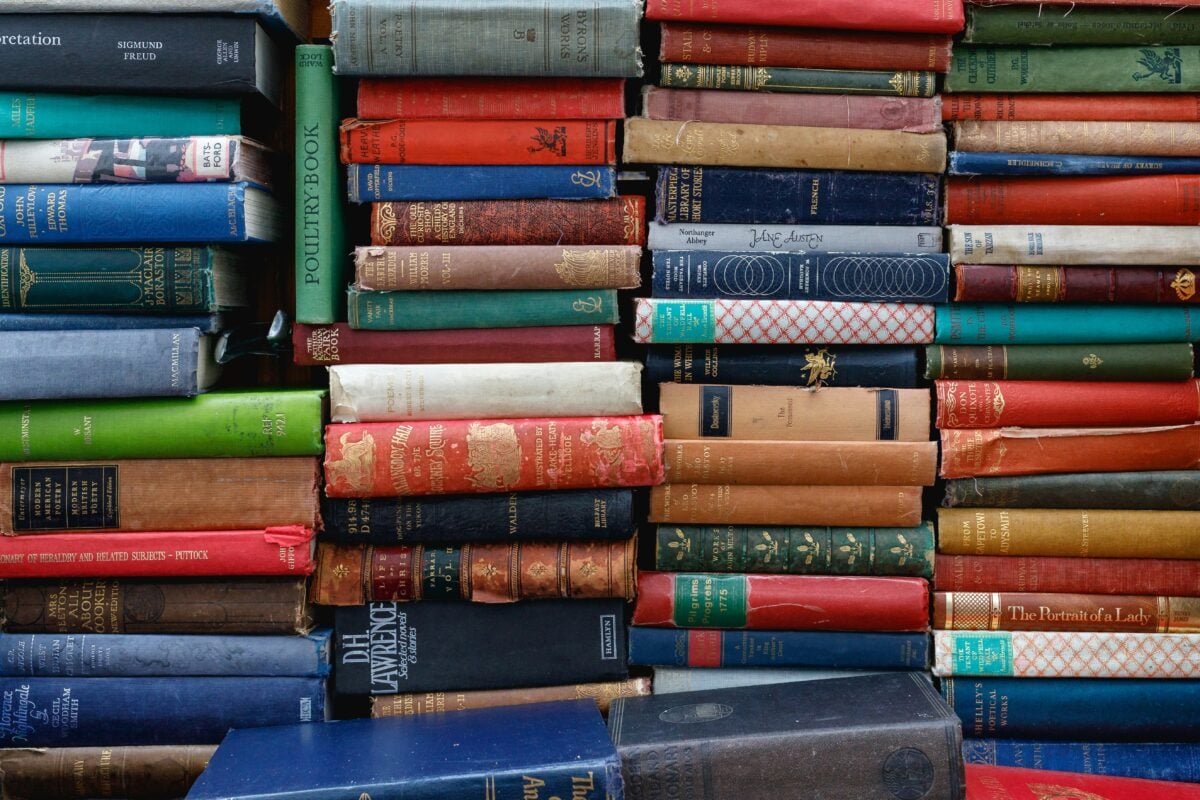
The physical construction of a book tells you things the title page doesn’t. Books published before roughly the 1960s in hardcover were typically bound with cloth over boards, and the cloth itself — whether it’s faded, foxed, or still vivid — gives you a read on storage conditions and age.
Spine lettering that’s gilt rather than printed, endpapers that are marbled or have visible patterns, and sewn signatures rather than glued pages are all indicators of a book made with care, which correlates — not always, but often — with editions worth taking seriously.
Cross-Reference With Collector Guides
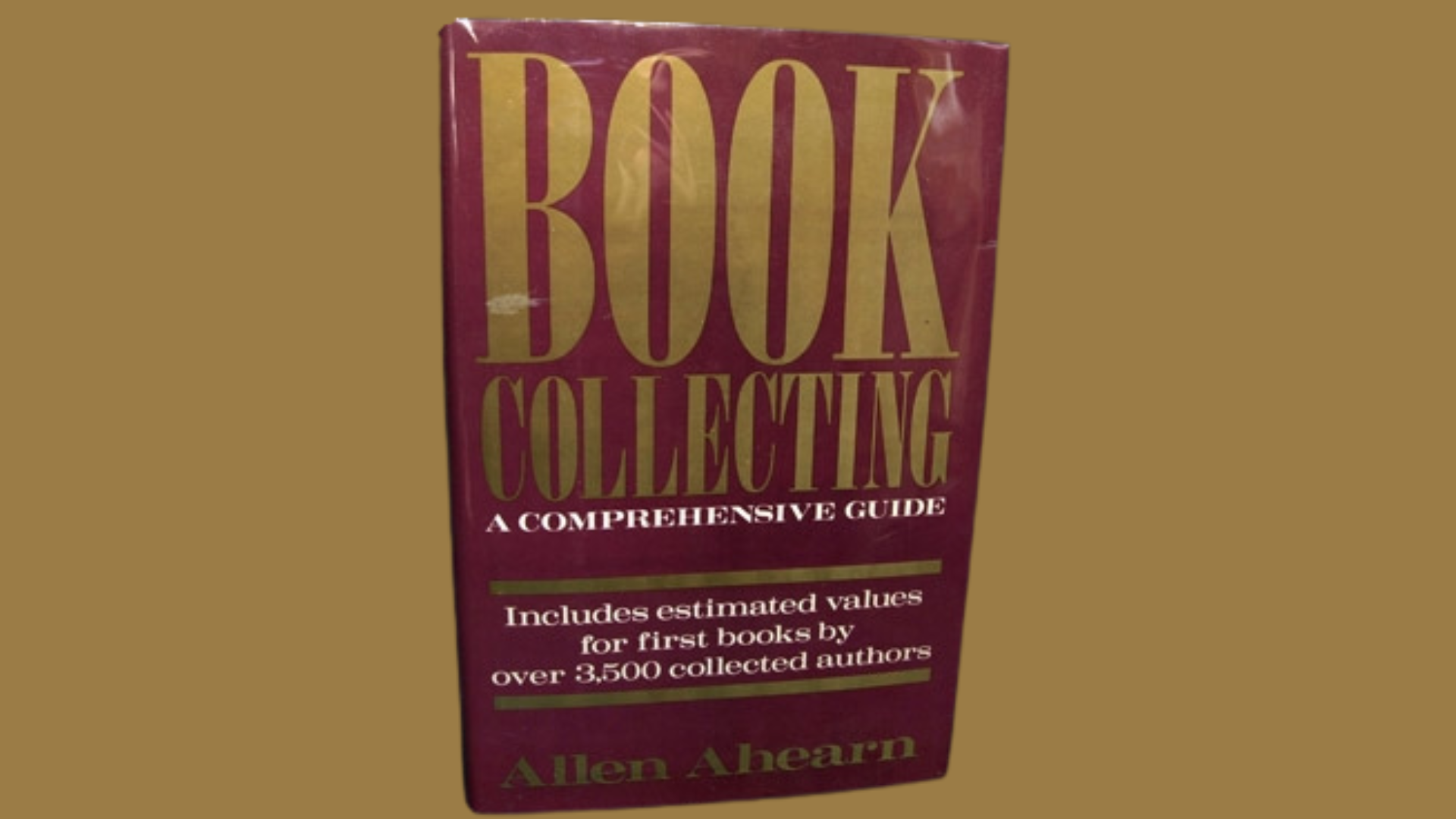
Walking into a library sale without reference knowledge is like showing up to a chess match having only seen the board described. The Ahearn guide mentioned earlier is a starting point, but “Book Collecting: A Comprehensive Guide” by Allen Ahearn, and online resources from rare book dealers like Heritage Auctions, give you a working framework for major authors and their key editions.
Familiarity with even a dozen significant authors and their first edition points will put you ahead of the overwhelming majority of people pawing through the same boxes.
Trust Provenance When It’s Documentable

Provenance — the documented history of who owned a book before you — adds verifiable value when the ownership trail includes notable names or institutions. A book that came from a named estate sale, arrived with correspondence, or carries a bookplate from a significant private library is worth more than an identical copy without that context.
The bookplate of a well-known collector or a private library with historical significance functions almost like a secondary authentication of the book’s importance.
Pay Attention to Where You’re Shopping

Library sales in different communities produce very different inventories. Sales attached to university libraries, particularly those affiliated with literary programs or endowed with significant estate donations, tend toward higher-quality literary holdings.
Sales in communities with older average populations and strong ties to mid-century American literature often turn up exactly the kind of 1950s and 1960s first editions that collectors actively pursue. The sale attached to a small-town branch library in a rural area might surprise you in ways the predictable urban sale won’t.
Factor in the Total Cost Before You Commit

A two-dollar book that costs forty dollars to have professionally graded and another thirty to have shipped to a buyer is not the windfall it appeared to be at the table. The economics of selling rare books require accounting for authentication, insurance, platform fees on sites like AbeBooks or eBay, and the time spent listing and communicating — none of which are free.
If you’re collecting for personal pleasure rather than resale, the math is irrelevant; if you’re collecting as an investment, run the numbers before the enthusiasm does.
The One That Got Away

Every serious collector has a story about the one they left on the table — the book they picked up, turned over, almost bought, and set back down, only to learn later what it was worth. That story isn’t a failure.
It’s the mechanism by which the knowledge actually sticks, the way a slight burn teaches you more about heat than any description of it could. The library sale rewards the person who keeps showing up, keeps learning the points and the printings and the names — and eventually, the book that stays in your bag is the one you’ll still be talking about years later.
More from Go2Tutors!

- The Romanov Crown Jewels and Their Tragic Fate
- 13 Historical Mysteries That Science Still Can’t Solve
- Famous Hoaxes That Fooled the World for Years
- 15 Child Stars with Tragic Adult Lives
- 16 Famous Jewelry Pieces in History
Like Go2Tutors’s content? Follow us on MSN.