True Tales Behind Constellations
Looking up at the night sky has always felt like opening a storybook written in stars.
Every culture across history has connected those glowing dots into pictures and then wrapped them in stories that explained everything from love and jealousy to heroism and tragedy.
These weren’t just random tales either.
They were ways people made sense of their world, passed down wisdom, and kept their history alive through generations.
Let’s take a closer look at the real stories that put those star patterns in the sky.
Orion the Hunter

Ancient Greeks told stories about Orion, a giant hunter who bragged he could kill any animal on Earth.
His cockiness got him in trouble with the goddess Artemis, who sent a scorpion to kill him after he boasted a bit too much.
Zeus felt bad about the whole mess and placed Orion among the stars, but he also put Scorpius up there too.
That’s why these two constellations never appear in the sky at the same time.
When Scorpius rises in the east, Orion sets in the west, like they’re still chasing each other across the heavens.
Ursa Major and Ursa Minor

The story of these two bears starts with a beautiful woman named Callisto who caught Zeus’s attention.
Hera, Zeus’s wife, wasn’t having any of that and turned Callisto into a bear out of pure rage.
Years later, Callisto’s son Arcas almost killed her during a hunt because he didn’t recognize his own mother in bear form.
Zeus intervened just in time and threw both of them into the sky to save them.
Hera still wasn’t satisfied, so she convinced the ocean gods to never let the bears set below the horizon to rest, which is why these constellations circle the North Star endlessly.
Cassiopeia
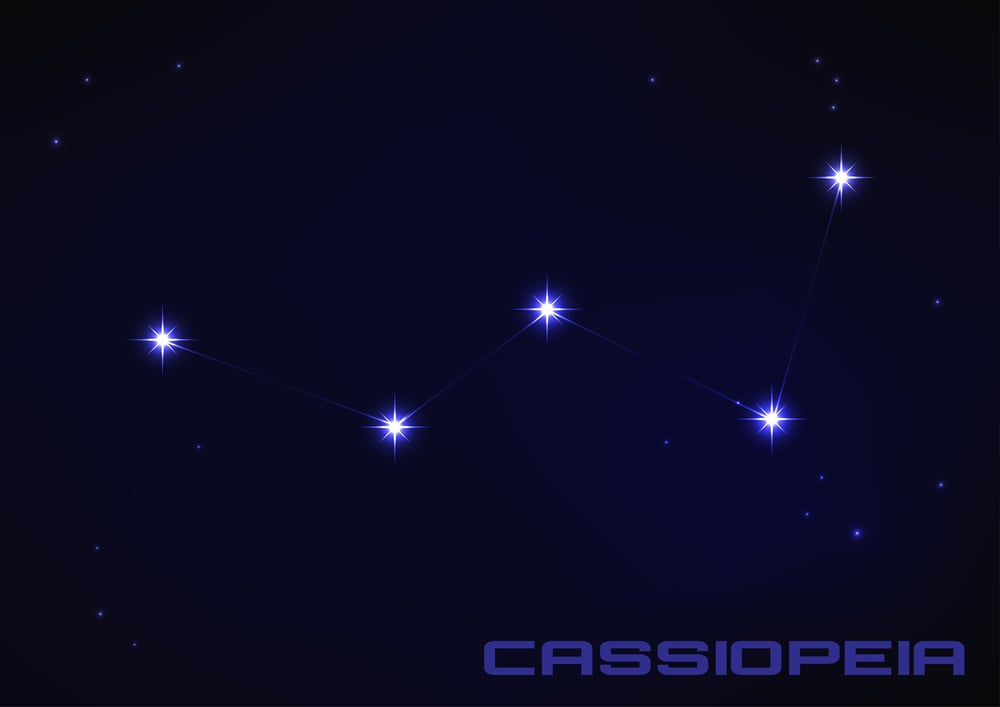
Queen Cassiopeia made a terrible mistake when she claimed she and her daughter were more beautiful than the sea nymphs.
Poseidon took this as a personal insult and sent a monster to destroy her kingdom.
The only way to stop the destruction was to sacrifice her daughter Andromeda to the beast.
Perseus eventually saved Andromeda, but Cassiopeia’s punishment was being placed in the sky in a chair that tips her upside down half the time.
She spends eternity going in circles around the North Star, sometimes hanging in an undignified position as a reminder of her vanity.
Perseus
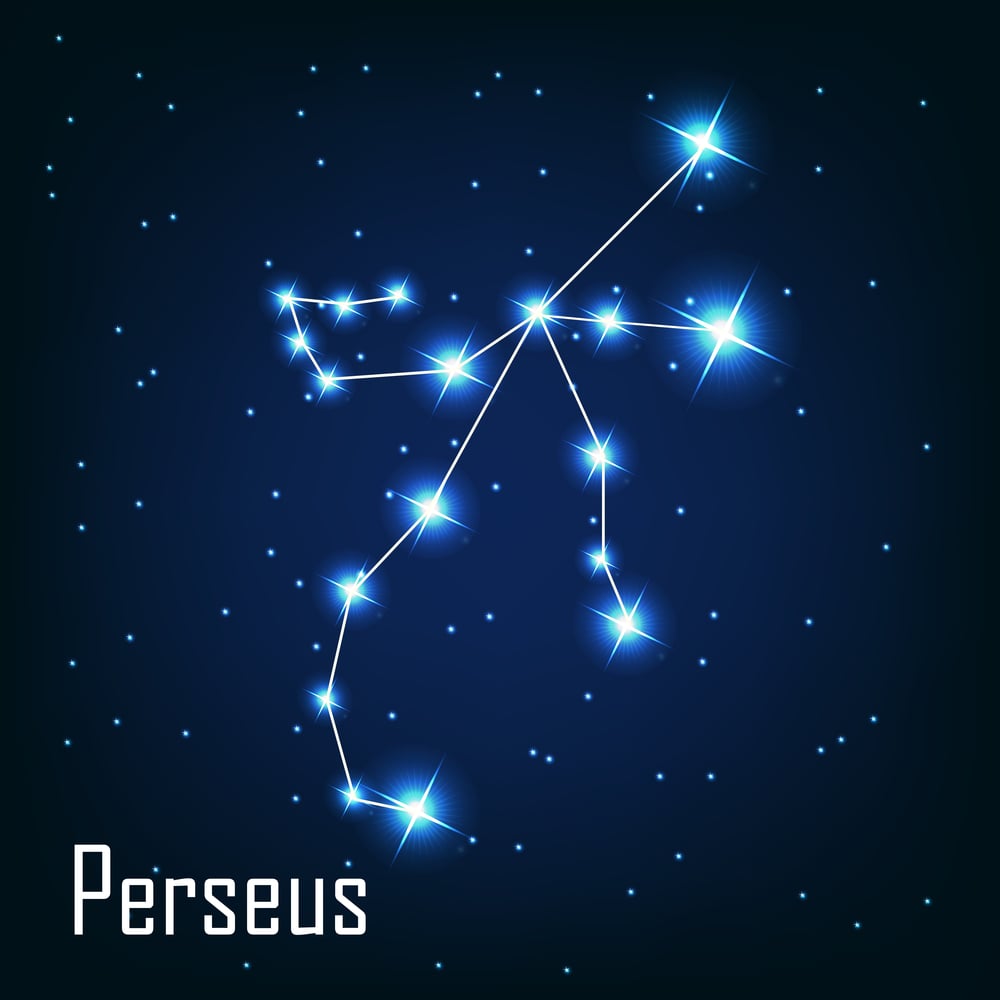
Perseus became famous for killing Medusa, the woman whose gaze could turn people to stone.
He used a polished shield as a mirror to avoid looking directly at her and chopped off her head while she slept.
King Polydectes had sent Perseus on this mission hoping he’d die, but the plan backfired spectacularly.
Perseus returned with Medusa’s head and used it to turn the king and his followers into stone statues.
His constellation shows him holding the head of Medusa, represented by the star Algol, which the Arabs called ‘the demon’s head’ because it seems to wink and change brightness every few days.
Andromeda
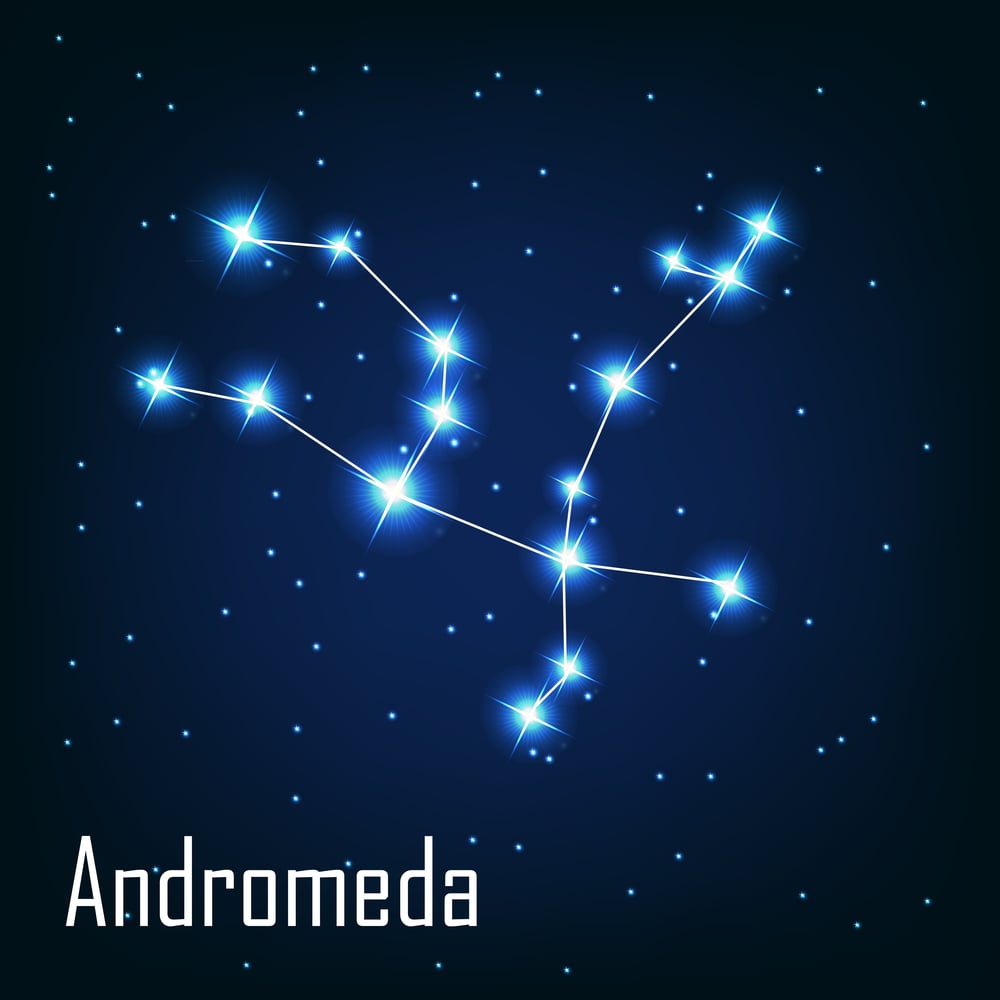
Andromeda spent most of her myth chained to a rock waiting to be eaten by a sea monster because of her mother’s big mouth.
She didn’t do anything wrong herself, but that didn’t matter to the angry gods who demanded her payment.
Perseus spotted her while flying home on his winged sandals and fell in love immediately.
He struck a deal with her parents to marry her if he saved her life, then killed the monster using Medusa’s head to turn it to stone.
Her constellation stretches across the autumn sky, forever free from those chains.
Draco
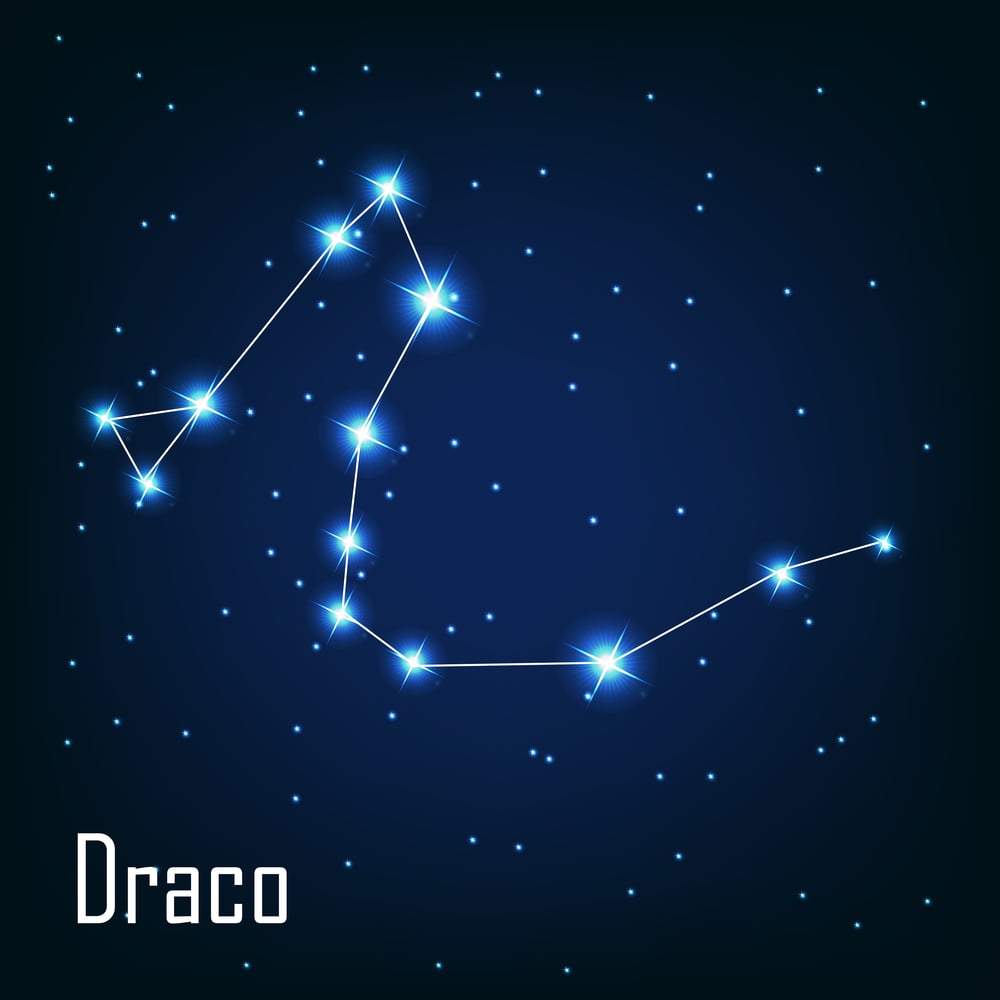
Different cultures saw different dragons in this long, winding constellation near the North Pole.
Greeks said it was Ladon, the hundred-headed dragon that guarded the golden apples in the garden of the Hesperides.
Hercules killed it during one of his twelve labors by shooting it with poisoned arrows.
The dragon was so respected for doing its job that Hera placed it in the sky after its death.
Romans had their own version where this dragon fought with the goddess Minerva during the war between the gods and the giants, and she grabbed it by its tail and flung it into the heavens before it could stiffen from the cold of the north celestial pole.
Taurus
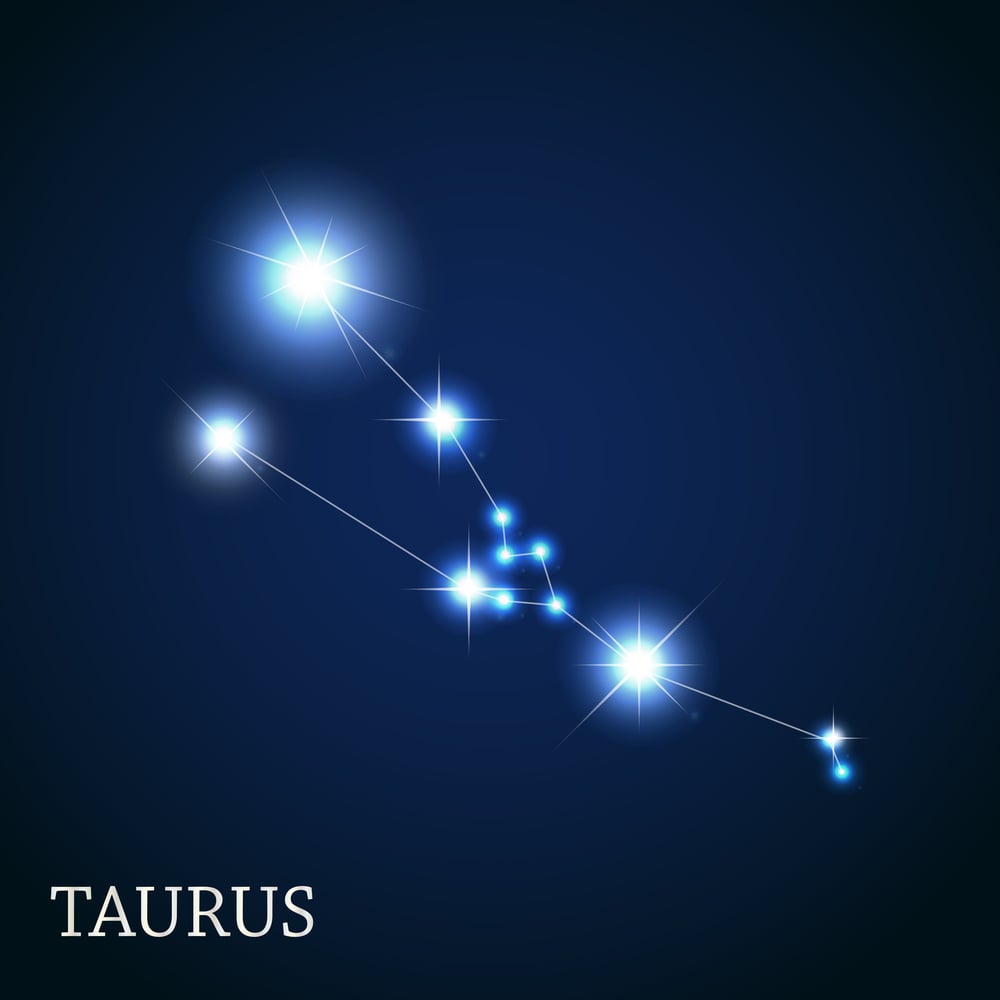
Zeus turned himself into a beautiful white bull to kidnap Europa, a Phoenician princess who was playing on the beach with her friends.
She thought the bull looked gentle and climbed onto its back, which was exactly what Zeus wanted.
He immediately jumped into the sea and swam to Crete with her.
Europa became the queen of Crete and gave her name to an entire continent.
The constellation shows just the front half of the bull rising from the waves, with the bright star Aldebaran marking its angry red eye and the Pleiades star cluster sitting on its shoulder.
Gemini
These twins had different fathers, which sounds impossible but made perfect sense in Greek mythology.
Castor was the mortal son of a king while Pollux was the immortal son of Zeus.
They were inseparable friends who went on adventures together, including joining Jason’s quest for the Golden Fleece.
When Castor died in battle, Pollux was heartbroken and begged Zeus to let him share his immortality with his brother.
Zeus agreed and let them alternate between the underworld and Olympus, then eventually placed them together in the sky where they’d never be separated again.
Leo
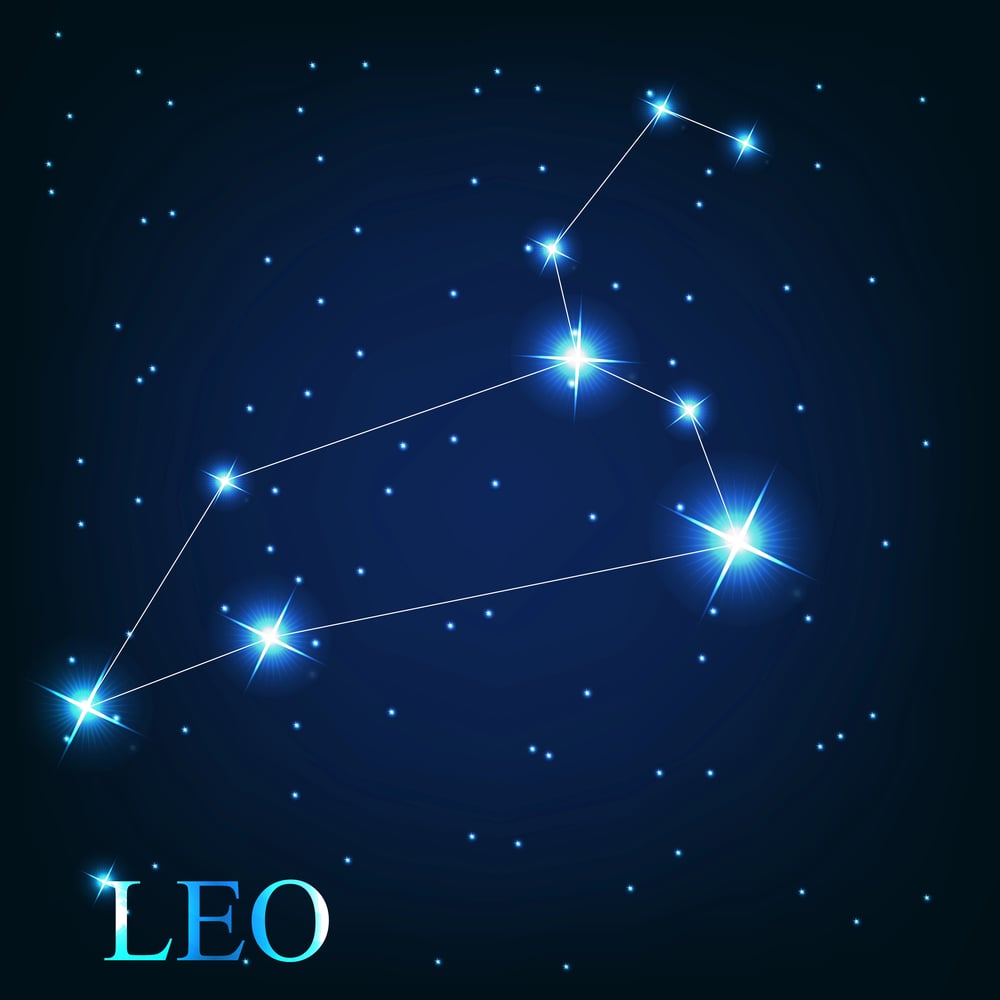
This lion wasn’t just any predator but the Nemean Lion with skin so tough that no weapon could pierce it.
Hercules fought it as his first labor and quickly realized his arrows and sword were useless.
He tracked the beast to its cave and strangled it with his bare hands after a brutal wrestling match.
Afterward, he wore the lion’s skin as armor since nothing could cut through it.
The constellation’s sickle-shaped head really does look like a lion’s mane, and its brightest star Regulus sits right at the lion’s heart.
Lyra

Orpheus played his lyre so beautifully that animals, trees, and even rocks would gather to listen.
When his wife died, he traveled to the underworld and played music so sad that Hades agreed to let her return to life.
There was one condition though.
Orpheus couldn’t look back at her until they reached the surface.
He made it almost all the way before doubt crept in and he turned around, losing her forever.
After his own death, Zeus placed his lyre in the sky as a tribute to the power of music.
The constellation is small but contains Vega, one of the brightest stars visible from Earth.
Scorpius
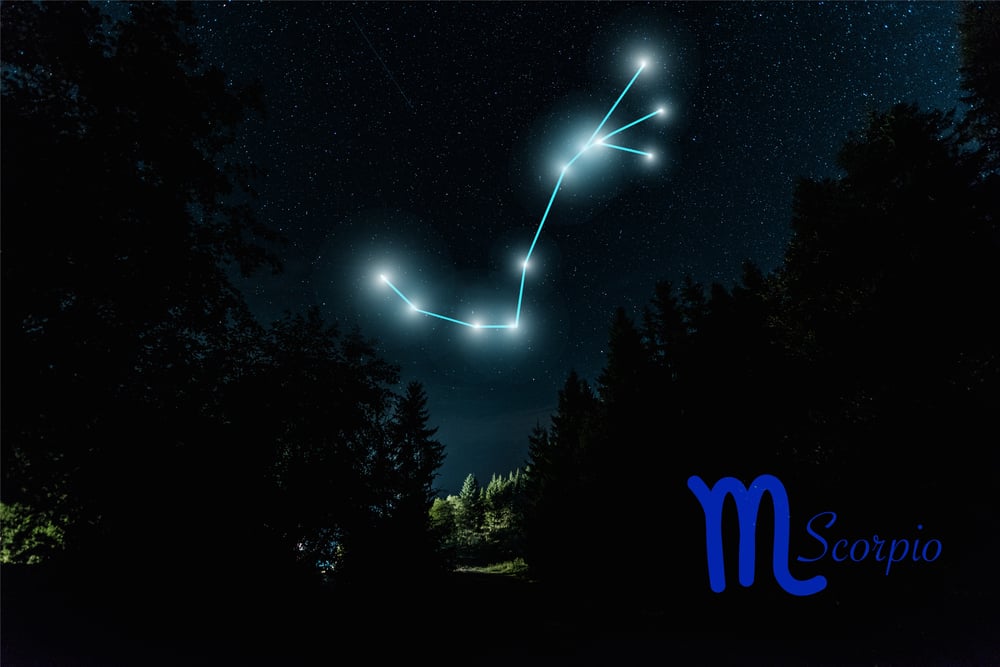
This scorpion earned its place in the sky by killing Orion, though stories disagree on exactly why it attacked him.
Some say Artemis sent it because Orion tried to assault her.
Others claim Mother Earth sent it because Orion threatened to kill every animal on the planet.
Either way, the scorpion succeeded in its mission and got rewarded with a permanent spot in the heavens.
Its red heart is marked by Antares, a star so massive that if you put it where our sun is, its surface would extend past Mars.
Ancient Arabs called it ‘the rival of Mars’ because it shines with the same blood-red color as the planet.
Cygnus
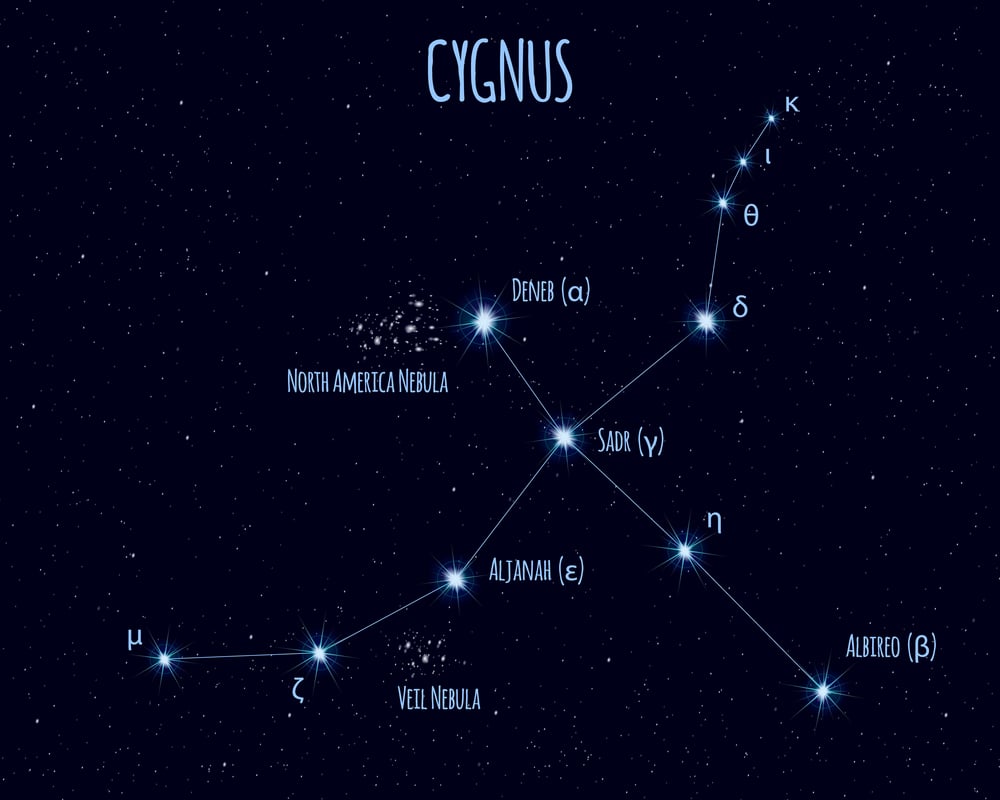
Zeus had a habit of transforming into animals when he wanted to seduce someone, and this time he chose to become a swan to approach Leda, the queen of Sparta.
From this unusual encounter came two eggs that hatched into four children, including Helen, who later caused the Trojan War.
The swan constellation flies along the Milky Way during summer nights, and its cross shape made it meaningful to multiple cultures.
Chinese astronomers saw it as a magpie bridge that allowed separated lovers to meet once a year, while Christians later saw the cross shape and connected it to their own religious stories.
Aquila
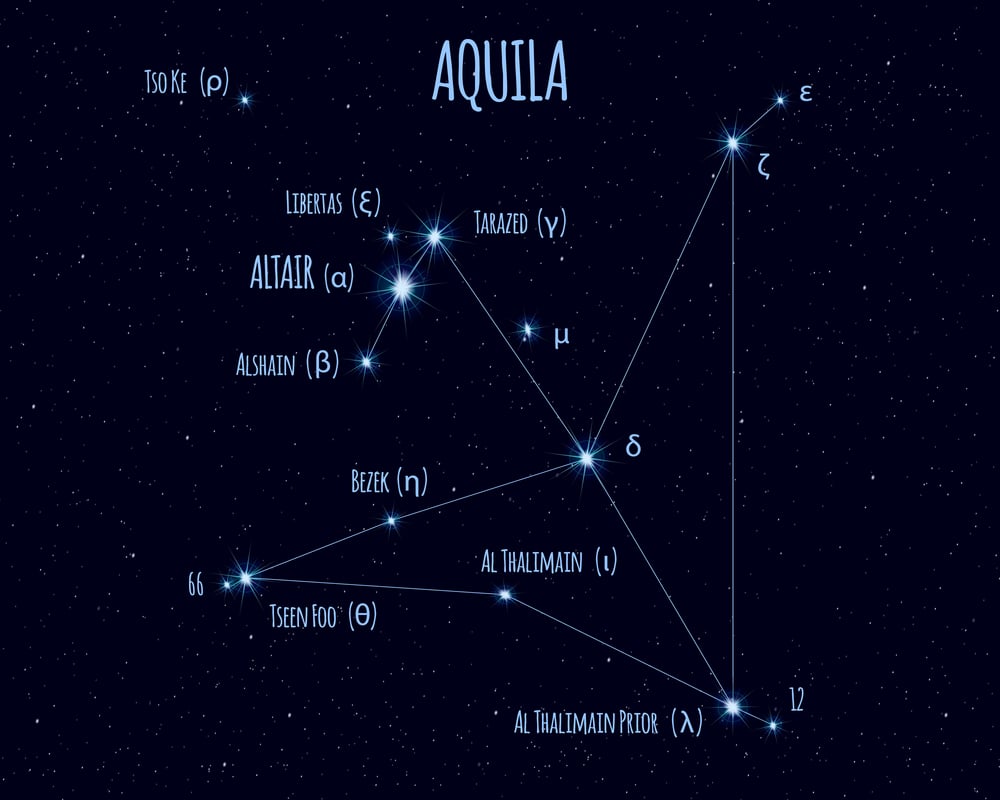
Zeus kept an eagle as his personal messenger and weapon-carrier, which sounds impressive until you remember this eagle kidnapped a young boy named Ganymede because Zeus thought he was attractive.
The eagle swooped down while Ganymede was tending sheep and carried him to Mount Olympus, where Zeus made him the cupbearer to the gods.
The constellation sits on the Milky Way with its brightest star Altair marking the eagle’s head.
Arab astronomers saw it as a flying eagle too, which shows how some star patterns are just naturally obvious no matter what culture you come from.
Pegasus
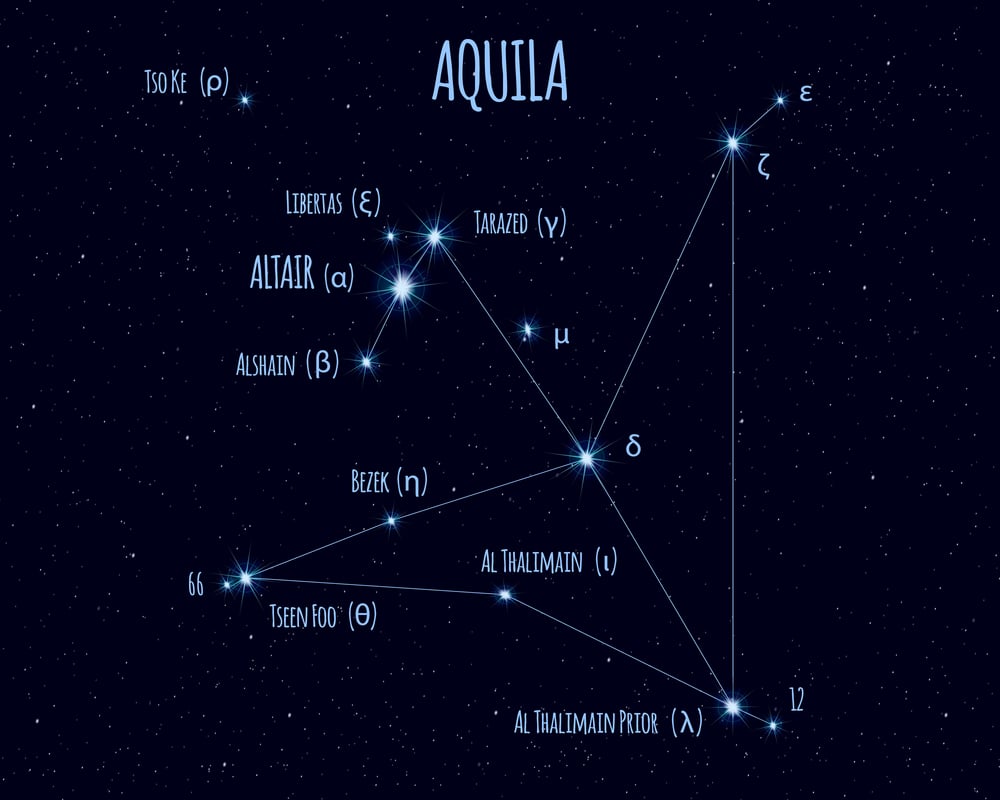
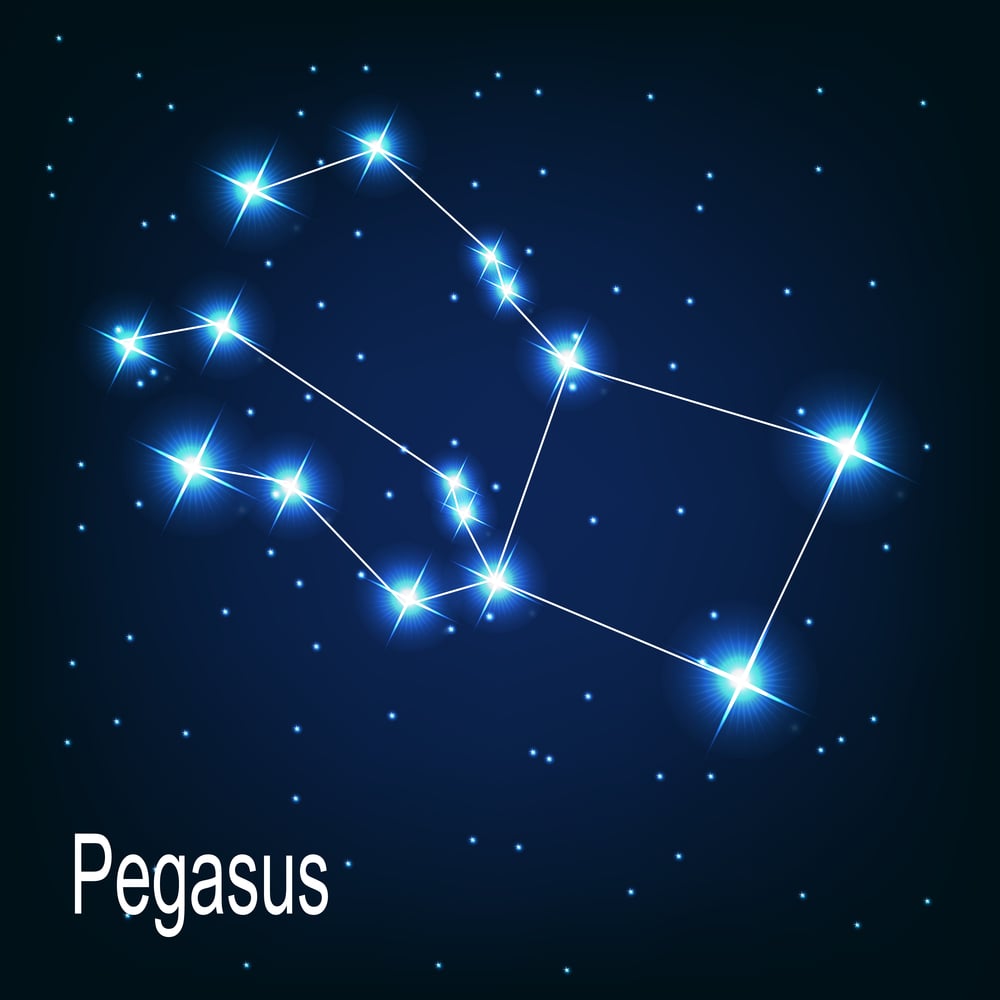
This winged horse sprang from Medusa’s neck when Perseus cut off her head, which is one of the stranger births in mythology.
Pegasus flew around freely until the hero Bellerophon caught him with a golden bridle given by the goddess Athena.
Together they defeated the fire-breathing Chimera and had many adventures.
Bellerophon got too proud and tried to ride Pegasus up to Mount Olympus, but Zeus sent a gadfly to sting the horse.
Pegasus threw his rider off and continued up to Olympus alone, where he carried Zeus’s thunderbolts.
The constellation forms a giant square that dominates autumn skies in the Northern Hemisphere.
Hercules
The greatest hero of Greek mythology gets one of the largest constellations, though ironically it’s not very bright or easy to recognize.
The pattern shows Hercules kneeling down, though no one agrees on exactly which moment it represents.
Some say he’s resting after completing his famous twelve labors.
Others claim he’s kneeling on the dragon Ladon’s head or fighting with some other monster.
Ancient Arabs saw this group of stars differently and called it ‘the kneeling one’ without connecting it to any specific story.
The constellation contains M13, a globular cluster with hundreds of thousands of stars packed into an orb that’s visible through binoculars.
Canis Major

This constellation represents the larger of Orion’s two hunting dogs and contains Sirius, the brightest star in the entire night sky.
Ancient Egyptians built their whole calendar around Sirius because it appeared just before the Nile River flooded every year.
They called it Sopdet and believed it was connected to the goddess Isis.
Greeks and Romans called it the ‘dog star’ and blamed it for the hot, humid days of late summer, which they thought made dogs go mad.
That’s where we get the phrase ‘dog days of summer’.
The star actually appears so bright not just because it’s relatively close to Earth but because it’s genuinely powerful, putting out 25 times more light than our sun.
Sagittarius
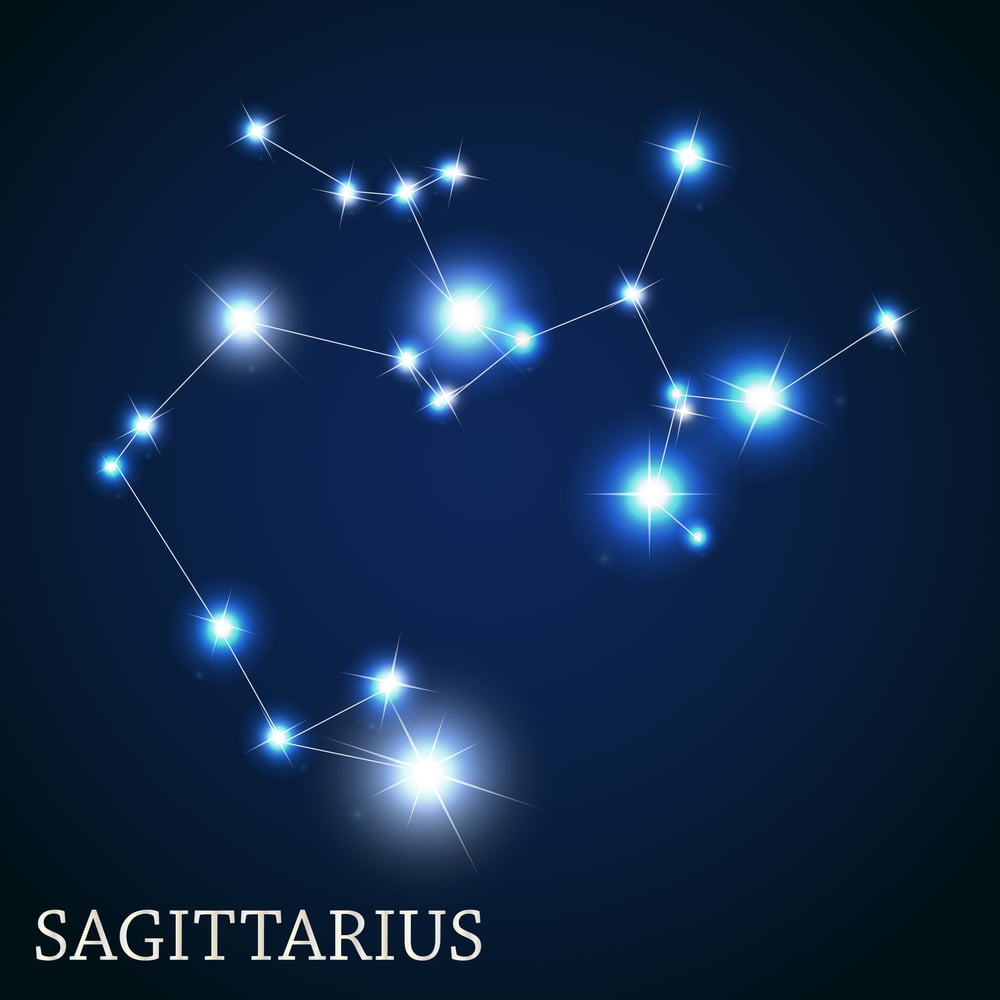
Greeks saw this constellation as a centaur archer named Chiron who was unlike the other wild centaurs.
He was wise, kind, and taught many heroes including Hercules and Jason.
When Hercules accidentally shot him with a poisoned arrow, the wound was incurable because of the Hydra’s venom on the arrow tip.
Chiron was immortal, so he couldn’t die but he suffered in constant pain.
He eventually gave up his immortality to end the agony and Zeus placed him in the stars out of respect.
The constellation sits in front of the center of our Milky Way galaxy, so when you look at Sagittarius, you’re looking toward the heart of our cosmic home.
Aries
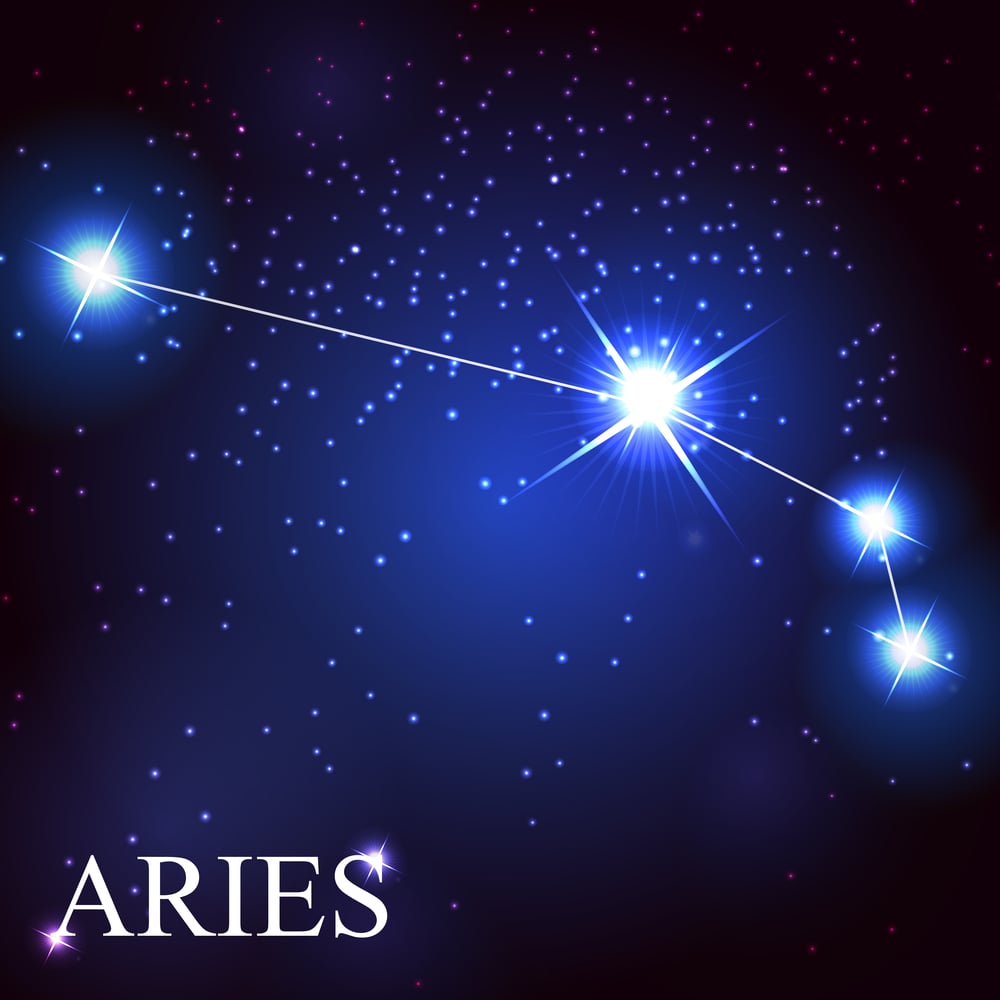
This ram had a golden fleece and could fly, which made it pretty special even by mythology standards.
It rescued two children, Phrixus and Helle, who were about to be sacrificed by their stepmother.
The ram carried them away over the sea, but Helle fell off and drowned in the strait that was named after her.
Phrixus made it safely to Colchis, where he sacrificed the ram and hung its golden fleece in a sacred grove guarded by a dragon.
Years later, Jason and the Argonauts went on their famous quest to steal that fleece.
The constellation marks the beginning of the zodiac, where the sun appears during the spring equinox, though due to precession it’s now actually in Pisces during that time.
The stories remain

These ancient tales still guide us when we look up at night, even though we now know constellations are just patterns we’ve drawn between stars that aren’t actually close to each other in space.
The stories haven’t lost their power though.
They connect us to thousands of years of human culture and imagination, reminding us that people have always looked at the same sky and wondered about their place in it.
Whether you see a hunter, a bear, or just a random scatter of lights doesn’t really matter as much as the fact that we’re all still looking up and finding meaning in those ancient patterns.
More from Go2Tutors!

- The Romanov Crown Jewels and Their Tragic Fate
- 13 Historical Mysteries That Science Still Can’t Solve
- Famous Hoaxes That Fooled the World for Years
- 15 Child Stars with Tragic Adult Lives
- 16 Famous Jewelry Pieces in History
Like Go2Tutors’s content? Follow us on MSN.



