Why Starfish Regenerate Lost Limbs
Picture a starfish crawling along the ocean floor when suddenly a crab grabs one of its arms. Instead of fighting to keep the limb, the starfish simply lets it go and swims away with four arms instead of five.
Within months, that missing arm will grow back completely, as if nothing ever happened. This incredible ability isn’t just a neat party trick—it’s one of nature’s most sophisticated survival strategies that has taken millions of years to perfect.
Starfish belong to a group of animals called echinoderms, which also includes sea urchins and sea cucumbers. What makes them special is their remarkable regenerative powers that go far beyond what most animals can do.
While humans might regrow some skin or liver tissue, starfish can rebuild entire limbs complete with muscles, nerves, and even their tube feet that help them move around. Here are the fascinating reasons why starfish have evolved this extraordinary regenerative ability.
Predator Escape Strategy
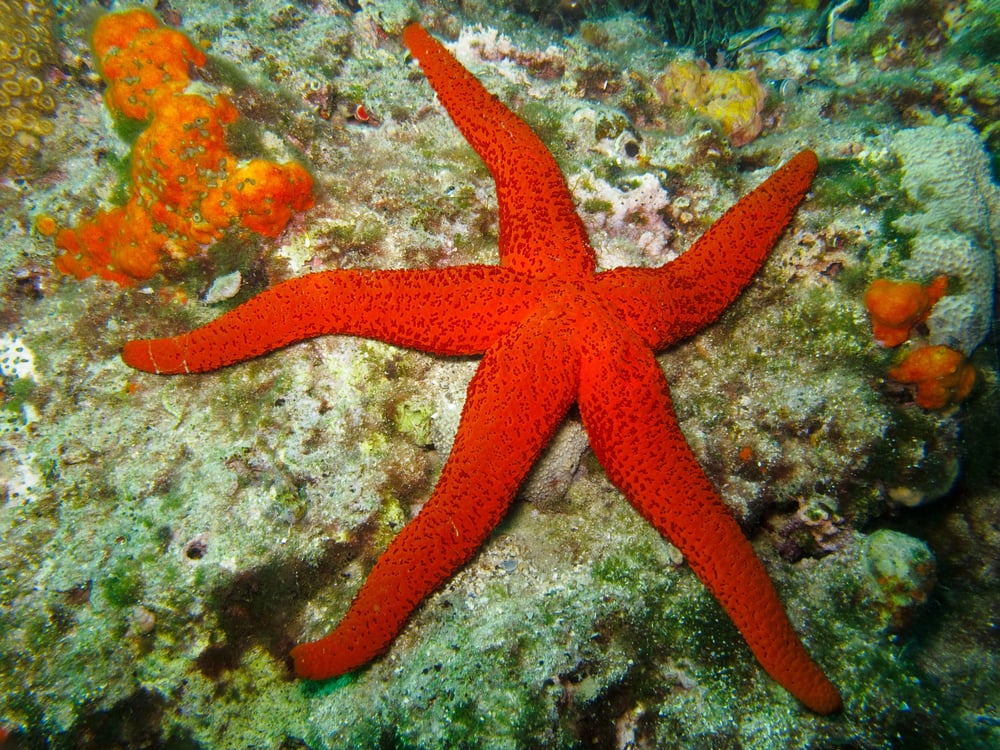
When starfish are attacked by predators, they can intentionally shed an arm through a process called autotomy to escape danger. Think of it like a lizard dropping its tail, except starfish take this strategy to the next level.
Scientists have discovered that a neurohormone similar to the human satiety hormone cholecystokinin triggers this arm detachment by causing specialized muscles at the base of the arm to contract and break it off. This isn’t a random panic response either.
The starfish makes a calculated decision—lose one arm to save the entire body. Since each arm contains copies of vital organs, the starfish can survive perfectly well with four arms while it regrows the fifth one.
Cellular Reprogramming Powers
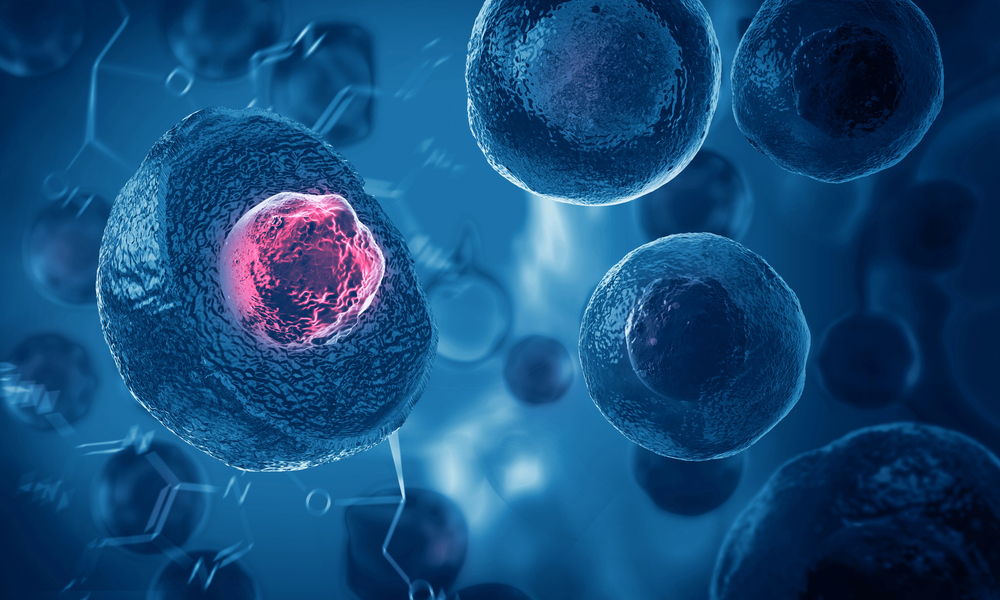
Unlike human cells, starfish cells can dedifferentiate themselves from specialized tissue back into stem cells. Imagine if your skin cells could suddenly decide to become brain cells or muscle cells—that’s essentially what happens in starfish regeneration.
Following amputation, cells at the wound site turn on pluripotency factors and undergo cell fate reprogramming to regenerate lost tissue. Starfish use pluripotent cells—cells that can transform into any type of tissue—guided by biochemical signals that tell them where to grow and what to become.
These cellular shape-shifters are the secret behind their incredible healing abilities.
Three-Phase Regeneration Process
Starfish regeneration follows a common three-phase model that can take up to a year or longer to complete. The first phase involves emergency repairs where the entire arm wall contracts swiftly to form a hemostatic ring and prevent fluid loss.
It’s like applying a biological tourniquet to stop blood flow. During the second phase, the real magic begins.
Epithelial cells stretch inward from around the wound until they form a continuous layer, creating scaffolding for regenerative growth. The final phase sees massive muscle formation as dedifferentiated cells travel toward the regenerating tip before re-differentiating into the components needed.
Asexual Reproduction Method
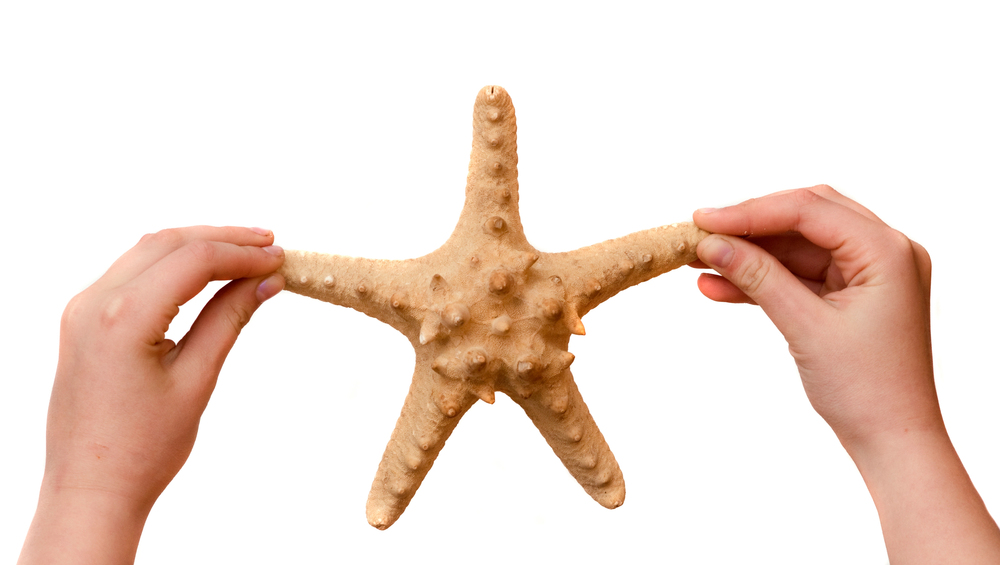
Some starfish species have turned limb regeneration into a reproduction strategy. In certain species, a single severed arm can grow into an entirely new starfish, allowing them to reproduce without mating.
This gives them a huge evolutionary advantage when mates are scarce or environmental conditions make traditional reproduction difficult. This process, called fragmentation, means one starfish can potentially become six starfish if it loses all five arms under the right conditions.
It’s nature’s version of making copies of yourself.
Organ Backup System
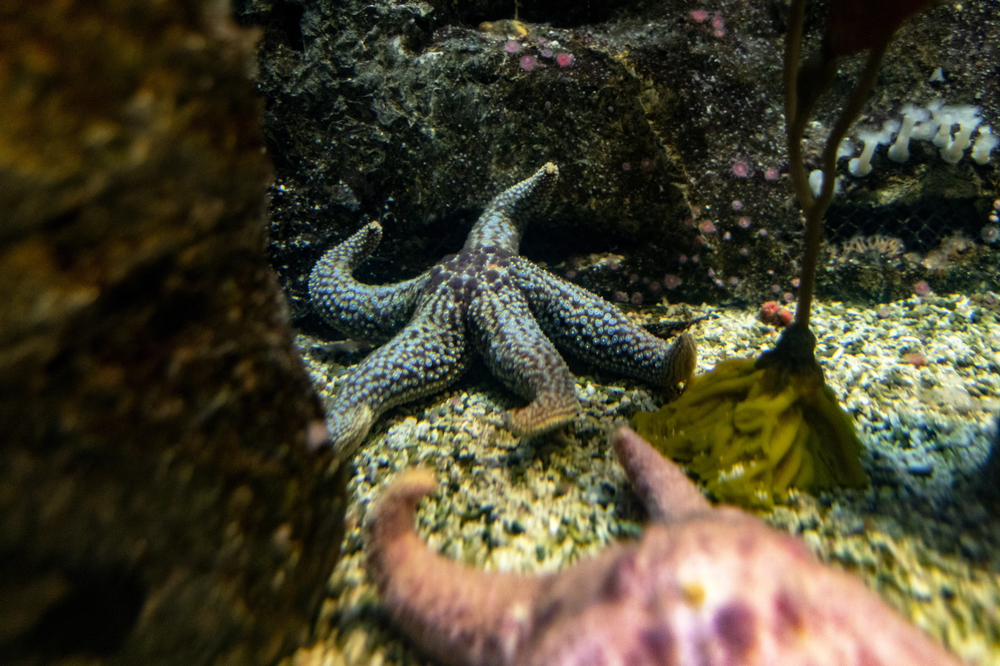
Each starfish arm contains a copy of vital organs and is equipped with eyespots and tube feet, with all organs connecting to the digestive system in the central disk. This redundancy is like having backup hard drives scattered throughout your body.
Due to multiple copies of organs inside their arms, starfish can be resilient to limb loss and continue to survive long enough to grow replacements. If a starfish loses an arm, it doesn’t lose any essential functions because everything important is duplicated across its remaining limbs.
This biological redundancy makes limb loss much less catastrophic than it would be for other animals
Neurohormonal Control System
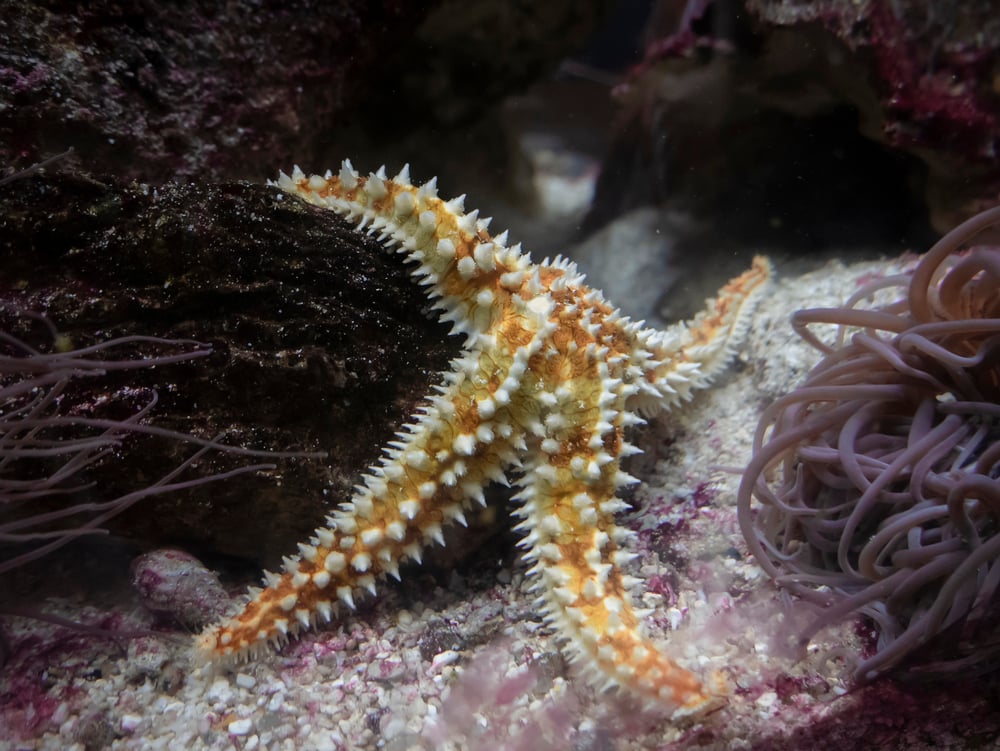
Recent research has identified that starfish CCK may be released as a generalized response to stress associated with being attacked by a predator. This hormone essentially tells the starfish ‘drop everything and run’—quite literally in this case.
If starfish are feeding on mussels when attacked, they stop feeding, try to escape, but if caught by a predator, they let go of the trapped arm and live to feed again. This sophisticated chemical messaging system allows starfish to make split-second decisions about when sacrificing a limb is worth it for survival.
Energy Efficiency Consideration
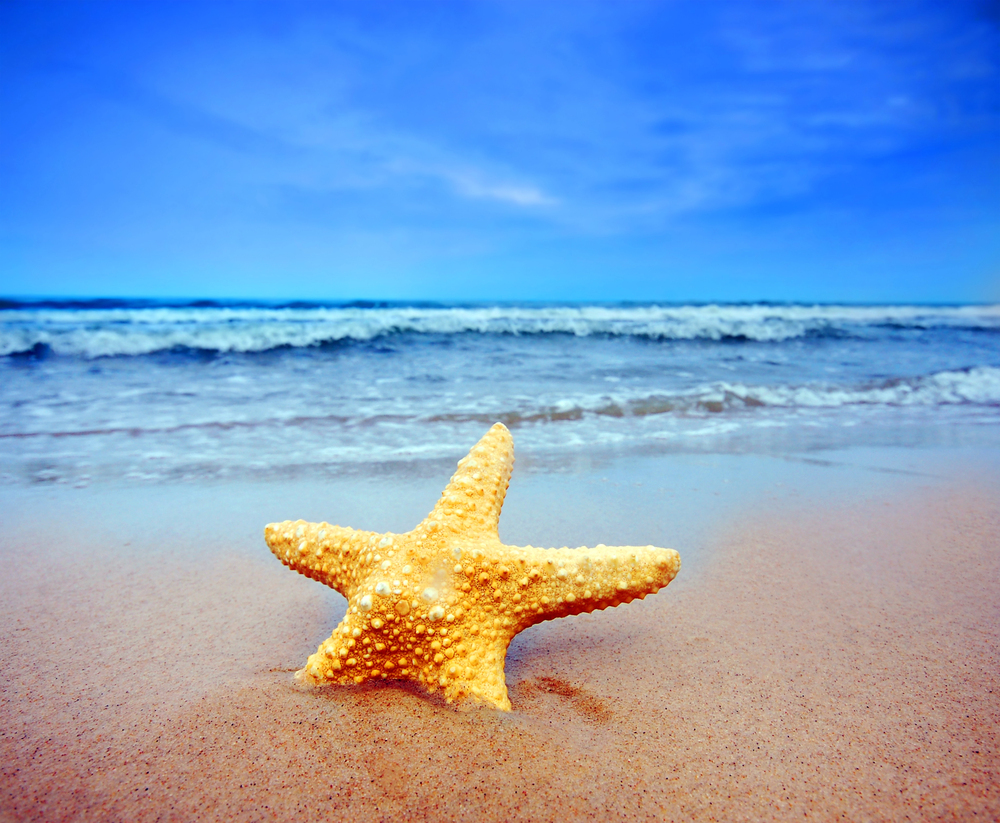
Regenerating an entire limb requires enormous amounts of energy, but starfish have evolved ways to make this process as efficient as possible. The regenerative process follows a distalization-intercalary model where the organism first forms the most distal structure, which then behaves as a signaling center to organize development of new structures.
Rather than randomly rebuilding everything, starfish regeneration is highly organized and methodical. They build from the tip inward, ensuring that energy isn’t wasted on unnecessary growth.
Neural System Regeneration
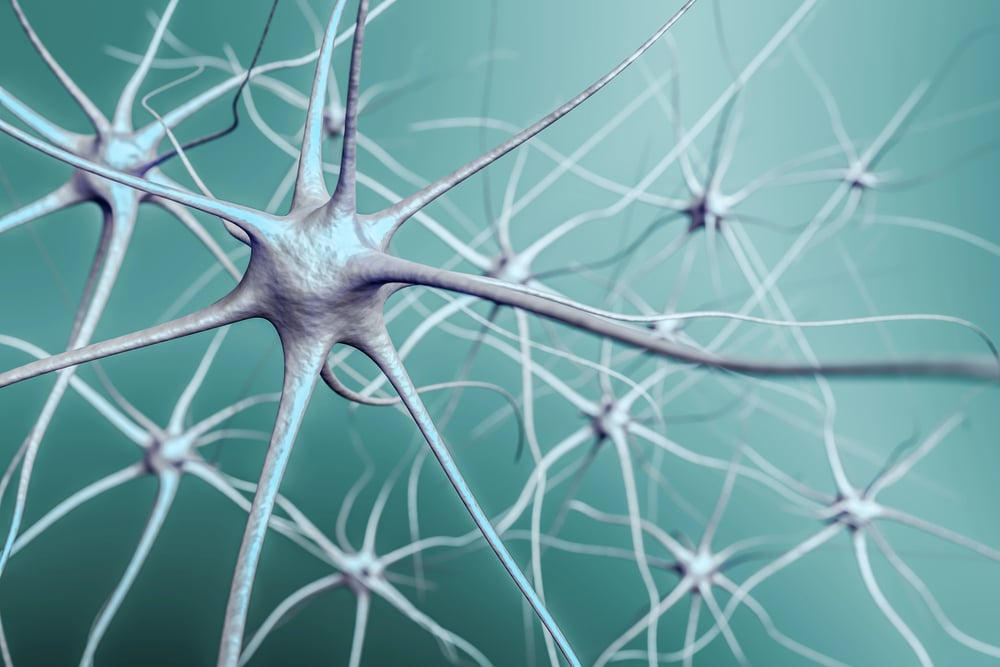
Starfish can regenerate neurons, something not seen in many animals, while humans and other vertebrates have little or no ability to regenerate neural tissue. When neurons are injured in starfish, they begin to express the gene sox2, which causes cells to re-enter the neurogenesis program and form differentiated neurons.
This neural regeneration capability means that starfish don’t just regrow the physical structure of their arms—they also restore full nervous system function, including sensation and motor control.
Evolutionary Advantage in Harsh Environments
Ocean environments can be brutal, with strong currents, predators, and rocky surfaces that can easily damage delicate appendages. Starfish regeneration is used to recover limbs eaten or removed by predators, but they are also capable of regenerating limbs to evade predators and reproduce.
In an environment where limb damage is almost inevitable, the ability to regrow lost parts provides a massive survival advantage. Starfish that can regenerate have better long-term survival rates than those that can’t.
Medical Research Applications

By studying starfish and combining what scientists learn with knowledge of human stem cells, researchers hope to use comparative genomics to understand the gene expression that allows starfish cells to respecify their programming. The goal is to reduce stem cell therapy costs from $200,000 to $1,000 by learning how to tell human cells to dedifferentiate back into stem cells.
Understanding the molecular and cellular mechanisms of regeneration in starfish could help develop new therapeutic approaches for humans, particularly for central nervous system regeneration.
From Ancient Seas to Modern Medicine
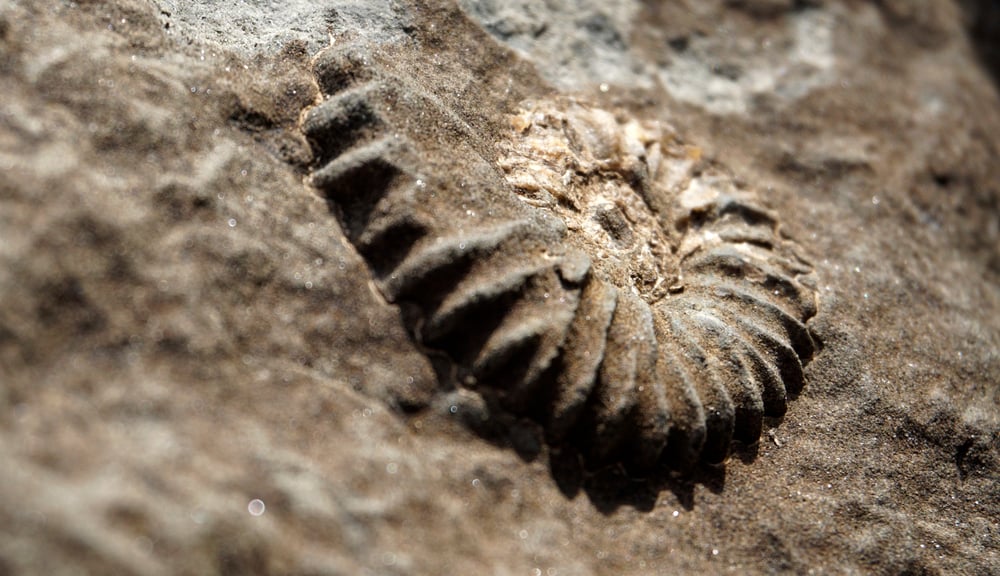
The remarkable regenerative abilities of starfish didn’t develop overnight—they’re the result of millions of years of evolutionary pressure in marine environments where limb loss was a constant threat. What started as a survival mechanism in ancient seas has now become a blueprint for potentially revolutionary medical treatments.
The similarities between starfish and mammalian regeneration, including shared regulatory genes and protein factors, suggest these mechanisms may be more universal than previously thought. As researchers continue unlocking the secrets of starfish regeneration, we’re not just learning about these fascinating sea creatures—we’re discovering principles that could transform how humans heal from injury and disease.
The next time you see a starfish in a tide pool, remember that you’re looking at one of nature’s most sophisticated biological engineers, carrying secrets that might one day help humans regrow their own lost tissues.
More from Go2Tutors!

- The Romanov Crown Jewels and Their Tragic Fate
- 13 Historical Mysteries That Science Still Can’t Solve
- Famous Hoaxes That Fooled the World for Years
- 15 Child Stars with Tragic Adult Lives
- 16 Famous Jewelry Pieces in History
Like Go2Tutors’s content? Follow us on MSN.



