Iconic “Temporary” Structures That Still Stand Today
Some of the world’s most beloved landmarks were never meant to last. They were built as quick fixes, temporary solutions, or short-term experiments that somehow became permanent fixtures in their cities.
What started as pragmatic afterthoughts turned into symbols that define entire cultures.
These structures tell a different story than grand monuments built for eternity. They reveal something more honest about human nature — how the things we create without pressure to be perfect often end up being the most enduring.
The Eiffel Tower
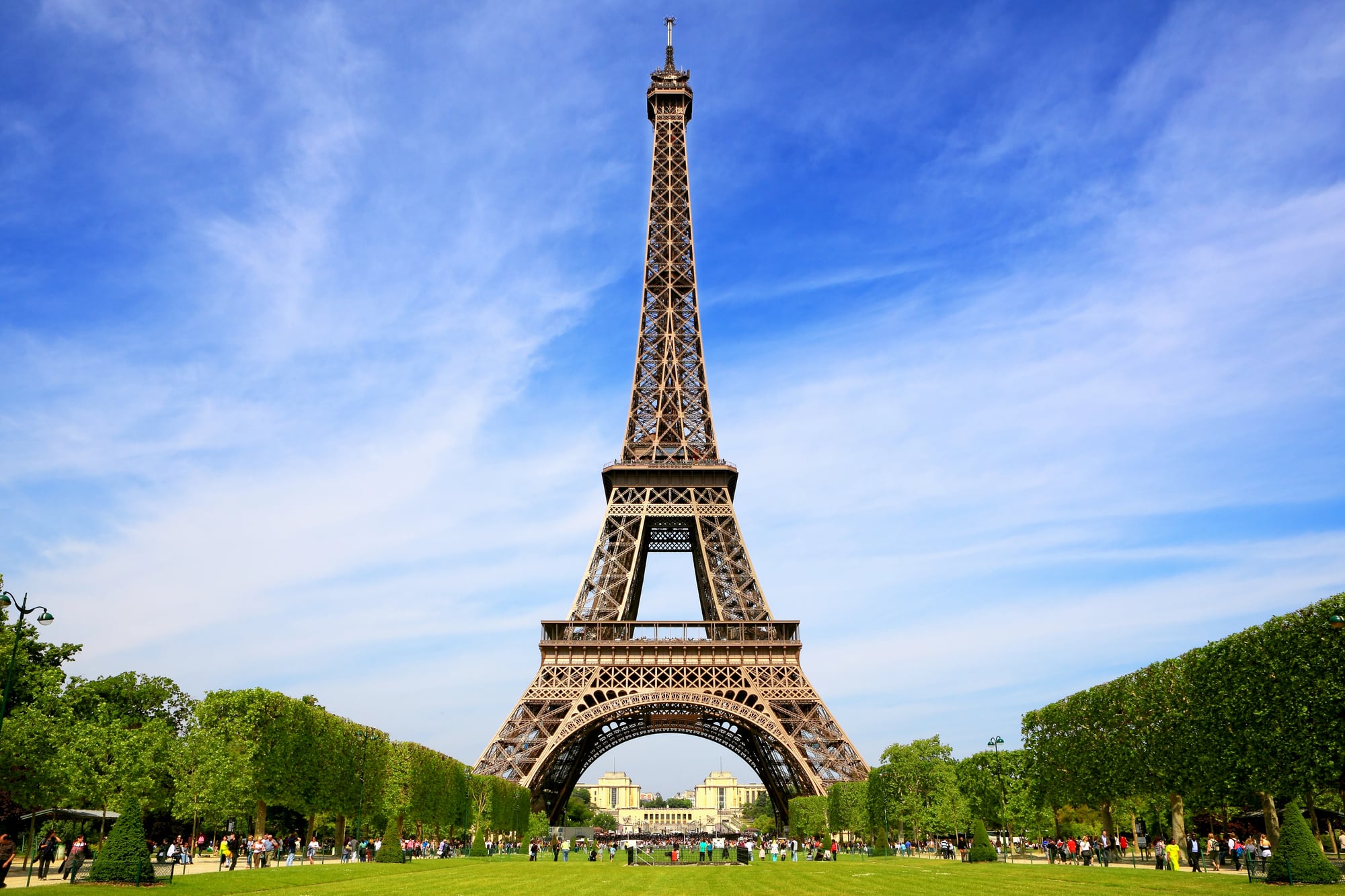
The iron lattice tower was supposed to come down after 20 years. Built for the 1889 World’s Fair, it served as an entrance arch and nothing more.
Parisians called it an eyesore. Critics said it looked unfinished.
Then radio happened. The tower’s height made it perfect for transmission, so demolition got postponed.
Again and again.
What started as functional became indispensable, and what was indispensable eventually became beloved.
London’s Southbank Centre
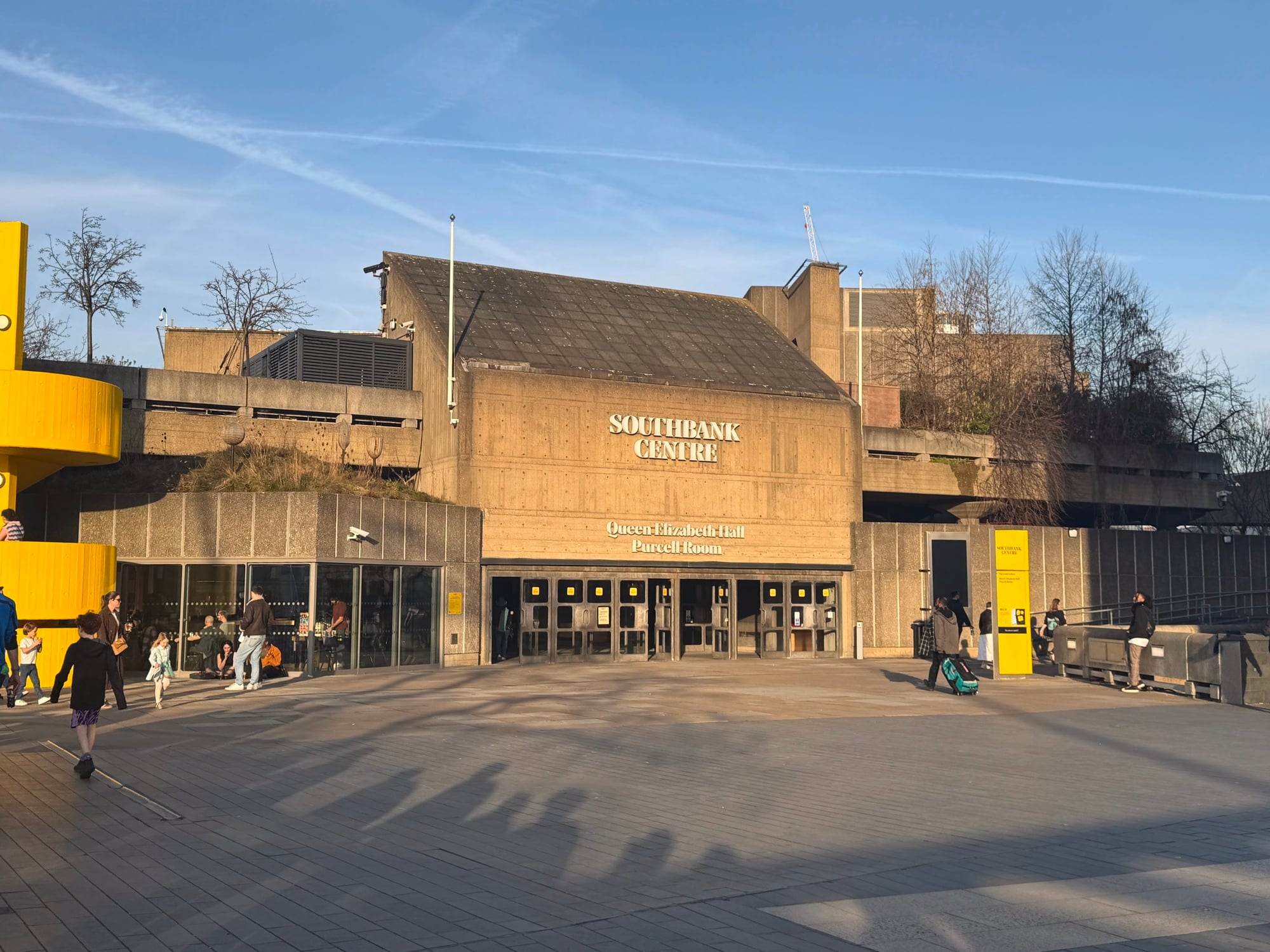
The Festival of Britain in 1951 needed something bold and modern (though the country was still rationing butter and dealing with bombed-out neighborhoods that looked like broken teeth scattered across the city). So they built the Royal Festival Hall and its surrounding complex on the Thames — concrete, angular, unapologetically contemporary in a way that made traditional architects uncomfortable, which was probably the point.
It was meant to be torn down after the festival ended.
But London kept it, and the complex kept growing.
And now it houses some of the city’s most important cultural institutions, even if the concrete still divides opinion decades later.
The Southbank Centre feels like someone’s rough draft that got promoted to final version.
The surfaces are unforgiving, the proportions sometimes awkward, the materials aging in ways their designers never anticipated.
Yet walk through it on any evening and you’ll find crowds gathered for concerts, exhibitions, performances — proof that temporary solutions sometimes capture something essential that careful planning misses.
Brooklyn Bridge
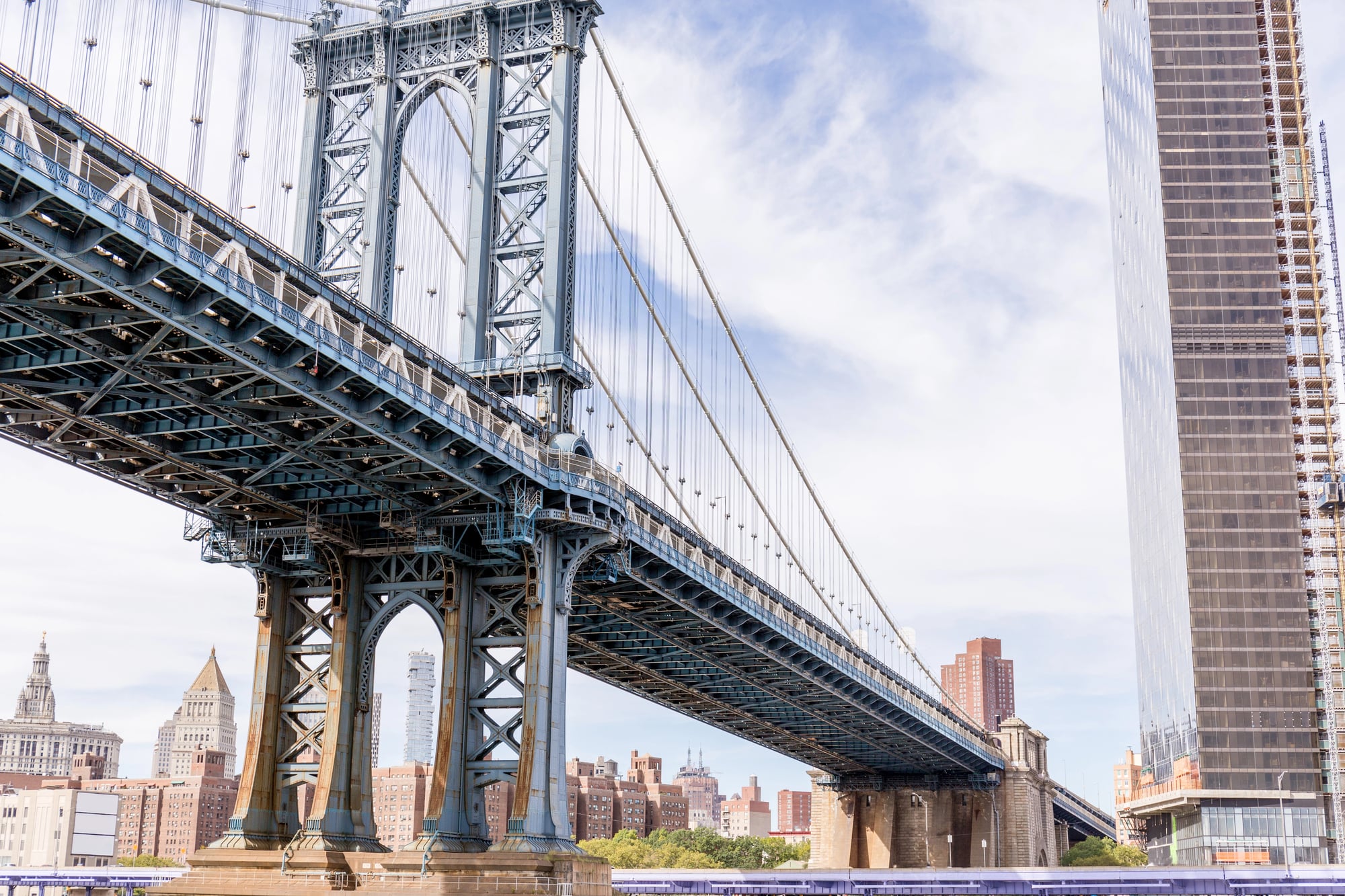
John Roebling died during the bridge’s early planning stages. His son Washington took over, then got decompression sickness from working in underwater caissons.
Washington’s wife Emily ended up overseeing much of the construction herself — though officially she was just “assisting” her husband, because women couldn’t be engineers in the 1870s.
The bridge that emerged was supposed to handle horse-drawn carriages and foot traffic.
Instead, it became one of the world’s most recognizable suspension bridges, carrying millions of people between Manhattan and Brooklyn every year.
Not bad for something designed by a committee under crisis conditions.
Centre Pompidou
Paris had a problem in the 1960s. The city’s cultural institutions felt stale, disconnected from contemporary art and ideas.
So they held a competition for a new kind of cultural center — something that would shake things up, attract younger crowds, maybe ruffle some feathers in the process.
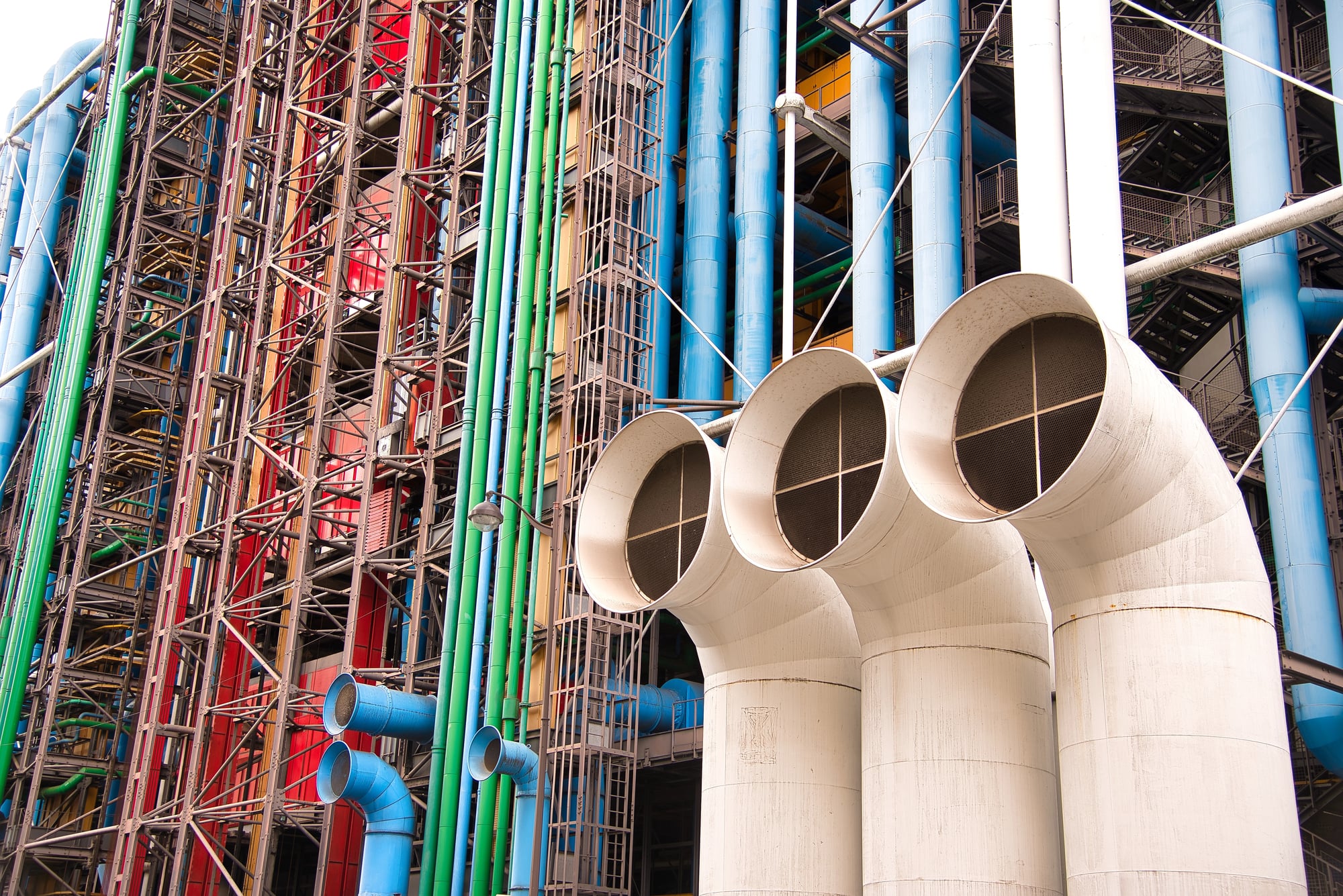
The winning design put the building’s mechanical systems on the outside: color-coded pipes, escalators, structural elements all displayed like the building was turning itself inside out for inspection.
Critics called it an oil refinery. Neighbors complained it looked unfinished.
The architects had created something that announced its temporary, industrial nature rather than hiding it behind classical facades.
Turns out that honesty was exactly what Paris needed.
The Centre Pompidou became one of the city’s most visited attractions, proving that sometimes the best way to honor tradition is to ignore it completely.
Habitat 67

Montreal’s Expo 67 needed innovative housing to showcase the future of urban living. Architect Moshe Safdie designed what looked like concrete building blocks stacked by a giant child — 354 prefabricated concrete modules arranged to create 158 apartments, each with its own rooftop garden and multiple exposures to light.
It was meant to demonstrate mass-produced housing that could be replicated anywhere.
Instead, it became a one-off curiosity that’s now a protected heritage site.
The future of housing it represented never arrived, but the building itself became timeless through sheer oddness.
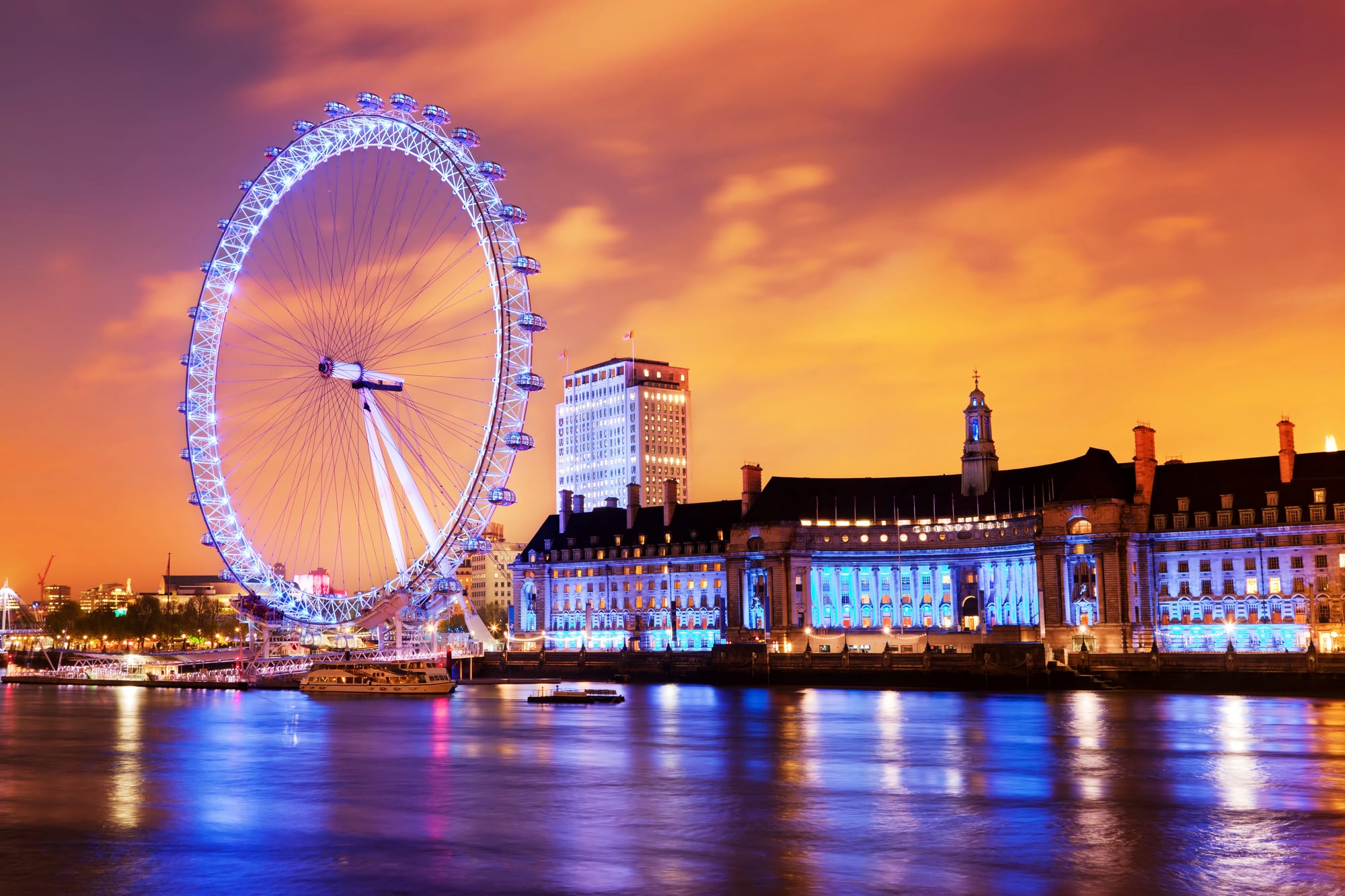
The London Eye
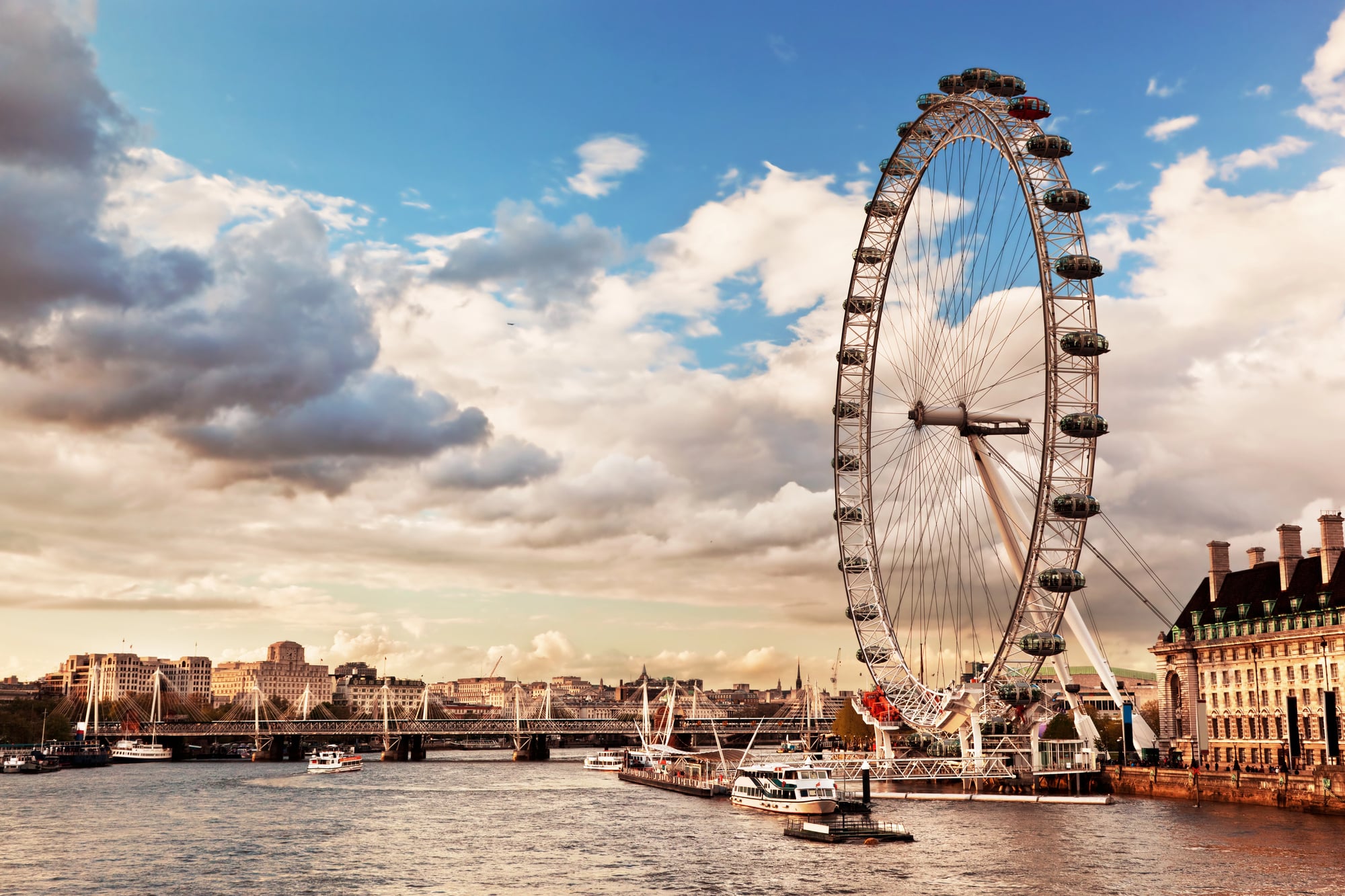
London needed something special for the millennium celebrations. The giant Ferris wheel was supposed to operate for five years, then get dismantled and moved somewhere else.
Planning permission was granted with that understanding.
Five years passed. The wheel stayed.
It had become part of London’s skyline, a reference point that appeared in millions of photographs and postcards.
Sometimes the temporary solution is so obviously right that making it permanent becomes inevitable.
Berlin Wall Memorial
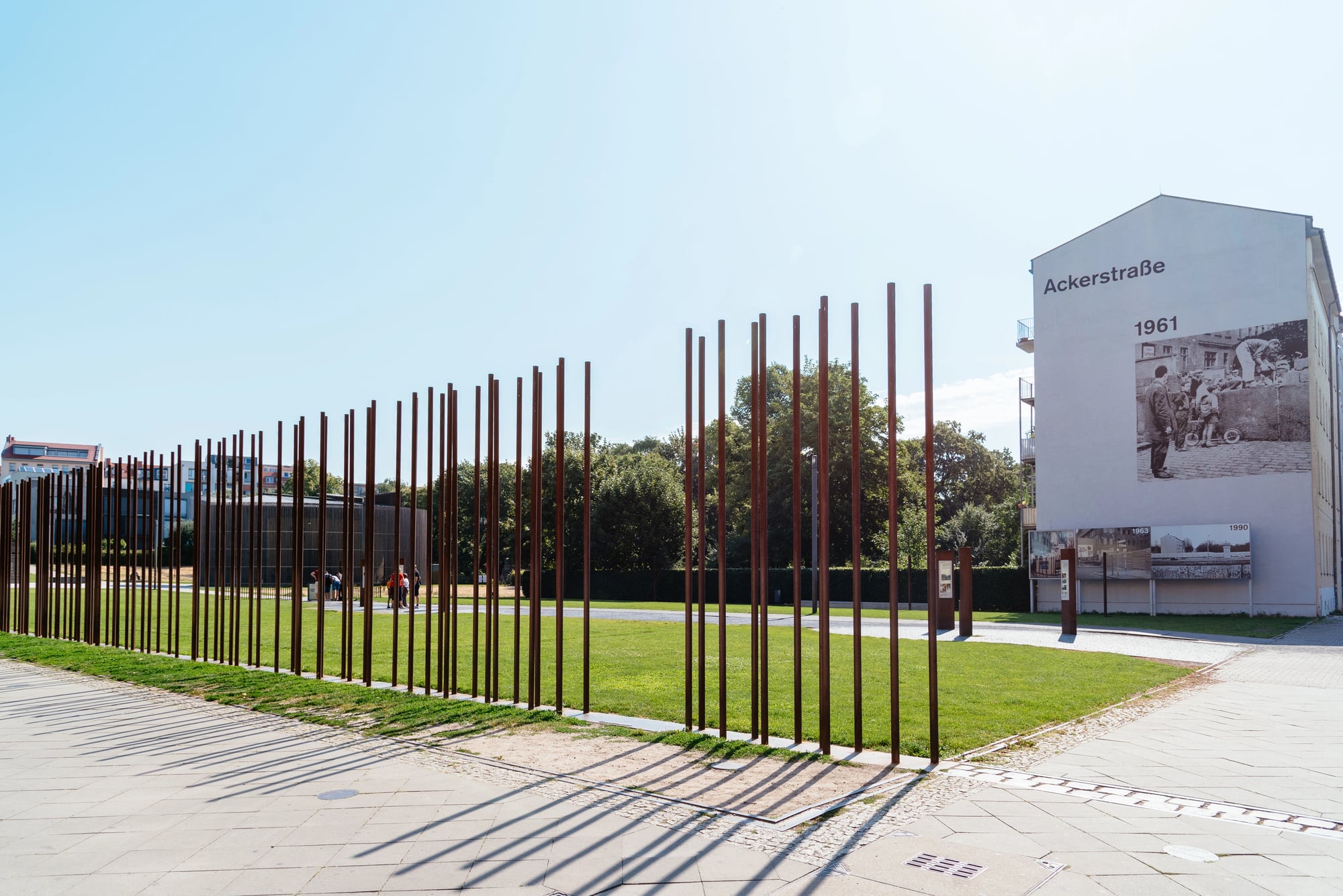
Here’s the thing about monuments to terrible events: they’re supposed to help us remember what we’d rather forget. The Berlin Wall came down in 1989, and most of it was quickly demolished because nobody wanted reminders of division and oppression cluttering their reunified city.
But small sections were preserved — initially as temporary exhibits while historians figured out how to properly memorialize the Cold War era.
Those temporary sections became permanent installations.
The longest remaining stretch, at the Berlin Wall Memorial, includes the death strip, watchtowers, and documentation centers that weren’t part of any grand memorial design.
They just happened to be there when the wall fell, and someone decided to leave them alone.
The result feels more authentic than any carefully planned monument could.
Real history, preserved by accident and good judgment in equal measure.
Navy Pier Chicago
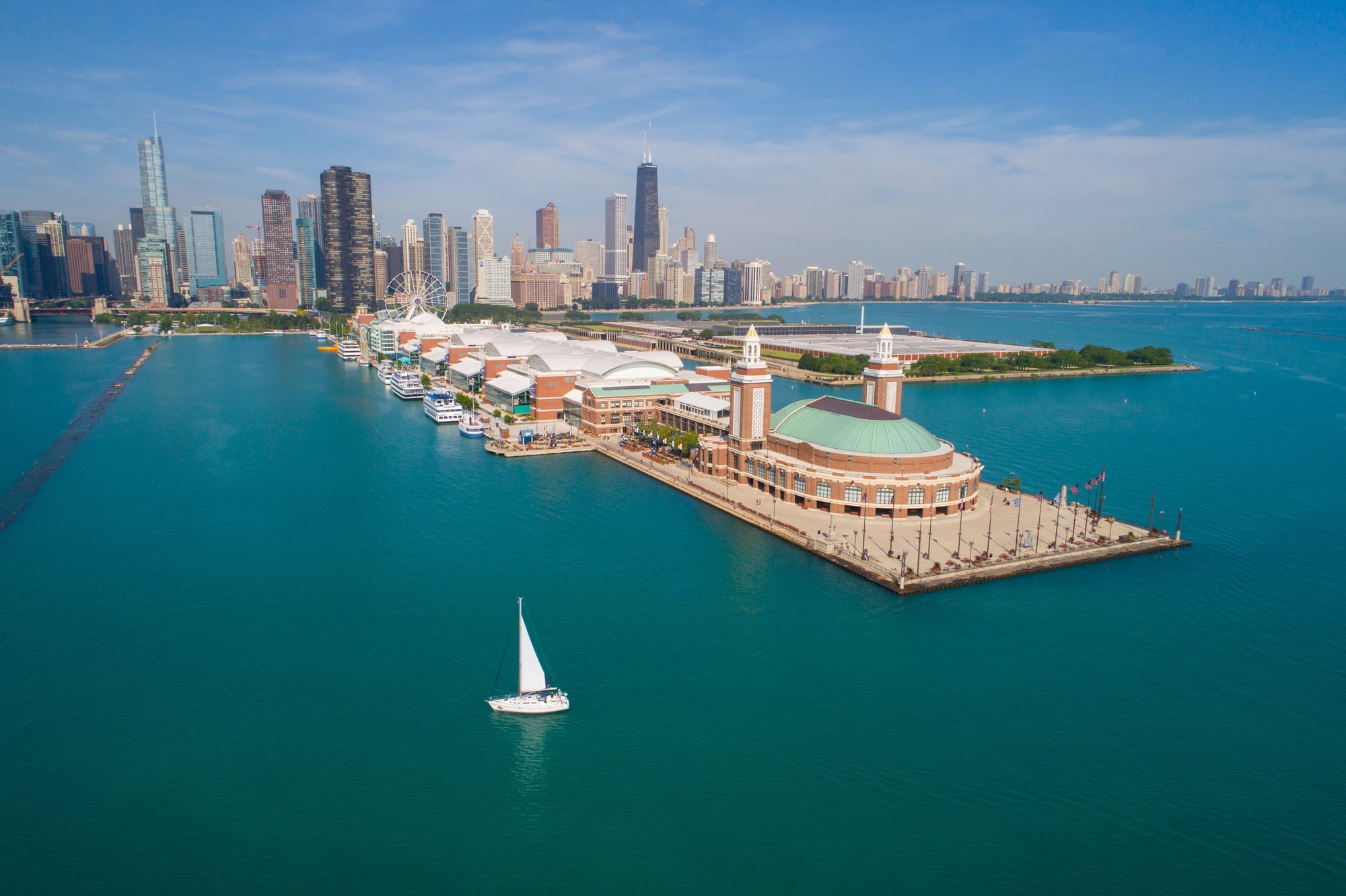
The pier was built during World War I as a shipping and recreation facility. Then it served as a Navy training center during World War II.
Then it sat mostly empty for decades, a long concrete finger pointing into Lake Michigan with no clear purpose.
Chicago turned it into a tourist destination in the 1990s — shops, restaurants, an enormous Ferris wheel.
It was supposed to be a temporary revitalization while the city figured out something more substantial.
The temporary solution stuck.
Navy Pier now attracts millions of visitors annually, proving that sometimes “good enough for now” is good enough period.
Atomium Brussels

Belgium built a 335-foot model of an iron crystal for the 1958 World’s Fair. Nine spheres connected by tubes, representing atoms magnified 165 billion times.
It was meant to showcase the peaceful potential of atomic energy and modern materials.
The structure was supposed to last six months.
Instead, it became Brussels’ most recognizable landmark.
The Atomium endures partly because it captures something specific about 1950s optimism — a moment when atomic energy seemed like the solution to everything rather than the source of existential dread.
Space Needle Seattle
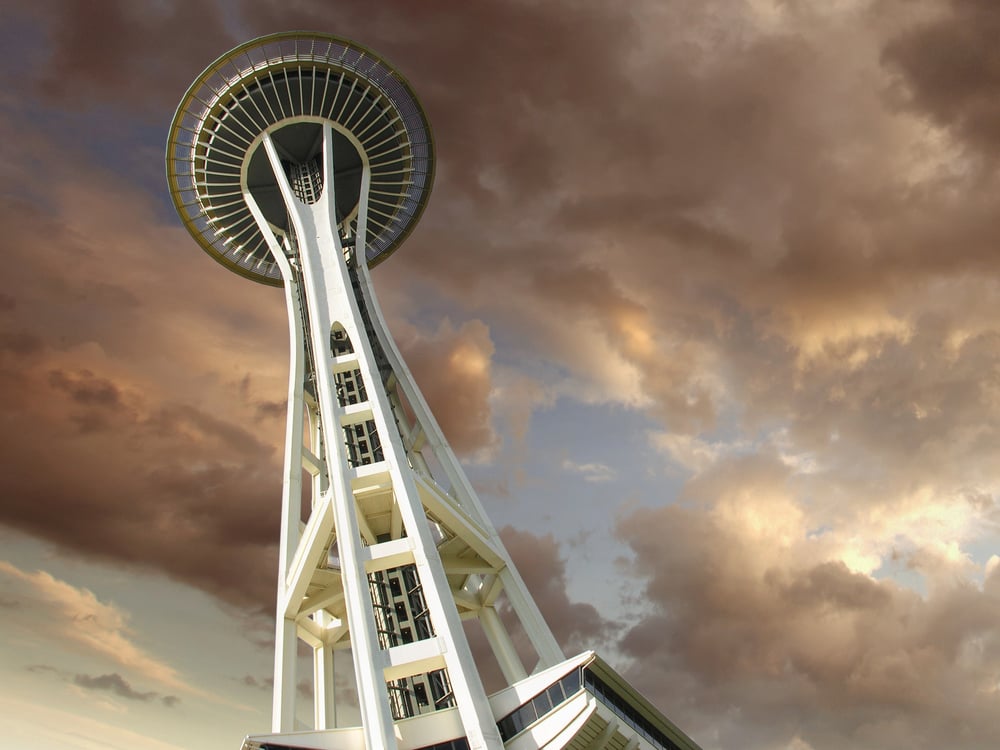
Seattle’s 1962 World’s Fair needed a signature structure that would embody the theme “Century 21.” The Space Needle was designed and built in less than a year — a slender tower topped with a flying saucer that was pure 1960s futurism.
Fair organizers expected it to be demolished afterward.
But the Space Needle became Seattle’s symbol, appearing on everything from postcards to coffee cups.
What was meant to represent the future became a nostalgic reminder of how the future used to look.
Pompidou-Metz

The original Centre Pompidou was so successful that France decided to create satellite locations. The Metz branch opened in 2010 with a temporary mandate — it was supposed to operate for renewable periods, with no guarantee of permanent status.
The building itself looks temporary: a swooping wooden roof that seems to float above glass walls, more like a pavilion than a traditional museum.
But that lightness became its strength.
Pompidou-Metz feels approachable in ways that permanent monuments often don’t.
Millennium Bridge London

London’s “wobbly bridge” opened in 2000 and immediately closed for two years to fix an unexpected swaying problem. When pedestrians walked across it, their synchronized steps created resonance that made the bridge oscillate uncomfortably.
The bridge was supposed to be a temporary embarrassment — a engineering failure that would quietly disappear from public memory.
Instead, the fix worked perfectly, and the sleek suspension bridge became one of London’s most photographed structures.
Sometimes temporary problems lead to permanent solutions.
High Line New York

Manhattan’s elevated freight railway stopped operating in 1980. The tracks sat abandoned for decades while property developers and city officials debated tearing them down.
A few activists suggested turning the railway into a public park — a temporary intervention to demonstrate the space’s potential.
The temporary park became permanent, then became a model copied by cities worldwide.
The High Line proved that the most successful urban planning sometimes involves doing less rather than more — preserving what already exists instead of replacing it with something new.
Where Permanence Lives
These structures share something beyond their accidental longevity. They capture moments of honest experimentation — times when builders focused on solving immediate problems rather than creating lasting monuments.
That practical focus, free from the weight of intended permanence, allowed for risks that more serious projects might have avoided.
The best temporary structures don’t try to be timeless.
They just try to work.
And that unpretentious functionality often proves more enduring than grand gestures designed for eternity.
More from Go2Tutors!

- The Romanov Crown Jewels and Their Tragic Fate
- 13 Historical Mysteries That Science Still Can’t Solve
- Famous Hoaxes That Fooled the World for Years
- 15 Child Stars with Tragic Adult Lives
- 16 Famous Jewelry Pieces in History
Like Go2Tutors’s content? Follow us on MSN.