Images Of 20 People With The Highest IQ In The World
Imagine how one mind might untangle numbers without pen or paper. Weeks pass, yet some already speak a fresh tongue like it was childhood.
Patterns hide in plain sight until certain minds spot them first. Not simply about textbooks, these thinkers bend logic into shapes others barely recognize.
Speed lives behind their eyes when ideas meet. Most stand amazed at views only such brains seem built to hold.
Some never made it into the spotlight – this only adds to their intrigue. Meet two dozen individuals ranked among the sharpest minds alive.
Terence Tao

A child prodigy from Australia, Terence Tao began tackling college math before most kids learn multiplication. Hailing from Adelaide, born in 1975, he entered university young – earning his doctorate by 21.
Few minds match his; estimates put his intelligence score near 230, an almost unimaginable height. Recognition followed: the Fields Medal arrived in 2006 among many top honors.
While brilliance alone doesn’t guarantee impact, his output reshaped entire fields.
William James Sidis

By just eighteen months, William James Sidis could already make sense of the New York Times. At eleven, Harvard opened its doors to him – making history as their youngest enrollee then.
Some guessed his IQ reached anywhere from 250 to 300, yet those figures stay uncertain due to limits built into standard intelligence testing. Brilliant as he was, he chose solitude instead, fading far beyond public view on purpose.
His years unfolded without noise, shaped by deliberate distance from fame.
Christopher Hirata

At age thirteen, Christopher Hirata took home a gold medal from the International Physics Olympiad – the youngest American ever to do so. Working alongside NASA by sixteen, he contributed to plans for living on Mars.
Some say his IQ hits 225; whether that number sticks, his mind clearly operates differently. Princeton awarded him a doctorate after which he stepped into a role teaching astrophysics.
Most folks would struggle to grasp what goes through his head each day – even if someone spelled it out step by step.
Kim Ung-yong

A baby boy in South Korea started talking real sentences before his first birthday. By age three, math puzzles that stump most adults came easily to him.
His mind tested at 210 IQ – among the highest ever recorded. At eight, scientists from America’s space program asked him to come learn across the ocean.
Years passed, then he went back home to Seoul on his own terms. Now quiet days beat fame, he claims, every single time.
Marilyn Vos Savant

A woman named Marilyn vos Savant is listed in the Guinness World Records with an IQ score of 228 – believed to be the highest ever noted. Fame found her thanks to a regular feature called ‘Ask Marilyn,’ published in Parade magazine, where she untangled reader-submitted puzzles.
When faced with the Monty Hall problem – a brain teaser rooted in odds – she gave the right answer while numerous math experts stumbled. Because of her clear explanations, large numbers of people learned to approach reasoning tasks with sharper thinking.
Garry Kasparov
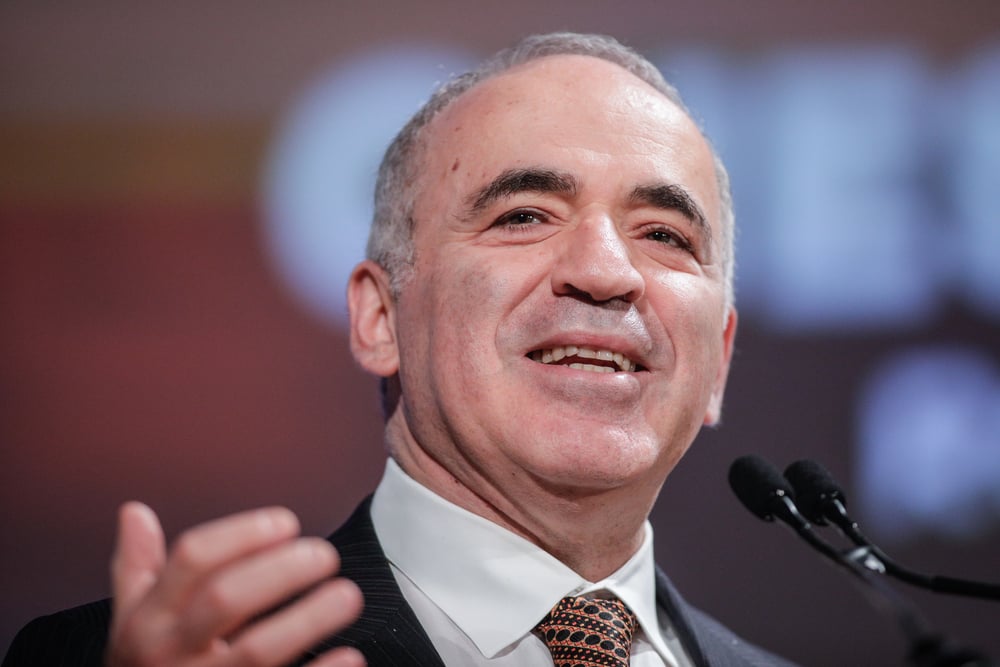
Garry Kasparov might just be the best-known chess figure in history. With an IQ near 194, he claimed the world title at twenty-two, making him the youngest champion without dispute.
Because of how fast his brain processes options, it resembles a machine scanning many steps forward. Though no longer competing full time, he still dives into political issues and books – proof his sharpness isn’t limited to squares and pieces.
Stephen Hawking
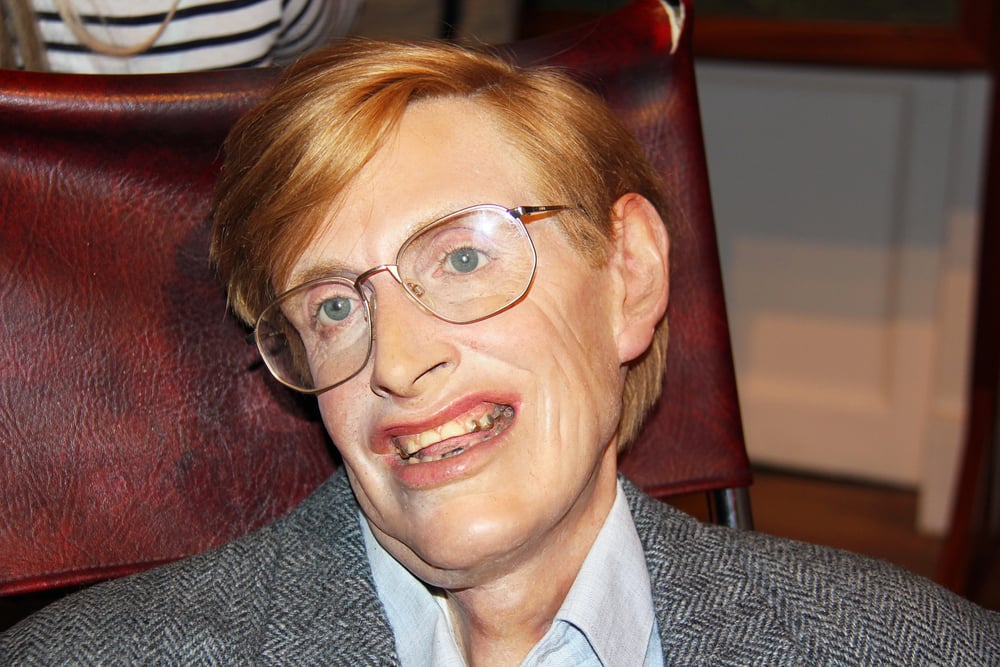
Few thought much about black holes before Stephen Hawking started asking questions. A number crunch of 160 marked his IQ – less than some others here, yet what he gave science stands apart.
Ideas came freely, though ALS locked down almost every muscle in his body. Movement stopped, but thinking never slowed once.
The universe became clearer because one person refused to stop exploring it.
Paul Allen

Working with Bill Gates, Paul Allen started Microsoft, yet his thinking stretched past computers. With an intellect believed to measure near 170, he spotted tech trends long before they arrived.
Because of his foresight, ventures flowed into research, outer space, and creative fields. Curiosity driven, his cleverness left marks across different worlds.
In him, brilliance met endless asking – results followed without chasing them.
Nikola Tesla
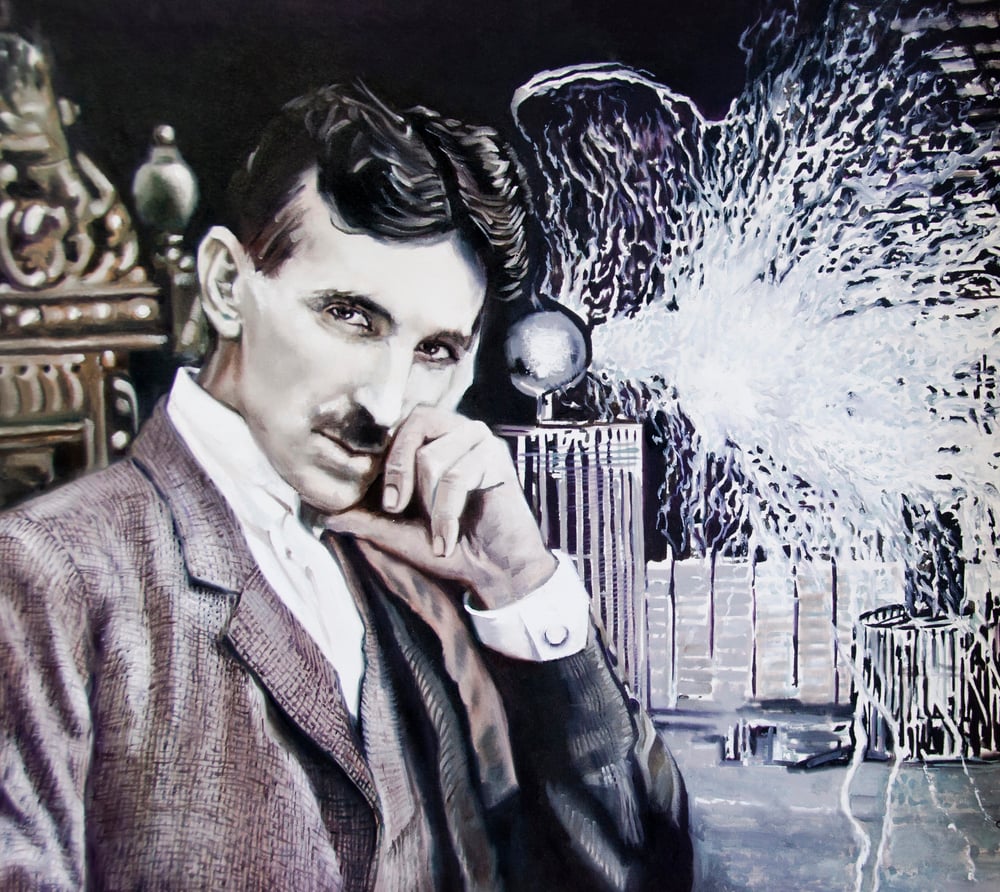
Nikola Tesla had an IQ estimated between 160 and 310, depending on the source, though most credible estimates land around 160 to 200. He invented the alternating current electrical system that still powers homes and buildings today.
Tesla could visualize entire machines in his head before building them, running mental simulations with extraordinary accuracy. His ideas were so far ahead of his time that some are still being explored by scientists more than a century later.
Johann Wolfgang Von Goethe
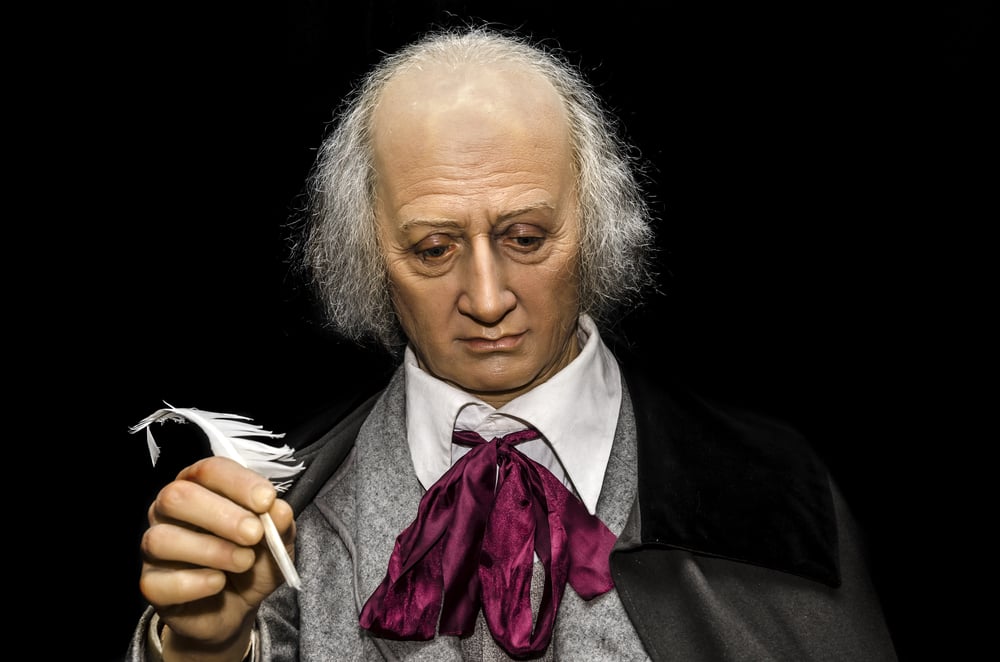
Johann Wolfgang von Goethe was a German writer and thinker whose estimated IQ ranged from 210 to 225. He was not just a poet. He made real contributions to science, studying plant biology, color theory, and geology.
His most famous work, ‘Faust,’ is still studied in universities around the world today. Goethe proved that intelligence does not belong to one field.
It spills into every area it touches.
Leonardo Da Vinci
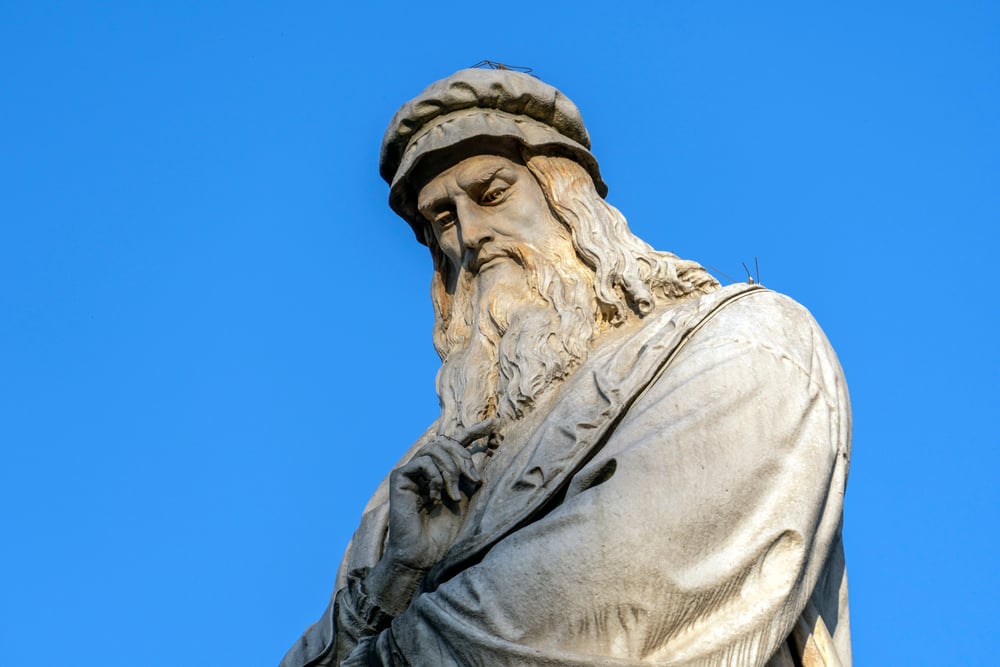
Leonardo da Vinci is often described as the greatest mind in human history, with an estimated IQ between 180 and 220. He was a painter, sculptor, architect, engineer, and scientist all at once.
He designed flying machines and studied human anatomy centuries before modern medicine caught up. His notebooks, filled with sketches and ideas, are still being analyzed by researchers today who keep finding new things to learn from them.
Isaac Newton
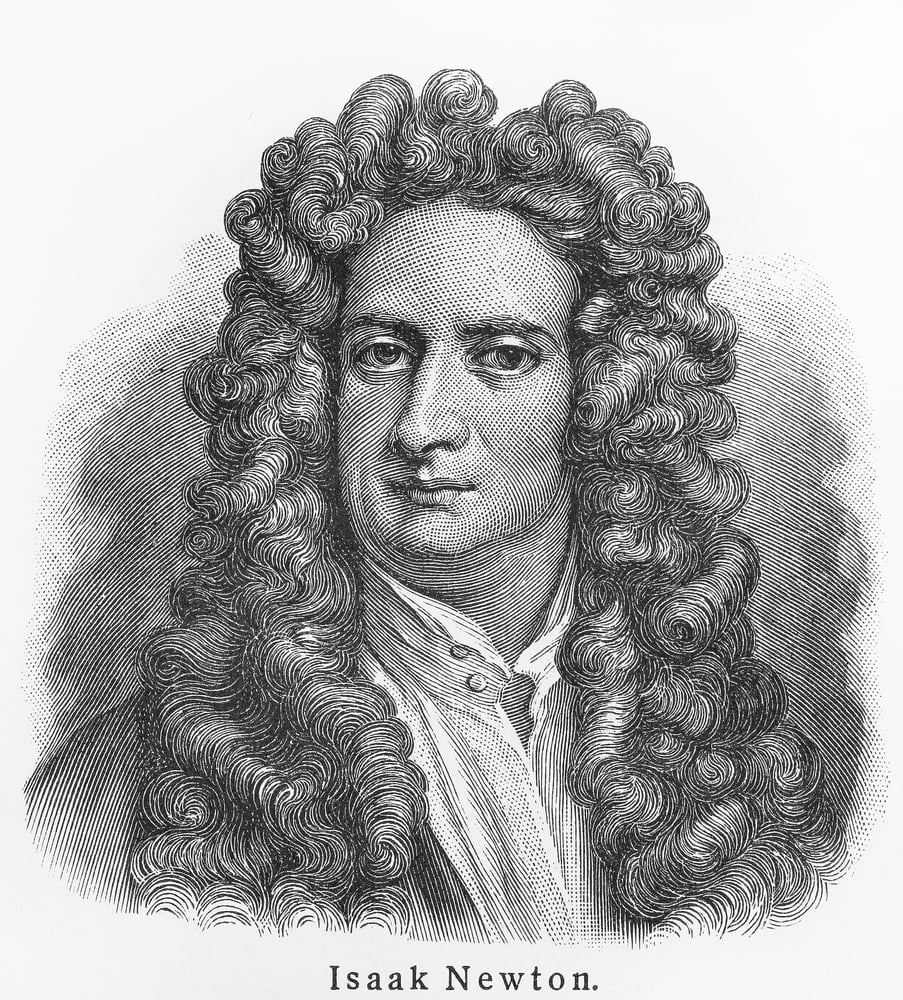
Isaac Newton developed the laws of motion and universal gravitation, basically writing the rulebook for how the physical world works. His IQ is estimated at around 190.
He also invented calculus, almost as a side project, because he needed a better tool to solve physics problems. Newton’s work laid the foundation for most of modern science and engineering, and his ideas shaped the world far more than most people realize.
Albert Einstein

Albert Einstein is probably the most recognized genius in modern history, with an estimated IQ of around 160 to 190. His theory of relativity changed the way scientists understand space, time, and energy.
He developed much of his thinking through what he called ‘thought experiments,’ playing out complex ideas entirely in his imagination. Einstein’s brain was actually studied after his death, and scientists found structural differences that may have contributed to his extraordinary thinking.
Gottfried Wilhelm Leibniz
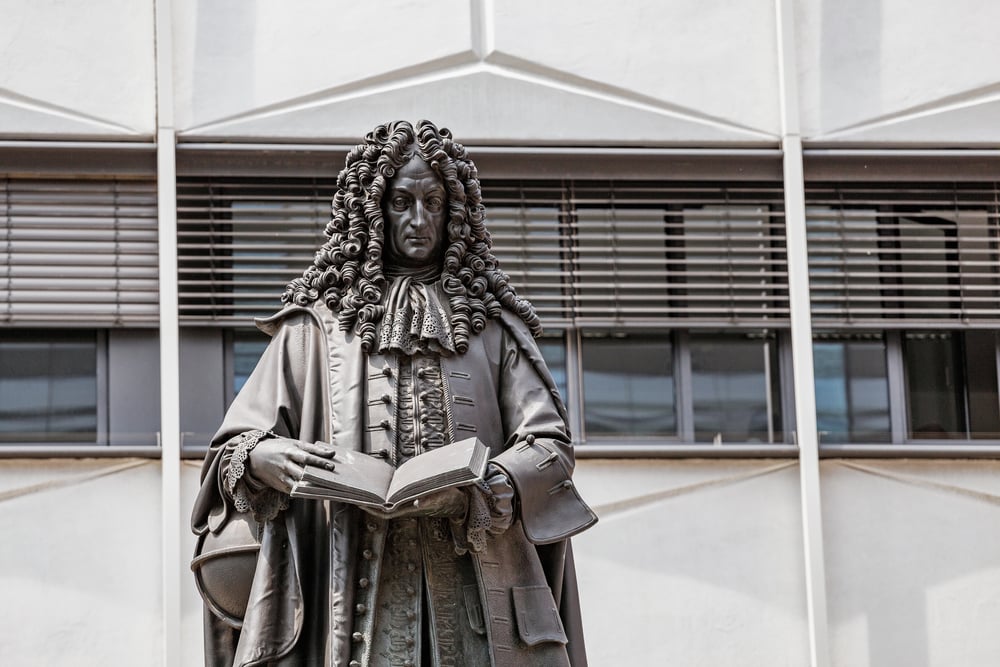
Gottfried Wilhelm Leibniz was a German philosopher and mathematician who developed calculus independently of Newton, around the same time. His estimated IQ sits between 182 and 205.
He also made important contributions to physics, logic, and even the early concept of computing. Leibniz believed that the universe operated on rational principles that could be discovered through careful thinking, and he spent his life trying to prove it.
Blaise Pascal
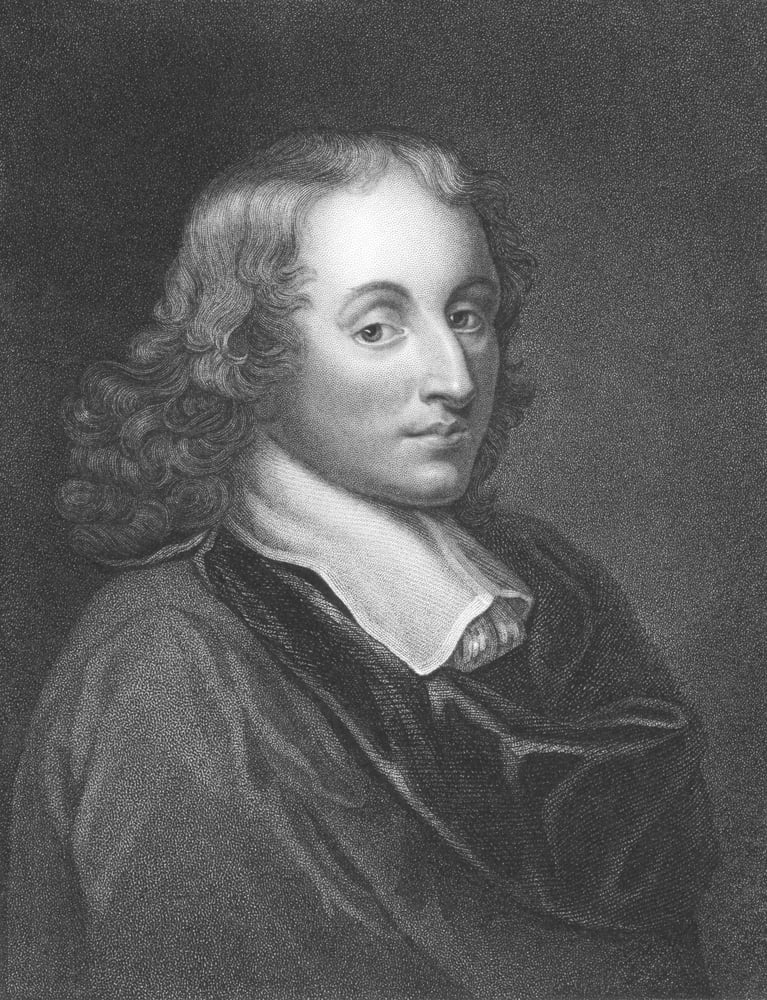
Blaise Pascal built a functional mechanical calculator at the age of 18 to help his father with his work. His IQ is estimated at around 195.
He also made serious contributions to mathematics, including the development of probability theory. Pascal’s triangle, a simple arrangement of numbers still used in math and computing today, carries his name for a reason.
He packed a lifetime of discoveries into just 39 years before his death.
Emanuel Swedenborg
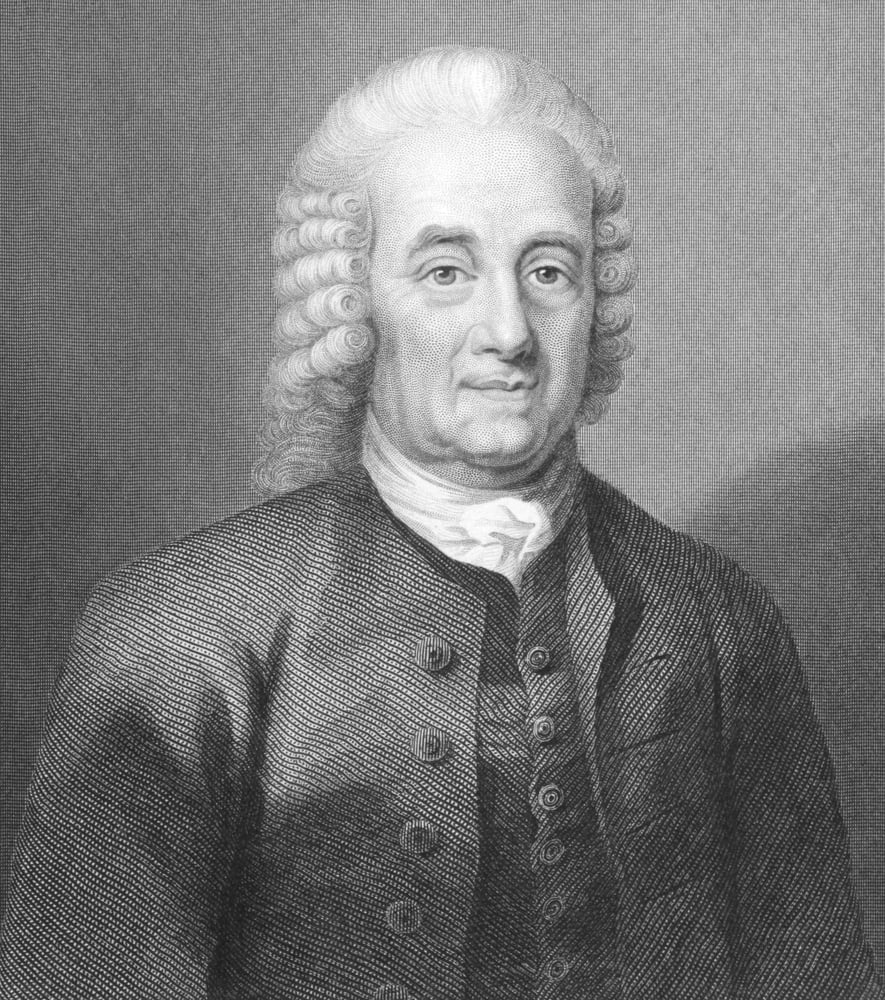
Emanuel Swedenborg was an 18th-century Swedish scientist and philosopher with an estimated IQ of 205. He worked in fields ranging from astronomy and chemistry to engineering and anatomy, and he made real discoveries in each of them.
He described structures in the human brain that scientists only confirmed much later. Swedenborg is often overlooked in mainstream history, but within scientific circles, his contributions are considered genuinely remarkable.
Voltaire

Voltaire was a French writer and thinker with an estimated IQ of around 190 to 200. He used his sharp mind to challenge unfair laws, religious extremism, and political corruption during a time when doing so was extremely dangerous.
His writing was clear, direct, and deeply influential, helping shape the ideas that eventually led to the French Revolution and modern human rights. Voltaire showed that intelligence, when used with courage, can change entire societies.
René Descartes
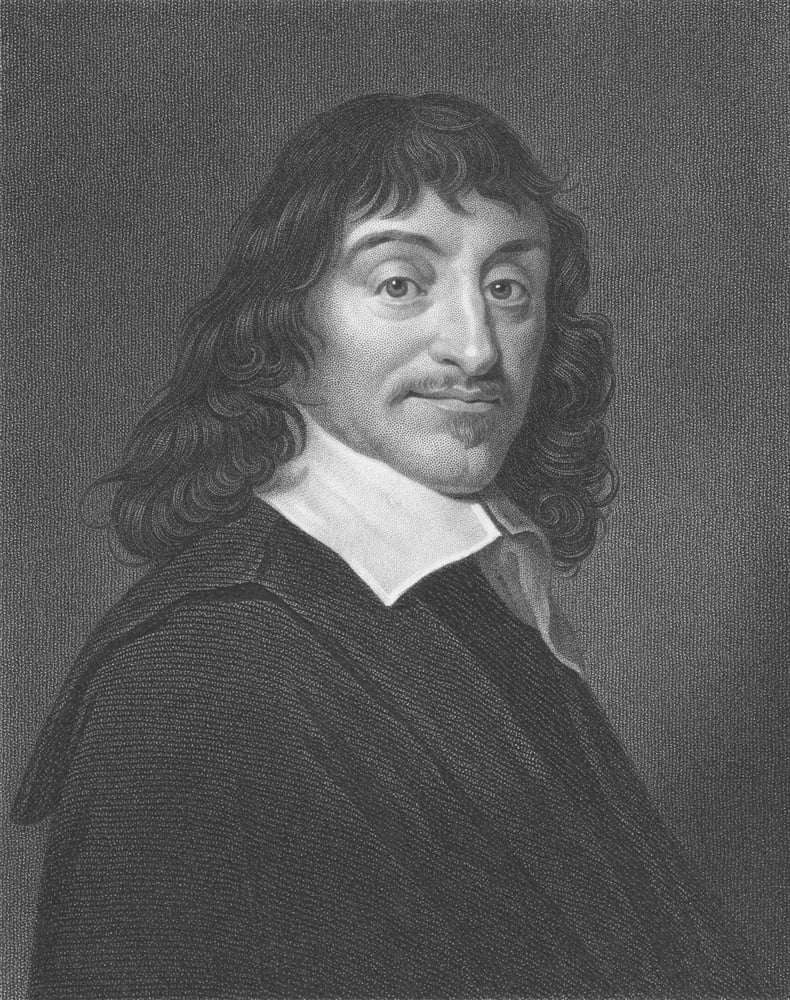
René Descartes is best known for the phrase ‘I think, therefore I am,’ but his contributions go much further than philosophy. His estimated IQ was around 185, and he made key advances in mathematics, including the invention of the Cartesian coordinate system used in every graph and map today.
He believed that reason, not tradition, was the best tool for understanding the world. That idea alone shifted how educated people thought for centuries after his death.
Avicenna (Ibn Sina)
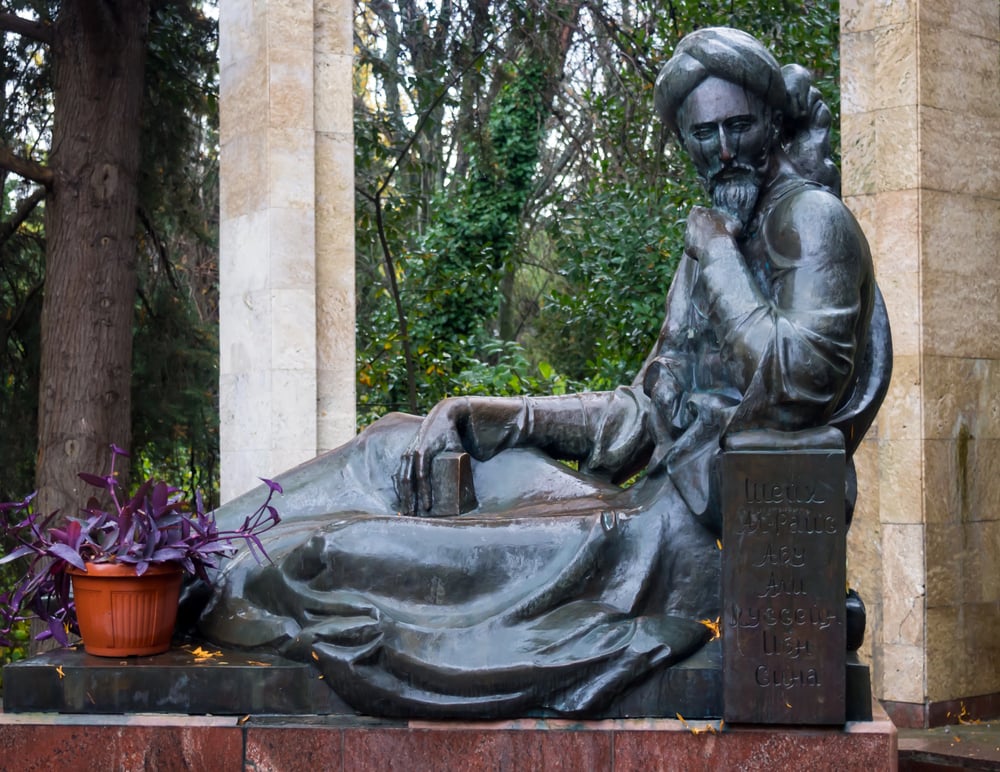
Avicenna, known in the Arab world as Ibn Sina, was a Persian scholar born in 980 AD with an estimated IQ of around 190. He memorized the Quran by age ten and mastered medicine, philosophy, and science before turning 18.
His medical encyclopedia, ‘The Canon of Medicine,’ was used as a primary medical textbook in European universities for over 600 years. He is considered one of the most influential thinkers in the history of both Eastern and Western thought.
Hypatia Of Alexandria

Hypatia of Alexandria was a mathematician and philosopher who lived in Egypt around 400 AD, and she is one of the earliest recorded female intellectuals in history. Her estimated IQ sits around 170 to 190, though exact historical records are limited.
She taught astronomy and mathematics and edited major mathematical texts that helped preserve knowledge through a turbulent period. Hypatia’s life ended tragically at the hands of a violent mob, but her legacy as a thinker and teacher has lasted more than 1,600 years.
The Minds That Never Stopped Working

What stands out about everyone on this list is not just how smart they were. It is how they used their intelligence.
Some built empires of knowledge. Others changed the way ordinary people live, think, or see the universe.
High IQ scores are impressive numbers on paper, but what these individuals actually did with their minds is what makes them truly stand out. The world keeps benefiting from their work, their theories, and their discoveries, long after most of their names stopped appearing in daily conversation.
More from Go2Tutors!

- The Romanov Crown Jewels and Their Tragic Fate
- 13 Historical Mysteries That Science Still Can’t Solve
- Famous Hoaxes That Fooled the World for Years
- 15 Child Stars with Tragic Adult Lives
- 16 Famous Jewelry Pieces in History
Like Go2Tutors’s content? Follow us on MSN.