Ways Your Favorite Childhood Cartoons Have Changed
Can you still remember waking up on a Saturday morning, buzzing with excitement to rush to the TV and catch your favorite cartoon? Those were good times – an escape from realty into colorful worlds filled with heroes, villains and even talking animals.
We became seriously attached to cartoons and the entertainment they provided. But if you’ve watched any recently, you’ll have noticed things look and feel quite different now.
Let’s take a trip down memory lane and see how – and why cartoons have changed.
The animation quality got a serious upgrade
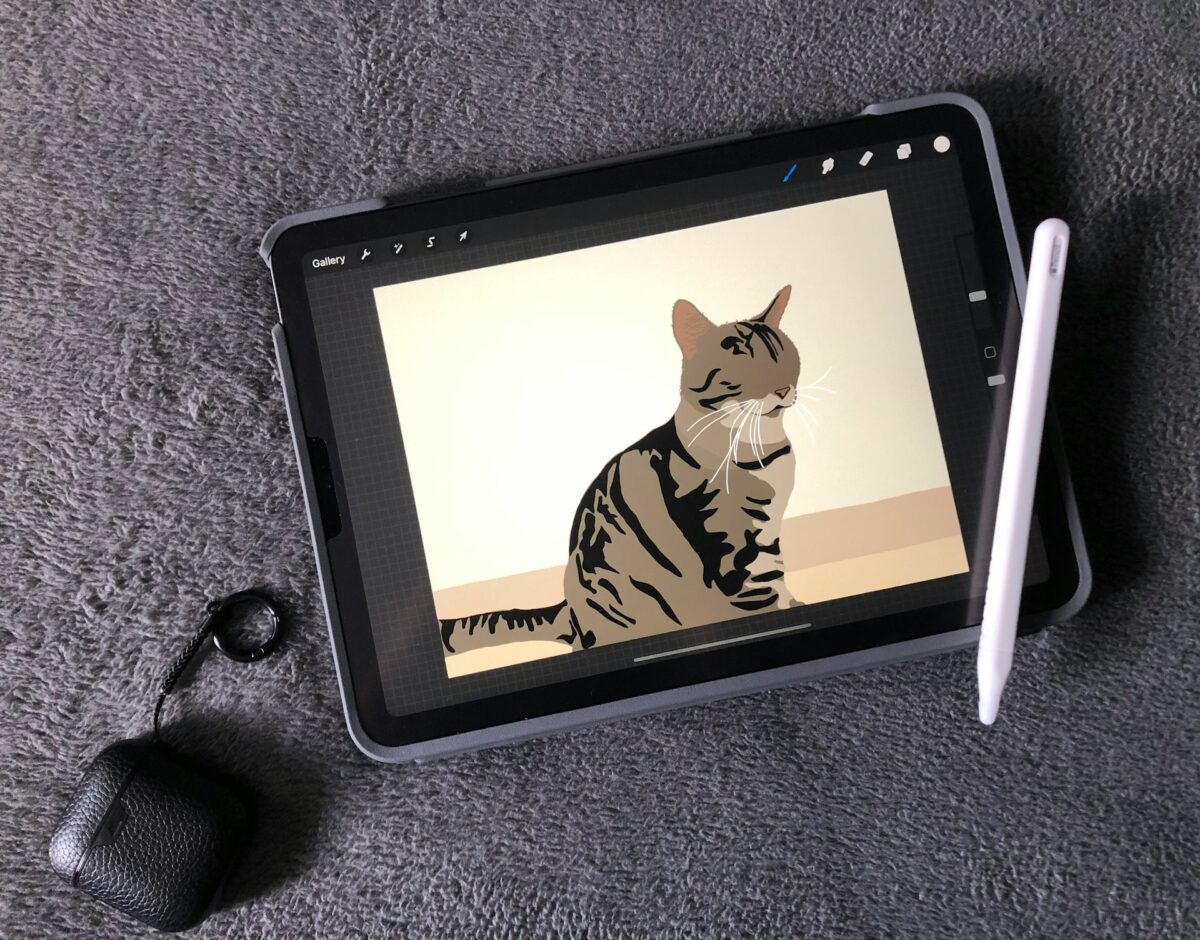
Technology has altered the look of cartoons today compared to the hand-drawn magic of the past. The somewhat rough edges and every-now-and-then coloring mistakes that provided character to old cartoons have disappeared.
Newer versions take advantage of computer animation that offers smoother movement and sharper pictures, even though some claim the compromise wasn’t entirely worthwhile. The changeover happened gradually as studios introduced digital technology during the late 1990s and early 2000s.
While the new look is sleek and lavish, some fans miss the warmth of hand-drawn animation. There is something irretrievably marvelous about knowing that an artist drew each frame by hand.
Characters became more emotionally complex

Cartoon characters used to fit into easy roles like good guy or bad guy. Now they struggle with real feelings – fear, sadness, and not knowing who they are.
Shows feature complex character interactions that don’t always have easy answers, which is the way kids actually live their lives. The villains occasionally have reasons for what they do that make you sympathize with them a little.
This transition also reflects how society started putting more value on children’s emotional intelligence. Children today view characters resolving real problems rather than just being the hero.
Like Go2Tutors’s content? Follow us on MSN.
The humor shifted away from slapstick violence
Classic cartoons used to rely heavily on characters having hammers hit them in the head, falling off cliffs, and getting pancaked. Their newer equivalents focus more on puns, situational humor, and allusions that the parents might catch as well.
The networks feared that a message of ongoing violence might be imparted to children, though it was openly unrealistic and hyperbolic. The change came over the 1990s and 2000s as parents griped.
Some longtime favorites had entire scenes excised or cut out when they were re-released. But there is still a lot of slapstick – it’s just less up-in-your-face now.
Female characters got stronger roles

Women in older cartoons often needed rescuing or stayed in the background while male characters drove the plot. Modern reboots give female characters leadership positions, complex personalities, and their own story arcs that don’t revolve around romance.
They solve problems using intelligence and strength rather than waiting for help to arrive. This shift mirrors broader conversations about representation that picked up momentum in recent decades.
The change feels natural rather than forced in most updated versions, which makes it work better. Young viewers now see characters who reflect a wider range of experiences and capabilities.
The theme songs got shorter or disappeared

Those catchy opening songs that explained the entire show premise used to run for 60 to 90 seconds. Networks now prefer 15 to 30 second intros – or they skip them entirely to fit more content into each time slot.
Streaming services especially favor getting viewers into the action quickly since there’s so much competition for attention. The change happened as attention spans shortened and competition for viewer time increased across all platforms.
Many fans feel nostalgic for those memorable tunes that everyone could sing by heart. There was something ritualistic about hearing that familiar song start up each week.
Like Go2Tutors’s content? Follow us on MSN.
The art style became more varied and experimental

Cartoons from the 1980s and 1990s often looked similar because studios used standardized animation techniques that kept costs down. Today’s shows experiment with different visual styles, from anime influences to minimalist designs that would’ve seemed too risky before.
Some new versions blend 2D and 3D animation in creative ways that create unique visual identities. Networks realized unique art styles help shows stand out in a crowded market where everything competes for eyeballs.
This freedom lets creators take artistic risks that weren’t possible before, though not every experiment succeeds. The variety means there’s likely something visually appealing for every viewer’s taste.
Episodes now tell longer stories instead of resetting

Classic cartoons usually wrapped up every problem in one episode, and the next week everything reset like nothing happened. Modern reboots often have storylines that continue across multiple episodes or entire seasons with real consequences.
Characters remember what happened before and grow from their experiences rather than staying static. This approach treats young viewers as capable of following complex narratives, which research shows they absolutely can.
The change reflects how serialized storytelling became popular across all entertainment formats. Viewers can now invest in character development that actually goes somewhere meaningful.
The pacing sped up significantly

Older cartoons took their time with scenes, letting jokes breathe and allowing quiet moments that built atmosphere. Today’s versions move much faster – quicker cuts, rapid dialogue, more happening in each episode.
This shift matches how media consumption changed with the internet age and constant stimulation. Studios worry about losing viewers if things slow down too much, even for a few seconds.
Some educators express concern that rapid pacing might affect how children process information and develop patience. The difference is jarring when watching old and new versions back to back.
Like Go2Tutors’s content? Follow us on MSN.
Background characters became more diverse

Looking back at old cartoons, the crowds and supporting characters lacked variety in appearance and representation of different communities. Modern updates show people of different ethnicities, body types, and abilities in everyday scenes without making it a plot point.
This wasn’t done with big announcements but happened naturally as studios hired more diverse creative teams who brought different perspectives. The change makes the cartoon worlds feel more like the real world kids live in today.
It happened gradually throughout the 2000s and 2010s as the industry slowly shifted. Now it’d seem strange if a cartoon showed everyone looking exactly the same.
The villains got sympathetic backstories

Bad guys used to be evil just because that’s what the story needed for conflict. Now they often have tragic pasts or understandable motivations that explain their actions without excusing them.
Some villains even get redemption arcs where they become better people through character development. This complexity adds depth, yet it sometimes confuses younger viewers about right and wrong when things aren’t clear-cut.
The trend started as writers wanted to create more interesting conflicts beyond simple good versus evil battles. Antagonists became characters rather than just obstacles to overcome.
Educational content became more subtle

Older cartoons often had obvious moral lessons spelled out at the end of episodes, sometimes even breaking the fourth wall to address viewers directly. Modern versions weave learning moments into the story without stopping to lecture kids about what they should take away.
The educational aspects feel more natural and less preachy. This happened as research showed kids learn better when messages aren’t heavy-handed and trust is placed in their ability to understand themes.
Shows now trust their audience to pick up on themes without explicit explanation.
Like Go2Tutors’s content? Follow us on MSN.
The voice actors changed, altering character personalities
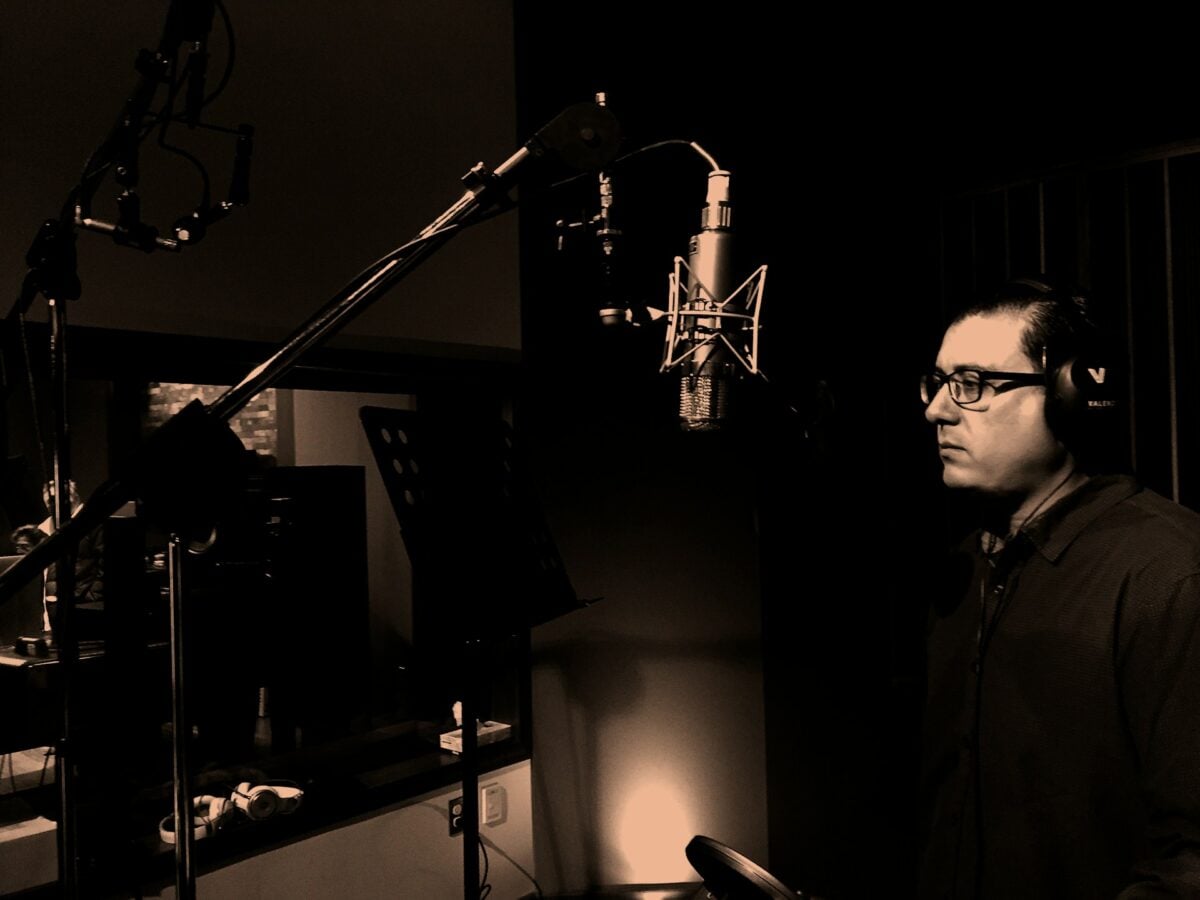
Many beloved characters sound different in reboots because the original voice actors retired or passed away. New performers bring their own interpretations even when trying to match the original, which can shift how a character feels.
Sometimes studios deliberately choose different vocal approaches to update the character for modern audiences. Fans often have strong reactions to these changes since voices are deeply connected to childhood memories and emotional attachments.
The shift can make familiar characters feel like strangers wearing a costume.
Technology became part of the storylines

Historically, cartoon from previous decades hardly ever featured computers, phones or the internet – simply because these technologies weren’t part of everyday life just yet. But in today’s “tech-heavy” world, cartoons may include characters sending text messages, browsing the web and dealing with tech challenges – which have become a normal part of life.
The runtime got shorter per episode

Classic cartoon episodes typically ran 22 to 24 minutes without commercials, giving stories room to develop properly. Many modern versions split this into two 11-minute stories or make episodes even shorter for different viewing habits.
This format change suits streaming platforms and shorter attention spans that developed with mobile devices. It also allows networks to promote more content variety in the same time slot and test different concepts.
Some complex stories suffer from having less time to develop properly and feel rushed as a result.
Like Go2Tutors’s content? Follow us on MSN.
Side characters received expanded roles

Minor characters who appeared occasionally in old versions now get full episodes dedicated to their stories and backgrounds. This gives shows more depth and keeps long-running series fresh with new perspectives beyond the main cast.
Fans who connected with secondary characters appreciate seeing them developed further and given meaningful arcs. The change happened as shows ran longer and needed new material beyond the main cast’s adventures.
It also allows for more diverse storytelling angles that explore different aspects of the show’s world.
The color palettes became more vibrant and varied

Older cartoons used limited color schemes partly due to technology restrictions of the time. Modern animation software allows unlimited colors and more nuanced shading that creates depth and atmosphere.
Shows now feature bright, saturated colors that pop on high-definition screens and grab attention immediately. The visual intensity matches current design trends across all media from websites to advertising.
Some viewers find the new palettes overwhelming compared to the softer tones of the past though.
Cultural references became more contemporary

Old-school cartoons included references to the pop culture of the time that now seem dated or go entirely over the heads of today’s kids. Reboots update these references to current music, movies, and trends that kids today know from their own lives.
It makes shows feel modern but at the expense of the timelessness originals had that made them continue to work so well. Some of the references fly over kids’ heads and appear to be geared towards nostalgic parents who are viewing alongside their children.
The equilibrium of current and timeless is still difficult for producers who wish shows to endure.
Like Go2Tutors’s content? Follow us on MSN.
The bridge between then and now

Those changes are startling when listed, but they happened gradually as the entropy of the world shifted around us. Cartoons always reflected the times in which they were made, just as the TV shows of our childhood captured that moment’s values and tech.
The heart of what was wonderful about those shows often survives even when the packaging seems different. Whether you prefer the originals or embrace the updates, those characters still spark imagination and create memories for a new generation.
Certain things about childhood magic simply never do alter, no matter how much the animation may.
More from Go2Tutors!

- 16 Historical Figures Who Were Nothing Like You Think
- 12 Things Sold in the 80s That Are Now Illegal
- 15 VHS Tapes That Could Be Worth Thousands
- 17 Historical “What Ifs” That Would Have Changed Everything
- 18 TV Shows That Vanished Without a Finale
Like Go2Tutors’s content? Follow us on MSN.