Old Artifacts Just Found Recently
Something keeps drawing us back to what lies beneath our feet. Maybe it’s the thrill of touching something that human hands shaped thousands of years ago, or maybe we just can’t resist a good mystery.
Either way, the past few years have been remarkable for archaeology. Teams around the world have pulled some genuinely stunning finds from the ground, from the sea, and even from volcanic ash.
A Warrior Frozen in Bronze

Bavaria gave up one of its best-kept secrets recently. Workers digging at the Oppidum of Manching uncovered a bronze figurine standing just 7.5 centimeters tall.
The warrior strikes an unusual pose—lunging forward with sword and shield. What makes this piece stranger is his outfit.
He wears armored chest protection but nothing from the waist down. Researchers think this reflects Celtic warriors who served as mercenaries in Greek armies.
The figurine emerged from excavations that recovered more than 40,000 artifacts between 2021 and 2024, but this tiny warrior stands out from the crowd.
Dragons Made of Stone and Patience

Three jade dragons appeared in China’s Chifeng city, each carved over 5,000 years ago. The largest specimen, roughly the size of a human hand, is now the biggest of its kind ever found in northern China.
Its emerald green color catches the light in a way that makes you wonder about the person who spent countless hours shaping it. These dragons belong to the Hongshan culture, one of the earliest civilizations to work with jade.
They produced some of the world’s first jade objects, typically for burial rituals. Scientists believe climate change pushed these ancient people south around 4,000 years ago, spreading their jade-working techniques across China.
The Maya Founder Finally Rests

After decades of digging, researchers at the ancient Maya city of Caracol in Belize struck gold. Actually, they struck something better than gold—they found the 1,700-year-old tomb of Te K’ab Chaak, the founder of the city’s royal dynasty.
The chamber lay hidden beneath a pyramid for nearly two millennia. Inside, they discovered an ornate jade mask with seashell eyes and teeth, made from interlocking pieces that must have taken extraordinary skill to fit together.
The mask depicts a Maya storm god, and radiocarbon dating places it around 350 AD. Other treasures filled the tomb, including obsidian tools and ceramic vessels that tell the story of a civilization at its peak.
Words Trapped in Ash

A 2,000-year-old scroll survived the eruption of Mount Vesuvius in 79 AD, but survival is relative. The scroll turned into a charred lump that nobody could read for nearly two thousand years.
Then, in February 2024, researchers announced they had cracked it using artificial intelligence and X-ray scanning. The scroll revealed 15 columns of text with over 2,000 characters discussing how to enjoy life.
The author was likely a follower of the Greek philosopher Epicurus. This scroll is one of about 1,800 papyrus rolls discovered in Herculaneum, a town that met the same fate as Pompeii.
Most people assumed these scrolls would never reveal their secrets. AI just proved them wrong.
Polish Forests Hold Their Secrets Well
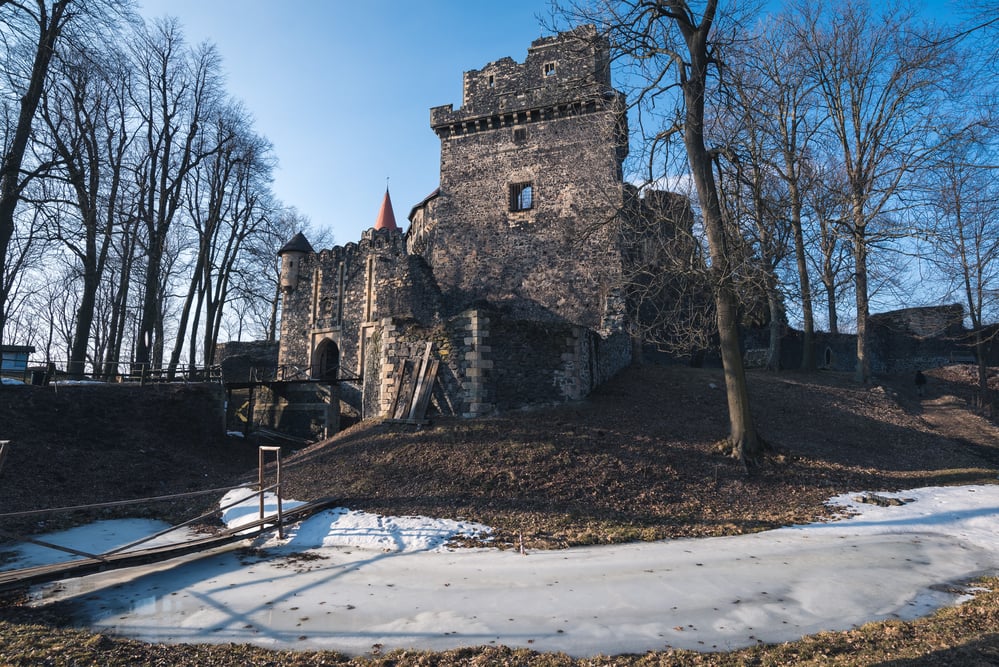
Amateur archaeologists in Poland’s Grodziec Forest District uncovered something that made professionals take notice. A ceramic pot buried over 1,500 years ago contained a Gothic gold necklace weighing 222 grams.
The complete gold torc features a hook and loop closure that still functions perfectly. Someone had carefully bent and folded it to fit inside the pot.
This marks the first Gothic torc ever discovered on Polish soil, suggesting trade routes and cultural exchange between Gothic communities and local populations during the Migration Period. The necklace now sits in a museum, but it spent fifteen centuries waiting in that forest.
Egypt Never Runs Out of Stories

Egyptian tombs keep appearing where you least expect them. This year, teams announced the discovery of 33 tombs in southern Egypt and 63 in the Nile Delta.
Gold amulets, coins, and pottery filled these burial sites, most dating back about 2,000 years to later periods in Egyptian history. Near the Saqqara necropolis, a joint French-Swiss team found the tomb of Tetinebefou, a high-status healer from Egypt’s 5th Dynasty.
The tomb contained rare medical instruments and inscriptions showing he served as both priest and physician. Another discovery near Luxor revealed a family tomb used for multiple generations from the 12th through the beginning of the 13th Dynasty.
The coffins held men, women, and children, all preserved in the dry Egyptian climate.
Art That Refuses to Age

A cave on the island of Sulawesi in Indonesia holds something remarkable. Scientists announced in 2024 that a painted scene showing people hunting pig-like animals is at least 51,200 years old.
This makes it the oldest cave art ever found. The previous record holder was also in Indonesia—a drawing of pigs about 5,000 years younger.
These dates keep getting pushed back as new techniques reveal older and older artwork. The scene itself is surprisingly detailed.
You can make out individual hunters working together to drive their prey. Early humans had sophisticated artistic abilities long before anyone thought possible.
Petra’s Hidden Treasure

Everyone knows the Treasury at Petra—that famous facade carved into red sandstone cliffs in Jordan. Tour guides have told the legend for years about treasure hidden in the large urn above the entrance.
The urn is solid sandstone, so that legend proved false. But archaeologists discovered something better in 2024.
Beneath the Treasury, they found a tomb containing 12 ancient skeletons. Few tombs at Petra actually contain human remains, which makes this discovery particularly valuable.
The Nabateans, an early branch of Arab people, began burying their dead at Petra in the fourth century BC. These skeletons offer researchers their first real chance to study these vanished people up close.
Pompeii Continues Its Performance
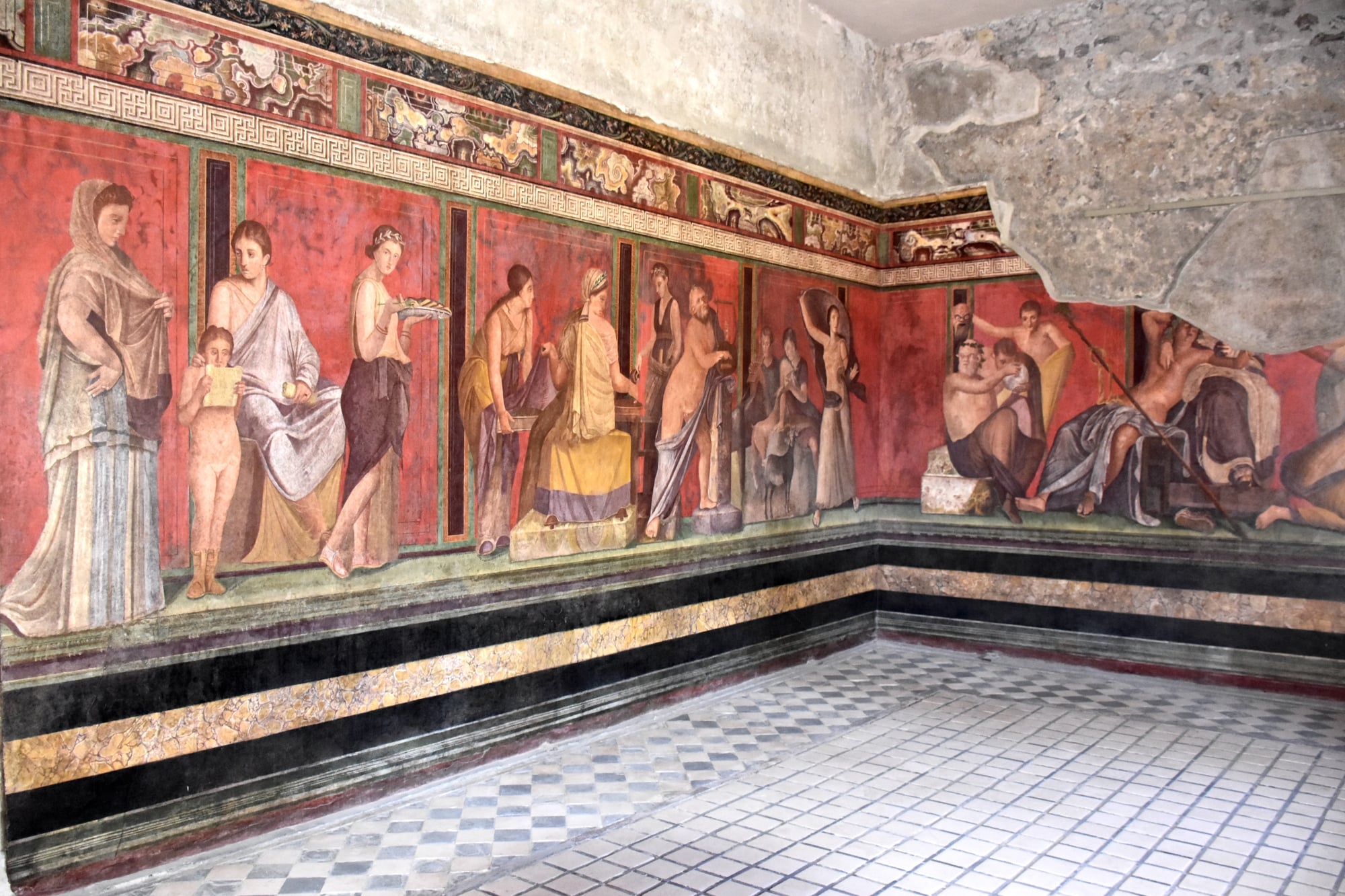
Pompeii turns up new discoveries almost every year, and 2024 was no exception. Workers uncovered a banqueting room decorated with frescoes depicting mythological characters and figures from the Trojan War.
Helen, Paris, and Cassandra adorn the walls of this elegant entertaining space. The walls were painted black to prevent smoke from oil lamps leaving marks—a practical solution from interior designers 2,000 years ago.
Another house revealed frescoes with more intimate themes, including paintings of Phaedra and Venus with Adonis. The volcanic ash that destroyed Pompeii in 79 AD has preserved these artworks in remarkable condition.
They look like they were painted recently, not during the reign of Roman emperors.
Footprints in Stone

A quarry worker in Oxfordshire spotted something unusual while operating his digger in 2024. He had uncovered roughly 200 dinosaur footprints made 166 million years ago.
The tracks show the movements of two different species—a long-necked sauropod called Cetiosaurus and a smaller meat-eating Megalosaurus. This discovery represents the largest dinosaur trackway site ever found in the UK.
A team of over 100 scientists, students, and volunteers spent months excavating and documenting the site. The footprints reveal how these creatures walked, where they went, and even hint at their behavior.
Some tracks overlap, suggesting these dinosaurs passed through the area at different times.
The Pharaoh Who Went Missing

King Thutmose II ruled Egypt briefly in the 15th century BC, but his tomb remained lost for more than a century. That changed in February 2025 when a combined British and Egyptian team announced they had found it.
The tomb sits near the Valley of the Kings, where many famous pharaohs were laid to rest. This marks the first royal tomb discovered in that area since King Tutankhamun in 1922.
Inside, archaeologists found walls covered in hieroglyphics and a painted celestial ceiling that must have taken months to complete. Thutmose II was married to his half-sister Hatshepsut, who later became pharaoh herself.
The discovery helps fill gaps in our understanding of that tumultuous period in Egyptian history.
Riding in Style, Ancient Edition

A woman’s grave in northwest China revealed something unexpected. Among the burial goods, archaeologists found a 2,700-year-old saddle made from leather and stuffed with straw and animal hair.
The dry desert environment preserved these organic materials perfectly. Before this discovery, experts believed people rode horses bareback or with just a mat or blanket.
Saddles represented a technological advance that allowed riders to travel longer distances without hurting themselves or their mounts. This saddle from the Yanghai cemetery pushes that timeline back significantly.
Researchers think horse riding was introduced into China from Central Asia, but this saddle is now the earliest example in the archaeological record.
Cities That Hid Under Green
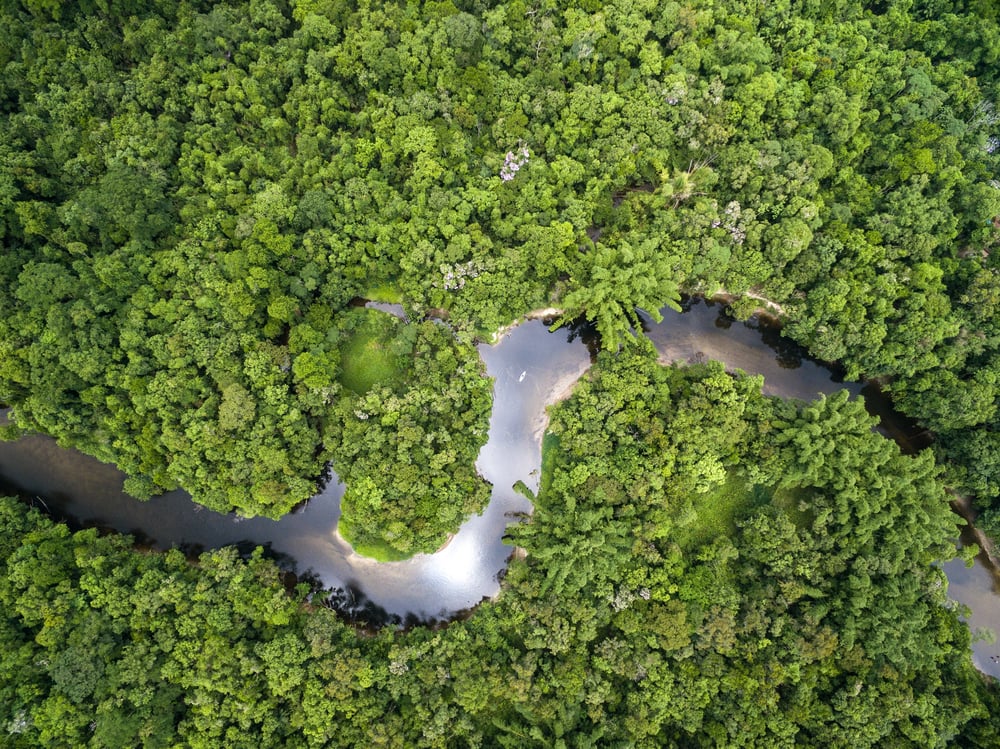
Ground-sensing technology revealed something nobody expected in the Amazon rainforest. Archaeologists found the oldest urban settlements in the Amazon—a complex network of over 6,000 interconnected earthen platforms dating back 2,000 years.
Growing food in the Amazon is difficult, which is why people assumed ancient cities never existed there. But the strange shapes visible from the sky told a different story.
These settlements covered vast areas and required sophisticated engineering to build. The discovery changes everything we thought we knew about ancient Amazonian civilizations.
Meanwhile, in Peru, researchers unveiled the 3,800-year-old city of Peñico in July 2025. The site contains 18 structures including ceremonial temples and residential compounds from the ancient Caral civilization.
No defensive walls or weapons have been found—this appears to have been one of the ancient world’s most peaceful societies.
Waiting Beneath Everything

The ground keeps its secrets well. Artifacts spend centuries or millennia hidden, preserved by luck and geology, waiting for someone to notice.
Each discovery rewrites small pieces of the human story. That tiny bronze warrior from Bavaria tells us about ancient mercenaries and cultural exchange.
Those jade dragons speak of artistic dedication and ritual importance. The burned scroll from Herculaneum proves that technology can unlock what seemed forever lost.
Some treasures come from planned excavations by professional teams. Others appear because a construction worker hit something unexpected or an amateur with a metal detector walked across the right field.
The next major discovery might happen tomorrow, or it might wait another thousand years. Either way, the past stays patient, knowing someone will eventually come looking.
More from Go2Tutors!

- The Romanov Crown Jewels and Their Tragic Fate
- 13 Historical Mysteries That Science Still Can’t Solve
- Famous Hoaxes That Fooled the World for Years
- 15 Child Stars with Tragic Adult Lives
- 16 Famous Jewelry Pieces in History
Like Go2Tutors’s content? Follow us on MSN.



