17 Times the Mandela Effect Tricked the World
Memory is a strange thing. You can be absolutely certain you remember something — a logo, a movie quote, a product name — and then discover the thing you remember never existed that way.
Not a misread, not a quick glance. A firm, confident memory. Wrong.
That’s the Mandela Effect in a nutshell. Named after the widespread false belief that Nelson Mandela died in prison during the 1980s (he was released in 1990 and became South Africa’s president), the phenomenon describes shared false memories that large groups of people hold with surprising confidence.
Whether it’s a brain quirk, a cultural echo, or something stranger, these mix-ups have fooled millions. Here are 17 times it happened on a scale hard to ignore.
The Monopoly Man Never Had a Monocle

Ask almost anyone to picture the Monopoly man — Rich Uncle Pennybags — and they’ll describe a round, cheerful fellow with a top hat and a monocle over one eye. The image feels so specific. So Victorian.
He has never worn a monocle. Not on the box, not in the game art, not anywhere in official Monopoly history.
The monocle that lives so vividly in people’s memories doesn’t exist. Many believe the confusion comes from Mr. Peanut, the Planters mascot, who actually does wear one.
The two old-fashioned gentlemen got tangled together somewhere in the collective brain.
Fruit of the Loom Never Had a Cornucopia

The Fruit of the Loom logo shows fruit. Grapes, apples, leaves. But a significant number of people swear there was always a cornucopia — that woven horn of plenty — behind the fruit.
So many people remember it that the company reportedly had to confirm multiple times: there is no cornucopia. There never was.
The brain seems to have filled in the gap with what made visual sense. Fruit spilling out of a harvest horn fits the brand perfectly. It’s just not real.
It’s the Berenstain Bears, Not Berenstein

This one gets people genuinely rattled. Generations of children grew up with the Bear family — Papa Bear, Mama Bear, Brother Bear, Sister Bear. And a huge portion of those children would spell the name with an “e” at the end: Berenstein.
The actual name is Berenstain. Always has been. The authors, Stan and Jan Berenstain, put their own name on the cover.
But the “-stein” ending felt so natural — it followed the pattern of common surnames — that countless readers quietly rewrote it in their heads, then carried that version into adulthood.
Darth Vader Said Something Slightly Different
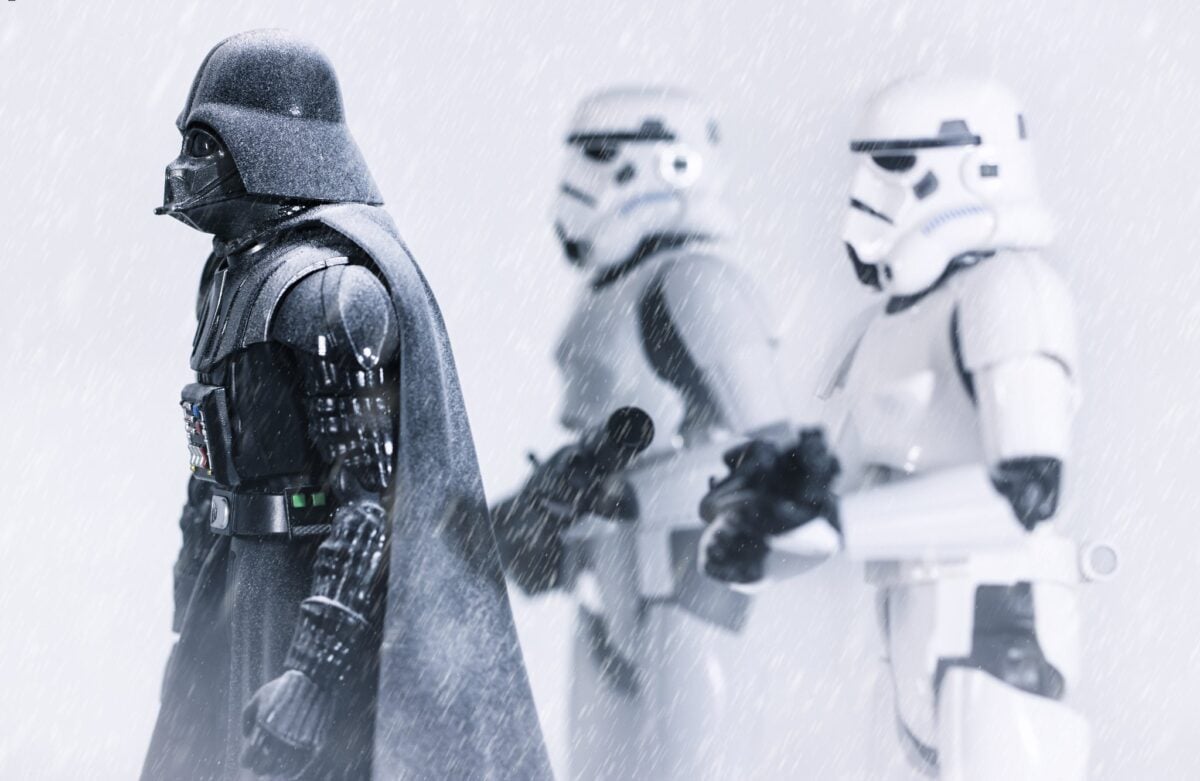
“Luke, I am your father.” Iconic. Quotable. Said at parties, in memes, at Halloween. Except the line, as delivered in The Empire Strikes Back, is actually: “No. I am your father.”
The word “Luke” doesn’t appear there. The scene has Vader responding to Luke’s cry that Vader killed his father — making the “No” the dramatic hinge of the whole exchange.
Without that context, people rebuilt the quote around the name, and the version with “Luke” stuck so hard that most people are genuinely startled to hear the correction.
“Magic Mirror” Not “Mirror, Mirror”
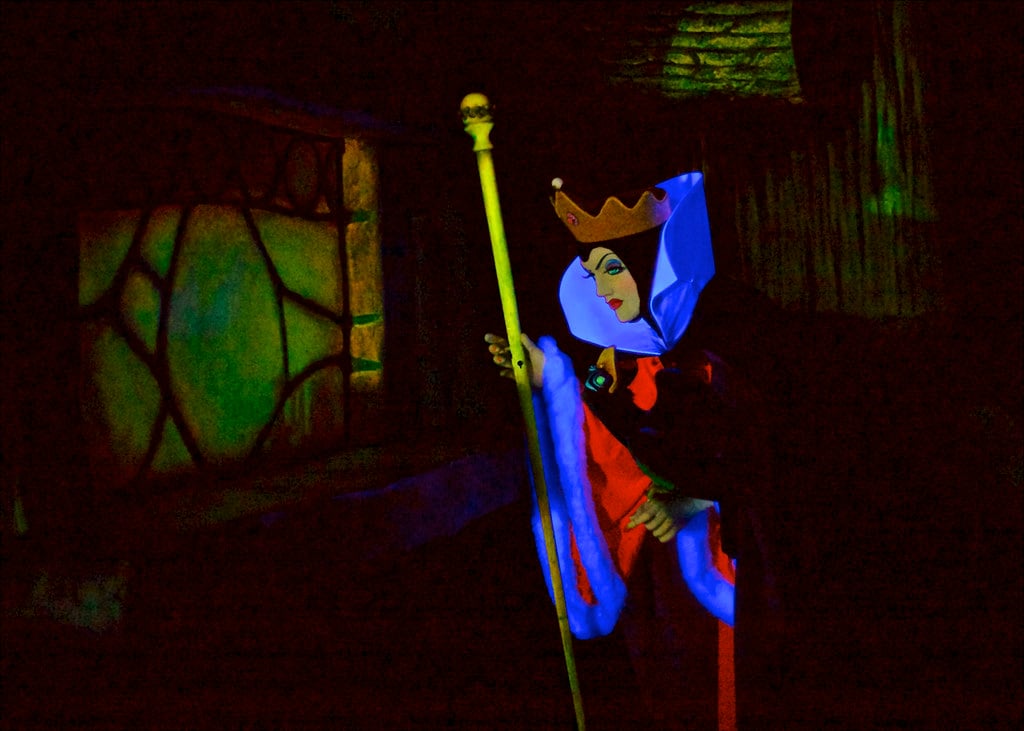
Snow White. The Evil Queen. The famous scene where she asks the mirror who’s the fairest of them all.
Everyone remembers the opening as “Mirror, mirror on the wall.” In the 1937 Disney film, the line is “Magic mirror on the wall.”
The 2012 film Mirror Mirror probably didn’t help matters — it cemented the misquote in modern culture. But the original Disney version never said it that way.
Jiffy Peanut Butter Doesn’t Exist

“I’ll be back in a jiffy.” The phrase is everywhere.
And so, in many people’s memory, is Jif peanut butter — sold under the name Jiffy. Countless people recall the yellow label saying Jiffy, not Jif.
There is no Jiffy peanut butter. The brand has always been Jif, a three-letter name.
There was a Jiffy peanut butter brand at some point in history, but it wasn’t Jif. The names crossed somewhere in memory, and the confusion has never fully cleared.
Curious George Has No Tail

George is a curious little monkey. And monkeys have tails.
That feels like basic biology. But Curious George doesn’t have one.
He never has, across decades of books, television episodes, and films. Look at any illustration — no tail.
The assumption is so automatic that most people never checked.
Pikachu’s Tail Has No Black Tip
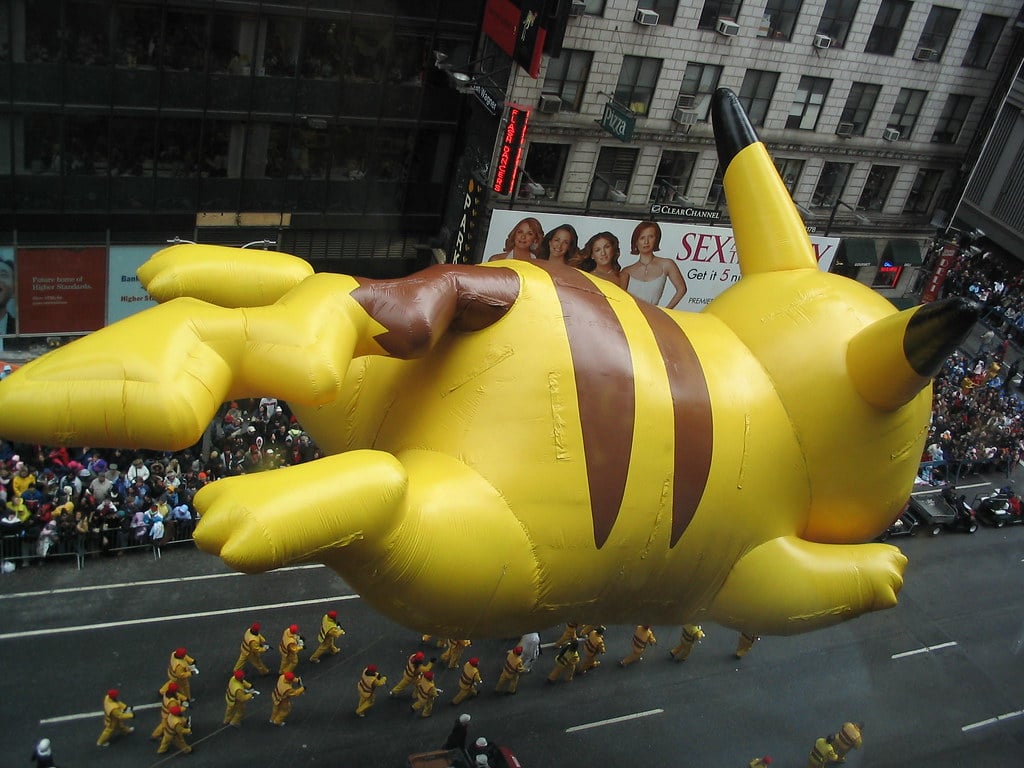
Pokémon fans have argued this one for years. Many people clearly remember Pikachu having a black tip at the end of his yellow tail, similar to the black-tipped ears on top of his head.
His tail is solid yellow. No black.
The ears do have black tips, which may be where the memory borrows from. But the tail — one of the most recognisable shapes in modern pop culture — is entirely yellow.
Queen Never Finished “We Are the Champions” the Way You Think
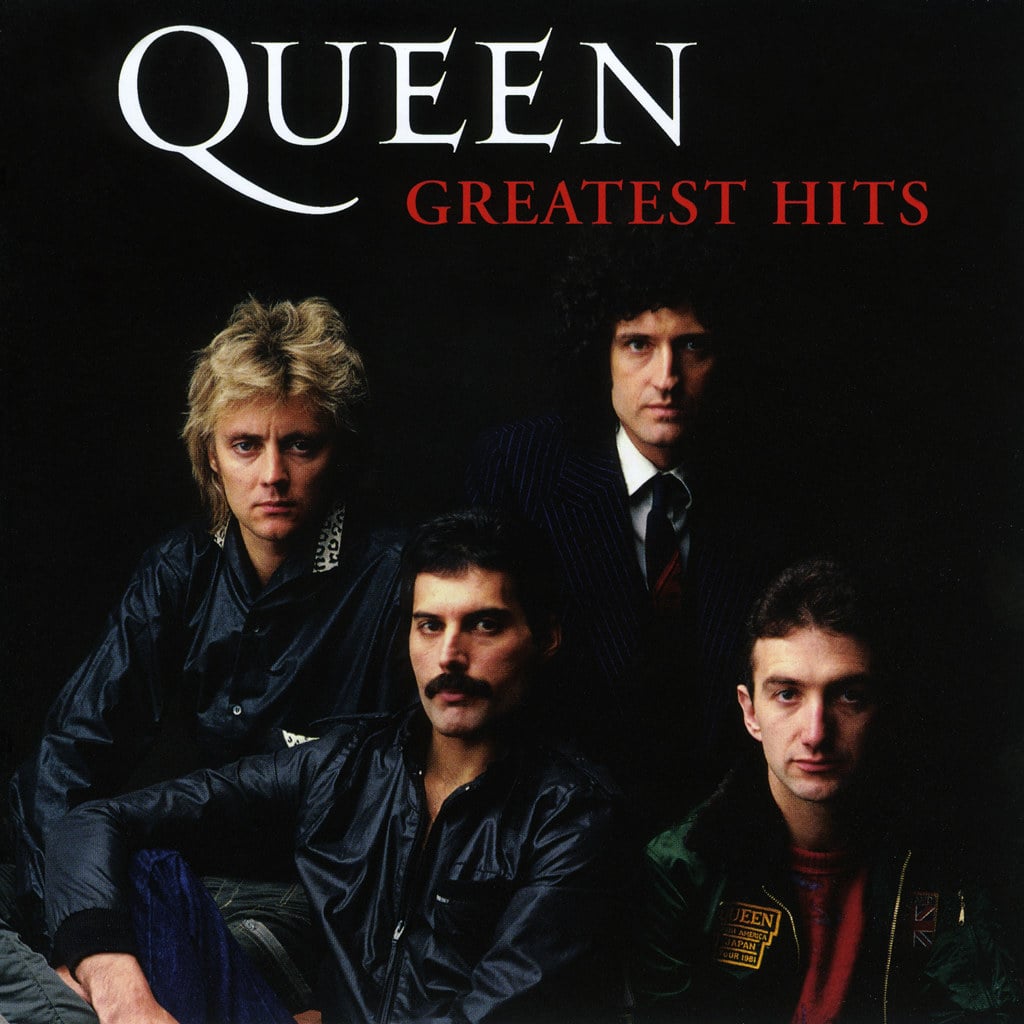
At the end of “We Are the Champions,” Freddie Mercury’s voice soars and the song seems to conclude with “…of the world.” It feels like the natural finish.
The crowd always sings it that way. The studio recording ends on “we are the champions” — full stop.
“Of the world” doesn’t follow. Live versions and cultural repetition added the extension so reliably that the actual ending now sounds wrong to most listeners.
Kit Kat Has No Hyphen

Kit-Kat. That’s how it looks in most people’s heads — two words joined with a little dash in the middle.
Reasonable enough. The chocolate bar has always been written as Kit Kat.
Two words, no hyphen, no dash. The packaging confirms it.
Yet the hyphenated version persists so stubbornly that some people argue about it even while holding a wrapper.
It’s Looney Tunes, Not Looney Toons

Bugs Bunny. Daffy Duck. The whole Saturday morning gang.
The show is called Looney Tunes — spelled like musical tunes, a play on the “Merrie Melodies” style of the cartoons. A large number of people remember it as Looney Toons — like cartoons.
The logic seems sound. They’re cartoons.
But the name was always a music pun, not a cartoon pun. Tunes, not Toons.
Chick-fil-A Spells It That Way on Purpose

The fast food chain’s name looks like it should be spelled differently. People write it as Chick-Fil-A, Chick Fil A, Chick-fil-a — all kinds of variations.
The official spelling uses a lowercase “f” in “fil” and a capital “A” at the end with a hyphen before it: Chick-fil-A. The “A” stands for grade-A chicken.
The specific capitalisation is intentional. But it’s one of those brand names that seems to fight the eye, making people second-guess what they’ve seen hundreds of times.
Oscar Mayer, Not Oscar Meyer
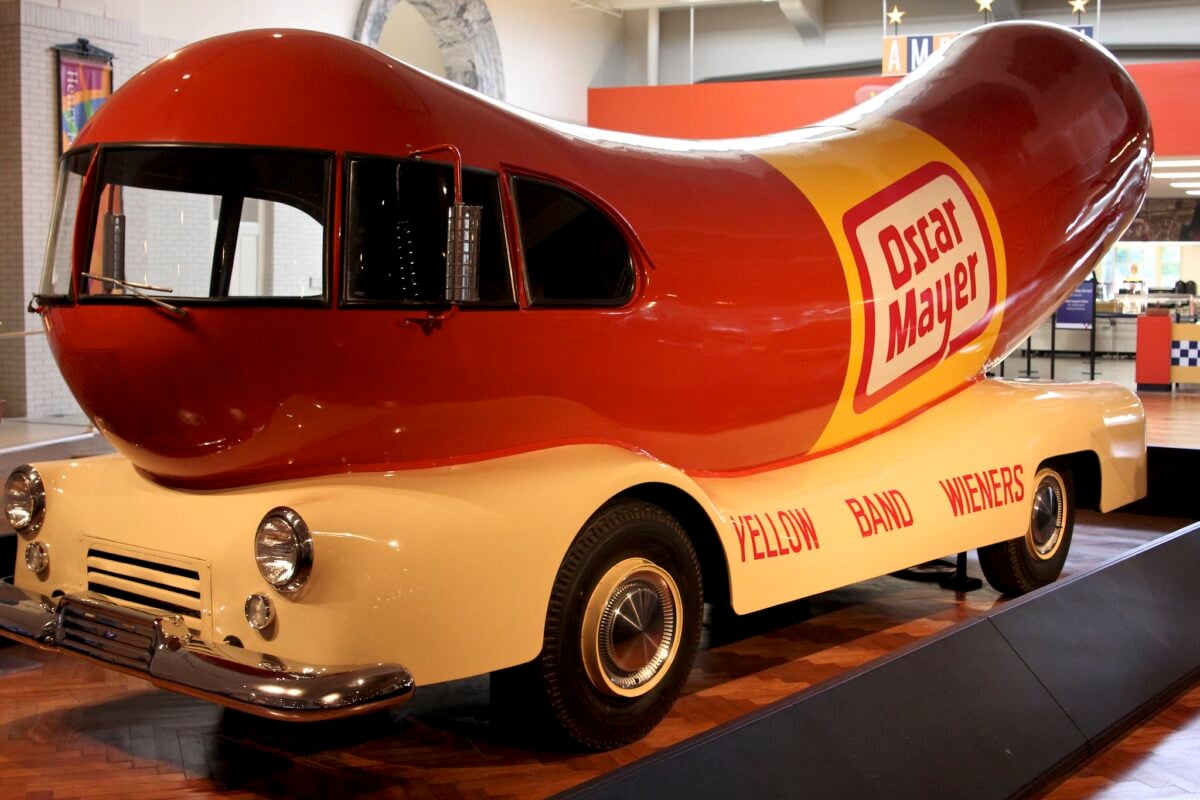
The hot dog and deli brand. Most people confidently spell the last name as Meyer — with an “e” before the “y.” It follows the pattern of other common German-origin surnames.
The brand is Oscar Mayer, with an “a.” The original founder was Oscar Ferdinand Mayer.
But the Meyer spelling feels more familiar, and the mix-up is so consistent that the brand has had to address it repeatedly over the years.
Febreze Has Three E’s, Not Four

The air freshener seems like it should be spelled Febreeze. It’s based on the word “breeze,” after all — a light, fresh wind.
Double-e in the middle makes complete sense. The actual product name is Febreze — one “e” in the middle.
Procter & Gamble simplified it during branding. But the logical spelling is so compelling that people write the extra “e” back in without thinking.
Interview With the Vampire, Not a Vampire

Anne Rice’s novel and the film adaptation are called Interview With the Vampire. Definite article. “The” vampire.
A significant number of people recall the title as Interview With a Vampire — indefinite article, a stranger being interviewed. The “a” version sounds slightly more natural as a phrase, which may explain why it sticks.
But Rice’s title always used “the.”
“Life Was Like a Box of Chocolates”
“Life is like a box of chocolates, you never know what you’re gonna get.” Tom Hanks. Forrest Gump. Benches. Feathers. One of the most repeated movie quotes in history.
Except Forrest says “was,” not “is.” “Mama always said life was like a box of chocolates.” Past tense. He’s quoting his mother from memory.
The “is” version has been repeated so many times in the outside world that it has effectively replaced the actual line in most people’s memory.
The Colour Chartreuse Surprises Almost Everyone

If someone asked you to picture chartreuse, what comes to mind? Most people land on a deep pinkish-red — something close to magenta or fuchsia. The name just sounds like it should belong to that end of the colour wheel.
Chartreuse is a yellow-green. It sits between yellow and green, named after a French liqueur of that colour.
The disconnect between the sound of the name and its actual shade has fooled people for so long that it’s become one of the more reliable tests of the Mandela Effect in real life.
The Brain Was Always Going to Fill in the Gaps
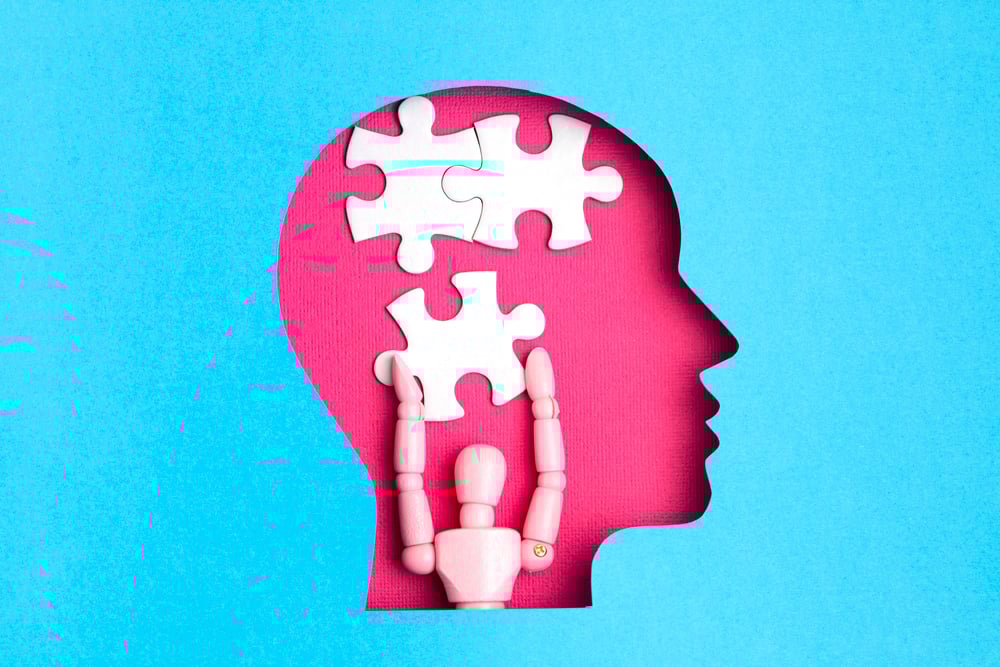
What makes the Mandela Effect genuinely fascinating isn’t the individual errors — it’s how consistent they are across millions of people who’ve never compared notes. Memory doesn’t record the world like a camera.
It reconstructs. It fills gaps with logic, pattern, and expectation.
And when those reconstructions align across a culture, they start to feel like fact. The Monopoly man’s monocle.
Berenstein. “Luke, I am your father.” These aren’t random errors.
They’re the brain doing exactly what it’s designed to do — making sense of things. It just makes sense of them slightly wrong, then holds onto that version with complete confidence.
Next time you’re absolutely certain about something you remember, it’s worth pausing for just a second. The certainty itself is part of the trick.
More from Go2Tutors!

- The Romanov Crown Jewels and Their Tragic Fate
- 13 Historical Mysteries That Science Still Can’t Solve
- Famous Hoaxes That Fooled the World for Years
- 15 Child Stars with Tragic Adult Lives
- 16 Famous Jewelry Pieces in History
Like Go2Tutors’s content? Follow us on MSN.