Incredible Firsts in Film History
Movies have become such a normal part of life that it’s hard to imagine a world without them. But every frame, every sound, and every technique we now take for granted had to start somewhere.
The story of the film is packed with brave experiments, lucky accidents, and bold ideas that changed entertainment forever. Let’s take a look at some of the most important firsts that shaped the way we watch movies today.
The first movie ever made
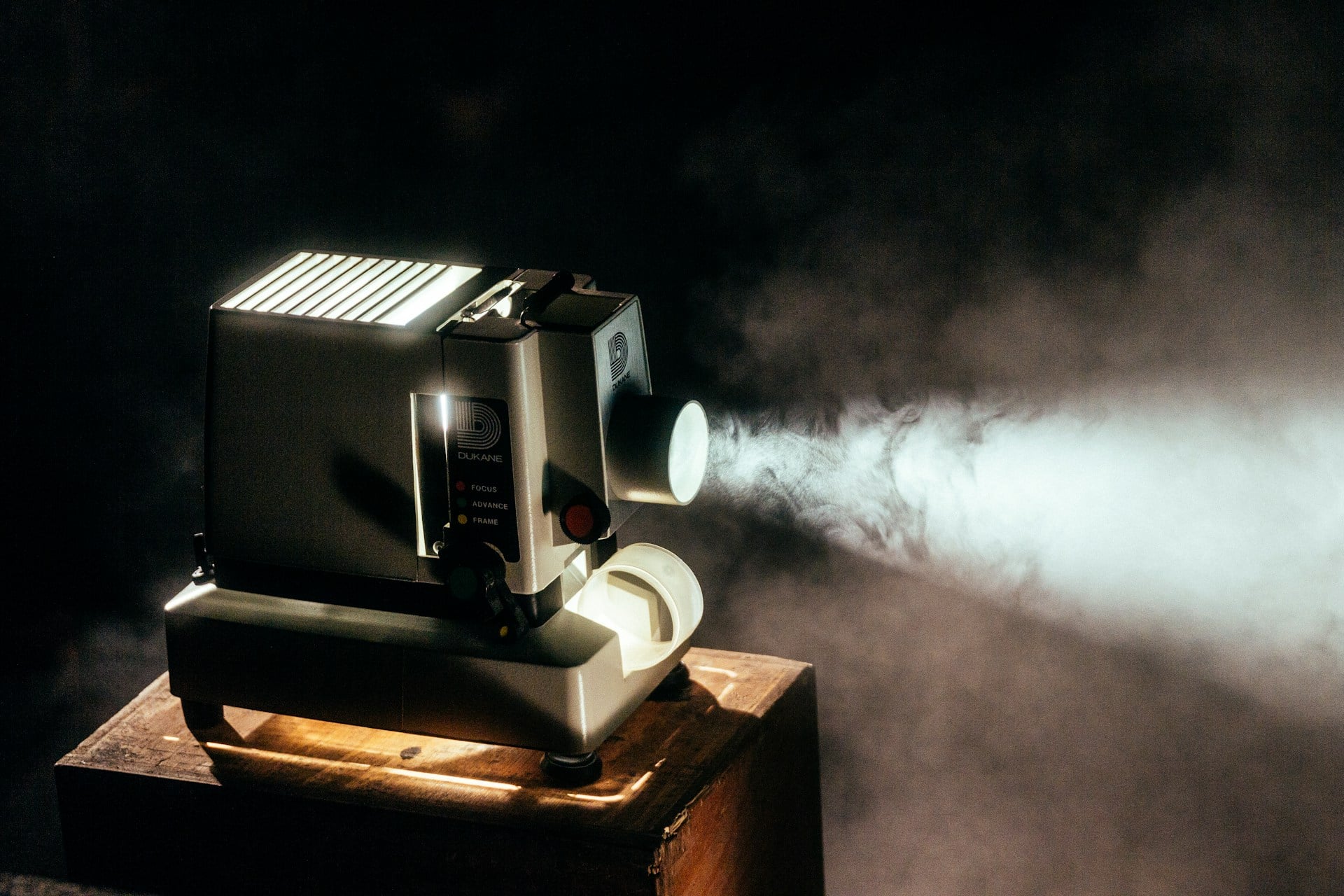
Louis Le Prince produced what many historians believe to be the first real film in 1888. He recorded a brief scene of people strolling through a garden in Leeds, England, using a single-lens camera.
The “Roundhay Garden Scene” clip was only roughly two seconds long. It demonstrated that movement could be captured on film, even though it wasn’t screened in theaters or seen by large audiences.
Le Prince’s work was all but forgotten for years after he vanished inexplicably in 1890.
The first public film screening
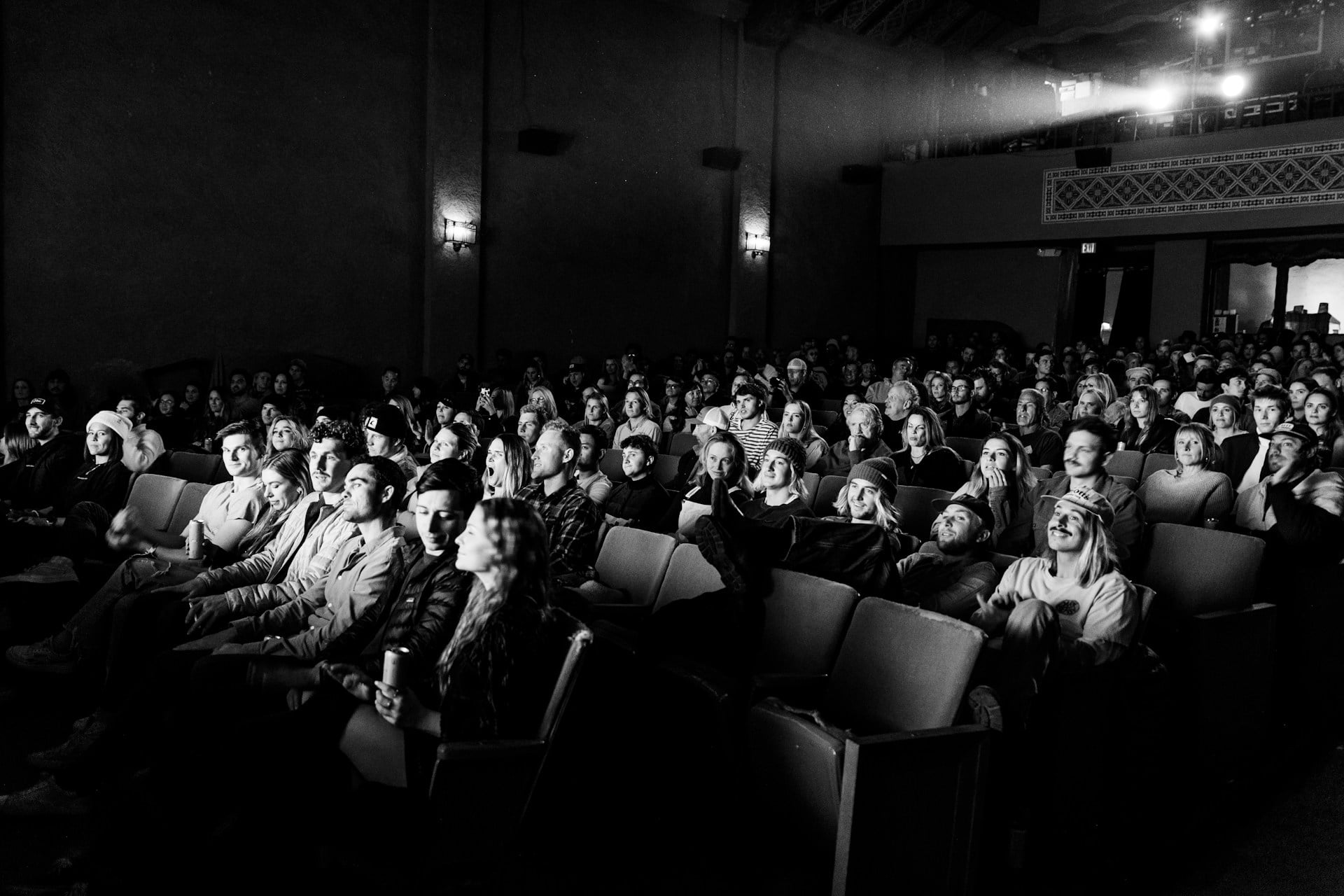
On December 28, 1895, Auguste and Louis Lumière hosted the first paid public movie screening in Paris. At the Grand Café, ten short films were screened, two of which featured workers departing a factory and a train pulling into a station.
The train footage apparently shocked the audience so much that some of them fled or ducked toward the back of the room. Many people consider this occasion to be the actual beginning of cinema as a public art form.
The first film with sound
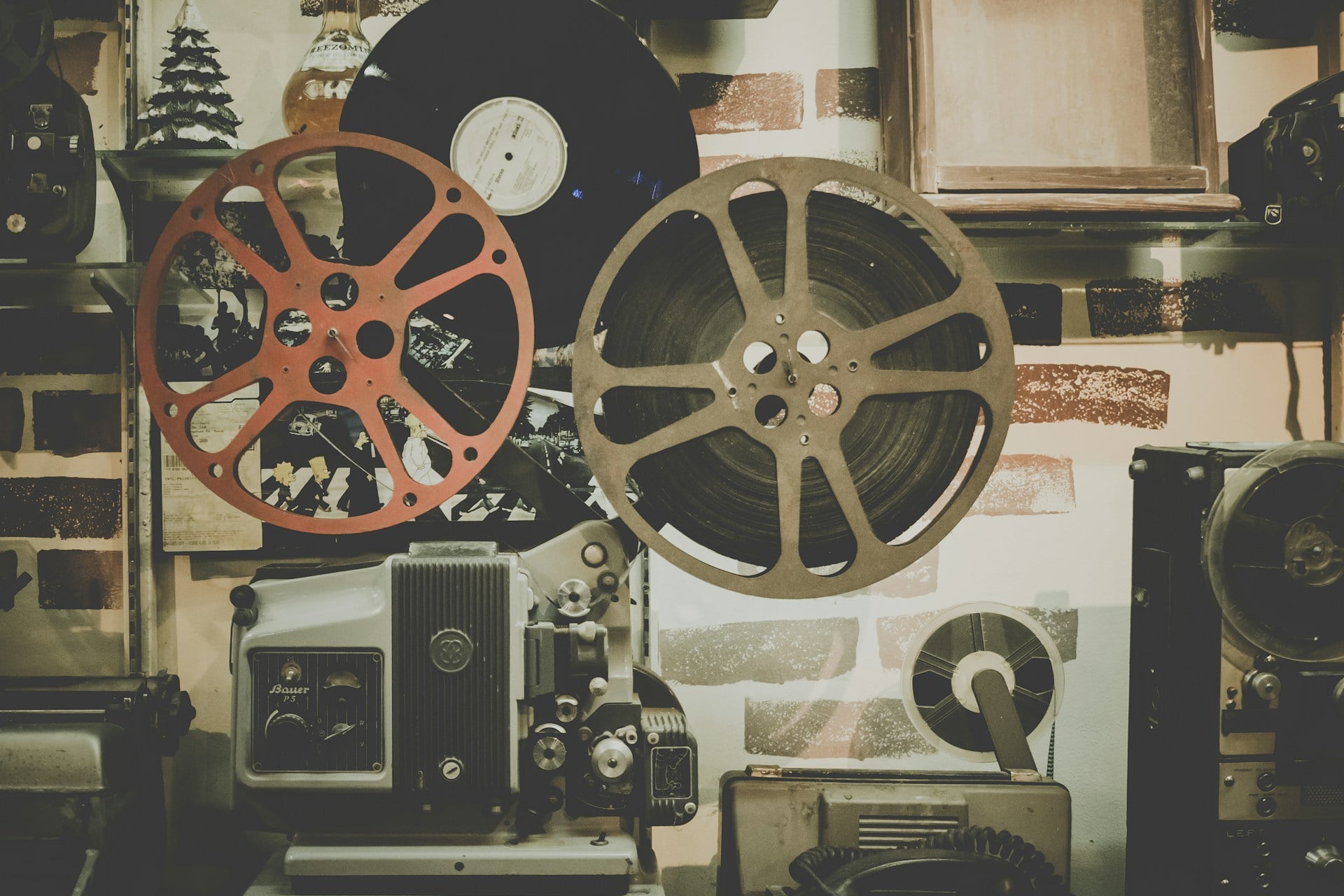
Although it wasn’t the first sound film, “The Jazz Singer” from 1927 was the first full-length motion picture with synchronized dialogue and went on to become a huge hit. Prior to this, live music or text cards were used to accompany silent films.
The movie starred Al Jolson, whose voice delighted viewers who had never heard an actor speak on screen. The success of “The Jazz Singer” brought an almost immediate end to the silent era and compelled studios to reconstruct their entire production process.
The first color film
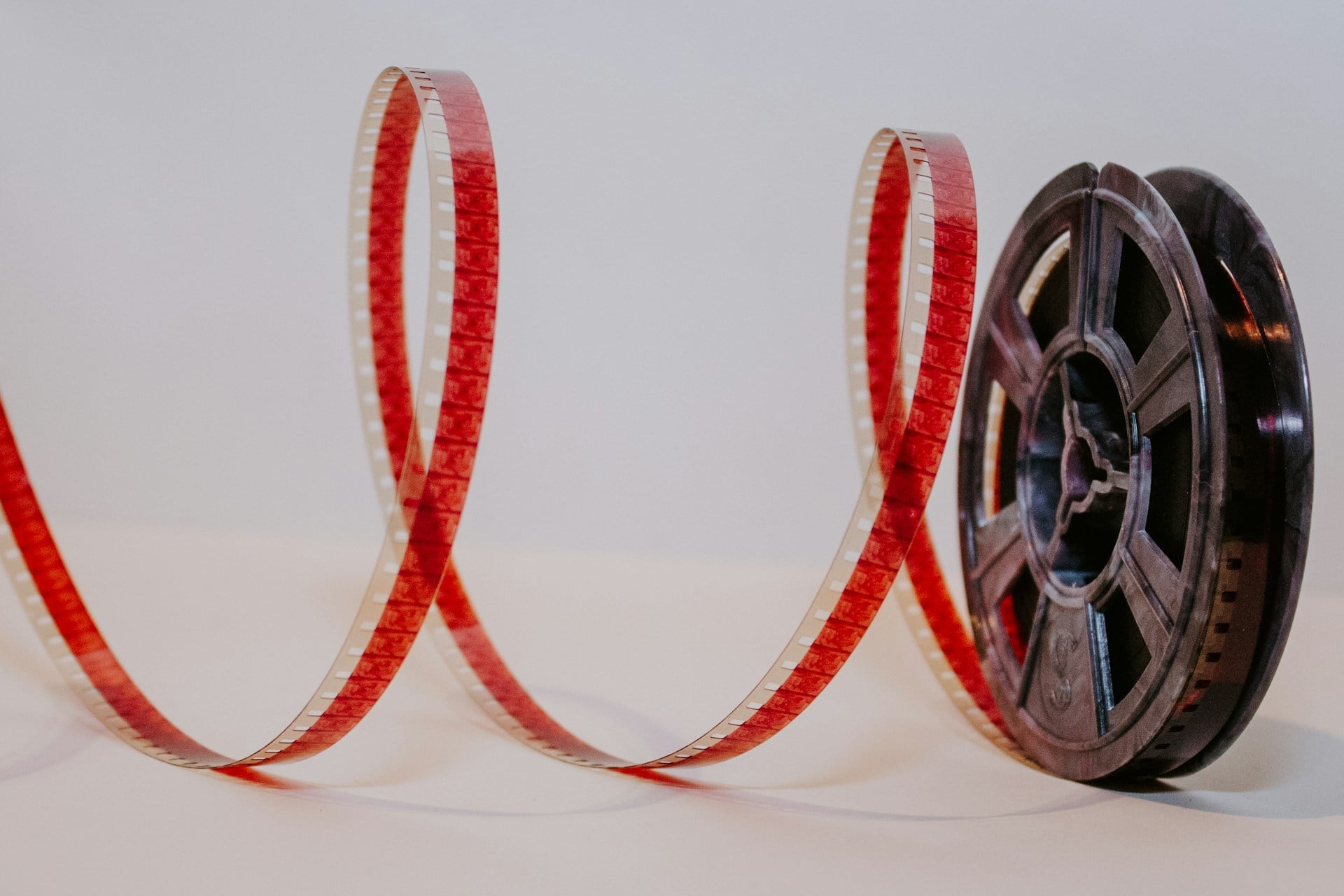
Filmmakers experimented with color as early as the 1890s by hand-painting each frame, but the first full-length color feature using a proper color process was ‘The Gulf Between’ in 1917. It used a two-color system that wasn’t perfect but showed that color film could work.
Later, ‘Becky Sharp’ in 1935 became the first feature filmed in three-strip Technicolor, which produced much richer and more lifelike colors. This process became the gold standard for decades and gave audiences a whole new way to experience stories.
The first animated feature film
Walt Disney’s ‘Snow White and the Seven Dwarfs’ premiered in 1937 and shocked Hollywood. Many critics called it ‘Disney’s Folly’ because they thought audiences wouldn’t sit through a full-length cartoon.
The film took three years to make and cost an enormous amount of money for the time. But it became a massive hit and proved that animation could be just as powerful and emotional as live action.
The first movie with a sequel

While many films had follow-ups in the early days, ‘The Fall of a Nation’ in 1916 is often credited as one of the first intentional sequels. It followed D.W. Griffith’s controversial 1915 film ‘The Birth of a Nation,’ though it was made by a different director.
The idea of continuing a story in another film was still very new, and most movies were standalone. Today, sequels are everywhere, but back then it was a risky and unusual move.
The first film to use CGI
Computer-generated imagery made its first real appearance in the 1973 film ‘Westworld.’ The movie featured a brief sequence showing the point of view of a robot, created using pixelated computer graphics.
It was crude compared to what we see now, but it opened the door for future filmmakers to blend technology with storytelling. Without this early experiment, movies like ‘Jurassic Park’ and ‘Toy Story’ wouldn’t have been possible.
The first fully CGI animated film
Pixar’s ‘Toy Story’ came out in 1995 and changed animation forever. Every character, object, and background was created using computers rather than traditional hand-drawn techniques.
The film took years to develop and required new software and hardware that didn’t exist when the project started. Its success launched Pixar into the spotlight and pushed other studios to adopt digital animation.
The first film to gross over a billion dollars
James Cameron’s ‘Titanic’ crossed the billion-dollar mark in 1998, becoming the first film ever to do so. It held the record for highest-grossing film for over a decade until Cameron beat his own record with ‘Avatar’ in 2009.
The film’s combination of romance, disaster, and groundbreaking effects brought audiences back to theaters multiple times. Reaching a billion dollars was once seen as impossible, but now it’s a goal many blockbusters aim for.
The first movie shown on an airplane

In 1921, a short film called ‘Howdy Chicago’ was shown during a flight between Chicago and New York. The screening was part of a publicity stunt by a company trying to promote air travel, which was still new and frightening to most people.
Passengers watched the film on a small screen inside the cabin, though the experience was far from comfortable. This quirky experiment eventually led to the in-flight entertainment systems we have today.
The first film with surround sound
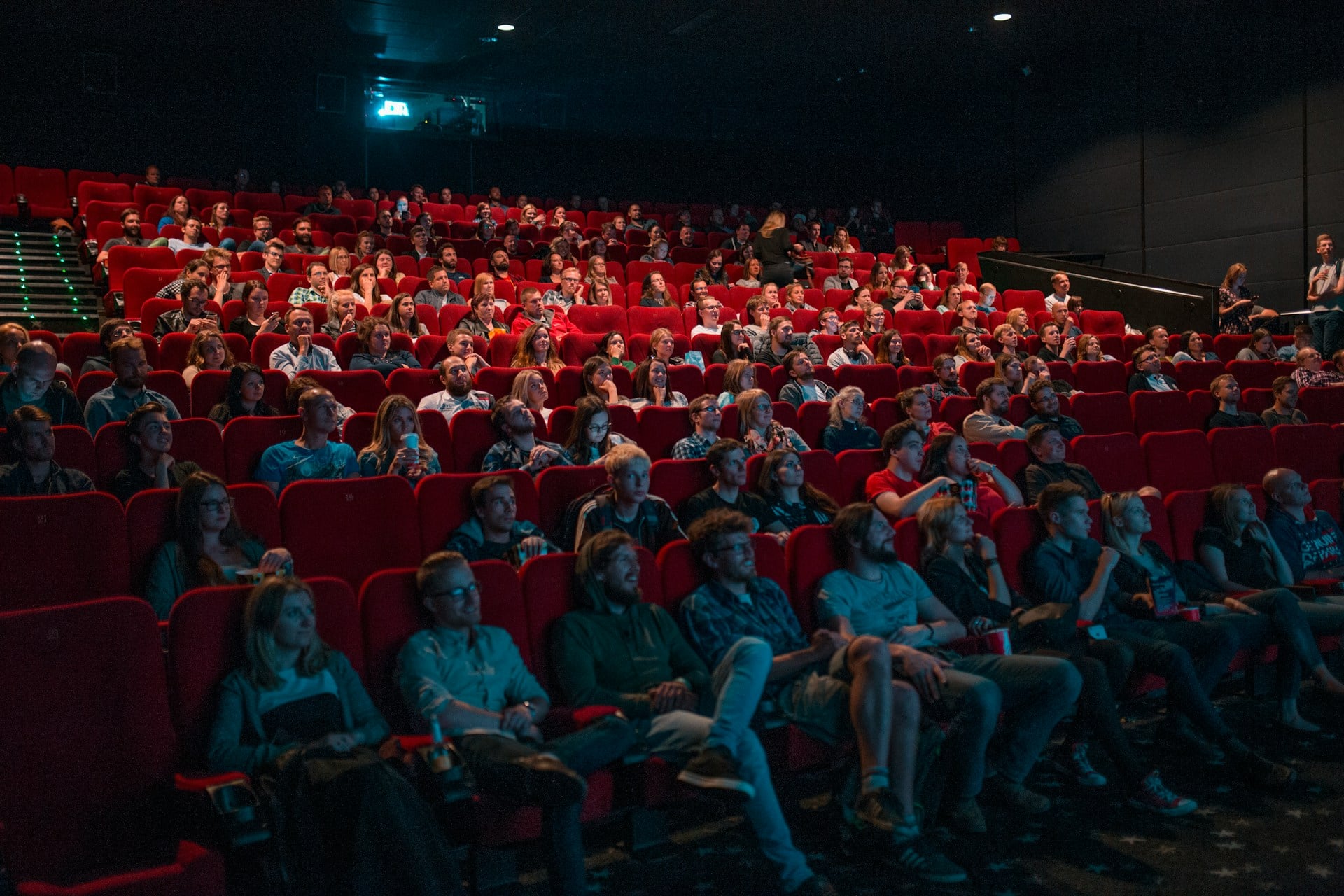
‘Fantasia’ in 1940 introduced a system called Fantasound, which used multiple speakers placed around the theater to create a surrounding audio experience. Disney and his team wanted the music to feel like it was moving through space, wrapping around the audience.
Only a few theaters were equipped to show the film this way because the technology was expensive and complicated. But it laid the groundwork for the surround sound systems that are now standard in cinemas worldwide.
The first horror movie
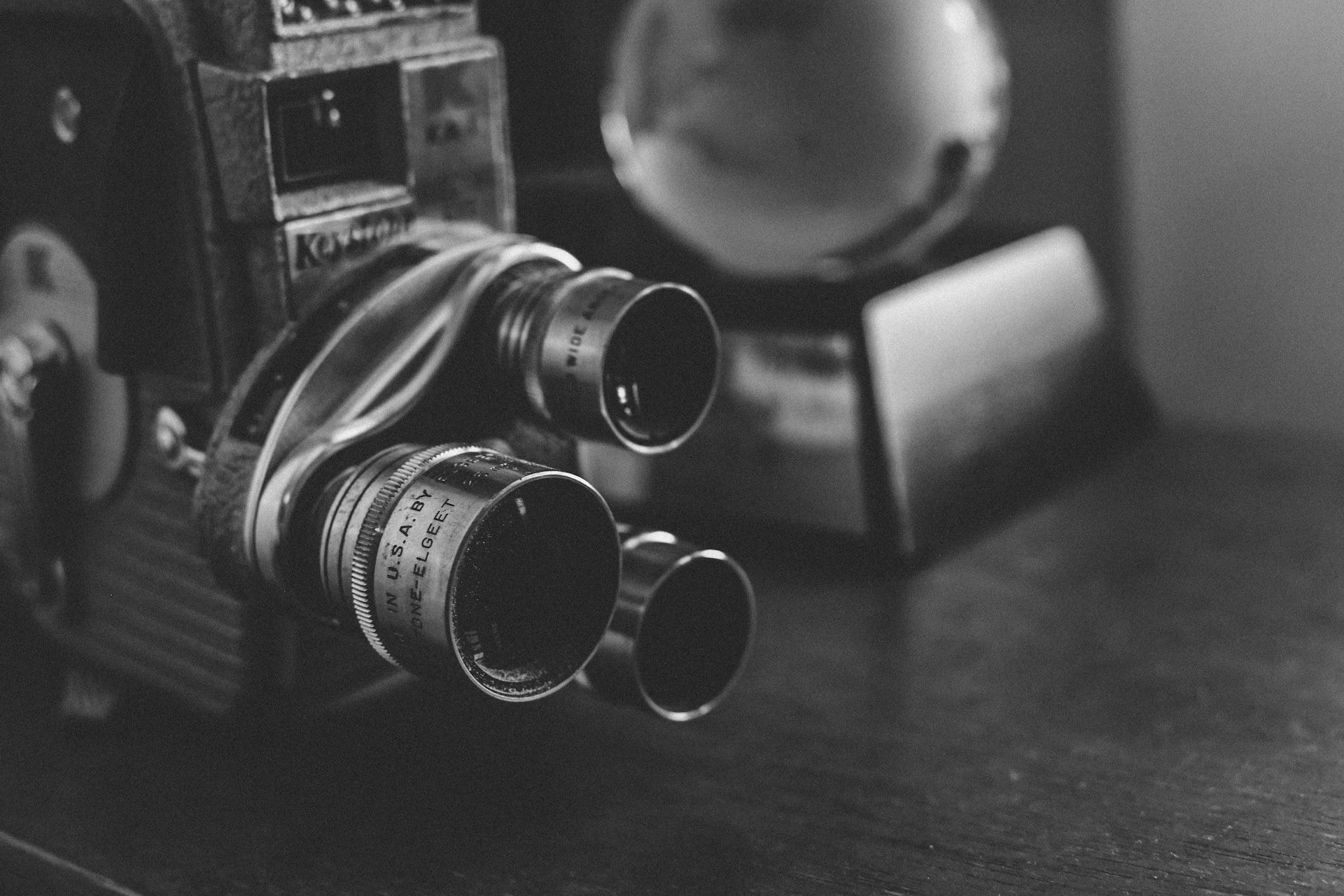
Georges Méliès, a French magician turned filmmaker, created ‘Le Manoir du Diable’ (The House of the Devil) in 1896. The short film featured bats, ghosts, and a demon character, using simple special effects to create spooky visuals.
It was only about three minutes long and played more like a magic trick than a serious horror film. Still, it established many of the tropes that horror movies would use for the next century.
The first science fiction film
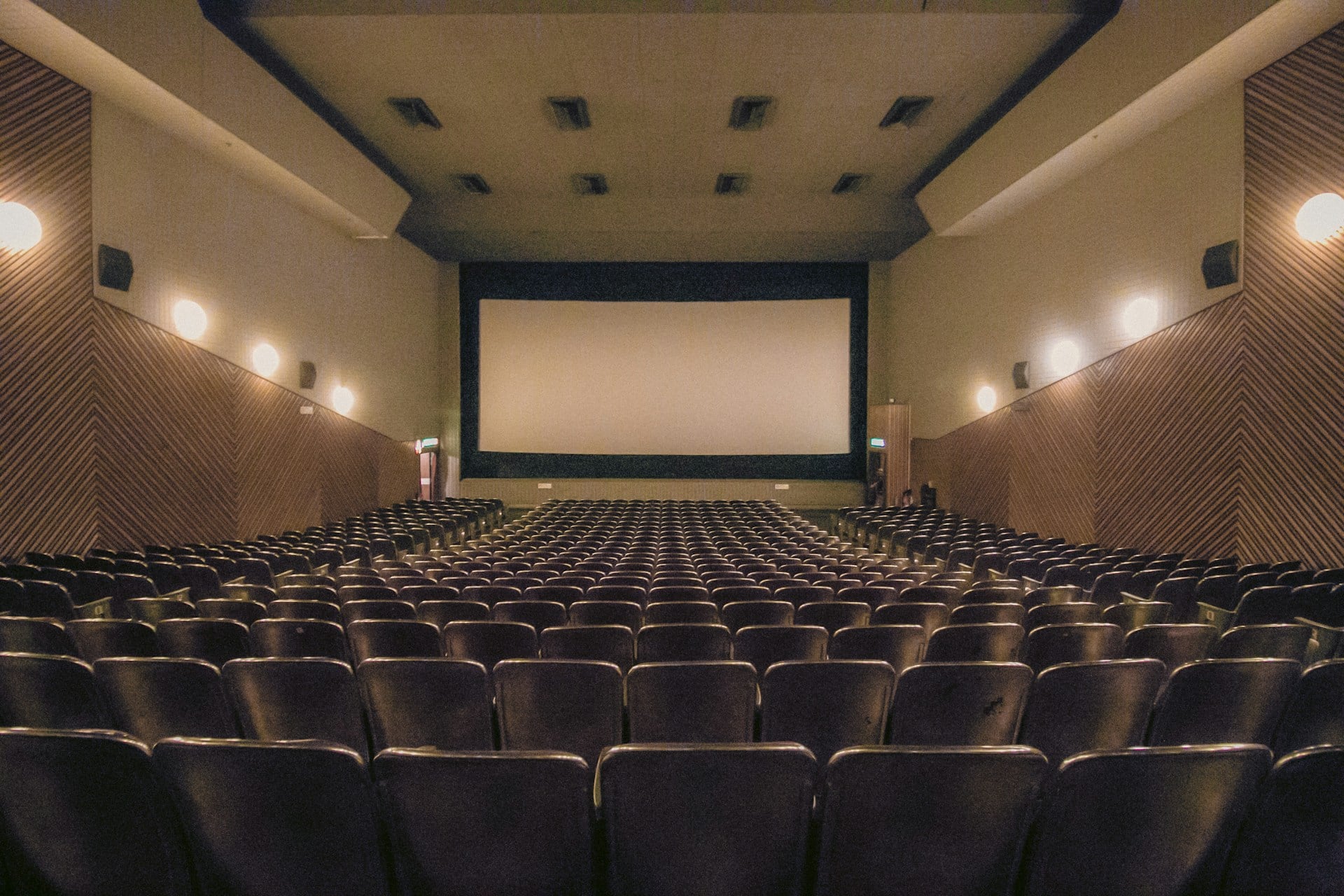
Méliès also made ‘A Trip to the Moon’ in 1902, which is widely considered the first science fiction movie. The film followed a group of astronomers who travel to the moon in a rocket-shaped capsule and encounter strange creatures.
It used innovative effects like dissolves, miniatures, and painted backdrops to create a fantastical world. The image of the rocket hitting the moon in the eye became one of the most iconic shots in film history.
The first 3D movie
‘The Power of Love’ premiered in 1922 and was the first feature-length film shown in 3D. Audiences wore special glasses with red and green lenses to see the effect, though the technology was far from perfect.
The film has since been lost, so no one can watch it today. 3D films came and went in waves over the decades, with varying levels of success, but the concept has always fascinated filmmakers and audiences alike.
The first movie with a director credit
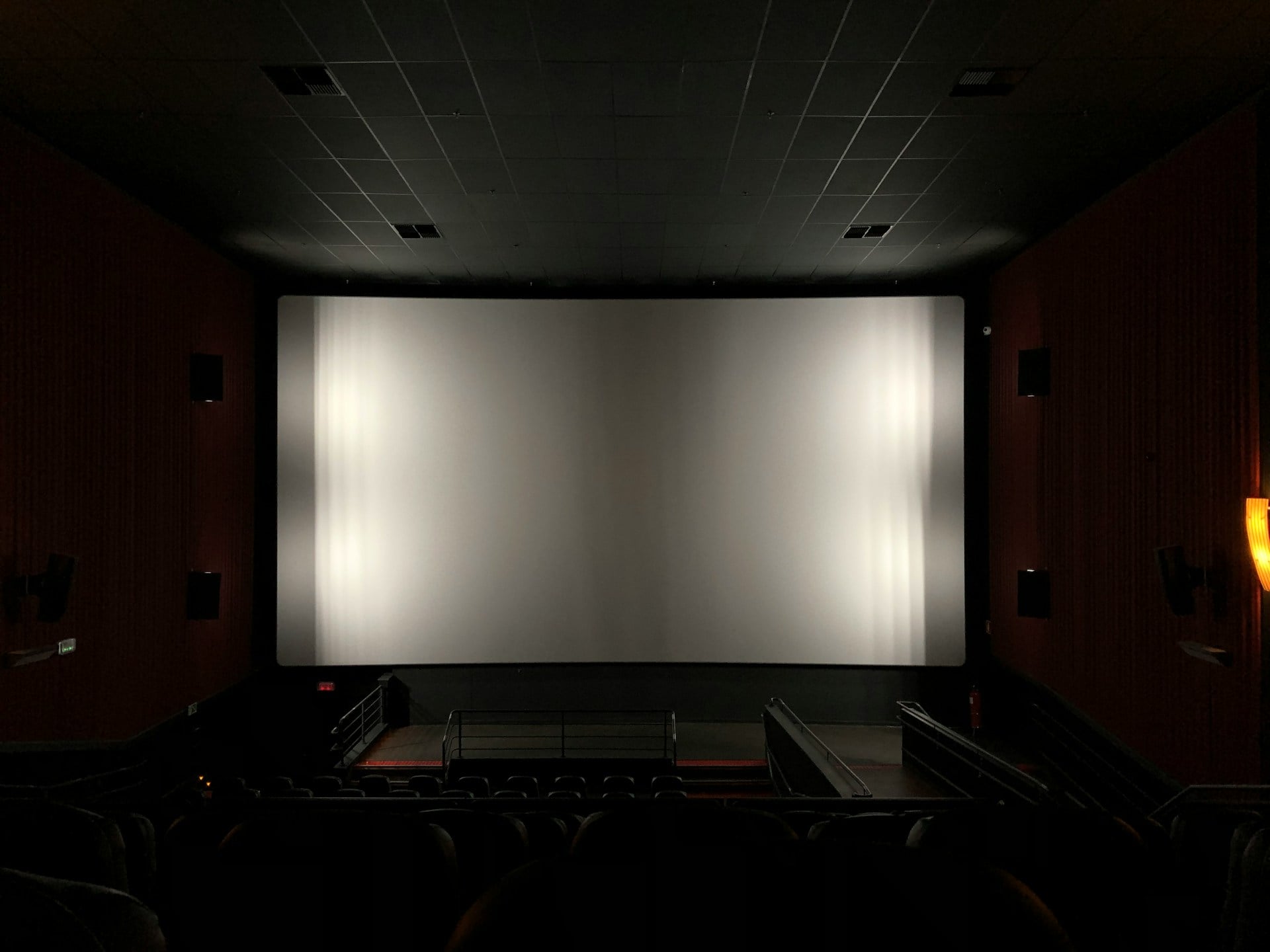
Before the 1910s, directors were rarely acknowledged in films. Actors were the stars, and directors worked behind the scenes without recognition.
D.W. Griffith’s name started appearing in advertisements and credits around 1913, making him one of the first directors treated as an important creative force. This shift helped change the way people thought about filmmaking, turning it from a novelty into a respected art form.
The first stunt in a movie
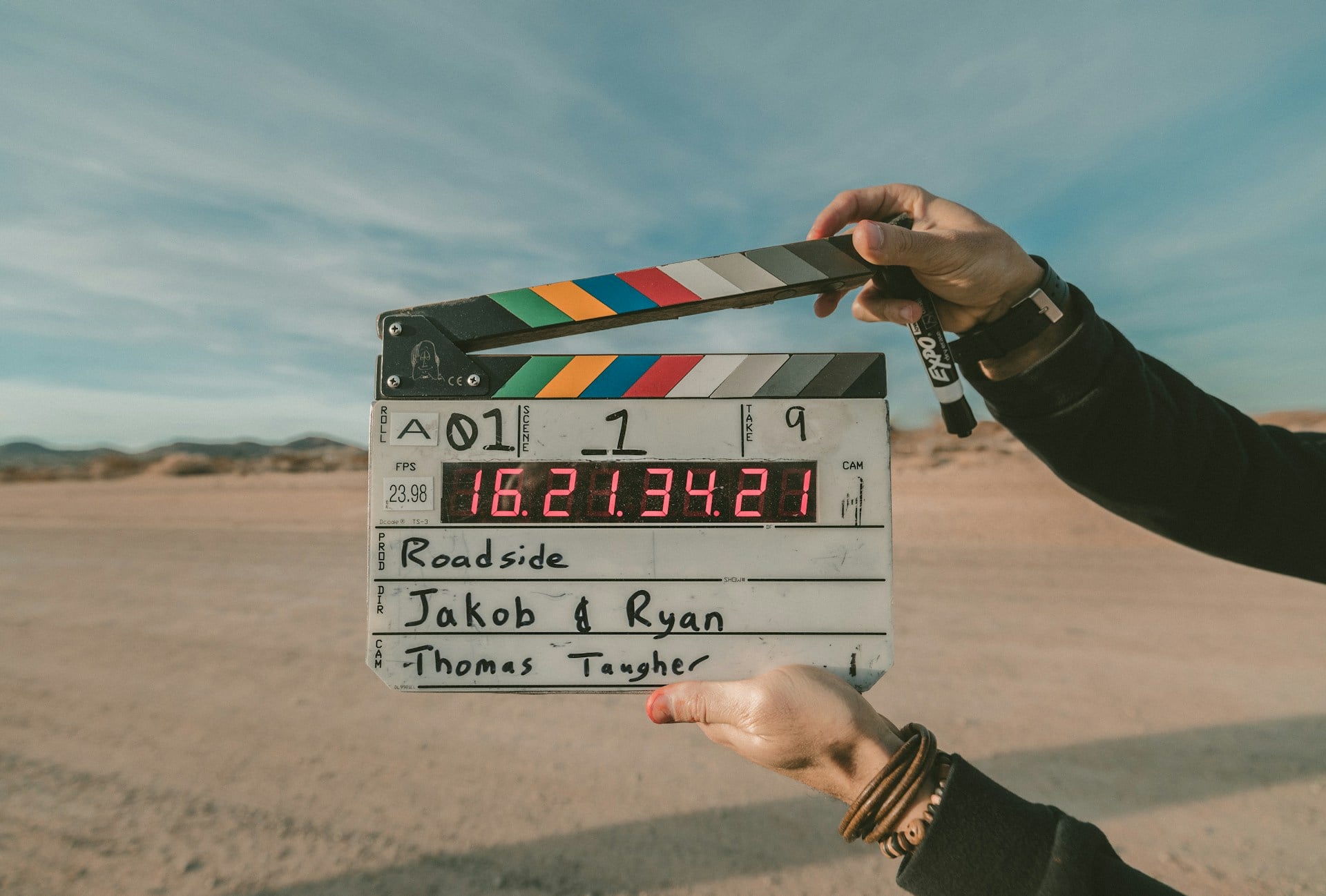
One of the first stunts ever captured on camera was a man leaping from a moving train in the 1903 film “The Great Train Robbery.” Without any safety gear or practice, the actor executed the risky act on his own.
The scene’s excitement and realism astounded the audience. An entire industry of stunt performers who put their lives in danger to create realistic action scenes began with this moment.
The first film festival
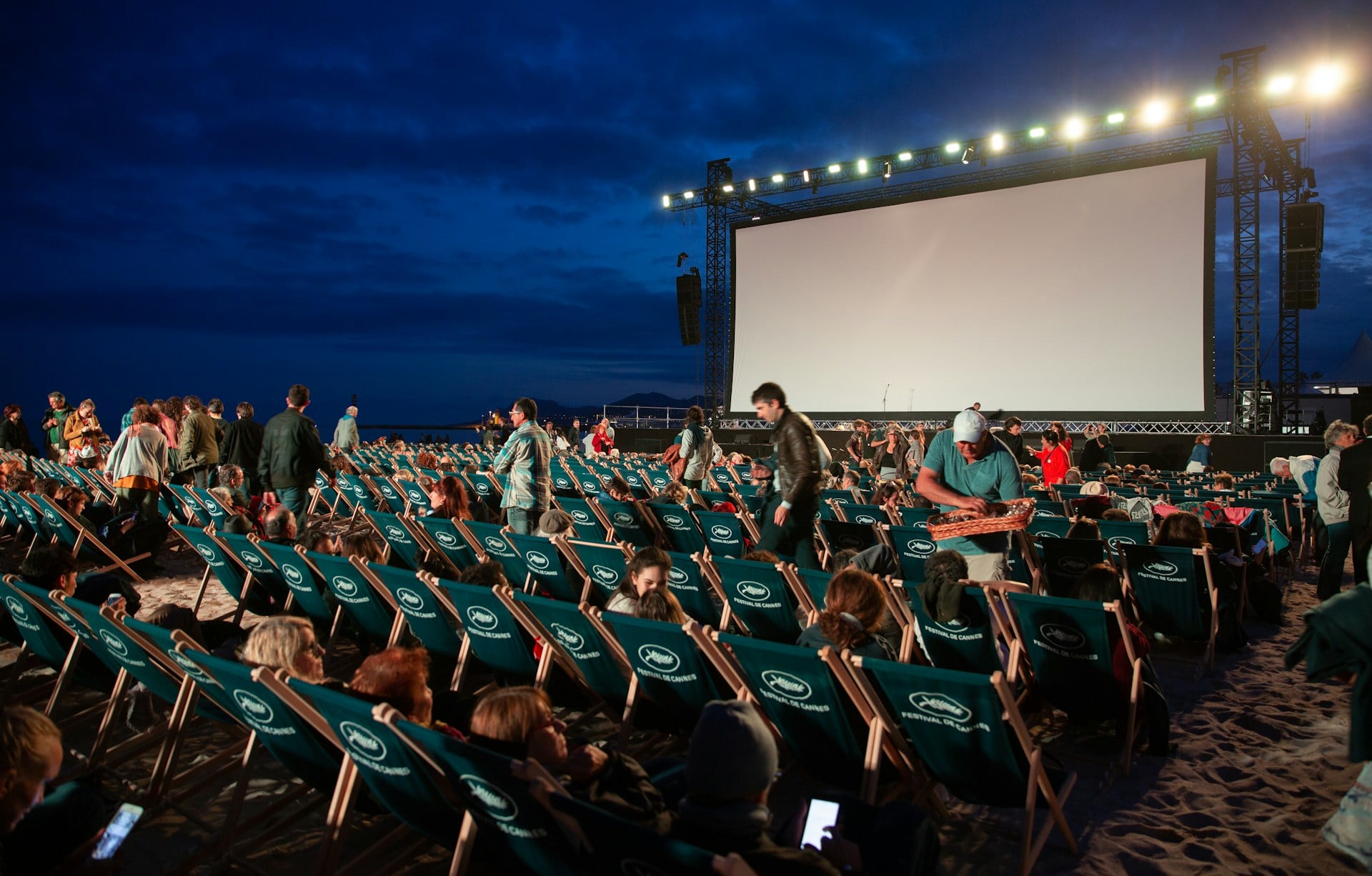
The oldest film festival still in existence is the Venice Film Festival, which began in 1932. It was made to honor and advance film as a respectable art form rather than merely a form of amusement.
Globally, directors, actors, and critics came together to discuss their craft and watch new movies. The festival paved the way for festivals like Cannes and Sundance by establishing the notion that films merited careful consideration and analysis.
The first blockbuster
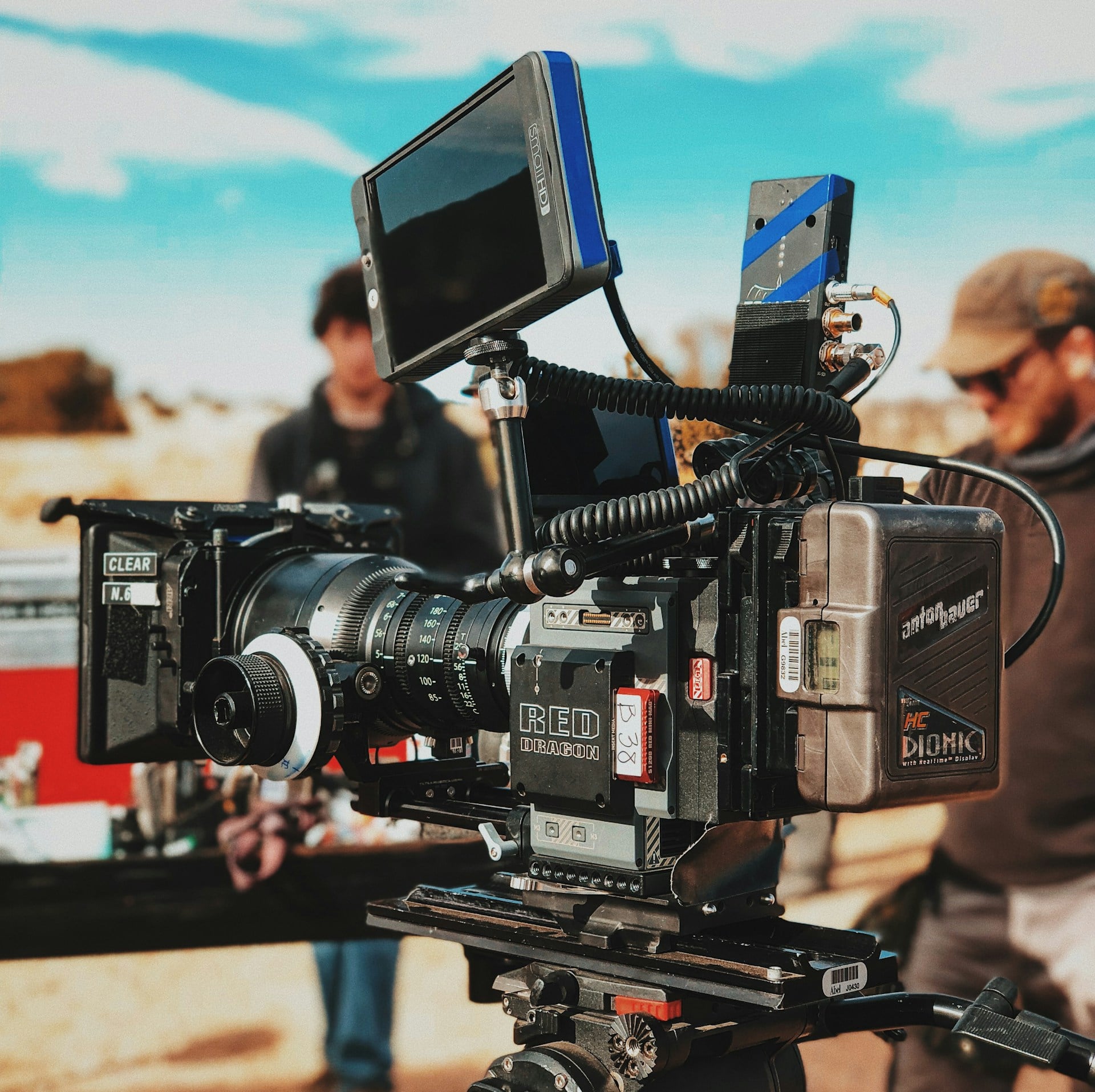
Many refer to Steven Spielberg’s 1975 film “Jaws” as the first contemporary blockbuster. With the help of a massive advertising campaign, it was released nationwide on the same day and quickly made an unprecedented amount of money.
Prior to “Jaws,” the majority of movies started out slowly in a small number of cities before gradually growing. The movie’s success transformed the way studios handled major releases and gave rise to the current summer blockbuster season.
Where it all leads

Film has come a long way from flickering images in a garden to massive franchises that span the globe. Every breakthrough, no matter how small it seemed at the time, added another layer to what movies could become.
These firsts weren’t just technical achievements but acts of imagination that expanded what people thought was possible. The tools and techniques have changed, but the drive to tell stories and capture moments remains the same as it was over a century ago.
More from Go2Tutors!

- The Romanov Crown Jewels and Their Tragic Fate
- 13 Historical Mysteries That Science Still Can’t Solve
- Famous Hoaxes That Fooled the World for Years
- 15 Child Stars with Tragic Adult Lives
- 16 Famous Jewelry Pieces in History
Like Go2Tutors’s content? Follow us on MSN.



