Forgotten Facts About the History Of Morse Code
Most people know Morse code exists. The dots and dashes, the SOS signal, maybe a few dramatic movie scenes where someone taps out a desperate message.
But the real story behind those rhythmic patterns contains surprises that Hollywood never bothered to mention. Samuel Morse wasn’t working alone, the system almost failed before it started, and some of the most important messages in history traveled as nothing more than electrical pulses that somehow changed the world.
The Telegraph Came Before The Code
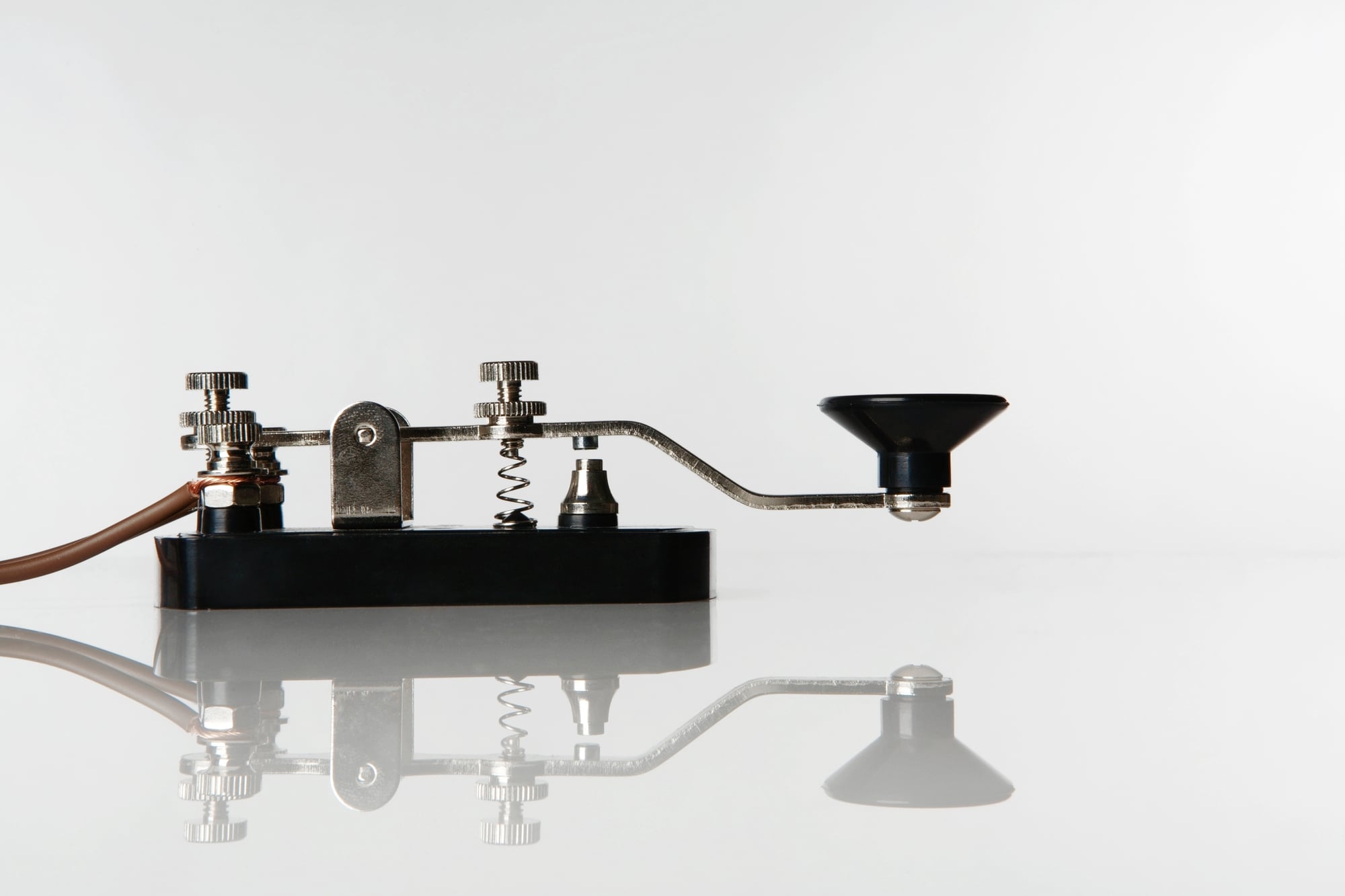
Samuel Morse spent years perfecting his telegraph machine before anyone figured out what language it should speak. The device could send electrical signals across wires, but those signals needed to mean something.
Early versions used a moving stylus that drew zigzag patterns on paper strips — dots became short marks, dashes became long ones, and operators had to decode the squiggles by hand like ancient hieroglyphs.
Alfred Vail Did Most Of The Work
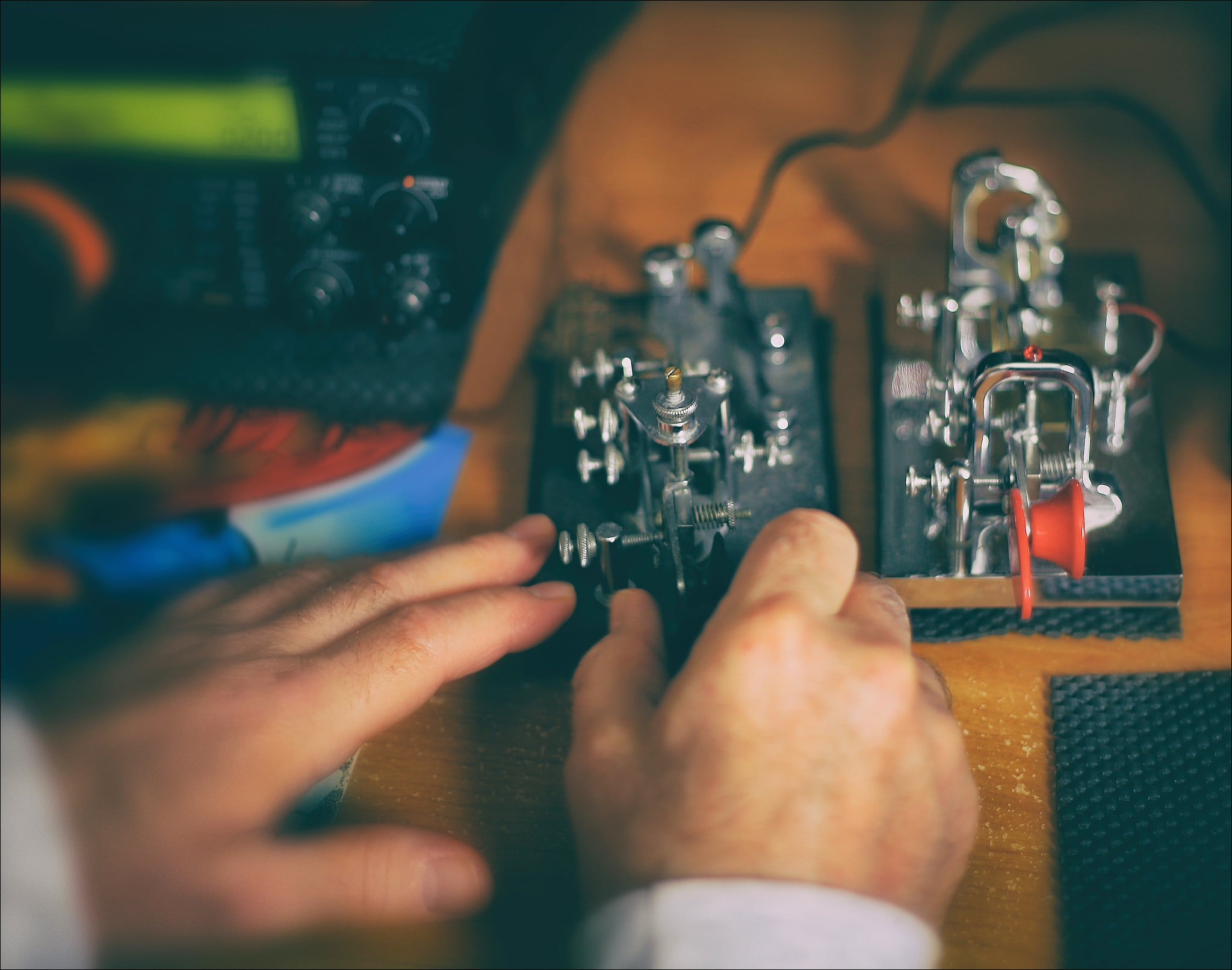
Morse gets the credit, but Alfred Vail created the actual code. Vail was younger, technically sharper, and had the patience to sit with telegraph operators to figure out which letters appeared most often in English.
He assigned the simplest signals to the most common letters — E became a single dot, T became a single dash. Morse mostly handled the business side and took the fame.
Letter Frequency Determined The Patterns
This wasn’t guesswork — Vail literally counted letters at newspaper printing offices to determine which ones appeared most often in English text. He would watch typesetters work, noting how quickly they ran out of certain letters (the ones used constantly) versus others (like Q and Z) that could sit untouched for hours, and this methodical observation became the foundation of the entire system: common letters got short, simple codes while rare letters got stuck with the complicated combinations that took longer to transmit.
The approach was ruthlessly practical rather than elegant. Beautiful symmetry had no place here.
The First Message Was A Biblical Verse

“What hath God wrought” traveled from Washington D.C. to Baltimore on May 24, 1844. The phrase comes from Numbers 23:23, and Morse chose it because he genuinely believed his invention was divinely inspired.
The message took about an hour to transmit and required operators on both ends to carefully translate each dot and dash. Not exactly the speed of modern texting.
Railroad Companies Kept It Alive

Telegraph lines followed railroad tracks because trains needed constant communication to avoid crashes (and because railroad companies had the money to string wires across the country). Train dispatchers became some of the most skilled Morse code operators in America, since a mistranslated message about track schedules could end with locomotives meeting head-first around a blind curve, which happened often enough to make railroad telegraphy a genuinely high-stakes profession where speed mattered less than absolute accuracy.
The partnership worked both ways: railroads got safer, telegraph companies got infrastructure they couldn’t have afforded alone. Smart business, as it turned out.
Newspapers Used It For Breaking News
Before Morse code, news traveled as fast as horses or ships could carry it — which meant stories from distant cities arrived days or weeks late, if they arrived at all. The telegraph collapsed time in ways that felt almost supernatural: suddenly, a fire in Chicago could appear in New York newspapers the same day it happened, political developments could spread across the country in hours instead of weeks, and readers began expecting immediate information about events they previously wouldn’t have heard about until the story was ancient history.
This created the modern news cycle, where freshness became more valuable than thoroughness.
Military Applications Changed Warfare

Civil War generals could coordinate battles across multiple states simultaneously. Orders that once took days to deliver by horseback courier now traveled in minutes.
Both Union and Confederate armies employed telegraph operators who became prime targets — cutting enemy communication lines became as important as capturing territory, and the distinctive sound of Morse code clicking through field headquarters became the soundtrack of modern warfare.
Field operators worked under constant danger, knowing that enemy raids specifically targeted their positions.
International Distress Signals Evolved
SOS wasn’t the first maritime distress call — that was CQD, which combined the general call “CQ” with “D” for distress. But SOS had a crucial advantage: three dots, three dashes, three dots created an unmistakable pattern that cut through static and interference better than any other combination.
Ships’ radio operators could recognize it even when atmospheric conditions made other signals unreadable, and the rhythm was simple enough that panicked operators could transmit it correctly under extreme stress.
The Titanic used both signals during its final hours.
Telegraph Operators Developed Their Own Culture
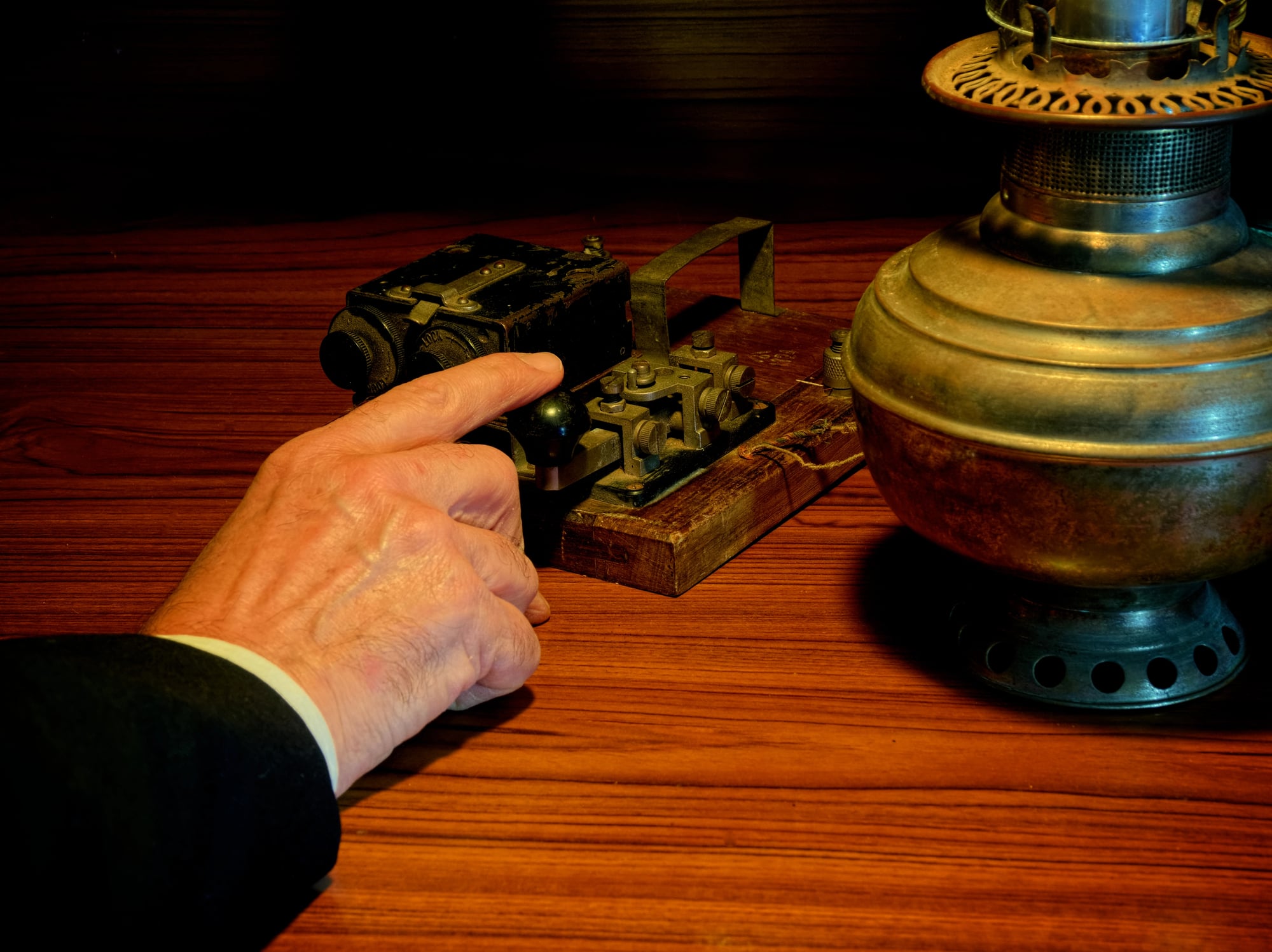
Experienced operators could identify each other by their “fist” — the personal rhythm and timing each person brought to transmitting code. Like handwriting, no two operators sounded exactly alike when sending messages, and skilled receivers could recognize who was transmitting from hundreds of miles away just by the cadence of dots and dashes, which created an odd intimacy between people who never met face-to-face but knew each other’s communication style better than their own neighbors.
They developed their own slang, shortcuts, and professional jokes that traveled along the wires.
Commercial Success Came Through Western Union

Western Union turned telegraph communication into America’s first modern communication network. The company strung wires to virtually every town with more than a few hundred residents, standardized pricing and procedures, and made sending telegrams as routine as mailing letters — except telegrams arrived the same day, which seemed miraculous to people accustomed to waiting weeks for correspondence from distant relatives or business partners.
The yellow telegram became as recognizable as today’s smartphone notifications.
International Standardization Took Decades

Different countries initially used different versions of Morse code, which created chaos for international communications. A message sent from London might become gibberish when received in Paris, not because of transmission errors but because British and French operators used different dot-dash combinations for the same letters, and this incompatibility persisted for years because national telegraph systems treated standardization as a sovereignty issue rather than a practical necessity.
Eventually, practical needs won over national pride, but the process took far longer than anyone expected.
Radio Transformed Its Purpose
When radio technology replaced wired telegraphs, Morse code found new life in amateur radio, maritime communication, and aviation. Pilots learned to identify radio beacons by their Morse code signatures — each beacon transmitted a unique three-letter identifier that helped aircraft navigate even when visibility was poor, and this application became so essential to flight safety that learning Morse code remained a requirement for pilot licensing long after most other industries had abandoned it.
Radio gave dots and dashes wings.
The Digital Age Didn’t Kill It

Amateur radio operators still use Morse code because it cuts through interference better than voice communication. When storms knock out cell towers and internet connections, ham radio operators using Morse code can still maintain contact across continents with nothing more than a car battery and some basic equipment.
The simplicity that made it practical in 1844 makes it resilient today — dots, dashes, and pauses require no complex protocols or error correction algorithms.
Emergency responders know this. When everything else fails, someone with a telegraph key can still send messages.
Echoes That Still Sound

Morse code never really disappeared — it just moved underground, into the realm of hobbyists and emergency preparedness enthusiasts who understand that the simplest technologies often prove the most durable.
Those dots and dashes that once carried the first long-distance messages in human history continue pulsing through radio waves today, carrying conversations between operators who appreciate the meditative rhythm of a communication method that reduces language to its most essential elements. There’s something satisfying about a technology that does exactly what it promises, nothing more and nothing less.
More from Go2Tutors!

- The Romanov Crown Jewels and Their Tragic Fate
- 13 Historical Mysteries That Science Still Can’t Solve
- Famous Hoaxes That Fooled the World for Years
- 15 Child Stars with Tragic Adult Lives
- 16 Famous Jewelry Pieces in History
Like Go2Tutors’s content? Follow us on MSN.



