15 Weird Things People Do for Christmas Luck
Christmas traditions make sense until you really think about them. Decorating a tree indoors, hanging socks by the fireplace, leaving cookies for a home intruder—none of it holds up under scrutiny.
But some traditions take the strangeness further. Around the world, people perform rituals that seem bizarre until you understand the reasoning behind them.
Or sometimes they still seem bizarre even after you understand. These aren’t the mainstream customs you see in holiday movies.
These are the traditions that make you pause and wonder how they started, why they continue, and whether anyone actually believes they work.
Hiding Brooms on Christmas Eve
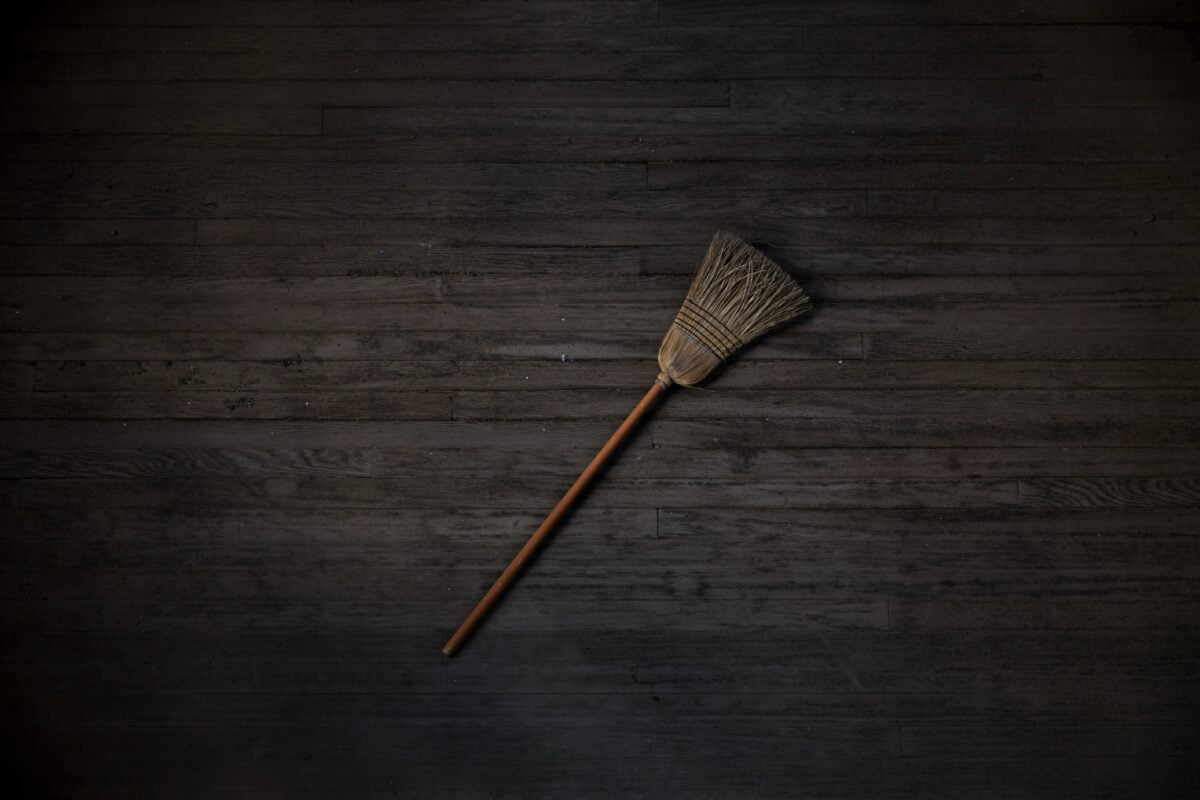
In Norway, people hide their brooms on Christmas Eve. Not just tucked away in a closet—truly hidden.
The tradition comes from an old belief that witches and evil spirits come out on Christmas Eve looking for brooms to ride. So families lock their brooms in safe places, sometimes in attics or storage rooms that can be secured.
The practice still continues in some Norwegian households, though most people treat it as a fun cultural quirk rather than serious protection against supernatural broom theft. But they still do it.
Just in case.
Eating Twelve Grapes at Midnight

In Spain and several Latin American countries, people eat twelve grapes at the stroke of midnight on New Year’s Eve—but the tradition extends back to Christmas celebrations in some regions. Each grape represents one month of the coming year.
You need to eat all twelve before the final bell chimes, and each grape needs to go down smoothly for that month to be lucky. The timing creates real pressure.
Twelve grapes in twelve seconds while surrounded by people watching and counting gets chaotic. Choking on a grape supposedly means bad luck for that particular month, which adds stress to what should be a celebratory moment.
Rolling a Suitcase Around the Block
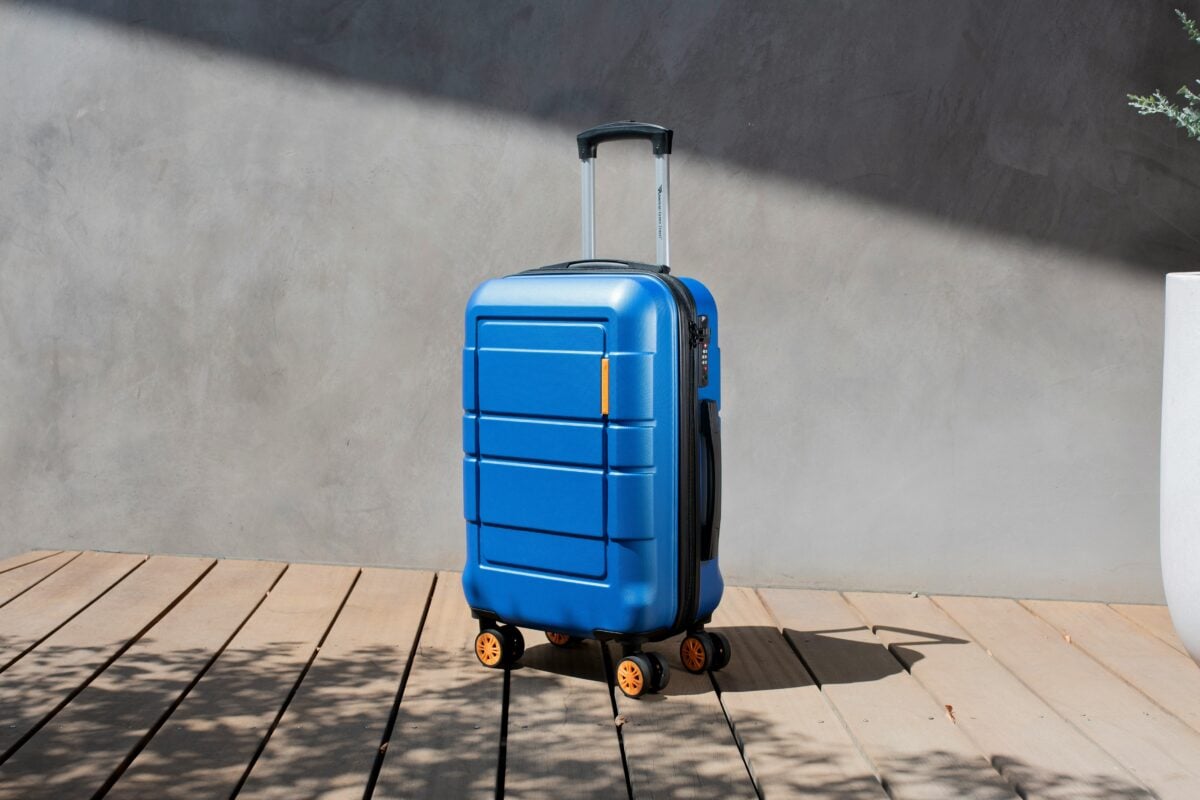
Want to travel more next year? In Colombia and other Latin American countries, people grab an empty suitcase and run or walk around the block at midnight. The faster and farther you go, the more travel awaits you in the coming year.
Neighborhoods fill with people dragging luggage down the street while neighbors cheer them on. Some people pack the suitcase with clothes to make it more realistic.
Others just grab whatever bag they can find and start moving. The sight of dozens of people sprinting with rolling suitcases creates a scene that’s both absurd and strangely heartwarming.
Throwing Furniture Out Windows

This one requires serious commitment. In South Africa, particularly in Johannesburg, some people throw old furniture out of windows or off balconies on New Year’s Eve.
The idea involves purging the old to make space for the new year. The practice has become dangerous enough that authorities discourage it.
But every year, reports surface of couches, chairs, and tables sailing from apartment buildings. The symbolism works better than the execution, especially if you happen to be walking underneath at the wrong moment.
Leaving Out Porridge for Tomte

In Scandinavian countries, families leave a bowl of porridge out for the tomte—a small, gnome-like creature who lives in the house and protects the family. If you forget the porridge or it’s not to the tomte’s liking, you can expect bad luck or even mischief throughout the year.
The porridge needs to be good quality. Some families add butter or sugar. The tomte supposedly gets offended by subpar offerings, which means you can’t just slap together any old bowl of oatmeal.
This tradition puts real pressure on your porridge-making skills.
Smashing Plates on Doorsteps

Denmark has a tradition where people throw old plates and glasses at the doors of friends and family. The more broken dishes piled outside your door on New Year’s morning, the more luck you’ll have.
It means people like you enough to waste their old dinnerware on your doorstep. The cleanup is a problem nobody talks about. But Danes consider it worth the mess.
Having a huge pile of broken pottery outside your home means you’re well-loved and set for a lucky year. Some families save their chipped plates all year just for this purpose.
Pooping with the Door Open

This Romanian tradition gets personal. Supposedly, leaving the bathroom door open during your first visit on Christmas Day brings good luck.
The reasoning gets lost in translation and time, but the practice continues. Most families don’t advertise this particular custom to visitors.
But it persists in certain regions, passed down through generations who may not even remember why they started doing it. Some traditions just don’t require explanation to endure.
Underwear Color Coordination

Throughout Latin America, the color of underwear you wear on New Year’s Eve determines your luck in specific areas. Yellow brings money and success.
Red attracts love and passion. White offers peace and harmony.
Green promotes health and wellness. Stores stock up on colored underwear specifically for this tradition.
People plan their undergarments as carefully as their outfits. Some dedicated practitioners change underwear at midnight to cover multiple categories.
The practice has become so commercial that lingerie companies release special New Year’s collections.
Spider Web Decorations
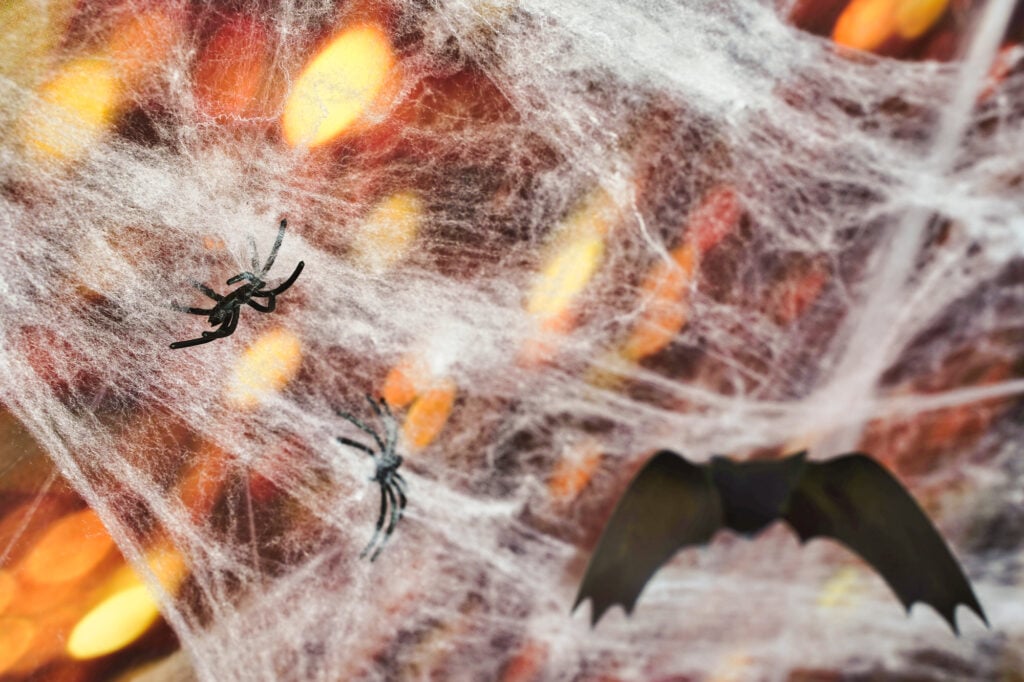
In Ukraine and Poland, people deliberately add spider web decorations to their Christmas trees. The tradition comes from a folk tale about a poor family who couldn’t afford tree decorations.
Spiders spun webs on their tree overnight, and in the morning, the webs turned to silver and gold. Finding a real spider web on your Christmas tree is considered especially lucky.
Some families even keep real spiders near the tree, hoping nature will create authentic decorations. The tradition explains why tinsel exists—it’s meant to represent these lucky spider webs.
Burning Scarecrow Effigies
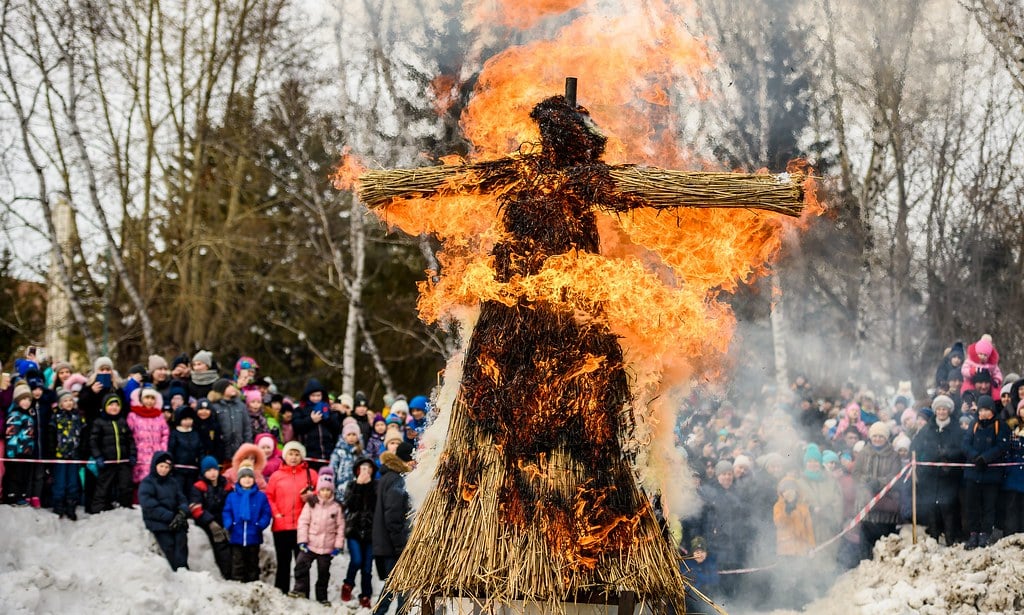
In Ecuador, people make effigies representing the old year—often shaped like politicians, celebrities, or general “old man year” figures. At midnight, they burn these effigies in the street.
The bigger the fire, the more thoroughly you’re destroying bad luck and making way for good fortune. Families spend weeks creating elaborate effigies.
Some neighborhoods hold competitions for the most creative or controversial figure. The fires get intense, with crowds gathering around burning effigies that sometimes reach ten feet tall.
Fire departments stay busy on New Year’s Eve.
Walking Backward Into the New Year
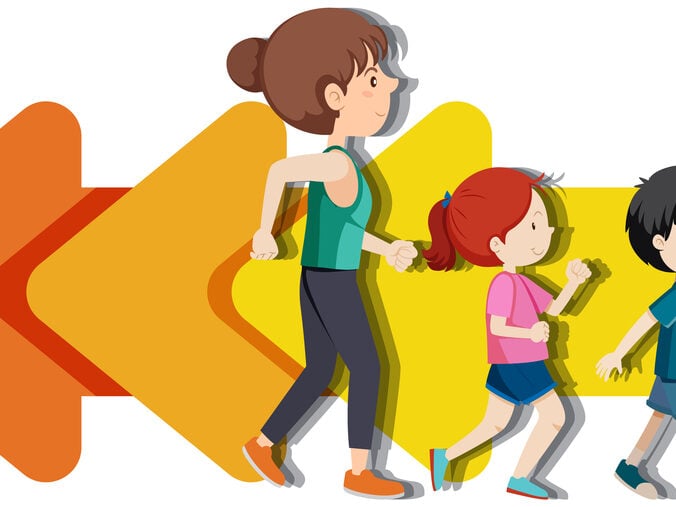
In several European countries, people believe walking backward from your house into the street at midnight lets you see what the past year brought before stepping forward into the new one. Some versions involve walking backward while holding a mirror to see where you’ve been.
The practice creates obvious safety hazards. Icy sidewalks and backward walking don’t mix well. But the symbolism resonates—acknowledging the past while moving toward the future.
Just watch out for curbs and other pedestrians doing the same thing.
Melting Lead for Fortune Telling

In Germany and Finland, people melt small pieces of lead (or tin, since lead became less available) and drop the molten metal into cold water. The shape it forms supposedly reveals your fortune for the coming year.
A ship shape means travel. A coin means wealth.
A pig means abundance. Interpreting the shapes requires imagination.
Most blobs look like abstract modern art rather than recognizable symbols. Families debate the meanings while passing around their oddly shaped lead clumps.
The disagreements about interpretation probably predict more about family dynamics than the actual shapes reveal about fortune.
Round Fruits Only
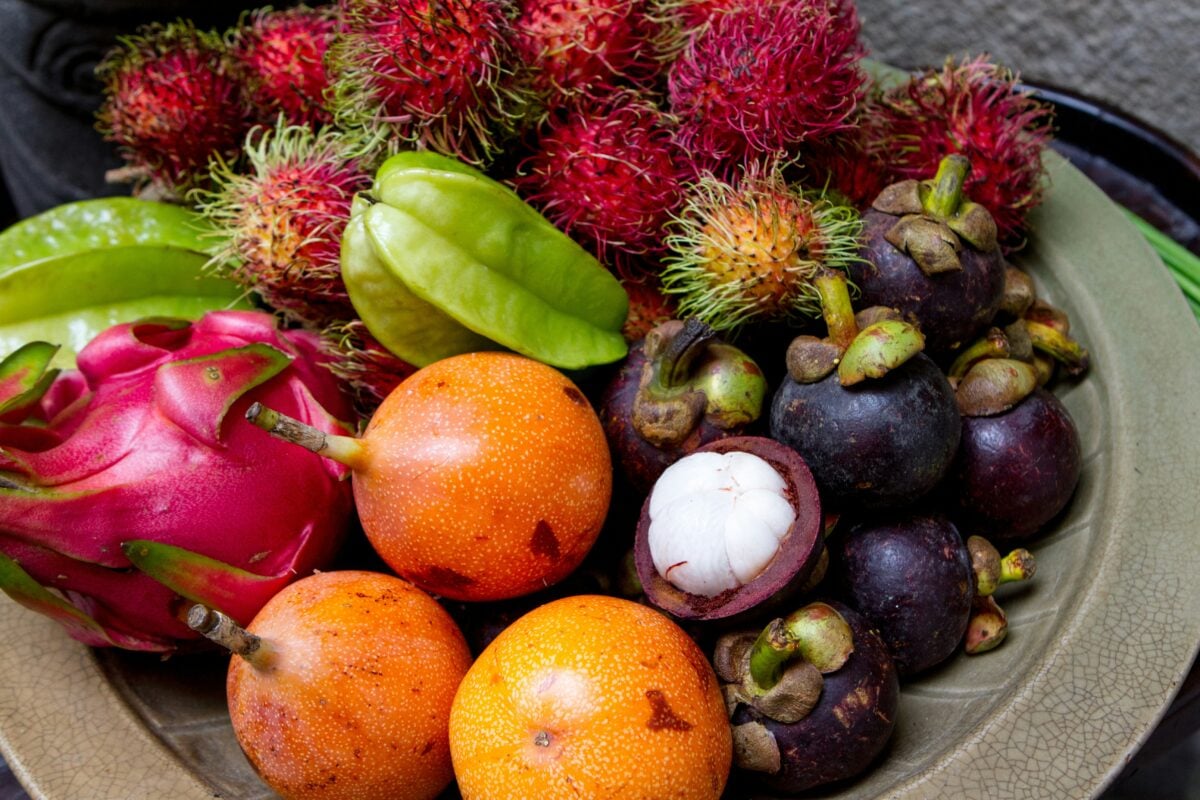
In the Philippines, displaying thirteen round fruits on your table brings prosperity. The fruits must be round—representing coins—and there must be thirteen of them.
Oranges, apples, and grapes work well. Bananas don’t count. Families shop specifically for spherical produce before Christmas.
The fruits stay displayed throughout the holiday season. Some people polish them to a shine.
Others replace them if they start to look less than perfect. The pressure to maintain exactly thirteen pristine round fruits for days creates its own stress.
Touching Elbows with Everyone

In some Polish communities, people touch elbows with everyone at midnight while making wishes for each other. Not handshakes, not hugs—elbows specifically.
The tradition supposedly transfers good energy while preventing the bad luck that comes with more direct contact. The practice looks awkward, especially in large gatherings where you need to elbow-bump dozens of people in quick succession.
But participants take it seriously, making sure they connect elbows with every single person present before the moment passes.
Keeping Coins in Your Pockets
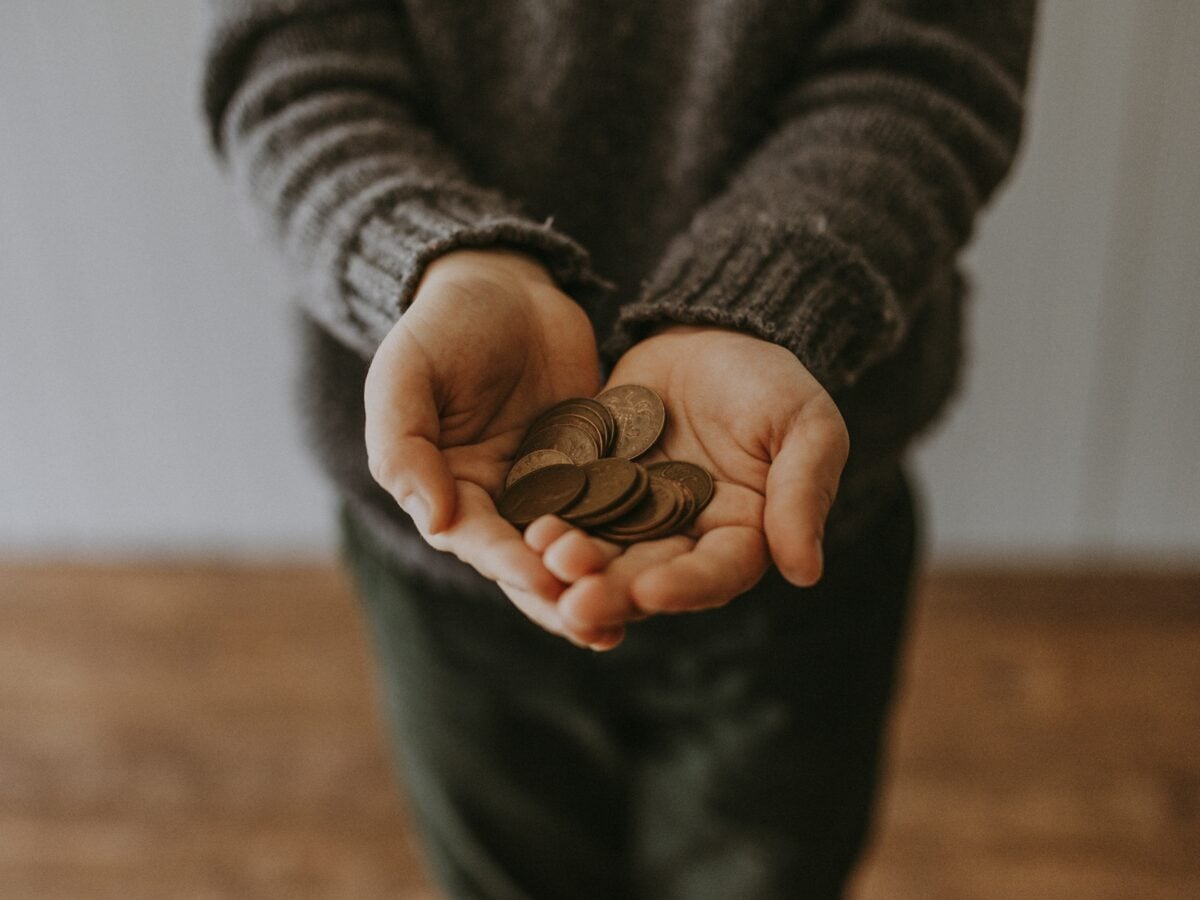
This simple tradition appears in various forms worldwide. Keeping coins in your pocket at midnight—or in your shoe, or in your hand—ensures financial luck throughout the year.
Some versions specify the coins must be given to you by someone else. Others say you need to hold them above your head while jumping.
The jumping variation adds entertainment value. Groups of people leaping into the air while clutching coins and trying not to drop them creates a memorable scene.
The coins go flying sometimes, which presumably means bad financial luck, or at least the immediate loss of whatever change you were holding.
Strange Comfort in Shared Rituals

These traditions persist because they offer something beyond rational explanation. When you’re hiding a broom or running around your block with a suitcase, you’re connecting to generations of people who did the same thing.
The weirdness becomes part of the charm. Maybe luck works, maybe it doesn’t.
But gathering together to perform bizarre rituals creates its own kind of magic—the magic of shared experience, cultural identity, and the human need to feel some control over an uncertain future. And if burning an effigy or eating grapes at supersonic speed makes you feel more hopeful about the year ahead, that might be the only luck you really need.
More from Go2Tutors!

- The Romanov Crown Jewels and Their Tragic Fate
- 13 Historical Mysteries That Science Still Can’t Solve
- Famous Hoaxes That Fooled the World for Years
- 15 Child Stars with Tragic Adult Lives
- 16 Famous Jewelry Pieces in History
Like Go2Tutors’s content? Follow us on MSN.