James Bond Movies Ranked by Their Cars
When you think of James Bond, a few things instantly come to mind: sharp suits, clever gadgets, dangerous villains, and of course, those incredible cars. The vehicles in 007 films aren’t just transportation—they’re characters in their own right.
From the moment Sean Connery first slid behind the wheel of that silver Aston Martin, audiences knew they were watching something special. These machines have ejector seats, machine guns, underwater capabilities, and style that never goes out of fashion.
Some Bond films are remembered more for their four-wheeled stars than for their plots, while others feature cars that barely make an impression at all. Let’s take a look at how these spy thrillers stack up when judged purely by their automotive excellence.
Goldfinger

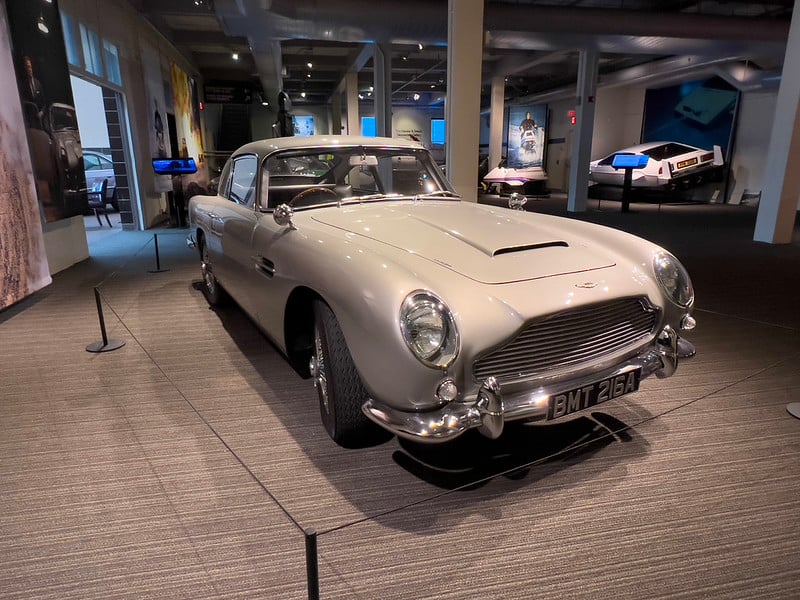
The 1964 classic set the gold standard for Bond cars, and that’s not just a pun on the title. The Aston Martin DB5 made its debut here, complete with revolving license plates, a bulletproof shield, and that famous ejector seat that sent a villain flying through the roof.
This wasn’t just product placement—it was automotive perfection meeting spy fiction. The car became so iconic that it appeared in multiple Bond films over the decades, proving that some vehicles truly are timeless.
Goldfinger gave us the blueprint for what a Bond car should be, and every film since has tried to match this standard.
The Spy Who Loved Me
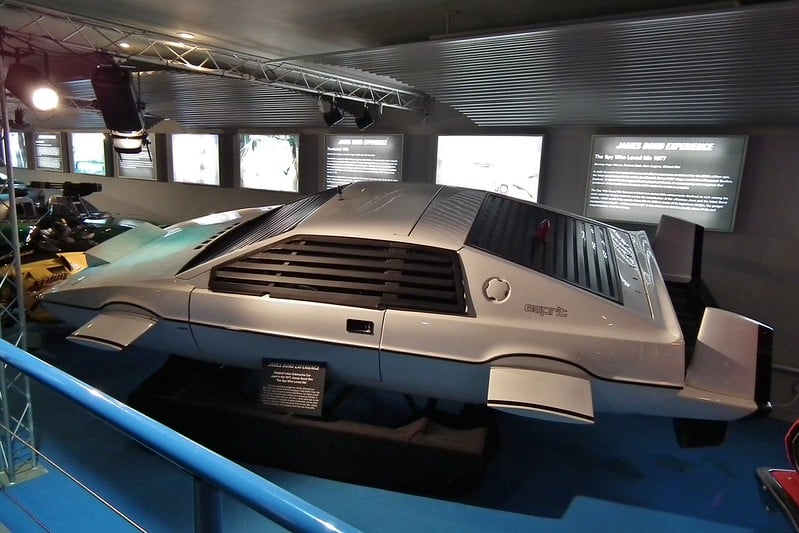
Roger Moore’s 1977 adventure introduced the world to a car that could swim. The Lotus Esprit S1, nicknamed “Wet Nellie” by the production team, transformed from a sleek sports car into a submarine right before everyone’s eyes.
Watching it glide underwater past confused fish and fire missiles at enemy divers remains one of the most jaw-dropping sequences in the entire franchise. The white Esprit looked futuristic on land and utterly believable as an aquatic vehicle, which is no small feat.
This movie proved that Bond cars could do more than just drive fast and shoot things.
Casino Royale (2006)

Daniel Craig’s first outing as 007 brought a different kind of car excitement to the screen. The Aston Martin DBS didn’t have gadgets or weapons—it just had raw power and stunning design.
The famous roll sequence, where Bond flips the car seven times after swerving to avoid Vesper on the road, set a world record for cannon rolls in a car. Sometimes you don’t need ejector seats or machine guns when you have a vehicle that looks this good and a stunt team willing to push boundaries.
The DBS represented a grittier, more realistic Bond, and the car matched that tone perfectly.
Skyfall

The fiftieth anniversary celebration brought back the original DB5 from Goldfinger, and fans lost their minds. Seeing that silver beauty emerge from Bond’s garage was like greeting an old friend who hadn’t aged a day.
The film treated the car with reverence, giving it a starring role in the final act at Bond’s childhood home in Scotland. When the DB5 deploys its machine guns against Silva’s helicopter, it bridges five decades of Bond history in a single moment.
The car’s eventual destruction felt genuinely sad, proving how much emotional weight a vehicle can carry.
Thunderball

This 1965 film gave Bond the DB5 again, but also threw in a rocket-powered jetpack and a motorcycle with defensive water cannons. The Aston Martin gets less screen time here than in Goldfinger, but it still delivers thrills with its rear bulletproof screen and front-mounted water jets.
The real automotive treat comes from watching Bond use various vehicles throughout the film, each suited to different environments and challenges. Thunderball understood that variety keeps audiences engaged, even if no single car becomes as memorable as the DB5’s first appearance.
GoldenEye
Pierce Brosnan’s debut brought Bond into the 1990s with a bang, and the cars reflected that updated energy. The Aston Martin DB5 appears briefly, but the real star is the BMW Z3 roadster—though it barely gets used.
The film’s most memorable vehicular moment involves Bond driving a stolen Russian tank through the streets of St. Petersburg, crushing cars and smashing through walls. Sometimes the best Bond vehicle isn’t the fancy sports car but whatever he commandeers in the moment.
GoldenEye proved that Bond could make any vehicle look cool, even a massive military tank.
Tomorrow Never Dies

The 1997 sequel featured the BMW 750iL, which Bond controls from the backseat using his phone. This remote-driving sequence through a German parking garage showcases gadgets that seemed futuristic then but feel almost normal now.
The car has rockets, tear gas, a self-inflating tire system, and an electric shock defense mechanism. Watching Bond navigate tight spaces and evade bullets while crouched in the backseat adds a fresh twist to the usual car chase formula.
The sequence feels like a video game come to life, which fits the film’s media-focused plot perfectly.
On Her Majesty’s Secret Service

George Lazenby’s only Bond film features the Aston Martin DBS—not to be confused with the later model in Casino Royale. This earlier DBS doesn’t have gadgets, but it looks absolutely stunning racing through the Swiss Alps and along coastal roads.
The film includes one of the franchise’s best car chases, with Bond and Tracy being pursued by Blofeld’s henchmen through snowy mountain passes. Sometimes pure driving skill and a beautiful car are all you need to create tension and excitement.
The DBS here represents classic elegance without relying on trick features.
Licence to Kill

Timothy Dalton’s second and final Bond film takes him to Latin America, where he drives a Bentley convertible that Pam Bouvier describes as a ‘company car.’ While not as flashy as an Aston Martin, the Bentley suits the film’s grittier tone.
There’s no underwater mode or ejector seat—just a solid, powerful vehicle that gets Bond where he needs to go. The film focuses more on character than gadgets, and the car choice reflects that priority.
Sometimes Bond doesn’t need the fanciest ride in the room to get the job done.
The World Is Not Enough

Brosnan’s third outing features the BMW Z8, a gorgeous roadster that unfortunately gets cut in half by a helicopter’s giant saw within minutes of its introduction. The film also includes an exciting boat chase through London’s Docklands and along the Thames, which technically isn’t a car but deserves mention for sheer audacity.
The Z8’s brief appearance feels like wasted potential—it’s a beautiful machine that deserved more screen time. However, the film makes up for it with varied action sequences that keep the pacing tight.
Spectre

The 2015 film brings back Aston Martin with the DB10, a car designed specifically for this movie and never sold to the public. The Rome car chase showcases the vehicle’s flamethrower and ejector seat while Bond pursues Hinx through narrow streets and along the Tiber River.
The DB10 looks futuristic and powerful, though some fans felt the chase itself lacked the intensity of earlier films. Spectre also features a spectacular opening sequence in Mexico City with a helicopter doing barrel rolls, showing that Bond’s vehicular adventures extend beyond four wheels.
The Living Daylights

Dalton’s first Bond film features an Aston Martin V8 Vantage with winter tires, lasers, missiles, a rocket booster, and outriggers for ice driving. The car gets properly used during an escape sequence across a frozen lake, sliding and spinning while destroying pursuing vehicles.
Eventually, Bond uses the car as a sled after it gets damaged, riding it down a snowy hill to safety. The Vantage represents classic Bond vehicle excess—so many gadgets that the car almost becomes a character itself.
This film understood that gadgets should serve the story, not replace it.
Die Another Day

Brosnan’s final Bond film goes overboard with CGI and features the Aston Martin V12 Vanquish with adaptive camouflage that makes it invisible. The concept sounds cool, but the execution looks dated now, with obvious digital effects that break the immersion.
The ice palace chase pits the Vanquish against Zao’s Jaguar XKR in a battle between two gadget-loaded cars. While the scene has exciting moments, the over-reliance on computer graphics makes it feel less real than practical stunts from earlier films.
Sometimes trying to do too much results in doing nothing particularly well.
Quantum of Solace

Craig’s second outing opens with a thrilling car chase through Italian mountain tunnels, with Bond’s Aston Martin DBS taking heavy damage from pursuing Alfa Romeos. The sequence is pure adrenaline, shot and edited to feel visceral and dangerous.
Unfortunately, the car doesn’t feature much gadgetry, and the focus remains on pure driving and survival. The film treats vehicles more realistically, which fits Craig’s grounded take on the character but means less memorable automotive moments.
Quantum of Solace delivers intensity over innovation when it comes to cars.
No Time to Die

Craig’s final Bond film features the Aston Martin DB5 once again, now with rotating gatling guns hidden behind the headlights. The opening sequence in Italy showcases these weapons spectacularly as Bond and Madeleine flee from Spectre agents.
The film also includes the Aston Martin V8 from The Living Daylights, creating a nice callback for long-time fans. Later, Bond drives a Land Rover Defender and a DBS Superleggera, giving the film automotive variety.
The vehicles serve the story well without overwhelming it, which feels appropriate for Craig’s emotional farewell.
Octopussy

Moore’s 1983 adventure is more remembered for Bond’s clown costume than its cars. The film opens with Bond in a mini jet plane, and later he drives a Mercedes and a Tuk-Tuk through Indian streets.
None of these vehicles become iconic or particularly memorable. The lack of a signature Aston Martin or gadget-filled sports car makes this entry feel less special in automotive terms.
Octopussy proves that not every Bond film needs a legendary car, but it certainly helps when you have one.
Moonraker

Moore’s 1979 space adventure barely features cars at all, focusing instead on boats, gondolas, and spaceships. Bond drives a speedboat through Venice’s canals, which transforms into a hovercraft that glides across St. Mark’s Square, much to the confusion of tourists and a double-taking pigeon.
The emphasis on aquatic and aerial vehicles means traditional cars take a backseat. While the boat sequences are entertaining in their absurdity, they don’t carry the same cultural weight as Bond’s legendary automotive moments.
Moonraker chose spectacle over horsepower, and the cars suffered for it.
A View to a Kill
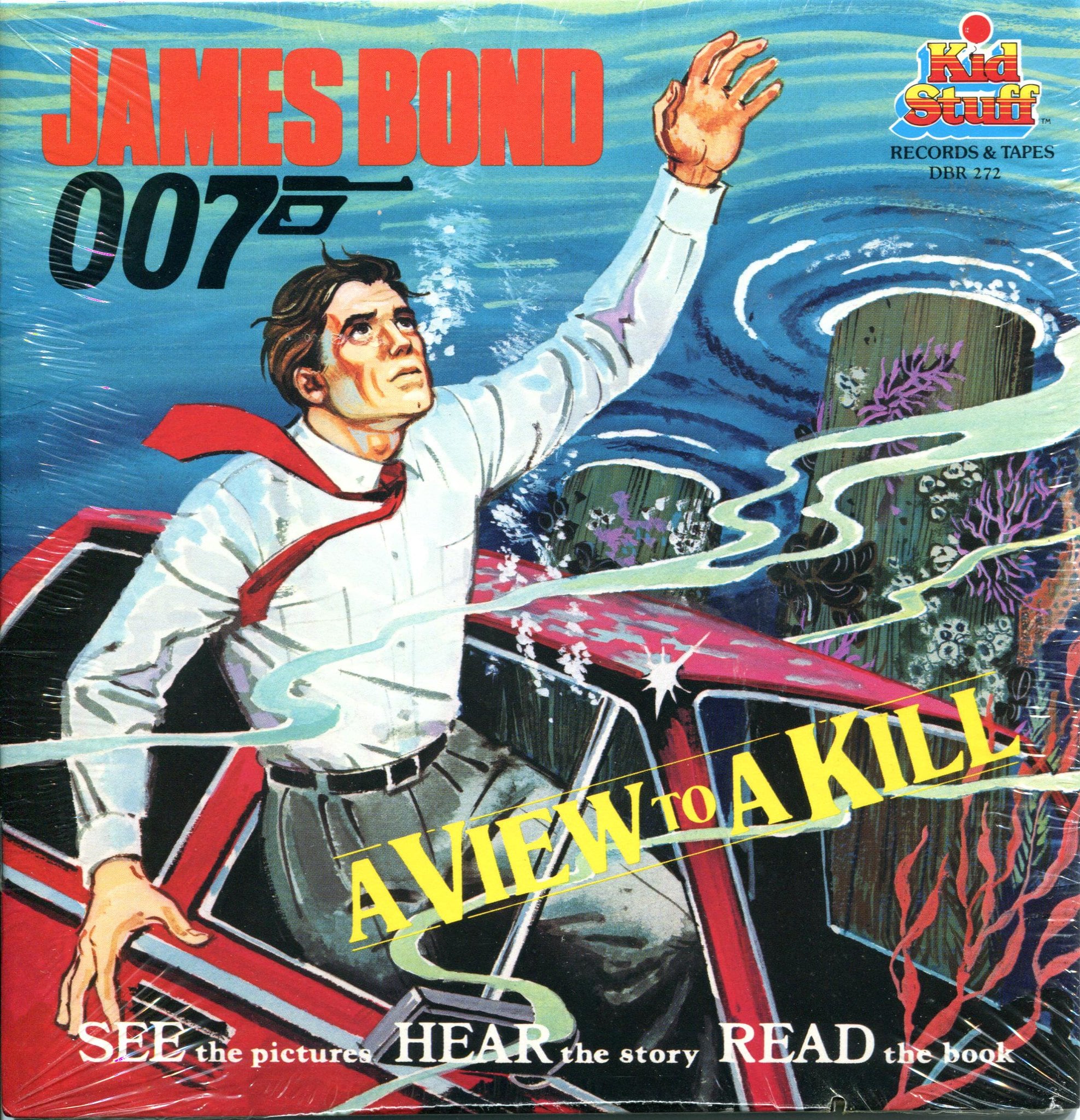
Paris sees a scrappy taxi dash in Moore’s last turn as Bond, then San Francisco burns up with a lumbering fire engine run. Glamour? Missing.
These rides lack the usual spark tied to 007. Instead, hooves kick up dust longer than tires do, while a blimp drifts overhead taking center stage.
Oddly enough, it is Jones and Walken who burn brightest – wild presence, wilder looks – the cars just sit quiet beneath them. When wheels stop speaking louder than dialogue, something shifts.
This one proves charm elsewhere won’t hide what’s missing under the hood.
You Only Live Twice

Connery’s 1967 thriller in Japan skips most car scenes, turning attention toward choppers, subs, and a compact flying machine called Little Nellie – armed with rockets and rapid-fire guns. That midair duel with Little Nellie? Fun, sure – but nothing like the rush of tires screeching through tight corners.
There’s a drive in a sleek Toyota 2000GT alongside Aki, yet no hidden tools pop out, no standout moment sticks. With so much energy poured into faraway locales and grand stunts, automobiles fade behind flashier moments.
One thing becomes clear by the end: stunning views aren’t enough. What Bond truly misses here is a ride worthy of his name.
Footprints fade where tires leave their mark

Bond’s cars began as quiet sponsorships but grew into symbols people now link with decades of movie magic. Back in 1964, an upgraded Aston Martin sparked something – viewers didn’t just watch it, they remembered it.
Over time, fans came to anticipate these rides like characters returning home. A few flicks managed machines that outshined even their storylines.
Then again, certain chapters treated them like background extras, missing the point completely. Truth is, when done right, the vehicle slips under your skin – not flashy, just part of who he feels like.
Driving one isn’t about speed; it’s wearing confidence like a tailored coat.
More from Go2Tutors!

- The Romanov Crown Jewels and Their Tragic Fate
- 13 Historical Mysteries That Science Still Can’t Solve
- Famous Hoaxes That Fooled the World for Years
- 15 Child Stars with Tragic Adult Lives
- 16 Famous Jewelry Pieces in History
Like Go2Tutors’s content? Follow us on MSN.



