Smart Facts About Ants and Their Colony
Ever watched ants marching in perfect formation and wondered how they coordinate so flawlessly? These tiny creatures have mastered teamwork in ways that would make any corporate executive jealous.Individual ants with brains smaller than a pinhead somehow collectively solve problems that challenge human engineers.
Here are fascinating facts about ant colonies that reveal just how extraordinary these miniature societies really are.
They Function as Living Superorganisms
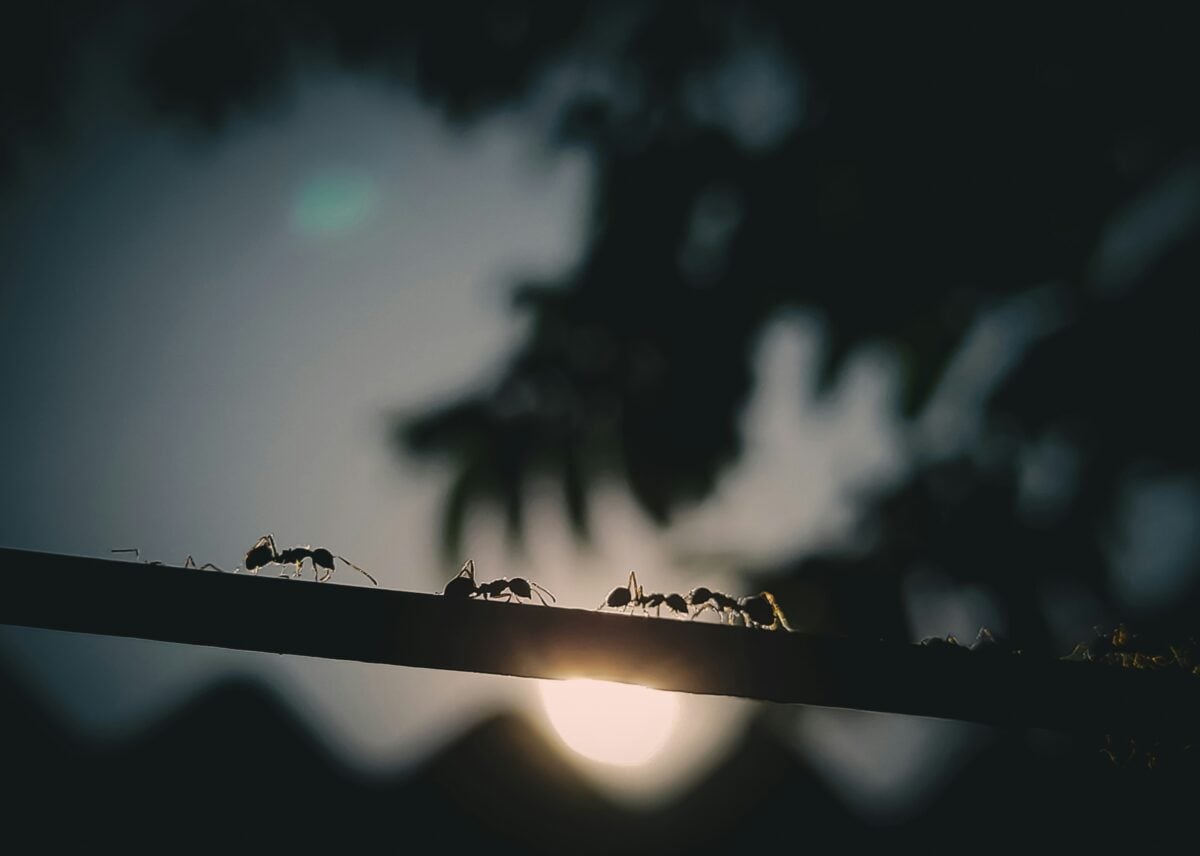
Ant colonies don’t just work together—they literally become one massive organism. Just as an individual ant has different body parts that fit and work together, an ant superorganism has multiple colony members that cooperate to accomplish extraordinary feats.
Think of it like your body’s organs working in perfect harmony, except instead of a heart and lungs, you have millions of individual ants each playing their specialized role. This superorganism concept means that what’s best for the colony always trumps individual needs.
Colony Size Dramatically Changes Everything
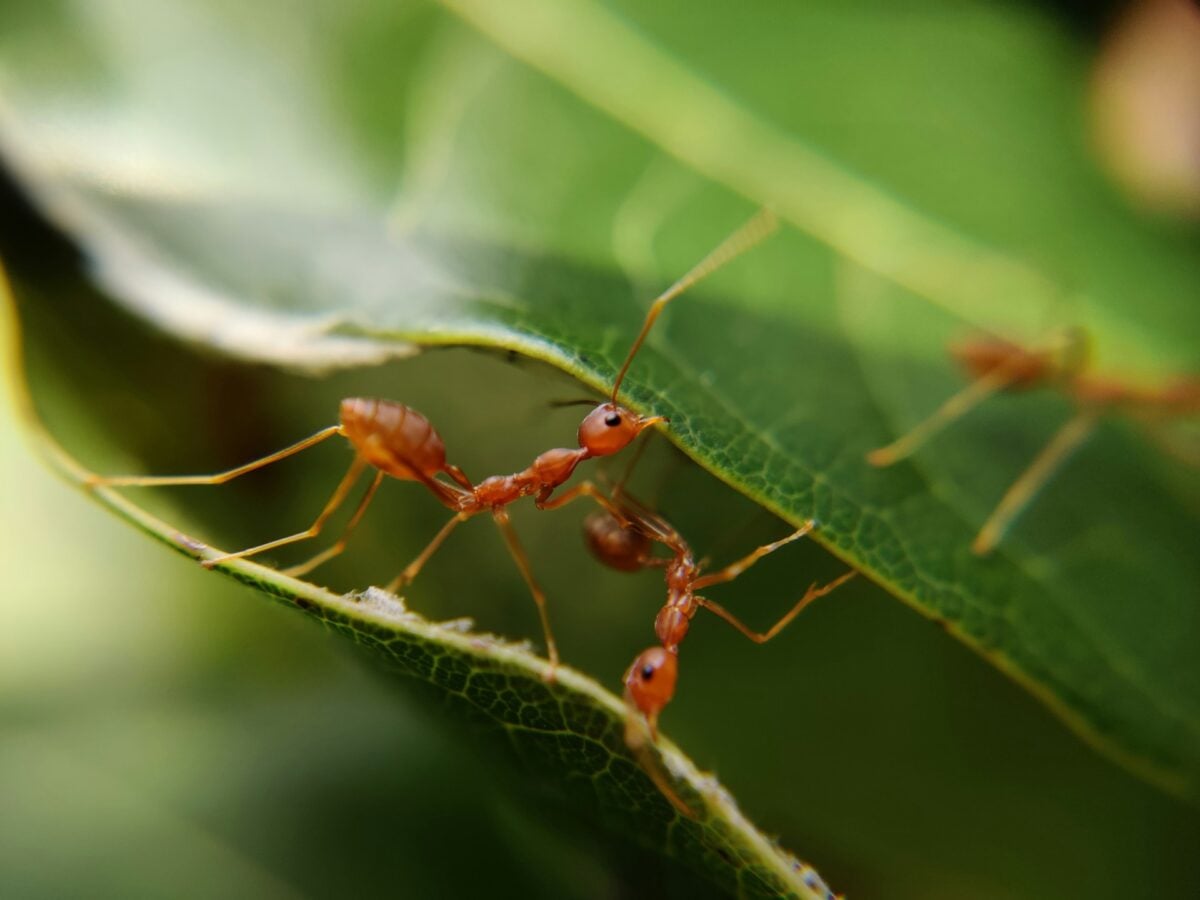
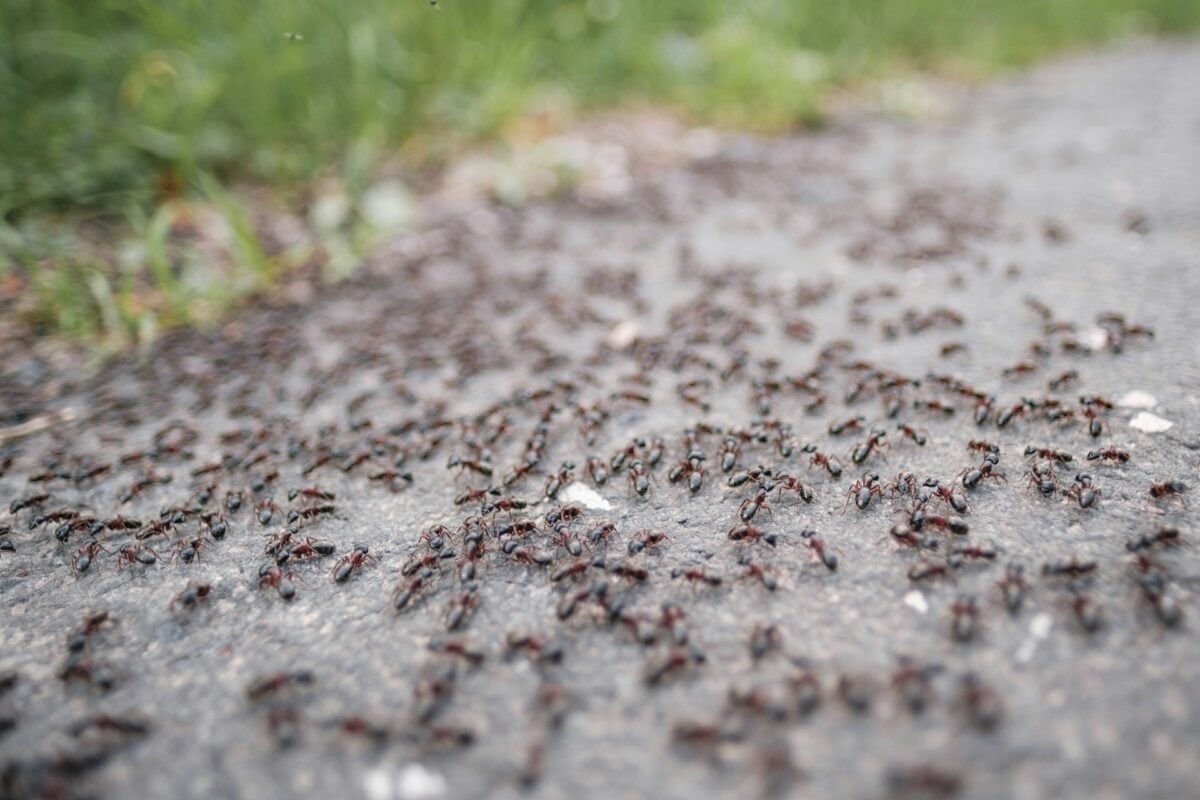
Ever wondered why some ant problems seem minor while others feel like full-scale invasions? Colony size (the number of individuals that make up the colony) is very important to ants: it can affect how they forage, how they defend their nests, how they mate, and even their physical appearances.The difference between small and large colonies is like comparing a corner store to a massive shopping mall—the entire operation changes.
Some colonies contain just a few dozen ants living in a twig, while super-colonies can span continents with billions of workers.
Like Go2Tutors’s content? Follow us on MSN.
They Practice Smart Energy Management
Here’s where ant behavior gets really clever: they’ve figured out how to manage workloads efficiently long before humans had terms for it. When many ants are busy with a task, some will stop to prevent the entire colony from becoming overworked.
It’s like having teammates who automatically step back when they notice everyone’s getting stretched thin, ensuring the group maintains sustainable productivity. This ‘reverse social contagion’ means larger colonies don’t just scale up their energy use proportionally.
Their Communication Network Rivals the Internet
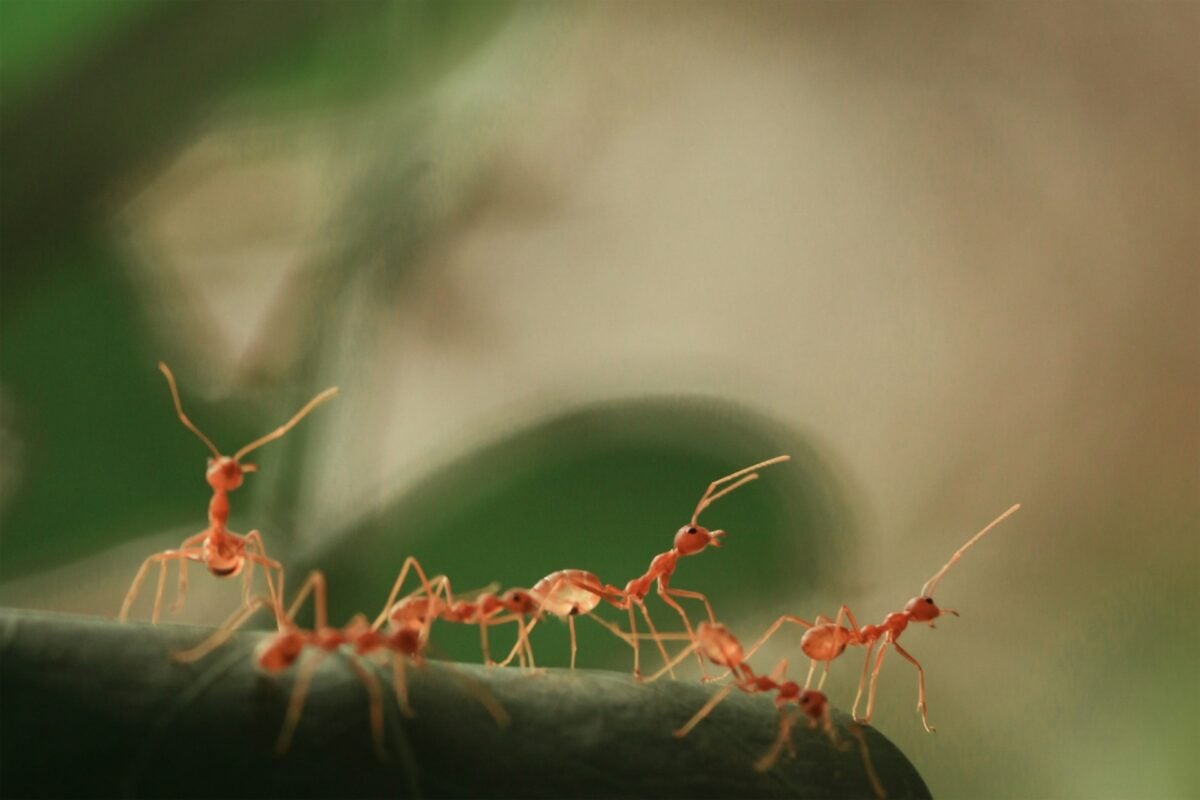
Forget about your smartphone—ants have been using chemical messaging systems for millions of years. Ants communicate and cooperate by secreting pheromones, or scent chemicals, that can alert others to danger or lead them to a promising food source.
These chemical trails work like invisible highways, guiding traffic and sharing information across the entire colony. What makes this even more impressive is the sophistication of their messaging.
They Make Decisions That Resemble Neural Networks
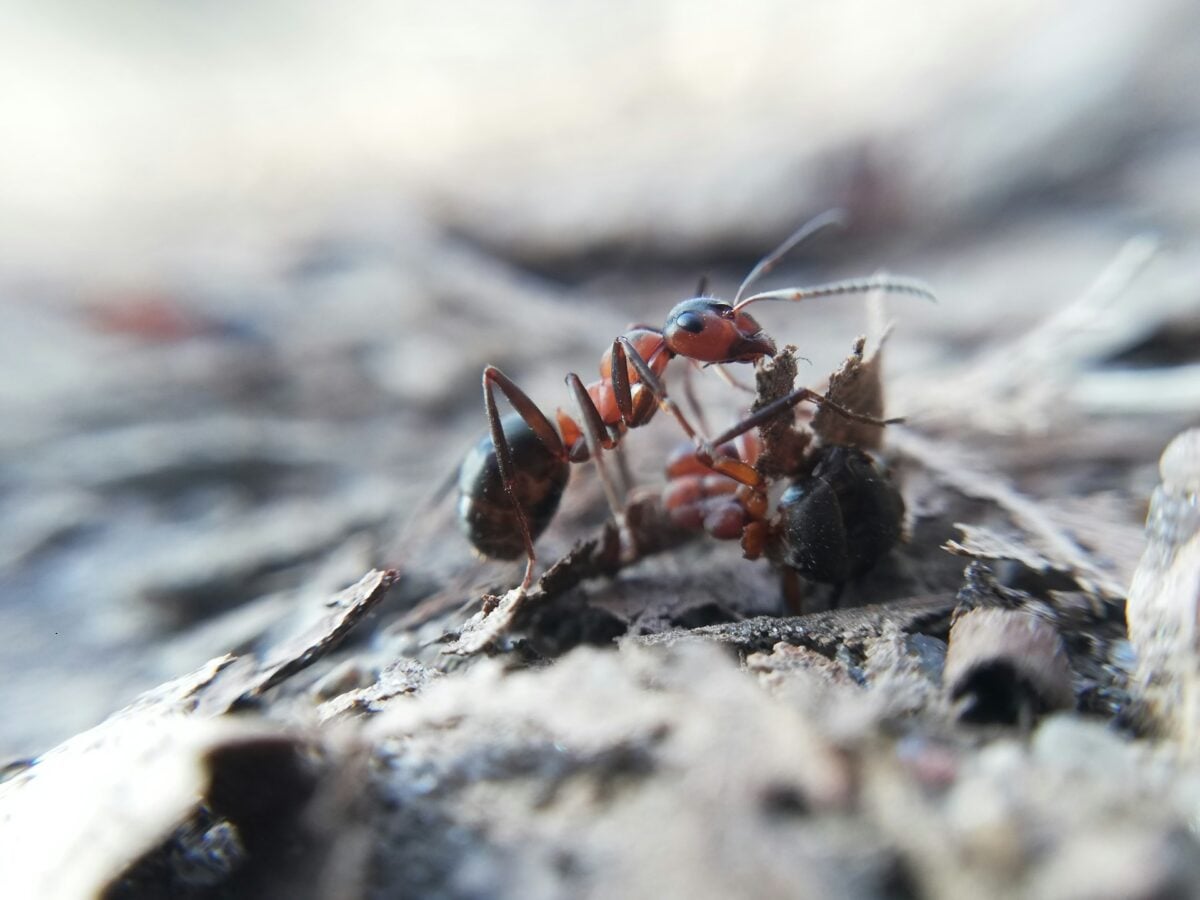
When your ant colony needs to evacuate due to rising temperature, how do millions of individuals decide to move as one? The whole group rushes out as one—a decision to evacuate has been made.Recent research shows that ant colonies make decisions in ways that resemble how neural networks in brains work, with individual ants acting like neurons that fire when certain thresholds are met.
When they increased the size of the colony from 10 to 200 individuals, the temperature necessary to trigger the decision to vacate increased.
Like Go2Tutors’s content? Follow us on MSN.
Division of Labor Happens Without Management
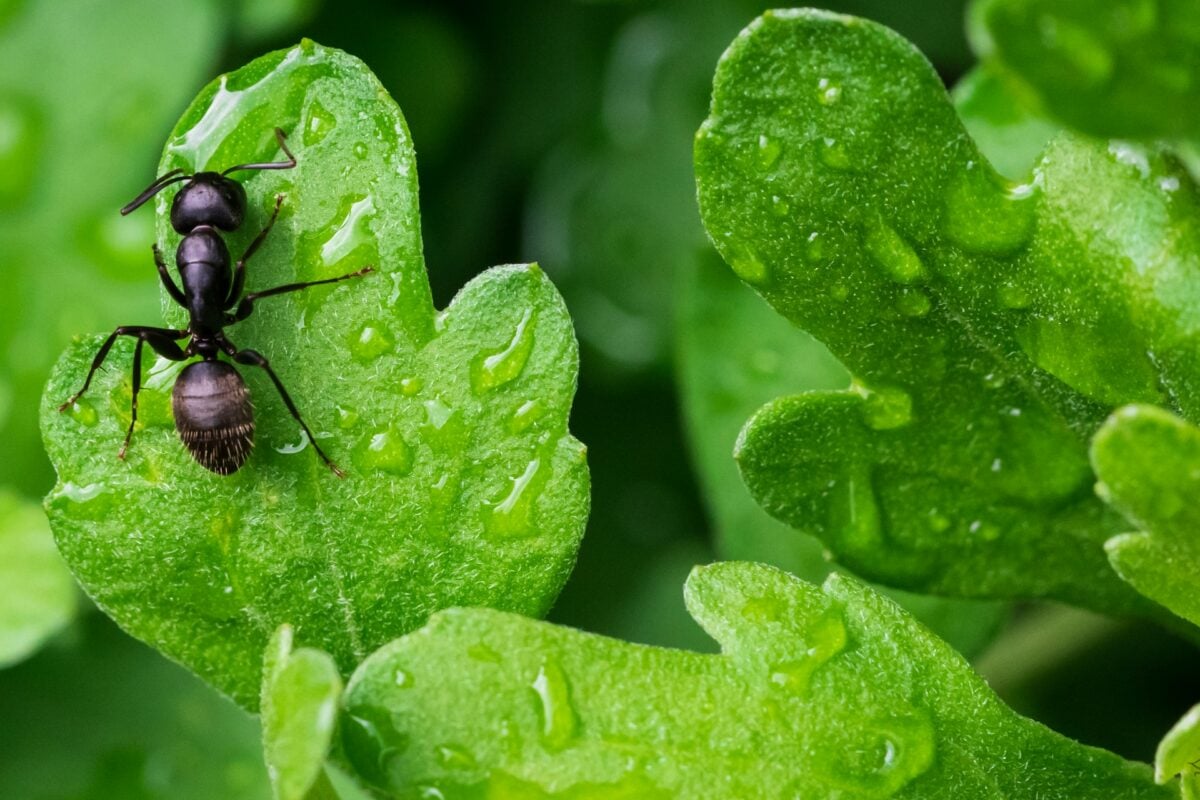
Here’s something that would make HR departments everywhere take notes: ant colonies organize themselves without any managers giving orders. Despite her size and royal title, the queen doesn’t boss the workers around.
Instead, workers decide which tasks to perform based on personal preferences, interactions with nestmates, and cues from the environment. Young ants typically start with nursery duties, caring for eggs and larvae in the safety of the nest.
They Share Resources Where Needed Most
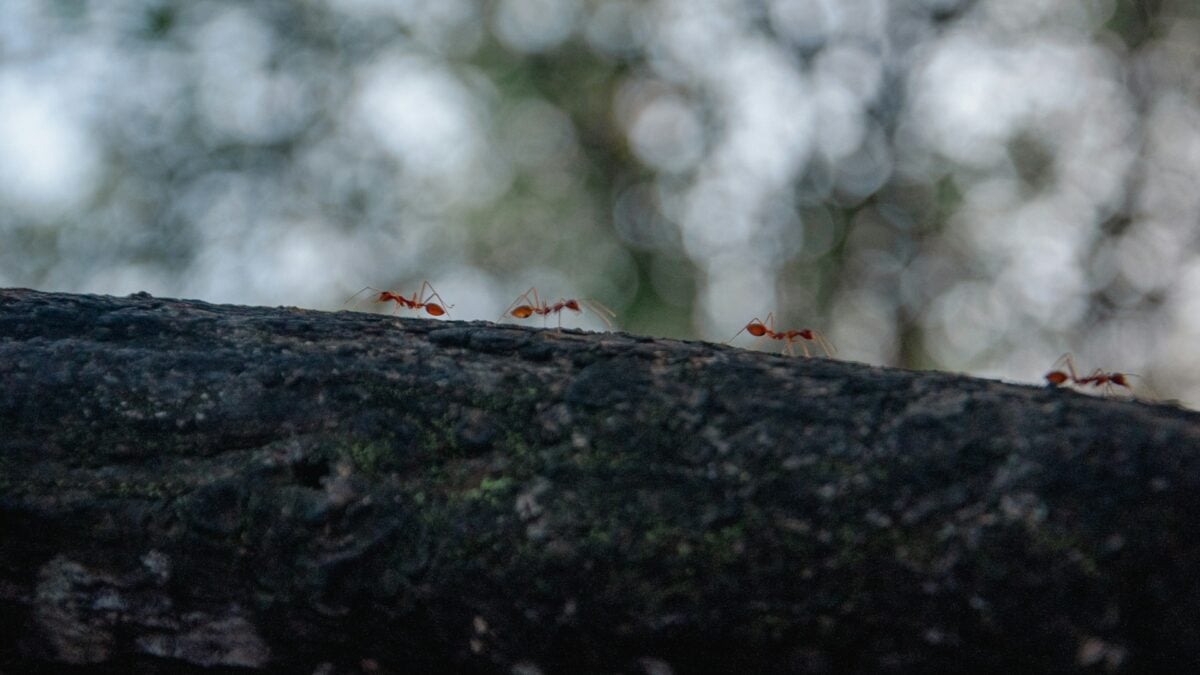
Resource hoarding doesn’t exist in ant colonies. Ants within a colony share resources such as food, water, and nesting materials through trophallaxis (mouth-to-mouth feeding) and other forms of cooperative behavior.
Resources flow to wherever they’re needed, with little individual hoarding—imagine if everyone in your neighborhood automatically shared groceries, tools, and utilities based purely on need rather than ability to pay. This resource sharing extends beyond just food.
Their Architecture Rivals Human Engineering
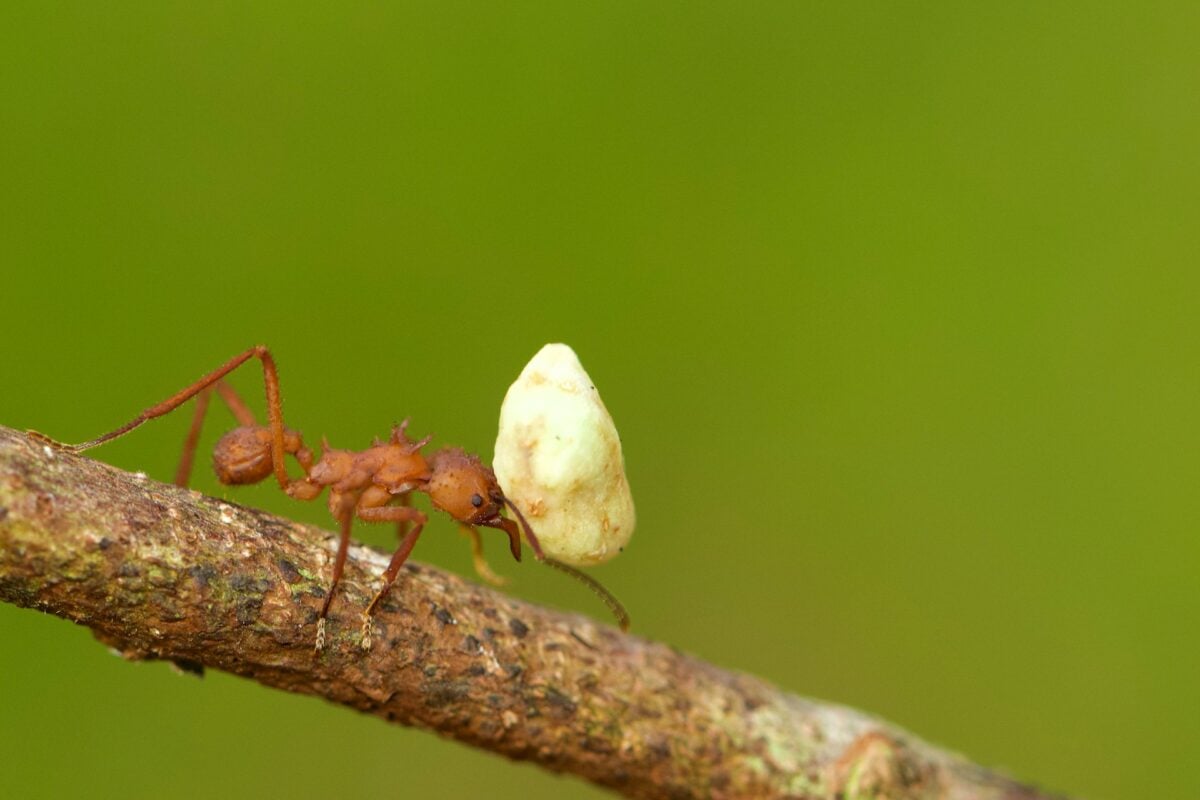
Ant nests aren’t just random tunnels—they’re carefully engineered structures designed for optimal traffic flow, climate control, and defense. Some species create elaborate underground cities with designated areas for nurseries, food storage, waste disposal, and even ‘livestock’ farming where they cultivate fungus gardens or tend to aphids.
The engineering principles ants use include proper ventilation systems, emergency exits, and compartmentalized design that prevents total collapse if one section is damaged. These tiny architects have been perfecting sustainable building design for millions of years.
Like Go2Tutors’s content? Follow us on MSN.
They Solve Complex Problems Through Collective Intelligence
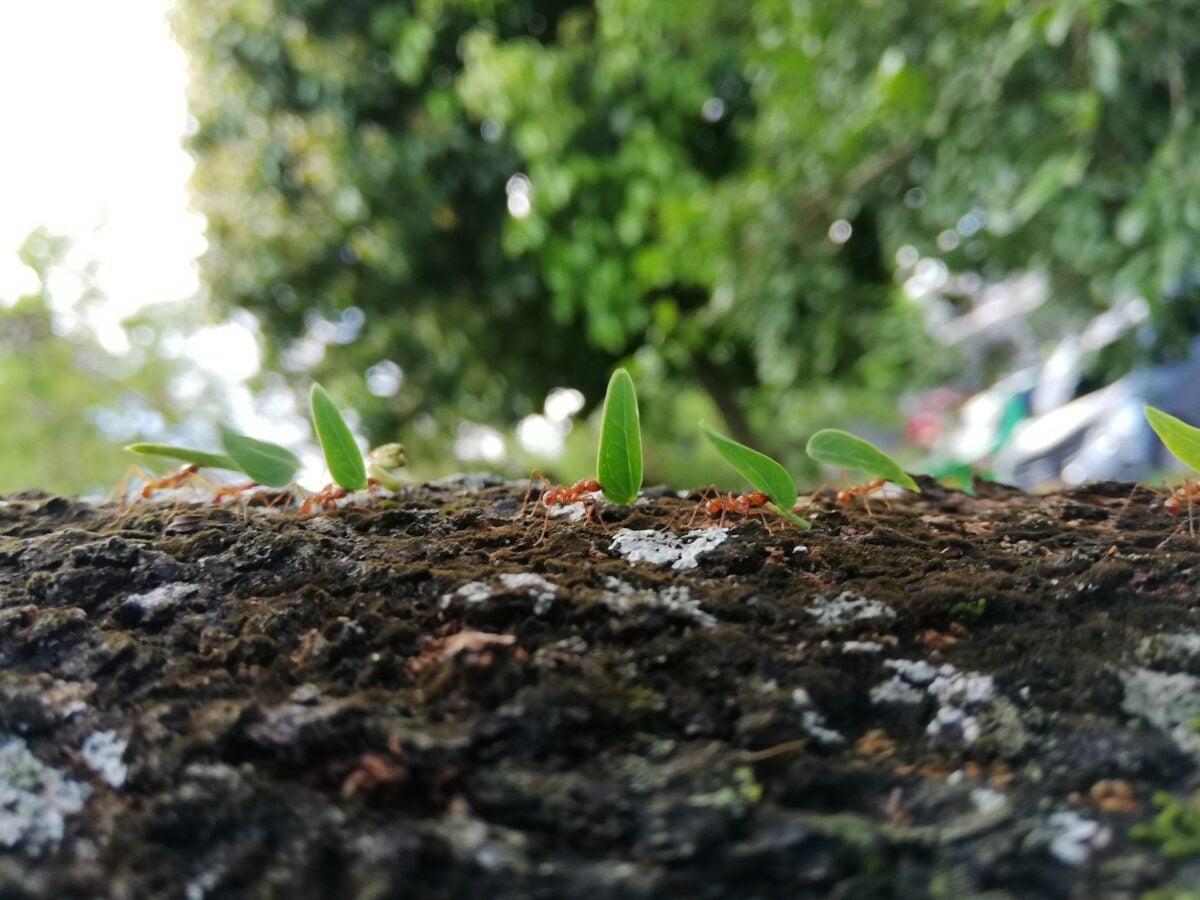
Individual ants aren’t particularly smart, but put them together and magic happens. Ant superorganisms can solve difficult problems by processing information as a group.
For example, a colony can compare potential nest sites before collectively choosing the best one. It’s like having thousands of researchers all working on the same problem simultaneously, sharing data in real-time.
Age Determines Your Career Path
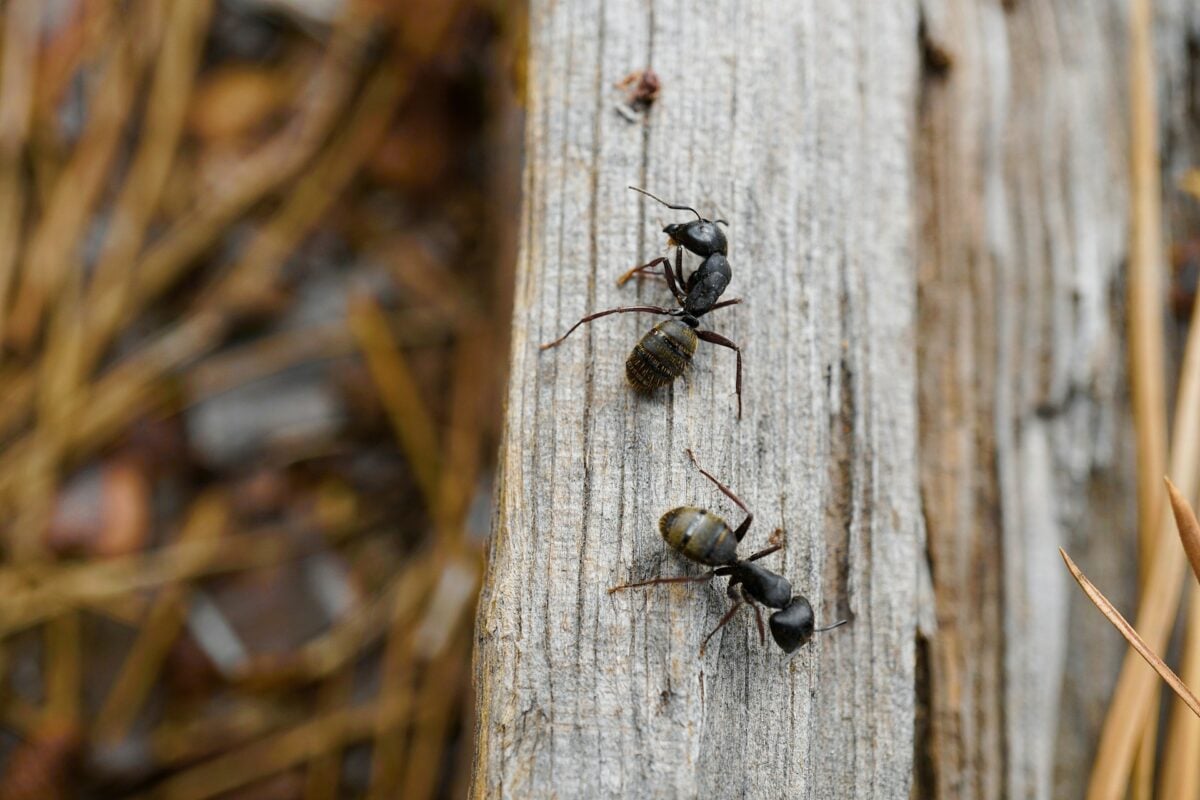
Ant societies have figured out the perfect age-based career progression system. As ants age, their tasks move them further from the queen or the colony’s center.
Younger ants typically work within the nest, protecting the queen and the young. Older ants move outward and focus more on expanding and defending the ant nest in addition to searching for food.
From Tiny Brains to Massive Intelligence
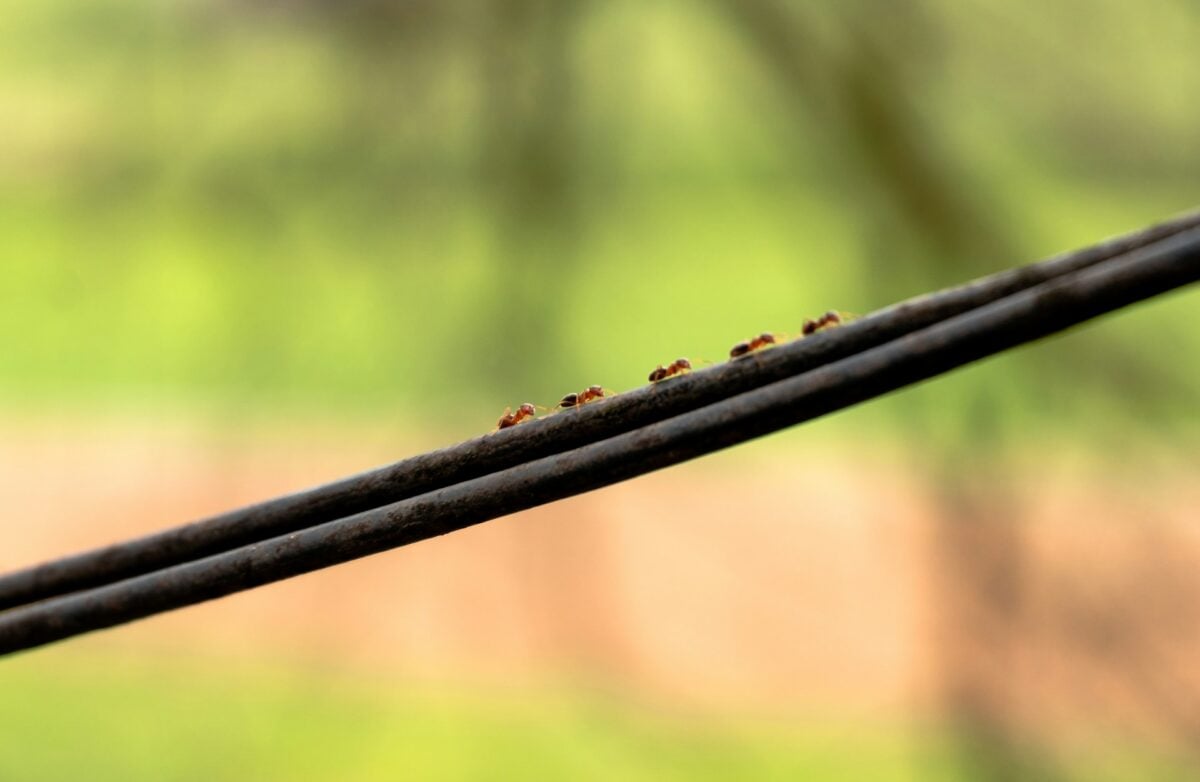
The most mind-blowing aspect of ant colonies is how individual simplicity creates collective sophistication. Each ant operates with basic rules and limited information, yet together they create complex behaviors that seem almost magical.
Each individual ant has a tiny brain. But all the ants of a colony combined are pretty smart.
More from Go2Tutors!

- 16 Historical Figures Who Were Nothing Like You Think
- 12 Things Sold in the 80s That Are Now Illegal
- 15 VHS Tapes That Could Be Worth Thousands
- 17 Historical “What Ifs” That Would Have Changed Everything
- 18 TV Shows That Vanished Without a Finale
Like Go2Tutors’s content? Follow us on MSN.