Largest Empires in History
Maps can lie. Not intentionally, but the flat projections we’re used to seeing distort sizes in ways that make Greenland look bigger than Africa.
When you start measuring historical empires, things get even trickier. Do you count the year they peaked, or average their territory over centuries?
Do uninhabited ice sheets and deserts count the same as populated farmland? Historians argue about these details, but some empires were so massive that no amount of quibbling changes their place on the list.
The British Empire Stretched Across Every Time Zone
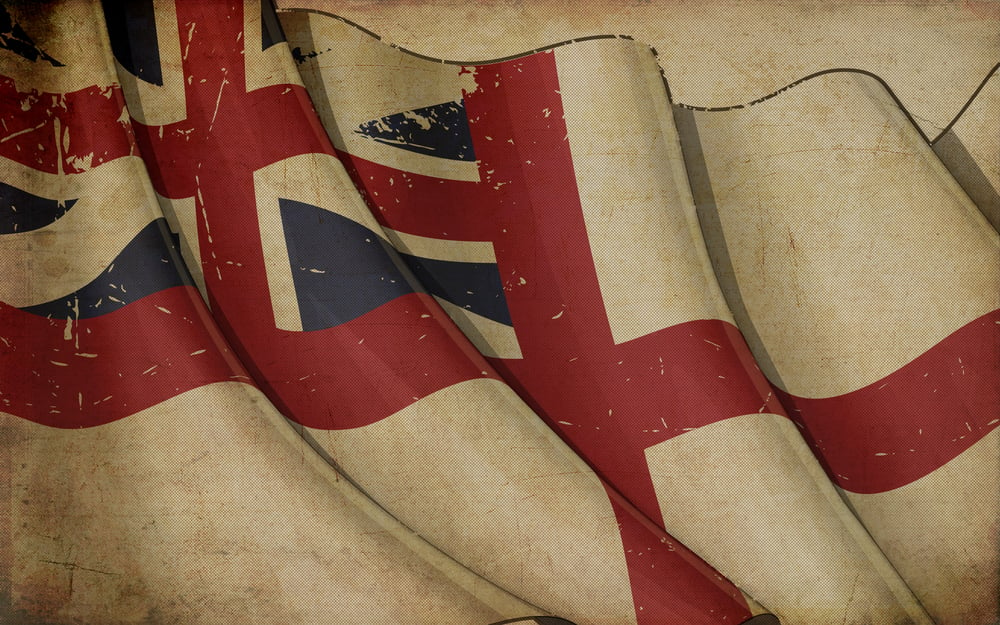
At its height in the 1920s, the British Empire covered roughly 13.7 million square miles. That’s about 24% of the world’s land area.
The phrase “the sun never sets on the British Empire” wasn’t just propaganda—it was literally true.
Britain controlled territories from Canada to Australia, from India to large chunks of Africa. The empire didn’t grow overnight.
It took centuries of naval dominance, trade company expansion, and colonial administration to reach this size. By the time it peaked after World War I, Britain had gained former German and Ottoman territories through League of Nations mandates.
The administrative challenge of governing such a sprawling domain proved impossible to maintain. Independence movements, economic strain from two world wars, and changing global attitudes toward colonialism led to its gradual dissolution throughout the mid-20th century.
The Mongol Empire Connected East and West
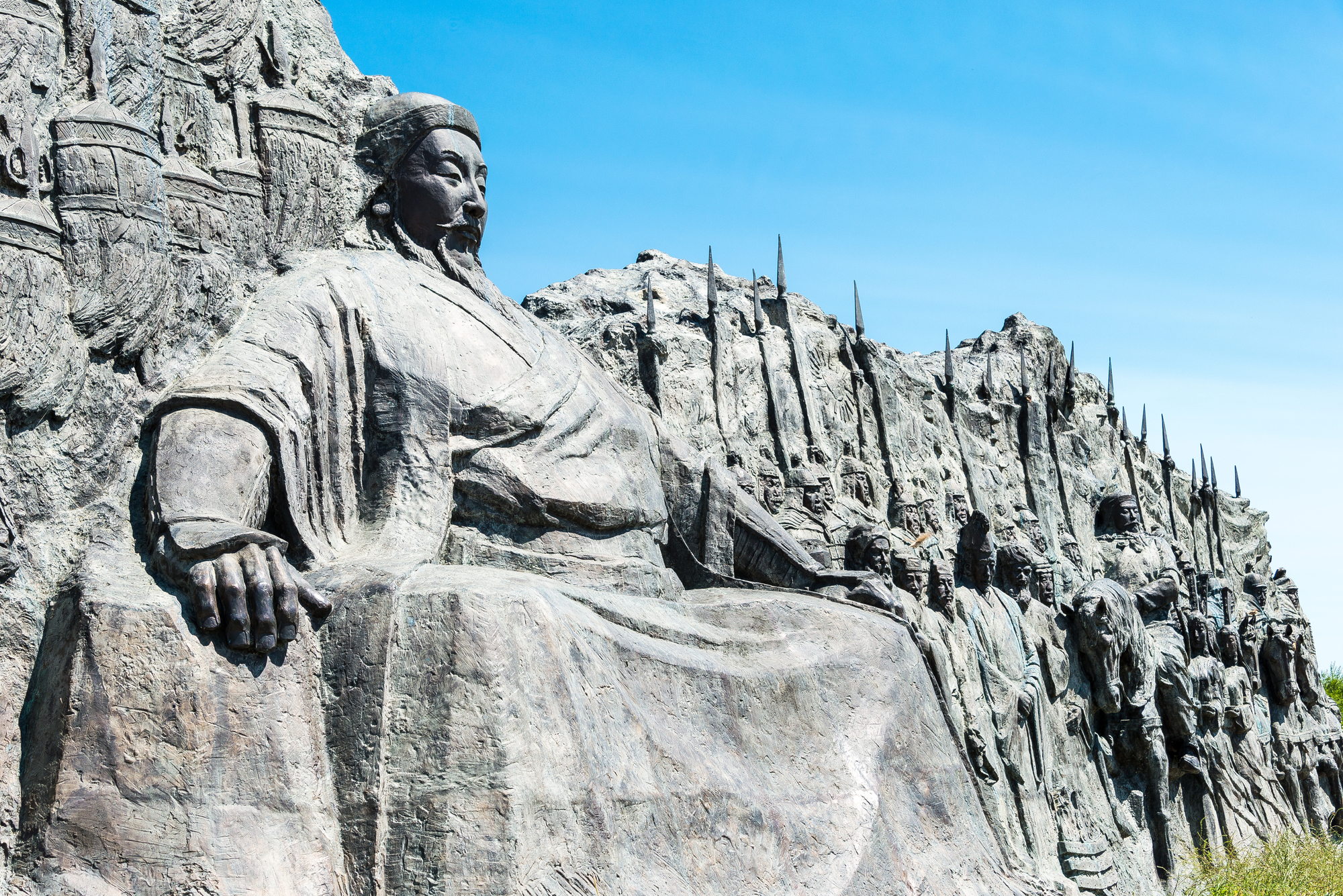
Genghis Khan and his descendants built the largest contiguous land empire in history. At its peak around 1270-1309, the Mongol Empire covered approximately 9.3 million square miles.
Unlike maritime empires that controlled scattered territories across oceans, the Mongols ruled one continuous landmass stretching from Eastern Europe to the Sea of Japan.
The speed of their expansion still amazes historians. Within a single lifetime, Mongol armies conquered territory across Asia and into Europe.
Their military tactics, communication systems, and willingness to adopt useful technologies from conquered peoples made them nearly unstoppable.
The empire eventually fragmented into separate khanates—the Golden Horde, the Ilkhanate, the Chagatai Khanate, and the Yuan Dynasty in China. But for a brief period, the Pax Mongolica allowed unprecedented trade and cultural exchange across Eurasia.
The Silk Road flourished under their protection.
Russia Expanded Across Two Continents
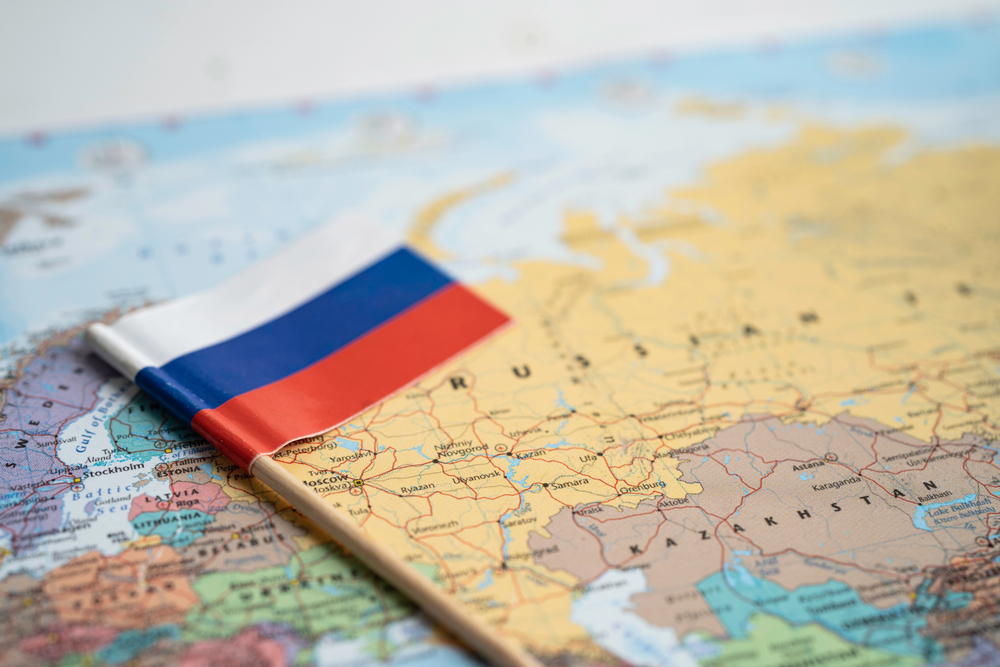
The Russian Empire, particularly by the early 20th century, controlled roughly 8.8 million square miles. This made it the third-largest empire in history and the largest state ever to exist as a single entity until the Soviet Union.
Russia’s expansion differed from Western colonial empires. Instead of crossing oceans, Russians pushed eastward across Siberia, southward into Central Asia, and absorbed neighboring territories through conquest and treaty.
The empire stretched from Poland to Alaska—yes, Russia once owned Alaska before selling it to the United States in 1867.
Much of this territory consisted of sparsely populated tundra, taiga, and steppe. But the empire also controlled major population centers and diverse ethnic groups.
Managing this diversity created tensions that eventually contributed to its collapse during World War I and the Russian Revolution.
The Qing Dynasty Ruled Over a Quarter Billion People
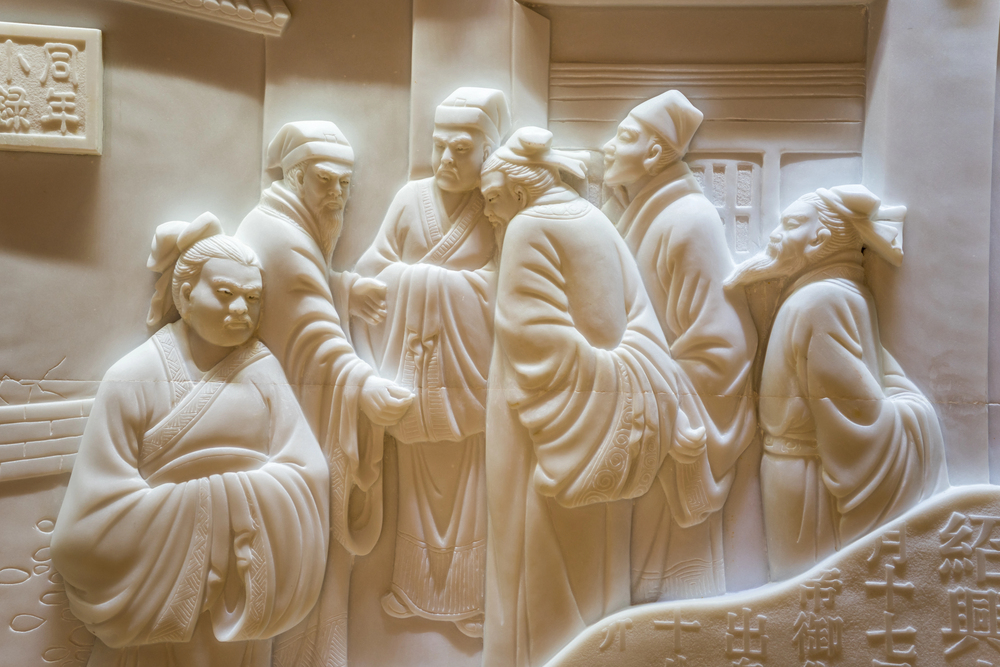
The Qing Dynasty, China’s last imperial dynasty, controlled approximately 5.7 million square miles at its height in the late 18th and early 19th centuries. But size alone doesn’t capture its significance—the Qing ruled over roughly 400 million people by 1900, making it the most populous empire in history.
The Qing were Manchus, not ethnically Han Chinese, yet they successfully governed China for nearly three centuries. They expanded Chinese territory into Mongolia, Tibet, and Xinjiang.
Their administrative system blended Manchu military organization with traditional Chinese bureaucracy.
The dynasty’s decline in the 19th century came from multiple pressures: European imperialism, internal rebellions like the Taiping Rebellion, and failure to modernize quickly enough. It finally ended in 1912, giving way to the Republic of China.
Spain’s Empire Claimed Two Americas
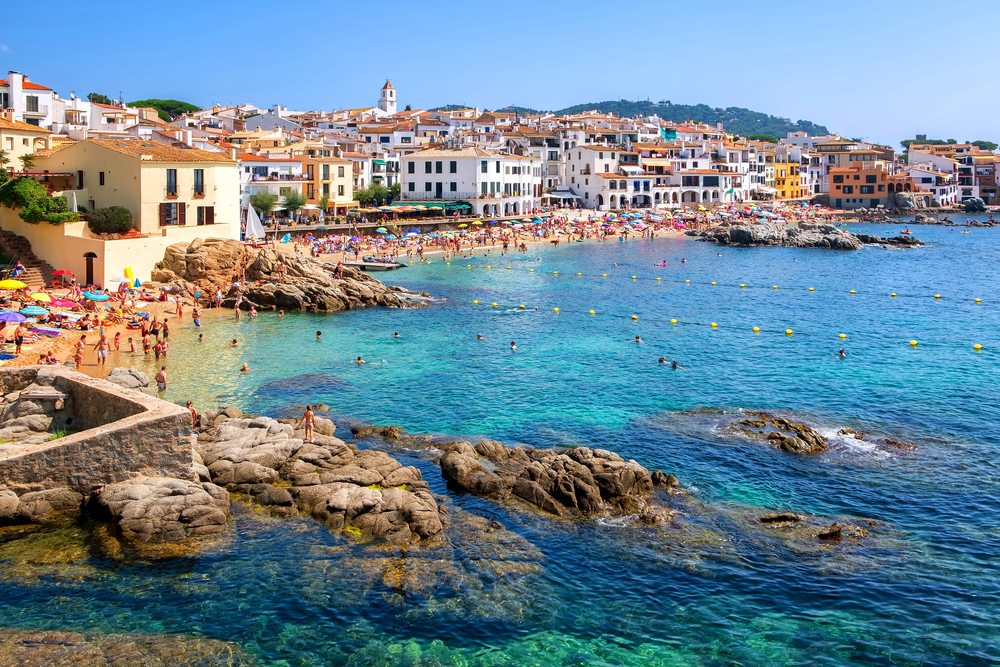
The Spanish Empire at its peak around 1810 covered approximately 5.3 million square miles. Spain controlled most of South and Central America, significant portions of North America including California and Florida, the Philippines, and various territories in Africa and Europe.
What started with Columbus’s 1492 voyage turned into the first true global empire. Spanish conquistadors toppled the Aztec and Inca empires within decades.
They established a colonial system that extracted enormous wealth in gold and silver while introducing European diseases that devastated indigenous populations.
The empire lasted longer than you think. While most of Latin America gained independence in the early 19th century, Spain held Cuba and the Philippines until 1898.
Puerto Rico and Guam remain U.S. territories acquired from Spain.
The Umayyad Caliphate Spread Islam Across Three Continents
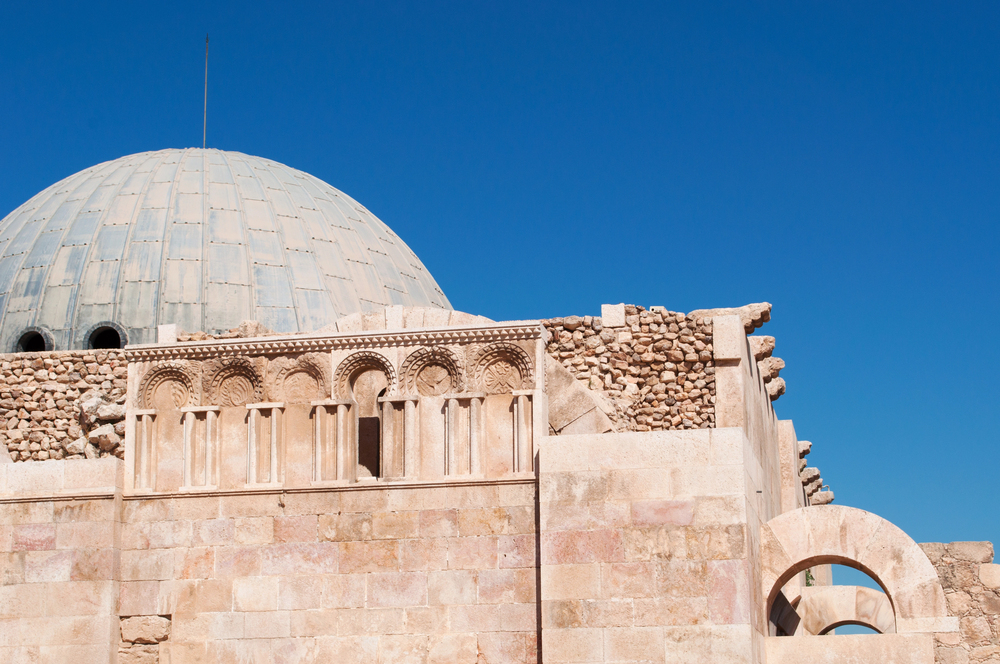
At its greatest extent around 720 CE, the Umayyad Caliphate controlled roughly 4.3 million square miles. This Islamic empire stretched from Spain and Morocco in the west to Pakistan in the east, making it the largest empire the world had seen up to that point.
The speed of Islamic expansion under the Umayyads was remarkable. Within a century of Muhammad’s death, Muslim armies had conquered the Sassanid Empire, taken most of the Byzantine Empire’s territory, and crossed into Europe.
The Battle of Tours in 732 finally stopped their advance into Western Europe.
The Umayyad capital at Damascus became a center of trade, learning, and culture. They made Arabic the administrative language across their territories and promoted architectural projects like the Dome of the Rock in Jerusalem.
Their rule ended in 750 when the Abbasid revolution overthrew them, though an Umayyad branch survived in Spain until 1031.
The Yuan Dynasty United China Under Foreign Rule

The Yuan Dynasty, established by Kublai Khan in 1271, covered approximately 4.25 million square miles at its height. This represents the Mongol Empire’s Chinese portion after the empire fragmented into separate khanates.
Kublai Khan accomplished what his grandfather Genghis had started—the complete conquest of China. The Yuan became the first foreign dynasty to rule all of China.
They moved the capital to what’s now Beijing and attempted two failed invasions of Japan that typhoons destroyed.
Marco Polo’s accounts of his time at Kublai’s court introduced Europeans to the wealth and sophistication of China. The dynasty promoted trade and cultural exchange but maintained social distinctions that favored Mongols over Chinese.
Han Chinese rebellions eventually drove them out in 1368, establishing the Ming Dynasty.
France Built Its Empire in Two Waves

The French colonial empire reached its maximum extent of about 4.2 million square miles in the 1920s and 1930s. France actually built two colonial empires—the first centered on the Americas and India but largely lost during the 18th century wars with Britain, and the second focused on Africa and Southeast Asia.
The second French empire made France the second-largest colonial power after Britain. They controlled most of West and North Africa, Indochina, various Pacific islands, and small territories worldwide.
Unlike the British, who often practiced indirect rule, the French promoted a policy of assimilation, attempting to turn colonial subjects into French citizens.
Decolonization came later for France than for Britain. They fought bitter wars trying to maintain control of Algeria and Indochina in the 1950s and 60s.
Many former French colonies maintain close ties to France through economic and cultural organizations.
The Abbasid Caliphate Presided Over Islam’s Golden Age
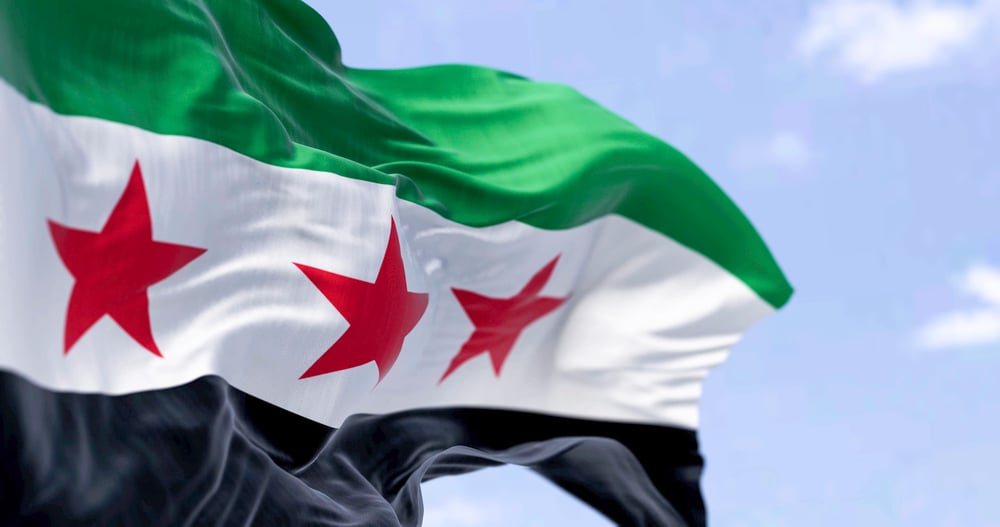
The Abbasid Caliphate succeeded the Umayyads in 750 CE and eventually controlled roughly 4.07 million square miles. While their actual political control varied considerably over their long existence, they represented the pinnacle of Islamic civilization.
The Abbasids moved the capital to Baghdad, which became one of the world’s great cities. The House of Wisdom attracted scholars from across the known world.
During the Islamic Golden Age, Abbasid territories saw major advances in mathematics, astronomy, medicine, and philosophy. Scholars preserved ancient Greek texts and made discoveries that would later fuel the European Renaissance.
The caliphate’s political power declined over centuries as regional governors became effectively independent. The Mongols ended it in 1258 when they sacked Baghdad, though puppet Abbasid caliphs continued in Cairo until 1517.
Portugal Pioneered Oceanic Empire
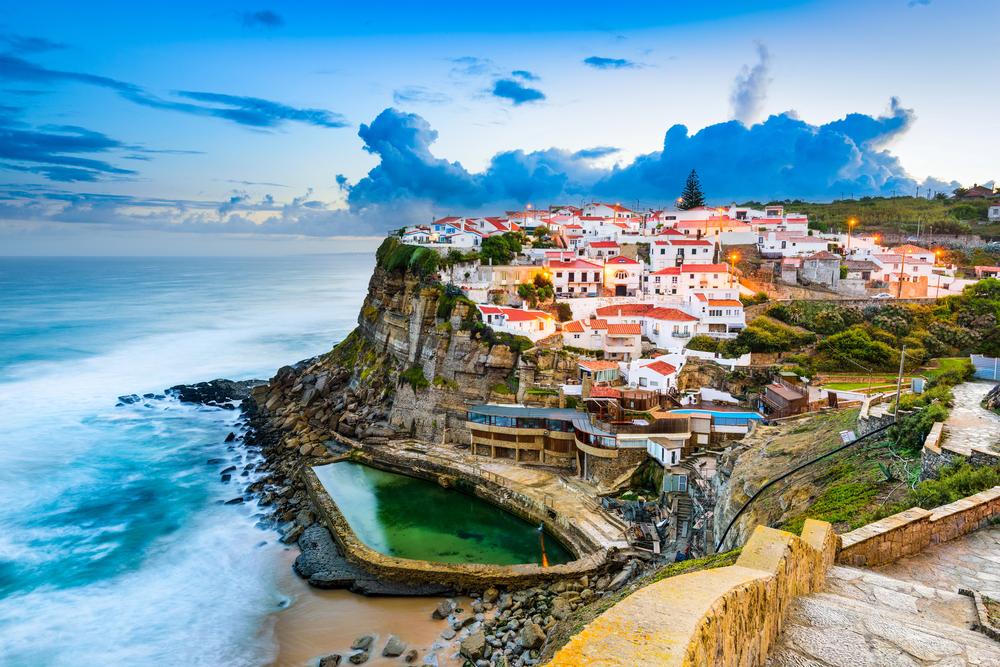
The Portuguese Empire covered approximately 4 million square miles at its height in the 18th century. Portugal might seem like a small country to have built such an empire, but they pioneered the Age of Discovery through advances in navigation and shipbuilding.
Vasco da Gama’s voyage to India in 1498 opened a sea route that bypassed the Ottoman-controlled land routes. Portugal established trading posts and colonies across Africa, Asia, and South America.
Brazil alone is larger than the continental United States. They controlled Goa in India, Macau in China, and East Timor in Southeast Asia.
Portugal held onto its colonies longer than most European powers. Angola and Mozambique didn’t gain independence until 1975.
Macau wasn’t returned to China until 1999, making it one of the last colonies to be transferred.
The Ottoman Empire Bridged Europe and Asia
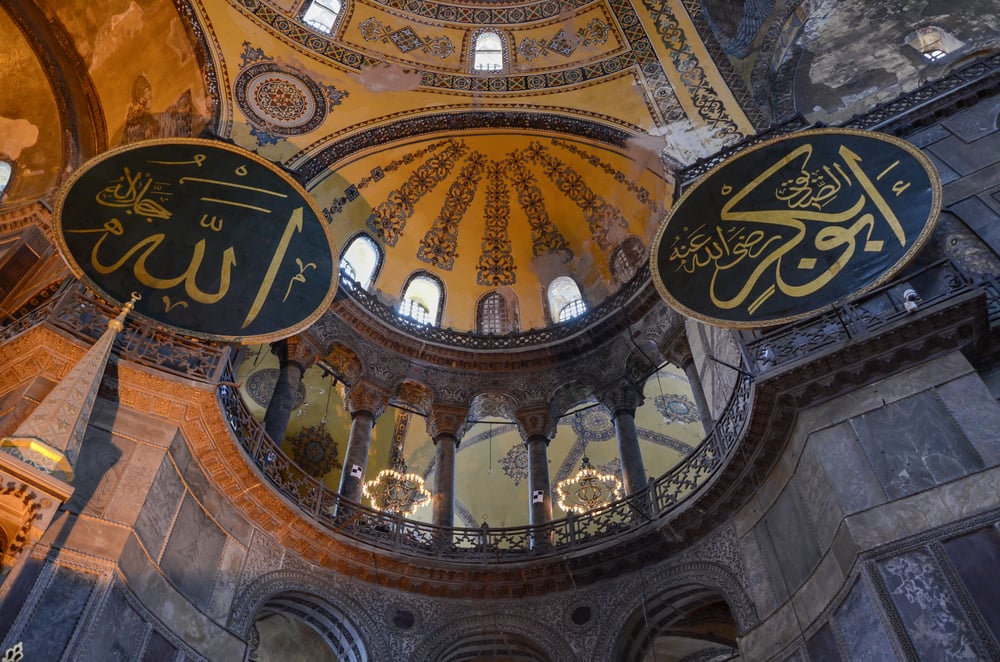
At its peak in the 16th and 17th centuries, the Ottoman Empire controlled approximately 2.2 million square miles. Based in Constantinople (modern Istanbul), the Ottomans dominated the Eastern Mediterranean, the Balkans, most of the Middle East, and North Africa.
The Ottomans ended the Byzantine Empire when they conquered Constantinople in 1453. Under Suleiman the Magnificent, they reached their greatest extent, threatening Vienna and controlling critical trade routes.
The empire became known as a cosmopolitan center where different religions and ethnicities coexisted under a millet system that granted communities some autonomy.
The empire’s long decline through the 18th and 19th centuries earned it the nickname “the sick man of Europe.” It finally dissolved after World War I, when Allied powers divided its territories and Mustafa Kemal Atatürk established modern Turkey.
The Persian Empire Invented Imperial Administration
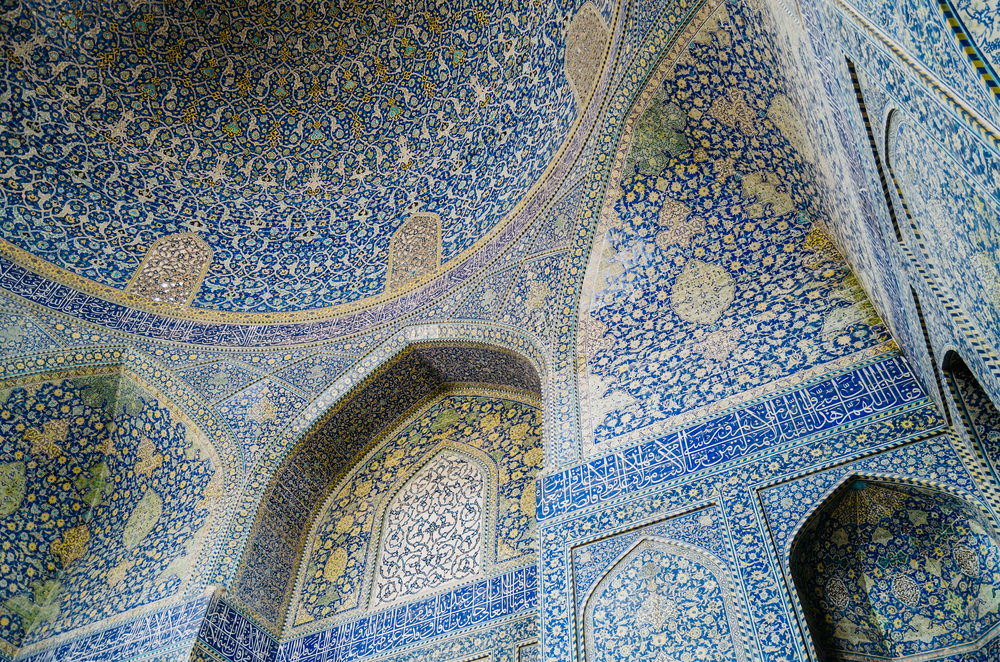
The Achaemenid Persian Empire, at its height around 500 BCE, covered approximately 2.1 million square miles. This might seem small compared to later empires, but it represented nearly half the world’s population at the time.
Cyrus the Great and his successors created an empire that stretched from Egypt to India. They invented many administrative techniques that later empires copied: a professional civil service, a postal system, standardized coinage, and provincial governors with defined responsibilities.
The Royal Road connected their vast territories.
The Persians practiced relative tolerance for their era, allowing conquered peoples to maintain their customs and religions. This helped them govern effectively for over two centuries until Alexander the Great conquered them in 330 BCE.
Later Persian empires rose and fell, but none matched the Achaemenids’ size or influence.
Rome’s Legacy Outlasted Its Borders
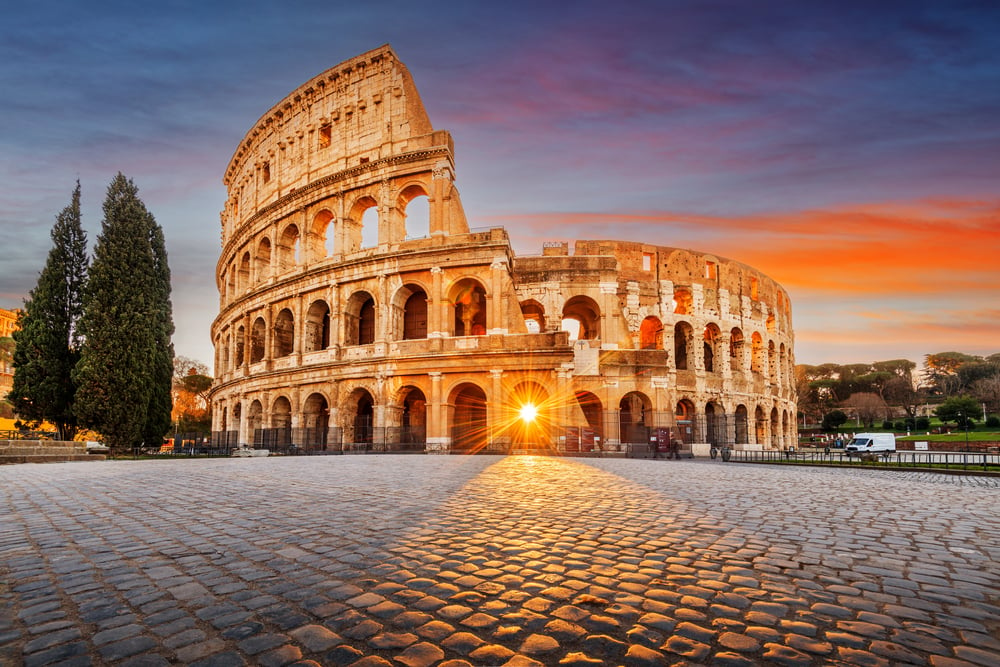
The Roman Empire at its greatest extent under Trajan around 117 CE controlled approximately 1.9 million square miles. Rome doesn’t rank highest by land area, but its cultural impact surpassed its geographic reach.
The Romans unified the Mediterranean world for the first time. Their roads, aqueducts, and cities still shape modern landscapes.
Latin evolved into the Romance languages and influenced all European languages. Roman law became the foundation for Western legal systems.
The concept of Roman citizenship created an identity beyond tribal or ethnic affiliation.
The Western Roman Empire fell in 476 CE, though the Eastern Byzantine Empire continued for another thousand years. But Rome’s influence never died.
The Holy Roman Empire, the Russian tsars (from “Caesar”), and countless later states claimed to be Rome’s successors.
What Remains After Empires Fall

Walking through the ruins of ancient empires brings strange feelings. The grandeur that once commanded millions now provides homes for pigeons and tourists.
Yet something persists beyond the crumbling columns and faded inscriptions. Languages carry the empire’s ghost.
Administrative systems bear its fingerprints. Trade routes follow paths the empire cleared centuries ago.
The borders drawn on maps often trace the empire’s old boundaries, sometimes causing conflicts that still flare today. Former colonial powers maintain economic and cultural ties with former colonies, relationships so complex that simple labels like “good” or “bad” miss the point entirely.
History judges empires harshly now, and rightfully so for their conquests, slavery, and cultural destruction. But empires also connected distant peoples, spread technologies and ideas, and created the globalized world both for better and worse.
Understanding them helps explain why the modern world looks the way it does. The earth’s surface might divide into nation-states now, but the patterns of empires carved into human civilization run deeper than any border.
More from Go2Tutors!

- The Romanov Crown Jewels and Their Tragic Fate
- 13 Historical Mysteries That Science Still Can’t Solve
- Famous Hoaxes That Fooled the World for Years
- 15 Child Stars with Tragic Adult Lives
- 16 Famous Jewelry Pieces in History
Like Go2Tutors’s content? Follow us on MSN.



