Letters That Changed History
Some of the most powerful moments in human history weren’t decided on battlefields or in grand halls. They happened when someone picked up a pen and wrote words that would echo across time.
A single letter could start wars, end them, or shift the course of nations forever. These weren’t just casual notes between friends.
Each one carried weight that changed everything.
Martin Luther’s challenge to the church

Martin Luther nailed his complaints about the Catholic Church to a door in 1517, but his real weapon was the letters he wrote afterward.
He challenged the Pope directly through written words that spread across Europe faster than anyone expected. His letters questioned practices like selling forgiveness and sparked a religious revolution that split Christianity in two.
The printing press helped copy his letters thousands of times, reaching people who had never questioned their faith before.
Einstein’s warning to Roosevelt

Albert Einstein wrote to President Franklin Roosevelt in 1939 about a terrifying possibility.
German scientists might build an atomic bomb first, and Einstein urged America to start its own program immediately. Roosevelt took the letter seriously enough to launch the Manhattan Project, which eventually created the weapons dropped on Japan.
Einstein later said writing that letter was his biggest regret, even though he feared what would happen if he stayed silent.
Galileo’s letter about the sun

Galileo wrote to the Grand Duchess Christina in 1615 defending his belief that Earth orbits the sun.
The Catholic Church taught that Earth stood still at the center of everything, and Galileo’s letter argued that science and religion didn’t have to contradict each other. Church leaders didn’t appreciate his explanation and put him on trial for heresy.
His letter became a turning point in the battle between scientific discovery and religious authority.
The Zimmermann Telegram

Germany sent a secret coded message to Mexico in 1917 offering a deal.
If Mexico joined Germany in fighting America, they would get back Texas, New Mexico, and Arizona after the war ended. British spies intercepted the telegram and passed it to American officials, who released it to newspapers across the country.
Americans who wanted to stay out of World War I changed their minds overnight, and the United States entered the war within weeks.
Queen Victoria’s telegram to America

Queen Victoria sent the first transatlantic telegraph message to President James Buchanan in 1858.
The message itself was boring and polite, just ninety-eight words of formal greeting between leaders. But the technology behind it changed everything about how quickly information could travel between continents.
What once took weeks by ship now happened in minutes, shrinking the world in ways people had never imagined possible.
Jefferson’s letter to the Danbury Baptists

Thomas Jefferson wrote to a group of concerned church members in Connecticut in 1802.
They worried that the government might interfere with how they practiced their religion. Jefferson’s response included the phrase ‘wall of separation between church and state,’ which became one of the most quoted lines in American law.
Courts still argue about what Jefferson really meant more than two hundred years later.
Lenin’s sealed train letter
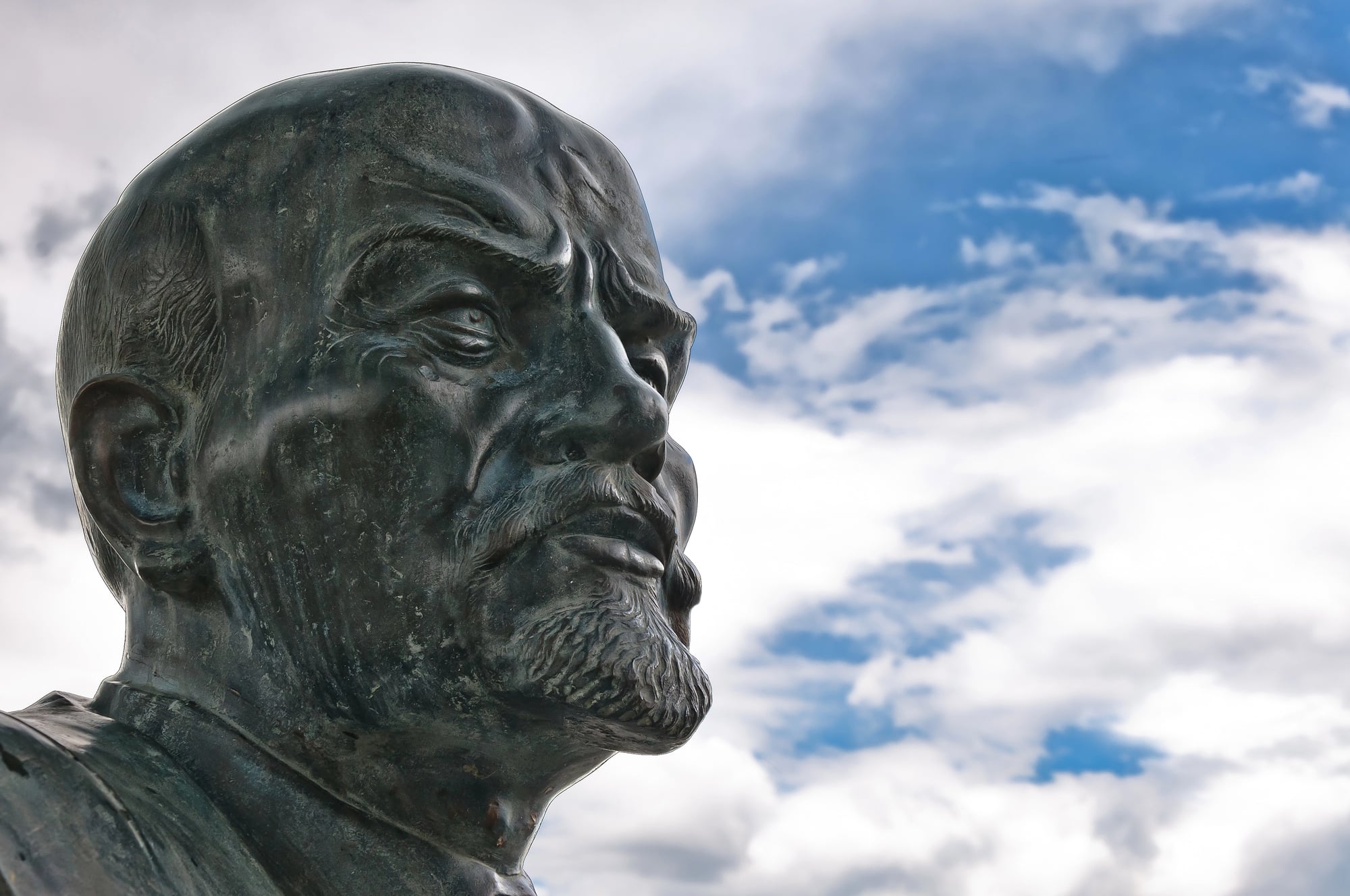
Vladimir Lenin wrote instructions from Switzerland in 1917 while trying to get back to Russia during their revolution.
Germany helped him travel through their territory in a sealed train car because they wanted Russia to collapse and leave World War I. His letters coordinated with other revolutionaries back home laid out plans that would transform Russia into the Soviet Union.
Germany’s decision to help Lenin travel home backfired spectacularly when communism became their enemy for decades.

Mandela’s letter from prison
Nelson Mandela spent twenty-seven years locked up on Robben Island, but his letters kept reaching the outside world.
He wrote to his wife Winnie, to his children, and to supporters who were fighting apartheid in South Africa. Prison officials read every word before the letters left, so Mandela learned to write carefully without losing his message.
Those letters kept hope alive when the cause seemed hopeless and showed the world that imprisonment couldn’t break his spirit.
The letter that started the Magna Carta
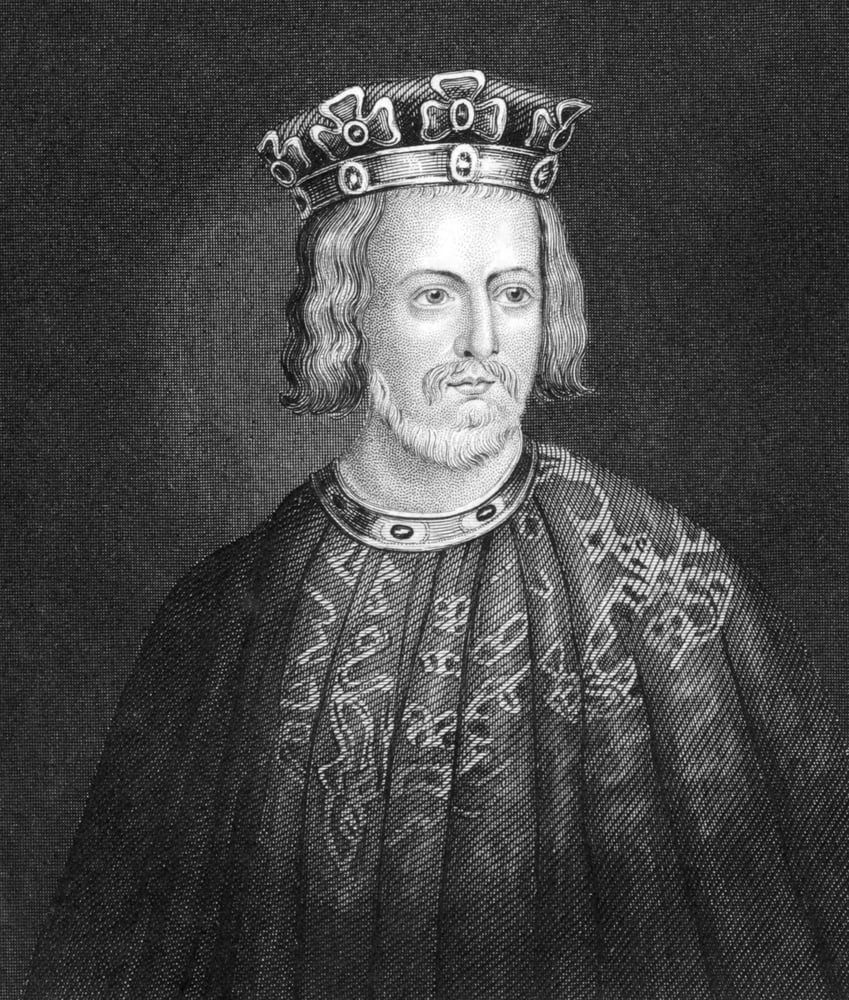
English barons wrote a list of demands to King John in 1215 after years of his terrible leadership.
The king had lost wars, raised taxes too high, and ignored the advice of nobles who were supposed to help him rule. Their letter forced John to sign the Magna Carta, which limited royal power for the first time in English history.
This single document influenced how democracies around the world would eventually govern themselves.
Columbus asking for ships

Christopher Columbus spent years writing letters to European monarchs begging for money and ships.
Most rulers thought his plan to reach Asia by sailing west was ridiculous and impossible. Queen Isabella of Spain finally agreed to fund his voyage after reading yet another persistent letter from Columbus.
His successful journey opened up the Americas to European exploration, though he died thinking he had found a route to India.
Emile Zola’s open letter

French writer Emile Zola published ‘J’Accuse’ as an open letter in a Paris newspaper in 1898.
He accused the French military and government of framing an innocent Jewish officer named Alfred Dreyfus for treason. Zola knew he would face legal trouble for writing it, and he did, but his letter forced France to reexamine the evidence.
The Dreyfus Affair divided France for years and became a major moment in the fight against antisemitism.
Harry Truman’s letter to a music critic
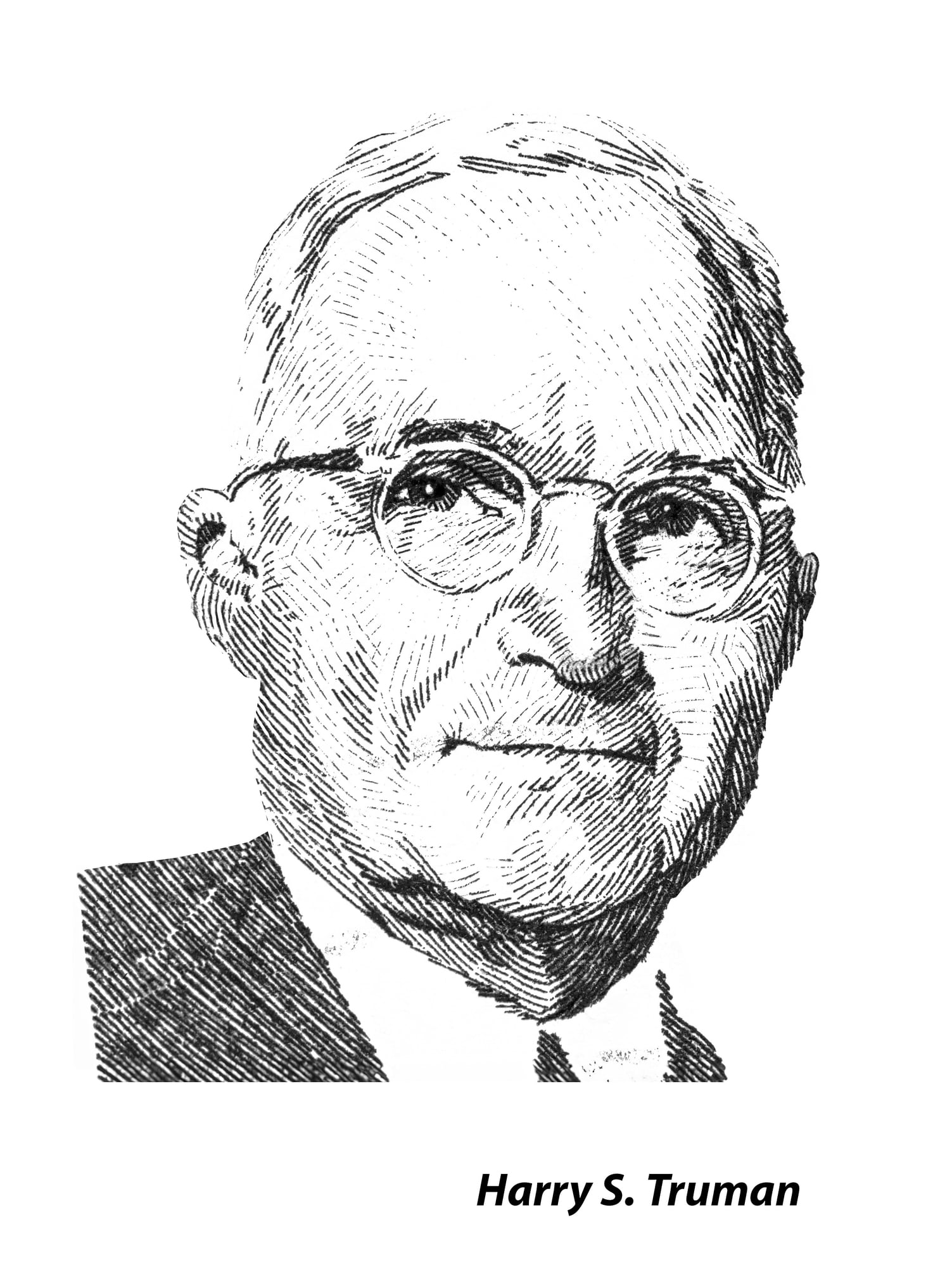
President Harry Truman wrote an angry letter to a music critic in 1950 after the man gave Truman’s daughter a bad review of her singing performance.
Truman threatened to punch the critic in the nose and called him names that presidents usually avoid in writing. The letter became public and showed that even powerful leaders are just protective parents at heart.
Some people criticized Truman for losing his temper, but many others loved seeing his human side.
King’s letter from Birmingham Jail

Martin Luther King Jr. wrote his most famous letter in 1963 while sitting in an Alabama jail cell.
White religious leaders had called his protests unwise and poorly timed, and King responded by explaining why waiting for justice was no longer acceptable. He wrote on newspaper margins and scraps of paper smuggled to him by supporters.
The letter became required reading in schools and remains one of the clearest explanations of nonviolent resistance ever written.
Abigail Adams to John Adams
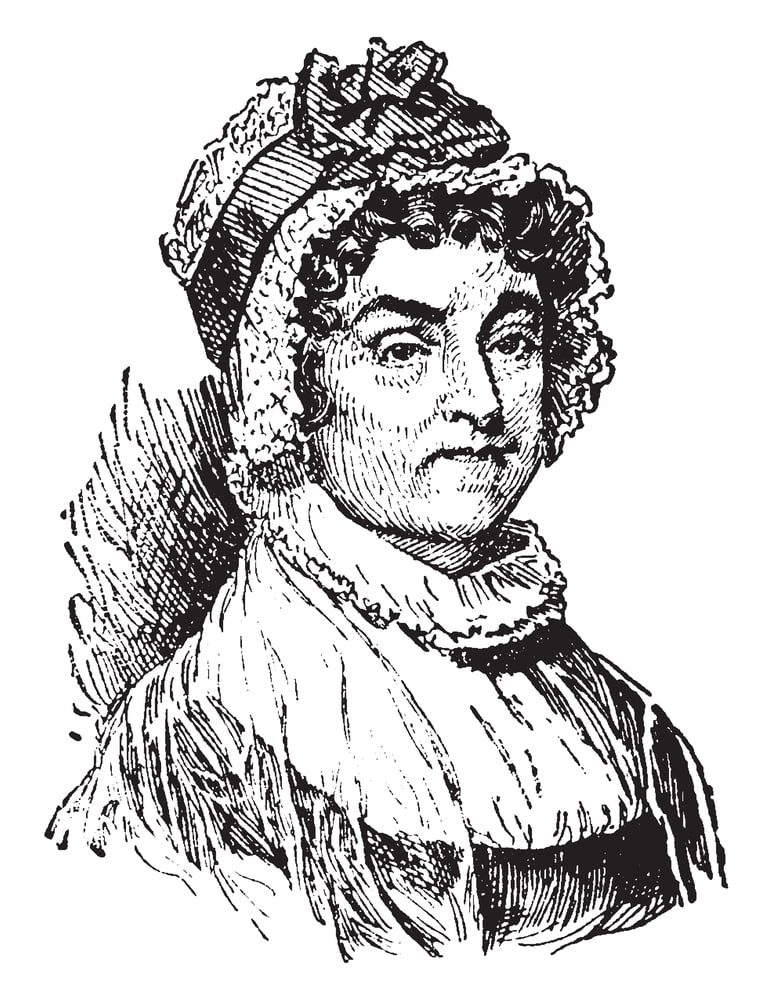
Abigail Adams wrote to her husband in 1776 while he helped write the Declaration of Independence.
She asked him to ‘remember the ladies’ and give women legal protections in the new nation. John Adams laughed off her request and said men naturally knew what was best.
Her letter didn’t change laws at the time, but historians point to it as an early call for women’s rights in America.
Lincoln’s letter to Mrs. Bixby

In 1864, Abraham Lincoln sent a note to a woman in Massachusetts – she’d reportedly lost five sons during the Civil War.
Yet instead of focusing on facts, he spoke straight to her heart, honoring what she gave. His message came across as deeply respectful, touching many others dealing with loss.
Over time, people learned Mrs. Bixby had really lost just two boys. Still, it wasn’t the numbers that stuck – it was how his words made folks feel.
Churchill’s memo about brevity
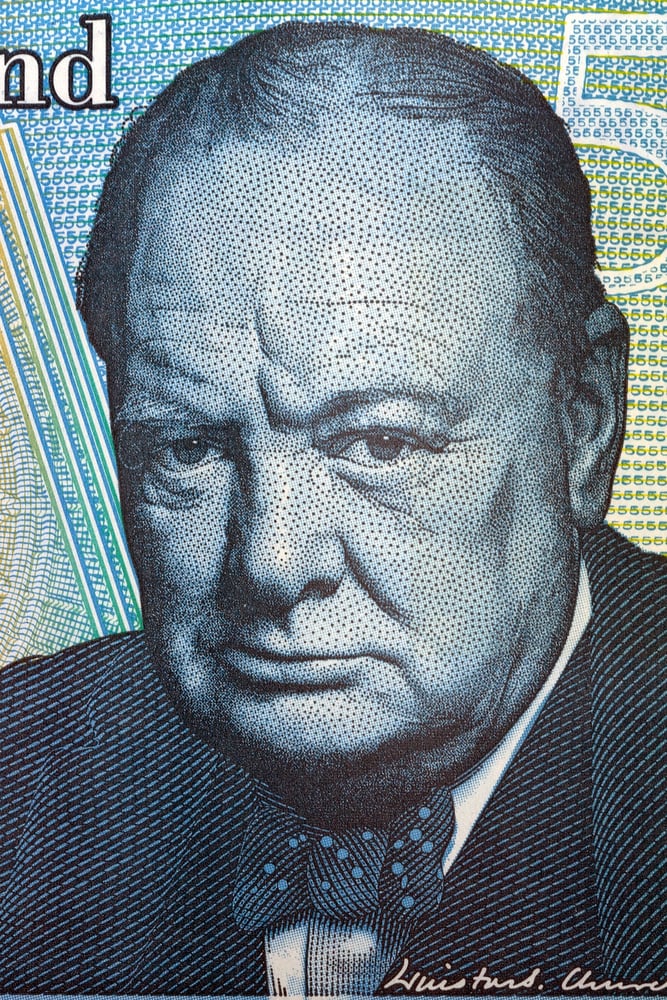
Winston Churchill fired off a quick message to his team back in 1940 – wanted every report trimmed down.
Busy handling war chaos, he didn’t have time for long documents; just facts, nothing extra. That note? Short, straight to the point, showed exactly what he expected.
Since then, officials have kept it around, using it to learn how to write clearly when things go sideways.
Tesla’s note on AC power

Nikola Tesla reached out to business leaders and researchers, showing how alternating current beat Edison’s direct method.
In response, Edison launched harsh attacks – saying AC was risky, even zapping animals during live shows. Despite that, Tesla’s messages persuaded firms to go with his tech regardless.
Over time, it lit up houses and towns across the globe. This clash between the two minds changed how we get electric power now.
Emily Dickinson’s letters as poetry

Emily Dickinson didn’t publish much while alive – yet she penned loads of letters that felt like poetry.
She sent ideas to loved ones using lines that tossed grammar out the window. When she passed in 1886, her sister found piles of verses and notes stashed away.
These writings showed a sharp, wild intellect nearly lost forever.
Phrases surviving beyond those who wrote them

History keeps track of big speeches and stone markers, yet private notes tend to hit harder – written for one person, one time.
Folks spilled real thoughts, never guessing their lines’d last ages. Pages turn brown, ink wears off, still those notions nudge us ahead toward what’s coming.
More from Go2Tutors!

- The Romanov Crown Jewels and Their Tragic Fate
- 13 Historical Mysteries That Science Still Can’t Solve
- Famous Hoaxes That Fooled the World for Years
- 15 Child Stars with Tragic Adult Lives
- 16 Famous Jewelry Pieces in History
Like Go2Tutors’s content? Follow us on MSN.



