Little-Known Passages and Tunnels Beneath Famous Landmarks
Most of the time, when we pass a famous landmark, we admire the part we can see—the walls, towers, domes, and plazas. What we rarely think about is what’s hidden underneath.
Yet many of the world’s most iconic places sit above forgotten chambers, emergency routes, and shadowy networks that the public never gets to explore. Some were built for protection, others for secrecy, and a few simply slipped below ground as cities expanded.
Here’s a look at what’s quietly hiding beneath some of the world’s best-known sites.
The White House’s Hidden Corridors
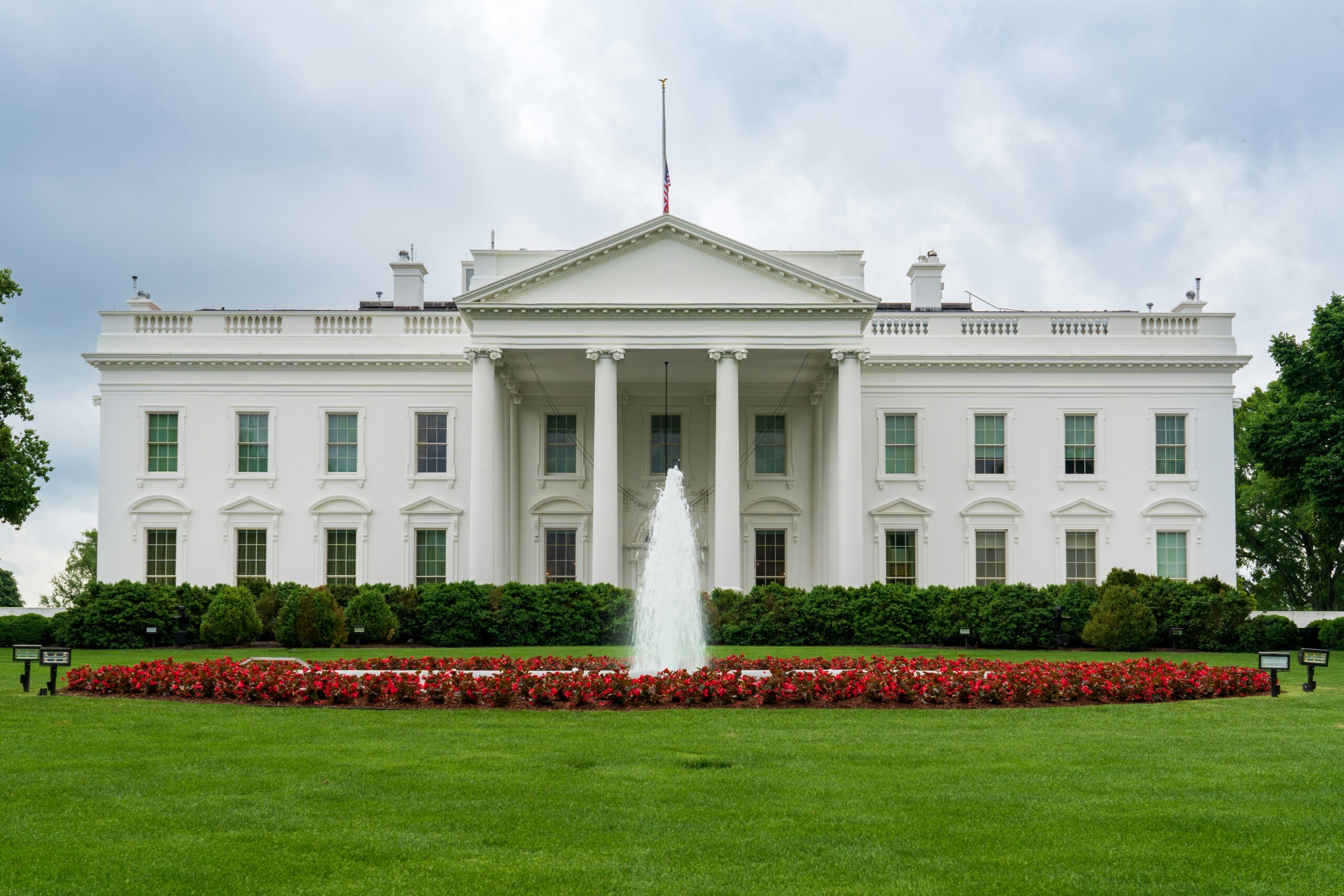
Below the White House lies a protected web of hallways connecting the president’s residence to nearby government buildings. Many of these passages were added during World War II as bomb shelters and escape routes.
They also house secure communication lines and exits used during crises—an invisible layer of Washington built entirely for security.
The Forbidden Paris Catacombs
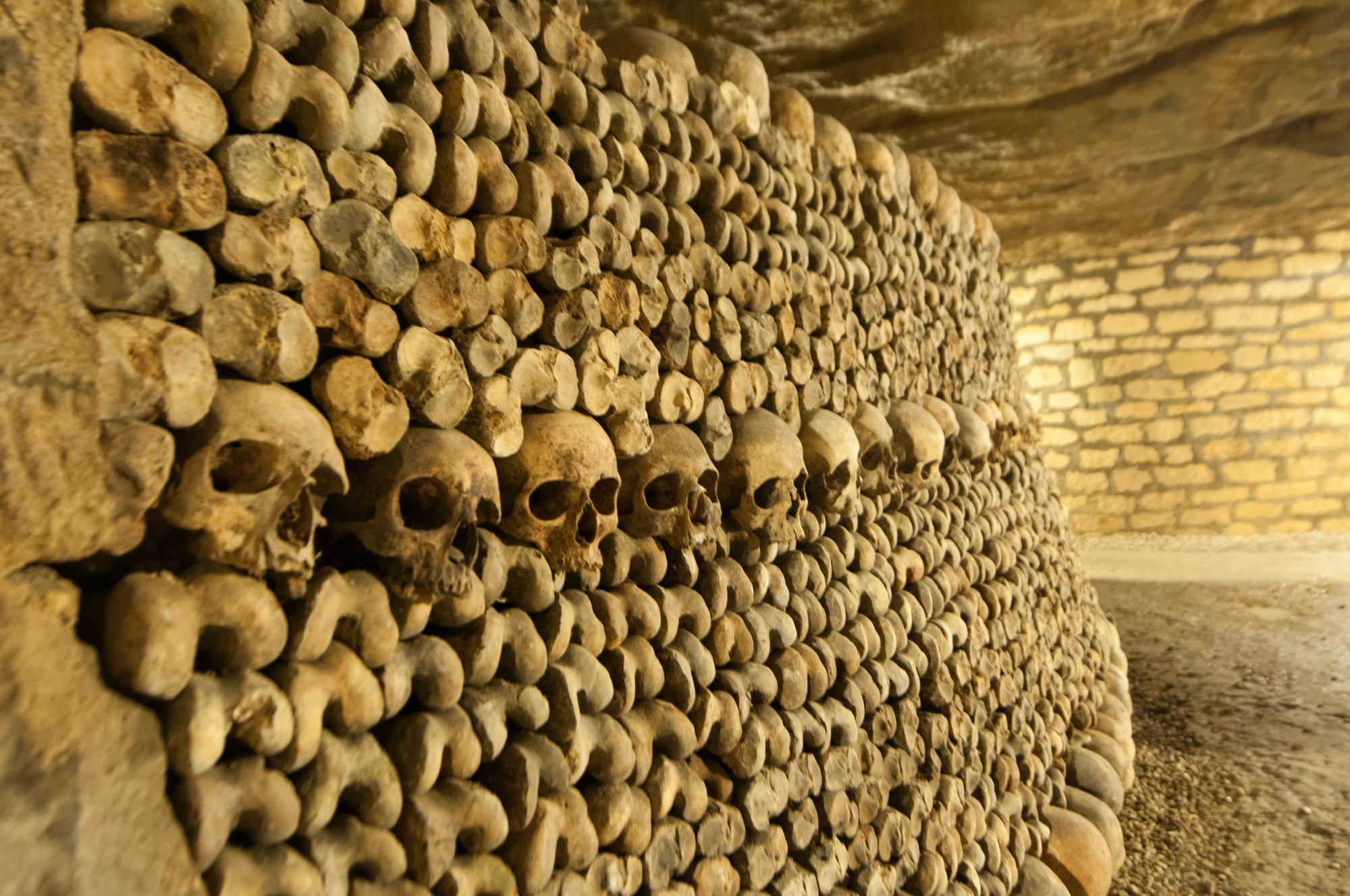
The tourist route through the Paris Catacombs is only a tiny glimpse of what actually exists. Beyond the official path stretch miles of off-limits tunnels—haunts of urban explorers and the officers who chase them out.
Over the years, people have stumbled upon secret bars, improvised hideouts, and even a hidden cinema. Some areas still show scars of medieval quarries and wartime shelters.
It’s easy to see why people get lost.
Buckingham Palace’s Rumored Escape Tunnel
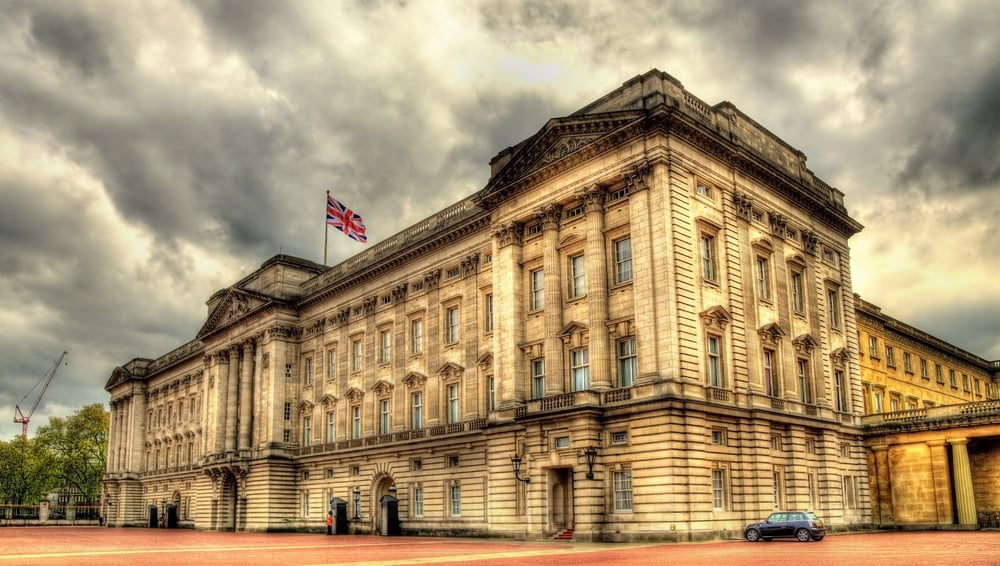
For decades, whispers have claimed that a secret passage runs from Buckingham Palace to a private club nearby—possibly dug during the Blitz to give the royal family an escape route. There’s no formal confirmation, but old stories suggest the tunnel may link deeper into London’s government network, reinforced to withstand heavy wartime bombing.
Grand Central Terminal’s Private Platform
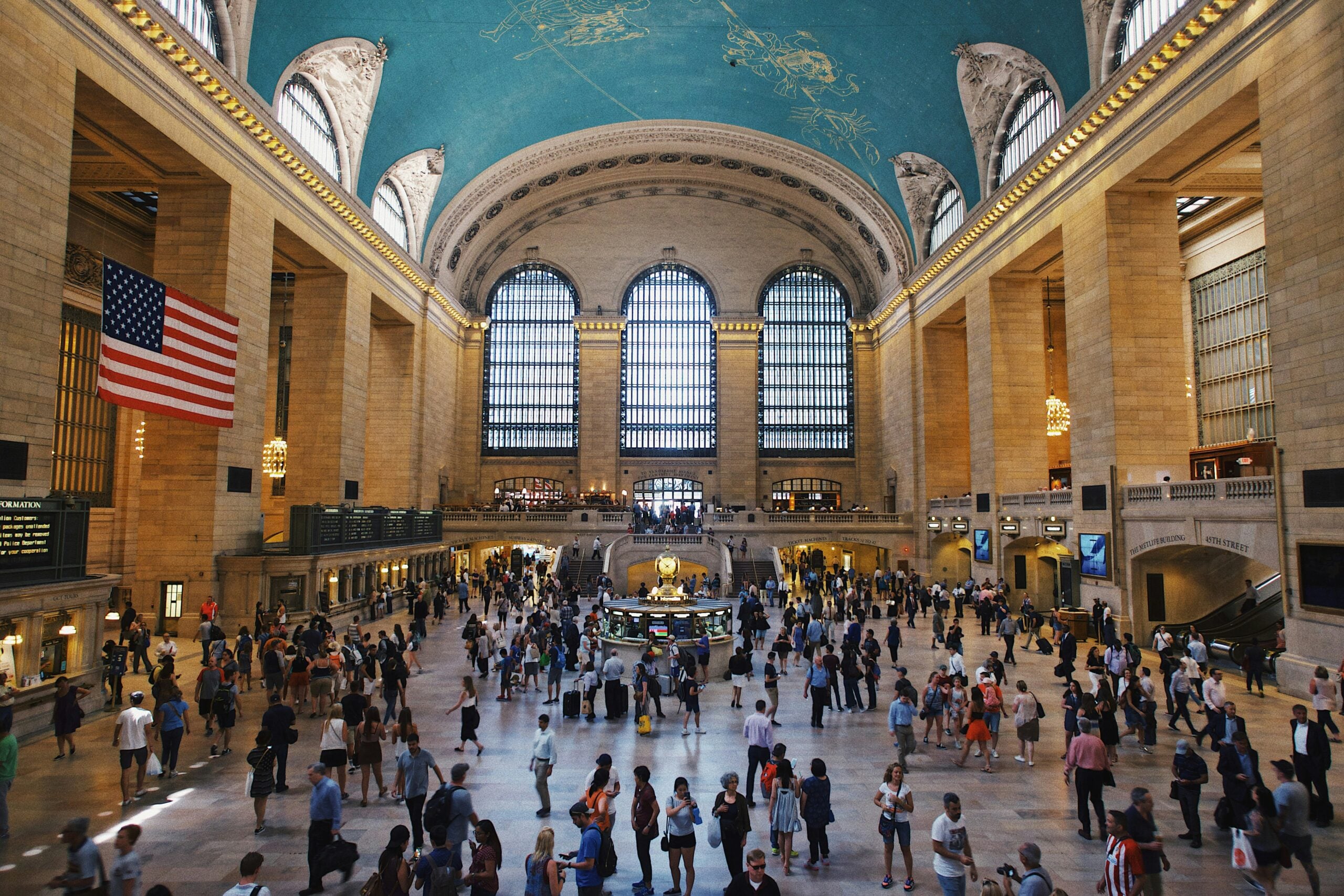
Buried beneath Grand Central is Track 61, a little-known platform once used by President Franklin D. Roosevelt. His armored train could roll in unnoticed, giving him direct access to the Waldorf Astoria above.
The rusting train car still sits there today, hidden away like a personal subway stop from another era.
The Colosseum’s Backstage World
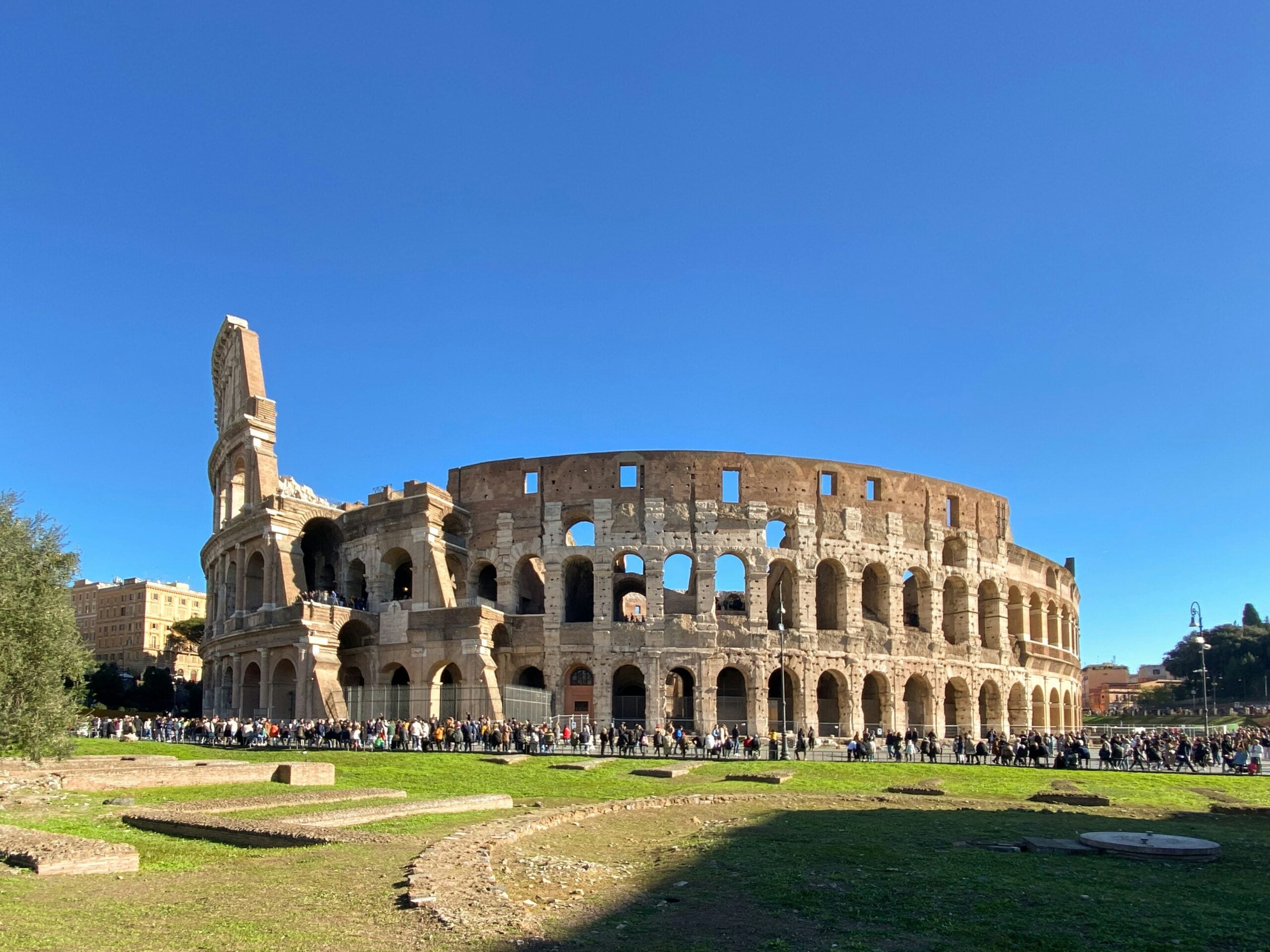
Under the Colosseum lies the hypogeum—a chaotic hive of workers, animals, pulleys, and lifts that once powered the arena’s dramatic entrances. Trapdoors shot fighters and beasts onto the stage, while tunnels linked the arena to external holding areas.
It was ancient Rome’s version of high-tech stagecraft.
Edinburgh’s Buried Streets
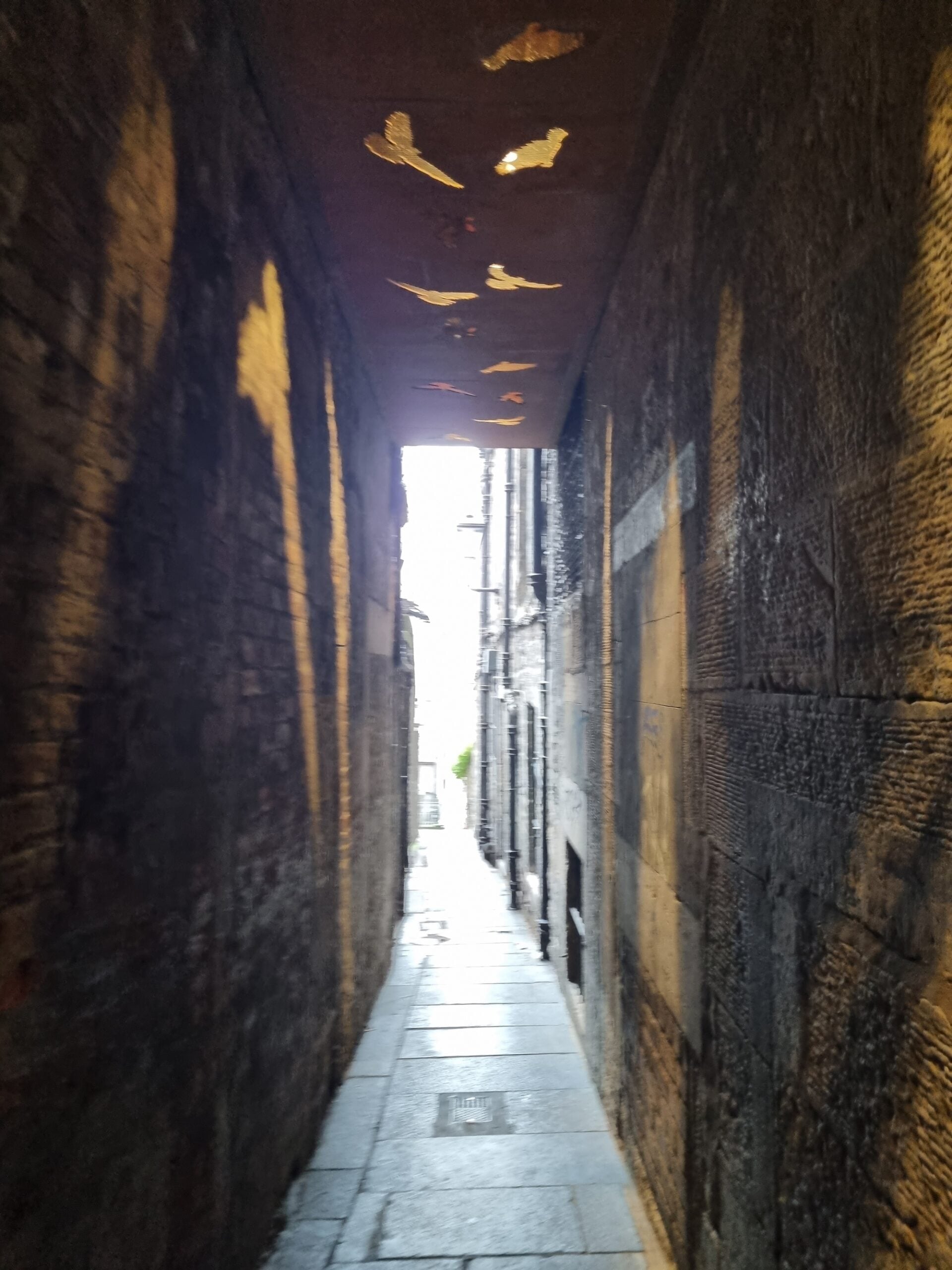
When 18th-century planners built new roads in Edinburgh, they simply constructed them on top of older ones. Entire neighborhoods ended up sealed below ground.
People lived and worked in those cramped, dark streets for years, which became notorious for disease and poverty. Today, visitors can tour the preserved alleyways exactly as they were left.
The Statue of Liberty’s Silent Torch
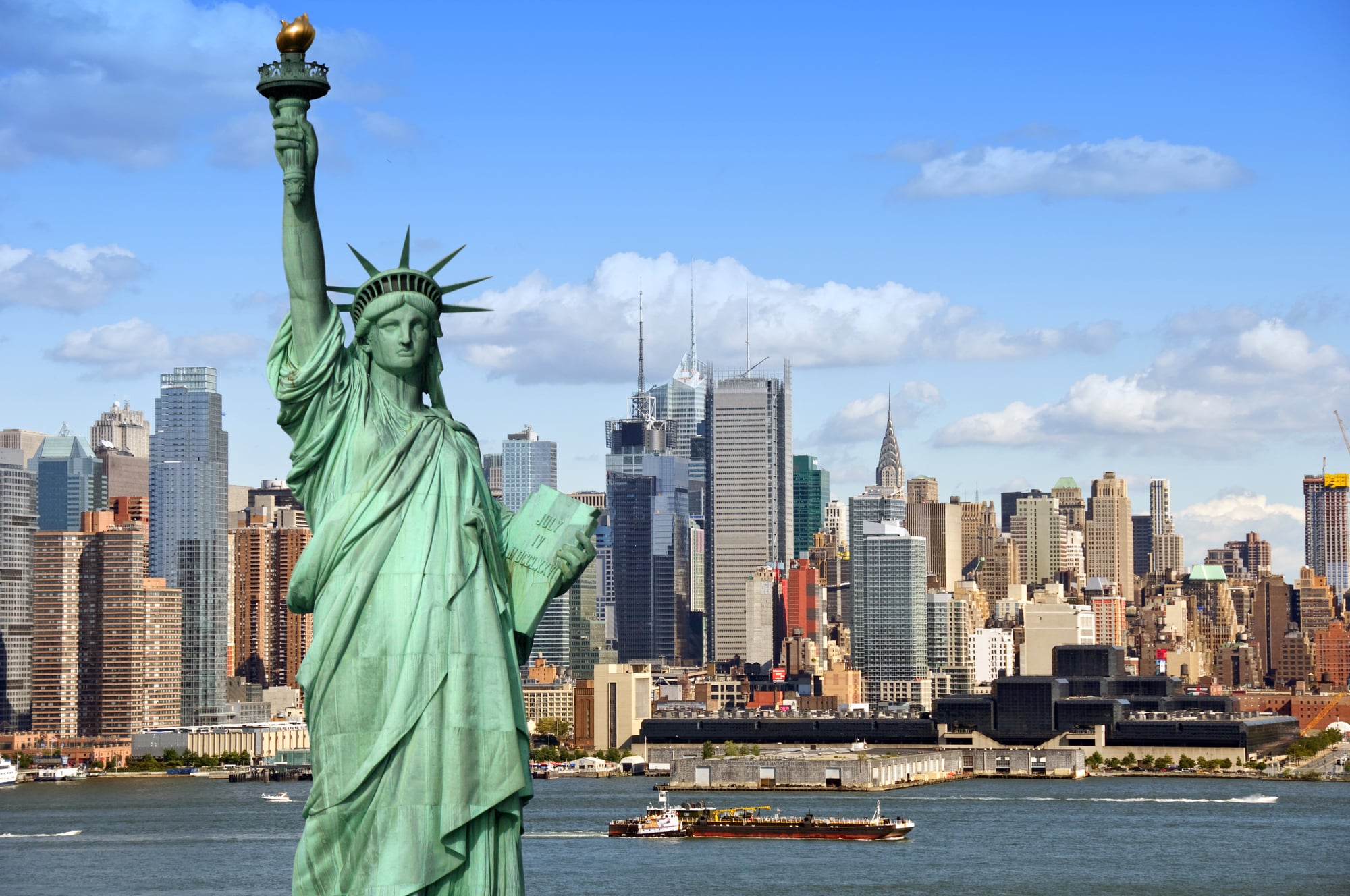
Visitors used to climb a ladder into the Statue of Liberty’s torch, but the 1916 Black Tom explosion damaged the structure so badly that access was permanently closed. The original torch was removed and now sits in a museum, while a replica shines above.
The old ladder still exists—just no longer in use.
Moscow’s Mysterious “Metro-2”
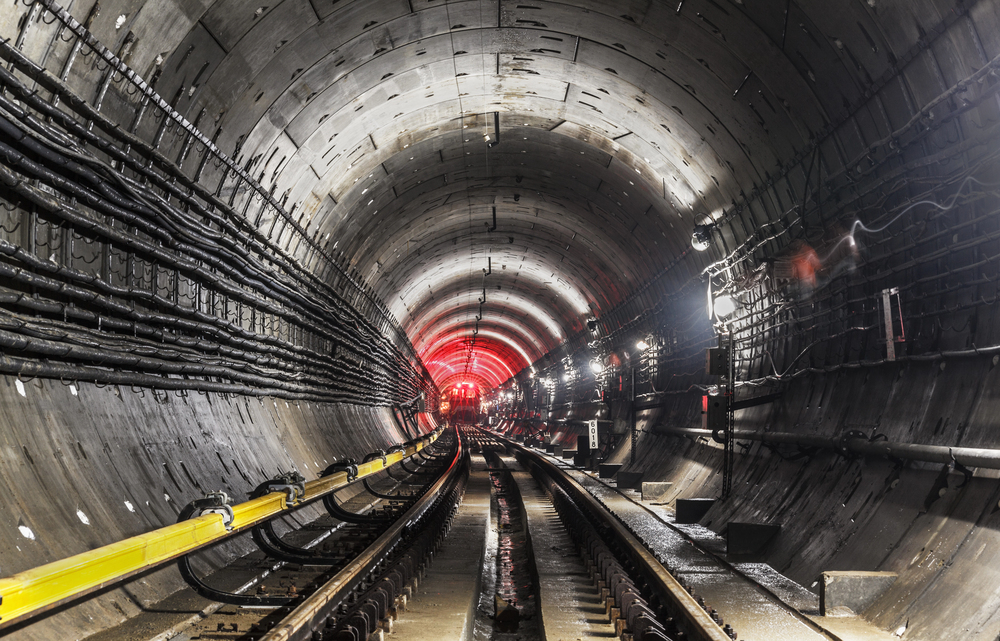
Rumors have long circulated about Metro-2, a hidden subway line said to run beneath Moscow’s public metro system. Built during Stalin’s rule, it supposedly connects the Kremlin to bunkers and secret command centers.
Officials deny its existence, but workers and former Soviet personnel have hinted otherwise.
Westminster Abbey’s Lost Chapel
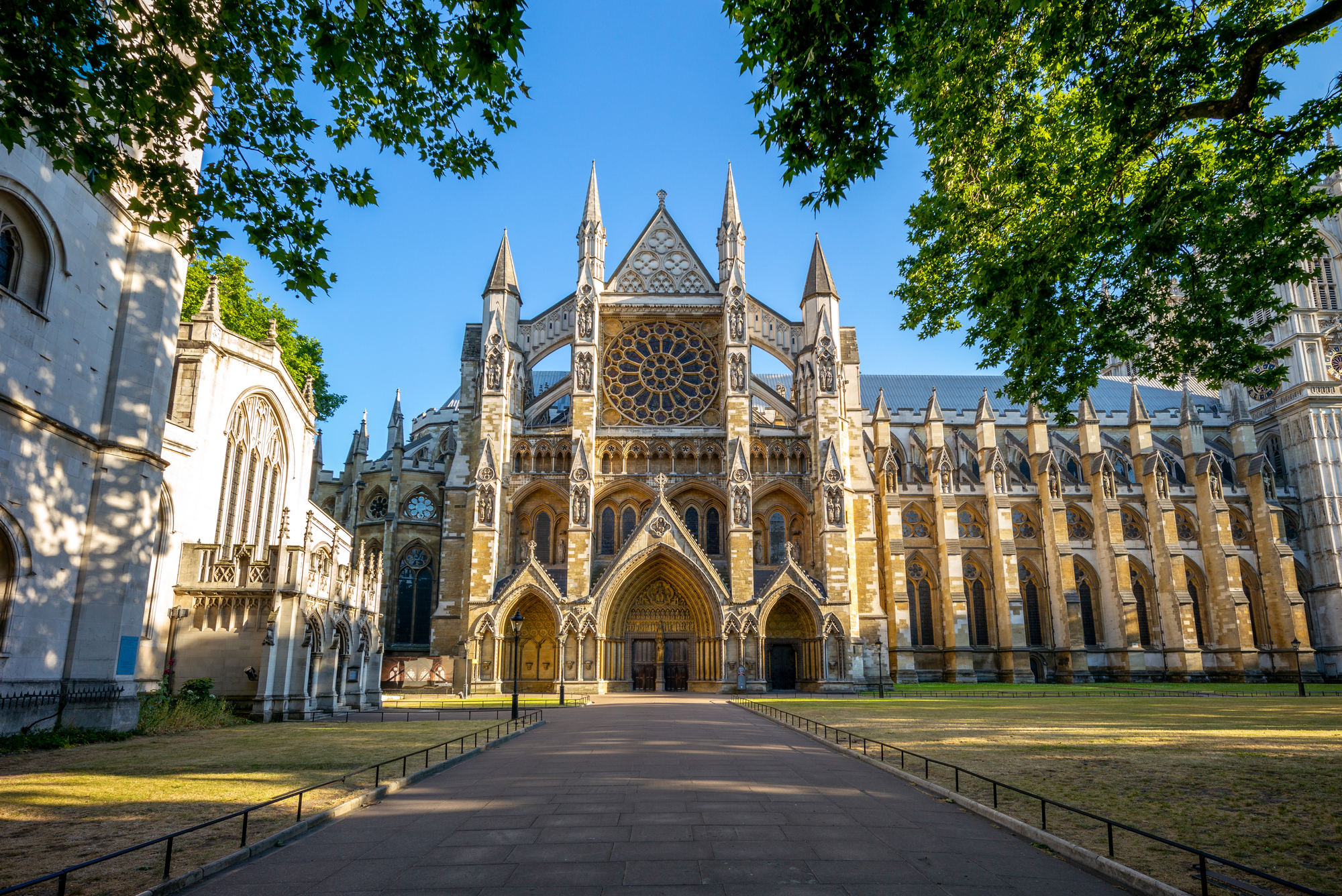
In the 1990s, restoration work revealed a sealed medieval chamber high above Westminster Abbey’s main floor. Untouched for centuries, it held artifacts that offered rare insight into the abbey’s past.
Today, visitors can enter this once-forgotten space and look out from a view few had seen for hundreds of years.
The Sydney Opera House’s Backstage Tunnels
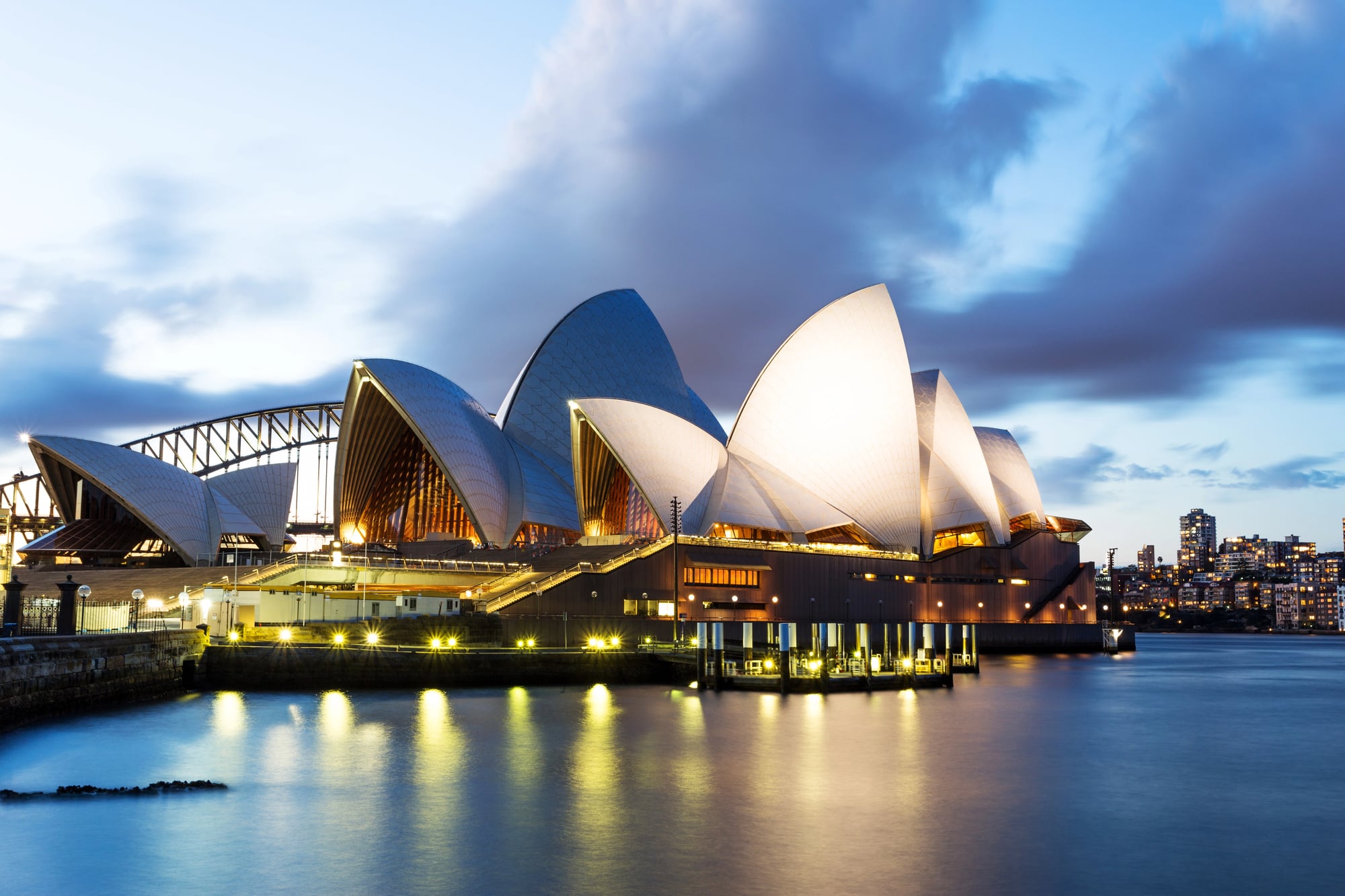
Below the Sydney Opera House is a network of hallways performers use to move between stages. These passages hold storage rooms, dressing areas, and equipment spaces—and even connect to nearby buildings.
Thanks to this hidden maze, several productions can run at the same time without anyone bumping into each other onstage.
Mount Rushmore’s Hidden Room
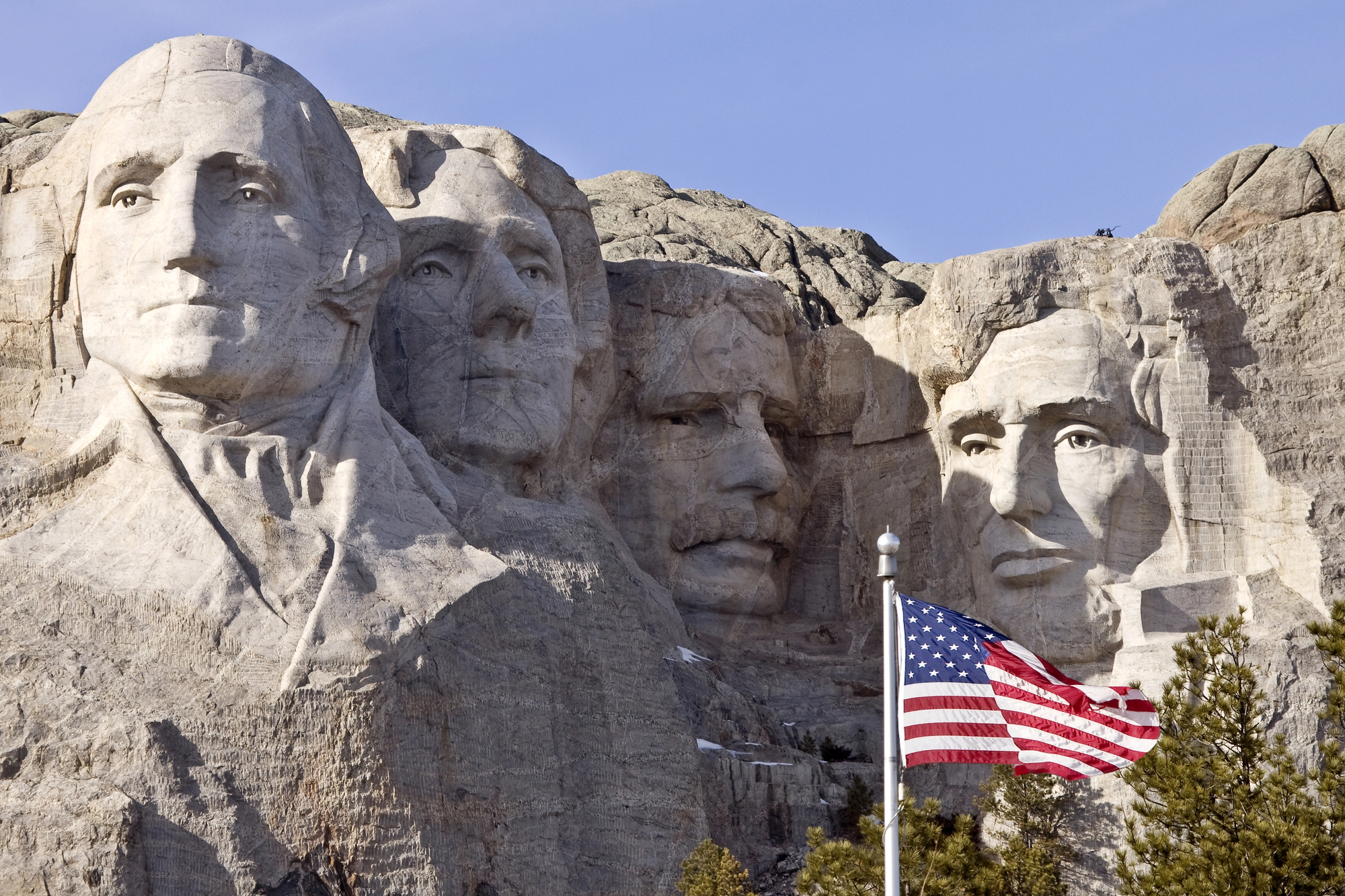
Behind Lincoln’s carved face at Mount Rushmore is a chamber originally intended to hold America’s key founding documents. The vision was never fully completed, but in the 1990s it finally received the historical records the sculptor hoped for.
The room remains sealed and off-limits to visitors.
The Vatican’s Escape Route
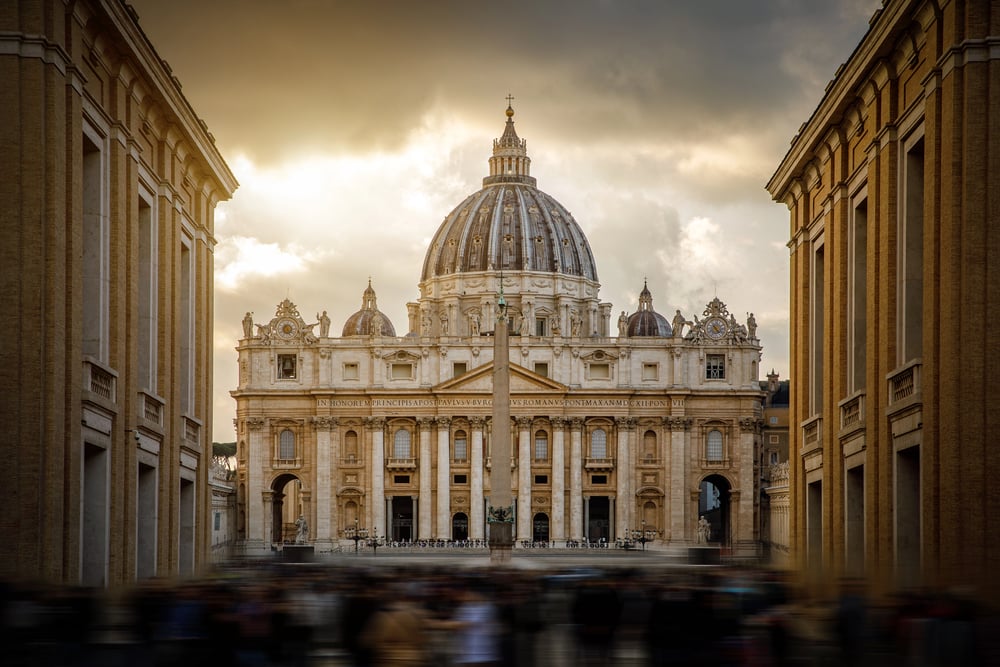
A raised stone walkway links the Vatican to Castel Sant’Angelo—built centuries ago to help popes flee during danger. It was famously used in 1527 when Pope Clement VII escaped during the sack of Rome.
Parts of the passage can be toured today, though some sections remain closed for security.
The Tower of London’s Water Gate
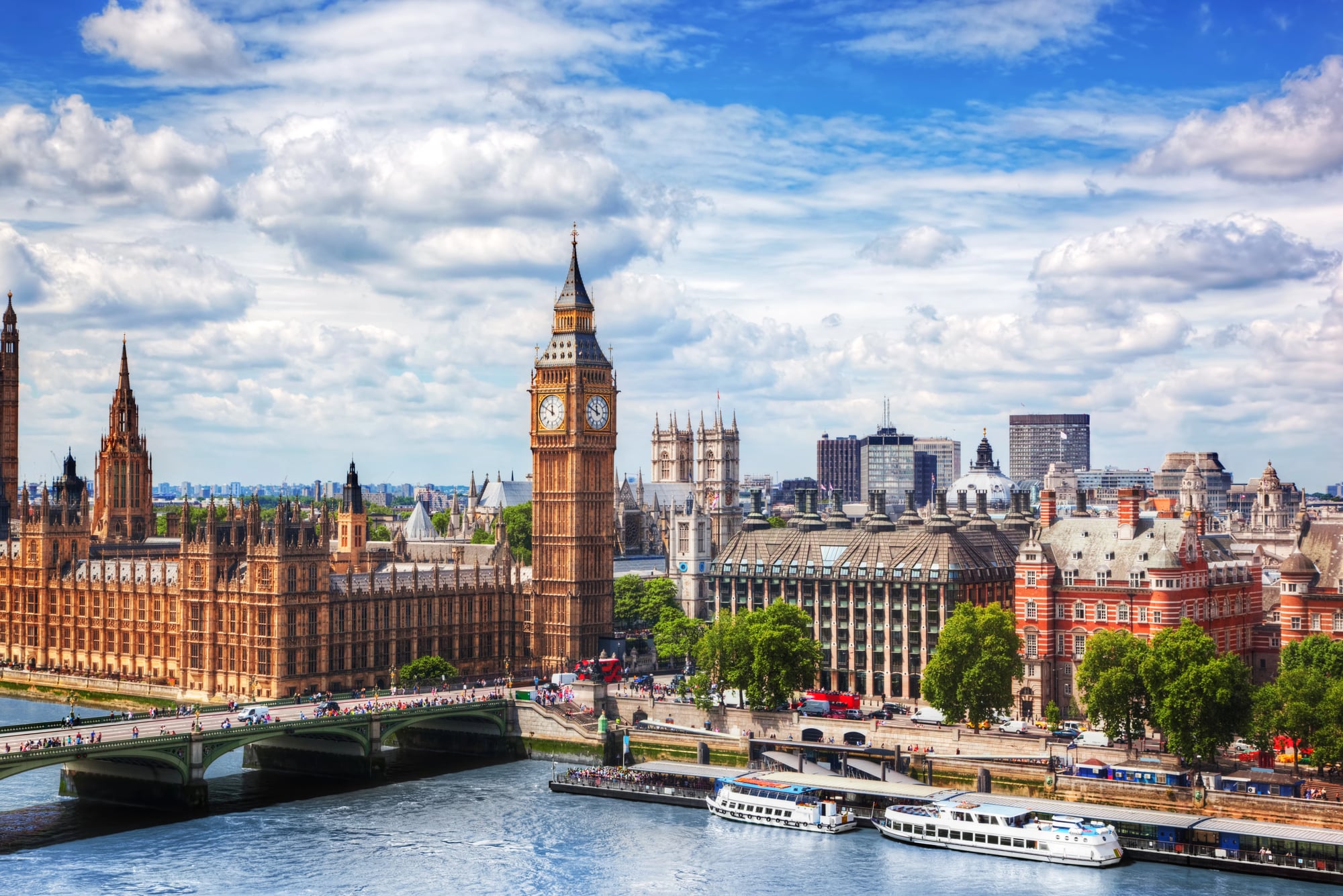
Traitor’s Gate once allowed boats to glide straight into the Tower of London from the Thames. Prisoners accused of treason entered through this dark waterway before vanishing into their cells.
The river has shifted over time, making the entrance unusable, but its stone arch still stands.
Alcatraz’s Old Military Tunnels
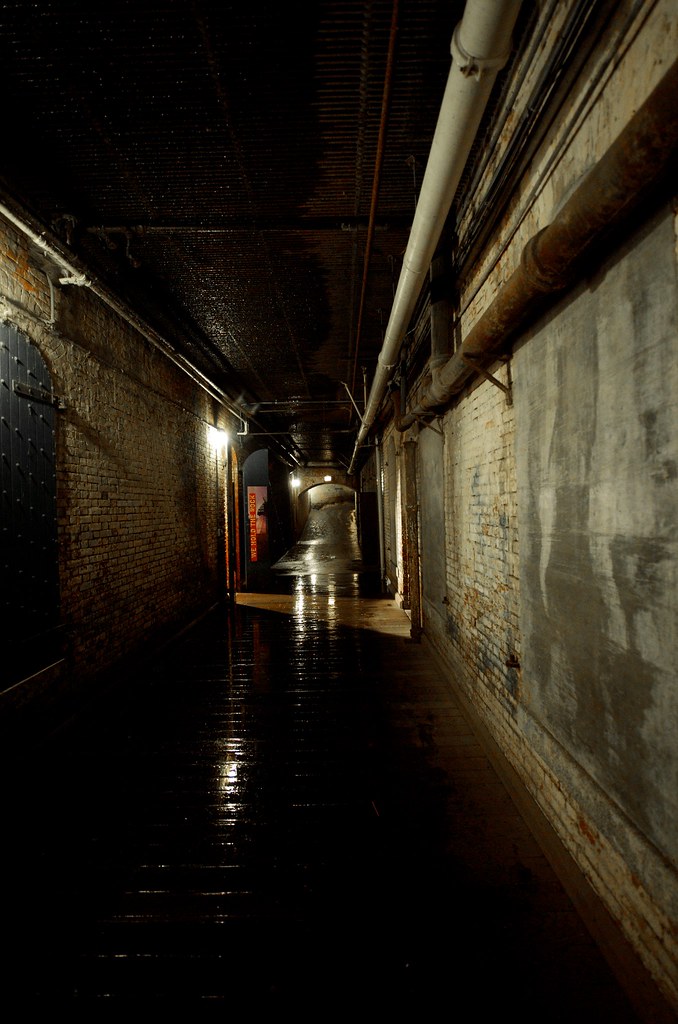
Before its prison years, Alcatraz was a military fort. Under the island is a network of Civil War-era tunnels used to move ammunition and reach gun batteries.
Some were later converted for utilities, others sealed off. Archaeologists have recently mapped these forgotten spaces, revealing deeper layers of the island’s history.
The Taj Mahal’s Locked Rooms
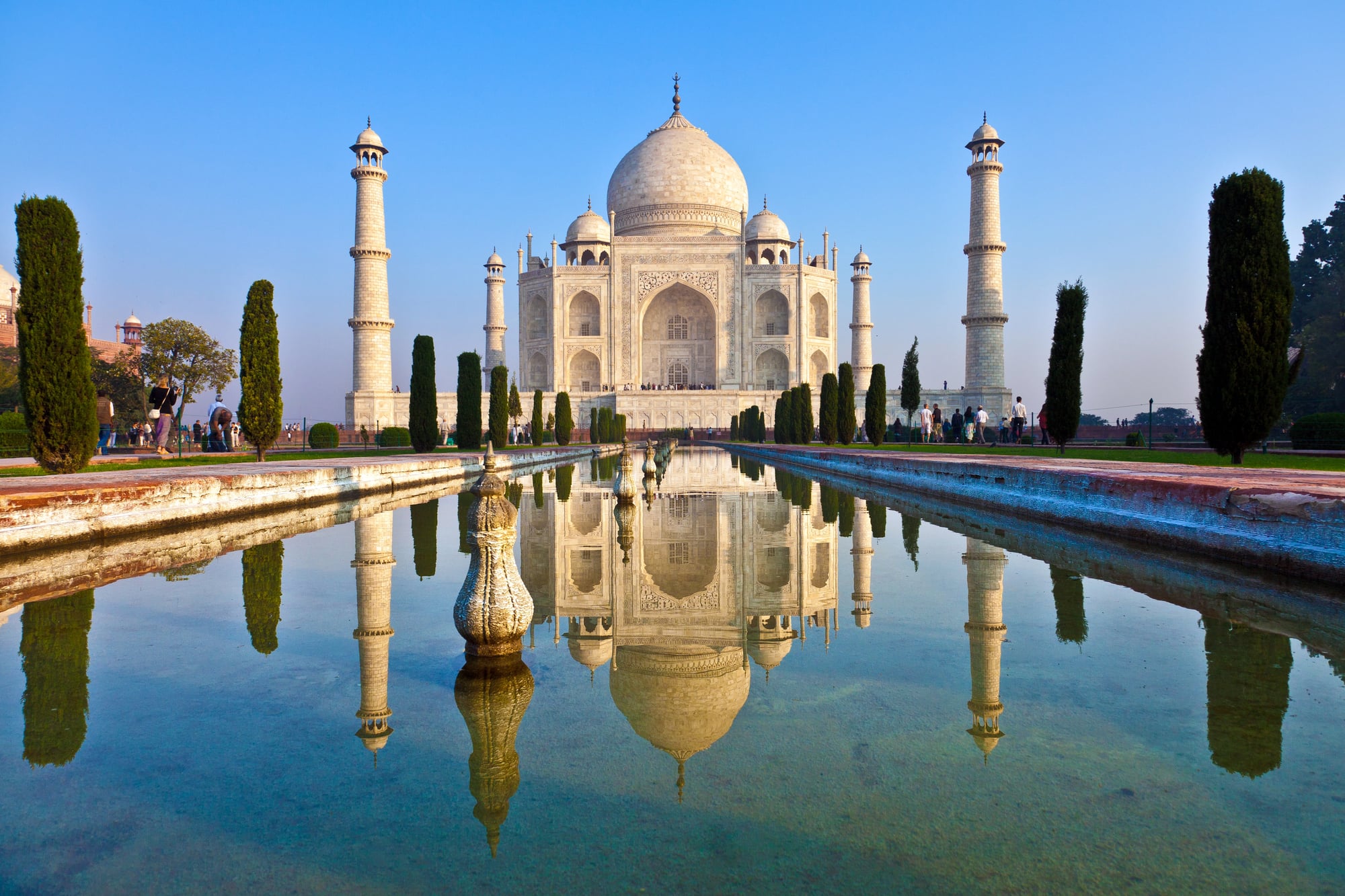
Beneath the Taj Mahal are more than twenty sealed chambers that remain closed to the public. These lower-level rooms have sparked endless theories—from hidden relics to additional tombs.
Officials say they stay shut for structural reasons, though legends of secret tunnels persist.
Notre-Dame’s Buried Past
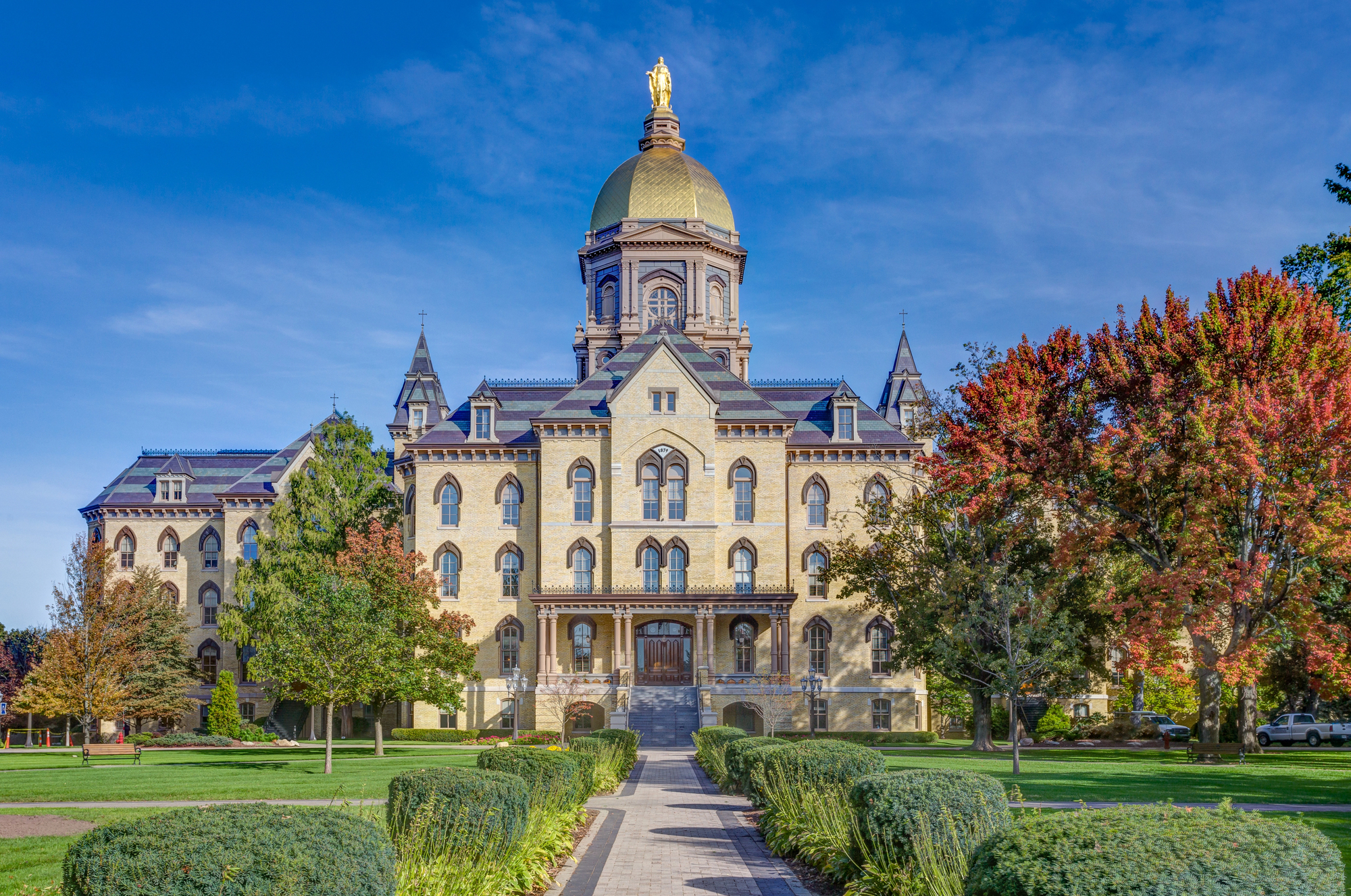
Below Notre-Dame Cathedral lies an archaeological site full of Roman ruins, medieval foundations, and ancient streets. The 2019 fire didn’t affect it, and visitors can still walk through this underground record of Paris’s earliest days.
Chichen Itza’s Sacred Tunnel System
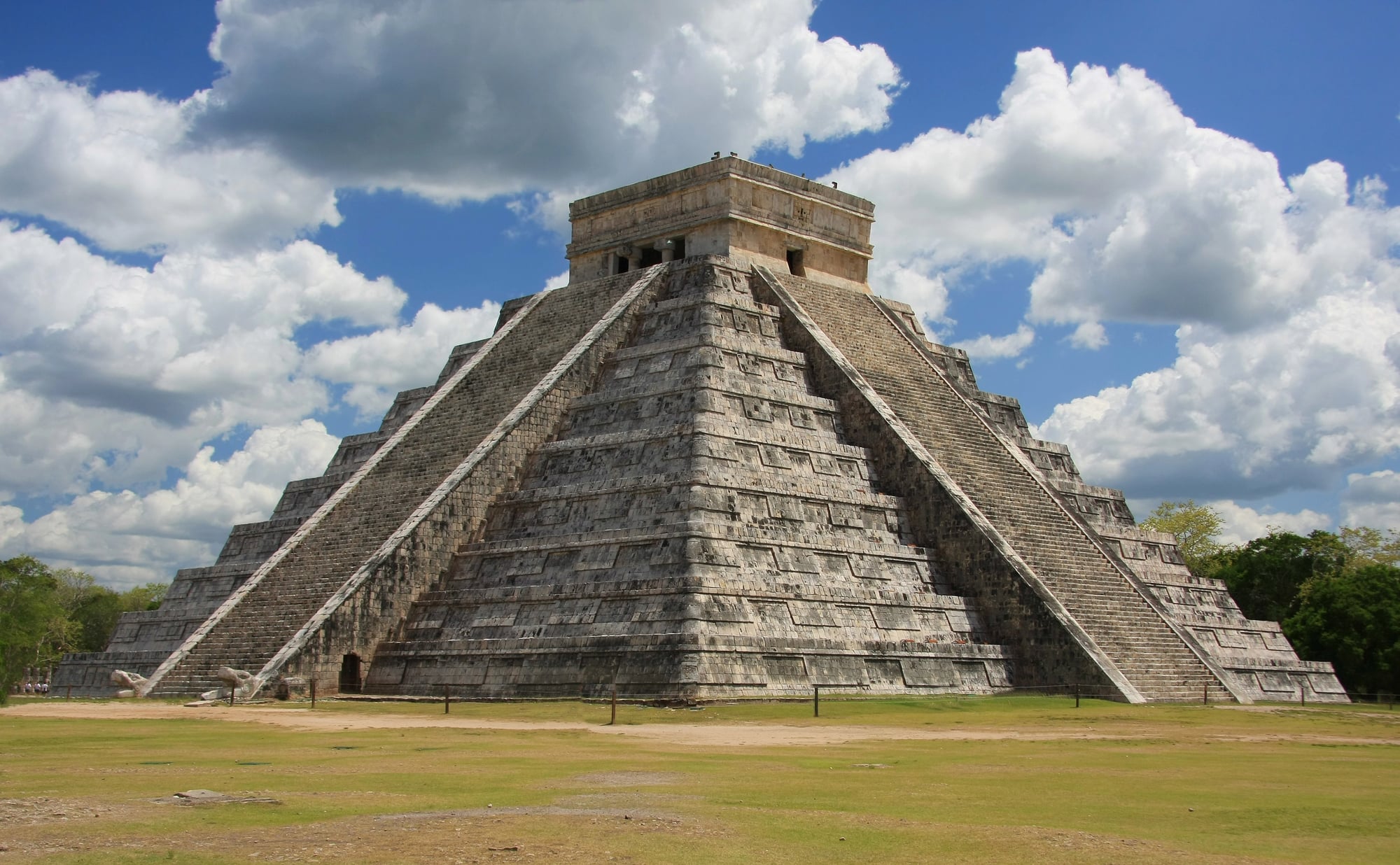
Recent scanning technology revealed tunnels beneath Chichen Itza’s main pyramid that lead to a cenote—a sacred sinkhole in Maya culture. The pyramid was deliberately built above this water source, likely for spiritual reasons.
Researchers are still mapping the tunnels to understand their full purpose.
The Golden Gate Bridge’s Wartime Bunkers
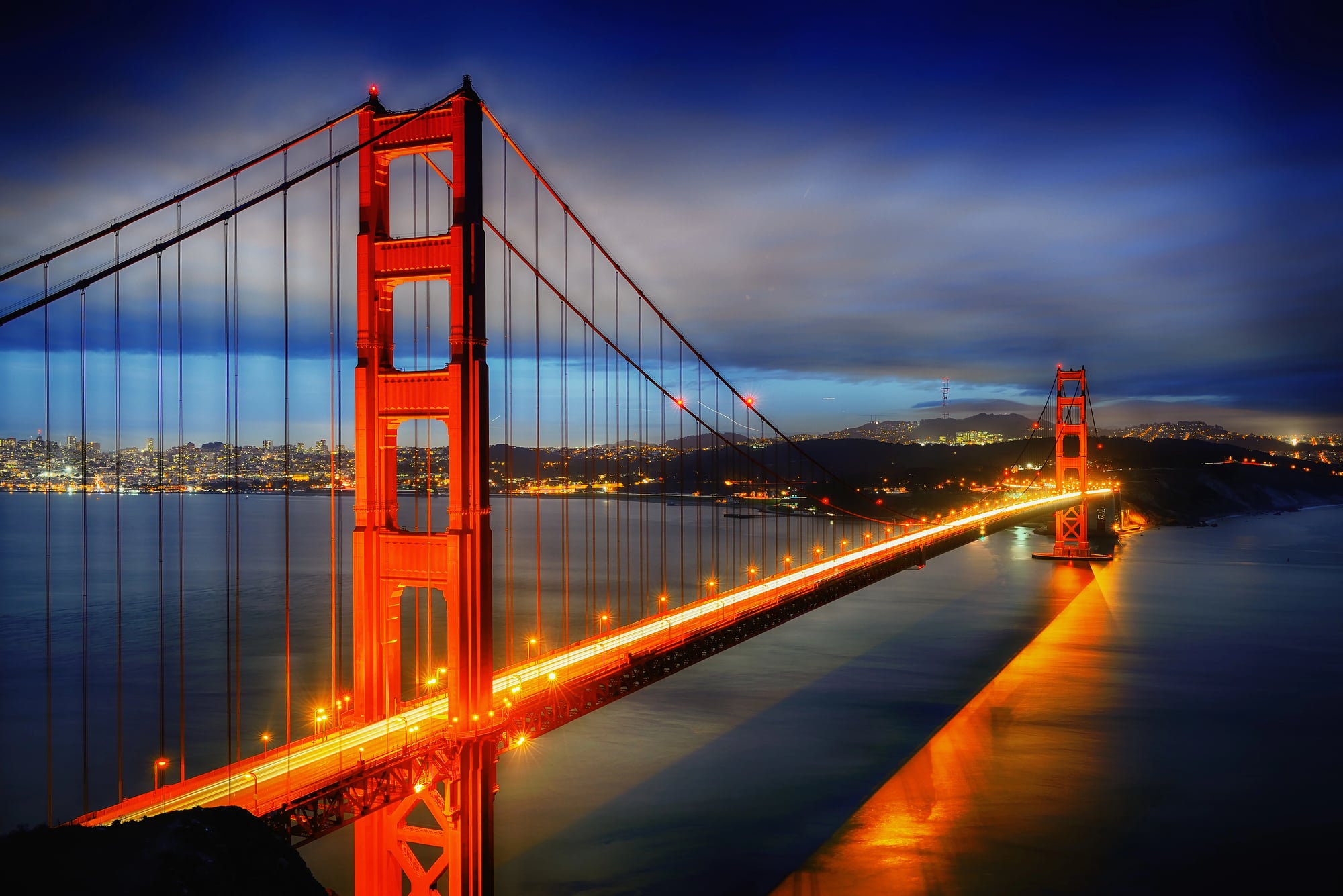
At the southern base of the Golden Gate Bridge lie old World War II bunkers that once housed massive guns meant to protect San Francisco Bay. Some parts have been turned into exhibits, but many underground rooms remain locked and untouched.
What Lies Below
These unseen spaces remind us that history doesn’t disappear—it just sinks beneath our feet. Cities rise, landmarks change, and life moves on, but the past lingers in silent tunnels, walled-off rooms, and forgotten passages.
They’re the chapters of history we rarely get to see, but they’re always there, just out of sight.
More from Go2Tutors!

- The Romanov Crown Jewels and Their Tragic Fate
- 13 Historical Mysteries That Science Still Can’t Solve
- Famous Hoaxes That Fooled the World for Years
- 15 Child Stars with Tragic Adult Lives
- 16 Famous Jewelry Pieces in History
Like Go2Tutors’s content? Follow us on MSN.