Little-Known Public Pool Facts That Will Freak You Out
Summer brings the familiar ritual of pool visits — the rush to claim lounge chairs, the search for adequate shade, and that moment of hesitation before stepping into communal water. Most people accept public pools as a necessary trade-off: convenience and cooling relief in exchange for sharing space with strangers.
But beneath the chlorinated surface lies a collection of realities that might make that hesitation last a little longer.
The average swimmer releases half a cup of sweat per hour
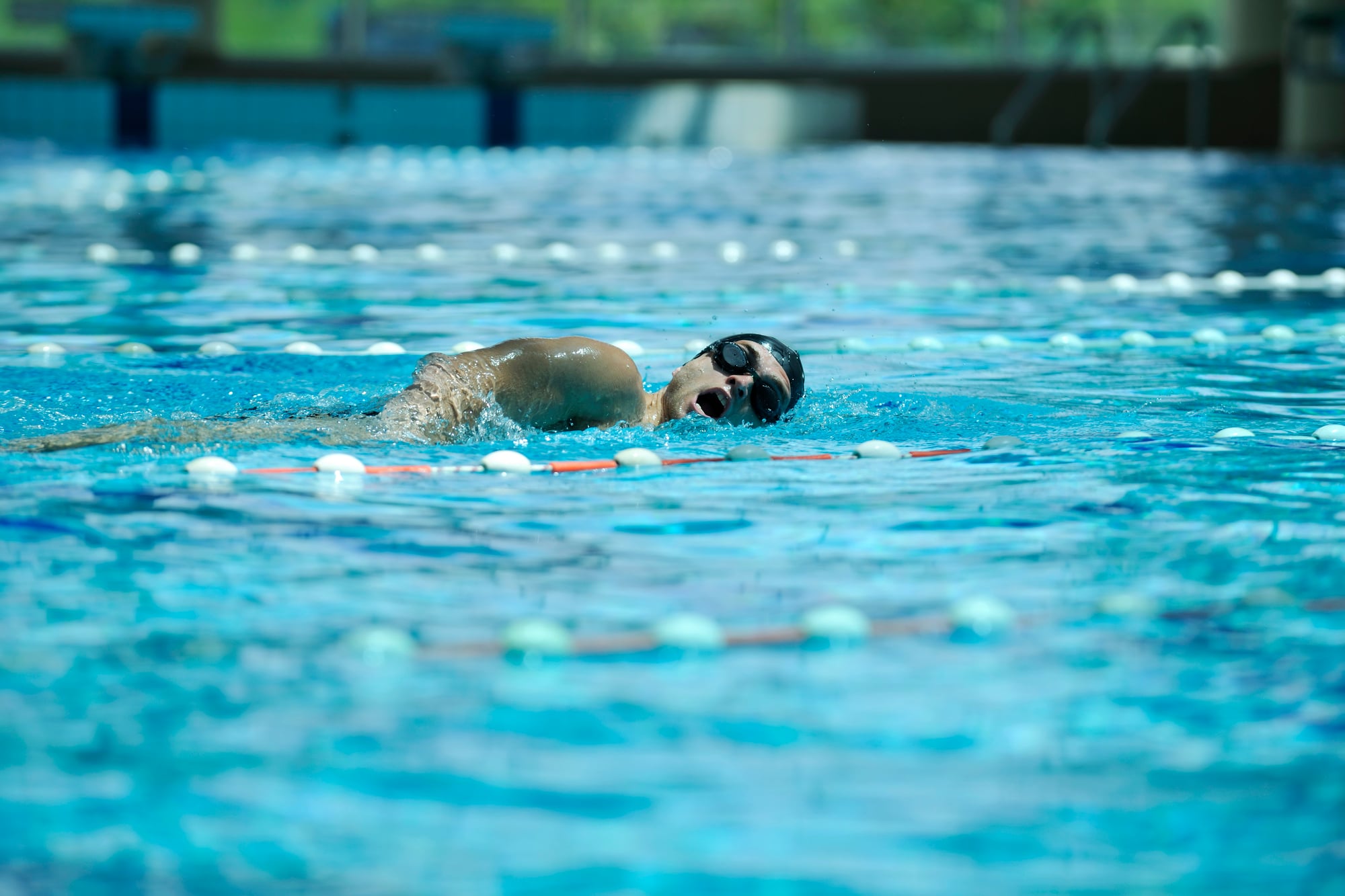
Sweat doesn’t stop just because someone enters water. The human body continues producing perspiration at roughly the same rate whether lounging poolside or swimming laps.
That translates to about four ounces of sweat per person, per hour, mixing directly into the water everyone shares. On a busy summer day with hundreds of swimmers cycling through, the math becomes uncomfortable quickly.
Pool water gets recycled every six hours on average
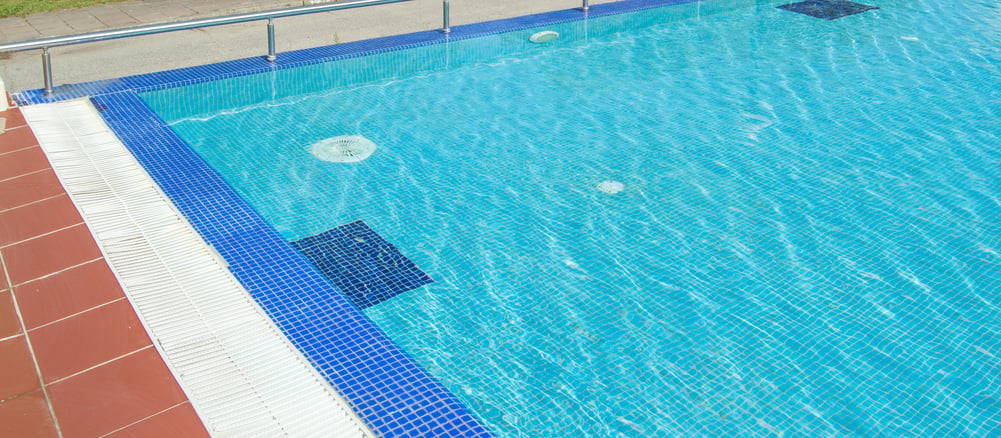
Most public pools operate on a filtration system that (when functioning properly and maintained according to regulations) processes the entire volume of water roughly four times per day — which means the water that passes your lips during an afternoon swim has been through countless other bodies since morning. The filtration removes larger particles and some contaminants, but the turnover rate means that what goes in doesn’t come out for hours, and during peak times when pools are crowded, the system works overtime to keep up with the constant influx of new… materials.
And here’s where it gets interesting: those regulations assume the system is working at full capacity, which isn’t always the case (budget constraints, equipment failures, and understaffing can slow things down considerably). So that six-hour cycle can stretch longer, sometimes much longer.
But even when everything runs perfectly, think about what that recycling process actually means — the water touching your skin right now was touching someone else’s skin a few hours ago, along with everything that came with it.
Chlorine smell means the pool needs more chemicals, not fewer
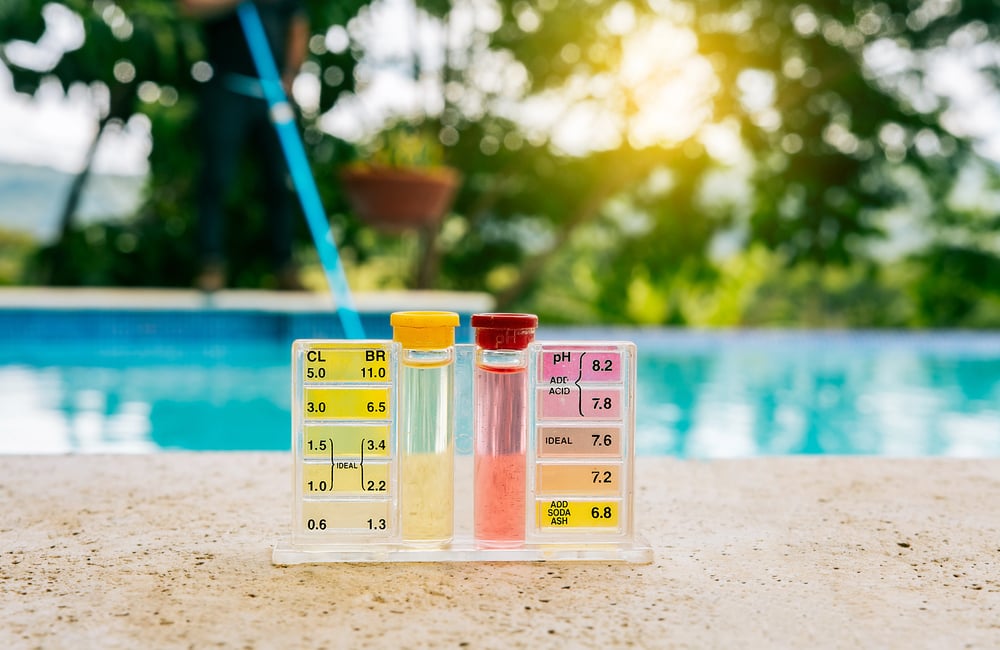
The sharp chemical scent people associate with clean pools actually indicates the opposite. Pure chlorine has almost no odor.
That distinctive “pool smell” comes from chloramines — compounds formed when chlorine reacts with nitrogen-containing substances like sweat, saliva, and urine.
The stronger the smell, the more organic matter the chlorine has encountered and bonded with.
Pool operators know this, which explains why heavily used pools often get additional chemical treatments throughout the day. The goal isn’t to reduce that smell by using less chlorine — it’s to add enough free chlorine to break down the chloramines causing the odor.
In other words, that nostalgic pool scent means the water has been working overtime to sanitize things that probably shouldn’t have been there in the first place.
Most pool maintenance happens while people are swimming
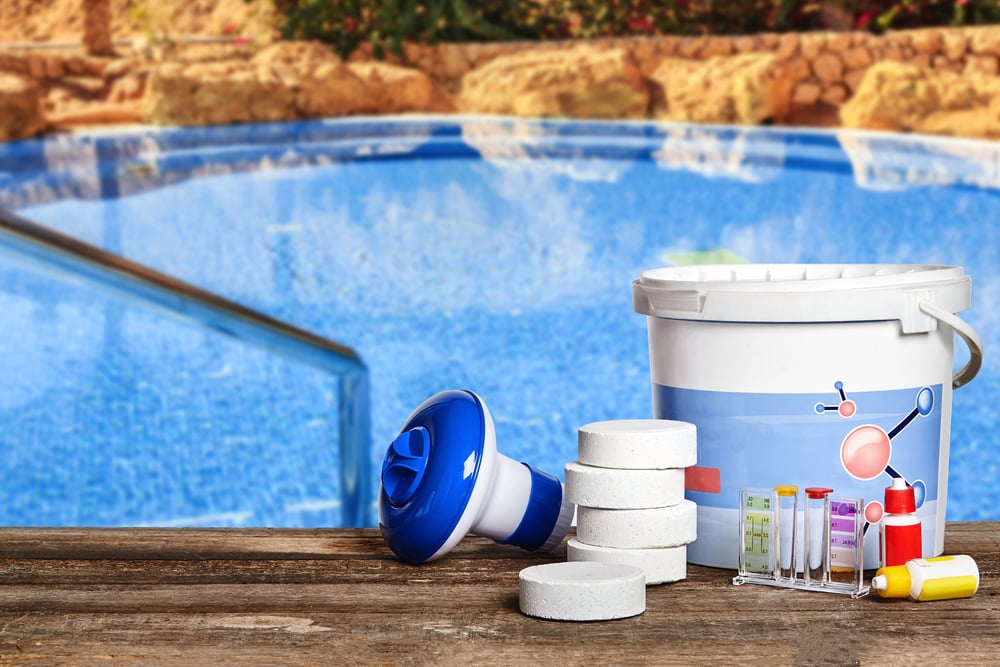
Public pools rarely close for cleaning during operating hours. Instead, maintenance crews add chemicals, brush walls, and vacuum debris while swimmers are present.
The timing makes sense from a business perspective — closing during peak hours means lost revenue — but it means people are swimming in water that’s actively being treated for problems discovered in real-time.
Pool technicians develop a particular skill for discrete maintenance. They’ll spot-treat algae blooms, adjust pH levels, and skim organic matter without drawing attention to what they’re removing or why.
The next time someone notices a worker quietly testing water chemistry or adding liquid from unmarked containers, they’re responding to conditions that developed while people were using the pool.
The deepest part of the pool stays coldest for a reason
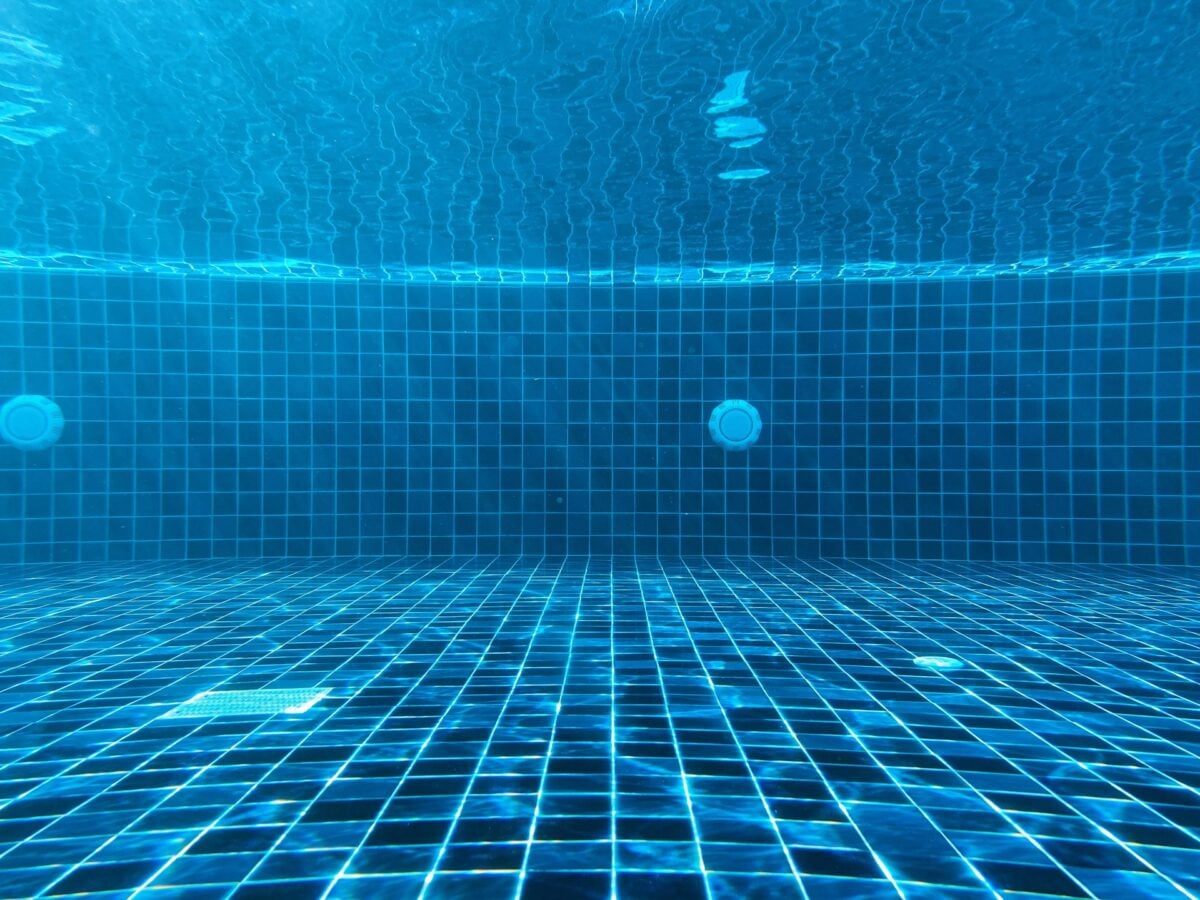
Temperature stratification in pools isn’t just about physics — it’s about usage patterns. The shallow end, where most activity happens, stays warmer from body heat and sun exposure.
But the deep end maintains lower temperatures partly because fewer people spend time there, and partly because that’s where heavier particles settle.
Cold water sinks, and it takes with it whatever was dense enough to avoid the surface skimmers and filtration intake ports.
Experienced lifeguards know that the deep end tells a different story than the shallow end. They’ll often focus water testing in the deeper areas because that’s where problems accumulate — literally.
The temperature difference isn’t just more comfortable for serious swimmers; it’s a marker of how the pool’s ecosystem actually functions.
Public pools use the same water for months at a time
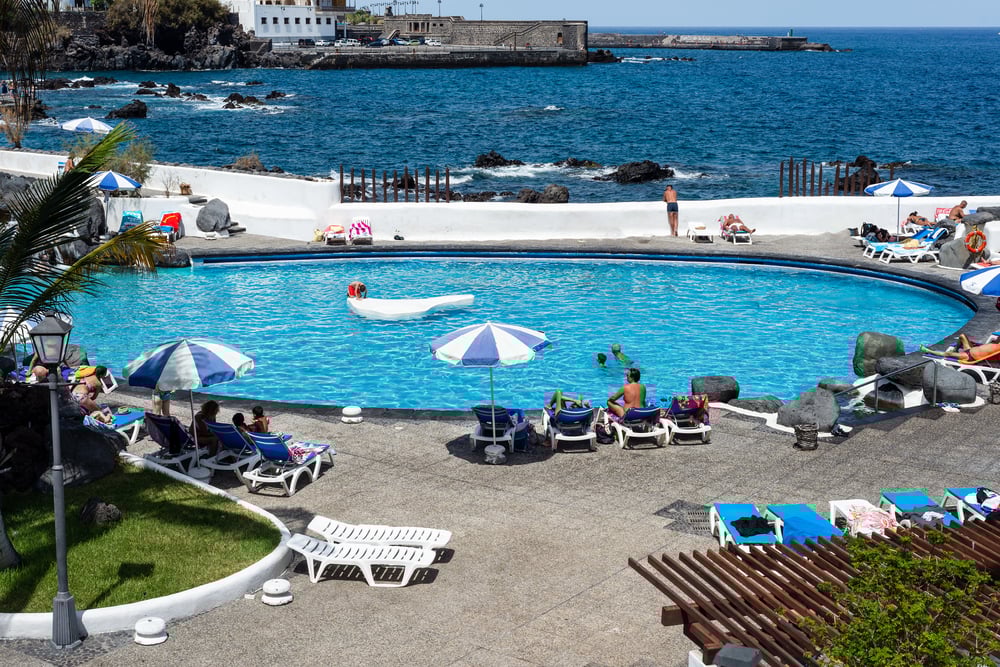
Unlike the common assumption that pools get fresh water regularly, most public facilities operate on a “top-off” system throughout an entire season. They add water to replace what’s lost to evaporation, splash-out, and the small amounts that exit on swimmers’ bodies and swimwear, but the base water remains the same from opening day until closing.
This means the water in a July pool contains everything that’s been added since May — not just chemicals, but microscopic traces of every person who’s entered. The filtration system removes what it can, and chemical treatments neutralize what they’re designed to handle, but the water itself has been accumulating a history all season long.
Some facilities do complete water changes, but usually only when legally required or when chemical balancing becomes impossible to maintain.
Pool operators know which days will be the worst
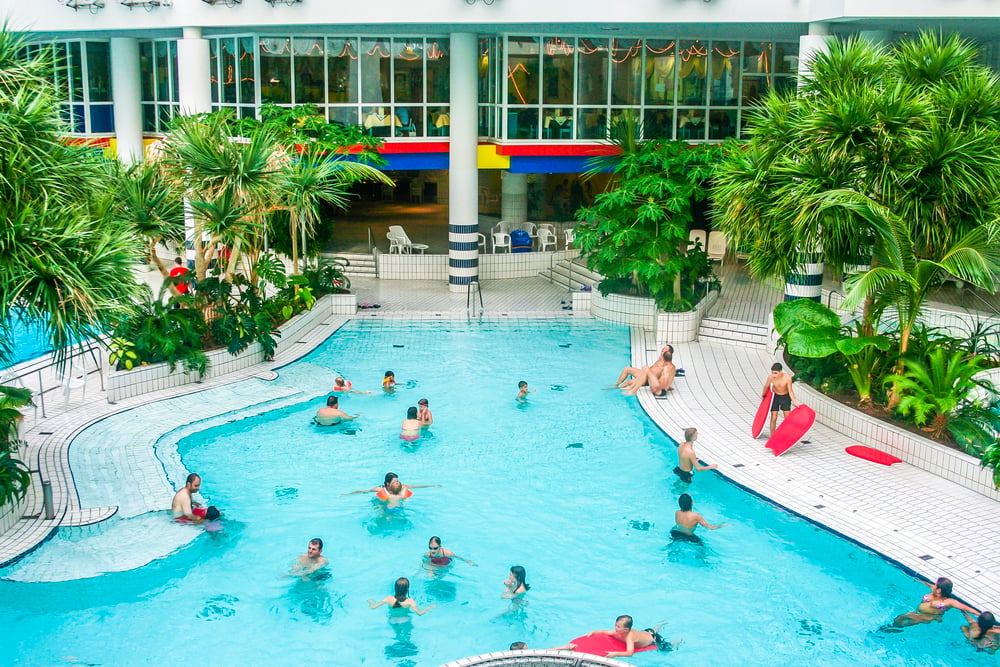
Certain patterns emerge in public pool management that staff learn to predict with uncomfortable accuracy. Monday mornings after holiday weekends require extra chemical treatment.
The first warm weekend of spring brings crowds who haven’t been in chlorinated water for months, requiring system adjustments. Rainy days that suddenly clear up create rushes of people who’ve been waiting indoors.
But the day pool operators dread most? The day after any major community event or festival.
People arrive in various states of cleanliness, often having spent time outdoors, sweating through sunscreen and insect repellent that doesn’t react well with chlorine.
The chemical cocktail that results requires careful balancing and often means higher-than-usual additive levels for the next 24-48 hours.
Band-aids and hair float for hours before removal
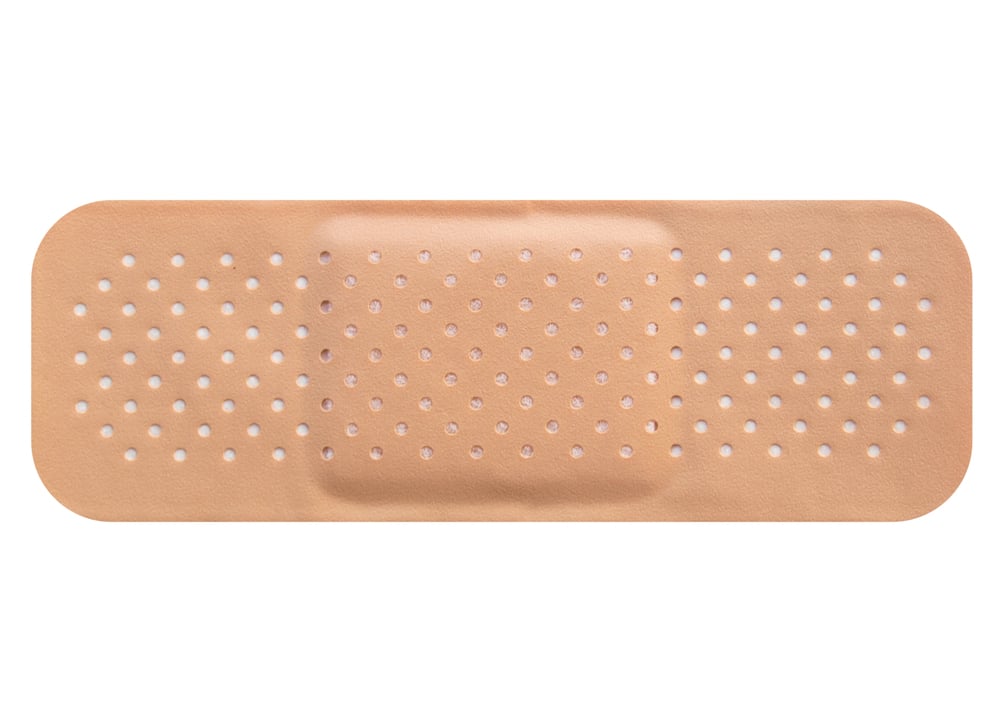
The surface skimming system in most pools operates continuously, but it only catches what actually makes it to the edges. Small objects like adhesive bandages, hair ties, and organic debris can circulate in the main body of water for extended periods, especially during busy times when the water is constantly agitated by swimmers.
Pool staff develop a particular alertness for floating debris, but they can’t catch everything immediately. That colorful object glimpsed underwater during a swimming session might be a toy, or it might be something that should have been disposed of properly before someone entered the water.
The pool deck is often dirtier than the water
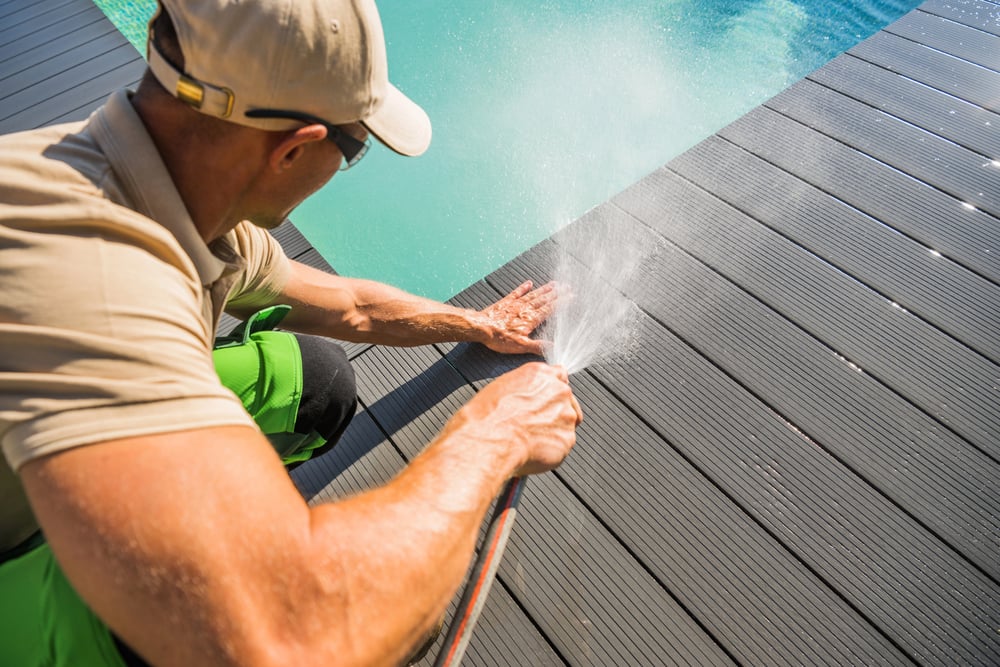
Most public pools maintain decent water chemistry, but the surrounding deck area presents different challenges. Hundreds of bare feet track in dirt, grass, food particles, and whatever else they’ve encountered.
The deck gets wet constantly from dripping swimmers and splash-out, creating conditions where bacteria can thrive despite regular hosing.
Pool decks also concentrate everything that gets squeezed out of swimwear and hair when people exit the water. The runoff has to go somewhere, and gravity pulls it toward drains that may or may not be connected to the same filtration system as the pool itself.
Walking barefoot on pool decking means contacting surfaces that see more diverse contamination than the treated water a few feet away.
Underwater lights create warm zones where bacteria thrive
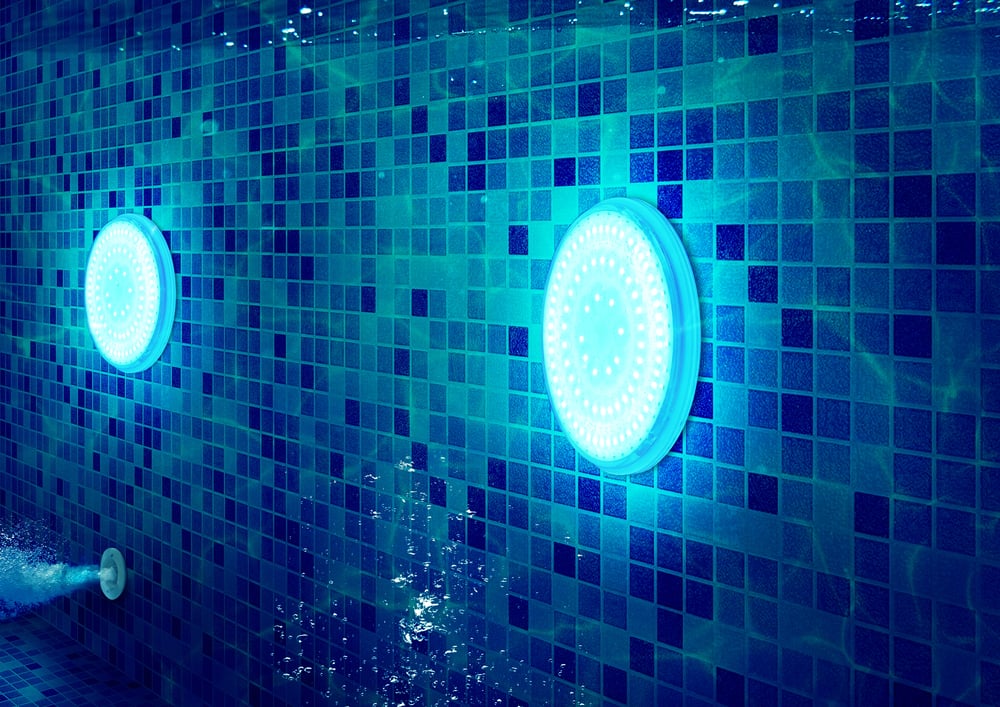
Pool lighting systems generate heat, and underwater fixtures create localized warm spots that disrupt the chemical balance in those areas. Bacteria and algae prefer warmer water, so these zones require extra attention from maintenance crews.
The areas immediately around lights often show the first signs of biological growth, even in well-maintained pools.
These warm zones also attract swimmers who enjoy the slightly higher temperature, concentrating human activity in areas where the water chemistry is already compromised. It’s a cycle that pool operators know well: the most comfortable spots for people are often the most challenging spots for maintaining water quality.
After-hours is when the real cleaning happens
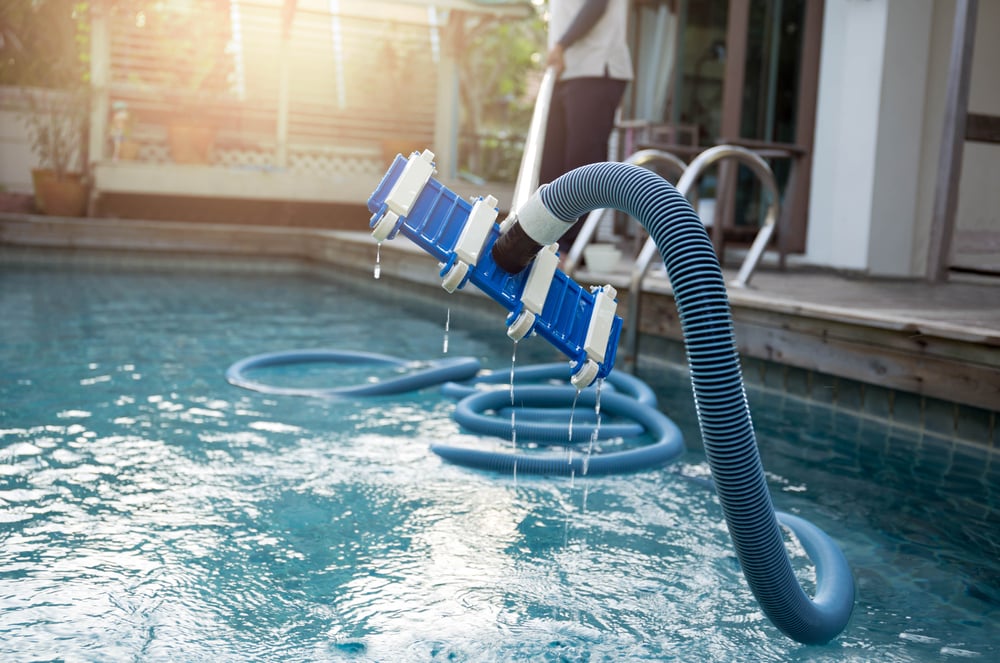
What happens to public pools between closing time and opening the next day tells the complete story of pool maintenance. That’s when operators can add stronger chemical treatments, run intensive filtration cycles, and address problems that developed during the day without worrying about swimmer exposure.
The morning pool that seems fresh and inviting has spent the night processing everything from the previous day. Overnight chemical reactions break down organic compounds, filtration systems run at full capacity without interference, and settling allows heavier particles to be vacuumed from the bottom.
By morning, the water chemistry has hopefully returned to safe levels, ready to start accumulating a new day’s worth of challenges.
Swimming through truth
Public pools exist in a constant state of managed compromise — balancing accessibility, safety, and the reality of shared water resources. Understanding what actually happens in these facilities doesn’t necessarily mean avoiding them, but it does mean making informed decisions about when and how to use them.
The chemistry works, the regulations exist for good reasons, and pool operators generally know what they’re doing. But knowing what goes on beneath the surface makes it clear why that post-swim shower isn’t just a suggestion.
More from Go2Tutors!

- The Romanov Crown Jewels and Their Tragic Fate
- 13 Historical Mysteries That Science Still Can’t Solve
- Famous Hoaxes That Fooled the World for Years
- 15 Child Stars with Tragic Adult Lives
- 16 Famous Jewelry Pieces in History
Like Go2Tutors’s content? Follow us on MSN.



