Top Countries by Internet Users
Most folks assume the web ignores borders, yet who uses it tracks closely with where people live. Tiny countries might have almost everyone connected, still the bulk of users come from just a few large places.
Looking at total counts shifts the picture compared to measuring by share of population. These totals depend on how many residents exist, what kind of networks are built, how fast phones spread, along with how quickly tech moves into daily life.
Looking beyond percentages helps show who really shapes the online world. Size pushes some countries ahead, yet growth surges in places where access is new.
Quiet shifts often matter more than big names. Take a step into the nations where most people go online, then see how big those numbers really are.
China

China has the largest number of internet users in the world by a wide margin. With more than one billion people online, its digital population alone exceeds the total population of most continents.
Rapid urbanization, widespread smartphone adoption, and heavy investment in telecommunications infrastructure fueled that growth over the past two decades. The country’s internet ecosystem is also largely self-contained.
Domestic platforms dominate search, social media, e-commerce, and digital payments. That scale has turned China into one of the most powerful digital economies on earth, shaping everything from online retail to short-form video trends.
India

India follows closely behind, with internet users numbering in the hundreds of millions and climbing rapidly. Affordable mobile data has played a transformative role.
The rollout of low-cost 4G services dramatically reduced access barriers, especially in rural and lower-income communities. India’s digital growth story is still unfolding.
While penetration rates continue to rise, the country’s vast population means tens of millions of new users come online each year. The result is a mobile-first internet culture, where smartphones are often the primary gateway to banking, education, and entertainment.
United States

The United States remains one of the largest digital markets globally, with over 300 million internet users. High household broadband access and early adoption of online services helped establish its dominance in the early internet era.
What sets the United States apart is the maturity of its digital infrastructure. High-speed connections, widespread cloud services, and advanced e-commerce ecosystems make it one of the most commercially developed online markets.
While growth in user numbers has stabilized, digital spending and content creation remain extremely strong.
Indonesia

Indonesia has emerged as a digital heavyweight in Southeast Asia. With more than 200 million internet users, it represents one of the most largest online populations in the region.
Much of this growth has been driven by mobile connectivity rather than traditional desktop broadband. Geography makes Indonesia’s digital expansion particularly notable.
The country spans thousands of islands, yet mobile networks have managed to bridge many physical gaps. Social media usage is especially high, turning Indonesia into one of the most engaged online communities in the world.
Brazil

In Brazil, internet adoption has expanded steadily, pushing user numbers well above 150 million. Urban centers such as São Paulo and Rio de Janeiro are highly connected, but access has also spread into smaller cities and rural areas.
Brazil’s online culture is vibrant and expressive. Social platforms play a central role in daily communication, commerce, and even political discourse.
The country’s digital footprint continues to grow as connectivity becomes more affordable and widespread.
Pakistan

Pakistan has seen significant digital expansion over the past decade. Internet users now number well over 100 million, fueled largely by affordable smartphones and expanding mobile broadband coverage.
While challenges remain in rural connectivity and infrastructure, Pakistan’s youthful population has embraced social media and digital communication at a rapid pace. The growth trajectory suggests that total user numbers will continue climbing as network access improves.
Nigeria

Nigeria leads Africa in total internet users, with well over 100 million people online. As the continent’s most populous country, Nigeria’s digital expansion carries regional significance.
Mobile internet dominates, often serving as the primary means of accessing news, banking, and entertainment. Infrastructure development remains uneven, yet the pace of growth has been strong.
Nigeria’s digital economy is becoming increasingly influential across West Africa.
Russia
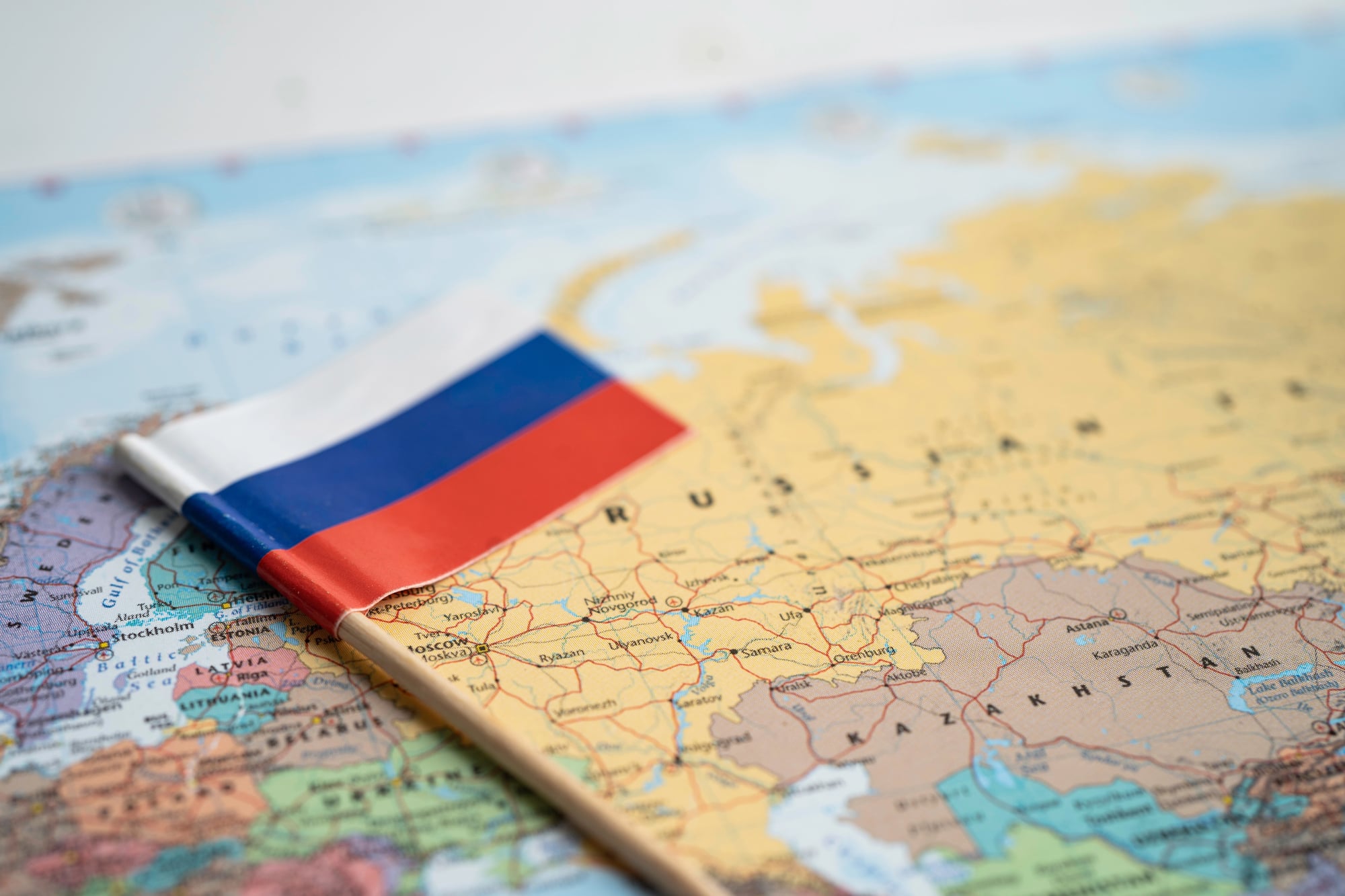
Russia maintains one of the largest online populations in Europe, with over 120 million internet users. Urban connectivity is particularly strong, and digital services are deeply integrated into daily life in major cities.
Russia’s internet landscape includes both global platforms and powerful domestic services. The country’s vast geographic size presents infrastructure challenges, yet most of the population now has some form of online access.
Japan

Japan combines high connectivity with advanced technological infrastructure. With well over 100 million internet users, Japan has long been a digitally mature society.
High-speed broadband, early mobile innovation, and strong consumer electronics industries contributed to widespread adoption. While population growth has slowed, Japan remains one of the most technologically advanced online markets in the world.
Bangladesh

Bangladesh has rapidly expanded internet access over the past decade. User numbers now exceed 100 million, a remarkable shift driven largely by mobile data expansion.
Lower-cost smartphones and competitive telecom pricing helped accelerate adoption. As digital literacy increases, Bangladesh’s online population continues to grow, transforming how businesses, schools, and government services operate.
What These Numbers Really Show

Looking at total internet users highlights the intersection of population size and digital infrastructure. Countries with massive populations naturally lead in absolute numbers, but growth rates often tell an even more interesting story.
In several of these nations, tens of millions of people have come online within just a few years. Mobile technology has been the great equalizer.
In many cases, people skipped traditional desktop internet entirely and went straight to smartphones. That leapfrogging effect reshaped how digital services are designed, favoring apps and lightweight platforms over bulky web systems.
Scale And Influence In The Digital Age

Large user bases translate into economic and cultural influence. Countries with hundreds of millions of connected citizens become major markets for technology companies, advertisers, and content creators.
Trends that emerge within these populations can ripple outward globally. At the same time, scale introduces complexity.
Governments must manage digital infrastructure, cybersecurity, privacy, and equitable access. Expanding internet reach is no longer just about connection speed.
It is about inclusion, education, and sustainable digital ecosystems.
The World Gets Smaller

The concentration of internet users in a handful of populous countries reflects broader demographic realities. Asia alone accounts for a significant share of the world’s connected population.
As connectivity spreads further into rural and underserved regions, the global digital map continues to shift. What once felt like a novelty has become basic infrastructure.
Being online is no longer optional for participation in education, commerce, and communication. The countries leading in total users are shaping the next phase of digital development simply because of their scale.
Where Connectivity Meets Opportunity

What lies beneath these rankings goes beyond statistics. Connectivity shapes routines, quietly shifting how people live each day.
Across several nations on the list, getting online means working from distant locations, joining virtual classrooms, managing money through apps, talking with others worldwide. When fresh faces join the web, it shifts away from tech pioneers toward a broader human mix.
Big user bases now twist how we chat, buy, and share – live, without pause. What emerges isn’t just about numbers piling up – it’s about vision.
Where crowds gather digitally, new shapes form for tomorrow’s networked life.
More from Go2Tutors!

- The Romanov Crown Jewels and Their Tragic Fate
- 13 Historical Mysteries That Science Still Can’t Solve
- Famous Hoaxes That Fooled the World for Years
- 15 Child Stars with Tragic Adult Lives
- 16 Famous Jewelry Pieces in History
Like Go2Tutors’s content? Follow us on MSN.



