Microsoft Excel Tips And Tricks You Need To Learn
Excel has been around for decades, but most people only scratch the surface of what it can do. Spreadsheets might seem boring at first glance, but they hold incredible power when you know the right shortcuts and features.
Whether you’re managing budgets, tracking projects, or analyzing data at work, mastering a few key techniques can save you hours every week. Let’s jump into some practical tricks that will change how you work with spreadsheets forever.
Flash Fill Saves Typing Time

Flash Fill is one of those features that feels like cheating because it’s so easy. When you start typing a pattern in a column next to your data, Excel watches what you’re doing and offers to complete the rest automatically.
For example, if you have full names in one column and start typing first names in another, Excel figures out the pattern after just one or two entries. Just press Ctrl+E or click the suggestion that pops up, and the entire column fills itself.
This works for splitting data, combining text, reformatting dates, and dozens of other repetitive tasks that used to require complicated formulas.
Remove Duplicates Cleans Messy Data

Dealing with duplicate entries can turn a simple task into a nightmare. Excel has a built-in tool that finds and removes duplicates in seconds, which beats scrolling through thousands of rows looking for repeats.
You’ll find this option under the Data tab in the ribbon. Select your data range, click Remove Duplicates, and choose which columns to check.
Excel shows you how many duplicate values it found and how many unique values remain. The original data gets modified, so it’s smart to make a backup copy first or work on a duplicate sheet.
Freeze Panes Keeps Headers Visible
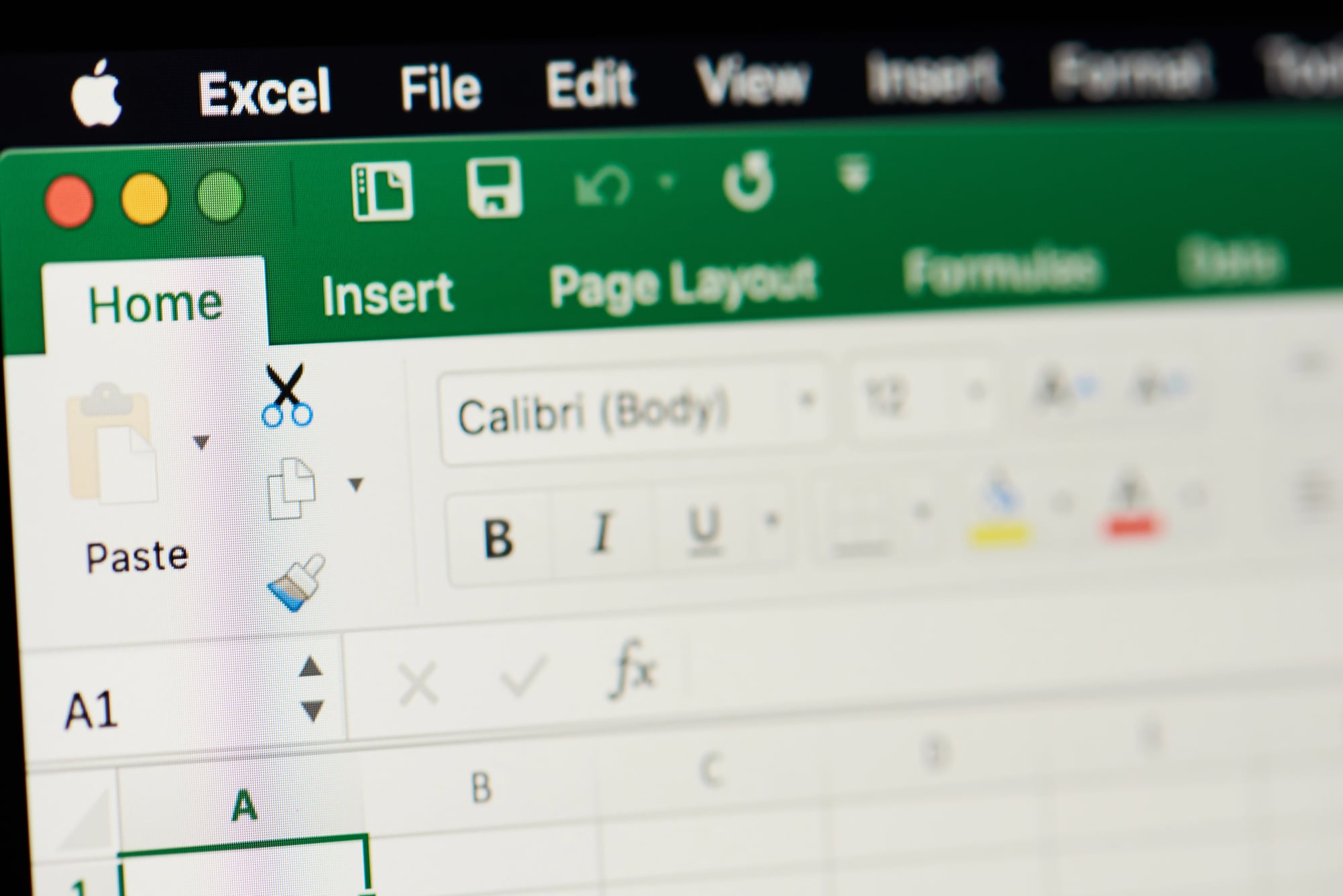
Scrolling through a long spreadsheet while trying to remember what each column represents is frustrating. The Freeze Panes feature locks specific rows or columns in place so they stay visible while you scroll through the rest of your data.
Click on the cell just below and to the right of what you want to freeze, then go to View and select Freeze Panes. Your headers or row labels will now stay put no matter how far down or across you scroll.
This simple trick makes working with large datasets much less confusing and cuts down on mistakes.
Conditional Formatting Highlights Important Information
Numbers in a spreadsheet can blur together into a meaningless mess without some visual help. Conditional formatting automatically applies colors, icons, or other formatting based on rules you set up.
You can highlight cells above a certain value, show top performers in green and bottom performers in red, or create data bars that turn your numbers into mini charts. The feature lives under the Home tab, and it comes with preset options that work for most situations.
Within seconds, patterns in your data become obvious without requiring any manual highlighting or extra effort.
VLOOKUP Finds Information Across Tables

VLOOKUP is the function that separates casual Excel users from people who actually know what they’re doing. It searches for a value in the first column of a table and returns information from another column in the same row.
Think of it like a phone book where you look up someone’s name and find their number. The syntax takes a bit of practice, but once you get it, you can pull data from different sheets or workbooks without copying and pasting.
This function saves countless hours when you’re working with related datasets that need to talk to each other.
Paste Special Gives You Control

Regular paste dumps everything from the copied cells into your destination, including formulas, formatting, and values. Paste Special lets you choose exactly what you want to paste and skip the rest.
You can paste only values to get rid of formulas, paste formatting to match styles, or even paste formulas without the original formatting. Right-click where you want to paste and select Paste Special, or use the keyboard shortcut Ctrl+Alt+V.
The transpose option flips rows into columns and columns into rows, which comes in handy more often than you’d think.
Pivot Tables Summarize Large Datasets

Pivot tables sound complicated, but they’re actually one of the easiest ways to make sense of huge amounts of data. They let you drag and drop fields to create custom summaries, groupings, and calculations without writing a single formula.
You can turn thousands of sales transactions into a simple breakdown by region, product, or time period in just a few clicks. The tool lives under the Insert tab, and Excel walks you through the setup with a friendly interface.
Once you create a pivot table, you can rearrange it endlessly to answer different questions about your data.
Quick Analysis Tool Suggests Useful Features

The Quick Analysis button appears when you select a range of data, offering smart suggestions based on what you’ve highlighted. It shows formatting options, chart types, totals, and other features that might be useful for your specific data.
Instead of hunting through menus or remembering which tab contains what feature, you get a shortcut menu with relevant tools. Click the small icon that appears at the bottom right of your selection, or press Ctrl+Q to bring it up.
This feature helps newer users discover tools they didn’t know existed.
Custom Number Formats Display Data Your Way

Excel comes with built-in number formats for currency, dates, percentages, and more, but you can create your own custom formats too. Right-click a cell, choose Format Cells, and look at the Custom category.
You can add text before or after numbers, control how many decimal places appear, change how negative numbers display, or even hide zeros completely. Custom formats only change how data looks, not the actual values stored in cells, which means formulas still work correctly.
A little formatting knowledge goes a long way toward making spreadsheets easier to read and more professional looking.
AutoSum Adds Numbers Instantly

Adding up a column or row of numbers is probably the most common spreadsheet task, and AutoSum does it with one click. Select the cell where you want the total to appear, click the AutoSum button on the Home tab, and Excel guesses which cells you want to add.
Press Enter and you’re done. The feature works for averages, counts, and other basic calculations too.
You can also use the keyboard shortcut Alt+= to trigger AutoSum without touching your mouse. This tiny trick saves time when you’re working with lots of calculations throughout the day.
Find And Replace Changes Multiple Items At Once

Manually updating the same word, number, or phrase scattered throughout a spreadsheet wastes time and invites errors. The Find and Replace tool (Ctrl+H) locates every instance of what you’re looking for and swaps it with something new.
You can replace all instances at once or review each one individually before making changes. The tool searches through formulas, values, or both, depending on what you specify in the options.
Advanced users can even use wildcards to match patterns, making this feature incredibly powerful for data cleaning.
Absolute Cell References Lock Formulas

When you copy a formula to other cells, Excel automatically adjusts the cell references based on where the formula moves. Sometimes you want this behavior, but other times you need a reference to stay put no matter where you copy the formula.
Adding dollar signs before the column letter, row number, or both creates an absolute reference that won’t change. For example, $A$1 stays locked on cell A1 even if you copy the formula across ten different columns.
Press F4 while editing a cell reference to cycle through the different reference types. This simple trick prevents formula errors and makes complex spreadsheets work correctly.
Tables Organize Data Automatically

Converting a regular range of data into an Excel Table unlocks several helpful features at once. Tables automatically expand when you add new rows or columns, apply alternating row colors for easier reading, and create filter buttons in the header row.
You can create a table by selecting your data and pressing Ctrl+T. The structured reference system makes formulas more readable by using column names instead of cell addresses.
Tables also work seamlessly with pivot tables and other analysis tools. This organizational feature helps keep everything tidy without much effort on your part.
Text To Columns Splits Data Apart

Sometimes data gets crammed into a single column when it should be separated into multiple columns. The Text to Columns wizard splits text based on delimiters like commas, spaces, or tabs, or based on a fixed width.
You’ll find this tool under the Data tab. It’s perfect for cleaning up imported data or fixing information that came from another system in the wrong format.
The wizard walks you through the process step by step, showing you a preview before making changes. This beats manually cutting and pasting data into the right columns, especially when dealing with hundreds or thousands of rows.
Go To Special Selects Specific Cell Types

The Go To Special dialog box lets you select cells based on their content or properties rather than manually clicking each one. Press Ctrl+G or F5, then click Special to see the options.
You can select all blank cells, all cells with formulas, all cells with constants, or cells with specific types of formatting. This becomes incredibly useful when you need to delete all blanks in a range, change all formulas to values, or find cells that contain errors.
The feature saves time and prevents the mistakes that happen when trying to select cells manually across a large spreadsheet.
Status Bar Calculates Without Formulas

Useful details pop up in the bar along the bottom edge of Excel whenever you pick certain cells – no formula needed. Pick several number-filled spots and it quietly adds them, shares their middle value, or tallies how many there are.
A click with the right mouse button on that bar lets you choose what math bits show up. You glance down instead of building short-lived equations across your sheet.
Quick answers come easily when questions fly around a meeting room. Seconds pass before you respond with precise figures.
Data Validation Prevents Input Errors

What goes into particular cells depends on rules set ahead of time, stopping errors early. Entries might be limited to integers between values, dates beyond a point, choices from a menu, or conditions you create yourself.
Find this tool inside the Data section, where prompts can guide users toward correct inputs. If wrong information arrives, Excel blocks it instantly with a notice.
Accuracy holds steady across sheets because of these barriers, reducing effort spent correcting issues down the line.
Here Is Where Things Head When Those Moves Come Into Play

Even though Excel adds fresh tools often, the basics stay nearly the same over time. Mastering small tricks sets down strong groundwork, which opens doors to more complex skills without confusion.
That effort you put in today repays itself each week, cutting minutes – or even hours – from jobs once slow and dull. Knowing the smart way through spreadsheets turns frustration into flow, especially when handling home budgets or office reports.
These methods hold steady across uses, proving their worth wherever numbers need organizing.
More from Go2Tutors!

- The Romanov Crown Jewels and Their Tragic Fate
- 13 Historical Mysteries That Science Still Can’t Solve
- Famous Hoaxes That Fooled the World for Years
- 15 Child Stars with Tragic Adult Lives
- 16 Famous Jewelry Pieces in History
Like Go2Tutors’s content? Follow us on MSN.



