16 Nations Where Common Gestures Mean Something Offensive
Travel broadens horizons through exposure to diverse cultures, exotic cuisines, and foreign languages. However, it can also turn harmless hand gestures into major cultural blunders. What passes for friendly communication in one country might be deeply offensive elsewhere, creating awkward situations that no amount of guidebook reading can prevent. Body language differences across cultures have blindsided countless international visitors, transforming routine interactions into accidental diplomatic incidents.
Learning about these cultural nuances prevents embarrassing encounters and builds confidence for meaningful cross-cultural communication. Here is a list of 16 nations where common gestures mean something offensive.
Greece
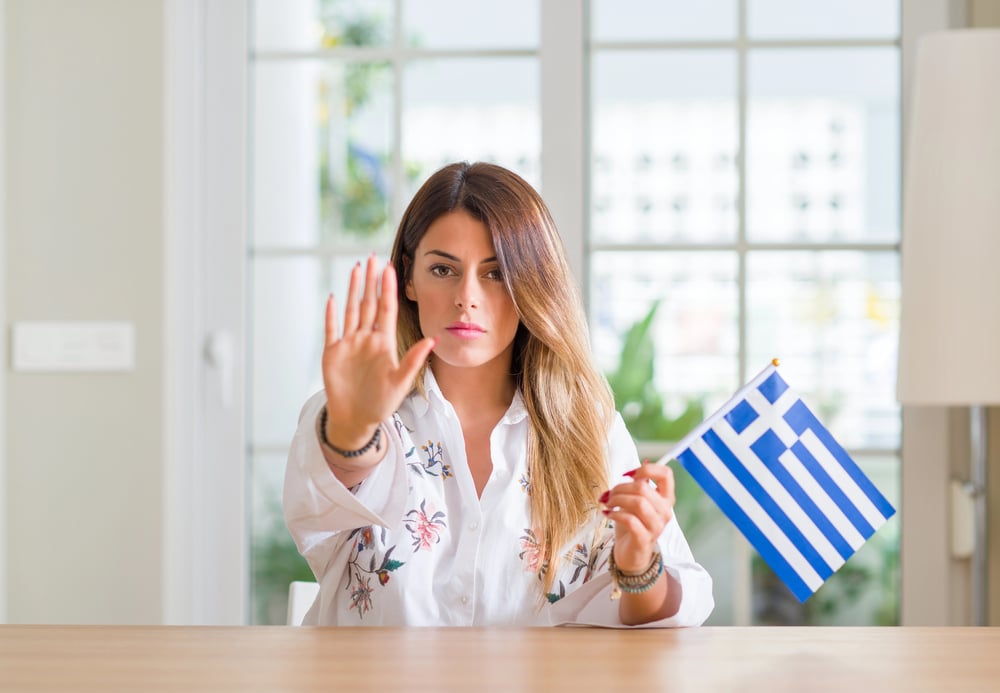
The open-palm gesture commonly used in America to signal ‘stop’ or offer high-fives carries deeply offensive connotations in Greece — stemming from ancient practices of smearing filth on criminals’ faces. Known as ‘moutza,’ this hand position ranks among the most insulting gestures in Greek culture.
Smart travelers keep their palms angled downward during conversations, unless they want to spark an unexpectedly hostile exchange.
Italy

Italy has perfected the art of expressive hand communication, though the American ‘OK’ symbol creates serious problems since the thumb-and-forefinger circle represents inappropriate anatomy. This seemingly innocent gesture essentially hurls a crude insult at the recipient — hardly the impression most visitors hope to make.
Verbal communication works better, or invest time learning authentic Italian hand expressions to avoid confusion.
Brazil

Brazil interprets that same problematic ‘OK’ gesture as an equally vulgar statement about someone’s character. Locals use this hand formation to deliver insults that question personal integrity in the most unflattering terms possible — definitely not tourist-friendly territory.
Simple thumbs-up gestures communicate approval much more effectively within Brazilian social contexts.
Turkey

Arm-crossing might seem like a neutral stance, yet Turkish culture views it as displaying disrespect or outright defiance — especially toward authority figures. This posture suggests dismissive stubbornness that doesn’t translate well in formal settings or business environments.
Keeping arms loose and relaxed during conversations demonstrates better cultural awareness, particularly in professional situations.
Russia

The ‘fig’ gesture — created by threading your thumb between the index and middle fingers — delivers a particularly crude dismissal in Russian social contexts. While this hand position appears completely benign to foreigners, Russians recognize it as a serious insult that can escalate tensions rapidly — something to avoid entirely.
Any fist-making with protruding thumbs should be off-limits for visitors wanting peaceful interactions.
China

Direct pointing at individuals with the index finger violates fundamental Chinese etiquette principles — since it aggressively singles people out in disrespectful ways. Chinese social norms prioritize group harmony and face-saving behaviors, making direct pointing feel like a public assault on personal dignity — culturally unacceptable territory.
Open-handed gesturing or self-directed pointing works better when indicating directions or identifying specific people.
Japan

Americans typically beckon others using an upward-pointing finger with an inward curl — which happens to be exactly how Japanese people summon dogs. Using this gesture on humans implies treating them like animals rather than showing appropriate respect — a serious violation of Japanese social principles.
Proper Japanese beckoning involves palm-down positioning with gentle finger waving toward oneself.
South Korea

Single-handed exchanges of items — particularly business cards — signal disrespect for both the individual and the relationship’s importance. Korean business culture demands meticulous attention to proper etiquette, and one-handed interactions suggest the relationship lacks value — a significant cultural misstep.
Both hands should always be employed when transferring objects, especially during professional encounters.
India

Traditional Indian hygiene practices designate the left hand as unclean — making its use for eating, greeting, or item-passing culturally offensive. Indians strictly reserve left-hand usage for personal cleanliness activities and consider social applications completely inappropriate — something foreign visitors frequently overlook.
Right-hand usage for eating, handshakes, and object-handling demonstrates proper cultural sensitivity.
Thailand

Foot positioning carries significant cultural weight in Thailand — where showing sole surfaces or pointing feet toward people demonstrates extreme disrespect. Thai culture considers feet the body’s lowest and most contaminated part, making any foot-oriented gestures deeply offensive — regardless of sitting, reclining, or leg-crossing positions.
Proper foot placement keeps them grounded and directed away from other people.
Middle Eastern Countries

The thumbs-up gesture might appear universally positive, but numerous Middle Eastern cultures interpret it identically to America’s middle finger salute. This apparently harmless approval signal can trigger heated confrontations or create seriously uncomfortable social situations. Verbal affirmations or head nodding communicate agreement much more safely across these cultural boundaries.
Germany

Tapping temples or making circular finger motions near the head to suggest ‘craziness’ particularly offends Germans, since it directly attacks someone’s mental capacity or psychological stability. German culture values direct communication while drawing firm lines around personal attacks disguised as gestures. Disagreements should be expressed through words rather than implying cognitive deficiencies or mental health issues.
France
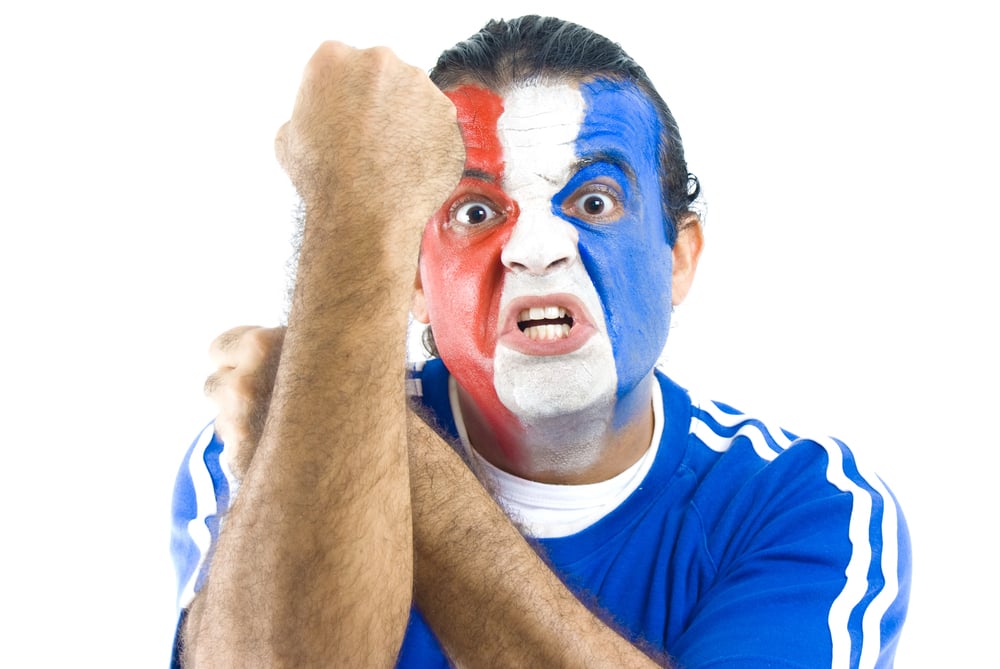
The bicep-slapping gesture combined with raised forearms delivers one of the rudest possible dismissals in French cultural contexts. Though it might resemble simple muscle flexing or stretching exercises, French people interpret this motion as a deliberate personal insult. Conversations benefit from minimal, purposeful arm movements that avoid sending unintended offensive signals.
United Kingdom

The backwards peace sign — palm facing inward — transforms Britain’s friendly symbol into something quite insulting through a simple hand orientation change. This gesture carries centuries of historical baggage dating back to medieval military conflicts and warfare traditions. Outward-facing palms maintain the peaceful intention and prevent accidental offense during social interactions.
Australia

Thumbs-up gestures can be perceived as rude within certain Australian social contexts, particularly when delivered aggressively or used repetitively during conversations. While not universally offensive, the gesture often appears dismissive or sarcastic depending on situational factors and delivery style. Subtle approval methods work better for Australians, especially during formal or business-related interactions.
Philippines

Local Filipinos commonly use lip-pointing for directions, but index-finger pointing at people violates cultural respect norms significantly. Philippine society emphasizes indirect communication styles and maintaining personal dignity throughout all interactions. Open-handed directional gesturing works appropriately, or visitors can adopt the local lip-pointing custom for giving directions.
Bridging Cultural Divides

These gestural variations demonstrate how deeply cultural programming influences basic human communication patterns, turning simple hand movements into intricate social codes that either strengthen or damage international relationships. Innocent attempts at friendly interaction have developed into cultural hazards that repeatedly catch unprepared travelers off guard, proving that nonverbal communication deserves equal attention alongside verbal language learning when venturing into unfamiliar territories. Mastering these subtle differences demonstrates authentic respect for local traditions while fostering genuine connections that elevate travel experiences beyond surface-level tourism, preventing the trail of bewildered or offended locals that poor gesture choices inevitably create.
More from Go2Tutors!

- The Romanov Crown Jewels and Their Tragic Fate
- 13 Historical Mysteries That Science Still Can’t Solve
- Famous Hoaxes That Fooled the World for Years
- 15 Child Stars with Tragic Adult Lives
- 16 Famous Jewelry Pieces in History
Like Go2Tutors’s content? Follow us on MSN.