Massive Differences Between Ancient Rome and Ancient Greece
Standing in the shadow of Western civilization, two ancient powerhouses shaped everything that followed. Greece gave us philosophy and democracy.
Rome built roads that lasted millennia and legal systems still used today. Yet these neighboring civilizations couldn’t have been more different in how they viewed power, culture, and what it meant to be human.
Political Systems

Democracy meant something entirely different in Athens than rule meant in Rome. Greek city-states experimented with direct participation—citizens gathering in the agora to debate and vote on everything from war declarations to public works projects.
Every free male had a voice (though that excluded women, slaves, and foreigners, which was most people). Rome took a more pragmatic approach.
The Republic mixed aristocratic control with popular assemblies, but real power stayed concentrated among patrician families. When that system collapsed, emperors simply declared themselves gods and ruled through military might.
Greeks debated philosophy in the marketplace; Romans conquered it and built administrative systems to manage it.
Military Philosophy
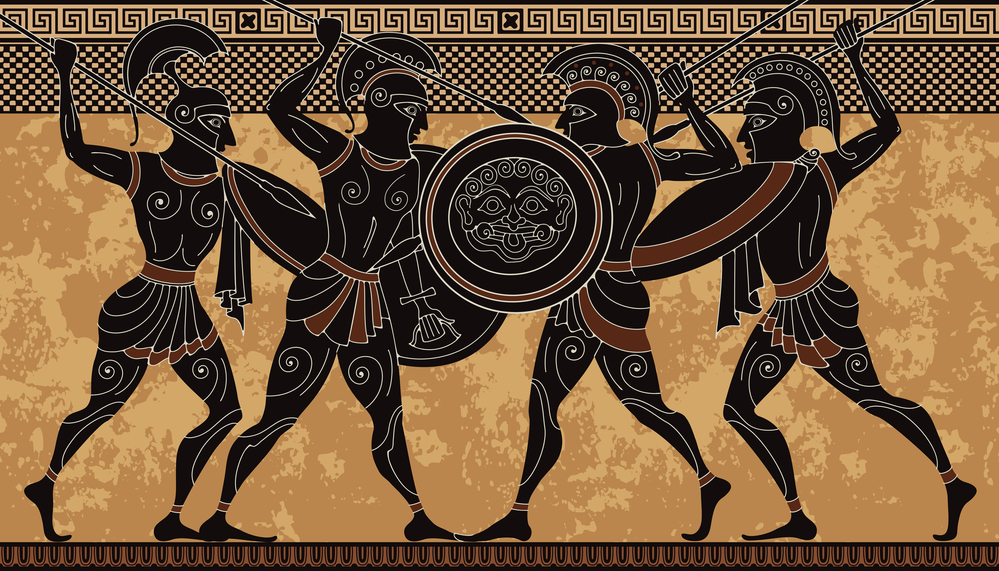
Picture two fighters approaching the same opponent: one relies on individual brilliance and personal glory, the other on disciplined coordination and engineering superiority. That captures the essential difference between Greek and Roman warfare—and it explains why one civilization conquered the Mediterranean while the other produced epic poems about heroic defeats.
Greek warfare celebrated the warrior-hero, the Achilles figure who could turn the tide through individual prowess. Hoplites fought in phalanxes, true, but Greek military culture worshiped personal courage and battlefield honor.
Romans viewed war as a job to be done efficiently. Legions functioned like precision instruments: standardized equipment, ruthless training, tactical flexibility.
Romans didn’t write songs about glorious last stands because they rarely found themselves making them.
Architecture and Engineering
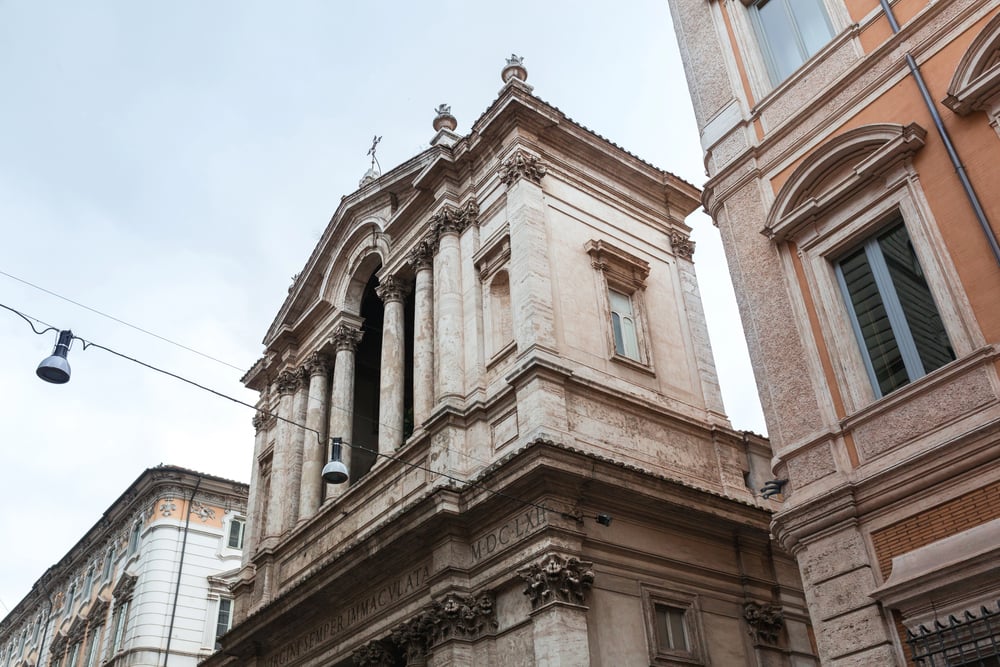
Roman buildings were built to outlast empires.
Greek temples achieved perfect mathematical harmony. The Parthenon still takes your breath away because every proportion follows divine geometry.
Romans looked at Greek architecture, admired it, then asked a more practical question: how do we move water uphill to supply a city of a million people? So Romans invented concrete, perfected the arch, and built infrastructure that kept working for centuries.
Greek buildings were statements about beauty and the relationship between humans and gods. Roman buildings were solutions to logistical problems.
Religious Approach
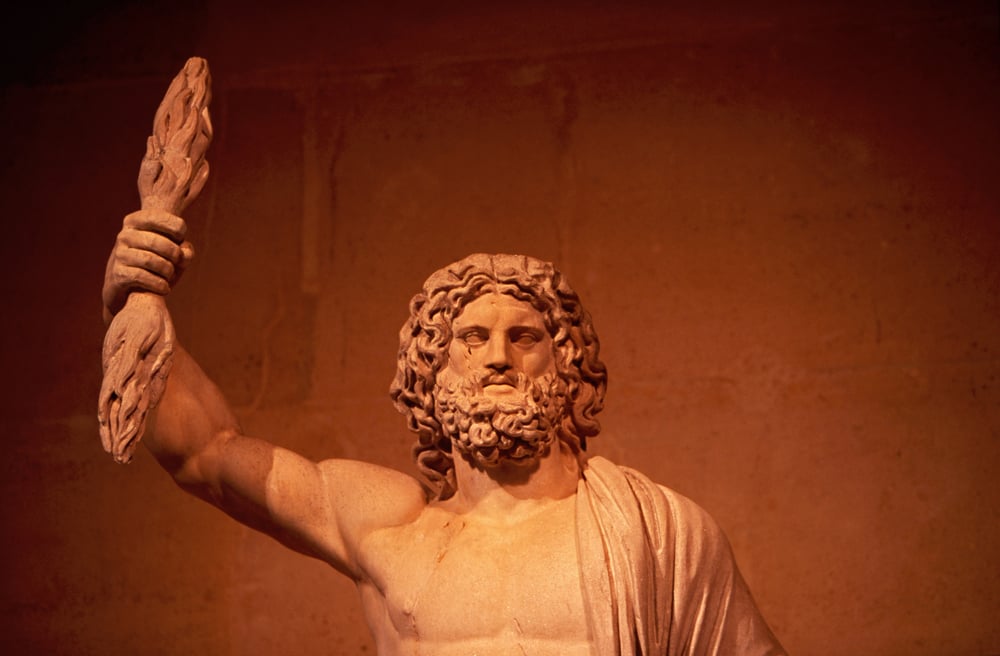
The Greeks treated their gods like dysfunctional family members—powerful, unpredictable, and prone to petty feuds that mortals got caught up in. Zeus might seduce your wife by turning into a swan; Athena might curse you for being too good at weaving.
Greek mythology reads like psychological drama because the gods embodied human emotions and conflicts, just scaled up to cosmic proportions. Romans approached religion like everything else: practically (though they borrowed heavily from Greek mythology, renaming the gods and toning down the soap opera elements).
Roman religion served the state first. Emperors became gods not because of mystical transformation, but because declaring divine status simplified the chain of command.
And when Christianity offered better organizational benefits than the old pantheon, Rome eventually adopted that too. Romans worshipped what worked—which is how they ended up converting to the religion of people they’d been feeding to lions.
Art and Aesthetics
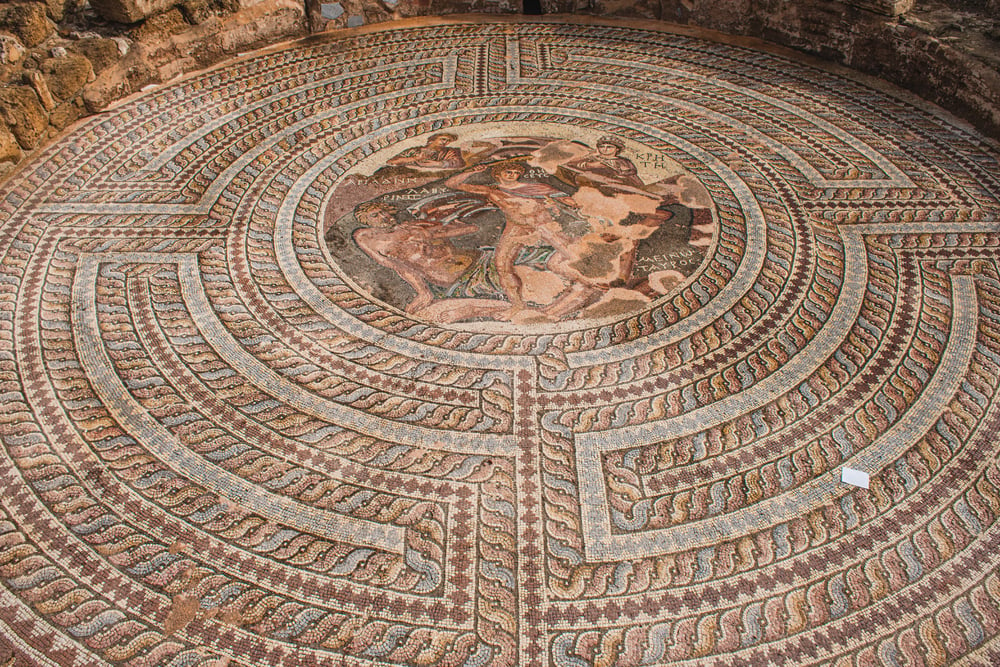
Greek art reached for the ideal—sculptures that captured perfect human forms, representing not what people actually looked like but what they could become. The Venus de Milo, the Discus Thrower: these weren’t portraits of specific individuals but mathematical expressions of beauty itself.
Greek artists worked backward from perfection, as if they were uncovering eternal forms that existed somewhere beyond the physical world. Roman art documented reality, warts and all.
Roman portrait sculpture shows you exactly what Julius Caesar’s nose looked like, including the bumps and asymmetries that Greek artists would have smoothed away. Romans wanted their art to serve as a historical record.
Greek art elevated the human form; Roman art preserved it for posterity.
Education Philosophy
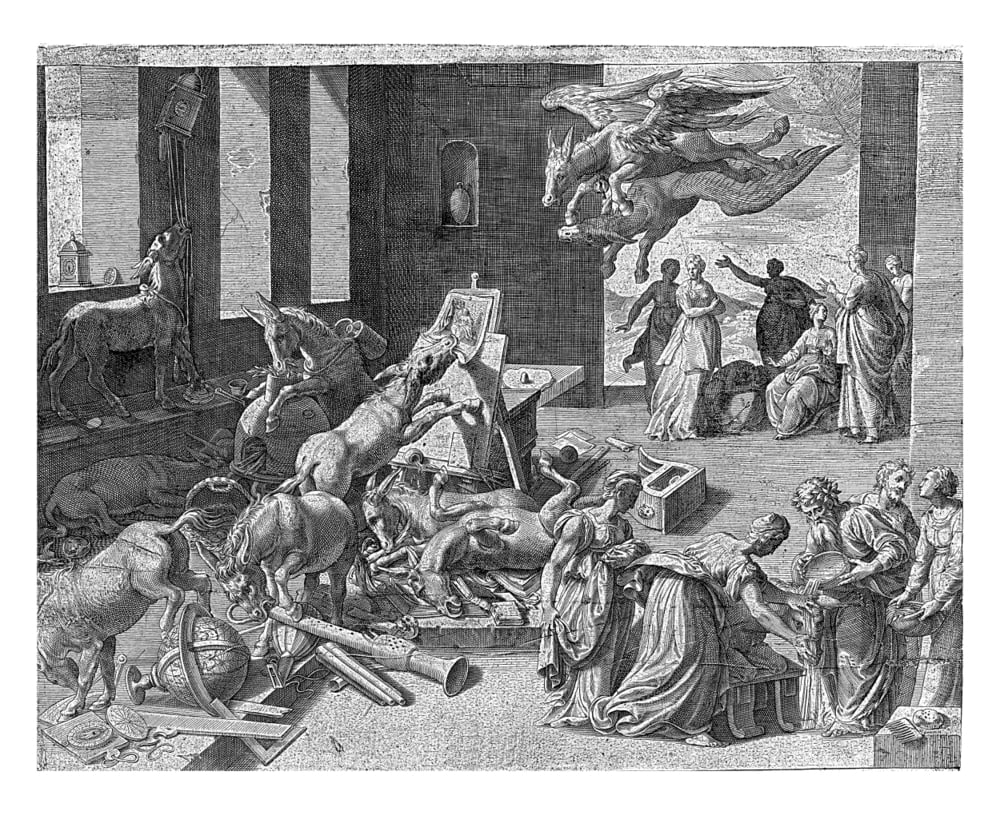
Greeks invented the liberal arts because they believed education should free the mind to pursue truth for its own sake. Roman education trained citizens to serve the empire.
Grammar, rhetoric, and logic—but all aimed at producing effective administrators, lawyers, and military officers. Greeks studied mathematics to understand the harmony of the universe. Romans studied engineering to build better aqueducts.
The Greek approach produced Plato and Aristotle. The Roman approach produced a governmental system that administered three continents for five centuries.
Different priorities, different results.
Economic Systems

Rome built the ancient world’s first global economy, and they did it the way they did everything else: through conquest, standardization, and ruthless efficiency. Roman coins circulated from Britain to Egypt because Roman legions made sure they circulated.
Trade routes followed Roman roads, protected by Roman garrisons, operating under Roman commercial law. Greek economics stayed fragmented because Greek politics stayed fragmented (city-states were never going to coordinate monetary policy when they couldn’t agree on territorial boundaries).
But Greek economic thinking was more sophisticated—they understood concepts like inflation and market dynamics that Romans approached through trial and error. Greeks developed economic theory; Romans built economic infrastructure.
Theory doesn’t move grain shipments from North Africa to feed a million Romans, but good roads and competent administration do.
Treatment of Women
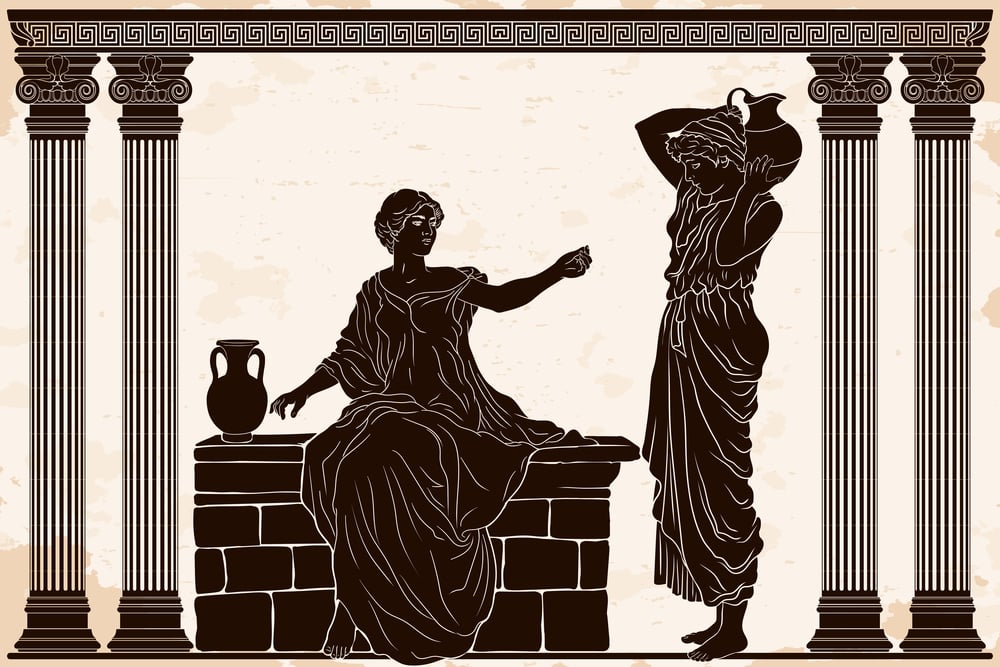
Greek women lived under strict domestic control, rarely appearing in public except for religious festivals. Athenian democracy—so progressive in extending political participation—didn’t extend that participation to half the population.
Greek wives managed households but stayed largely invisible in public life. Roman women enjoyed considerably more freedom, particularly upper-class women who could own property, run businesses, and appear in court.
Roman wives accompanied their husbands to public events and social gatherings. Some, like Livia (Augustus’s wife), wielded significant political influence behind the scenes.
Romans were more pragmatic about gender roles—if women could contribute to family wealth and status, why restrict them unnecessarily?
Slavery Systems
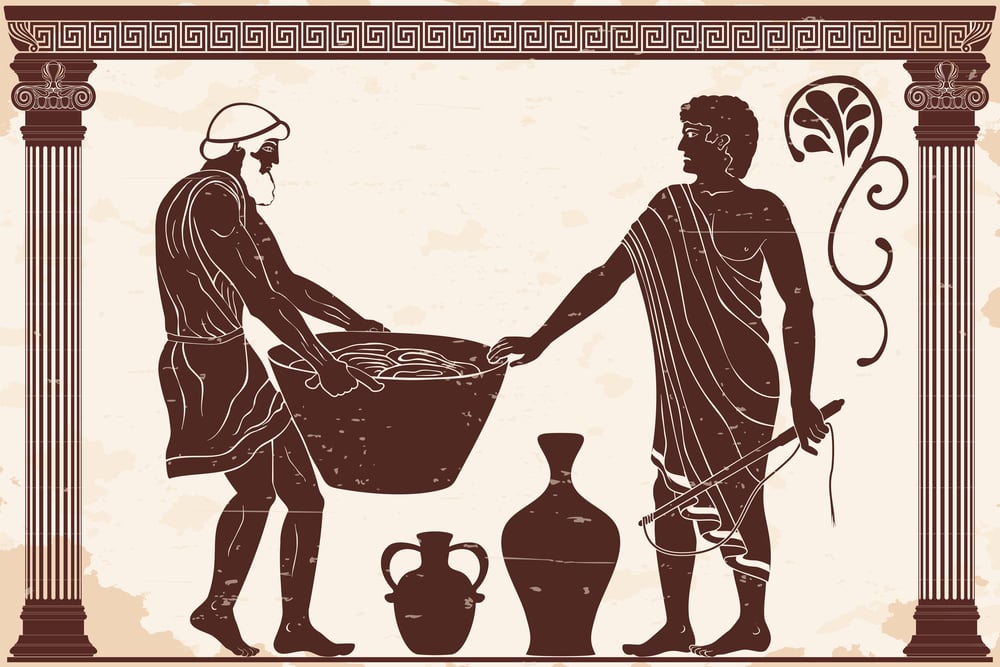
Both civilizations built their prosperity on enslaved labor, but they approached slavery differently. Greeks viewed slavery as natural and inevitable—Aristotle argued that some people were “natural slaves” suited only for manual labor.
Greek slavery was philosophically justified but often involved brutal treatment, especially in places like silver mines. Romans treated slavery as an economic institution rather than a natural law.
Roman slaves could earn or buy their freedom and become citizens—something nearly impossible in Greece. Rome’s economy depended on enslaved labor, but Roman law provided clearer paths to manumission.
Neither system was remotely humane by modern standards, but Roman slavery offered more hope of eventual freedom.
Philosophy and Intellectual Life
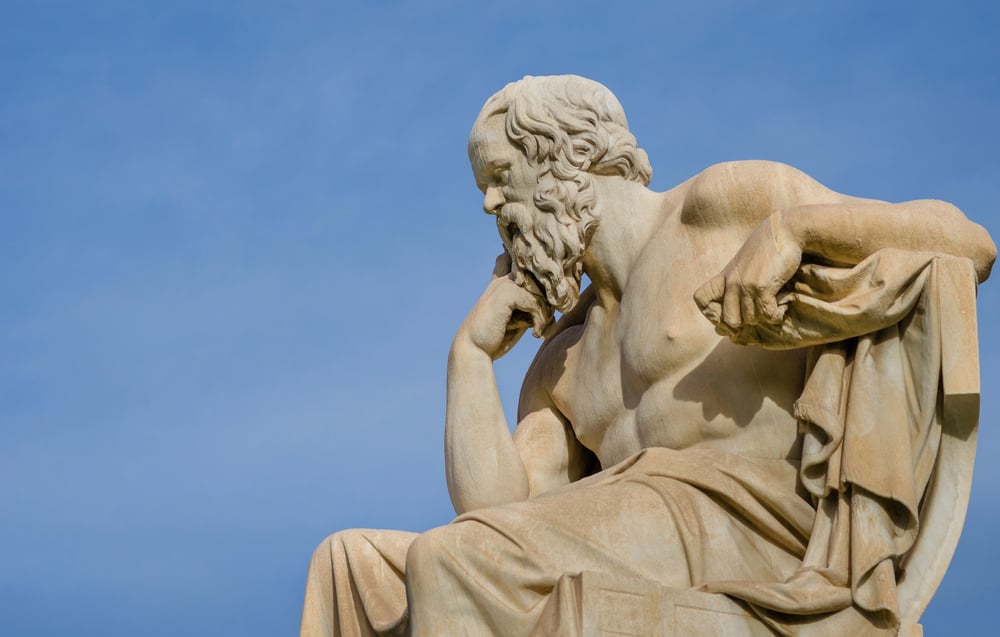
Greek philosophers asked big questions about the nature of existence, truth, and the good life. Socrates wandered Athens questioning people’s assumptions about justice and virtue.
Plato imagined ideal societies governed by philosopher-kings. Aristotle catalogued everything from politics to biology, trying to understand how the world actually worked.
Roman intellectuals focused on practical wisdom—how to live well within existing social structures rather than reimagining those structures entirely. Stoicism, Rome’s most influential philosophical school, taught individuals to accept what they couldn’t control while acting virtuously within their circumstances.
Greeks invented abstract philosophy; Romans developed applied ethics for people who had empires to run and families to support.
Urban Planning
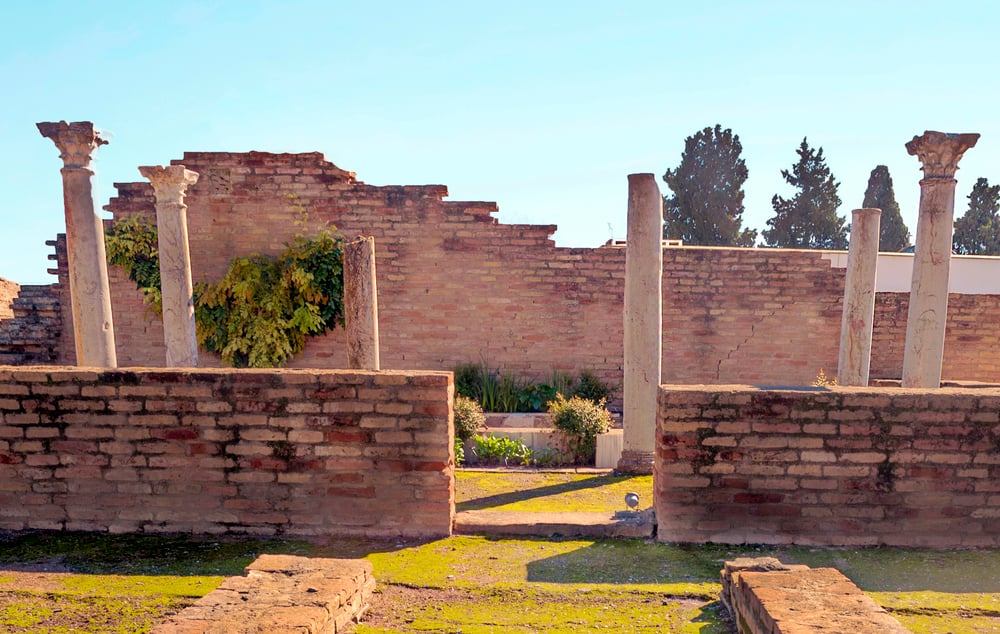
Walk through the ruins of any Roman city and you’ll find the same layout: straight roads intersecting at right angles, forum at the center, amphitheater on the outskirts, aqueducts bringing fresh water, sewers carrying waste away. Roman urban planning followed military principles—efficiency, standardization, and practical functionality.
Greek cities grew organically around natural features like harbors or hilltops. Athens wound its way up the slopes below the Acropolis; narrow streets followed ancient footpaths rather than geometric logic.
Greek urban design prioritized beauty and harmony with landscape. Roman urban design prioritized sanitation and traffic flow.
One approach created cities that felt like works of art; the other created cities where a million people could actually live without dying of cholera.
Language and Literature
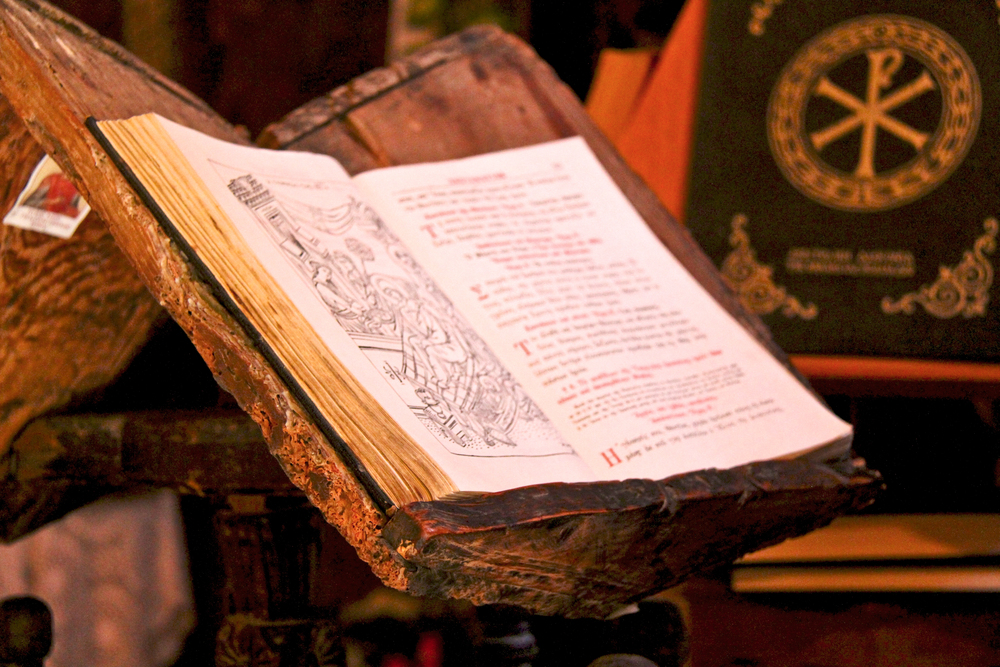
Greek literature explores individual psychology and cosmic themes—the Iliad follows Achilles wrestling with mortality and honor, while Greek tragedies examine how ordinary people respond to impossible moral dilemmas. Greek writers were interested in the human condition as a universal phenomenon.
Roman literature focuses on civic duty and historical examples. The Aeneid isn’t just Virgil’s attempt to match Homer; it’s a founding myth designed to justify Roman imperial expansion and encourage patriotic sacrifice.
Roman historians like Tacitus and Livy wrote to provide moral instruction for future generations of leaders. Greek literature aimed to understand humanity; Roman literature aimed to improve Roman citizens.
Lasting Legacy

Greece gave the world intellectual frameworks that still shape how we think—democracy, scientific method, philosophical inquiry, mathematical proofs, dramatic structure. Greek innovations were conceptual: ways of organizing thought and society that proved enduringly valuable.
Rome gave the world practical systems that still govern daily life—legal principles, urban infrastructure, administrative organization, military strategy, and architectural techniques. Roman innovations were institutional: ways of organizing large-scale human activity that proved endurably effective.
Both legacies remain essential, but they represent fundamentally different approaches to civilization: the Greek emphasis on ideal forms and individual excellence versus the Roman emphasis on practical solutions and collective organization.
The Fundamental Divide
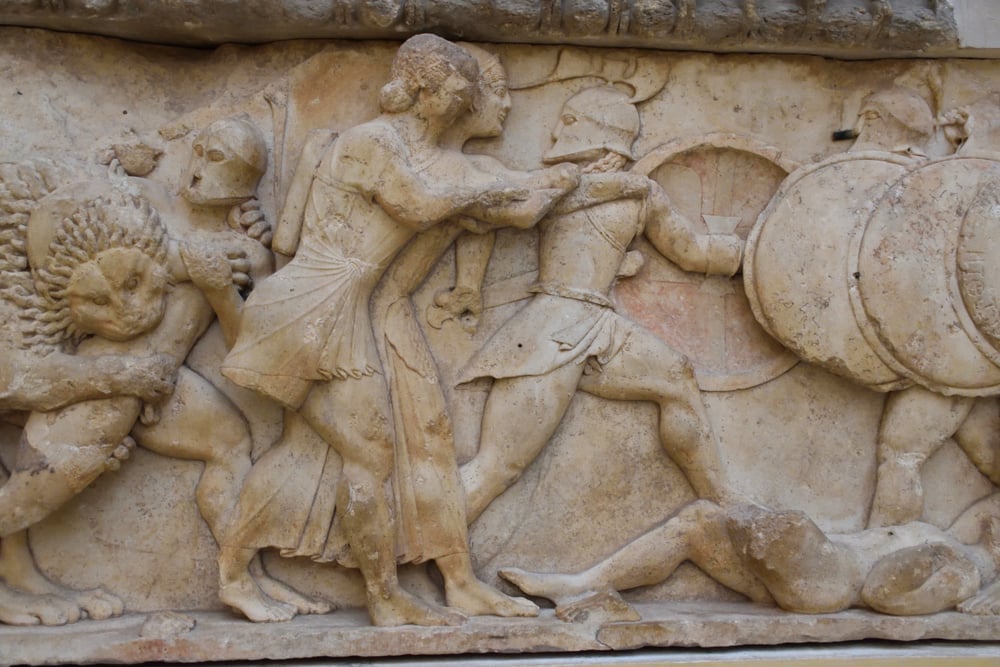
And yet perhaps the deepest difference lies not in any specific institution or practice, but in how each civilization understood human potential itself. Greeks believed people could transcend ordinary limitations through reason, beauty, and virtue—that there was something divine within human nature waiting to be discovered and cultivated.
Romans believed people could achieve great things through discipline, cooperation, and practical wisdom—that human nature needed to be organized and directed toward productive ends. One vision elevated the individual mind; the other elevated collective achievement.
Both shaped the world that followed, and both remain necessary for any civilization that hopes to combine human dignity with functional society.
More from Go2Tutors!

- The Romanov Crown Jewels and Their Tragic Fate
- 13 Historical Mysteries That Science Still Can’t Solve
- Famous Hoaxes That Fooled the World for Years
- 15 Child Stars with Tragic Adult Lives
- 16 Famous Jewelry Pieces in History
Like Go2Tutors’s content? Follow us on MSN.



