Memorable Music Videos of the 1980s
The 1980s didn’t just change music — they changed how we experienced it.
Before MTV launched in 1981, music videos were afterthoughts, low-budget promotional clips that occasionally appeared on late-night television.
Within a few years, they became the primary way artists connected with audiences, and the most creative minds in music realized that a great video could make or break a career.
Here’s a closer look at the videos that defined an era and changed pop culture forever.
Michael Jackson’s ‘Thriller’
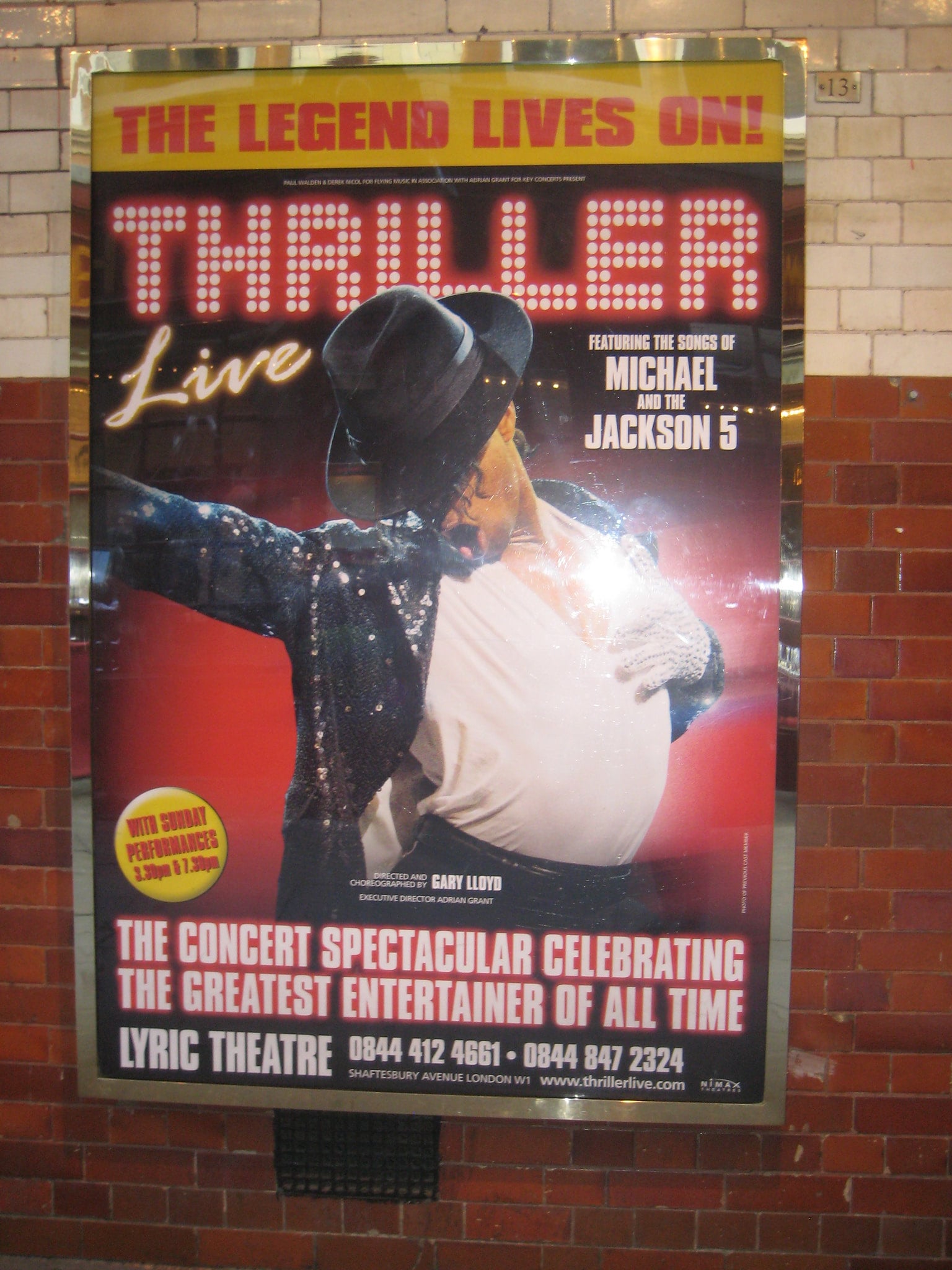
Nothing before or since has matched the cultural impact of ‘Thriller.’
Released in December 1983, this 14-minute short film directed by John Landis cost around $500,000 — an astronomical sum at the time — and became the most influential music video ever made.
Jackson transformed into a werewolf, led a choreographed zombie dance, and delivered special effects that belonged in a Hollywood blockbuster.
The video premiered simultaneously on MTV and other networks, drawing millions of viewers and proving that music videos could be legitimate entertainment events.
Vincent Price’s haunting voiceover and Michael Peters’ choreography became instantly iconic.
‘Thriller’ didn’t just promote an album; it elevated the entire medium and set a standard that still hasn’t been matched.
A-ha’s ‘Take On Me’
The pencil-sketch animation technique used in A-ha’s ‘Take On Me’ looked like nothing else on MTV when it debuted in 1985.
Director Steve Barron combined live action with rotoscoped animation, creating a romantic fantasy where a woman gets pulled into a comic book world.
The video took 16 weeks to complete, with over 3,000 frames hand-drawn by animator Michael Patterson.
It transformed a catchy but relatively unknown Norwegian band into international superstars practically overnight.
The video won six MTV Video Music Awards and became one of the most iconic visuals of the decade.
That sketchy, flickering aesthetic became so recognizable that it’s still being imitated and referenced nearly 40 years later.
Peter Gabriel’s ‘Sledgehammer’
Peter Gabriel’s ‘Sledgehammer’ pushed stop-motion animation and special effects into uncharted territory.
The 1986 video, directed by Stephen R. Johnson, featured Gabriel’s face morphing through dozens of surreal transformations — dancing chickens, animated fruit, claymation trains, and constantly shifting textures.
Gabriel spent 16 hours lying under a sheet of glass while animators worked frame by frame above him.
The technical achievement was staggering, and the video became the most-played clip in MTV history at the time.
It won nine MTV Video Music Awards, a record that stood for years.
The video proved that experimental, art-house techniques could succeed in mainstream pop culture if executed with enough imagination and commitment.
Madonna’s ‘Like a Prayer’

Madonna built her career on provocation, but ‘Like a Prayer’ in 1989 took controversy to another level.
The video featured religious imagery, burning crosses, stigmata, and a romantic storyline involving a Black saint, all directed by Mary Lambert.
The Vatican condemned it, Pepsi pulled a sponsorship deal worth millions, and conservative groups organized protests.
But the controversy only amplified the video’s reach, and Madonna’s refusal to apologize cemented her reputation as an artist who wouldn’t compromise her vision.
Beyond the scandal, the video was beautifully shot, emotionally resonant, and narratively ambitious.
It demonstrated that music videos could tackle serious themes and spark genuine cultural debates.
Dire Straits’ ‘Money for Nothing’

‘Money for Nothing’ brought cutting-edge computer animation to mainstream audiences in 1985.
Directed by Steve Barron, the video featured blocky, primitive CGI characters that looked revolutionary at the time, even though the technology seems charmingly dated now.
The animation was created by Ian Pearson and Gavin Blair using a Quantel Paintbox, and it took months to produce just a few minutes of footage.
MTV loved it so much that they put the video into heavy rotation, and the song’s lyrics — which namechecked MTV itself — made it feel like the channel’s unofficial anthem.
The video won Video of the Year at the 1986 MTV Video Music Awards and proved that computer graphics had a future in music and entertainment.
Duran Duran’s ‘Hungry Like the Wolf’

Duran Duran understood the power of MTV better than almost any band in the early 1980s.
Their 1982 video for ‘Hungry Like the Wolf,’ shot on location in Sri Lanka, played like a mini Indiana Jones adventure, with lead singer Simon Le Bon running through markets, jungles, and temples while pursuing a mysterious woman painted as a tiger.
The video was exotic, cinematic, and expensive — everything that early MTV audiences craved.
Director Russell Mulcahy gave the band a glamorous, larger-than-life image that perfectly matched the New Romantic movement.
Duran Duran made roughly a dozen iconic videos during the decade, but ‘Hungry Like the Wolf’ was the one that broke them in America and established the template for their visual style.
The Cars’ ‘You Might Think’
The Cars’ 1984 video for ‘You Might Think’ was a collision of live action, animation, and bizarre special effects that felt perfectly aligned with MTV’s appetite for the weird and wonderful.
Directed by Jeff Stein, the video featured frontman Ric Ocasek’s face superimposed onto a fly, a giant King Kong-style figure climbing buildings, and lead guitarist Elliot Easton appearing as a cartoon astronaut.
The low-fi effects gave it a playful, surreal quality that stood out even in an era full of visual experimentation.
It won the very first Video of the Year award at the inaugural MTV Video Music Awards in 1984, a significant moment that validated music videos as a legitimate art form worthy of recognition and competition.
Robert Palmer’s ‘Addicted to Love’

The video for ‘Addicted to Love’ created one of the most enduring visual tropes of the 1980s.
Directed by Terence Donovan in 1986, the video featured Robert Palmer in a suit, performing in front of a lineup of identically dressed, heavily made-up female models pretending to play instruments.
Their synchronized, robotic movements and blank expressions created a hypnotic, slightly unsettling effect.
The look was so distinctive that it became instantly iconic and has been parodied countless times in everything from ‘Shrek 2’ to car commercials.
Palmer repeated the formula in ‘Simply Irresistible,’ but ‘Addicted to Love’ remains the definitive version.
The video proved that a strong visual concept didn’t need narrative or special effects — just a bold, unforgettable aesthetic.
Prince’s ‘When Doves Cry’

Prince was one of the few artists who maintained creative control over his videos, and it showed.
The 1984 video for ‘When Doves Cry,’ filmed in black and white and color, intercut performance footage with surreal, symbolic imagery and scenes from ‘Purple Rain.’
Prince directed the video himself, and it reflected his artistic vision without compromise.
The video was moody, sensual, and unapologetically strange, featuring everything from bathtubs to caged doves to close-ups of Prince’s face.
It became one of MTV’s most-played videos and helped make ‘Purple Rain’ a cultural phenomenon.
Prince understood that his mystique was as important as his music, and his videos maintained an air of enigmatic cool that few others could match.
Cyndi Lauper’s ‘Girls Just Want to Have Fun’

Cyndi Lauper’s 1983 video for ‘Girls Just Want to Have Fun’ was joyful, colorful, and unapologetically fun in a way that felt revolutionary.
Directed by Edd Griles, the video featured Lauper dancing through New York City streets with a diverse group of women, celebrating friendship and freedom.
Her mother even appeared in the video, adding a personal, authentic touch.
The video’s playful energy and vibrant aesthetic made Lauper an MTV darling and helped turn the song into an anthem.
It captured the exuberance of early MTV and showed that music videos didn’t need to be dark, edgy, or controversial to make an impact.
Sometimes pure, infectious joy was enough.
Talking Heads’ ‘Once in a Lifetime’
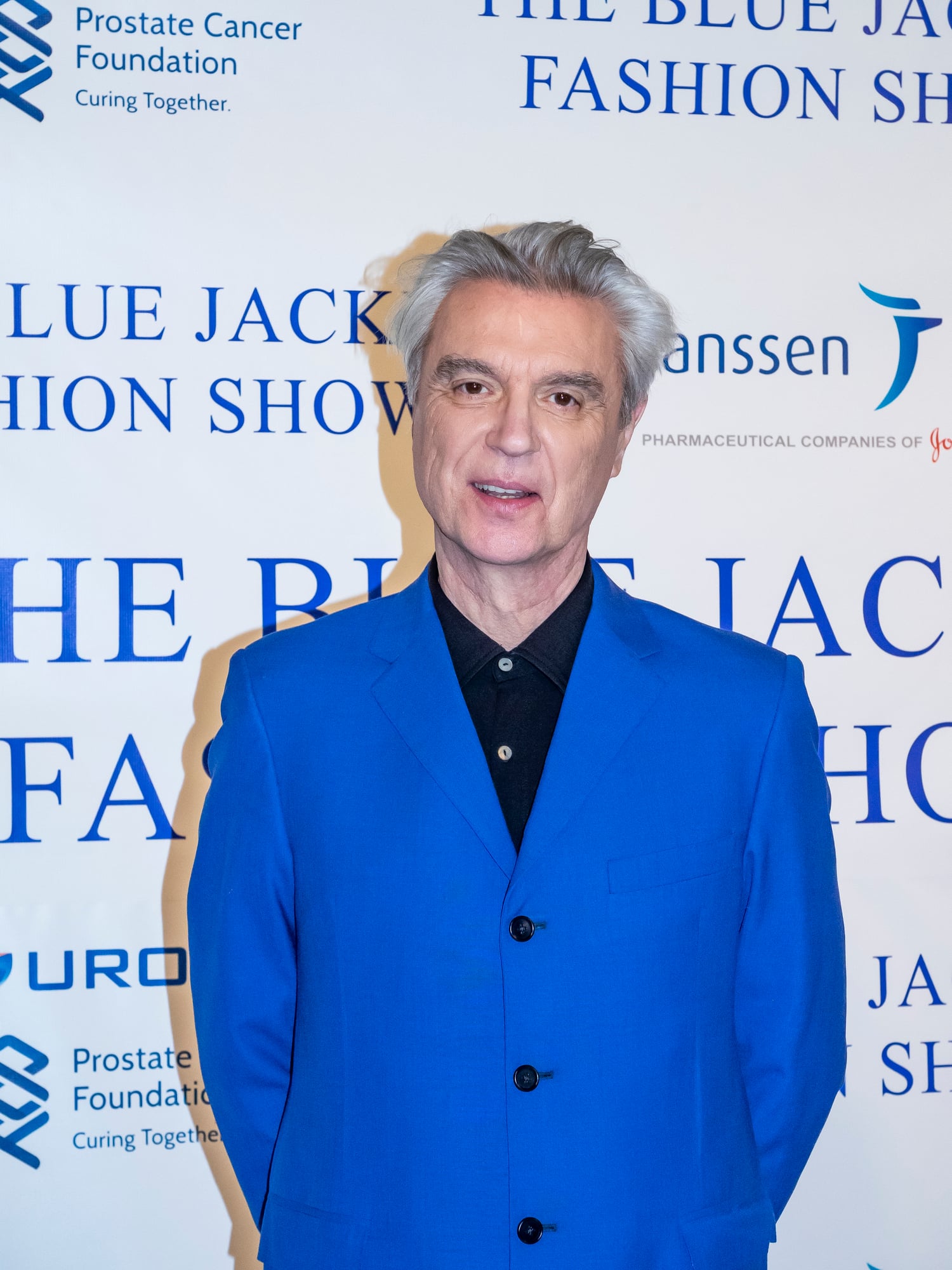
David Byrne’s twitchy, possessed performance in the 1980 video for ‘Once in a Lifetime’ became one of the most iconic images of the decade.
Directed by Toni Basil and David Byrne himself, the video featured Byrne in a suit, jerking and convulsing through interpretive dance moves inspired by religious ecstasy and tribal rituals.
The low-budget video relied entirely on Byrne’s charisma and commitment to the bizarre choreography.
It was strange, unsettling, and completely mesmerizing.
The video helped establish Talking Heads as one of the most intellectually adventurous bands of the era and proved that you didn’t need big budgets or special effects to create something unforgettable.
Sometimes all you needed was a weird idea and the courage to fully commit.
The Visual Revolution That Lasted

The music videos of the 1980s weren’t just promotional tools — they were cultural artifacts that shaped fashion, dance, and visual storytelling for decades.
Artists realized they could build entire personas through video, and directors found a new medium for experimentation.
MTV’s influence eventually waned, but the creative ambition and visual innovation of 1980s music videos set a standard that still echoes through modern media.
When we talk about the greatest music videos ever made, we’re almost always talking about the 1980s.
More from Go2Tutors!

- The Romanov Crown Jewels and Their Tragic Fate
- 17 Halloween Costumes Once Considered Taboo
- Famous Hoaxes That Fooled the World for Years
- 15 Child Stars with Tragic Adult Lives
- 16 Famous Jewelry Pieces in History
Like Go2Tutors’s content? Follow us on MSN.



