15 Bird Species with Bizarre Behavior
While most birds follow predictable patterns of eating, nesting, and migrating, some species have evolved behaviors so strange they seem almost fictional. These feathered creatures engage in activities that would make even the most creative storytellers pause in disbelief.
Here are fifteen bird species whose bizarre behaviors challenge everything we think we know about avian life.
Arctic Tern

Arctic terns make the longest migration of any bird, traveling roughly 44,000 miles annually from Arctic to Antarctic and back. But their weirdness goes beyond distance.
They sleep while flying, using only half their brain at a time to stay airborne. The other half rests.
And they live in perpetual summer, following endless daylight around the globe.
Bowerbird
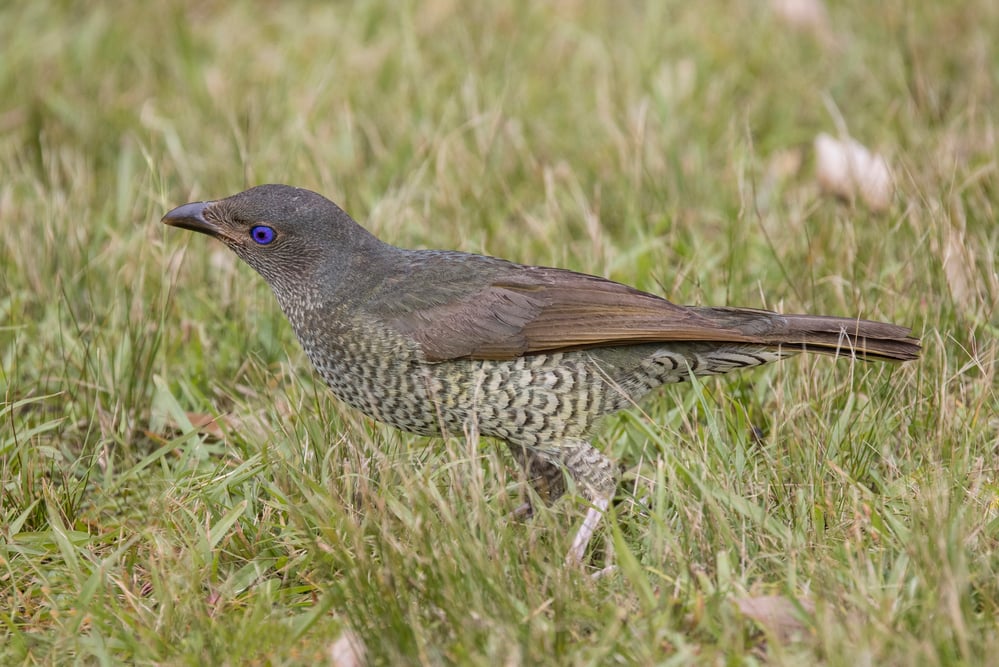
Male bowerbirds build elaborate structures called bowers to attract mates. Not nests. Art galleries.
They collect bottle caps, berries, flowers, and shiny objects, arranging them by color and size with the precision of an interior designer. Some species even paint their bowers using chewed berries and charcoal, applying the pigment with makeshift brushes made from bark.
Like Go2Tutors’s content? Follow us on MSN.
Secretary Bird
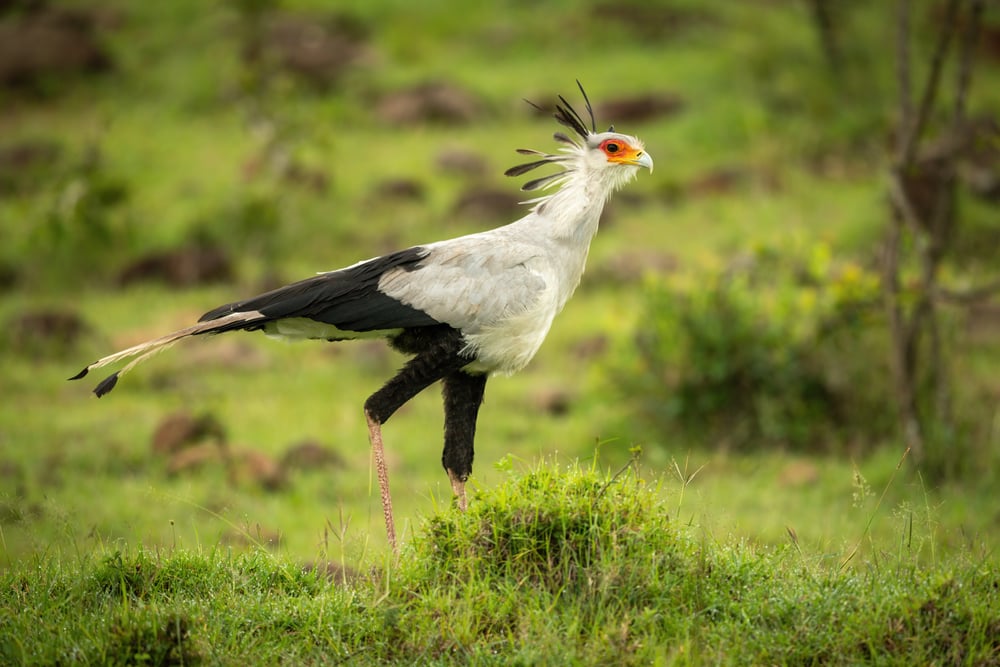
Secretary birds hunt by stomping venomous snakes to death with their powerful legs. These African raptors can deliver kicks with the force of five times their body weight, striking faster than a human can blink.
They look oddly professional too, with their crest of long feathers resembling quill pens tucked behind a clerk’s ear.
Honeyguide
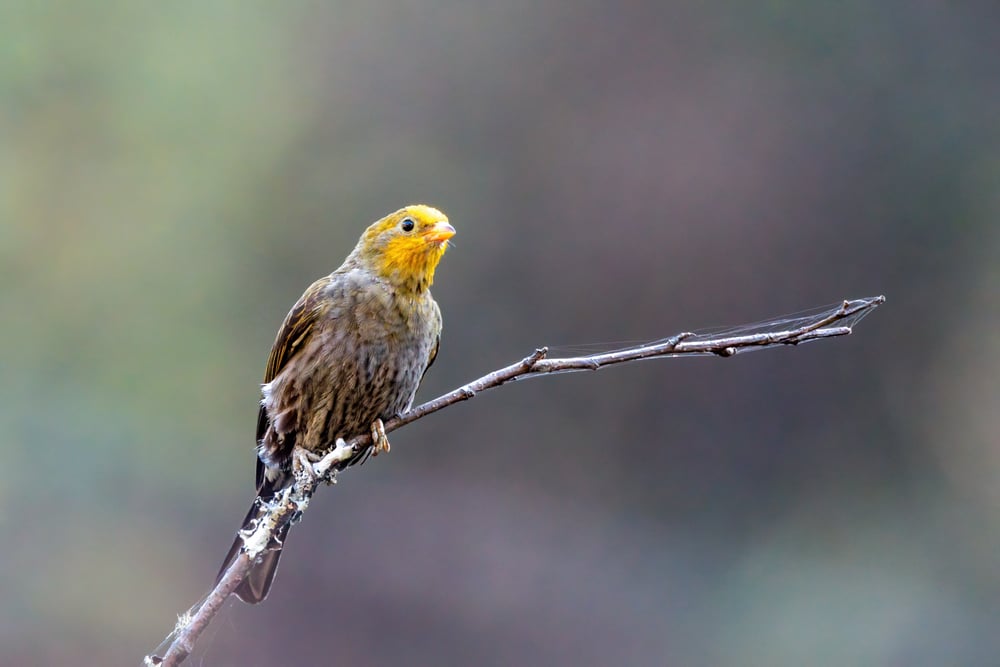
Honeyguides practice one of nature’s most unusual partnerships with humans. Wild honeyguides in Africa will actively seek out people, then lead them to beehives through a series of specific calls and flight patterns.
Once humans break open the hive and take the honey, the birds feast on leftover wax and larvae. This behavior is completely learned. Not instinctual.
Northern Shrike

Northern shrikes impale their prey on thorns or barbed wire, creating gruesome pantries of dead mice, insects, and small birds. These “butcher birds” lack the strong talons of typical raptors, so they use sharp objects as tools to hold and tear apart their victims.
Still, they’re only about the size of a robin.
Like Go2Tutors’s content? Follow us on MSN.
Oxpecker

Red-billed oxpeckers live almost exclusively on the backs of large African mammals, eating ticks and other parasites. But they also drink blood from open wounds and sometimes create new ones by pecking at healthy skin.
The relationship teeters between helpful partnership and straight-up parasitism.
Lyrebird
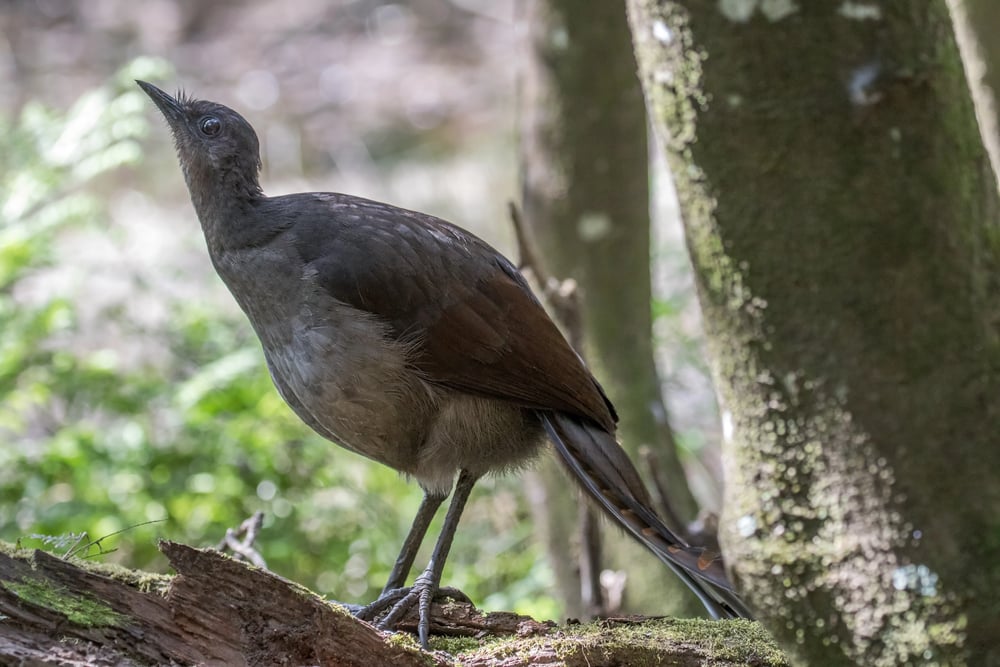
Superb lyrebirds can mimic almost any sound they hear. Their repertoire includes:
- Camera shutters and car alarms
- Chainsaws and construction equipment
- Human speech and laughter
- Other bird songs with perfect pitch
Males incorporate these sounds into elaborate courtship displays that can last for hours.
Brown-headed Cowbird
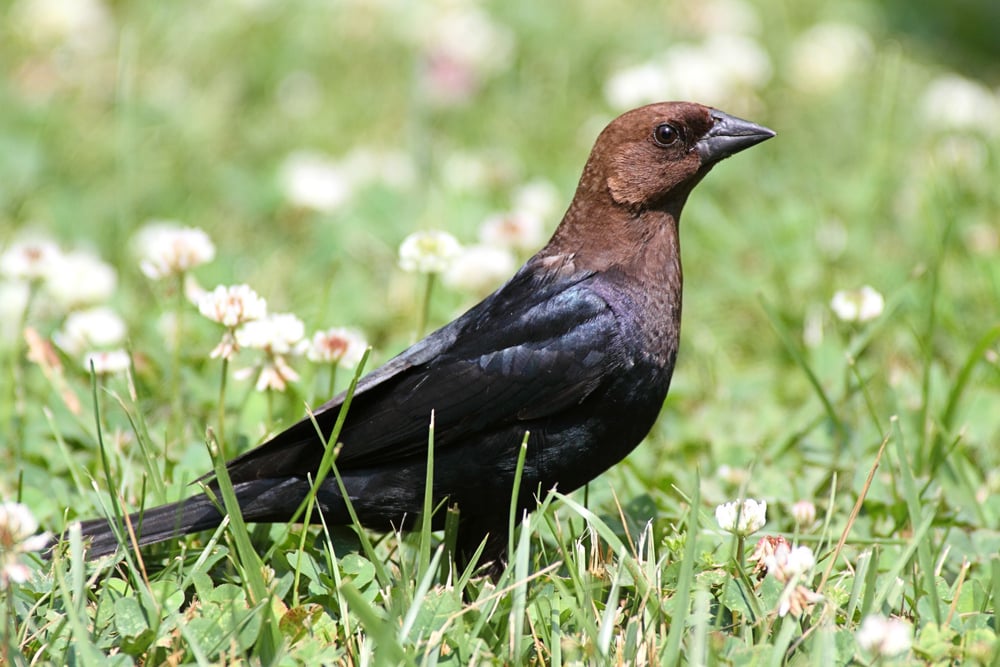
Brown-headed cowbirds never raise their own young. Instead, females sneak into other birds’ nests and lay their eggs there. The unsuspecting foster parents raise the cowbird chicks as their own, often at the expense of their biological offspring.
One female can parasitize up to 40 nests in a single season.
Like Go2Tutors’s content? Follow us on MSN.
Egyptian Vulture
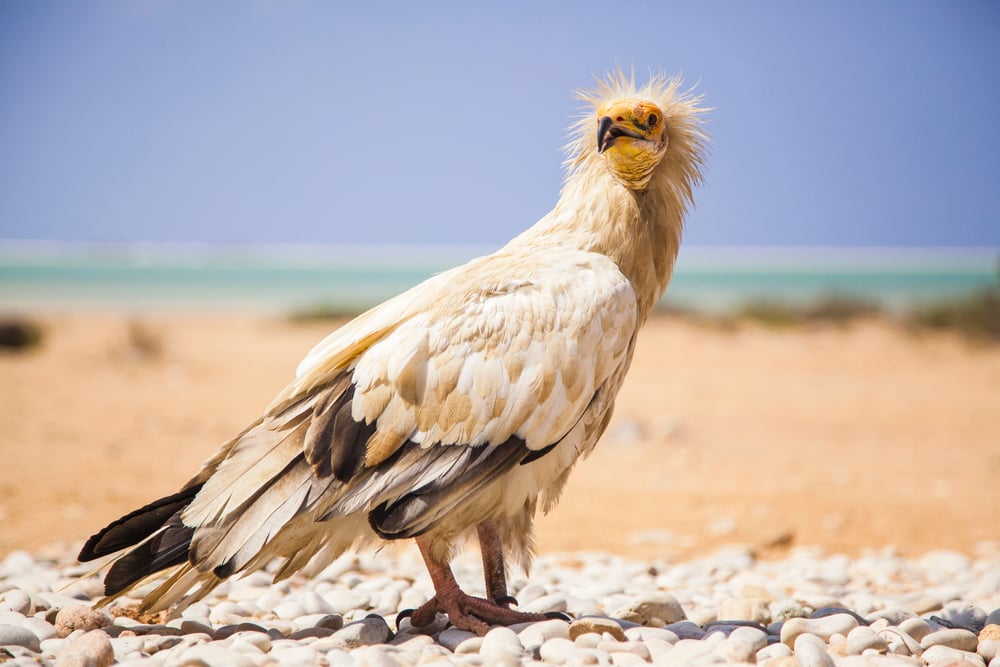
Egyptian vultures use tools to crack open ostrich eggs, one of the few bird species known to do so. They pick up rocks and throw them repeatedly at the eggs until they break.
The technique requires patience and precision. These birds also eat dung.
Lots of it. They seem to prefer the freshest variety, which somehow makes it worse.
Great Frigatebird

Male great frigatebirds inflate bright red throat pouches to the size of party balloons during mating displays. The inflated sacs can take 20 minutes to fully expand and make a drumming sound when vibrated.
But frigatebirds are also notorious pirates, harassing other seabirds until they regurgitate their catch, then swooping down to steal the vomit mid-air.
Hoatzin
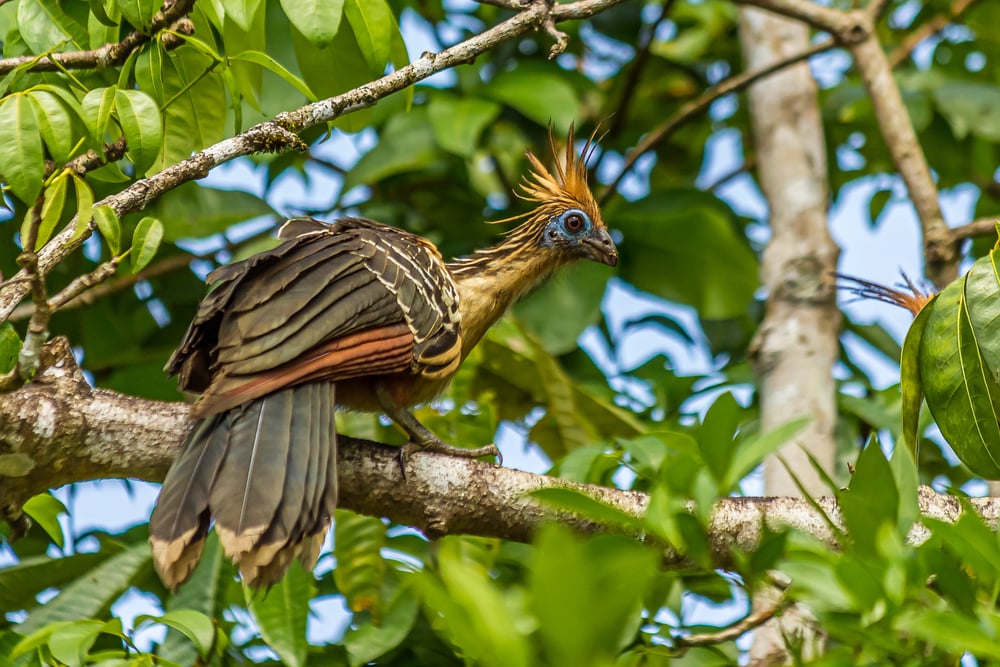
Hoatzin chicks have claws on their wings, like tiny pterodactyls. When threatened, the young birds dive into water and swim to safety, then use their wing claws to climb back up trees to their nests.
Adult hoatzins ferment leaves in their enlarged crops, making them smell perpetually like fresh manure.
Like Go2Tutors’s content? Follow us on MSN.
Kakapo

Kakapos are the world’s only flightless parrots, weighing up to nine pounds. Males create bowl-shaped depressions in the ground and boom through the night to attract females, producing calls that can travel for miles.
They smell like honey and flowers, which is surprisingly pleasant for such an odd-looking bird.
Brown Pelican

Brown pelicans dive-bomb into water from heights of up to 60 feet, hitting the surface at 40 miles per hour. Air sacs throughout their bodies cushion the impact, but the behavior still looks suicidal from a distance.
They also have throat pouches that can hold three gallons of water, more than their stomachs can actually handle.
Clark’s Nutcracker
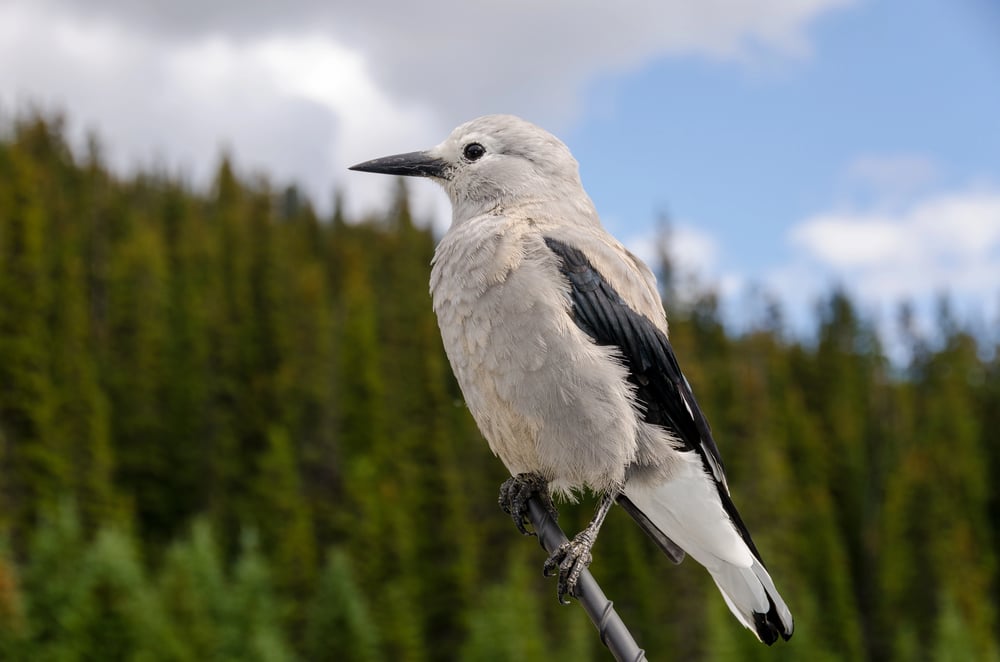
Clark’s nutcrackers can remember the locations of thousands of seed caches scattered across mountain landscapes. A single bird may hide up to 98,000 pine seeds in 5,000 different locations each fall, then return to find them months later under several feet of snow.
Their spatial memory puts most humans to shame.
Like Go2Tutors’s content? Follow us on MSN.
Vampire Finch

Vampire finches feed on larger seabirds by pecking at the base of their wing and tail feathers until they create small wounds. Found only in the Galápagos Islands, these finches likely evolved this behavior during drought years when traditional food sources disappeared.
The victim birds rarely seem bothered by this feeding behavior, often ignoring their tiny tormentors entirely.
Nature’s Endless Surprises

These bird behaviours highlight just how diverse and sometimes fascinating the animal kingdom is. Certainly, birds offer plenty of entertainment for those willing to take the time to observe their behaviors.
More from Go2Tutors!

- 16 Historical Figures Who Were Nothing Like You Think
- 12 Things Sold in the 80s That Are Now Illegal
- 15 VHS Tapes That Could Be Worth Thousands
- 17 Historical “What Ifs” That Would Have Changed Everything
- 18 TV Shows That Vanished Without a Finale
Like Go2Tutors’s content? Follow us on MSN.



